The Electric String Guide: Finding Your Perfect Gauge and Material
What separates a flat, dead-sounding guitar from a rich, resonant, and articulate instrument? While your guitar's wood, pickups, and amplifier define your fundamental tone, professional studio engineers and touring guitarists know that the secret to shaping your attack, sustain, and playability lies in choosing the right electric guitar strings.
Replacing your worn-out strings serves several critical functions:
-
Restored Brightness & Articulation: Fresh strings respond accurately to your pick dynamics, delivering a crisp, clear high-end that doesn't get lost in a live or studio mix.
-
Consistent Tuning Stability: Worn, stretched, or corroded strings lose their elasticity, making them incredibly difficult to tune and keep in pitch.
-
Improved Playability: Fresh strings offer a smooth, comfortable feel under your fingers, reducing friction and making bends, slides, and vibrato effortless.
Understanding String Specifications: Gauges, Materials & Coatings
To choose the correct strings for your playing style, you must understand the primary specifications:
1. Standard String Gauges
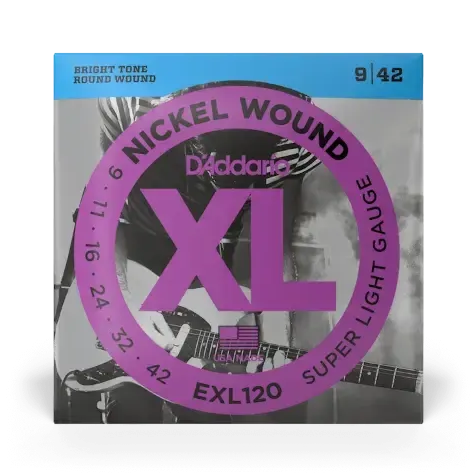
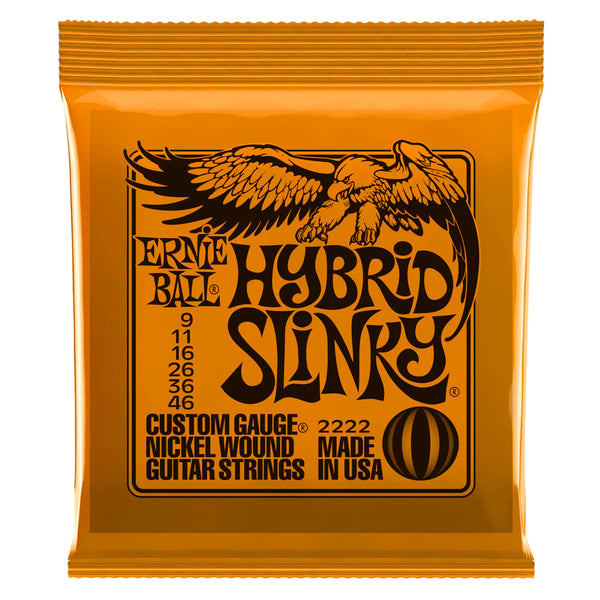
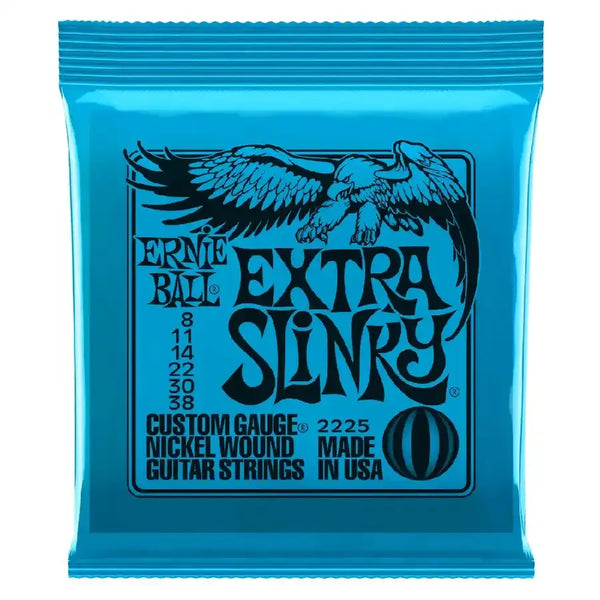
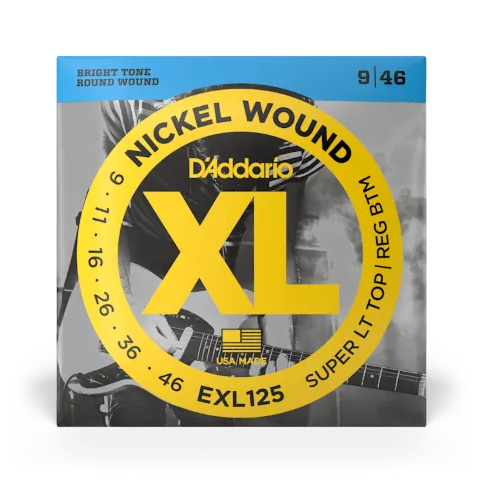
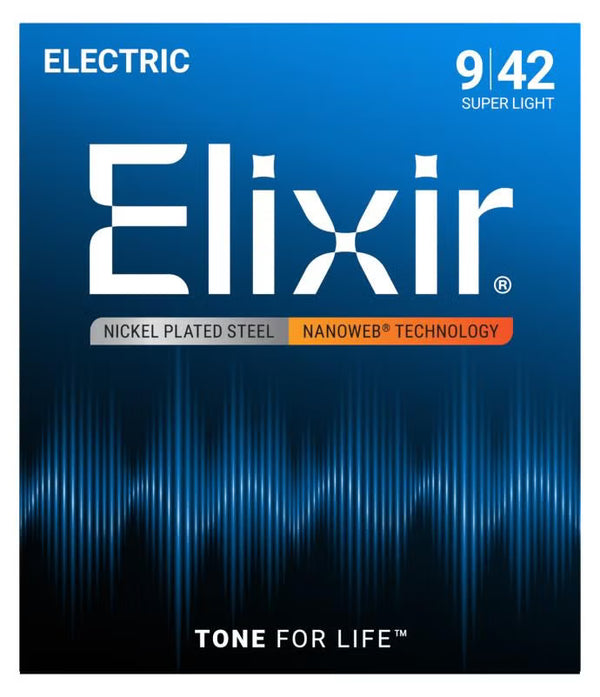
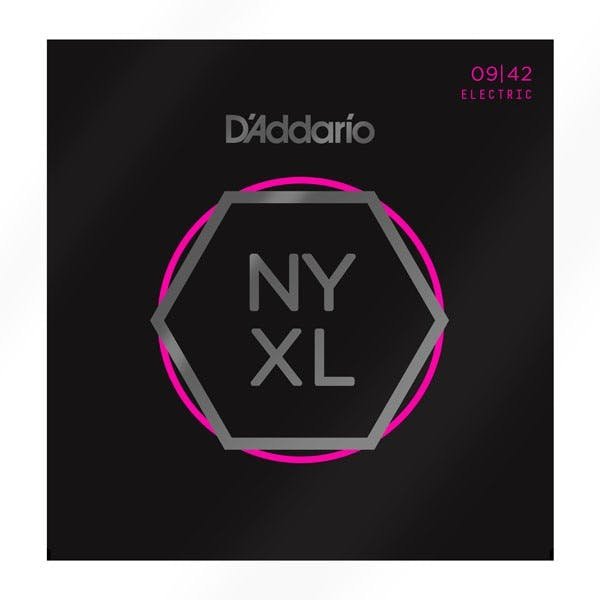
Super Slinky (9-42): Lightweight, thin, and highly flexible. Perfect for beginners, players with a lighter touch, and effortless bends.
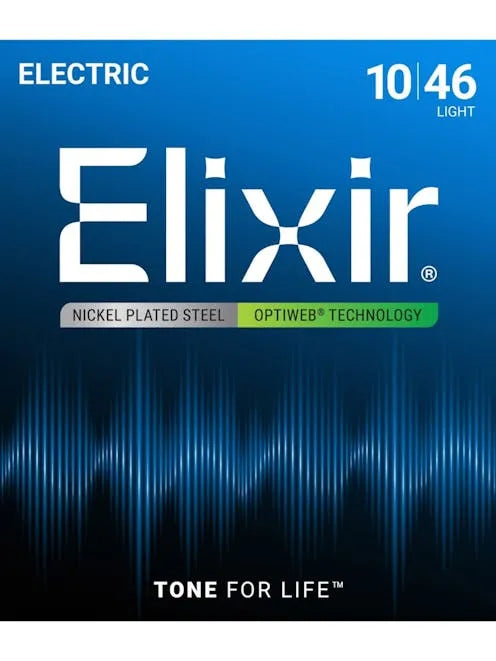
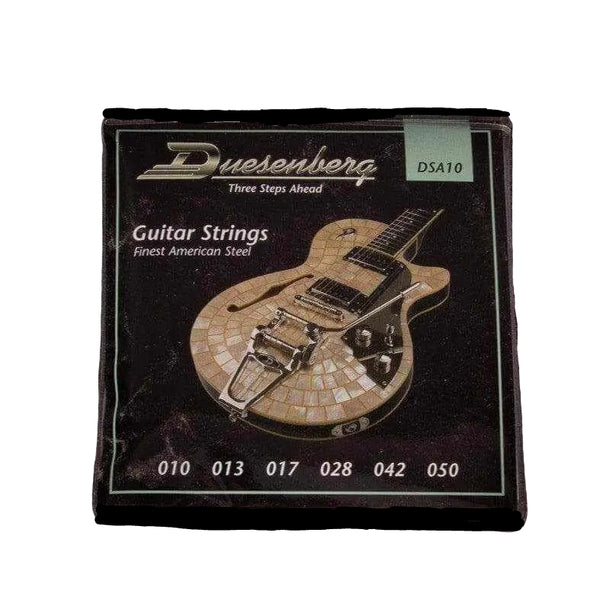
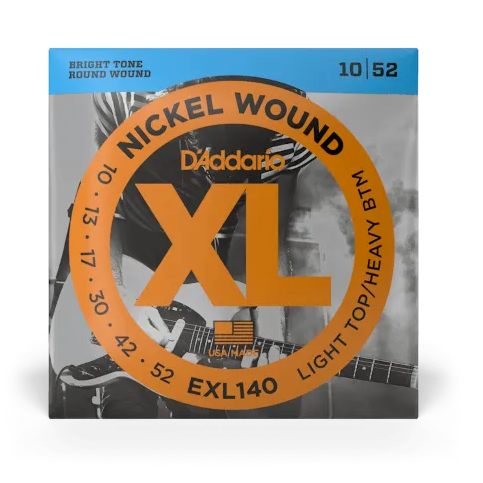
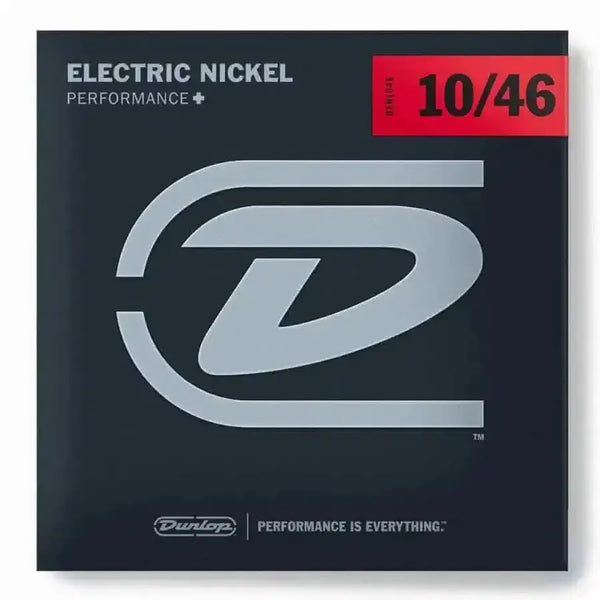
Regular Slinky (10-46): The undisputed industry standard. Offers the perfect balance of tension, volume, and durability for general practice and gigging.
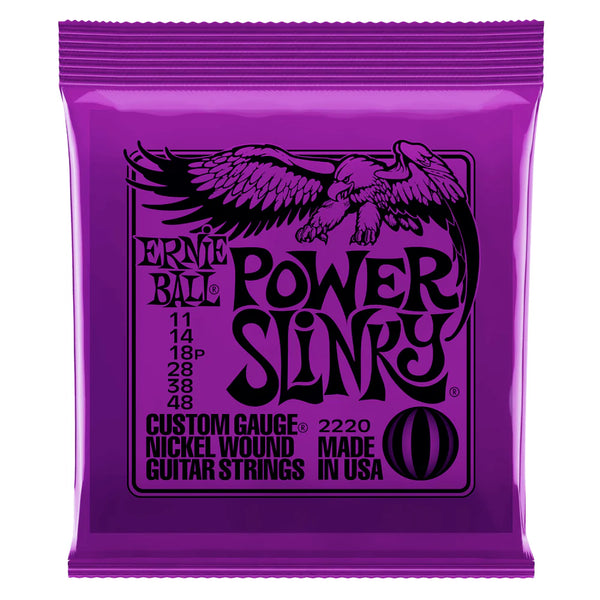
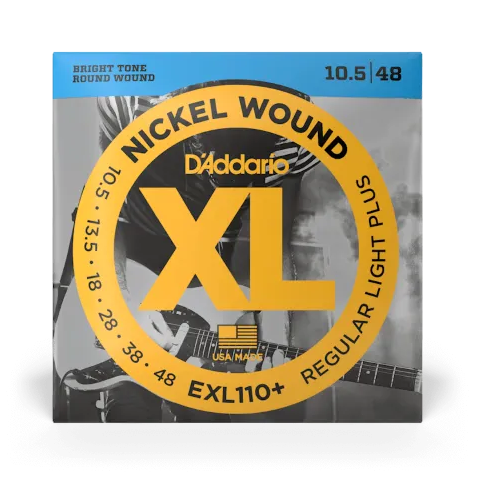
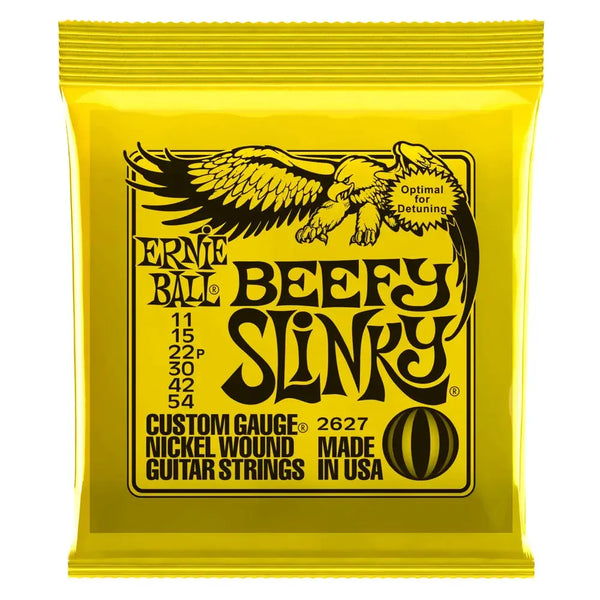
Power Slinky (11-48 & Higher): Heavy-duty and powerful. Designed for heavy-hitting rock/metal players and drop tunings.
2. Premium String Materials
Nickel-Plated Steel: The most popular choice. Delivers a bright, balanced tone with excellent magnetic response and outstanding versatility.
Pure Nickel: Warm, vintage, and smooth. Delivers a round tone with a soft-edged attack, perfect for classic rock, blues, and jazz.
Stainless Steel: Bright, aggressive, and highly corrosion-resistant with maximum projection.
3. Coated vs. Uncoated
Uncoated Strings: Deliver a traditional, organic feel and a bright, immediate attack. However, they are susceptible to sweat, dirt, and humidity.
Coated Strings: Coated strings (such as Elixir Optiweb or D'Addario NYXL with protective treatments) feature an ultra-thin polymer coating that shields the wire from sweat and dirt, extending string life by up to 3 to 5 times.
The MusicStreet Difference: Quality & Authenticity Guaranteed
At MusicStreet, we don't believe in "box shifting." Even simple accessories like guitar strings require careful selection. Wood and metal are natural materials, and cheap or counterfeit strings can often vary in quality, rust prematurely, or have mismatched tensions.
Every single pack of strings listed on our site is 100% genuine and sourced directly from authorized UK distributors. We physically stock all items in our Huntingdon showroom, ensuring they are stored in a clean, temperature-controlled environment before shipping.
Frequently Asked Questions (FAQs)
How often should I change my electric guitar strings?
+
As a general rule, active gigging and recording guitarists should change their strings every 3 to 4 weeks, or as soon as they lose their brightness, sustain, and become difficult to tune. Casual players can change their strings every 2 to 3 months, especially when using coated strings like Elixir Optiweb.
What is the difference between 9-gauge and 10-gauge strings?
+
9-gauge strings are thinner and lighter, requiring less finger pressure to press down and bend, making them excellent for beginners and fast lead playing. 10-gauge strings are slightly thicker and heavier, delivering a fuller tone, more sustain, and higher tension under your fingers.
Do you stock these items in your showroom?
+
Yes. Every pack of strings listed on our site is physically in stock at our independent showroom at 10 Chequers Court, Huntingdon, Cambridgeshire. You can drop in, check out the selection, and get honest, expert advice from our team of working musicians.
What are the benefits of coated strings?
+
Coated strings feature an ultra-thin protective layer that shields the wire from sweat, dirt, and humidity. This prevents corrosion and extends the life of your strings by up to 3 to 5 times, maintaining their fresh tone and smooth feel for much longer than uncoated strings.
The Electric String Guide: Finding Your Perfect Gauge and Material
What separates a flat, dead-sounding guitar from a rich, resonant, and articulate instrument? While your guitar's wood, pickups, and amplifier define your fundamental tone, professional studio engineers and touring guitarists know that the secret to shaping your attack, sustain, and playability lies in choosing the right electric guitar strings.
Replacing your worn-out strings serves several critical functions:
-
Restored Brightness & Articulation: Fresh strings respond accurately to your pick dynamics, delivering a crisp, clear high-end that doesn't get lost in a live or studio mix.
-
Consistent Tuning Stability: Worn, stretched, or corroded strings lose their elasticity, making them incredibly difficult to tune and keep in pitch.
-
Improved Playability: Fresh strings offer a smooth, comfortable feel under your fingers, reducing friction and making bends, slides, and vibrato effortless.
Understanding String Specifications: Gauges, Materials & Coatings
To choose the correct strings for your playing style, you must understand the primary specifications:
1. Standard String Gauges
-
Super Slinky (9-42): Lightweight, thin, and highly flexible. 9-gauge strings are perfect for beginners, players with a lighter touch, and guitarists who execute massive, effortless bends.
-
Regular Slinky (10-46): The undisputed industry standard. 10-gauge strings offer the perfect balance of tension, volume, and durability, making them the ultimate choice for rock, pop, blues, and general practice.
-
Power Slinky (11-48 & Higher): Heavy-duty, thick, and powerful. 11-gauge strings are designed for heavy-hitting rock and metal players, as well as guitarists who use drop tunings (like Drop D or D Standard) and require higher tension.
2. String Materials
-
Nickel-Plated Steel: The most popular choice for electric strings. They deliver a bright, balanced tone with excellent magnetic response and outstanding durability, making them highly versatile.
-
Pure Nickel: Warm, vintage, and smooth. Pure nickel strings deliver a warm, round tone with a soft-edged attack, making them perfect for classic rock, blues, and jazz.
-
Stainless Steel: Bright, aggressive, and highly corrosion-resistant. Stainless steel strings deliver a bright, glassy high-end with maximum projection and a highly articulate attack.
3. Coated vs. Uncoated Strings
-
Uncoated Strings: Deliver a traditional, organic feel and a bright, immediate attack. However, they are susceptible to sweat, dirt, and humidity, which can cause them to lose their tone and corrode over time.
-
Coated Strings: Coated strings (such as Elixir Optiweb or D'Addario NYXL with protective treatments) feature an ultra-thin polymer coating that shields the wire from sweat and dirt. This extends the life of your strings by up to 3 to 5 times, maintaining their fresh-out-of-the-box tone and feel for months.
4. The MusicStreet Difference: Quality & Authenticity Guaranteed
At MusicStreet, we don't believe in "box shifting." Even simple accessories like guitar strings require careful selection. Wood and metal are natural materials, and cheap or counterfeit strings can often vary in quality, rust prematurely, or have mismatched tensions.
Every single pack of strings listed on our site is 100% genuine and sourced directly from authorized UK distributors. We physically stock all items in our Huntingdon showroom, ensuring they are stored in a clean, temperature-controlled environment before shipping.
-
No Drop-Shipping: Every pack of strings listed on our site is physically in stock at our Huntingdon store.
-
100% Genuine: We only stock authentic Ernie Ball, D'Addario, and Elixir strings.
-
Free UK Shipping: Enjoy free, fully insured UK shipping on all orders over £99, with competitive rates worldwide.
-
Flexible Financing: Buy with confidence using Klarna or PayPal split payments.
5. Frequently Asked Questions (FAQs)
How often should I change my electric guitar strings?
As a general rule, active gigging and recording guitarists should change their strings every 3 to 4 weeks, or as soon as they lose their brightness, sustain, and become difficult to tune. Casual players can change their strings every 2 to 3 months, especially when using coated strings like Elixir Optiweb.
What is the difference between 9-gauge and 10-gauge strings?
9-gauge strings are thinner and lighter, requiring less finger pressure to press down and bend, making them excellent for beginners and fast lead playing. 10-gauge strings are slightly thicker and heavier, delivering a fuller tone, more sustain, and higher tension under your fingers.
Do you stock these items in your showroom?
Yes. Every pack of strings listed on our site is physically in stock at our independent showroom at 10 Chequers Court, Huntingdon, Cambridgeshire. You can drop in, check out the selection, and get honest, expert advice from our team of working musicians.
What are the benefits of coated strings?
Coated strings feature an ultra-thin protective layer that shields the wire from sweat, dirt, and humidity. This prevents corrosion and extends the life of your strings by up to 3 to 5 times, maintaining their fresh tone and smooth feel for much longer than uncoated strings.