The Slide Guitar Guide: Balancing Material, Weight, and Tone
What separates a basic metal tube from a professional-grade, ergonomically tapered, and tone-packed guitar slide? While any smooth cylinder can slide across your strings, professional touring blues players, country musicians, and rock guitarists know that the secret to unlocking rich sustain and expressive tone lies in choosing the right guitar slide.
A slide glides over the strings without pressing them down to the frets, acting as a moving nut. The material, weight, and wall thickness you choose directly impact your instrument's acoustic projection and harmonic character.
Investing in a premium slide serves several critical functions:
-
Endless Sustain: Heavy-walled slides maximize string vibration transfer, allowing notes to ring out clearly for much longer.
-
Tonal Customization: Different materials (like warm glass, bright brass, or balanced ceramic) act as a physical EQ, shaping the brightness and attack of your notes.
-
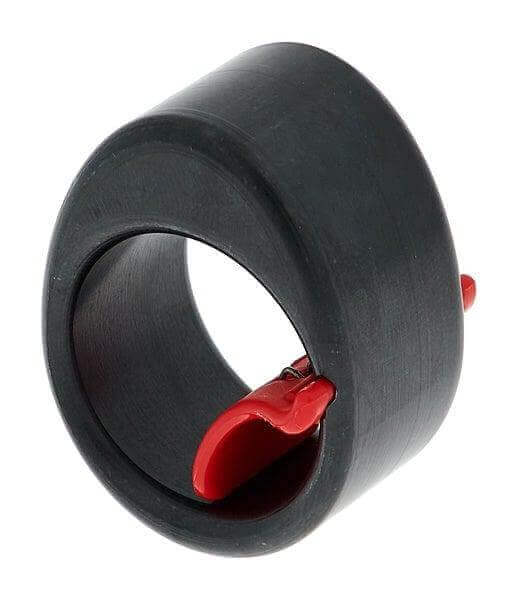
Ergonomic Comfort: Advanced designs (such as The RockSlide with finger rests and tapered interiors) prevent the slide from slipping or wobbling on your finger, ensuring precise control.
Choosing Your Material: Glass, Brass, or Ceramic
To choose the correct slide for your playing style and instrument, you must understand the primary materials:
1. Glass Guitar Slides
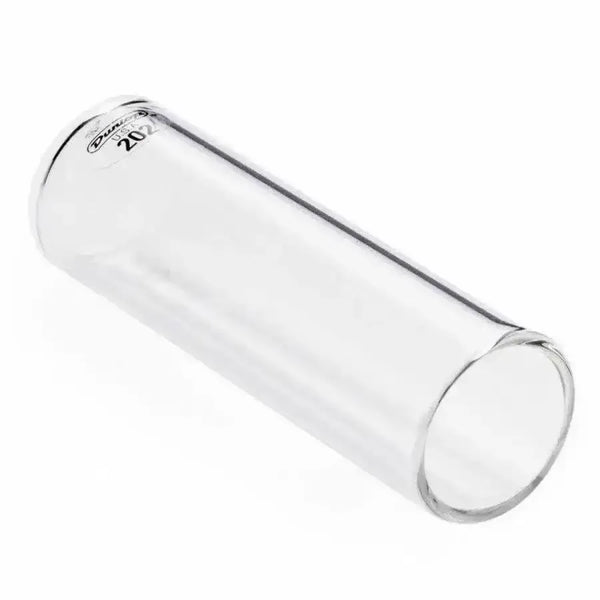
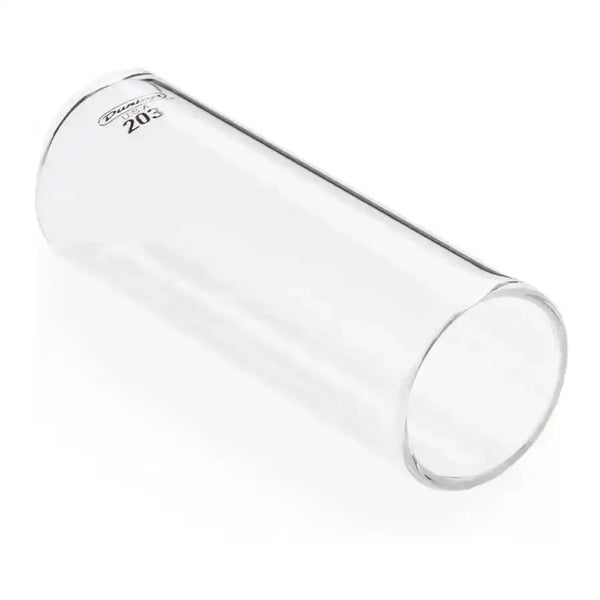
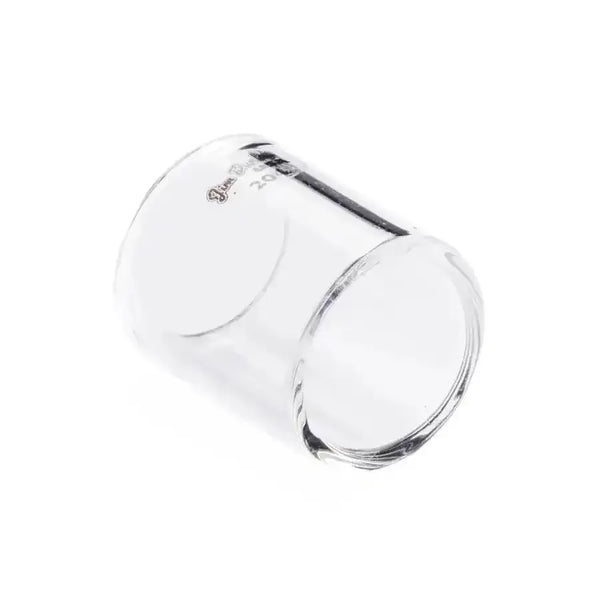
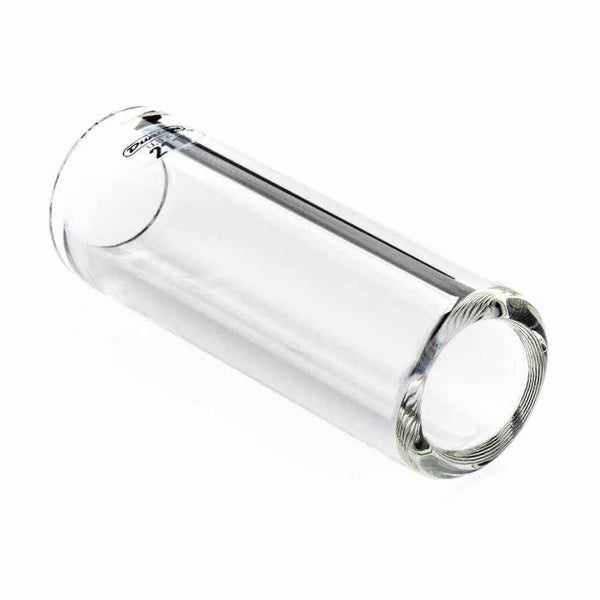
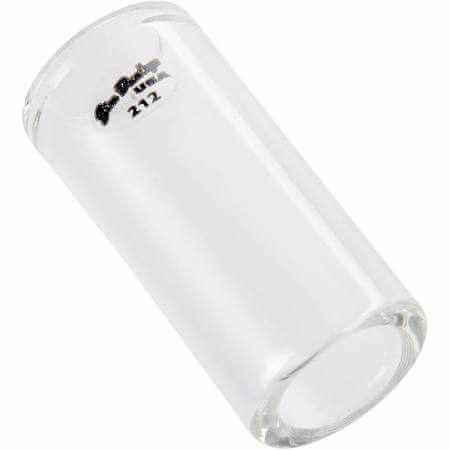
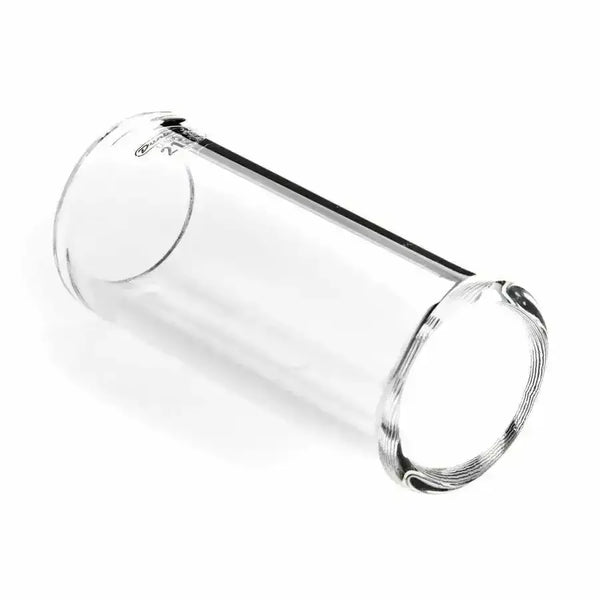
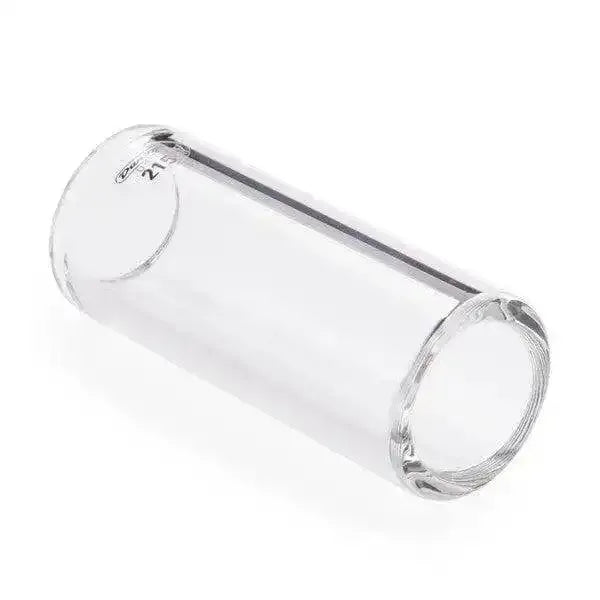
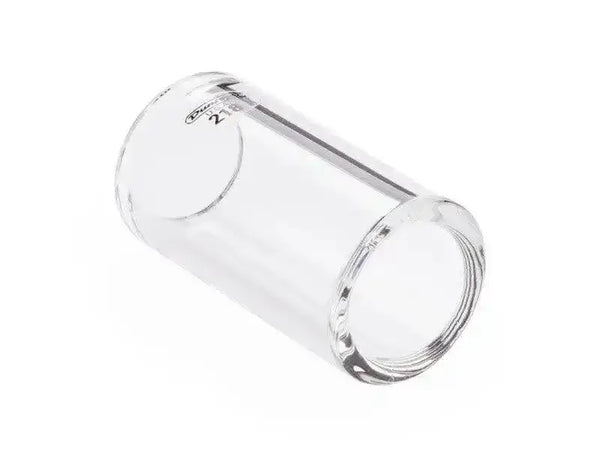
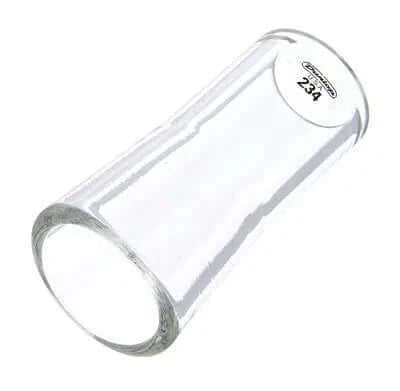
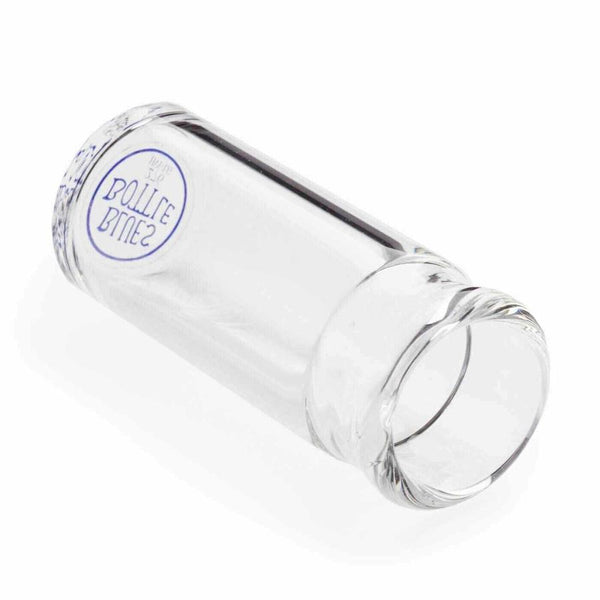
The undisputed standard for warm, smooth, and sweet tones. A premium glass guitar slide (such as those from Dunlop slides) delivers a warm, round tone with a soft-edged attack and minimal string noise. Glass is lightweight and glides effortlessly, making it the ultimate choice for electric blues, acoustic guitars, and players with a lighter touch.
2. Brass & Steel Slides
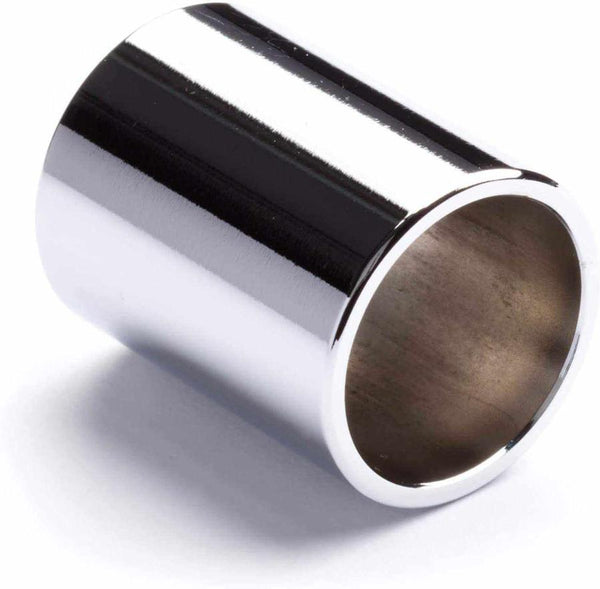
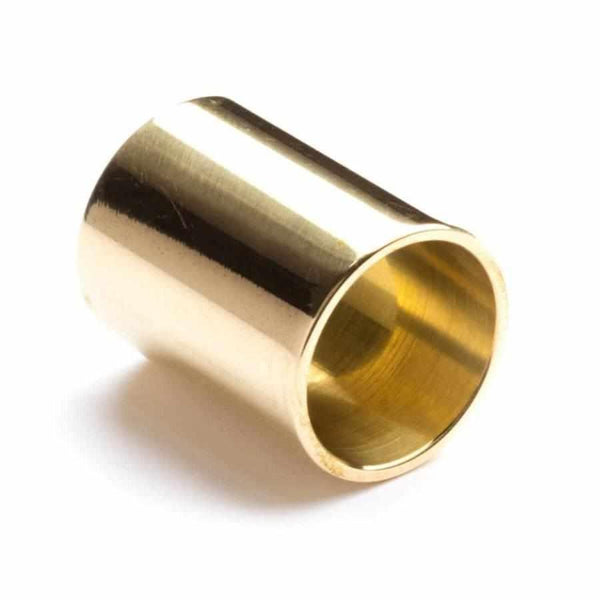
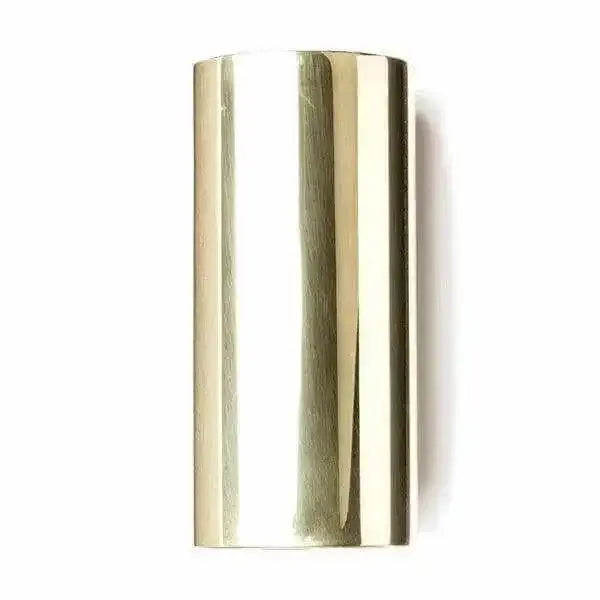
The ultimate choice for maximum volume, sustain, and grit. A heavy brass guitar slide delivers a bright, metallic high-end with a highly articulate attack and incredible sustain. The extra weight allows the slide to do the work, making them perfect for acoustic resonators, lap steels, and aggressive electric slide playing.
3. Ceramic Guitar Slides
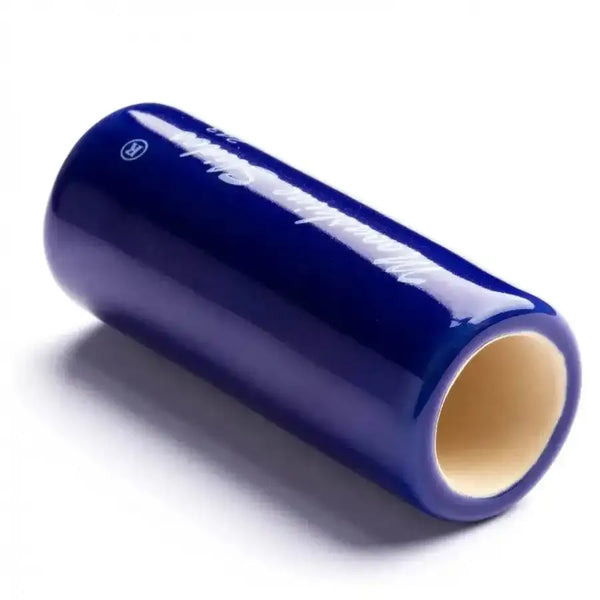
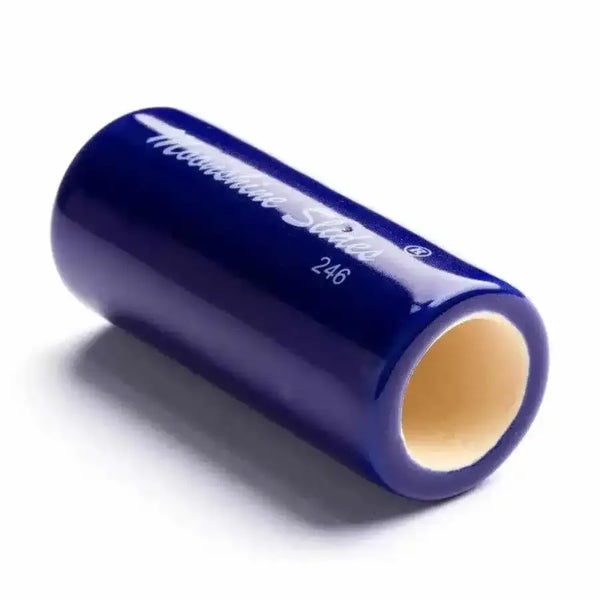
The perfect middle ground. A premium ceramic guitar slide combines the warm, sweet characteristics of glass with the heavy sustain and bright attack of brass. Featuring a porous, moisture-absorbing interior, ceramic slides offer outstanding grip and comfort, making them highly versatile for both acoustic and electric setups.
The MusicStreet Difference: Quality & Reliability Guaranteed
At MusicStreet, we don't believe in "box shifting." A guitar slide is a critical piece of utility gear, and its physical finish is critical to your performance.
Every single slide listed on our site is physically stocked in our Huntingdon showroom. Before shipping, our expert techs inspect the unit to ensure the edges are perfectly smooth, the inner diameter is consistent, and the surface is free of scratches or defects.
Frequently Asked Questions (FAQs)
Which finger should I wear my guitar slide on?
+
Most players wear their blues slide on either their ring finger or pinky finger. Wearing it on the pinky finger leaves your index, middle, and ring fingers free to fret standard chords and scales. Wearing it on the ring finger offers slightly more control and stability for heavy slides.
What is the difference between glass and brass slides?
+
A glass guitar slide delivers a warm, smooth, and mellow tone with minimal string noise, making it ideal for electric guitars. A brass guitar slide is much heavier, delivering a bright, metallic tone with maximum volume and sustain, making it perfect for acoustic resonators and lap steels.
Do you stock these items in your showroom?
+
Yes. Every slide listed on our site is physically in stock at our independent showroom at 10 Chequers Court, Huntingdon, Cambridgeshire. You can drop in, test the fit and weight on your finger, and get honest, expert advice from our team of working musicians.
How do I choose the correct slide size?
+
A guitar slide should fit snugly on your finger without being too tight or slipping off when your hand is pointing down. We list the inner diameter and ring size equivalent on our product pages to help you find the perfect fit. If you are between sizes, we recommend sizing up slightly, as you can always add a small piece of tape inside the slide for a custom fit.
The Slide Guitar Guide: Finding Your Perfect Tone and Material
What separates a basic piece of pipe from a professional-grade, perfectly balanced, and resonant musical tool? While your guitar's wood and pickups define your fundamental tone, professional blues players, country musicians, and studio session guitarists know that the secret to shaping your attack, sustain, and overtones lies in choosing the right guitar slides.
Investing in a premium slide serves several critical functions:
-
Sustain & Projection: The weight and density of your slide determine how much energy is transferred to the strings, directly affecting your sustain and acoustic volume.
-
Tonal Coloration: Different materials (glass, brass, steel, ceramic) emphasize different frequencies, allowing you to tailor your slide's voice to match your guitar and musical genre.
-
Ergonomic Comfort: High-quality slides feature tapered interiors, finger rests, and cutaways that prevent hand fatigue and allow for precise control across the fretboard.
Understanding Slide Materials: Glass, Brass, Steel & Ceramic
To choose the correct slide for your playing style and instrument, you must understand the primary materials:
1. Glass Guitar Slides (The Warm & Smooth Standards)
The undisputed standard for warm, vocal-like tones and smooth playability. A premium glass guitar slide (such as classic Pyrex or heavy-walled glass from Dunlop slides) glides effortlessly across the strings with minimal friction. Glass delivers a warm, round tone with a soft-edged attack and rich mid-range overtones—perfect for electric blues and acoustic-electric guitars.
2. Brass & Steel Guitar Slides (The Bright & Sustained Standards)
Designed for maximum volume, sustain, and cutting power. A heavy brass guitar slide or steel slide transfers maximum energy to the strings, delivering a bright, metallic attack with incredible sustain and rich high-frequency detail. These slides are the ultimate choice for acoustic resonators, lap steels, and heavy rock slide playing.
3. Ceramic Guitar Slides (The Balanced Hybrids)
The perfect bridge between glass and metal. A ceramic guitar slide features a porous, fired-clay construction that delivers a tone warmer than brass but brighter than glass. Ceramic slides offer a highly responsive, dry attack with excellent sustain and a comfortable, lightweight feel—highly popular for acoustic and electric players alike.
4. The MusicStreet Difference: Quality & Reliability Guaranteed
At MusicStreet, we don't believe in "box shifting." A guitar slide is a highly personal tool that directly contacts your instrument's strings and neck, and its quality is critical to your performance.
Every single slide listed on our site is physically stocked in our Huntingdon showroom. Before shipping, our expert techs inspect the unit to ensure the outer surface is completely smooth and free of any micro-scratches or defects, the interior bevels are comfortable, and the slide is in pristine condition.
-
No Drop-Shipping: Every slide listed on our site is physically in stock at our Huntingdon store.
-
1-Year Warranty: We back every instrument, amplifier, and accessory we sell with a comprehensive 1-year warranty.
-
Free UK Shipping: Enjoy free, fully insured UK shipping on all orders over £99, with competitive rates worldwide.
-
Flexible Financing: Buy with confidence using Klarna or PayPal split payments.
5. Frequently Asked Questions (FAQs)
Which finger should I wear my guitar slide on?
Most slide players wear the slide on either their ring finger or pinky finger. Wearing it on the pinky allows you to use your index, middle, and ring fingers to fret chords and single notes normally. Wearing it on the ring finger offers a highly stable grip and excellent control for heavy slides.
What is the difference between glass and brass slides?
Glass slides deliver a warm, round, and smooth tone with a soft attack and minimal string noise—perfect for electric guitars. Brass slides are significantly heavier, delivering maximum volume, incredible sustain, and a bright, metallic attack—perfect for acoustic resonators and lap steels.
Do you stock these items in your showroom?
Yes. Every slide listed on our site is physically in stock at our independent showroom at 10 Chequers Court, Huntingdon, Cambridgeshire. You can drop in, check out the selection, and find your perfect fit in person.
Do I need to raise my guitar's action to play slide?
While you can play slide on a standard guitar setup with a light touch, raising your string action (height) slightly is highly recommended. Higher action prevents the slide from accidentally pressing the strings against the frets, eliminating unwanted fret buzz and ensuring clean, sustained notes.