Guitar Leads & Instrument Cables
Preserve your guitar's high-end clarity, dynamic detail, and signal strength. Our curated collection of guitar leads represents the ultimate destination for gigging guitarists, studio session players, and home recording musicians—where premium copper conductors meet road-tested durability. Whether you are looking for the best guitar leads to deliver a noise-free stage performance, a rugged guitar lead for daily practice, or specialized guitar cables to link your pedalboard, we offer an exceptional range. Find your perfect connection with hand-selected instrument cables from industry-leading brands like Fender, Ernie Ball, and Planet Waves.
Because your performance relies on rock-solid gear, every single instrument cable we sell is physically inspected in our Huntingdon showroom before shipping, ensuring flawless solder joints, secure connector housings, and noise-free operation straight out of the box.
✓ Oxygen-Free Copper Conductors ✓ Free UK Delivery over £99 ✓ Professional Tech Support Included
Explore Guitar Leads & Instrument Cables at MusicStreet
Secure a flawless, noise-free signal path and preserve your instrument's true tone. Our curated collection of guitar leads and guitar cables represents the ultimate destination for gigging guitarists, studio session players, and home recording musicians—where premium shielding meets road-ready durability. Whether you are looking for the best guitar leads to eliminate stage interference, a heavy-duty instrument cables setup for your studio, or a reliable guitar lead with a right-angle connector for your offset guitar, we offer an exceptional range. Find your perfect connection with hand-selected cables from industry-leading brands like Fender, Ernie Ball, and Planet Waves.
Because your performance relies on a rock-solid, noise-free connection, every single guitar lead, patch cable, and instrument cable we sell is physically inspected in our Huntingdon showroom before shipping, ensuring clean solder joints, secure strain relief, and defect-free construction straight out of the box.
The Instrument Cable Guide: Choosing the Right Leads for Stage & Studio
What separates a cheap, noisy cable that chokes your high-end from a professional-grade, double-shielded, and low-capacitance instrument lead? While your guitar, pedals, and amplifier define your fundamental tone, professional live sound engineers, touring guitarists, and studio techs know that the secret to preventing signal degradation, hum, and crackle lies in choosing the right guitar leads.
Using a low-quality cable can result in your signal cutting out on stage, or introducing annoying radio frequency (RF) interference and hum into your recording path.
Investing in premium cables serves several critical functions:
- Signal Preservation: High-quality oxygen-free copper (OFC) conductors ensure your guitar's high frequencies and transient attack reach your amplifier or audio interface without loss.
- Noise Rejection: Double shielding (braided copper plus conductive PVC) blocks external electromagnetic interference (EMI) and radio frequency interference (RFI), keeping your signal quiet.
- Road-Ready Durability: Heavy-duty outer jackets (like braided fabric or thick rubber) and robust strain-relief boots prevent the cable from kinking, twisting, or breaking at the solder joints.
Choosing Your Connection: Braided Leads, Right-Angle Connectors & Patch Cables
To choose the correct cable configuration for your rig, you must understand the primary options:
1. Braided Instrument Cables
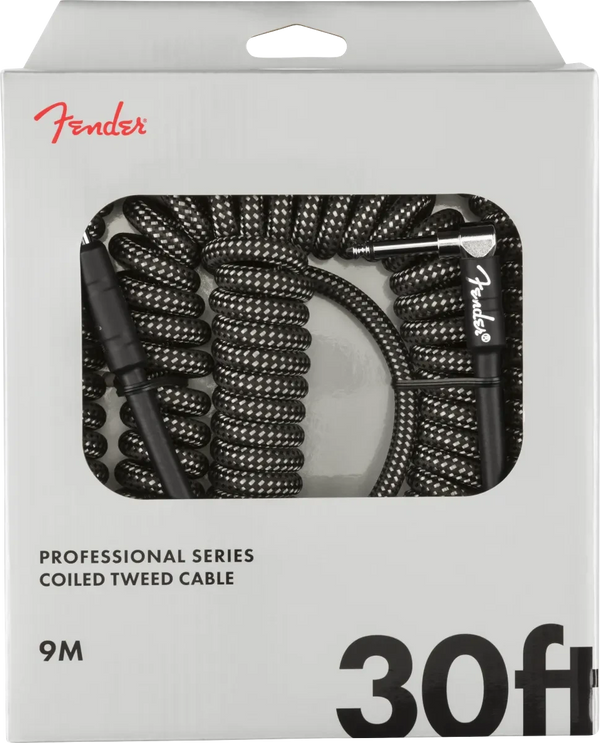
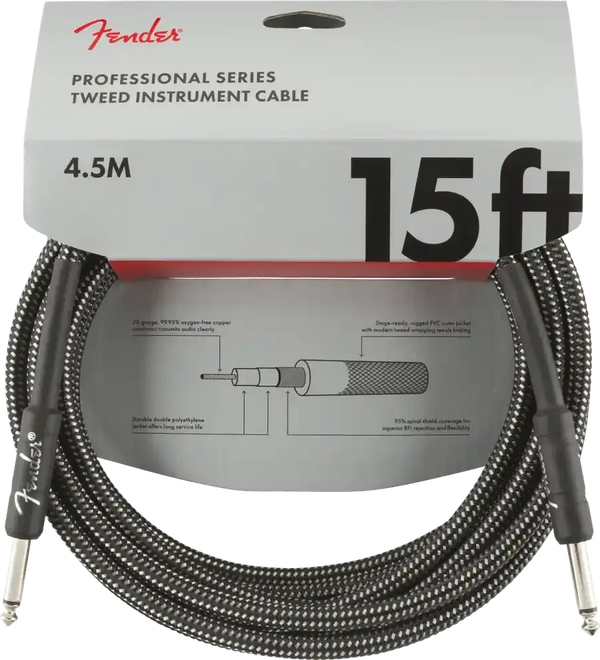
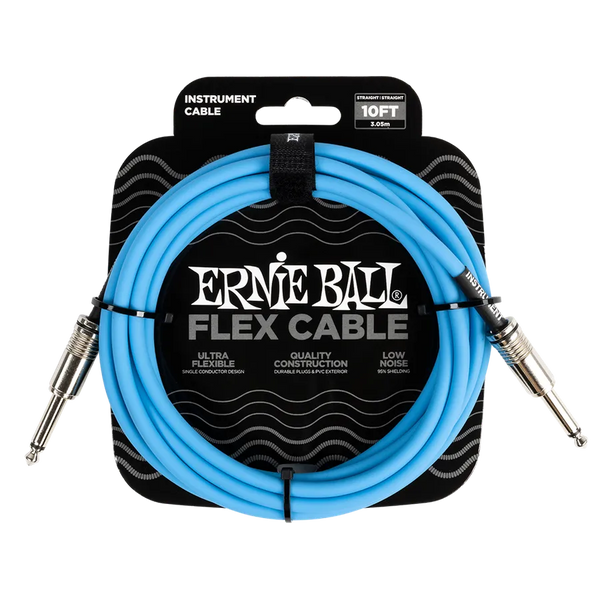
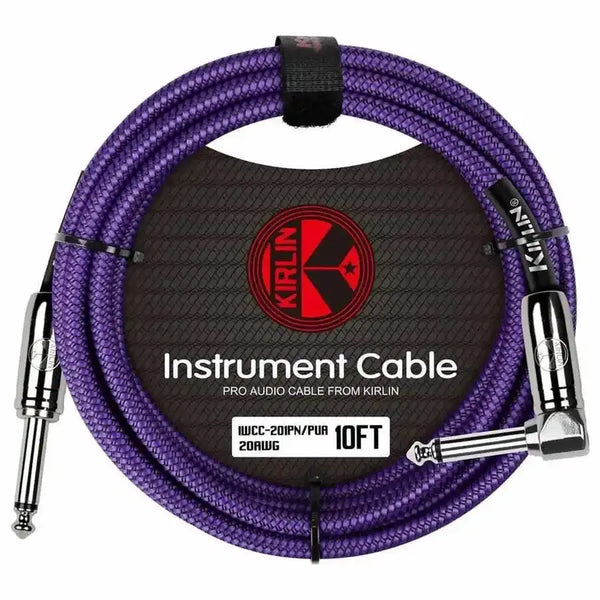
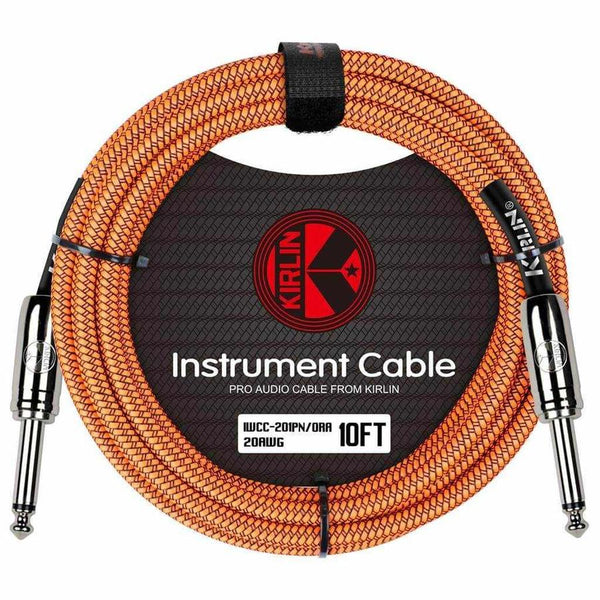
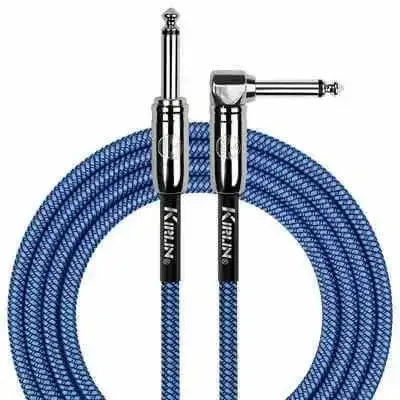
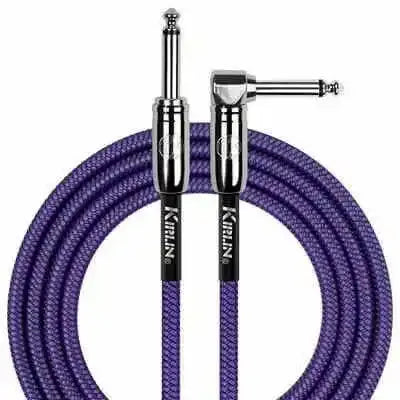
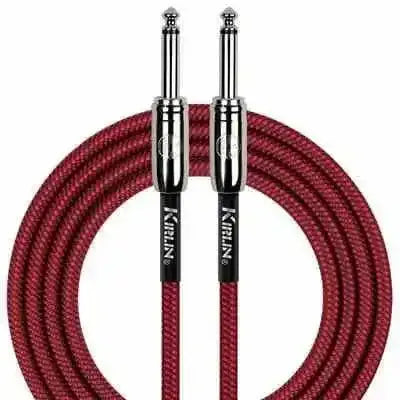
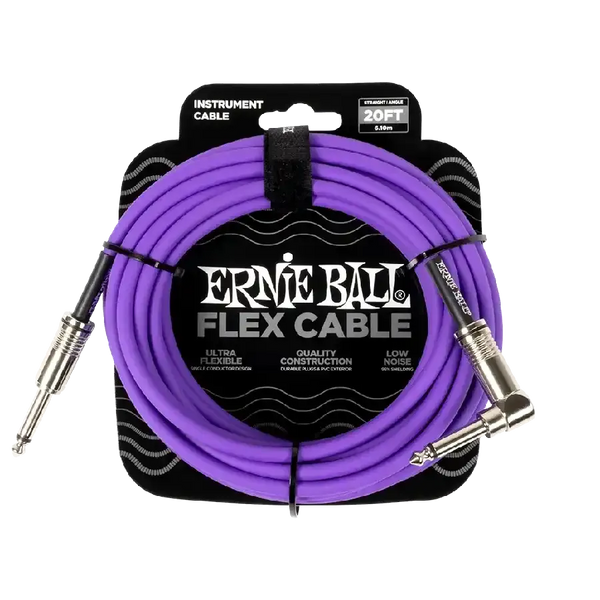
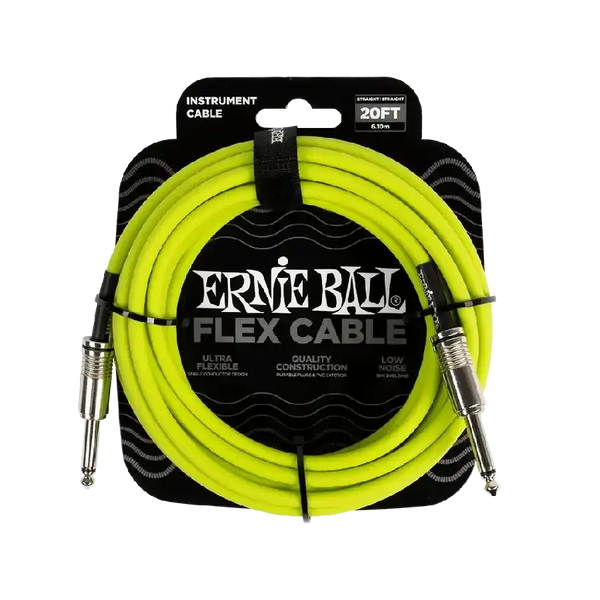
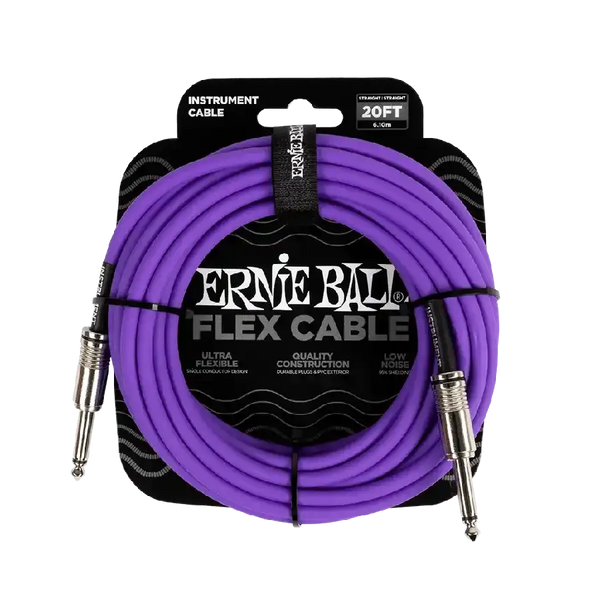
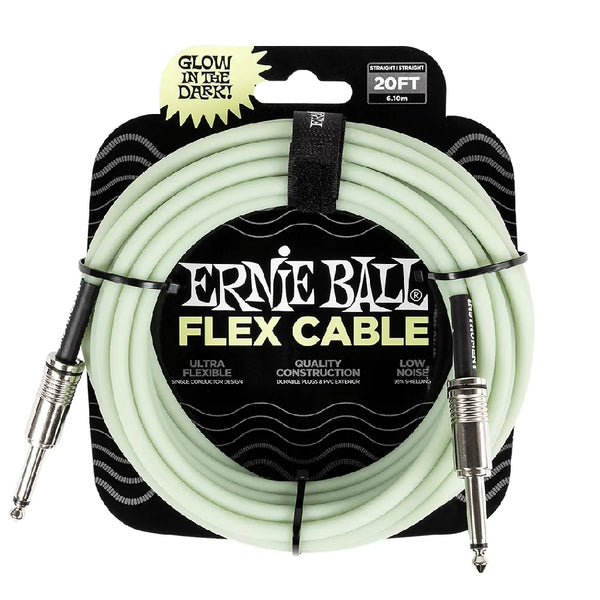
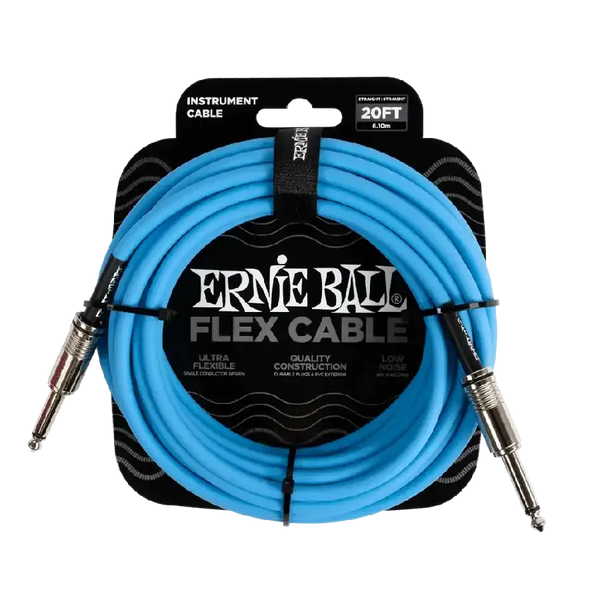
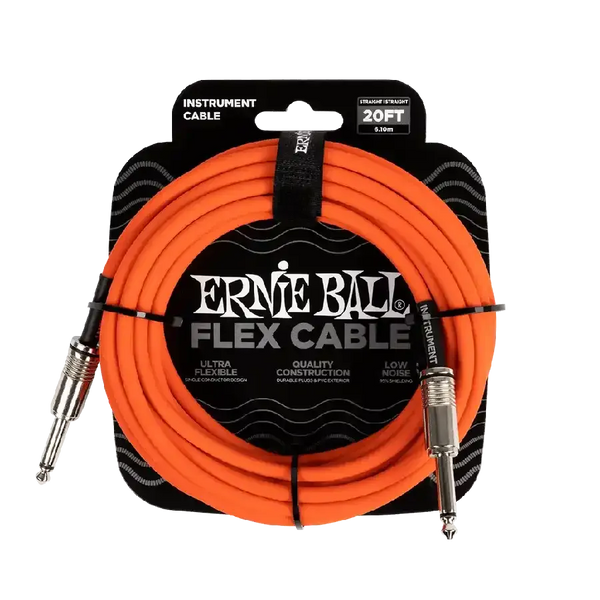
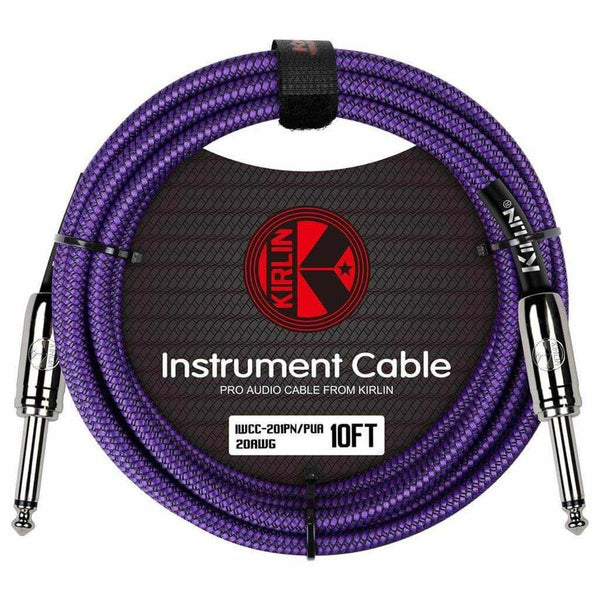
The undisputed standard for active stage performers. A premium braided cable (such as those from Fender cables or Ernie Ball cables) features a woven fabric outer jacket. This design prevents the cable from tangling or kinking on stage, offering outstanding flexibility and road-ready durability.
2. Right-Angle Connectors
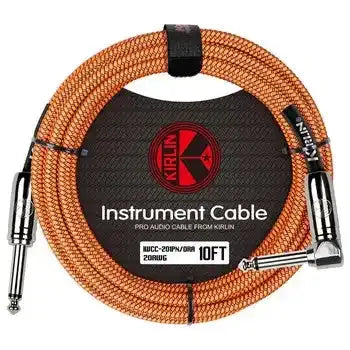
Essential for specific guitar shapes and safety. A cable featuring a right-angle connector on one end is perfect for guitars with side-mounted jacks (like Gibson Les Pauls, ES-335s, or telecasters) and acoustic guitars. The low-profile connector sits flush against the body, reducing the risk of the jack being damaged if the cable is stepped on.
3. Pedalboard Patch Cables
Keep your pedalboard clean, compact, and quiet. High-quality pedalboard patch cables (such as those from Planet Waves or Ernie Ball flat ribbon patches) feature ultra-low-profile connectors and short lengths (typically 3 to 6 inches). This allows you to pack your pedals tightly together while maintaining a pristine, noise-free signal path.
The MusicStreet Difference: Quality & Reliability Guaranteed
At MusicStreet, we don't believe in "box shifting." A cable is a critical piece of utility gear, and its reliability is critical to your performance.
Every single lead listed on our site is physically stocked in our Huntingdon showroom. Before shipping, our expert techs inspect the unit to ensure the connectors are clean, the strain relief is secure, and the cable is in pristine condition.
Frequently Asked Questions (FAQs)
What is the benefit of a braided guitar lead? +
A braided cable features a woven fabric outer jacket that is highly resistant to tangling, kinking, and twisting. This makes it much easier to coil and pack away after a gig, while providing an extra layer of physical protection against cuts, abrasions, and stage wear.
Why do I need low-capacitance guitar cables? +
All cables have a natural electrical property called capacitance, which acts like a subtle high-cut filter. The longer the cable, the more high-end sparkle you lose. Low-capacitance guitar cables preserve your instrument's natural brightness and high-frequency detail, ensuring your tone remains crisp and articulate even over long runs.
Do you stock these items in your showroom? +
Yes. Every lead, patch cable, and accessory listed on our site is physically in stock at our independent showroom at 10 Chequers Court, Huntingdon, Cambridgeshire. You can drop in, check out the build quality, and get honest, expert advice from our team of working musicians.
What is the difference between straight and right-angle connectors? +
Straight connectors are ideal for recessed top-mounted jacks (like Fender Stratocasters). Right-angle connectors are perfect for flat, side-mounted jacks (like Gibson Les Pauls or acoustic guitars) because they sit flush against the body, reducing strain on the jack and preventing accidental damage.
The Instrument Cable Guide: Preserving Your Tone from Guitar to Amp
What separates a cheap, noisy cable from a professional-grade, high-fidelity, and noise-free instrument lead? While many players focus on buying premium guitars and amplifiers, professional studio engineers and touring guitarists know that the secret to preserving your high-end clarity and dynamic detail lies in choosing the right guitar leads.
Using a low-quality cable acts like a filter on your tone, rolling off your guitar's natural high-frequency sparkle and introducing unwanted hum, crackle, and radio interference.
A premium guitar lead features several critical advantages:
- Oxygen-Free Copper (OFC) Conductors: High-purity copper ensures maximum signal transfer, preserving your guitar's natural frequency response and dynamic detail over long cable runs.
- Heavy-Duty Shielding: Braided or spiral copper shielding completely wraps the inner conductor, blocking electromagnetic interference (EMI) and radio frequency interference (RFI) from lights, power supplies, and wireless gear.
- Rugged Strain Relief: Premium connectors (such as Neutrik or custom-molded housings) feature robust strain relief that prevents the cable from breaking at its most vulnerable point—the solder joint.
Choosing Your Cable: Braided, Straight, or Right-Angle Connectors
To choose the correct cable for your playing style and rig, you must understand the primary specifications:
1. Connector Configurations
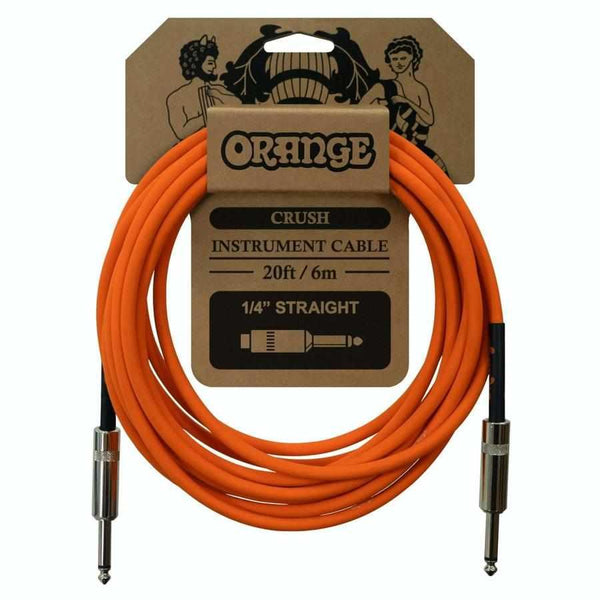
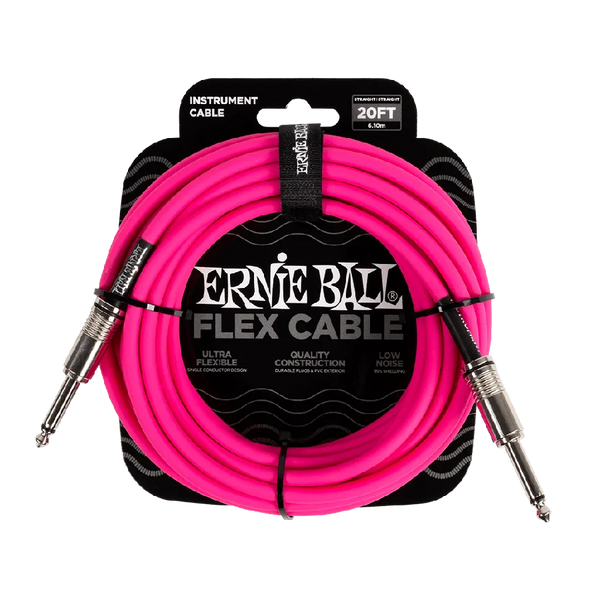
- Straight-to-Straight Cables: The industry standard. Perfect for guitars with recessed top-mounted jacks (like Stratocasters) or amplifiers where the cable plugs directly into the front panel.
- Straight-to-Right-Angle Cables: The ultimate choice for side-mounted jacks (like Telecasters, Les Pauls, and acoustic-electric guitars). The right-angle connector sits flush against your guitar's body, reducing the risk of the jack being damaged if the cable is accidentally pulled or stepped on.
2. Outer Jackets: Braided vs. Rubber
- Braided Outer Jackets: Braided fabric cables (such as Fender cables or Ernie Ball cables in custom colors) offer outstanding durability, resist tangling, and look fantastic on stage. The woven outer layer protects the inner rubber jacket from cuts and abrasions.
- Traditional Rubber Jackets: Highly flexible, easy to coil, and classic. Rubber-jacketed cables are the industry standard for studio recording and general stage use, offering a sleek, low-profile look.
3. Pedalboard Patch Cables
The essential links for your effects setup. Pedalboard patch cables feature ultra-short lengths (typically 3 to 12 inches) and flat, low-profile right-angle connectors, allowing you to pack your pedals tightly together while keeping your signal chain clean and noise-free.
4. The MusicStreet Difference: Quality & Reliability Guaranteed
At MusicStreet, we don't believe in "box shifting." An instrument cable is a critical piece of gear, and its reliability is critical to your performance.
Every single cable listed on our site is physically stocked in our Huntingdon showroom. Before shipping, our expert techs inspect the unit to ensure the solder joints are flawless, the connector housings are secure, and the cable runs quietly without any crackle or signal loss.
- No Drop-Shipping: Every cable listed on our site is physically in stock at our Huntingdon store.
- 1-Year Warranty: We back every instrument, amplifier, and accessory we sell with a comprehensive 1-year warranty.
- Free UK Shipping: Enjoy free, fully insured UK shipping on all orders over £99, with competitive rates worldwide.
- Flexible Financing: Buy with confidence using Klarna or PayPal split payments.
5. Frequently Asked Questions (FAQs)
Does cable length affect my guitar's tone?
Yes. Guitar cables carry a high-impedance analog signal. As a general rule, the longer the cable, the more high-frequency detail (treble) is lost due to natural capacitance. For the best balance of tone and stage movement, we recommend using a 10ft (3m) or 15ft (4.5m) cable for home and studio use, and a 18.6ft (5.5m) or 20ft (6m) cable for larger stages.
What is the benefit of a braided guitar cable?
Braided fabric cables feature a woven outer layer that provides outstanding durability, resists tangling, and prevents the cable from kinking. They are highly popular for stage use because they lay flat and are easy to coil.
Do you stock these items in your showroom?
Yes. Every cable listed on our site is physically in stock at our independent showroom at 10 Chequers Court, Huntingdon, Cambridgeshire. You can drop in, check out the selection, and get honest, expert advice from our team of working musicians.
What is the difference between instrument and speaker cables?
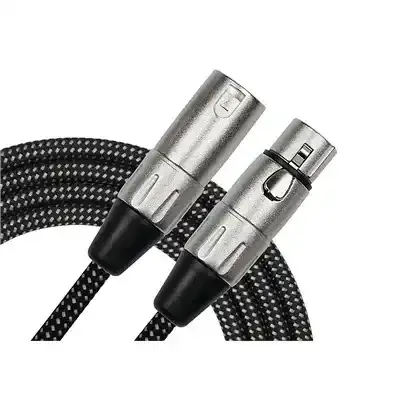
Instrument cables are shielded and designed to carry low-voltage signals from your guitar to your amp. Speaker cables are unshielded and designed to carry high-voltage power from your amplifier head to a speaker cabinet. Never use an instrument cable as a speaker cable, as this can permanently damage your amplifier.