


Acoustic Guitar Strings
Restore your acoustic guitar's natural warmth, projection, and harmonic resonance. Our curated collection of acoustic strings represents the ultimate destination for acoustic guitarists, singer-songwriters, and fingerstyle players—where premium materials meet exceptional durability. Whether you are looking for the best acoustic strings to deliver a rich, woody low-end or a specialized set of good acoustic strings to withstand heavy strumming and aggressive playing, we offer an exceptional range. Find your perfect set with hand-selected d addario acoustic strings and acoustic strings d'addario models, alongside premium options from Martin and Elixir.
Because your performance relies on fresh, reliable gear, every single pack of strings we sell is physically inspected in our Huntingdon showroom before shipping, ensuring airtight packaging, corrosion-free wire, and flawless construction straight out of the box.
✓ 100% Genuine Martin, Elixir & D'Addario ✓ Free UK Delivery over £99 ✓ Professional Tech Support Included
Explore Acoustic Guitar Strings at MusicStreet
The Acoustic String Guide: Finding Your Perfect Gauge and Alloy
What separates a flat, dead-sounding acoustic guitar from a rich, resonant, and articulate instrument? While your guitar's tonewoods, bracing, and body shape define its fundamental voice, professional studio engineers and touring acoustic guitarists know that the secret to shaping your projection, sustain, and playability lies in choosing the right acoustic guitar strings.
Replacing your worn-out strings serves several critical functions:
- Restored Warmth & Projection: Fresh strings respond accurately to your pick and finger dynamics, delivering a rich, full-bodied low-end and a sweet, sparkling high-end.
- Consistent Tuning Stability: Worn, stretched, or corroded strings lose their elasticity, making them incredibly difficult to tune and keep in pitch.
- Improved Playability: Fresh strings offer a smooth, comfortable feel under your fingers, reducing friction and making slides, hammer-ons, and pull-offs effortless.
Understanding Acoustic Specifications: Gauges, Alloys & Coatings
To choose the correct strings for your playing style and instrument, you must understand the primary specifications:
1. Standard String Gauges
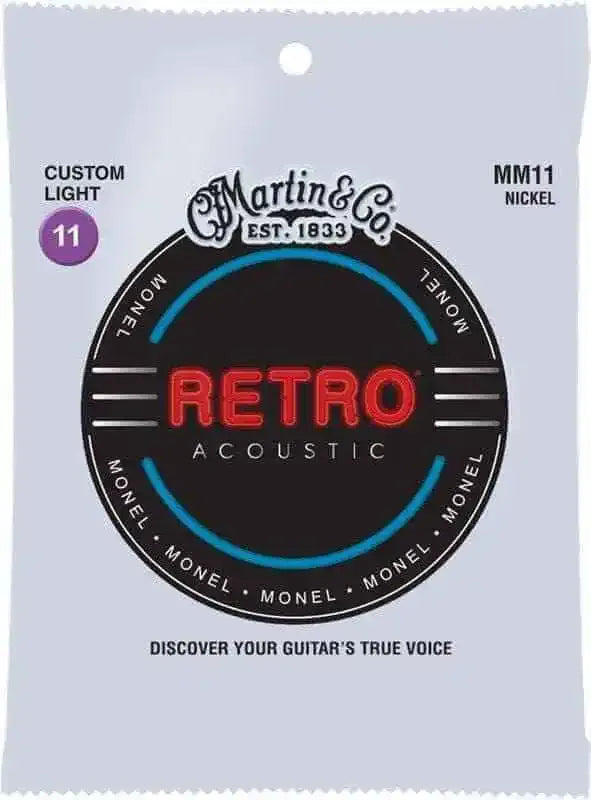
Custom Light (11-52): Lightweight, thin, and highly flexible. Perfect for beginners, players with a lighter touch, and smaller-bodied acoustic guitars.
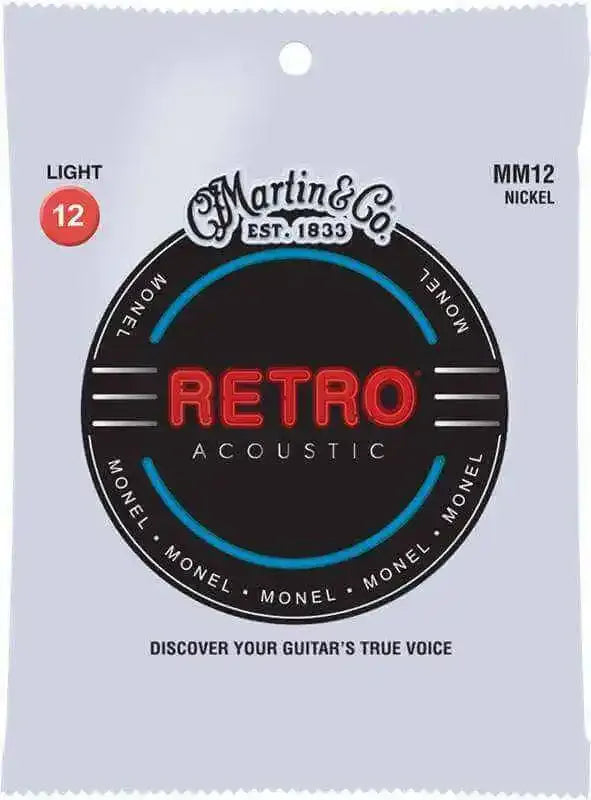
Light (12-53): The undisputed industry standard. Offers the perfect balance of tension, volume, and durability for dreadnoughts and auditorium models.
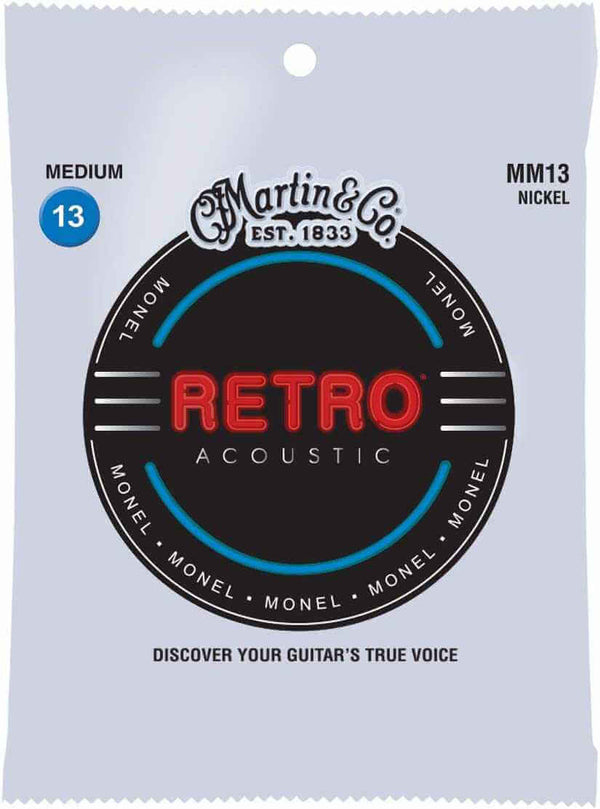
Medium (13-56): Heavy-duty and powerful. Designed for maximum volume, projection, and tension on large dreadnought or jumbo guitars.
2. Acoustic String Alloys
Phosphor Bronze: The most popular choice. Delivers a warm, rich, and balanced tone with excellent sustain and outstanding durability.
80/20 Bronze: Bright, crisp, and articulate. Delivers a bright, sparkling high-end with a highly articulate attack, perfect for dark-sounding guitars.
Silk & Steel: Warm, mellow, and low-tension. Soft classical-like tone that is incredibly easy on the fingers.
3. Coated vs. Uncoated
Uncoated Strings: Deliver a traditional, organic feel and a bright, immediate attack. However, they are susceptible to sweat, dirt, and humidity.
Coated Strings: Coated strings (such as Elixir Nanoweb or Martin Lifespan with protective treatments) feature an ultra-thin polymer coating that shields the wire from sweat and dirt, extending string life by up to 3 to 5 times.
The MusicStreet Difference: Quality & Authenticity Guaranteed
At MusicStreet, we don't believe in "box shifting." Even simple accessories like guitar strings require careful selection. Wood and metal are natural materials, and cheap or counterfeit strings can often vary in quality, rust prematurely, or have mismatched tensions.
Every single pack of strings listed on our site is 100% genuine and sourced directly from authorized UK distributors. We physically stock all items in our Huntingdon showroom, ensuring they are stored in a clean, temperature-controlled environment before shipping.
Frequently Asked Questions (FAQs)
How often should I change my acoustic guitar strings? +
As a general rule, active gigging and recording acoustic guitarists should change their strings every 3 to 4 weeks, or as soon as they lose their brightness, sustain, and become difficult to tune. Casual players can change their strings every 2 to 3 months, especially when using coated strings like Elixir Nanoweb.
What is the difference between Phosphor Bronze and 80/20 Bronze? +
Phosphor Bronze strings deliver a warm, rich, and balanced tone with a slightly darker character and excellent sustain. 80/20 Bronze strings deliver a bright, crisp, and sparkling tone with a highly articulate attack, making them perfect for brightening up a dark-sounding acoustic guitar.
Do you stock these items in your showroom? +
Yes. Every pack of strings listed on our site is physically in stock at our independent showroom at 10 Chequers Court, Huntingdon, Cambridgeshire. You can drop in, check out the selection, and get honest, expert advice from our team of working musicians.
What are the benefits of coated acoustic strings? +
Coated strings feature an ultra-thin protective layer that shields the wire from sweat, dirt, and humidity. This prevents corrosion and extends the life of your strings by up to 3 to 5 times, maintaining their fresh tone and smooth feel for much longer than uncoated strings.
The Acoustic String Guide: Finding Your Perfect Gauge and Alloy
What separates a flat, dead-sounding acoustic guitar from a rich, resonant, and articulate instrument? While your guitar's wood, construction, and bracing define its fundamental pitch, professional studio engineers and touring acoustic guitarists know that the secret to shaping your attack, sustain, and playability lies in choosing the right acoustic guitar strings.
Replacing your worn-out strings serves several critical functions:
- Restored Resonance & Projection: Fresh strings respond accurately to your pick and finger dynamics, delivering a crisp, clear high-end and a deep, woody low-end that doesn't get lost in a live or studio mix.
- Consistent Tuning Stability: Worn, stretched, or corroded strings lose their elasticity, making them incredibly difficult to tune and keep in pitch.
- Improved Playability: Fresh strings offer a smooth, comfortable feel under your fingers, reducing friction and making bends, slides, and vibrato effortless.
Understanding String Specifications: Alloys, Gauges & Coatings
To choose the correct strings for your playing style, you must understand the primary specifications:
1. Acoustic String Alloys
- Phosphor Bronze: The most popular choice for acoustic strings. Composed of 92% copper, 8% tin, and a small amount of phosphorus, they deliver a warm, rich, and balanced tone with excellent sustain and outstanding durability, making them highly versatile.
- 80/20 Bronze: Bright, crisp, and metallic. Composed of 80% copper and 20% zinc, they deliver a bright, glassy high-end with maximum projection and a highly articulate attack—perfect for dark-sounding guitars or players who want maximum brightness.
- Silk & Steel: Warm, mellow, and low-tension. Featuring a silk core wrapped with silver-plated copper, they deliver a warm, round tone with a soft-edged attack and low tension under your fingers—perfect for vintage instruments and fingerstyle players.
2. Standard String Gauges
- Extra Light (10-47): Lightweight, thin, and highly flexible. 10-gauge strings are perfect for beginners, players with a lighter touch, and vintage instruments that cannot withstand high tension.
- Custom Light (11-52): A highly popular hybrid gauge. 11-gauge strings offer a comfortable compromise between the playability of extra lights and the projection of lights.
- Light (12-53): The undisputed industry standard. 12-gauge strings offer the perfect balance of tension, volume, and durability, making them the ultimate choice for general practice, recording, and live performance.
- Medium (13-56): Heavy-duty, thick, and powerful. 13-gauge strings are designed for heavy-hitting bluegrass players and large-bodied guitars (like dreadnoughts or jumbos) that require high tension to drive the soundboard.
3. Coated vs. Uncoated Strings
- Uncoated Strings: Deliver a traditional, organic feel and a bright, immediate attack. However, they are susceptible to sweat, dirt, and humidity, which can cause them to lose their tone and corrode over time.
- Coated Strings: Coated strings (such as Elixir Nanoweb or D'Addario XS with protective treatments) feature an ultra-thin polymer coating that shields the wire from sweat and dirt. This extends the life of your strings by up to 3 to 5 times, maintaining their fresh-out-of-the-box tone and feel for months.
4. The MusicStreet Difference: Quality & Authenticity Guaranteed
At MusicStreet, we don't believe in "box shifting." Even simple accessories like guitar strings require careful selection. Wood and metal are natural materials, and cheap or counterfeit strings can often vary in quality, rust prematurely, or have mismatched tensions.
Every single pack of strings listed on our site is 100% genuine and sourced directly from authorized UK distributors. We physically stock all items in our Huntingdon showroom, ensuring they are stored in a clean, temperature-controlled environment before shipping.
- No Drop-Shipping: Every pack of strings listed on our site is physically in stock at our Huntingdon store.
- 100% Genuine: We only stock authentic Martin, Elixir, and D'Addario strings.
- Free UK Shipping: Enjoy free, fully insured UK shipping on all orders over £99, with competitive rates worldwide.
- Flexible Financing: Buy with confidence using Klarna or PayPal split payments.
5. Frequently Asked Questions (FAQs)
How often should I change my acoustic guitar strings?
As a general rule, active gigging and recording guitarists should change their strings every 3 to 4 weeks, or as soon as they lose their brightness, sustain, and become difficult to tune. Casual players can change their strings every 2 to 3 months, especially when using coated strings like Elixir Nanoweb.
What is the difference between Phosphor Bronze and 80/20 Bronze?
Phosphor Bronze strings deliver a warm, rich, and balanced tone with excellent sustain and outstanding durability. 80/20 Bronze strings deliver a bright, crisp, and metallic tone with maximum projection and a highly articulate attack.
Do you stock these items in your showroom?
Yes. Every pack of strings listed on our site is physically in stock at our independent showroom at 10 Chequers Court, Huntingdon, Cambridgeshire. You can drop in, check out the selection, and get honest, expert advice from our team of working musicians.
What are the benefits of coated strings?
Coated strings feature an ultra-thin protective layer that shields the wire from sweat, dirt, and humidity. This prevents corrosion and extends the life of your strings by up to 3 to 5 times, maintaining their fresh tone and smooth feel for much longer than uncoated strings.
