The Microphone Guide: Choosing the Right Capsule for Your Voice and Instrument
What separates a basic consumer microphone from a professional-grade, low-noise, and highly articulate studio transducer? While cheap microphones can sound harsh, muddy, or pick up excessive background noise, professional studio engineers, touring vocalists, and top podcasters know that the secret to capturing a warm, detailed, and radio-ready sound lies in choosing the right studio microphones.
Your choice of microphone capsule directly shapes your frequency response, transient detail, and polar pattern (how the microphone rejects sound from the sides and rear).
Investing in premium vocal microphones serves several critical functions:
-
Pristine Detail Capture: High-quality capsules capture the subtle nuances of your performance, from the delicate breath of an acoustic guitar to the powerful belt of a rock vocalist.
-
Excellent Off-Axis Rejection: Professional polar patterns (like cardioid or supercardioid) reject unwanted room reflections, computer fan noise, and stage bleed, keeping your tracks clean and isolated.
-
Road-Tested Durability: Legendary designs are built to withstand the physical rigors of touring, high humidity, and accidental drops without losing their acoustic properties.
Understanding Microphone Designs: Dynamic vs. Condenser
To choose the correct microphone for your studio, stage, or podcasting setup, you must understand the primary designs:
1. Dynamic Microphones (The Stage & Broadcast Standards)
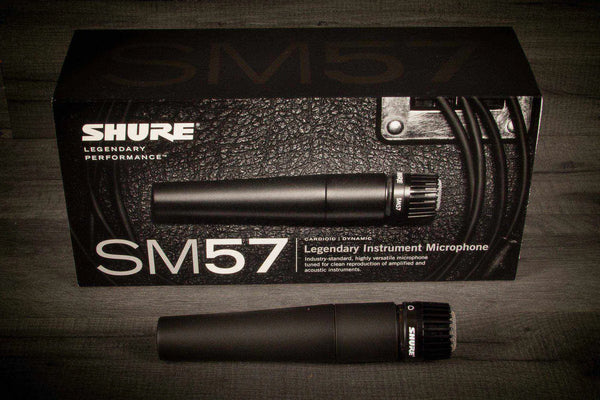
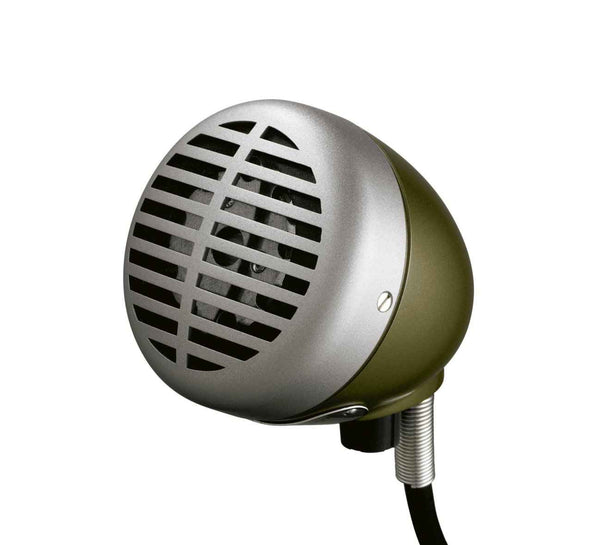
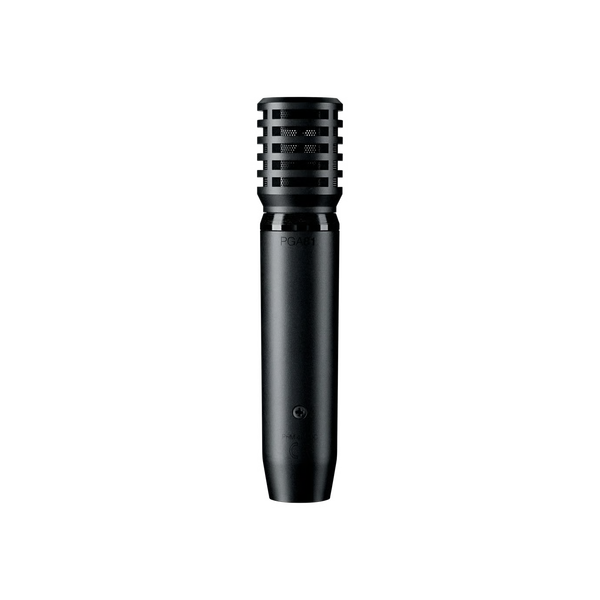
The undisputed workhorses of the music industry. Dynamic microphones utilize a physical diaphragm attached to a moving coil inside a magnetic field. They are incredibly rugged, can handle extremely high sound pressure levels (SPL) without distorting, and naturally reject background noise—making them the ultimate choice for live vocals (like the legendary Shure SM58), guitar cabinets (the industry-standard Shure SM57), and professional broadcasting or podcasting (the world-famous Shure SM7B).
2. Condenser Microphones (The Studio Detail Standards)
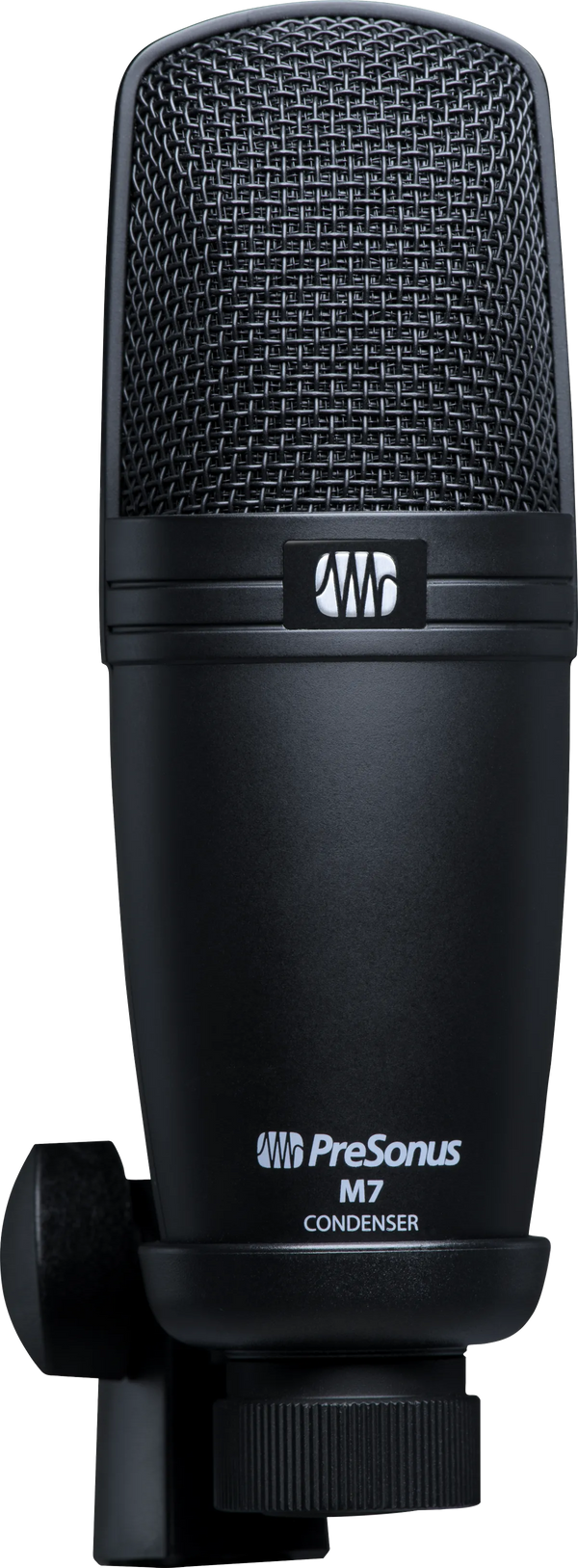
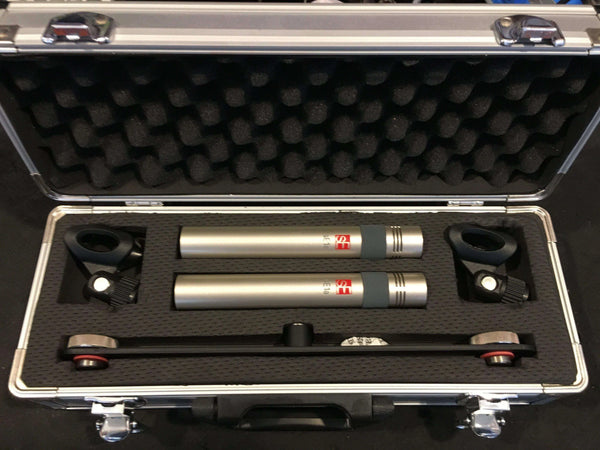
The ultimate tool for capturing high-frequency detail, transient speed, and acoustic warmth. Condenser microphones utilize an ultra-thin, gold-sputtered diaphragm suspended next to a solid backplate, requiring external power (48V Phantom Power) to operate. They offer incredible sensitivity and a wide, flat frequency response—making them the industry standard for studio vocals, acoustic guitars, drum overheads, and room miking.
4. The MusicStreet Difference: Quality & Reliability Guaranteed
At MusicStreet, we don't believe in "box shifting." A microphone is a sensitive acoustic instrument, and its reliability is critical to your recording and live performance.
Every single microphone listed on our site is physically stocked in our Huntingdon showroom. Before shipping, our expert techs inspect the unit to ensure the capsule is perfectly aligned, the XLR pins are clean and secure, and the switches function flawlessly.
-
No Drop-Shipping: Every microphone listed on our site is physically in stock at our Huntingdon store.
-
1-Year Warranty: We back every instrument, amplifier, and accessory we sell with a comprehensive 1-year warranty.
-
Free UK Shipping: Enjoy free, fully insured UK shipping on all orders over £99, with competitive rates worldwide.
-
Flexible Financing: Buy with confidence using Klarna or PayPal split payments.
5. Frequently Asked Questions (FAQs)
What is the difference between dynamic and condenser microphones?
Dynamic microphones are rugged, require no external power, and excel at handling loud sources and rejecting background noise—perfect for live stages and home studios. Condenser microphones are highly sensitive, require 48V Phantom Power, and capture incredible high-frequency detail—perfect for studio vocals and acoustic instruments.
Why is the Shure SM7B so popular for podcasting and streaming?
The Shure SM7B features a smooth, flat, and wide-range frequency response designed specifically for speech. It has an internal air suspension shock isolation system that eliminates mechanical noise, an electromagnetic shield that blocks computer hum, and a highly effective cardioid pattern that rejects room echo.
Do you stock these items in your showroom?
Yes. Every microphone listed on our site is physically in stock at our independent showroom at 10 Chequers Court, Huntingdon, Cambridgeshire. You can drop in, check out the build quality, and get honest, expert advice from our team of working musicians.
What is Phantom Power (48V) and do I need it?
Phantom Power is a DC electrical current (typically 48 volts) sent down an XLR cable to power the active electronics and charge the capsule of condenser microphones. Most modern audio interfaces, mixing desks, and acoustic amplifiers feature a built-in "48V" switch to provide this power. Dynamic microphones do not require phantom powe