


How to Get a Great Guitar Tone: Complete Guide for Beginners and Pros
Achieving a great guitar tone is essential for any guitarist, whether you're a beginner or a seasoned pro. This comprehensive guide will explore the key components that influence guitar tone, including the guitar itself, amplifier settings, effects pedals, and playing techniques. Understanding these elements will empower you to craft your unique sound and enhance your overall playing experience. Many guitarists struggle with achieving the desired tone, often feeling overwhelmed by the myriad of options available. This guide aims to simplify the process, providing clear insights and practical tips to help you navigate the world of guitar tone. We will cover the key components influencing tone, mastering amp settings, the best pedal chain order, the impact of playing technique, and the benefits of professional guitar setup.
What Are the Key Components Influencing Guitar Tone?
Guitar tone is shaped by several key components, each contributing to the overall sound produced. Understanding these elements is crucial for any guitarist looking to refine their tone. The primary factors include the guitar's body shape, the type of pickups and strings used, and the materials involved in the guitar's construction. Each of these components plays a significant role in determining the tonal characteristics of your instrument.
How Does Your Guitar Shape Affect Tone?
The shape of your guitar significantly influences its tonal qualities. Different shapes produce distinct sound profiles, affecting resonance and projection. For instance, a Stratocaster typically offers a bright, cutting tone, while a Les Paul is known for its warm, thick sound. The body wood also impacts resonance; for example, mahogany tends to produce a warmer tone compared to the brighter sound of maple. Understanding these differences can help you choose a guitar that aligns with your desired sound.
What Role Do Picks and Strings Play in Tone?
Picks and strings are vital components that can dramatically alter your guitar's tone. The material and gauge of the strings affect the overall sound; for example, heavier gauge strings produce a fuller tone, while lighter strings offer more brightness and ease of playability. Similarly, the type of pick used can change the attack and dynamics of your playing. A thicker pick may yield a more robust sound, while a thinner pick can provide a softer attack. Choosing the right combination of strings and picks is essential for achieving your desired tone.
How Can You Master Electric Guitar Amp Settings for Optimal Tone?
Mastering your amplifier settings is crucial for achieving the best guitar tone. Different amp types, such as tube, solid-state, and modelling amps, each have unique characteristics that affect sound. Understanding how to manipulate EQ controls and gain settings can help you shape your tone to suit various musical styles.
What Are the Differences Between Tube, Solid-State, and Modelling Amps?
Each type of amplifier offers distinct tonal characteristics. Tube amps are renowned for their warmth and dynamic response, providing a rich, harmonically complex sound that many guitarists prefer. Solid-state amps, on the other hand, are known for their reliability and clean headroom, making them suitable for a wide range of genres. Modelling amps offer the ability to digitally replicate various amp sounds, providing flexibility for those who want to experiment with different tones. Understanding these differences can help you select the right amp for your playing style.
How Do EQ Controls and Gain Settings Shape Your Sound?
EQ controls and gain settings are essential tools for shaping your guitar tone. Adjusting the bass, midrange, and treble can significantly impact your sound, allowing you to tailor it to your preferences. For instance, boosting the midrange can help your guitar cut through a mix, while reducing the treble can soften harshness. Gain settings also play a crucial role; higher gain levels can produce distortion, which is desirable for rock and metal genres, while lower gain settings are ideal for clean tones. Experimenting with these controls will help you discover your ideal sound.
What Is the Best Guitar Pedal Chain Order to Enhance Your Tone?
The order in which you arrange your effects pedals can greatly influence your overall tone. Understanding the optimal pedal chain order is essential for achieving the best sound. Commonly, the signal chain starts with dynamic effects, followed by gain-based effects, then modulation, and ends with time-based effects like delay and reverb.
Which Effects Pedals Should You Use and Why?
Several essential effects pedals can enhance your guitar tone. Overdrive and distortion pedals are popular for adding grit and sustain, while modulation effects like chorus and flanger can create depth and movement in your sound. Delay and reverb pedals are crucial for adding space and ambiance. Choosing the right combination of pedals will depend on your musical style and the specific sound you wish to achieve.
The evolving landscape of guitar pedals and pedalboards offers guitarists an expansive canvas for sound creation and experimentation.
Guitar Pedalboard Exploration: Effects & Sound Creation
Noise Peddler is a practice-based research project exploring the 21st century guitar pedalboard as composition and performance interface. Recent growth in the guitar pedal industry has seen a notable increase in popularity of the pedal platform, expansion in the number of manufacturers, the scope of effects available, and solidification of the concept of the pedalboard. The widespread adoption of MIDI/CV control, alongside the packaging of increasingly experimental and complex processing into stompbox formats has expanded the pedalboardʼs potential as a flexible canvas for the creation of unconventional guitar sounds.
Noise Peddler: An exploration of the 21st century pedalboard, 2023
How Should You Arrange Your Pedalboard for Optimal Signal Flow?
Arranging your pedalboard for optimal signal flow is vital for maintaining clarity and tone. A common approach is to place dynamic and gain-based pedals first in the chain, followed by modulation effects, and finally time-based effects like delay and reverb. This arrangement ensures that each effect interacts properly, preserving the integrity of your sound. Additionally, using high-quality cables and power supplies can minimise noise and signal loss, further enhancing your tone.
How Does Your Playing Technique Influence Guitar Tone?
Your playing technique significantly impacts your guitar tone. Factors such as dynamics, touch, and picking style can alter the sound produced by your instrument. Understanding how to manipulate these elements will allow you to express yourself more effectively through your playing.
How Do Dynamics, Touch, and Picking Style Affect Your Sound?
Dynamics and touch sensitivity are crucial for achieving expressive guitar tones. The way you attack the strings can produce varying volumes and tonal qualities. For instance, a light touch may yield a softer sound, while a more aggressive attack can produce a brighter, more pronounced tone. Additionally, different picking styles, such as fingerpicking or using a pick, can create distinct sounds. Experimenting with these techniques will help you develop a unique playing style.
Further research emphasizes the importance of specific sound production techniques and their impact on tone quality and acoustic characteristics.
Guitar Playing Techniques: Sound Production & Tone Quality
A specific method typology of sound production has been proposed: using the technical performance parameters, phonic and visual sound effects, the origin, and primary, authentic realms of life. The specific methods in sound production stroke, the tone quality and acoustic characteristics varying in range, the expanded visual noise sound effects, and graphic images in the score have been examined.
Specific sound production techniques in academic guitar music, 2022
What Techniques Enhance Tone Through Vibrato and Bending?
Advanced techniques like vibrato and string bending can enhance your guitar tone significantly. Vibrato adds richness and depth to notes, while bending can create emotional expression in your playing. Combining these techniques allows for a more dynamic performance, enabling you to convey feelings and nuances in your music. Practising these techniques will help you develop a more expressive playing style.
How Can Professional Guitar Setup Improve Your Tone and Playability?
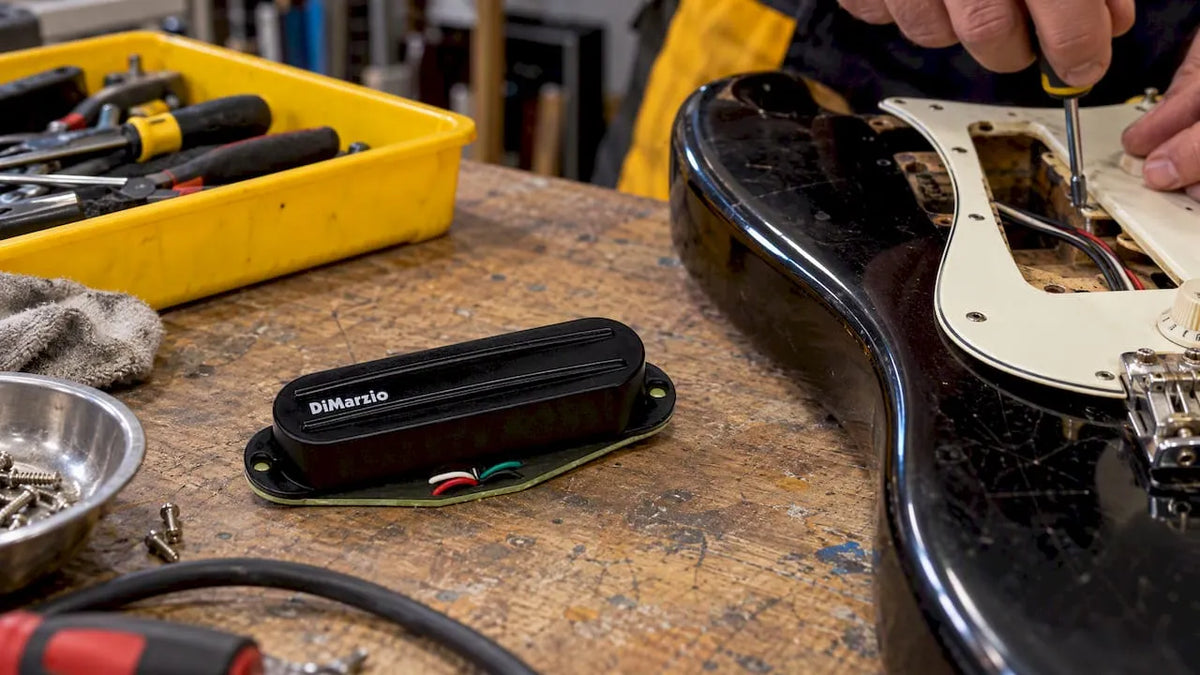
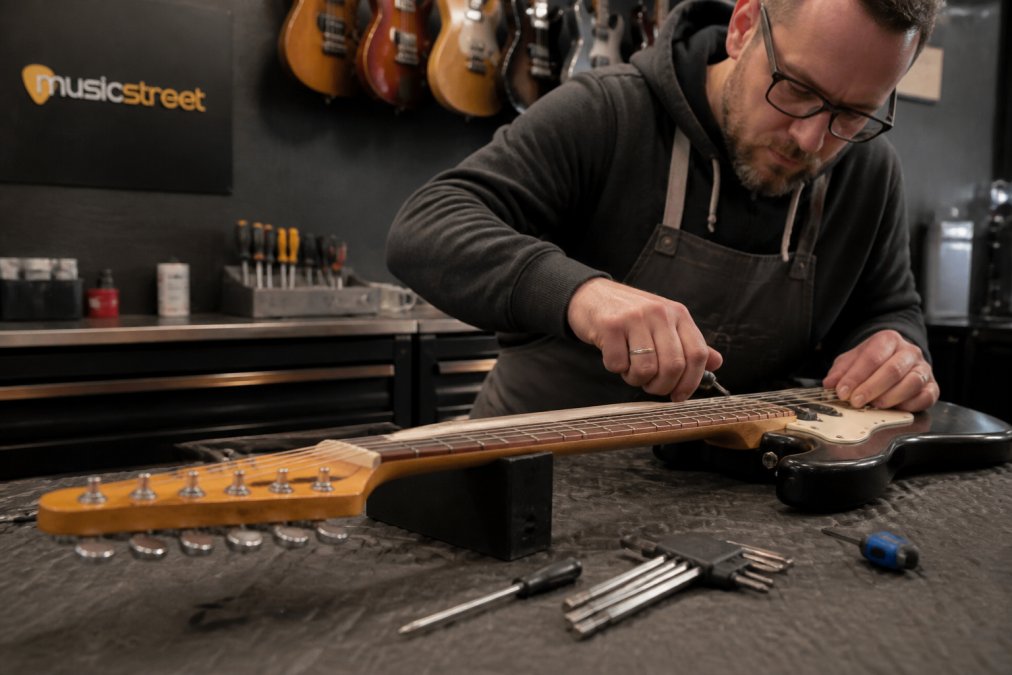
A professional guitar setup can dramatically improve your tone and playability. Proper adjustments to action height, intonation, and pickup height can enhance your instrument's performance. Understanding the importance of these adjustments will help you appreciate the value of a professional setup.
What Are the Essential Setup Adjustments for Better Tone?
Key setup adjustments include action height, which affects playability and tone; intonation, which ensures accurate tuning across the fretboard; and pickup height, which influences output and tone. A well-set-up guitar will not only sound better but also be more comfortable to play, allowing you to focus on your music rather than struggling with your instrument.
Beyond standard adjustments, the inherent flexibility of guitar tuning and setup provides a broad platform for sonic exploration.
Guitar Setup & Tuning: Flexible Sound Experimentation
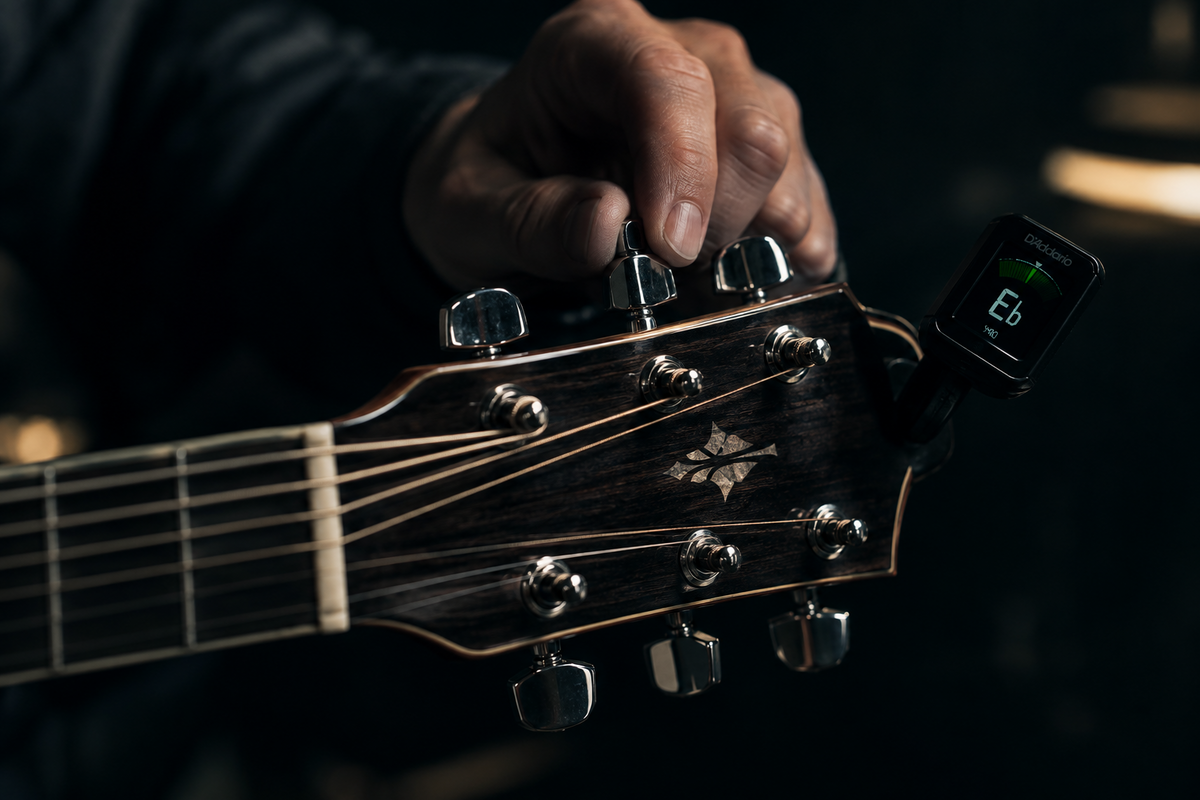
The six strings of the guitar can be tuned in any way, and the ease with which their tensions can be adjusted makes the instrument a fairly flexible platform for experimentation.
The unorthodox guitar: a guide to alternative performance practice, 2017
Why Are Quality Cables and Accessories Important for Tone?
Quality cables and accessories play a crucial role in maintaining your guitar tone. Poor-quality cables can introduce noise and signal loss, negatively impacting your sound. Investing in high-quality cables and connectors ensures a clean signal path, preserving the integrity of your tone. Additionally, using the right accessories, such as straps and cases, can enhance your overall playing experience.
How Do You Improve Acoustic Guitar Sound for Richer Tone?
Improving the sound of your acoustic guitar involves understanding the factors that affect tone and projection. The body shape, wood type, and setup all contribute to the overall sound quality of your instrument.
What Factors Affect Acoustic Guitar Tone and Projection?
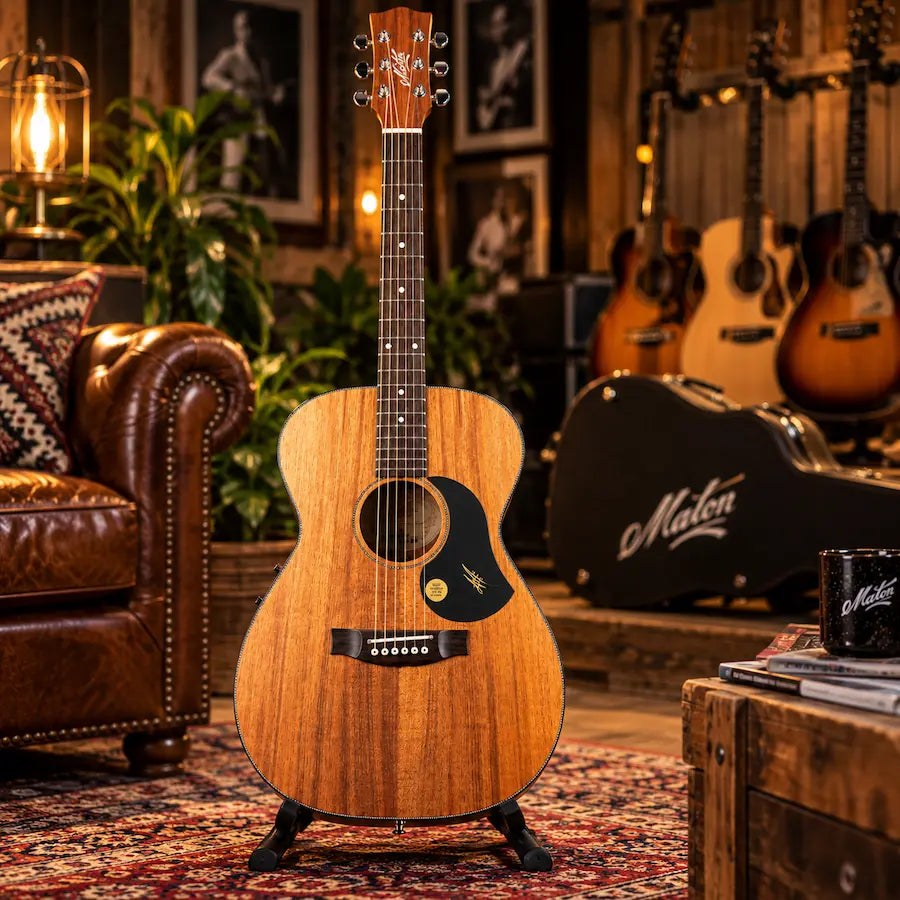
Several factors influence the tone and projection of an acoustic guitar. The body shape and wood type are critical; for example, a dreadnought shape typically offers a fuller sound, while a concert shape may provide more clarity. The choice of tonewoods, such as spruce or mahogany, also impacts the tonal characteristics. Understanding these factors will help you select an acoustic guitar that meets your tonal preferences.
How Can Setup and Accessories Enhance Acoustic Sound?
Proper setup and quality accessories can significantly enhance the sound of your acoustic guitar. Adjustments to action height and neck relief can improve playability and tone. Additionally, using high-quality strings and pickups can further enhance sound quality. Investing in a good case will also protect your instrument and maintain its tonal integrity over time.






Share:
How to Get the Iconic Guitar Sounds of Famous Guitarists
Why Custom Shop Guitars Transform Player Experience