


Buy Guitars Online in the UK — MusicStreet: Premium Guitars & Accessories for Every Player

Finding the right guitar — electric, acoustic or vintage — starts with clear guidance, dependable stock and a setup that makes the instrument playable from day one. This guide walks you through buying guitars online in the UK, comparing premium models, assessing trade-in and upgrade choices, and booking professional setup and maintenance so your instrument feels and sounds its best. You’ll get practical selection criteria (tonewoods, pickups, neck profiles), side-by-side comparisons of top electric and acoustic types, and a step-by-step view of trading in or upgrading a guitar. We also tackle common buyer worries — unknown condition on used gear, confusing spec sheets and poor setup — with actionable checklists to help you choose with confidence. The article outlines the sections you need: what to look for in a trustworthy UK guitar shop, curated electric and acoustic recommendations with comparison tables, a clear trade-in and upgrade workflow, 2025 market trends that affect availability and price, and a plain-language breakdown of setup and maintenance services.
Why MusicStreet Is the UK’s Go‑To Guitar Shop
A best-in-class guitar shop combines reliable stock, knowledgeable people and services that remove buying risk while improving long-term ownership. At MusicStreet we bring together a broad selection of quality instruments and accessories with hands-on advice and practical services that make online buying feel like visiting the shop. Our aim is simple: offer great instruments and accessories, give expert, practical guidance, and support direct sales and trade-ins so customers feel supported before and after purchase. That customer-first approach is central to how we help players choose and keep the right instrument.
MusicStreet’s value is built on commitments that matter to buyers: every guitar receives a professional setup before dispatch, we include a one‑year warranty with ongoing support, all stock is held on-site (no drop-shipping), and our team are working musicians who can advise on tone and playability. Those assurances shorten decision time and reduce post-purchase friction. The section below explains how advice from players and techs changes selection and setup outcomes for musicians at every level.
Why Choose MusicStreet for Premium Guitars and Practical Advice?
Good advice matches your tonal goals to the right instrument by prioritising playability, tone and intended use over buzzwords. At MusicStreet our team — players and repair techs — help you weigh pickup voicing for electrics, tonewood response for acoustics, and playability factors like neck profile, action and fret access. We listen to your aims, outline realistic budget tiers and show how modest setup changes affect feel and tone. That practical, outcome-focused approach cuts returns and gets you playing sooner, which is why setup and warranty are included to protect your purchase.
How Our 1‑Year Warranty and Pro Setup Help You
A professional setup plus a one-year warranty gives you a ready-to-play guitar and peace of mind during the first months of ownership. Typical setup work covers action, intonation, nut height, string choice and basic fretwork so the instrument is tailored to your playing style and tuning. The one-year warranty covers manufacturing and setup-related issues, and our ongoing support means you have a local resource if adjustments are needed. Together these protections lower the risk of buying online and make ownership smoother — the next sections show how to match specific electric models to what you play.
Which Premium Electric Guitars Can You Buy Online at MusicStreet UK?

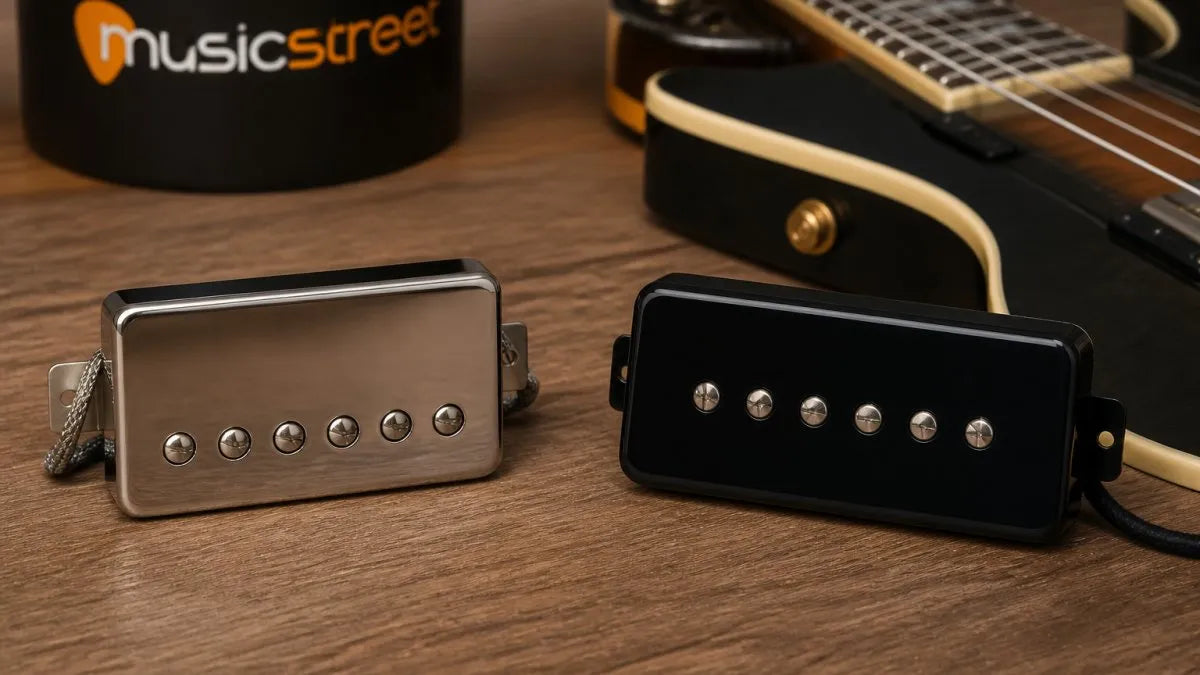
Premium electric guitars are best understood by body style, pickup layout and construction — each combination produces distinct tonal and playability results. Knowing these categories helps you match a guitar to genre and technique: solid‑body double‑humbucker instruments suit high‑gain clarity and sustain, single‑coil designs deliver chime and definition, and semi‑hollow models bring warmth and resonance. Below are representative model families commonly stocked by specialists, with short buyer-fit notes to guide selection.
Different electric designs suit different players; the comparison table below helps you shortlist by body, neck and pickups.
| Model (Representative) | Key Specs | Buyer-fit |
|---|---|---|
| Classic Solid Humbucker | Solid mahogany body / bolt‑on maple neck, dual humbuckers, mid–high output | Ideal for rock and high‑gain players who want sustain |
| Versatile Single‑Coil | Alder body, C‑profile neck, three single‑coils, bright, articulate voicing | Best for country, blues and clean‑driven styles |
| Semi‑hollow with PAF‑style | Laminated maple semi‑hollow, set neck, PAF‑style humbuckers | Suited to jazz, blues and warm, dynamic playing |
| Modern Multi‑Voice | Chambered body, compound‑radius neck, coil‑splitting humbuckers | Great for studio players needing broad tonal flexibility |
How to Choose the Right Electric Guitar for Your Style and Budget?
Picking an electric is a balance of sonic goals, ergonomic comfort and price expectations — pickups and neck profile usually offer the quickest clue to playability and tone. Start by naming the genres you play and whether you want clarity (single‑coils), thickness and sustain (humbuckers), or a hybrid solution (coil‑splitting or P‑90s). Neck shape affects comfort and speed; body shape affects balance and upper‑fret access. Use a three‑tier budget checklist to narrow options and, when possible, try representative models before you buy.
- Beginner / Entry: Prioritise playability, stable hardware and a solid setup.
- Intermediate: Seek better fit‑and‑finish, upgraded pickups and tonal versatility.
- High‑end: Focus on boutique build quality, premium tonewoods and custom options.
That decision tree cuts through choice overload and leads naturally to acoustic options for players who need unplugged tone.
Where to Find the Best Acoustic Guitars and Accessories Online in the UK?
Acoustic guitars differ by body shape, tonewood and intended use — factors that determine projection, responsiveness and comfort. Whether you want a small parlour for fingerstyle, a dreadnought for full‑bodied strumming or an electro‑acoustic for stage work will influence top and back woods and whether a preamp is useful. Accessories such as cases, strings and tuners directly affect playability and protection; the right kit extends an instrument’s life and improves tone. The table below maps common acoustic archetypes to player level and main uses so you can identify the best match quickly.
What Acoustic Guitar Models Does MusicStreet Offer for Beginners and Pros?

Acoustic categories suit different skill levels depending on playability, tonewood detail and price. Entry models emphasise low action, robust construction and straightforward tonewoods for fast learning; pro instruments use figured or aged woods, refined bracing and integrated electronics for nuanced tone and stage reliability. Fingerstyle players often prefer smaller, responsive bodies; singer‑songwriters and strummers usually favour larger bodies for fuller low end. The table below summarises representative acoustic types, typical tonewoods/electronics and recommended player‑fit.
| Acoustic Type | Tonewood / Electronics | Best Use‑Case / Player Level |
|---|---|---|
| Parlour / Small Body | Spruce top, mahogany back & sides, often no electronics | Perfect for fingerstyle and travel; beginners through to experts |
| Dreadnought | Spruce or cedar top, larger body with strong low end | Best for strumming and singer‑songwriters; intermediate to pro |
| Orchestra / 000 | Balanced midrange, comfortable depth, optional pickup | Great for recording and detailed fingerstyle; intermediate to pro |
| Electro‑Acoustic | Solid top with integrated preamp | Designed for live performance and plugging in with minimal tone loss |
Which Guitar Accessories Improve Your Playing Experience?
A compact, well‑chosen accessory bundle improves tone, comfort and instrument life more than scattered purchases. Essentials are a sturdy case or gig bag to protect the instrument, a reliable tuner for stable pitch, and strings matched to your style and the guitar’s scale. Optional items — quality straps, humidifiers for solid‑top acoustics and premium picks — add comfort and consistency. Here’s a short accessory checklist to pair with most acoustic purchases.
- Hard case or padded gig bag: Protects the instrument in transit and storage.
- Chromatic tuner: Keeps tuning accurate and intonation steady.
- Quality strings (correct gauge): Have a direct impact on tone and feel.
- Humidifier (for solid‑top acoustics): Prevents cracking and top deformation.
A concise accessory pack keeps a new guitar playable and protected, and feeds neatly into trade‑in and upgrade options when you decide to change or improve an instrument.
How Can You Trade‑In and Upgrade Your Guitar at MusicStreet UK?
A clear trade‑in and upgrade workflow reduces uncertainty and makes owners more likely to trade or upgrade instead of selling privately. Transparent steps — from initial valuation through inspection, offer and settlement — set realistic expectations about timelines, likely outcomes and how trade credit can be used. Our mission is to offer a wide selection of quality instruments and accessories, provide expert advice and services, and facilitate direct sales and trade‑ins so customers remain satisfied and confident. That purpose shapes the trade‑in process below.
What Is the Process for Trading in Your Used Guitar?
A numbered trade‑in process helps sellers know what to expect and prepares buyers for realistic values. Typical steps are submitting make, model and condition details for a preliminary valuation, arranging an inspection (in‑store or by appointment), receiving a firm offer or trade credit, and completing the sale or part‑exchange. The short outline below is designed to be copy‑friendly and actionable for anyone considering a trade.
- Initial Valuation: Send make, model, photos and condition for a preliminary estimate.
- Inspection: Arrange an assessment to confirm condition and refine the valuation.
- Offer & Options: Receive a firm cash offer or trade credit to use against stock.
- Completion: Finalise the sale or part‑exchange, with any agreed upgrades or setup applied.
This clear workflow sets expectations and leads into how upgrade services can boost instrument value and playability.
The table below explains each trade‑in step, what happens, expected timeframe and typical outcome so sellers know what to expect.
| Service Step | What Happens | Timeframe / Cost / Outcome |
|---|---|---|
| Valuation Request | Submit instrument details and photos | 24–72 hours for an estimate; free |
| Physical Inspection | In‑store check of condition and playability | Same day to one week; confirms final offer |
| Offer Issued | Cash or trade credit presented | Immediate after inspection; credit usable against stock |
| Settlement | Transfer ownership and apply any agreed upgrades | Same day in store; postage options vary |
That clarity helps sellers plan and leads into the kinds of upgrades that raise value or improve feel.
How MusicStreet Supports Upgrades and Custom Setups
Our upgrade and custom setup services turn traded or owned guitars into more playable, better‑sounding instruments. Typical work includes pickup swaps, fret dressing, electronics repairs and bespoke setup profiles. Common upgrades — fitting higher‑grade pickups, installing a compensated bridge or performing detailed fretwork — yield measurable improvements in tone and playability. Customers request a quote describing the desired outcome, and our techs recommend solutions based on budget and tonal goals. A service‑first approach helps buyers see how modest investment can noticeably increase enjoyment and resale value.
What Are the Latest Trends and Best Guitar Brands in the UK Market 2025?
In 2025 the UK guitar market still favours premium, vintage‑inspired and boutique instruments while demand for versatile modern designs — useful in both studio and stage settings — continues to grow. Availability is tighter for sought‑after models and there’s more interest in responsible sourcing and custom‑shop options. These shifts affect purchase timing, resale values and what makes a sensible long‑term buy. Below are key market movements to consider when planning a purchase or trade.
Which Guitar Brands Lead the UK Market in 2025?
Leading brands combine heritage, modern innovation and robust service networks to meet demand for classic tones and contemporary versatility. Heritage makers remain strong for signature sounds and resale value, while boutique builders attract players looking for unique finishes and custom voicings. Brands offering adaptable electronics and ergonomic designs are increasingly popular with gigging musicians and studio users. For buyers, brand choice influences long‑term serviceability and value retention, so warranty and authorised‑dealer relationships are important considerations.
How Is the UK Guitar Market Evolving and What It Means for Buyers
Macro trends — stronger online retail channels, fluctuating import costs and growing vintage interest — affect availability, pricing and the second‑hand market. Online sales give buyers wider choice but prioritising vendors that hold stock locally avoids fulfilment delays and condition uncertainty. Rising demand for vintage and boutique instruments increases competition for quality used examples, so timely, informed valuation matters. In practice, weigh urgency against market signals: buy now for in‑demand models, or monitor trusted trade‑ins to capture value opportunities.
How to Get Expert Guitar Setup and Maintenance Services at MusicStreet UK?
Professional setup and ongoing maintenance deliver clear improvements in playability, tuning stability and tonal consistency that often outweigh the service cost. A standard setup addresses action, intonation, neck relief and string choice — reducing fret buzz, improving feel and giving more accurate tuning across the neck. Regular maintenance like restringing, electronics checks and periodic fretwork preserves tonewoods and hardware and prevents larger repairs later. Our purpose is to supply great instruments and accessories, provide expert advice and services, and support direct sales and trade‑ins, which is why professional servicing is central to the ownership lifecycle.
What Are the Benefits of a Professional Guitar Setup?
A professional setup improves comfort, tuning stability and the instrument’s expressive potential by adjusting physical parameters to your preferences. Key results include lower action without buzz, accurate intonation across the fretboard, stable tuning with fresh strings and better resonance from correct neck relief. Beginners get easier playability; experienced players gain precise action and tonal clarity that support advanced technique. Consistent service records also help preserve an instrument’s value. Knowing these benefits helps you prioritise which adjustments matter most.
Which Maintenance Services Does MusicStreet Offer?
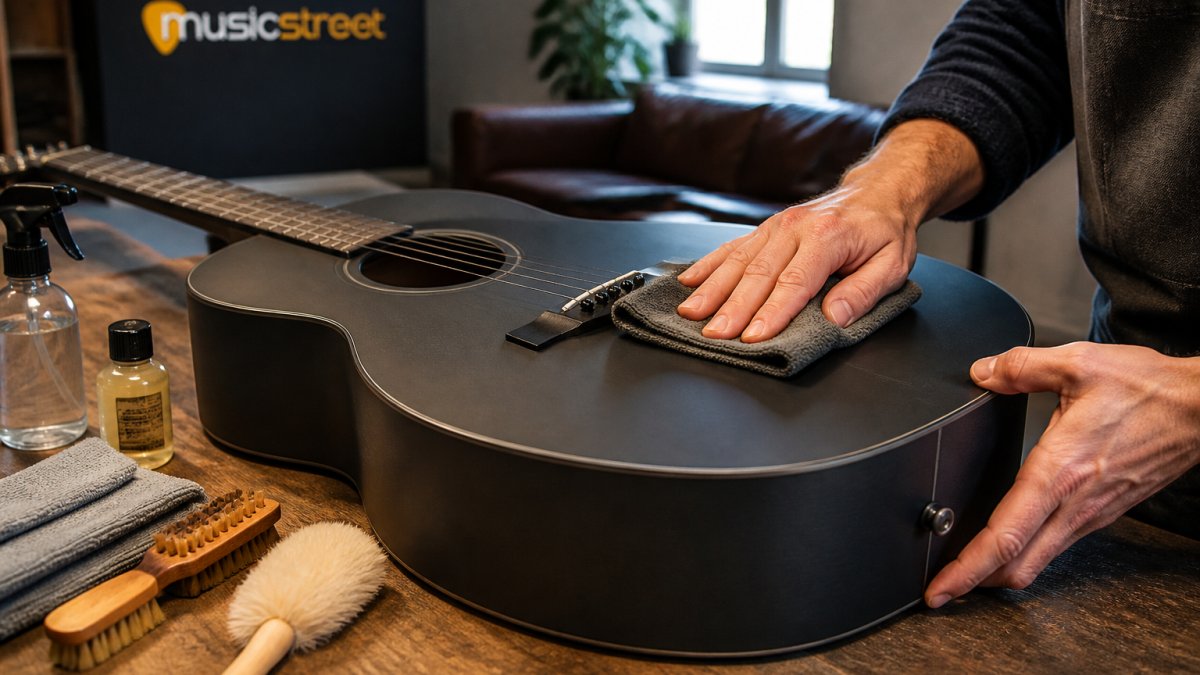
Our maintenance programme prolongs an instrument’s useful life and includes restringing, fret dressing, nut and saddle adjustment, electronics diagnostics and periodic full setups. Service frequency depends on use — frequent gigging needs more regular attention than occasional home playing — and our techs will recommend schedules based on signs like tuning instability, fret wear or reduced resonance. We provide quotes after inspection and keep timelines and costs transparent so there are no surprises. Booking maintenance prepares the guitar for continued play, sale or upgraded performance and connects owners to expert advice for further work.
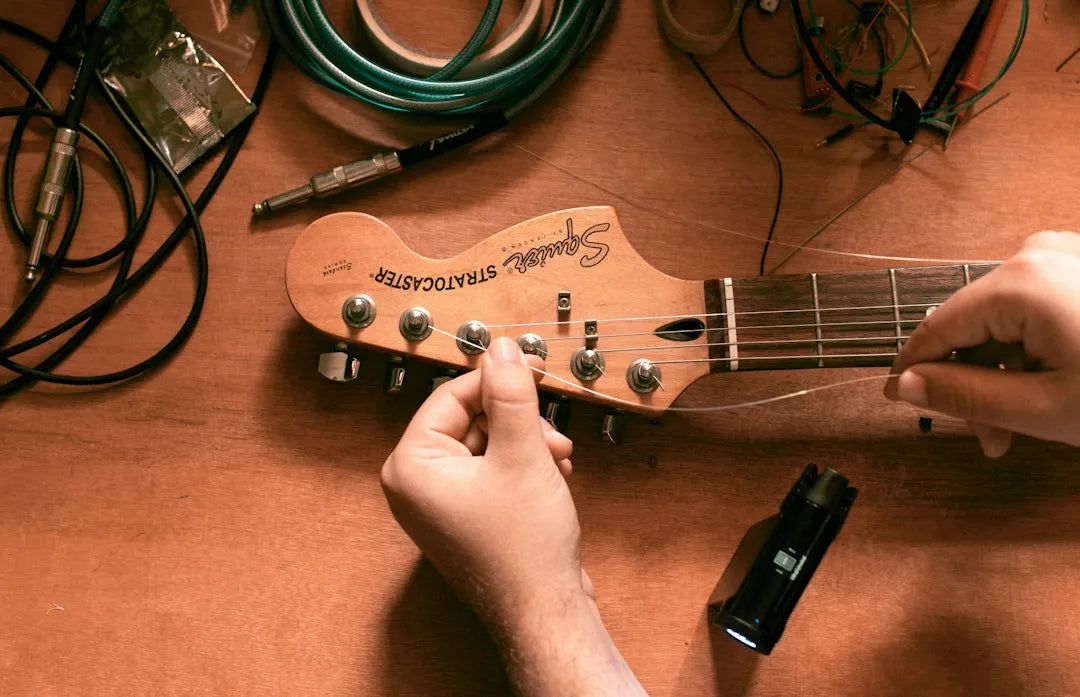
- Regular Restringing: Keeps tone bright and tuning predictable.
- Fretwork and Dressing: Removes buzz and restores intonation across the neck.
- Electronics Check: Prevents intermittent faults and preserves signal clarity.
- Full Setup: Ensures optimal action, relief and intonation tailored to the player.
These services protect instrument health and support better playing — the natural next steps after buying, trading or upgrading.
For enquiries about availability, trade‑in valuations or to book a setup, MusicStreet operates from Cambridgeshire, UK. Contact details are available on our validated public listings. The guidance here equips buyers to compare models, understand service benefits and make choices that prioritise long‑term satisfaction and playability.
Frequently Asked Questions
What should I consider when buying a used guitar online?
When buying used online, inspect condition closely. Ask for detailed photos and a clear description of any wear, repairs or modifications. Check for signs of fret wear, neck twist or previous structural work, and confirm whether the seller offers returns or warranty. If you’re unsure, request a professional setup after purchase to ensure the instrument plays well.
How can I ensure the guitar I buy is the right fit for my playing style?
Start by identifying the styles you play most. Different guitars excel in different contexts — humbuckers suit rock, single‑coils favour blues and country, and certain acoustics work better for fingerstyle. Pay attention to neck profile and body shape for comfort and playability. If possible, try similar models in store and ask our team for tailored recommendations.
What are the advantages of purchasing a guitar with a professional setup?
A guitar that arrives with a professional setup will be easier to play and sound better straight away. Setups typically include action, intonation and neck relief adjustments so the instrument feels comfortable and stays in tune. This reduces distractions and lets you focus on playing, while improving overall responsiveness and tone.
What types of guitar accessories should I consider for maintenance?
Key maintenance accessories are a reliable tuner and the right strings for your style, plus a sturdy case or gig bag for transport. For acoustics, a humidifier is essential to prevent cracks and top warping. Also consider cleaning supplies and a strap for comfortable playing — small items that significantly prolong your guitar’s life.
How do I know if a guitar is a good investment?
Assess brand reputation, rarity and condition. Established brands and well‑kept models tend to hold value better. Limited editions and desirable vintage pieces can appreciate over time. Research resale values for comparable instruments and consult experts or appraisers if you’re buying as an investment.
What should I expect from a guitar trade‑in process?
Expect a few clear steps: submit details and photos for an initial valuation, arrange an inspection to confirm condition, receive a firm cash offer or trade credit, and complete the transaction. Trade credit can usually be used against in‑stock instruments, and upgrades or setups can be applied as part of the settlement.
How can I stay updated on the latest guitar trends and models?
Follow reputable guitar publications, blogs and forums, and subscribe to newsletters from trusted retailers and manufacturers. Social media and brand pages are good for product updates, while events and expos give hands‑on access to new models. These sources help you track releases, market trends and second‑hand availability.
Conclusion
Buying a guitar online from MusicStreet means getting a premium instrument backed by practical advice and professional setup — so you can play with confidence from day one. With a transparent trade‑in process and a focus on customer satisfaction, upgrading or changing gear is straightforward. Browse our selection of guitars and accessories tailored to every player, and let us help you find an instrument that truly suits your sound and style.





Share:
Role of Guitar Cables – How Quality Shapes Your Sound
Why the Yamaha Pacifica 112V is the UK's Best-Selling Beginner Guitar