


How to Choose the Right Guitar: The Ultimate Beginner’s Guide to Finding Your Perfect Instrument
Choosing the right guitar means matching instrument type, size, setup and budget to the way you want to play, practise and progress. This guide explains the differences between acoustic, electric, classical and bass guitars, walks through how skill level and budget change priorities, and shows how body shape, neck profile and scale length affect comfort and tone. Many beginners feel overwhelmed by model choices and jargon; this article breaks those elements down into clear decision steps, side-by-side comparisons and practical checklists so you can test guitars confidently in-store or when buying online. You will also find up-to-date 2024 recommendations, essential accessories, and a buying checklist that covers new versus used instruments, trade-ins and warranties. Read on to learn which guitar fits your genre, your hands and your wallet, and how to evaluate playability, setup and long-term value.
What Are the Main Types of Guitars and Which One Suits You Best?
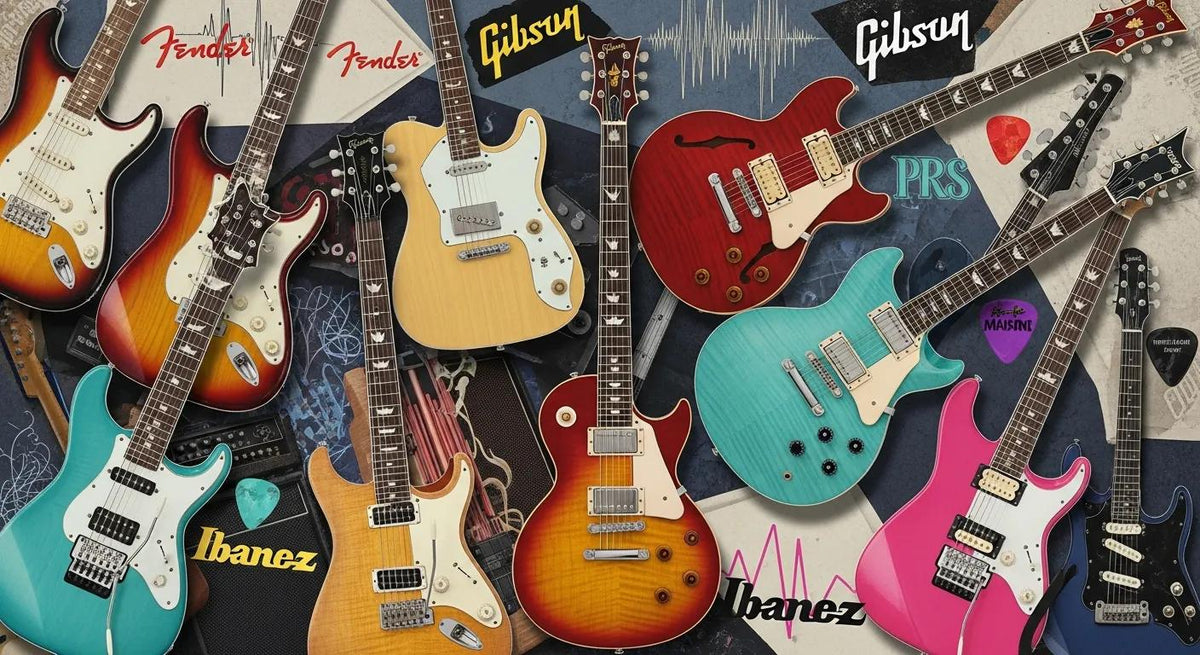
The four core guitar types for beginners are acoustic, electric, classical (nylon-string) and bass; each differs in construction, strings and amplification, producing distinct tonal ranges and playing experiences. Acoustic guitars use steel strings and a hollow body to project sound acoustically, making them ideal for singer-songwriters and folk players, while electric guitars rely on pickups and amplification to shape tone and support rock, metal and pop styles. Classical guitars use nylon strings with a wider neck and produce softer, warmer tones suited to fingerstyle and classical repertoire; bass guitars provide low-frequency support for ensemble playing and require different technique and amplification. Understanding these functional differences helps you prioritise comfort, tonal goals and accessory needs when choosing a first instrument, and sets up the next step: comparing technical attributes and genre fit in greater detail.
What Are the Differences Between Acoustic, Electric, Classical, and Bass Guitars?
Acoustic guitars have a soundboard and bracing that create volume and resonance, with steel strings that produce bright, ringing tone; they suit strumming and chord-driven styles. Electric guitars feature pickups (single-coil or humbucker) that convert string vibration to electrical signals, making tone shaping through amplifiers and pedals central to their character and ideal for lead playing, distortion and effects. Classical guitars use nylon strings and a flat, wide fretboard that eases fingerstyle technique but limits loud strumming; they prioritise warmth and articulation. Bass guitars typically have four strings, longer scale length and heavier gauge strings to deliver low-frequency foundation for bands, requiring an amplifier and different approach to rhythm. These structural differences—body, strings, pickups and scale length—directly determine playability and typical genres, which we map next to help you choose by musical goals.
Which Guitar Type Is Best for Your Music Genre and Playing Style?
Match instrument type to genre: acoustic for folk and singer-songwriter work, electric for rock, metal and pop, classical for flamenco and solo fingerstyle, and bass for rhythm sections and groove-based music. Fingerstyle players often prefer nylon-string classical or small-bodied acoustics for their lower tension and easier fretting, while lead players gravitate to electric guitars with thinner neck profiles and pickups that support sustain and articulation. If you play mixed genres, a versatile acoustic-electric hybrid or an electric with coil-splitting pickups covers more ground without multiple instruments. Consider your priority—tone, portability, or effects—and choose a guitar type that gives the right mechanism (acoustic resonance or amplified pickup flexibility) to deliver that result.
Different guitar types offer trade-offs between volume, tonal variety and learning curve; understanding these trade-offs leads into how personal factors like skill level and budget will influence the best choice.
| Guitar Type | Key Attributes | Typical Genres |
|---|---|---|
| Acoustic (steel-string) | Hollow body, steel strings, strong projection | Folk, country, pop, singer-songwriter |
| Electric | Solid/semihollow body, pickups, amp-dependent | Rock, metal, blues, pop |
| Classical (nylon) | Wider neck, nylon strings, mellow tone | Classical, flamenco, fingerstyle |
| Bass | Long scale, low tunings, amp required | Jazz, rock, pop, funk |
How Do Playing Style, Skill Level, and Budget Affect Your Guitar Choice?
Your playing style and existing skill level determine which features to prioritise: tonewoods and pickups for sonic goals, neck profile and action for playability, and durable hardware for longevity. Beginners should emphasise ease-of-play (comfortable neck, low action) and good factory setup to avoid frustration, while intermediate players might look for specific tonewoods, upgraded pickups or better hardware. Budget bands reflect expected quality: lower bands offer playable starter packages, mid-bands deliver better materials and setup, and higher bands provide superior components and resale value. Mapping skill to price helps you avoid overspending early or buying an instrument that will quickly limit progress; below we break that mapping into concrete recommendations for starter, intermediate and advanced budgets.
How Does Your Skill Level Influence the Best Beginner Guitar Options?
Absolute beginners benefit most from instruments with a comfortable neck profile, low string action and reliable setup because these features reduce finger fatigue and make chords easier to form. Returning or intermediate players often prioritise improved tone and durability—solid top acoustics or upgraded pickups on electrics—so they should seek guitars with better hardware and potential for upgrades. If you outgrow a beginner guitar, signs include fret wear, inability to obtain desired tone, or ergonomics that limit technique; those signs indicate it's time to upgrade to an instrument with higher-quality tonewoods or electronics. Prioritising playability at the start accelerates learning and reduces the chance of abandoning practice due to physical discomfort.
- Beginners should prioritise easy playability and a professional setup.
- Intermediate players should prioritise tone quality and upgrade potential.
- Advanced players should prioritise component quality and resale/trade-in value.
| Skill Level | Recommended Price Range (GBP) | Recommended Features |
|---|---|---|
| Beginner | £100–£350 | Comfortable neck, low action, starter accessories |
| Intermediate | £350–£900 | Solid top acoustics, better pickups, reliable hardware |
| Advanced | £900+ | Premium tonewoods, factory setup, high resale value |
How to Choose the Right Guitar Size and Body Shape for Comfort and Playability?
Size and body shape influence both physical comfort and tonal outcome; short-scale and 3/4 guitars reduce fret spacing and tension for smaller players, while full-size dreadnoughts deliver big volume and bass response but can be bulky. Body shapes—dreadnought, concert, parlor, jumbo—trade off projection, midrange focus and comfort when seated or standing; travel and parlor guitars prioritise portability and are excellent practice instruments. Matching scale length and neck profile to hand size ensures fretting accuracy and reduces strain, so testing different profiles and measuring reach matters. Understanding these ergonomic factors prepares you for the size chart and measurement steps in the next subsection.
What Guitar Sizes Are Recommended for Beginners by Age and Height?
Choose 3/4 or short-scale guitars for young children or adults with small hands because the shorter scale reduces string tension and narrows fret spacing, making chords and stretches easier. For teenagers and adults of average height, a full-size (4/4) acoustic or electric with the appropriate neck profile is typically best for long-term playability; travel guitars work well for commuters or frequent flyers. Measure: sit with the guitar in playing position and check that your strumming arm rests comfortably and that your fretting hand can reach a full C chord without excessive stretch. Trying multiple sizes in-store gives the clearest fit indication, and comfortable fit should be prioritised over aesthetic preference.
| Player Age / Height | Recommended Size | Typical Use |
|---|---|---|
| Under 9 / <122 cm | 1/2 or 3/4 | Early learners, small hands |
| 9–12 / 122–150 cm | 3/4 or short-scale | Growing players, better reach |
| 13+ / >150 cm | Full-size (4/4) or short-scale | Teens and adults, long-term choice |
How Do Neck Profiles and Scale Length Impact Playing Comfort?
Neck profiles—C-shape, V-shape, U-shape—affect how your hand wraps the neck and how easily you form chords; C-shapes suit most players with balanced contours, V-shapes can provide thumb placement guidance, and U-shapes offer a chunkier feel for larger hands. Scale length determines string tension and fret spacing: shorter scale reduces tension and narrows frets, which benefits small hands, while longer scale tightens tension and improves clarity and sustain. Try chords and single-note lines across neck profiles in-store to feel differences; the right profile will make fretting easy and reduce wrist strain. Choosing scale and profile with playability in mind ensures you can practise longer and develop technique without discomfort.
The influence of fit and profile on playability naturally leads to considering specific brands and models suited to beginners in 2024.
Which Guitar Brands and Models Are Best for Beginners in 2024?
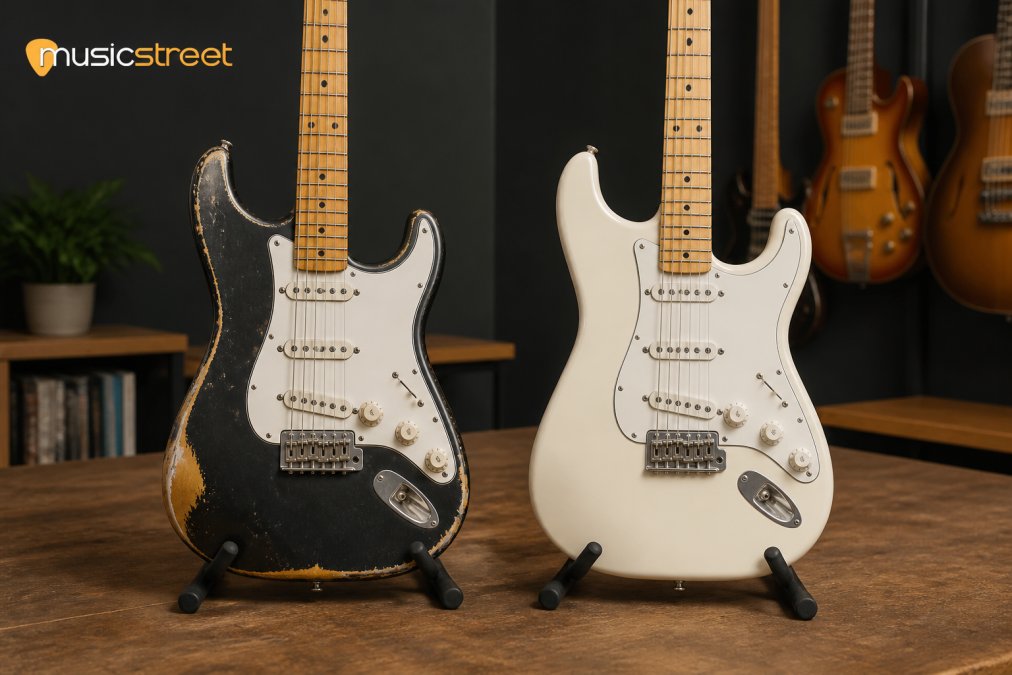
In 2024 the beginner market remains diverse, with established manufacturers offering reliable entry-level models while value brands provide solid starter packages that focus on playability and included accessories. When choosing brands, consider consistency in build quality, availability of replacement parts, and typical factory setup—the best beginner models balance playability with value for money. Below are short product-style recommendations of popular model types that suit beginners in 2024, with notes on why they work well for new players and what feature to check when comparing models.
To provide a bridge between recommendations and purchase options: To provide a wide selection of high-quality musical instruments and accessories, offer expert advice and services, and facilitate direct product sales and trade-ins, ensuring customer satisfaction and loyalty.
What Are the Top Acoustic and Electric Beginner Guitars for 2024?
Common beginner acoustic picks focus on ease-of-play and a reliable factory setup, while beginner electrics emphasise comfortable necks and versatile pickups. Look for an acoustic with a slightly shorter scale or comfortable neck shape if you have small hands, and for electrics prefer models with humbucker or coil-split options to cover multiple tones. Pay attention to whether a model comes as a package with case, tuner and accessories—those packages increase initial value for beginners. Try instruments in the store to check action and neck feel before deciding.
- Affordable acoustics that prioritise playability often include starter guitars with laminated tops and comfortable neck radii.
- Beginner electrics should feature simple control layouts and stable tuning machines.
- Classical starter guitars with full-width necks are best for dedicated fingerstyle students.
These model-selection guidelines segue into how brand reputation and trade-in value influence long-term choice.
How Do Brand Reputation and Value Influence Your Guitar Choice?
Brand reputation matters because established brands tend to maintain consistent quality, have accessible spare parts, and offer reliable aftermarket support, all of which increase long-term value and resale potential. Value brands can be excellent for beginners because they keep costs low while delivering usable playability, but they may offer less consistent setup and limited warranty or trade-in appeal. Consider resale and trade-in implications: a well-known brand often maintains higher trade-in value, which reduces upgrade costs later. Balancing brand trust with current budget priorities helps you choose an instrument that will either be a dependable long-term tool or a cost-effective stepping-stone.
| Brand Category | Typical Strength | Trade-In / Resale Impact |
|---|---|---|
| Established brands | Consistent build quality | Higher resale/trade-in value |
| Value brands | Low cost, good playability | Lower resale, affordable starter |
| Boutique / premium | High-end components | Strong resale, specialised market |
This table links brand categories to buyer expectations and trade-in outcomes, helping you weigh immediate value against long-term return.
What Essential Accessories Should Beginners Consider When Buying a Guitar?
Accessories make the instrument usable, protect it and speed learning; essentials differ by type but generally include a tuner, case/gig bag, strap and replacement strings. For electric guitars you also need an amplifier, cable and possibly a basic pedal for tone exploration, while classical players should prioritise a footstool and proper nylon strings. Good accessories reduce maintenance issues and make practice sessions smoother, which supports faster progress. The following lists separate must-have items from useful extras to guide immediate purchases.
Which Accessories Are Necessary for Acoustic and Electric Guitars?
A compact list of immediate essentials helps new players get started quickly and safely.
- Tuner: A reliable tuner ensures accurate pitch and faster ear training.
- Case or gig bag: Protects the instrument during transport and storage.
- Spare strings and string winder: Reduce downtime from broken strings and speed changes.
For electric guitars, include:
- Amp and cable: Basic practice amp and a good-quality cable let you hear the instrument properly.
- Picks and strap: Picks of different thicknesses and a comfortable strap aid learning and practice posture.
- Maintenance kit: Cloth, polish and tools for basic setup preserve playability and finish.
These accessory recommendations lead to how each item helps maintenance and learning, which we cover next.
How Do Accessories Enhance Your Playing Experience and Maintenance?
Quality accessories protect the instrument and improve practice efficiency: a humidifier preserves acoustic tonewoods, a proper case prevents knocks and environmental damage, and a dependable tuner accelerates accurate playing. Accessories like a capo, metronome or simple pedal expand creative options and help technique development during early practice. Investing modestly in durable accessories often saves money over time because they prolong the instrument's usable life and reduce repair needs. Thinking of accessories as part of the instrument system—strings, case, tuner and amp—ensures you have everything required to maintain tone and support consistent practice.
| Accessory | Purpose | Why It Matters |
|---|---|---|
| Tuner | Pitch accuracy | Faster learning and better intonation |
| Case/Gig bag | Protection | Prevents damage and environmental harm |
| Humidifier | Wood stability | Protects acoustic guitars from cracking |
| Amp (electric) | Amplification | Enables full tonal exploration |
This EAV-style table clarifies accessory roles and their direct benefits, so beginners can prioritise purchases.
What Are the Best Tips for Buying a Guitar: New vs. Used, Trade-Ins, and Warranties?
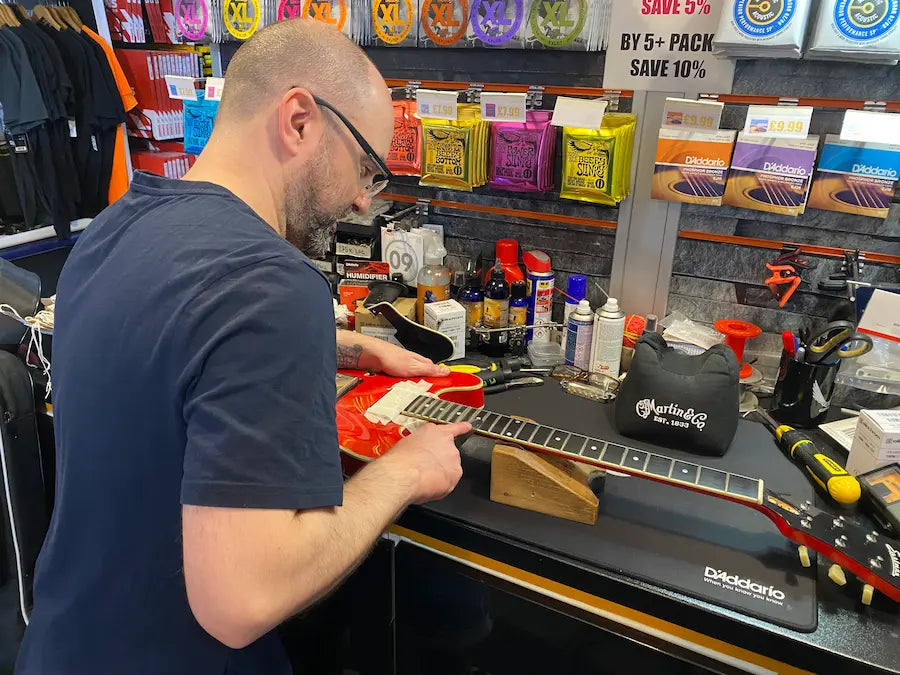
Testing and evaluating guitars methodically prevents costly mistakes; follow a checklist when trying instruments in-store or inspecting used gear to spot playability issues and hidden defects. New guitars offer factory warranties and predictable condition, while used guitars can deliver greater value if inspected carefully for neck straightness, fret wear and electronics function. Trade-ins reduce upgrade costs but require understanding valuation logic—condition, brand and age all affect offers—and warranties cover manufacturing defects but rarely wear-and-tear or setup issues. Use the step-by-step testing checklist below to assess feel, tone and setup reliably before committing to a purchase.
How Should You Test and Try Guitars Before Buying?
Start by playing open strings, basic chords and single-note lines to evaluate tone and response, then check action height, fret buzz and intonation across the neck to detect setup problems. For electrics, plug into an amp and test all pickup positions and controls while listening for crackles, dead pots or grounding noise; record yourself briefly on a phone to compare tones across models. Inspect the neck for straightness, press at each fret to reveal dead spots and run your hand along frets to feel for sharp edges—these physical checks reveal long-term playability issues. Ask the seller about recent setups and repairs, and if buying used, request time-limited return options or a basic warranty where possible.
- Play open strings and chords to assess tone.
- Check action, fret buzz and intonation across the neck.
- For electrics, test pickups and controls through an amplifier.
These practical testing steps prepare you to evaluate new versus used offerings and negotiate with confidence.
To provide a recommended option when considering trade-ins or warranty-backed purchases: To provide a wide selection of high-quality musical instruments and accessories, offer expert advice and services, and facilitate direct product sales and trade-ins, ensuring customer satisfaction and loyalty.
What Are the Benefits of Trade-In Services and Warranty Options?
Trade-ins lower the cost of upgrading because they apply value from your existing instrument toward a new purchase; the trade-in value is determined by condition, brand and market demand. Warranties cover manufacturing defects and can include setup and repair support for a defined period, giving peace of mind for new buyers who want protection against early faults. Always read warranty terms for exclusions (wear-and-tear, humidity damage) and confirm what documentation is required for trade-ins; transparent terms prevent surprises during exchanges. When evaluating whether to trade in or sell privately, consider convenience versus potential higher private-sale proceeds.
- Trade-ins reduce upgrade costs through applied value.
- Warranties protect against manufacturing faults for a set time.
- Verify exclusions and documentation requirements before purchase.
These guidelines on trade-ins and warranties naturally conclude the practical buying advice, and reinforce the availability of expert help and selection for readers seeking assistance.
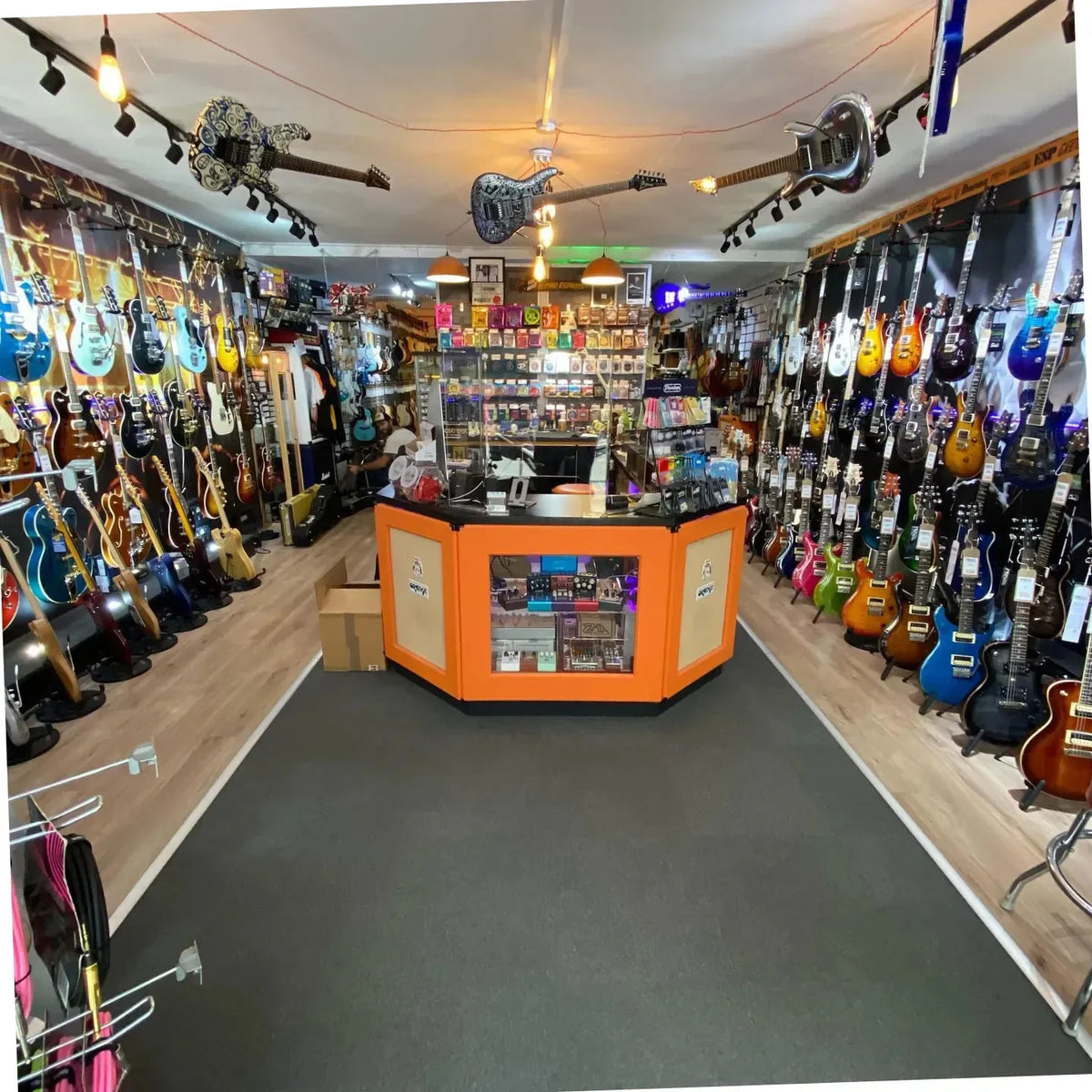
To provide a wide selection of high-quality musical instruments and accessories, offer expert advice and services, and facilitate direct product sales and trade-ins, ensuring customer satisfaction and loyalty.



Share:
How to Use a Capo for Effortless Guitar Playing
7 Must-Know Examples of Guitar Amps for Every Guitarist