
Buy and Sell Used Electric Guitars UK: Expert Guides, Brands, and Trade-in Services
Buying or selling used electric guitars in the UK requires practical inspection skills, market awareness, and clear transaction steps to secure value and playability. To provide a wide selection of high-quality musical instruments and accessories, offer expert advice and services, and facilitate direct product sales and trade-ins, ensuring customer satisfaction and loyalty. This guide explains what to check when inspecting second-hand instruments, which models suit beginners versus collectors, how to sell or trade-in safely, Fender-specific identification tips, care and restoration advice, and current UK market trends. Readers will gain a step-by-step inspection checklist, valuation methods, brand comparisons, and seller-ready workflows that reduce risk and improve outcomes. Throughout, the emphasis is on actionable checks — neck and fret condition, electronics and hardware, provenance and serial verification — and on practical next steps for maintenance, listing, and safe trade-in. The following H2 sections map to the main decisions you’ll face: inspection, recommended models, selling/trading, Fender features, maintenance, and UK market pricing.
What Should You Look for When Buying a Used Electric Guitar?
When buying a used electric guitar, the priority is to confirm structural integrity, playability, and originality so the instrument performs and retains value. Start by assessing the neck relief, fret wear, and overall playability, then move to electronics, hardware stability, and finish condition because these factors combine to determine immediate setup needs and long-term value. A reliable inspection sequence lets you quantify repair risk and estimate likely setup costs, which influences negotiation. In addition to physical checks, compare the asking price to recent sold listings to spot underpriced bargains or overpriced listings, before arranging a hands-on test. The next subsections break down precise checks for neck and fret condition, then body, finish, and hardware so you can perform a standardized inspection.
How to Inspect the Neck, Frets, and Fretboard Condition
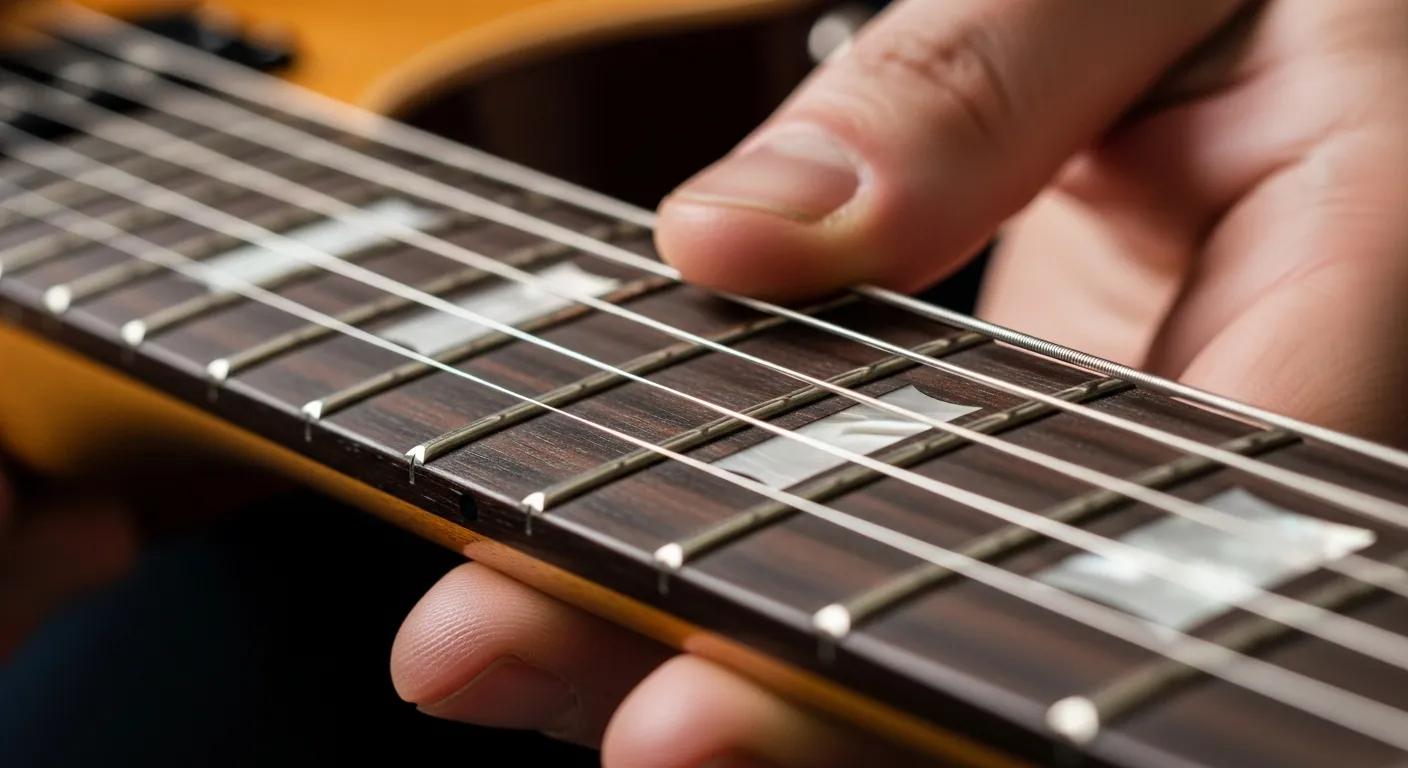
Begin inspection with a definition: check neck straightness, fret wear, and fretboard health because these directly affect playability and intonation. Visually sight down the neck from the headstock to the body to detect twists or excessive relief and use a capo or hold the first and last fret to test for buzzing; this reveals whether a truss-rod adjustment is needed. Examine frets for flat spots, deep grooves, or uneven heights that indicate dressing or refretting is required, and run a finger along the fret ends to feel for sharp edges which signal poor past repair or heavy wear. Also inspect the fretboard for cracks, drying, or repaired areas around the nut and inlays, because fretboard repairs can affect playability and resale value and guide whether a professional setup is necessary.
What to Check in the Body, Finish, and Hardware of a Used Guitar
Inspect the guitar body for structural issues first, distinguishing hairline dings and finish checking from stress cracks in the neck joint or headstock that compromise stability and value. Look closely at bridge and tremolo mounting points for signs of repaired cracks or missing grounding wires, and test tuners and string trees for stability and smooth operation since worn hardware undermines tuning reliability. Check the finish under good light for overspray, sanding marks, or color mismatches that suggest a refinish; while cosmetic wear is often acceptable, evidence of structural repair or replaced necks requires deeper provenance checks. After hardware and body inspection, test electronics to ensure pickups, pots, and switches function cleanly before moving on to authentication and serial checks that validate originality and manufacture date.
To build buyer confidence, consider having an expert inspection and setup performed by a specialist before purchase. To provide a wide selection of high-quality musical instruments and accessories, offer expert advice and services, and facilitate direct product sales and trade-ins, ensuring customer satisfaction and loyalty. This mission statement explains why professional checks matter and how they reduce purchase risk while preserving instrument value.
Which Are the Best Used Electric Guitars for Beginners and Collectors?
Choosing the right used electric guitar depends on whether you prioritize affordability and playability or collectible provenance and long-term value. Beginners benefit from robust, easy-to-set-up models with reliable parts and straightforward electronics that minimize repair costs and learning friction, while collectors prioritize original parts, documented provenance, and rarity which drive value retention. Evaluate models by build quality, parts availability, and typical age-related faults to decide whether a second-hand instrument suits a novice or a collector profile.
Different models suit different buyers; use this table to compare typical price ranges, common issues, and who each model is best for.
| Brand / Model | Typical Price Range | Common Issues | Best For |
|---|---|---|---|
| Squier / Affinity Strat | £80–£250 | Setup, pickup height, nut wear | Beginners on a budget |
| Epiphone Les Paul | £150–£500 | Wiring, bridge wear | Beginners seeking Gibson-style feel |
| Yamaha Pacifica | £120–£350 | Fret wear, pickup swaps | Beginners and gigging students |
| Vintage Fender Strat | £1,500+ | Refinishes, replaced necks | Collectors and vintage buyers |
| Used PRS Custom 24 | £800–£2,000 | Finish checking, electronics mods | Intermediate players/collectors |
This comparison clarifies that beginners should prioritize playability and setup while collectors should focus on originality and provenance before purchase.
What Are the Most Reliable Used Electric Guitar Brands in the UK?
Reliable brands combine consistent build quality, parts availability, and stable resale values, making them sensible candidates when buying used instruments in the UK. Fender, Gibson (including Epiphone as the accessible range), PRS, Ibanez, and Yamaha are commonly cited for parts support and service networks, while Squier and Epiphone offer affordable entry points with straightforward upgrade paths. Common age-related issues include tremolo routing wear on older Strats, headstock repair history on certain models, and pot/noise issues on guitars that have seen heavy gigging; knowing these patterns helps prioritize inspection points. Availability of spare parts and knowledgeable luthiers in the UK supports post-purchase servicing, which reduces long-term ownership cost and preserves playability.
How to Choose Between Vintage and Affordable Second Hand Guitars
Deciding between vintage and affordable second-hand guitars depends on budget, intended use, and willingness to accept restoration work, because vintage instruments demand provenance checks and often higher maintenance. Vintage guitars can appreciate and offer unique tonal character but may need sympathetic conservation and carry higher insurance or appraisal needs; affordable used guitars tend to deliver immediate playability with lower financial risk. Ask whether you want an investment-grade instrument or a reliable player, then factor in potential setup, fretwork, and replacement parts when comparing total cost of ownership. Balance tone priorities against condition and availability: a cheap playable guitar with a good setup can outperform a poorly kept vintage example for a working musician.
How to Sell or Trade-in Your Used Electric Guitar: Step-by-Step Guide
Selling or trading-in a used electric guitar requires transparent valuation, attractive presentation, and secure logistics to achieve the best outcome while minimizing hassle. Begin with market research to establish a realistic asking price using recent sold listings and condition grading, then prepare the instrument through a professional or owner-led setup and clean to improve photos and buyer confidence. Decide whether to sell privately for higher cash or use a trade-in program for speed and convenience, and document all work and originality to support provenance claims. The following step-by-step list outlines a seller workflow you can copy to streamline sale or trade-in.
Follow this workflow to prepare and complete a sale or trade-in.
- Research comparable sold listings: Use completed sales data to set a realistic price.
- Grade condition clearly: Describe fret wear, electronics, and originality in the listing.
- Clean and set up: Ensure strings, intonation, and action are optimized for photos and demo.
- Photograph thoroughly: Capture multiple angles, serial number, headstock, and electronics.
- Choose sale channel: Compare private sale, marketplace, or trade-in for speed versus price.
After listing, be ready to negotiate and provide additional images or short video demos; comparing private-sale offers to trade-in quotes will reveal the true net value.
How to Value Your Used Electric Guitar Accurately
Accurate valuation hinges on combining recent sold prices with a standardized condition grade and adjustments for originality and provenance because these elements drive market value. Start with completed listings for the same model and era, then deduct for necessary repairs, non-original parts, or refinish work; add value for documented provenance, original case, and rare specs. Document condition with high-resolution images and a short demo to support your price and share proof of recent servicing or setups to justify higher asks. This stepwise approach ensures offers from private buyers and trade-in quotes are comparable and informed by the same condition and market data.
What Are the Benefits of Using a Trade-in Program for Electric Guitars?
Trade-in programs prioritize convenience and speed by converting your instrument into immediate credit or replacement options, which suits buyers looking to upgrade with minimal hassle. Compared to private sale, trade-ins often accept instruments in varied condition, handle inspection and logistics, and provide a predictable outcome, though they commonly yield a lower net cash figure than selling privately. For many players, the reduced transaction friction, bundled inspection and setup services, and potential promotional credit toward a new purchase offset the price difference and simplify upgrading. When preparing to trade-in, supply documentation of condition and any recent setup history to help the dealer produce a fair valuation.
To provide a wide selection of high-quality musical instruments and accessories, offer expert advice and services, and facilitate direct product sales and trade-ins, ensuring customer satisfaction and loyalty. This restates the service offer and clarifies why trade-in options are a practical choice for sellers seeking speed and support.
What Are the Key Features of Popular Used Fender Guitars for Sale?
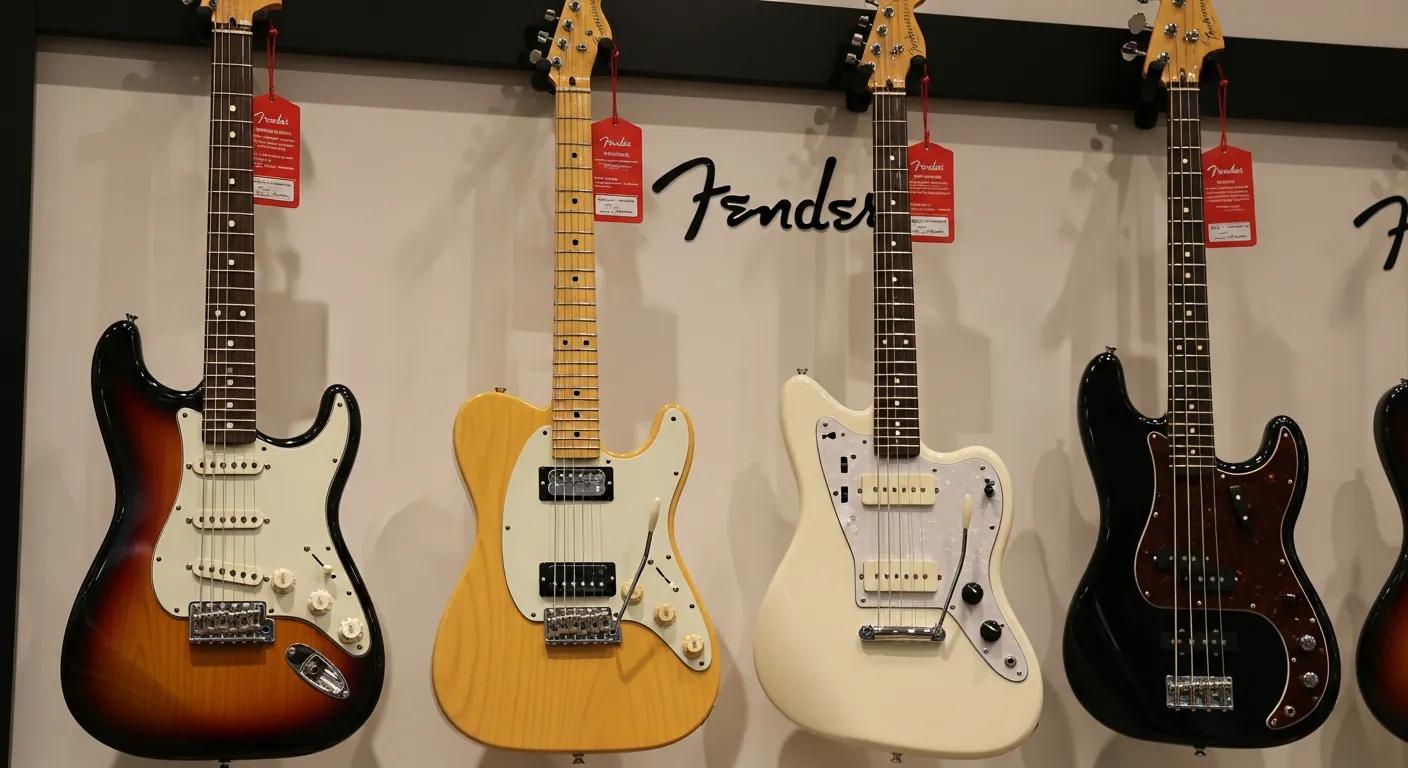
Fender models are defined by distinct construction choices and pickup configurations that shape playability and value, so recognizing these features helps buyers assess tone, authenticity, and likely repairs. Stratocasters, Telecasters, and Jazzmasters each have characteristic pickup layouts, bridge types, and neck profiles that influence setup needs and common faults; understanding these differences enables targeted inspections. The table below compares selected Fender model attributes, manufacture years, and typical condition issues to help you identify what matters when evaluating used Fender guitars.
This quick-reference table highlights key Fender model differences and red flags to watch for.
| Fender Model | Years Commonly Found | Pickup Config / Bridge | Typical Condition Issues |
|---|---|---|---|
| Stratocaster | 1950s–present | SSS or HSS, vintage/modern tremolo | Fret wear, tremolo routing, refinish |
| Telecaster | 1950s–present | SS or S/S, fixed bridge | Neck pocket stress, pickup swaps |
| Jazzmaster | 1958–present | Wide single-coil, floating tremolo | Bridge setup, wiring faults |
| Jaguar | 1960s–present | Short scale, complex switches | Switch corrosion, bridge instability |
This EAV-style comparison helps prioritize checks for each Fender model and supports quicker authentication during hands-on inspection.
Why Are Fender Stratocasters Popular Among Used Electric Guitar Buyers?
The Stratocaster’s popularity stems from its tonal versatility, ergonomic design, and wide historical use across genres, making it a dependable choice in the used market. Its three-pickup layout and tremolo system offer a wide tonal palette that suits blues, rock, country, and pop, and the abundance of spare parts and repair knowledge simplifies servicing. Resale demand remains strong because familiar feel and predictable tone attract players of all levels, which sustains aftermarket values for well-maintained examples. Understanding the Strat’s mechanical traits helps buyers assess upgrade paths, pickup swaps, or the likely cost of tremolo and bridge maintenance.
How to Identify Authentic Vintage Fender Guitars
Authenticating vintage Fender guitars requires a sequence of checks — serial numbers and datestamps, neck pocket clues, hardware patina, and wiring layout — because combinations of these elements corroborate age and originality. Verify serial formats against known production eras, inspect neck heel stamps and routing for factory features, and examine hardware and solder joints for period-correct finishes and workmanship that are hard to fake. Look for provenance such as original cases, invoices, or service records to strengthen authenticity claims; where value is significant, seek a professional appraisal or luthier verification. A systematic checklist reduces the risk of buying a refinished or heavily modified instrument presented as original.
How to Maintain and Care for Your Used Electric Guitar?
Regular maintenance preserves playability and prevents small issues from becoming costly repairs, so establish a routine for cleaning, setup checks, and safe storage to protect your second-hand guitar. Simple maintenance — regular string changes, wipe-downs after playing, checking intonation and neck relief — keeps instruments in gig-ready condition and prolongs component life. For vintage or higher-value instruments, conservative restoration practices are preferred: preserve original parts whenever possible, document any work, and use sympathetic repairs to maintain provenance and market value. The following list summarizes essential setup and cleaning tasks you can perform and when to refer to a professional technician.
- Change strings regularly: Fresh strings improve tone and reduce tension-related wear.
- Wipe hardware and fretboard: Remove sweat and grime to prevent corrosion and finish damage.
- Check neck relief and action: Small truss-rod tweaks or bridge adjustments maintain playability.
- Verify electronics: Clean pots and test output jack to avoid intermittent noise.
- Store correctly: Use cases and controlled humidity to protect wood and glue joints.
Regular upkeep reduces the need for major repairs and preserves value, and knowing when to seek a luthier ensures complex jobs are done correctly.
What Are Essential Setup and Cleaning Tips for Pre-owned Guitars?
A standard setup and cleaning routine starts with a safe string change, fretboard conditioning if needed, and an intonation and action check because these restore basic playability for most used instruments. Clean the body and hardware with appropriate, non-abrasive products and use a small brush or compressed air for pickups and bridge areas; avoid household solvents that damage finishes or electronics. Measure and adjust neck relief and bridge height for comfortable action, and set intonation with an electronic tuner to ensure accurate pitch across the fretboard. When fret wear, loose frets, or complex wiring issues appear, consult a professional for fret dressing, wiring repairs, or nut replacement to avoid causing further damage.
How to Restore and Preserve Vintage Electric Guitars
Restoration philosophy for vintage guitars favors conservation over aggressive refinishing: preserve original parts, stabilize structural issues, and document every intervention to maintain provenance and value. Replace only non-original or irreparable components with period-correct parts when possible, and record serial numbers, repair receipts, and photographs before and after work to support future valuation. Sympathetic refinishing should be a last resort; often a stabilizing repair that retains original finish patina is preferred by collectors. For high-value pieces, engage a specialist experienced in vintage instrument restoration to balance playability improvements against collector expectations.
What Are the Current Market Trends and Prices for Used Electric Guitars in the UK?
The UK used guitar market shows steady demand for beginner-level instruments and rising interest in authentic vintage pieces, creating a bifurcated market where playable budget guitars sell quickly while rare originals appreciate. Online marketplaces and increased buyer sophistication have improved price transparency, so comparing recent sold listings is essential when valuing instruments in 2023–2025. Demand drivers include sustainability preferences, DIY musicianship growth, and collectible interest, which influence where value concentrates across brands and models. To provide a wide selection of high-quality musical instruments and accessories, offer expert advice and services, and facilitate direct product sales and trade-ins, ensuring customer satisfaction and loyalty — and this is why retailers and trade-in services can help buyers navigate pricing and sourcing in a changing market.
| Model / Category | 2023–2025 Price Trend | Demand Level | Notes |
|---|---|---|---|
| Beginner electrics (Squier/Yamaha) | Stable to slight rise (+2–5%) | High | Fast turnover, low repair cost |
| Mid-range used (Epiphone/PRS) | Moderate increase (+5–12%) | Medium | Consistent demand from gigging players |
| Vintage Fender/Gibson originals | Upward (+10–25%) | Selective high | Provenance and originality drive value |
| Boutique/refurbished instruments | Stable | Niche | Quality setups increase desirability |
This snapshot helps time purchases and sales by highlighting where demand and price movement concentrate in the current UK market.
How Has the Demand for Vintage and Second Hand Guitars Changed Recently?
Recent years have seen growing interest in vintage instruments among collectors alongside sustained demand for affordable, playable second-hand guitars among beginners, driven by economic and sustainability factors. Collectors focus on originality and provenance, causing price growth for well-documented classics, while working musicians prefer reliable, low-maintenance used instruments that offer immediate playability. Online marketplaces and improved listing transparency have compressed regional price gaps and made comparable-sales research more effective for both buyers and sellers. These trends suggest buyers should prioritize documentation and setup history when assessing vintage items and look for recently serviced players when buying on a budget.
Where to Find the Best Deals on Used Electric Guitars Online and Locally
Sourcing the best deals requires comparing channels — local shops, classified ads, specialist retailers, and online marketplaces — and tailoring inspection and negotiation strategies to each channel’s risks and benefits. Local shops and specialist retailers often offer inspection and setup services that reduce post-purchase effort, classifieds can provide bargains but demand careful inspection, and online marketplaces offer widest selection but need thorough photographic and video verification. When evaluating remote listings, request serial number photos, close-ups of frets and electronics, and a short demo video to confirm condition; for local purchases, perform the hands-on checks described earlier. Timing also matters: end-of-term sales, autumn instrument clearances, and post-festival periods often yield better deals.
To help prioritize channels, consider these quick comparisons:
- Local specialist retailers: Offer inspection, warranty-like support, and trade-in options.
- Classifieds / private sale: Potential for lower prices but require careful verification.
- Online marketplaces: Widest selection and price transparency but need rigorous photo/video checks.
These channel comparisons guide where to invest inspection time and when to use trade-in or retail services to reduce transaction risk.


Share:
Guitar History Category
7 Best Guitar Pedals 2025: Elevate Your Tone in the UK