


The Ultimate Guide to Guitar Amplifiers: Tone, Features, and How to Choose the Best Amp

Your guitar amplifier is the heart of your sound, transforming the raw vibrations of your strings into the expressive, resonant music you hear. This comprehensive guide will demystify how amps shape your tone, explore the main amplifier categories, break down the essential features to consider, and help you find the perfect amp to suit your playing style and budget. Plus, we’ll highlight some of the fantastic brands available at MusicStreet and share expert tips to keep your gear in top condition. By mastering these fundamentals, you’ll unlock the full sonic potential of your guitar, whether you’re jamming at home, laying down tracks in the studio, or commanding the stage.
What Is a Guitar Amplifier and Why Is It Essential for Your Tone?
A guitar amplifier is an electronic powerhouse that takes your guitar’s signal, boosts it, and shapes it into the rich sound delivered through its speakers. It works by amplifying the voltage in the preamp section and then powering the speaker driver, fundamentally defining your amp’s tonal character and dynamic response. For instance, the intricate valve circuits in a tube amplifier introduce a beautiful harmonic warmth that’s perfect for that sought-after bluesy overdrive. Understanding this core function is key to appreciating how different technologies and designs lead to such distinct sonic outcomes.
What Does a Guitar Amplifier Do?
At its core, a guitar amplifier performs three crucial jobs: amplifying your signal, shaping your tone, and delivering the power to make it heard.
- Signal Amplification – The preamp stage takes the relatively weak signal from your guitar pickups and boosts it to a usable line level.
- Tone Shaping – Through EQ controls and gain stages, you can sculpt the frequencies and introduce anything from subtle grit to full-blown distortion.
- Power Delivery – The power amp section then takes this signal and drives the speaker cone, producing the audible volume.
Working together, these stages craft the unique sound that defines your playing style and the music you create.
How Has Guitar Amplifier Technology Evolved Over Time?
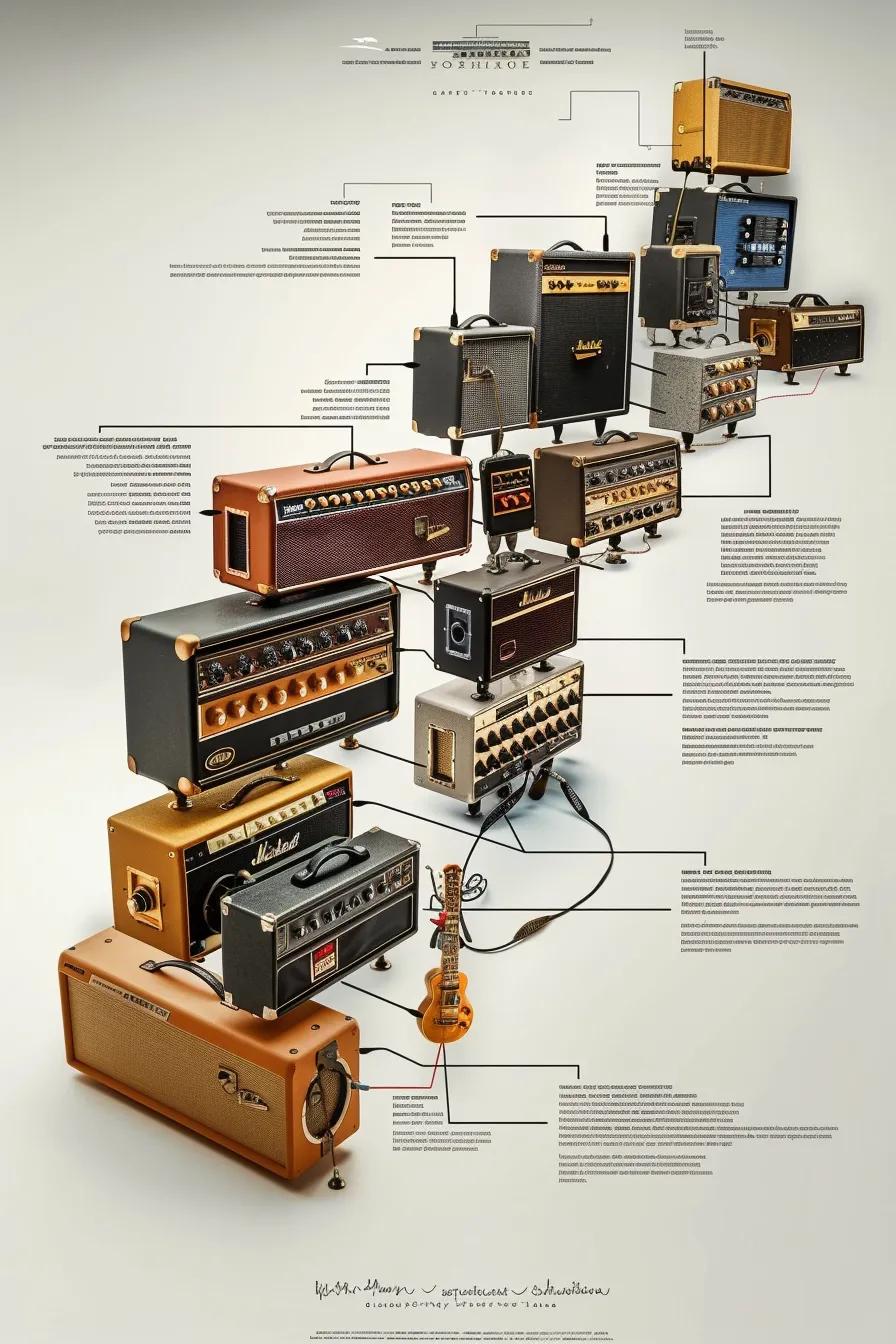
Guitar amplification’s journey began in the 1940s with simple valve circuits, which offered a wonderfully warm, organic overdrive when pushed. The 1960s saw the arrival of solid-state transistor amps, bringing greater reliability and cleaner tones. Fast forward to the 1990s, and modelling technology emerged, using digital signal processing (DSP) to meticulously emulate the sounds of classic tube amps and effects. Today, we see hybrid designs that cleverly combine valve preamps with solid-state power sections, offering the best of both worlds – valve warmth with solid-state efficiency. This evolution has paved the way for the incredible diversity of amp types available today.
The Evolution and Characteristics of Guitar Amplifier Technology
Research indicates that guitar amplification originated with vacuum tube circuits in the 1930s and 1940s, which are recognized for their warm, organic overdrive and dynamic response. The 1960s marked the introduction of solid-state transistor amplifiers, offering enhanced reliability, cleaner tones, and reduced maintenance requirements. These distinct technological advancements continue to shape the tonal characteristics and preferences of musicians.
This research directly supports the article's historical overview of amplifier technology and its detailed comparison of tube and solid-state amplifier types, including their tonal qualities and practical benefits.
This fascinating historical progression is precisely why choosing the right amplifier remains so crucial in crafting your signature sound.
Why Does Amplifier Choice Impact Your Guitar Tone?
The very architecture of an amplifier, the quality of its components, and the way its speakers are configured all play a massive role in shaping harmonic content, dynamic response, and headroom. Tube circuits naturally compress and saturate, delivering that beloved warm distortion, while solid-state designs tend to stay cleaner at higher volumes. Even the size and brand of your speaker (think of a Celestion Vintage 30) can colour your sound, accentuating midrange punch or tight low-end. Finding the perfect combination is key to achieving a tone that truly complements your guitar and your unique playing style.
What Are the Main Types of Guitar Amplifiers and Their Characteristics?
Amplifier technology generally falls into four main categories, each offering its own distinct tonal flavour and practical advantages. Understanding these options will help you pinpoint the ideal amp for your home, studio, or live performances.
Introductory Comparison of Amp Types
| Amp Category | Key Technology | Tonal Quality | Typical Benefit |
|---|---|---|---|
| Tube (Valve) | Vacuum tubes | Warm, organic overdrive | Rich harmonics and dynamic touch response |
| Solid-State | Transistors | Clean, reliable | Durability, affordability, low maintenance |
| Hybrid | Tube preamp + Transistor power amp | Balanced warmth and reliability | Warmth of valves with solid-state headroom |
| Modelling / Digital | DSP & software | Versatile, preset-driven | Multiple amp emulations and built-in effects |
By comparing these core attributes, you can start to appreciate how each amplifier type contributes to your overall sound and suits different playing environments.
What Are Tube Amplifiers and Why Are They Popular?
Tube amplifiers harness the magic of glass valves in their preamp and/or power sections to produce natural compression and incredible harmonic richness. The dynamic interaction between these vacuum tubes and transformers creates that sought-after warm overdrive when you really dig in.
- Expressive Harmonics: They offer a natural breakup that beautifully responds to your pick attack.
- Touch Sensitivity: You get dynamic control over gain and volume just by how you play.
- Vintage Appeal: They deliver the iconic sound favoured by blues, rock, and jazz legends.
While they do require a bit more care – like periodic tube replacement and biasing – this maintenance is part of preserving that truly coveted tonal character.
How Do Solid-State Amplifiers Differ in Tone and Reliability?
Solid-state amplifiers use transistor circuits instead of valves to amplify your guitar’s signal. They’re known for delivering consistent clean headroom and demanding very little maintenance.
Main distinctions:
- Tonal Clarity: They offer a highly linear response, making them perfect for pristine clean tones.
- Reliability: With no tubes to age or fail, they’re incredibly roadworthy.
- Cost Efficiency: They often come at more accessible price points, ideal for beginners and home practice.
While they might not possess the same organic warmth as tubes, solid-state amps are a fantastic choice for players who value consistent performance and low upkeep.
What Are Hybrid Amplifiers and Their Benefits?
Hybrid amplifiers cleverly combine a valve-based preamp with a solid-state power section, effectively merging the warmth of tubes with the reliability of transistors.
Core benefits include:
- Enhanced Warmth: The valve preamp injects that desirable harmonic colour into your sound.
- Stable Headroom: The solid-state power amp ensures consistent output, even when pushed.
- Lower Maintenance: Fewer tubes mean less frequent servicing and simpler biasing routines.
This smart combination appeals to guitarists who want that classic valve tone without the associated servicing demands.
How Do Modeling and Digital Amplifiers Offer Versatility?
Modelling amplifiers use sophisticated onboard DSP to replicate the sounds of classic tube circuits, speaker cabinets, and a whole host of effects, all within a single, convenient unit.
Primary advantages:
- Preset Flexibility – You can save and recall countless amp and effect combinations, ready at your fingertips.
- Connectivity – USB and MIDI integration open up a world of recording possibilities and live control.
- Compact Footprint – This all-in-one design means you can ditch the pedalboard for many gigs.
Digital Amplifier Modeling and Factors Influencing Guitar Tone
Studies in digital signal processing have led to the development of advanced modeling amplifiers capable of emulating classic tube circuits and effects, providing versatility and a compact design. Beyond the amplifier type, specific internal components such as bias, rectifier, power tubes, preamp tubes, and EQ controls are crucial in shaping the harmonic content and dynamic response of a guitar amplifier's tone.
This citation verifies the advancements in digital amplifier modeling and highlights the various internal components and controls that significantly impact an amplifier's tonal output, aligning with the article's sections on modeling amps and features affecting tone.
What Makes Acoustic Amplifiers Unique for Natural Sound?
Acoustic guitar amplifiers are specifically designed to deliver transparent, uncoloured amplification, ensuring the natural resonance and character of your acoustic instrument shine through.
- Wide Frequency Response – They capture everything from the deep warmth of the low end to the crisp articulation of the high end.
- Dedicated Mic Inputs – Perfect for blending your guitar signal with a vocal microphone.
- Anti-Feedback Controls – Essential for preventing unwanted squeals and resonances at higher volumes.
These specialised amps are built to project your acoustic instrument with stunning clarity and definition, whether you're playing live or recording.
How Do Guitar Amplifier Features Affect Tone and Performance?
Beyond the fundamental amp type, a host of individual features significantly influence how your amplifier sounds and performs in different situations. Let's dive into power, speakers, configuration, tone controls, and connectivity to clarify which attributes matter most for your specific needs.
How Does Wattage Influence Volume and Headroom?
The wattage rating of an amplifier essentially dictates its maximum clean volume and how much headroom you have before the signal starts to distort.
- Lower Wattage (1–20W) – Perfect for home practice and intimate studio sessions; tube amps in this range will start to break up at more manageable volumes.
- Mid Wattage (20–50W) – Well-suited for rehearsal spaces and smaller venues, offering a good balance of clean headroom.
- High Wattage (50W+) – Essential for larger stages and full-band performances where you need to maintain a clean tone even at very loud volumes.
Understanding these wattage thresholds is key to selecting an amplifier that strikes the right balance between your desired breakup characteristics and practical volume requirements.
What Speaker Sizes and Types Impact Your Sound?
The dimensions and manufacturer of your speaker have a profound impact on your overall tonal balance and how your sound projects.
| Speaker Diameter | Characteristic | Example Brand |
|---|---|---|
| 10-inch | Tight low end, pronounced mids | Jensen C10R |
| 12-inch | Full midrange, smooth highs | Celestion Vintage 30 |
| 15-inch | Deep bass, warm midrange | Eminence Legend 1514 |
Choosing the right speaker ensures clarity in your preferred frequency range and beautifully complements your amplifier’s inherent tonal profile.
What Are the Differences Between Combo Amps and Head & Cabinet Setups?
Combo amplifiers conveniently integrate the amp circuitry and speaker(s) into a single unit, making them incredibly portable. On the other hand, separate head and cabinet systems offer the flexibility to mix and match components for a truly custom sound.
- Portability vs Customisation – Combos are easy to transport; heads and cabs let you create unique speaker combinations.
- Weight Distribution – A head and cabinet can be heavy, but splitting them into two pieces makes them easier to manage.
- Stage Presence – Large stacks make a bold visual statement; combos tend to be more understated.
Your decision between these formats will largely depend on your logistical needs and your sonic ambitions.
How Do Tone Controls and Built-In Effects Shape Your Sound?
The EQ sections, gain knobs, and onboard effects on your amplifier give you direct control over its sonic architecture.
- Bass, Mid, Treble – These are your primary tools for sculpting the overall frequency balance.
- Gain and Volume – Control the level of distortion and the overall output loudness.
- Reverb, Delay, Chorus – Add spatial ambience and texture without needing external pedals.
Mastering these controls empowers you to dial in precise voicings that perfectly suit your chosen genre.
Why Are Channels and Connectivity Important?
Multiple channels allow you to seamlessly switch between different tones – like clean and overdriven – on the fly, while modern connectivity options significantly enhance your recording and practice workflows.
- Switchable Channels – Instantly shift from sparkling clean sounds to saturated lead tones.
- Effects Loop – This lets you insert time-based pedals between the preamp and power amp for cleaner, more defined effects.
- USB/MIDI – Interface directly with your DAW or control presets digitally.
- Headphone Out – Enables silent practice sessions while still enjoying the full amp voicing.
Flexible channel switching and robust connectivity options future-proof your rig for a wide range of performance scenarios.
How Do You Choose the Right Guitar Amplifier for Your Style and Needs?
Selecting your ideal amplifier is all about aligning your musical aspirations, playing environment, and budget with the amp’s capabilities.
Which Amplifiers Are Best for Beginners and Home Practice?
Beginners will find user-friendly, lower-wattage amps with built-in presets and effects incredibly beneficial:
- Modelling Amps (e.g., Boss Katana) offer a vast palette of versatile tones.
- Solid-State Combos (e.g., Marshall MG15) provide reliable clean and crunch sounds.
- 20–30W Tube Combos give you an early taste of valve breakup at manageable volumes.
When you’re just starting out, prioritise simplicity, affordability, and minimal maintenance.
What Amps Suit Different Musical Genres Like Rock, Blues, Jazz, and Metal?
Matching an amp’s characteristics to your chosen genre is key to achieving authentic tone:
- Blues: Look for 5–20W tube amps with a strong midrange focus (often EL84-powered circuits).
- Rock: 20–50W hybrids or tube heads with punchy overdrive (EL34 or 6L6 tubes are common).
- Jazz: Clean-voiced tube combos with ample headroom and warm low-end response.
- Metal: High-gain modelling or tube stacks with tight low-end definition and precise EQ control.
Understanding these genre associations will significantly inform your search for the perfect amp voicing.
How Do Environment and Use Case Affect Amp Selection?
Think carefully about where you’ll be playing most often:
- Home Practice: Low-wattage combos with headphone outputs are ideal.
- Studio Recording: Consider modelling amps with direct USB output or mic-friendly tube combos.
- Gigs: For live performances, you’ll likely need 50W+ heads paired with 4×12 cabinets or powerful solid-state combos for unwavering reliability.
Matching the amp’s size and feature set to your environment will prevent frustration and ensure you’re not paying for capacity you don’t need.
What Budget Factors Should You Consider When Buying an Amp?
Balancing the initial cost, long-term value, and potential future upgrades will lead to a truly wise purchase:
- New vs Used – Buying a used tube amp can offer vintage character at a lower price, but be prepared for potential servicing needs.
- Maintenance Costs – Factor in the ongoing costs of valve replacements and biasing for tube amps versus the minimal upkeep for solid-state models.
- Resale Value – Established brands like Fender and Marshall tend to hold their value exceptionally well.
- Upgradeable Components – Some amps allow for speaker or tube swaps, offering a pathway to personalise your tone over time.
Carefully assessing these factors will help you avoid budget overruns and set realistic expectations for ownership costs.
What Are the Top Guitar Amplifier Brands and Models Available at MusicStreet?
MusicStreet proudly stocks a curated selection of leading amplifier brands, covering everything from timeless classics to the most cutting-edge designs, ensuring there’s an option for every guitarist.
| Brand | Signature Models | Primary Strength |
|---|---|---|
| Blackstar | HT Club 40, Amped Series | ISF voicing flexibility |
| Marshall | MG15, DSL40 | Iconic rock crunch |
| Orange | Crush Series, Rocker Verb | Distinct British warmth |
| Fender | Twin Reverb, Blues Junior | Clean headroom and clarity |
| Vox | AC30, Pathfinder Series | Chime-like, vintage sparkle |
What Makes Blackstar Amplifiers Stand Out?
Blackstar’s HT Club 40 and Amped Series are exceptional thanks to their patented Infinite Shape Feature (ISF), which allows you to seamlessly dial in everything from classic British to American tonal characters. Their robust build quality and versatile gain structure have made them a modern go-to for rock, blues, and many other genres.
Why Choose Marshall Amps for Classic Rock Tones?
Marshall’s MG15 and their more powerful DSL heads are renowned for delivering that signature mid-forward crunch that defined stadium rock. Their highly responsive gain stages provide those familiar drive textures and stage-ready performance, perfect for soaring lead lines and chunky rhythm parts.
How Do Orange Amplifiers Deliver Unique Sound and Style?
Orange Crush and Rocker Verb models masterfully blend vintage valve voicings with contemporary power sections. Their instantly recognisable cotton-candy-orange cabinets are a style statement, and their signature muddy-brown overdrive adds a unique British grit that’s unmistakable.
What Are Fender and Vox Amp Options for Clean and Vintage Tones?
Fender Twins and Blues Juniors are celebrated for their expansive clean headroom and lush reverb, making them ideal for jazz and country players. Vox AC30s, on the other hand, produce beautifully chimey highs and natural valve breakup at more moderate volumes, making them a favourite for indie and classic pop sounds.
Which Other Brands Does MusicStreet Offer?
In addition to these iconic names, MusicStreet also carries a fantastic range of amps from Mesa/Boogie, Line 6, Boss Roland, Victory, PRS, Laney, Hughes & Kettner, and many more – each chosen for its unique contribution to the diverse world of modern amplification.
How Can You Maintain and Care for Your Guitar Amplifier to Ensure Longevity?
With the right servicing, cleaning, and troubleshooting, you can ensure your amplifier performs reliably and retains its incredible tonal integrity for years to come.
When and How Should You Replace Tubes in Tube Amplifiers?
The lifespan of tubes can vary significantly depending on the type and how much you use your amp. Power tubes (like EL34s and 6L6s) typically last between 1,000–2,000 hours, while preamp tubes (such as the 12AX7) can often exceed 3,000 hours. You should consider replacing tubes when you notice:
- A noticeable loss of gain or clarity
- Excessive hum or unwanted noise
- Any physical signs of damage, like cracks or blackening inside the tube
Crucially, always bias your amplifier after installing new power tubes to ensure optimal performance and maximise their lifespan.
What Are Common Guitar Amp Issues and How Can You Troubleshoot Them?
Regular diagnostics can prevent minor issues from becoming major headaches:
- No Sound – Double-check your cables, speaker connections, and the fuse.
- Intermittent Crackle – Try cleaning your pots with a dedicated electronics cleaner.
- Uneven Volume – Try rotating your tubes; this can help identify a weak or failing tube.
- Overheating – Ensure the ventilation slots are completely clear and the amp is placed on a stable, non-flammable surface.
Catching problems early can save you money on costly repairs and protect the internal components of your amp.
How Should You Clean and Store Your Amplifier Properly?
Regular external cleaning and correct storage practices are essential for preventing damage:
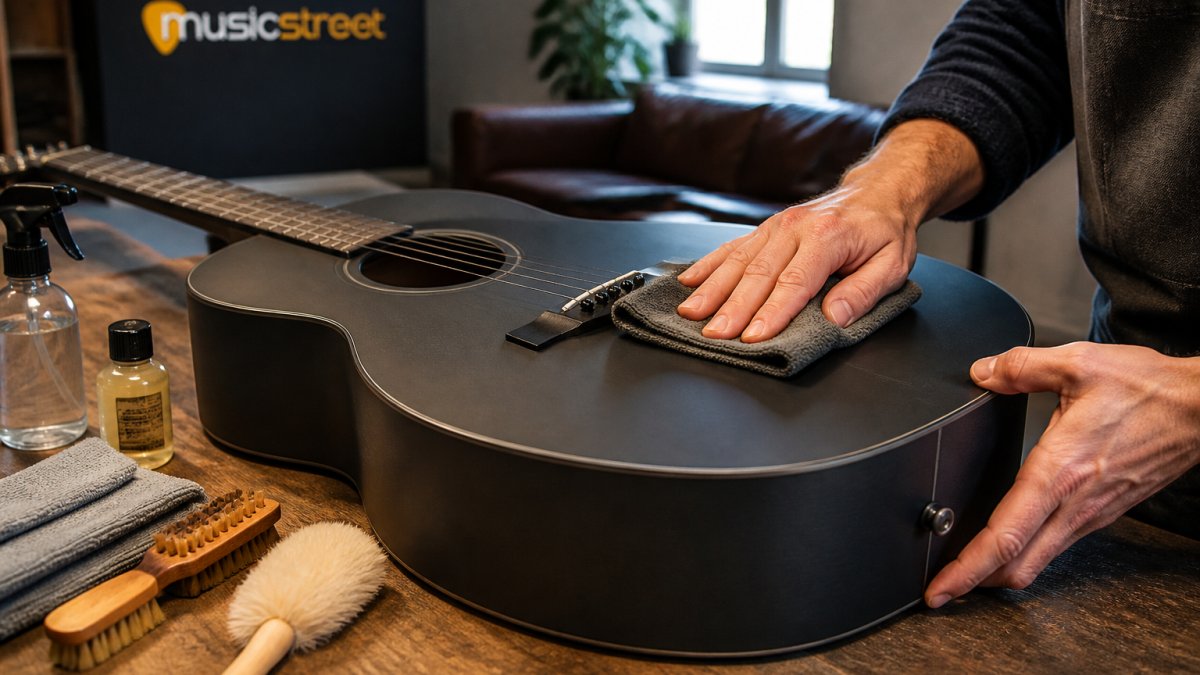
- Dust Removal – Gently use a soft brush to clean the grille cloth and cabinet.
- Contact Cleaning – Apply a suitable electronics cleaner to jacks and potentiometers as needed.
- Safe Storage – Keep your amp in a dry environment with a stable temperature; cover it with a dust cloth when not in use.
- Power Cycling – Always turn off your amp between sessions and allow the tubes to cool down completely before moving it.
Adopting these habits will safeguard both the electronic and mechanical parts of your amplifier, ensuring years of reliable playability.
What Are the Most Frequently Asked Questions About Guitar Amplifiers?
What Is the Best Guitar Amp for Beginners?
A versatile, solid-state combo amp with manageable wattage (around 15–30W) is a fantastic starting point, offering reliable clean tones and basic overdrive. Models that include built-in effects and headphone outputs are particularly useful for practice and experimentation without needing extra gear.
How Many Watts Do I Need for Different Playing Situations?
Wattage is more about headroom than direct loudness. Here’s a general guide:
- Bedroom Practice: 1–10W tubes or 10–20W solid-state.
- Rehearsal: 20–50W.
- Small Venues: 50–100W.
- Large Stages: 100W+ or ensure your amp is miked through the PA for consistent volume.
Understanding these categories will help ensure you choose an amplifier that you won’t quickly outgrow.
What Is the Difference Between Tube and Solid-State Amps?
Tube amplifiers produce a characteristic warmth and natural compression thanks to their vacuum valves, while solid-state models tend to stay cleaner and maintain clarity even at high volumes. Tubes require periodic replacement, whereas transistors are virtually maintenance-free.
What Features Should I Look for in a Guitar Amplifier?
Key attributes to consider include:
- Wattage – This should align with your volume and desired breakup needs.
- Speaker Configuration – This significantly impacts your tonal balance and projection.
- EQ Controls – Essential for shaping your bass, mid, and treble frequencies.
- Channels – These provide distinct clean and dirty tones.
- Connectivity – Look for features like an effects loop, headphone out, and USB/MIDI for recording and silent practice.
Focusing on these features will help you make a purchase that truly aligns with your playing goals.
How Do I Match Speaker Impedance and Size to My Amplifier?
Most amplifiers will specify their compatible speaker impedance (usually 4 Ω, 8 Ω, or 16 Ω). Matching this correctly ensures proper power transfer and prevents damage to your amp. Speaker diameter plays a role in frequency response – smaller speakers tend to emphasise mids, while larger ones offer a more extended low end. Always confirm your amp’s impedance rating and choose a cabinet that matches.
By carefully coordinating speaker parameters with your amplifier’s specifications, you’ll safeguard your equipment and optimise your tone.



Share:
Why String Gauge Matters for Every Guitarist
What Is a Luthier and Their Role for Musicians