


Most British guitarists underestimate just how essential professional guitar tech skills are for consistent, reliable performance. Keeping an instrument in top condition goes far beyond basic string changes or occasional tuning. Whether you play at home, in local venues, or aspire to go pro, learning what a skilled guitar technician does daily will sharpen your maintenance know-how and help you dodge issues that stop nearly 80 percent of performance-related equipment failures. This guide brings you practical insights from expert techs to help every British player raise their standards.
Table of Contents
- What A Guitar Tech Does Daily
- Types Of Guitar Tech Roles Explained
- Essential Skills And Qualifications Required
- Professional Setup, Maintenance, And Repairs
- Common Pitfalls And How To Avoid Them
Key Takeaways
| Point | Details |
|---|---|
| Guitar Technician Role | Guitar technicians provide essential support by maintaining instruments, conducting repairs, and ensuring optimal performance during live shows and recordings. |
| Specialised Roles | There are distinct roles such as Touring, Studio, and In-House Guitar Technicians, each focusing on different environments and responsibilities. |
| Essential Skills | Key skills include technical knowledge of instrument mechanics, strong communication, and practical abilities to perform maintenance and repairs effectively. |
| Common Challenges | Technicians must avoid diagnostic errors and procedural issues by following systematic approaches and developing standardised checklists for maintenance tasks. |
What a Guitar Tech Does Daily
A guitar technician operates as the critical behind-the-scenes professional who ensures musical performances and recording sessions run seamlessly. These skilled professionals provide essential support for guitarists by maintaining instruments in peak condition, handling everything from routine maintenance to complex technical challenges.
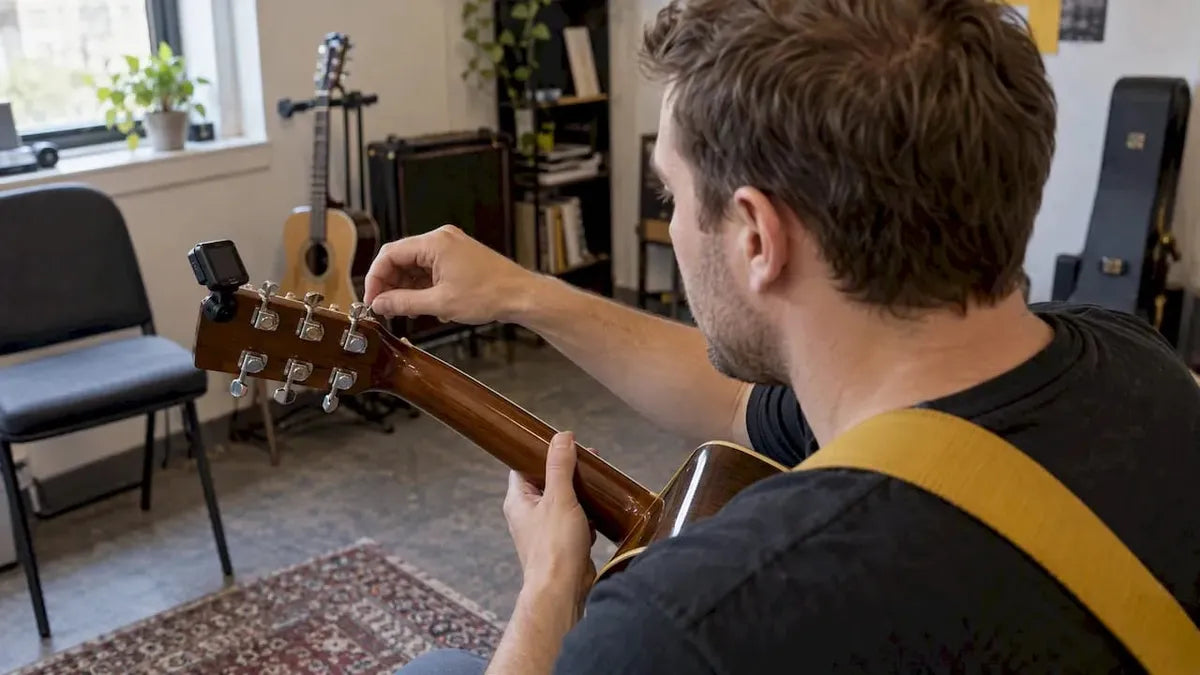
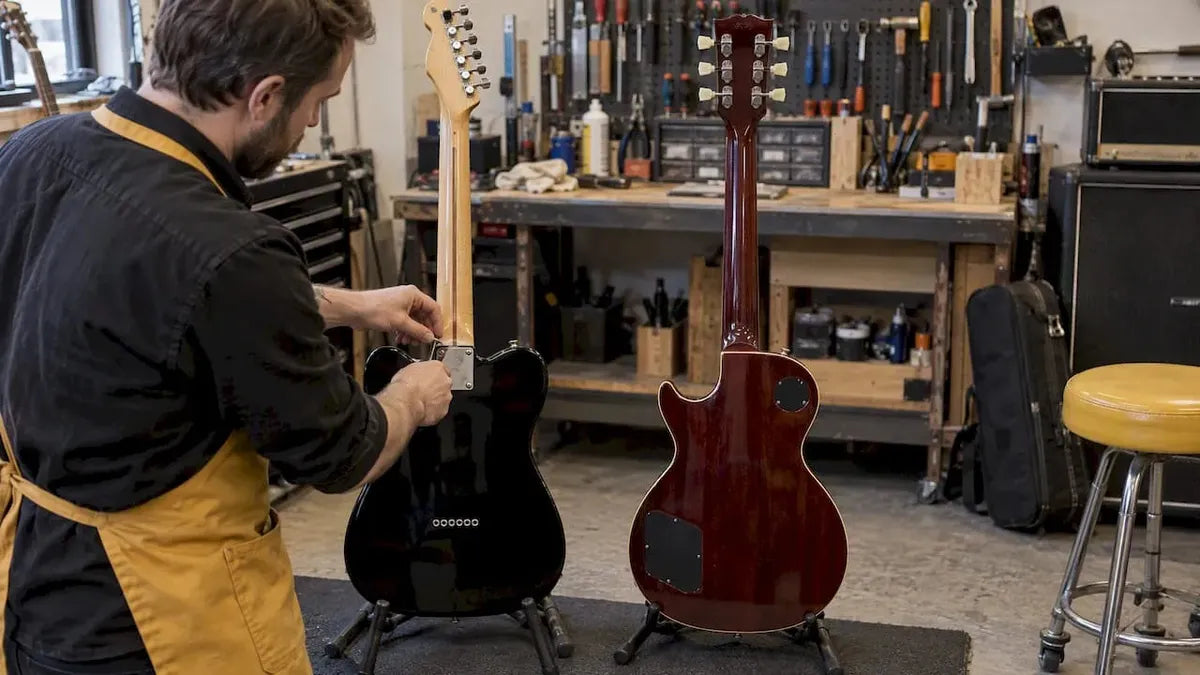
On a typical day, a guitar tech’s responsibilities span multiple technical and logistical domains. Instrument preparation involves meticulous tasks like string changing, precise tuning, setup adjustments, and conducting minor repairs. They carefully inspect each guitar for potential issues, ensuring every instrument performs optimally. This might include checking neck alignment, adjusting action height, calibrating intonation, and addressing fret wear or electronic component functionality.

Beyond technical maintenance, guitar techs play a pivotal coordination role. They work closely with musicians to understand specific instrument preferences, anticipate potential performance challenges, and provide rapid troubleshooting during live shows or recording sessions. Their expertise extends to managing multiple guitars, preparing backup instruments, and ensuring rapid equipment transitions that maintain performance momentum.
Top Pro Tip: Invest in a comprehensive guitar maintenance toolkit with precision screwdrivers, string winders, hex key sets, and digital tuners to develop foundational guitar tech skills.
Types of Guitar Tech Roles Explained
The world of guitar technicians encompasses a diverse range of specialised roles, each requiring unique skills and expertise. Creative venue technicians demonstrate remarkable versatility across different professional contexts, with guitar tech positions ranging from live performance support to studio maintenance.
Touring Guitar Techs represent one of the most dynamic specialisations. These professionals travel with bands, managing multiple instruments, performing rapid repairs, and ensuring seamless equipment transitions during live performances. They must be adaptable, quick-thinking, and capable of troubleshooting under high-pressure concert environments. Their responsibilities often include:
- Maintaining multiple guitars for a single artist
- Preparing backup instruments
- Conducting emergency repairs
- Managing complex stage setups
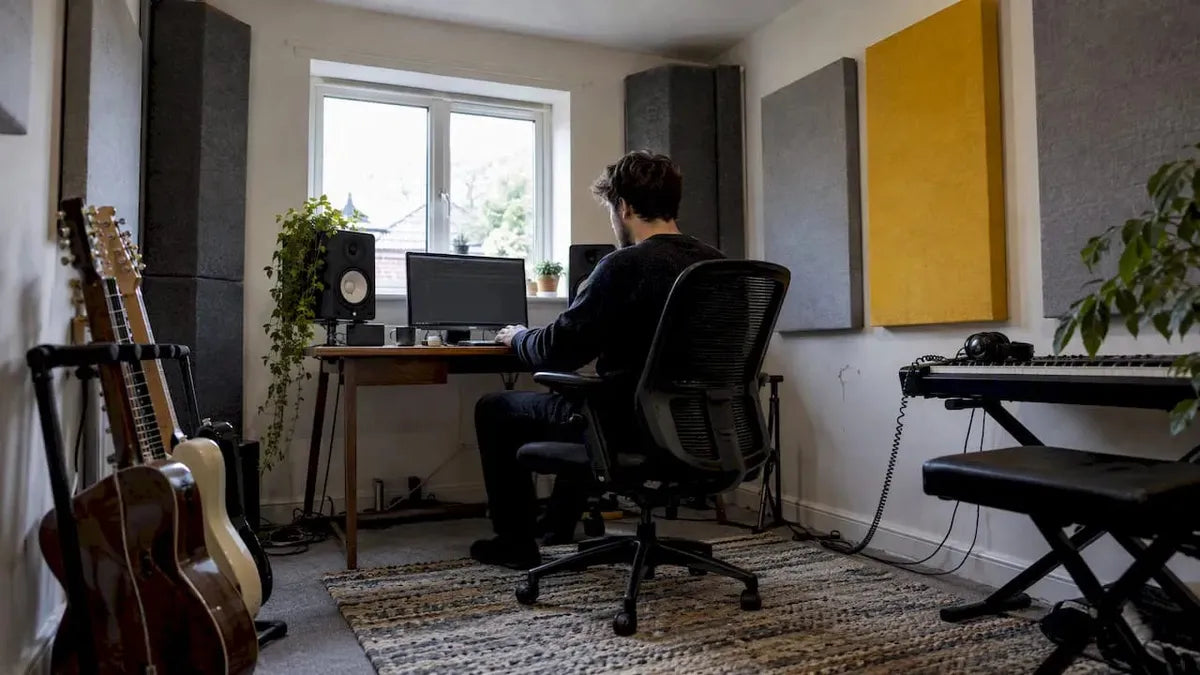
Alternatively, Studio Guitar Techs focus on precision instrument maintenance within recording environments. These specialists work closely with sound engineers, ensuring guitars are perfectly set up for studio recordings. Their roles involve intricate technical adjustments, calibrating instruments for optimal sound quality, and preparing equipment for professional recording sessions.
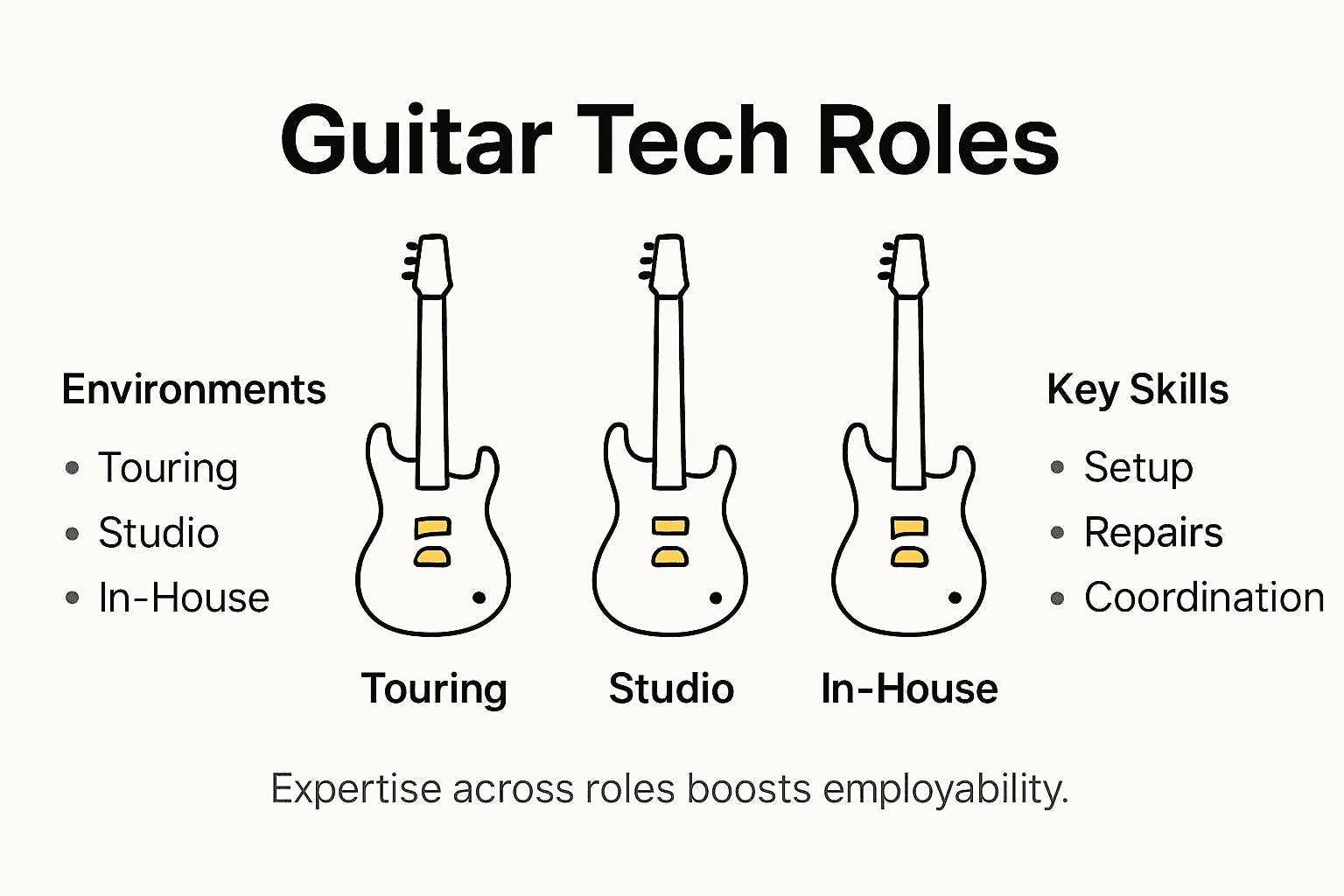
In-House Guitar Technicians typically work within music venues, instrument shops, or educational institutions. They provide comprehensive maintenance services, from routine setups to complex repairs, serving musicians and institutions with their specialised technical skills.
Pro Tip: Develop expertise across multiple guitar types and technologies to increase your employability and professional versatility in the guitar tech industry.
Here’s a comparison of the main guitar tech roles and where they add the most value:
| Role Type | Primary Environment | Key Value Provided | Typical Stakeholders |
|---|---|---|---|
| Touring Guitar Tech | Live concerts, tours | Fast on-site repairs and setup | Musicians, touring managers |
| Studio Guitar Tech | Recording studios | Sound optimisation and fine adjustments | Producers, sound engineers |
| In-House Guitar Technician | Music shops, venues, schools | Wide-ranging maintenance and repairs | Teachers, venue staff |
Essential Skills and Qualifications Required
Becoming a professional guitar technician requires a comprehensive blend of technical education and practical skills. Technical qualifications aligned with specific occupational standards form the foundational framework for aspiring guitar techs, with most professionals pursuing targeted certifications in instrument maintenance and music technology.
Technical Knowledge represents the core competency for guitar technicians. This encompasses a deep understanding of instrument mechanics, electronics, and acoustic properties. Successful guitar techs must develop expertise in:
- Electronic circuit diagnostics
- Precise instrument calibration
- Advanced repair techniques
- Understanding different guitar construction methods
- Comprehensive knowledge of various guitar types and technologies
Professional guitar technicians often pursue Advanced Technical Qualifications to distinguish themselves in the competitive music industry. Higher Technical Qualifications (HTQs) at Levels 4 and 5 provide advanced training in complex repair methodologies, electronic diagnostics, and professional instrument customisation. These credentials demonstrate a commitment to professional development and technical mastery.
Beyond formal qualifications, guitar techs require exceptional Practical Skills. This includes manual dexterity, problem-solving capabilities, strong communication skills, and the ability to work under high-pressure situations. Successful technicians must combine technical knowledge with adaptability, particularly when working with professional musicians in live and studio environments.
Pro Tip: Continuously update your technical skills by attending workshops, following industry publications, and networking with experienced guitar technicians to stay ahead in this dynamic profession.
This table summarises crucial skills and relevant qualifications for aspiring guitar techs:
| Skill Area | Example Application | Typical Qualification Level |
|---|---|---|
| Electronics | Diagnosing faulty wiring | Level 4 HTQ or similar |
| Mechanical Setup | Adjusting neck and action | Industry certification or apprenticeship |
| Communication | Liaising with musicians | On-the-job experience essential |
| Documentation | Tracking service history | Professional practice |
Professional Setup, Maintenance, and Repairs
Professional guitar maintenance is a meticulous process that demands precision and comprehensive technical knowledge. Professional maintenance strategies prevent instrument problems and ensure optimal performance, encompassing a systematic approach to instrument care that goes far beyond simple repairs.
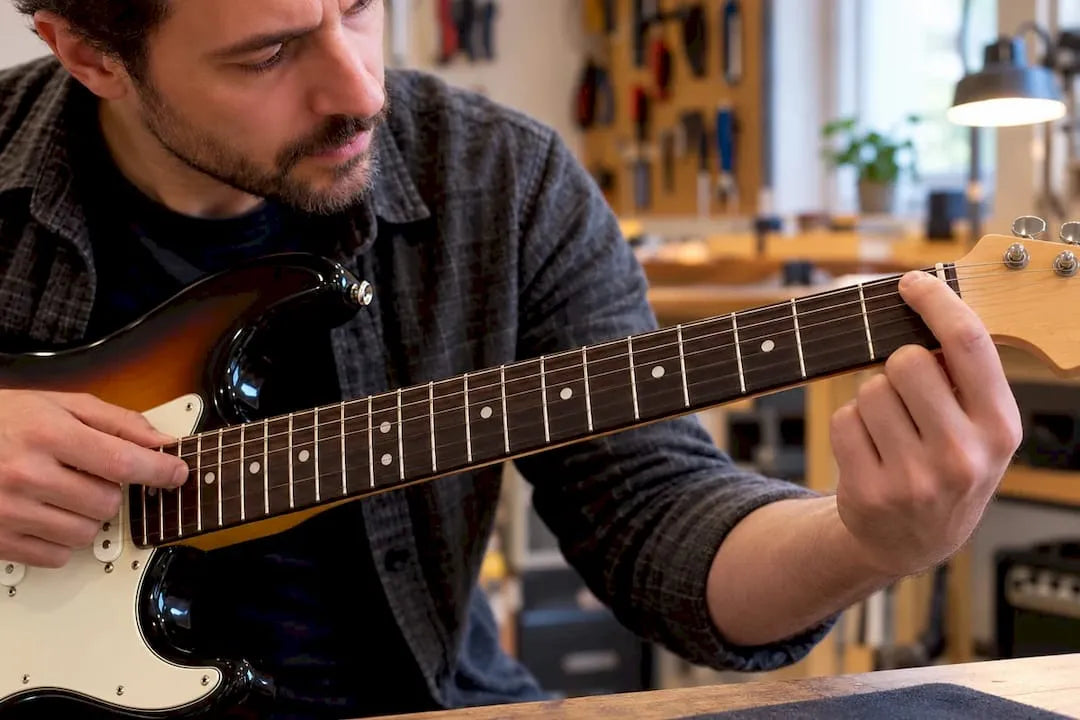
Instrument Setup represents the foundational stage of professional guitar maintenance. This intricate process involves several critical adjustments:
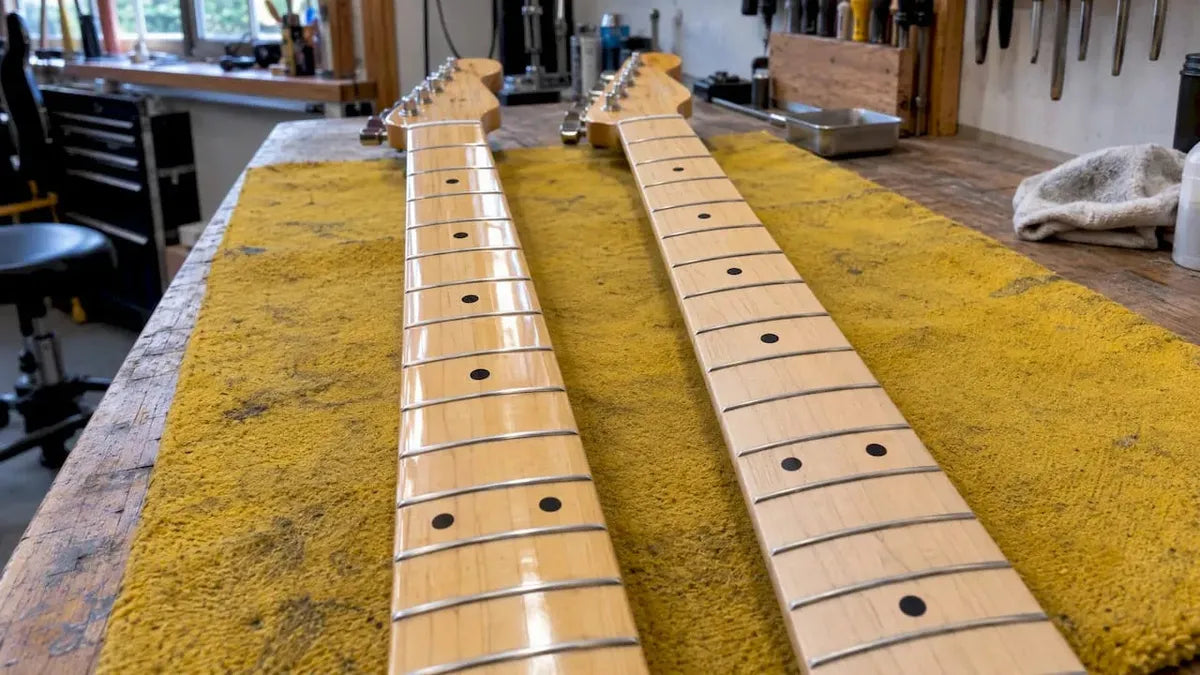
- Neck alignment and straightness
- Action height calibration
- Intonation precision
- Fretboard levelling
- Bridge and tremolo system adjustment
- Electronic component functionality testing
Routine Maintenance Procedures are essential for preserving an instrument’s quality and performance. Professional guitar techs implement comprehensive care strategies that include:
- Regular string replacement
- Thorough cleaning and polishing
- Electronic system diagnostics
- Humidity and temperature control monitoring
- Structural integrity assessments
- Preventative wear and tear inspections
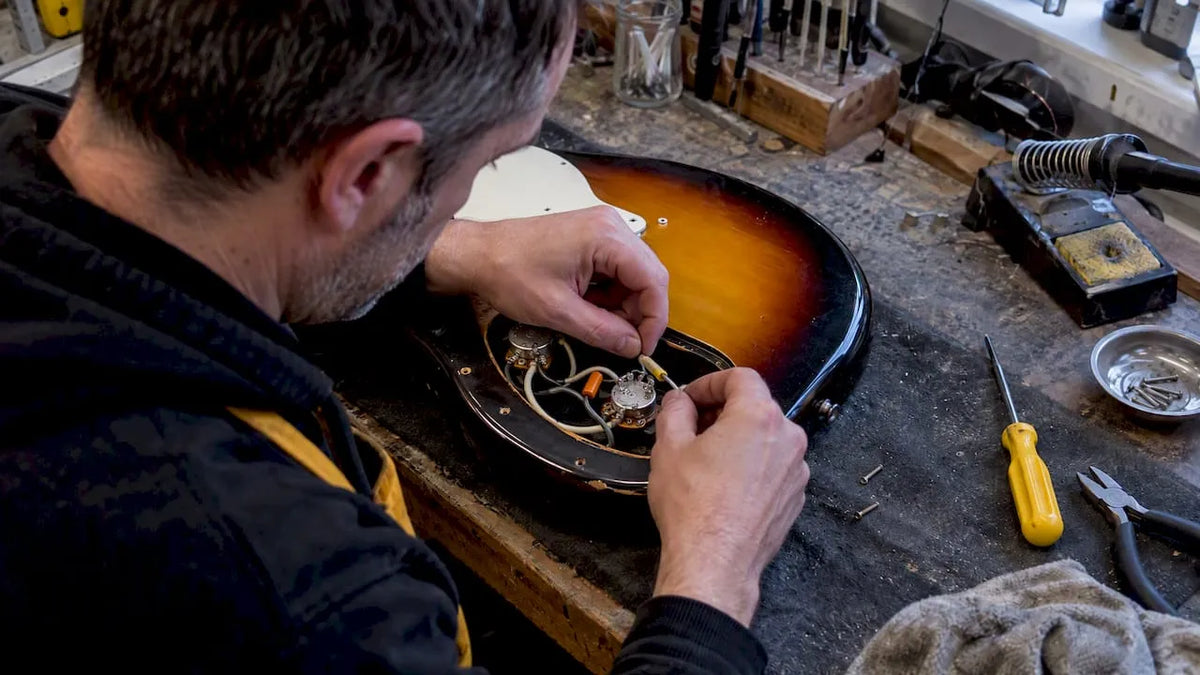
Advanced Repair Techniques distinguish professional guitar technicians. These skills require extensive training in maintenance, installation, and repair methodologies, addressing complex issues ranging from structural damage to intricate electronic failures. Successful repairs demand not just technical skill, but also an understanding of the instrument’s unique characteristics and the musician’s specific requirements.
Pro Tip: Develop a systematic documentation process for each instrument you service, tracking its maintenance history, specific adjustments, and unique characteristics to provide personalised, high-quality care.
Common Pitfalls and How to Avoid Them
Common technical challenges in guitar maintenance require systematic approaches to prevent potentially costly mistakes. Guitar technicians must develop a keen understanding of potential risks and develop proactive strategies to mitigate them effectively.
Diagnostic Errors represent one of the most significant challenges for guitar technicians. These typically arise from:
- Insufficient instrument examination
- Rushing through preliminary assessments
- Overlooking subtle structural or electronic issues
- Misinterpreting complex technical problems
- Failing to understand specific instrument nuances
Professional guitar techs must also navigate Procedural Challenges that can compromise instrument quality. Critical areas of potential error include:
- Improper string tension calibration
- Incorrect neck alignment adjustments
- Electronic component mishandling
- Inadequate humidity and temperature control
- Insufficient documentation of instrument modifications
Understanding Human Factors plays a crucial role in avoiding technical mistakes. Recognising how fatigue, stress, and distraction impact performance allows technicians to implement strategies that maintain high professional standards. This involves managing workloads, creating supportive work environments, and developing robust systematic approaches to instrument maintenance.
Pro Tip: Create a standardised diagnostic checklist for each instrument type to ensure consistent, comprehensive assessments and minimise the risk of overlooking critical details.
Elevate Your Guitar Experience with Expert Support at MusicStreet
Understanding the essential role of a guitar technician reveals the importance of precise instrument setup, maintenance, and repairs to avoid common pitfalls and keep your guitar performing at its best. Whether you face challenges with tuning stability, electronic issues, or need professional adjustments like neck alignment and action calibration, expert care makes all the difference to your playing comfort and sound quality. At MusicStreet, we share your passion for flawlessly maintained instruments and offer more than just guitars — we provide personalised setup and ongoing support to elevate your musical journey.

Explore our selection of high-quality electric, acoustic, and bass guitars with professional inspection and setup ready to meet your specific preferences. Benefit today from our expert services by visiting MusicStreet and discover how our dedicated team can help you maintain and optimise your instrument with bespoke adjustments and repairs. Don’t let maintenance challenges hold back your performance. Act now to secure your instrument’s peak condition and enjoy our free UK delivery on qualifying orders.
Frequently Asked Questions
What are the primary responsibilities of a guitar tech?
Guitar techs are responsible for maintaining guitars in peak condition, which includes tasks such as instrument preparation, routine maintenance, conducting minor repairs, tuning, and ensuring optimal performance during live shows or recording sessions.
How can a guitar tech optimise instrument setup for performance?
A guitar tech optimises instrument setup by adjusting neck alignment, calibrating action height, ensuring precise intonation, and addressing any structural or electronic issues affecting sound quality and playability.
What skills are essential for becoming a successful guitar technician?
Essential skills include technical knowledge of instrument mechanics, electronics and acoustics, advanced repair techniques, manual dexterity, problem-solving abilities, strong communication skills, and the capacity to work efficiently under pressure.
What common challenges do guitar techs face during maintenance?
Common challenges include diagnostic errors that arise from insufficient instrument examination, procedural mistakes like improper string tension calibration, and human factors like fatigue and distraction that can impact performance quality.

Share:
Guitar Action Explained – Why It Changes Playability
Role of Guitar Effects – Shaping Your Unique Tone