


Used Electric Guitars UK: Your Complete Guide to Buying, Selling, and Choosing Pre-Owned Instruments

Buying and selling used electric guitars in the UK covers everything from budget starter instruments to rare vintage pieces and left-handed models, and this guide explains how to navigate that market with confidence. You will learn why pre-owned instruments offer strong value, how to perform a practical used electric guitar inspection checklist, which brands and models match different playing styles, where to buy or sell safely in the UK, and what common issues or modifications mean for playability and resale. The guide aims to help players save money, avoid costly mistakes, and find a guitar that suits tone and ergonomics—whether you search for a used electric guitar for sale, a used Fender Stratocaster price UK benchmark, or a used left handed electric guitar. Practical workflows, EAV comparison tables, and clear lists provide step-by-step checks for neck, frets, electronics and body integrity. Read on for buyer-focused guidance plus neutral advice on retail and inspection services that often accompany higher-value pre-owned sales, and use the inspection and selling checklists to prepare for negotiation or part-exchange.
Why Buy Used Electric Guitars? Benefits and Value Explained
Buying used electric guitars lets players access better components, discontinued models and distinctive tonal character at a lower outlay than buying new. Pre-owned instruments frequently trade at 15–40% below new retail for common models, while well-maintained classics and vintage electric guitars for sale UK can retain or even increase in value. Purchasing second-hand gives access to hyponyms of the electric guitar category—used Fender Stratocaster, used Gibson Les Paul and used Epiphone Les Paul models—that might otherwise be unaffordable, and it reduces environmental impact by extending instrument life. Trade-offs include cosmetic wear, previous modifications and possible setup needs, but the net value is often superior for players seeking tone over warranty. Many specialist dealers and reputable retailers in the used market offer added services such as expert inspection, setup, part-exchange and short warranties, which can reduce risk for buyers.
Advantages of buying pre-owned guitars in the UK include value, variety and sustainability:
- Cost savings: Save a typical 15–40% versus new models on many used electric guitars.
- Access to rare models: Discontinued and vintage instruments show character and unique tone.
- Sustainability: Reusing instruments reduces waste and supports circular consumption.
- Better upgrades for budget: Higher-end parts (pickups, bridges) become affordable second hand.
These benefits make used instruments attractive, and the next section explains how to inspect a guitar to confirm its condition before purchase.
What Are the Advantages of Buying Second Hand Electric Guitars in the UK?
Second-hand electric guitars in the UK combine wide online selection with strong local inspection options, letting buyers compare used electric guitars for sale across marketplaces while still testing instruments in person where available. Local shops and specialist dealers often provide in-hand inspection and short returns, which is a regional advantage compared with remote markets; private sellers may offer lower prices but require careful vetting. Availability tends to favour popular models—Stratocaster, Telecaster, Les Paul—while left-handed used electric guitar models and vintage pieces are rarer and require targeted searches. UK buyers can expect to find a mix of bargains for beginners and well-maintained instruments for intermediate players, and recent market trends show steady demand for iconic brands, which impacts price stability and resale expectations.
How Much Can You Save on Pre-Owned Electric Guitars Compared to New Models?
Savings on pre-owned guitars depend on brand, model and condition: entry-level used electrics often sell for 30%–50% less than their new equivalents, mid-range instruments typically sit around 15%–30% savings, while high-end or collectible models may only be 5%–15% cheaper or even hold value. Factors that reduce savings include high demand, limited production runs, and originality of vintage instruments; modifications, heavy fret wear or structural repairs reduce value and increase bargaining room. When comparing a used Fender Stratocaster price UK or a used Gibson Les Paul, check serial number provenance and component originality because those attributes heavily influence price bands. Understanding these dynamics helps you set a realistic budget and avoid overpaying for heavily modified or poorly maintained examples.
How to Inspect and Evaluate Used Electric Guitars Before Purchase

A structured inspection reduces risk: start with neck and frets, move to electronics, check body and hardware, then verify playability plugged in and acoustically. The inspection workflow functions as a used electric guitar setup guide—visual checks, simple sound tests, and basic measurements reveal whether a guitar needs a setup, fret dress or more serious repair. A clear checklist helps both in-shop and online purchases: photograph serial numbers, test pots and switches, play across the neck to detect dead frets, and listen for grounding hum or intermittent contacts. For higher-value purchases, seek professional setup or inspection services such as fret dressing, intonation adjustment and electronic reflow to ensure longevity and accurate valuation.
Use this stepwise checklist for the most important checks before you buy:
- Neck & relief: Sight down the neck and fretboard for warp or excessive relief; check truss rod movement if possible.
- Fret condition: Play notes at multiple positions to detect buzzing, high frets or severe wear.
- Electronics: Plug in and test pickups, pots and switches for noise, dropouts or weak output.
- Body & finish: Inspect for cracks, repaired breaks or loose neck joints that affect structure.
- Hardware & fit: Check tuners, bridge, saddles and nut for corrosion or poor replacement parts.
Following this checklist helps you estimate likely setup costs and decide whether to negotiate, accept a price, or walk away. Below is a systematic table that maps guitar parts to inspection signs and their likely impact on playability and value.
Introductory table mapping parts to inspection checks before purchase:
| Part | What to Check | Signs & Impact on Playability/Value |
|---|---|---|
| Neck | Straightness, truss rod, fretboard relief | Warp or seized truss rod reduces playability; may need professional repair, lowers value |
| Frets | Wear, high/low frets, crown condition | Severe wear causes buzzing and intonation issues; refret or dressing costs affect price |
| Pickups & Electronics | Output level, noise, switch/pot function | Faulty wiring causes hum or intermittent signal; rewiring or pickup replacement reduces resale |
| Bridge & Saddles | Intonation, loose saddles, corrosion | Poor intonation and rusty components impair tuning stability; hardware replacement cost applies |
| Body & Finish | Cracks, repaired breaks, loose neck joints | Structural repairs (headstock breaks) significantly reduce value and may impair tone |
This checklist table helps you prioritise what to test first and what issues carry the highest repair costs, and the next paragraph explains specific neck, fret and electronics techniques.
What Should You Check: Neck Condition, Fret Wear, and Electronics Functionality?
Assess the neck for relief and twist by sighting down the fretboard and fretting at various positions; small relief is normal, but pronounced warp or twist indicates a problem that affects action and intonation. Fret wear shows as sharp grooves at high-use frets, causing buzzing and compromised sustain; light wear can be resolved with a fret dress while severe wear typically requires a refret which is costly. For electronics, plug the guitar into a working amp and sweep volume and tone pots, toggle pickup switches and gently wiggle cables to expose crackling, intermittent contacts or grounding hum. A basic multimeter check can verify pickup continuity and pot resistances, but audible tests often reveal most issues—these checks determine whether a used Gibson Les Paul or any model will perform reliably.
These diagnostic steps lead naturally to inspecting the body and finish for structural issues that may be less obvious but more serious.
How to Assess Body Integrity and Finish on Pre-Owned Electric Guitars
Evaluate the body for repaired cracks, especially around the headstock and neck joint, which are high-risk structural areas; cosmetic dings are usually benign but repaired breaks require careful scrutiny. Finish checks include looking for irregular sanding marks, over-sprayed touchups or mismatched grain that may indicate a refinish; an original finish typically preserves value, while a heavy refinish may reduce collector interest. Inspect hardware mounting points for stripped screws or replaced routing, and examine tuners and bridge saddles for corrosion that affects tuning stability and intonation. Cosmetic blemishes should be distinguished from structural problems: small chips and scratches are largely aesthetic, whereas repaired fractures, loose neck joints or severe routing errors directly impair playability and resale worth.
If a body inspection reveals concerns beyond cosmetics, obtain a professional estimate before purchase; the next main section compares brands and models to help match needs to budget.
Which Used Electric Guitar Brands and Models Are Best for You?
Choosing the best used electric guitar depends on genre, budget and ergonomic fit: Fender configurations (single-coil Strats and Teles) suit clarity and blues, Gibson Les Pauls favour sustain and thicker tone for rock, and Epiphone provides budget access to classic designs. Consider hypernyms like electric guitars and second-hand musical instruments when narrowing choices, then hyponyms—used Fender Stratocaster, used Gibson Les Paul or used Epiphone Les Paul—for specific search queries such as used Fender Stratocaster price UK or how to check a used Gibson Les Paul. Left-handed players should expect fewer options and sometimes higher prices for rarer models; collectors should prioritise originality and provenance when seeking vintage electric guitars for sale UK. Below is a compact comparison table to map brands to price ranges and common condition notes for the UK used market.
Introductory comparison table for popular used brands and models:
| Brand / Model | Typical Used Price Range (UK) | Common Condition / Typical Issues |
|---|---|---|
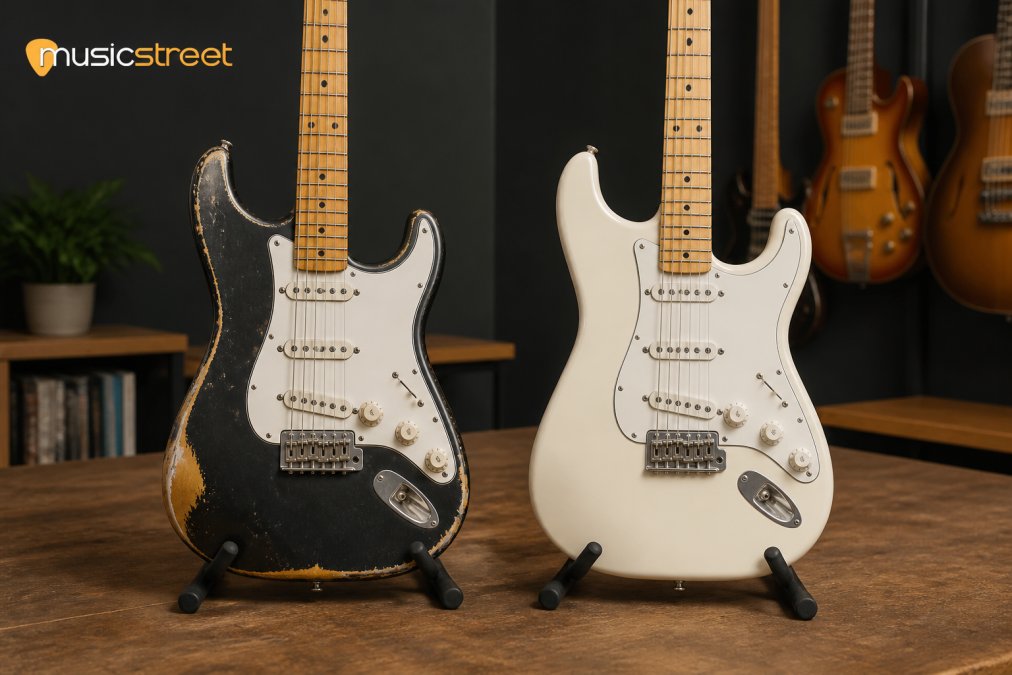
| Fender Stratocaster (MIM/Mex/US) | £250–£2,500 | Neck wear, pickup swaps, re-frets on older models |
| Gibson Les Paul (Standard/Studio) | £700–£3,500 | Heavy weight, headstock repairs, original wiring checks |
| Epiphone Les Paul | £120–£600 | Variable setup, tuners and bridge upgrades common |
| PRS / Squier / Ibanez | £150–£2,000 | Varies by model; electronics and fret wear typical |
This table clarifies how budget maps to typical condition risks and helps you choose a model that fits your playing needs and repair tolerance. The following subsection summarises features and price bands for Fender, Gibson and Epiphone specifically.
What Are the Features and Price Ranges of Used Fender, Gibson, and Epiphone Guitars?
Fender Strats and Teles are prized for single-coil clarity and playability; prices range from modest for Squier/MIM models to premium for USA-made examples, and common used Fender Stratocaster price UK searches reflect that variance. Gibson Les Pauls deliver thicker humbucker tone and sustain; used Les Pauls generally command higher prices and buyers should check neck set stability and original electronics when evaluating how to check a used Gibson Les Paul. Epiphone Les Paul models offer accessible alternatives with lower entry costs but more variable setup and component quality—buyers often budget for nut or tuners upgrades. Match model characteristics to music style: single-coils for bright, articulate blues and indie; humbuckers for rock, metal and fuller blues tones.
Choosing between these brands leads to availability questions for vintage and left-handed instruments, which the next subsection addresses.
How Do Vintage and Left Handed Used Electric Guitars Differ in Availability and Value?
Vintage instruments are driven by originality, provenance and rarity—original pickups, finish and hardware command premiums, and restoration or heavy refinish often reduces collector value even if playability improves. Left-handed used electric guitar models are less common, and scarcity can push prices higher for desirable left-handed Strats or Les Paul patterns; patience and targeted searches yield the best results. Availability for vintage electric guitars for sale UK fluctuates seasonally and with auction cycles, so set alerts and build relationships with specialist dealers to find rare items. Restoration choices (conservative repair versus full refinish) directly affect value: sympathetic, documented repairs preserve more collector interest than aggressive modification.
Knowing where to look and how to price a sale brings us to marketplace options and seller vetting in the UK.
Where and How to Buy or Sell Used Electric Guitars in the UK
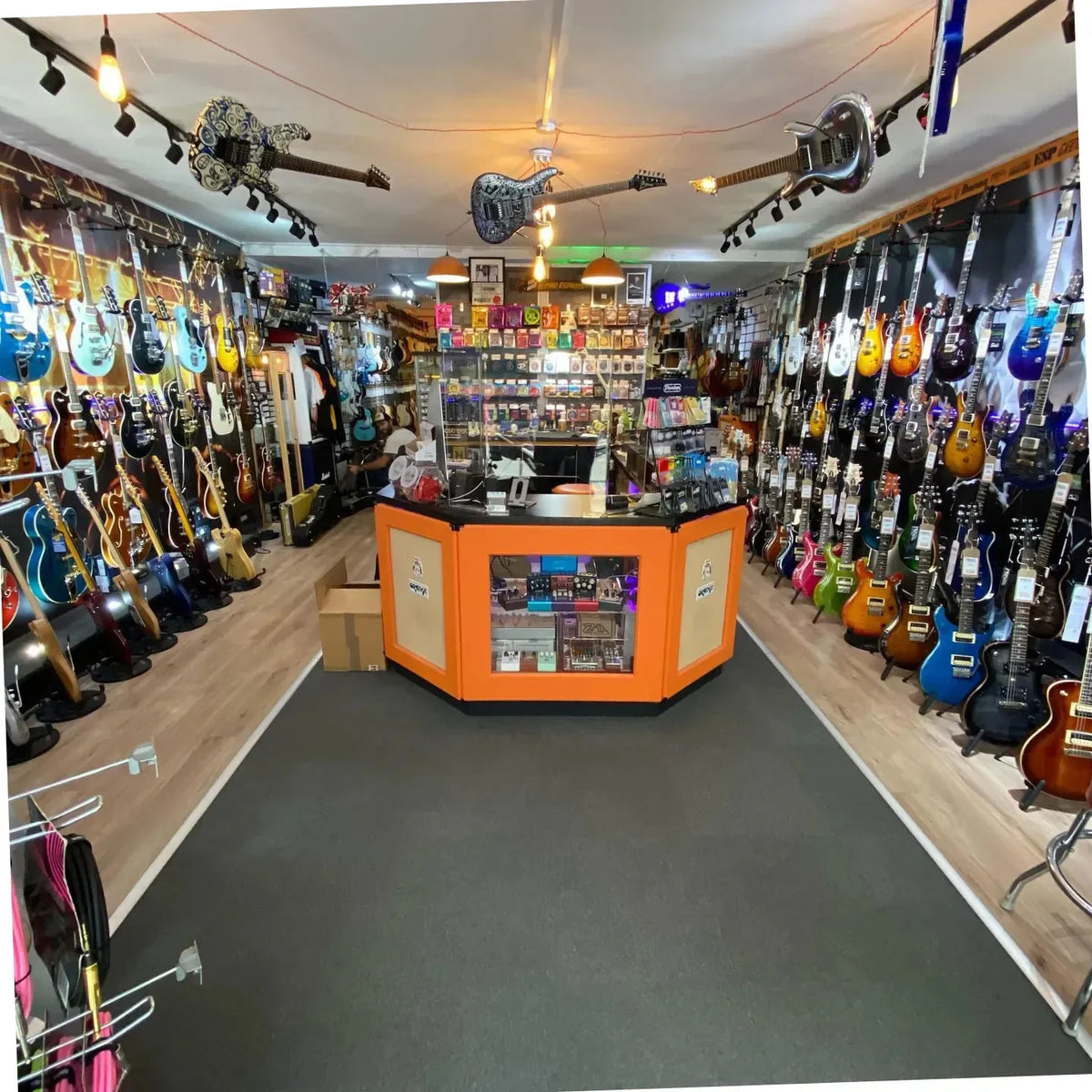
The UK market offers a range of channels—specialist dealers, local shops, online marketplaces and classifieds—each with trade-offs for price, inspection and buyer protection. Specialist dealers provide inspection, warranty options and sometimes part-exchange services, which is useful for higher-value instruments; online marketplaces deliver selection and comparables but require careful vetting of seller feedback and high-quality photos. When selling, choose the channel that balances speed, fees and final price: private sale often yields higher returns but requires more effort, while dealer sale or part-exchange offers convenience and lower risk. Vet buyers and sellers through review history, clear photos and service policies, and always document condition with photos and serial numbers to support negotiations and returns.
Best places to find and sell used electric guitars in the UK:
- Specialist dealers: Provide inspection, short warranties and honest grading for higher-value instruments.
- Online marketplaces: Offer wide selection and price comparables but require strong vetting of seller history.
- Local shops: Allow immediate play-test and reduce shipping risk for in-person purchases.
- Classifieds & forums: Can yield bargains and rare finds but carry higher fraud risk without protections.
After choosing a channel, follow a structured selling checklist to prepare your instrument and listing for the best price.
The next subsection gives practical tips for spotting cheap finds and reliable sellers across channels.
What Are the Best Places to Find Cheap Used Electric Guitars and Reliable Sellers?
Cheap used electric guitars and reliable sellers most often appear across a blend of channels: national online marketplaces for volume, local shops for vetted bargains, and specialist dealers for conservatively graded stock. Online marketplaces are excellent for price comparisons and quick research into used Fender Stratocaster price UK trends; however, carefully evaluate photos, ask for test recordings and verify return policies. Local shops allow immediate inspection and may accept part-exchange, while specialist dealers often source well-documented vintage electric guitars for sale UK and provide buyer protections. When assessing sellers, request clear serial numbers, service history, and recent photos—particularly of frets, neck heel and headstock—to confirm condition.
Use this short vetting checklist before committing to a purchase:
- Check seller reviews and return policy.
- Ask for detailed photos and serial number confirmation.
- Request a short plugged audio sample if buying remotely.
Preparing the instrument and listing correctly increases sale success, discussed next.
How to Sell Your Electric Guitar in the UK for the Best Price

Selling a used electric guitar for top price requires preparation: clean and set up the instrument, document condition with high-quality photos, and list accurate measurements and service history. Price by researching comparables—search for the same model, year and condition—and adjust for visible issues or desirable modifications, noting how pickup swaps or refrets affect value. Optimise listings with clear shots of headstock, back of neck, frets, electronics cavity and any serial numbers; be honest about repairs to build buyer trust. For shipping, pack with padded protection, insure to declared value, and consider local collection for high-value sales to avoid transit risk.
A stepwise seller checklist helps streamline the process:
- Prepare & set up: Clean the guitar, fit fresh strings and ensure basic intonation.
- Document condition: Take detailed photos and record serial numbers.
- Price using comparables: Search sold listings for similar condition and model.
- Choose channel: Balance convenience (dealer) vs price (private sale).
- Ship securely or meet locally: Insure and track the package or arrange safe local exchange.
Taking these steps helps you capture the best market price while minimising disputes and returns. Next, we examine common issues and how modifications affect value.
What Are Common Issues and Modifications in Used Electric Guitars?
Used electric guitars commonly show fret wear, dried or cracked fretboards, headstock breaks, faulty electronics and replaced bridges or nuts; each issue has a predictable effect on playability and resale value. Common modifications include pickup swaps, new tuners, refrets and refinishes—some upgrades improve performance but reduce collector premium for original instruments. Understanding the trade-offs between performance upgrades and originality premium is essential: a pickup swap may dramatically improve tone for a working player but reduce interest for a collector seeking original parts. The table below categorises typical modifications and issues with their usual reasons and effects on playability and resale.
Introductory table showing modifications/issues and their effects:
| Modification / Issue | Typical Reason | Effect on Playability/Resale Value |
|---|---|---|
| Pickup swap | Tone upgrade or replacement for failed pickup | Improves tone for player; may reduce collector value |
| Refret | Severe fret wear or change of fretwire | Restores playability; quality of refret affects resale |
| Headstock/neck repair | Break or separation | Structural repair can be stable but reduces collector premium |
| Refinish | Cosmetic restoration or concealing damage | May improve cosmetics but reduces originality and value |
| Electronics rewire | Faulty wiring or tone improvement | Restores reliability; generally neutral to resale if done professionally |
This table clarifies how common changes influence both immediate use and future sale price, and the next subsection addresses how prior mods specifically affect playability and resale.
How Do Previous Modifications Affect Playability and Resale Value?
Previous modifications affect instruments in three core ways: they can improve playability, alter tone, or reduce originality and collector appeal. For example, a pickup swap to higher-output humbuckers often enhances tonal options for rock players but removes original equipment that collectors prize, lowering market value for purists. Upgrading tuners or adding a modern bridge typically improves tuning stability and playability with minimal negative resale impact for working players, while a heavy refinish or non-sympathetic structural repair usually reduces resale significantly. Assess modification provenance and quality: professional, reversible upgrades usually maintain better resale than amateur, irreversible hacks.
Understanding these trade-offs helps buyers decide whether a modified guitar is a practical purchase or a deal to avoid, leading to a concise checklist of red flags.
What Are Typical Problems to Watch for When Buying Pre-Owned Electric Guitars?
When examining a pre-owned electric guitar, watch for structural and electrical red flags that justify walking away or demanding a deep price reduction. Structural concerns include headstock breaks, loose neck joints, or repaired cracks; these often require expert evaluation and may permanently reduce value. Severe fret wear, poorly executed refrets or sloppy routing compromise playability and suggest future costs. Electrical gremlins—intermittent pots, weak pickup output, or makeshift soldering—indicate potential ongoing reliability issues and are easy negotiation points. Cosmetic damage is usually tolerable for players but always confirm that the instrument is structurally sound before purchase.
Key mitigation steps include requesting a professional estimate for major repairs, negotiating price to reflect repair costs, or choosing another instrument if structural repairs exceed your comfort level. This final caution ties back to earlier advice to consider professional setup and inspection for higher-value purchases.




Share:
duesenberg guitars price
Guitars Category