

Table of Contents
- What Is the Yamaha Pacifica 112V?
- Yamaha Pacifica 112V vs 112: Key Differences
- Understanding the Yamaha Pacifica 112V Pickup Configuration
- Playability, Comfort, and Build Quality
- Getting Your Yamaha Pacifica 112V Setup Right
- Buying a Used Yamaha Pacifica 112V: What to Look For
- Is the Yamaha Pacifica 112V Right for Your Playing Style?
- Frequently Asked Questions
Last Updated: October 7, 2026
What Is the Yamaha Pacifica 112V?
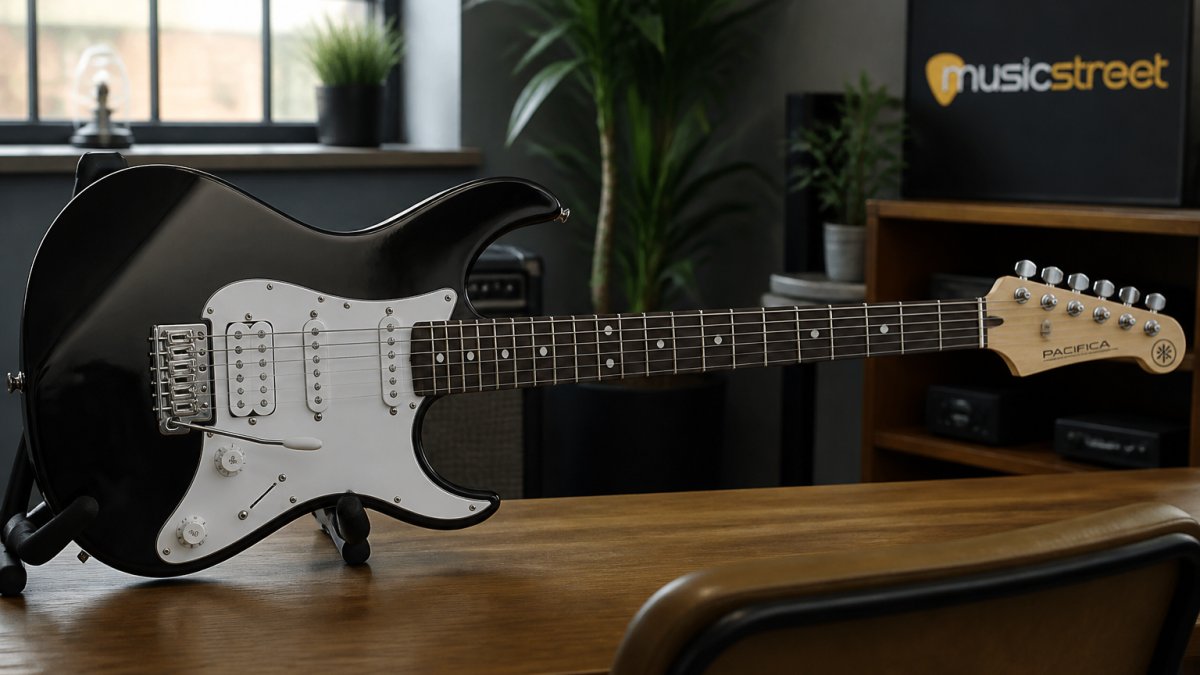
The Yamaha Pacifica 112V is a solid-body electric guitar engineered for players stepping into electric guitar, whether you're learning your first chords or refining your sound. It combines affordability with genuine craftsmanship, a reliable instrument that grows with your playing across different musical styles.

The guitar's lightweight alder body pairs with a hard rock maple neck and rosewood fingerboard, a combination that delivers comfort and playability without compromise. The 25½-inch scale length (Yamaha Specifications for Pacifica Electric Guitars) gives the instrument a classic feel that suits both beginners and intermediate players. Its balanced construction makes it ideal for developing technique whilst remaining responsive enough for experienced hands.
The Pacifica 112V carries a classic black finish or Old Violin Sunburst, both of which suit any stage or studio setting. What makes this guitar stand out isn't just its price point, it's the fact that Yamaha has engineered genuine versatility into an instrument that won't drain your wallet.
Yamaha Pacifica 112V vs 112: Key Differences
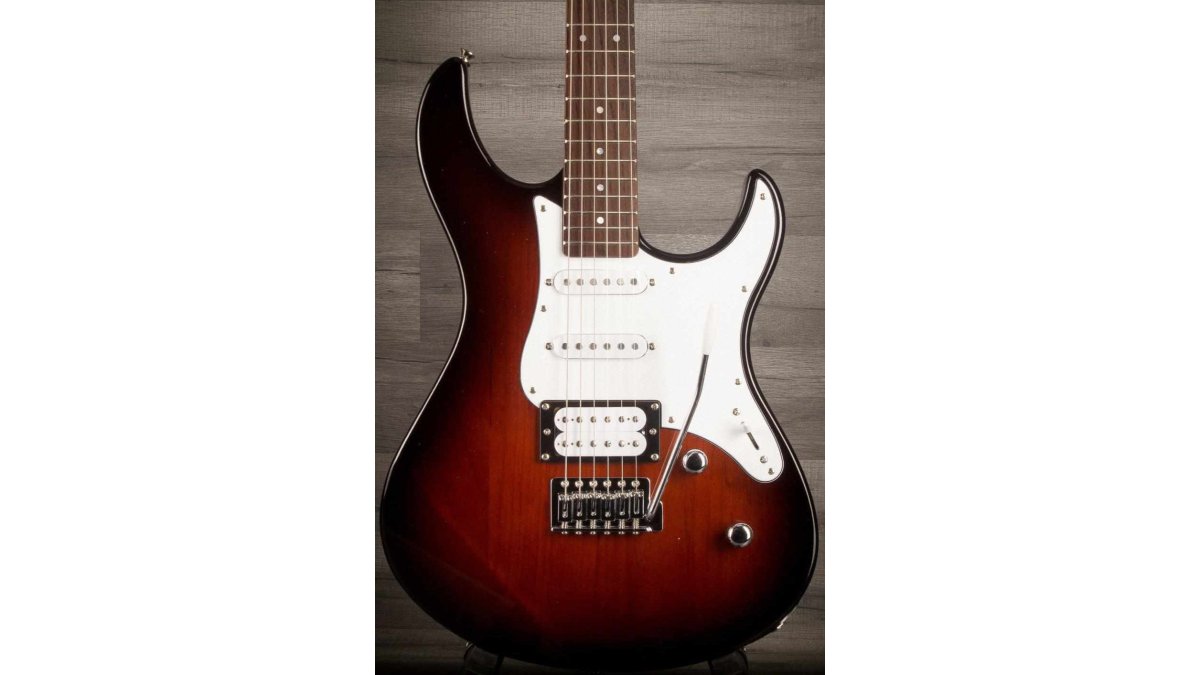
The main distinction between the Yamaha Pacifica 112V and the standard 112 lies in the pickup configuration and electronics. The 112V features a humbucker in the bridge position paired with single-coil pickups, whilst the standard 112 uses a different setup. This matters because it directly affects the tonal character and versatility you get out of the instrument.

The "V" designation signals a shift toward players wanting more output and thicker tone, particularly for rock and heavier styles. If you're planning to play blues, classic rock, or anything requiring a bit more punch, the 112V edges ahead. The standard 112, by contrast, maintains a more balanced approach across the frequency spectrum.
Both models share the same body wood, neck construction, and fingerboard radius (Yamaha Pacifica Fingerboard Specifications), so the playability experience is nearly identical. The real difference comes down to what you'll plug into an amplifier and how that sound sits in a mix. For most players starting out, either works, but the 112V gives you more tonal flexibility as your playing develops.
Price-wise, retailers like GuitarGuitar stock the Pacifica 112V Sonic at competitive rates (GuitarGuitar Yamaha Pacifica Inventory), making the upgrade affordable. The decision between the two should rest on whether you're drawn to thicker, more aggressive tones or prefer a more neutral starting point.
Understanding the Yamaha Pacifica 112V Pickup Configuration
The Yamaha Pacifica 112V uses a humbucker-single-coil-single-coil (HSS) configuration, which is one of the most versatile setups in electric guitar design. The bridge humbucker delivers the thick, warm tone that defines rock and metal styles, whilst the neck and middle single-coils provide the bright, articulate response that works for funk, pop, and cleaner playing.
This three-pickup system gives you genuine tonal range without forcing compromise. Switch to the bridge humbucker alone and you've got the punch needed for distorted riffs. Blend in the middle single-coil and suddenly you're in classic rock territory. The neck pickup opens up warm, smooth tones perfect for lead work and atmospheric playing.
One honest limitation: the bridge humbucker's output sits in the acceptable range rather than the aggressive end of the spectrum. A reviewer noted that whilst the humbucker performs well, it lacks the raw punch some players expect (YouTube Yamaha Pacifica 112V Review and Playthrough). That said, this restraint actually works in the guitar's favour; it means the pickups respond well to overdrive and distortion without sounding muddy or undefined.
The pickup switching system is straightforward. Five positions let you access each pickup individually or blended, giving you access to the full tonal palette. For a guitar at this price point, that's excellent value. Most players find they settle into two or three positions that suit their style, but having all five available means you're never locked into one sound.
Playability, Comfort, and Build Quality
The Yamaha Pacifica 112V excels in the areas that matter most when you're learning: neck comfort, fret access, and overall balance. The fingerboard radius of 10-14 inches (Yamaha Pacifica Fingerboard Radius Specification) creates a gentle curve that feels natural under your fingers whether you're playing open chords or navigating the upper frets.
Yamaha Pacifica 112V Electric Guitar - Black →
The neck sits in your hand without feeling cramped or oversized. Many beginner guitars either feel too thin (fatiguing for extended play) or too thick (limiting reach). The Pacifica 112V hits the middle ground, which matters because comfort directly affects how long you'll practise and how quickly you'll develop technique.
Build quality sits at the practical end of the spectrum rather than the premium end. That aesthetic simplicity reflects the guitar's design philosophy: function over flash. The alder body is lightweight, which means less fatigue during longer playing sessions, a genuine advantage for practice.
The frets are well-finished and play true across the fingerboard. Action out of the box varies depending on shipping and storage, which is why we recommend having any guitar professionally set up before you start playing seriously. At MusicStreet, we set up every instrument to your specifications, ensuring the action, intonation, and playability match your needs from day one.
Getting Your Yamaha Pacifica 112V Setup Right
Setup transforms a good guitar into a great one. The Yamaha Pacifica 112V responds well to proper adjustment, and getting it right early prevents frustration and bad habits.
Start with action, the height of the strings above the fingerboard. Too high and the guitar becomes physically difficult to play. Too low and you'll hear buzzing frets. The sweet spot depends on your playing style and hand strength, but most beginners benefit from action around 2mm on the bass side and 1.8mm on the treble side. A professional setup ensures these measurements are precise.
Intonation comes next. Even a well-made guitar needs its intonation checked and adjusted. This involves tweaking the bridge saddle position so that each note plays in tune across the entire fingerboard. It's not complicated, but it requires proper tools and knowledge. Skip this step and you'll spend months thinking you're playing out of tune when the guitar simply needs adjustment.
Neck relief (the slight forward curve in the neck) should be checked as well. A straight neck with minimal relief plays best for most players. Too much relief and action becomes high; too little and frets buzz. This requires a straightedge and sometimes truss rod adjustment, which is definitely a job for a professional.
We recommend having your Yamaha Pacifica 112V professionally set up before you play it seriously. The investment pays dividends in playability and longevity. A well-maintained guitar stays in tune better, plays more comfortably, and keeps you motivated to practise.
Buying a Used Yamaha Pacifica 112V: What to Look For
The Pacifica 112V holds its value reasonably well in the second-hand market, making it an attractive option if you're budget-conscious. However, buying used requires careful inspection to avoid inheriting someone else's problems.
Start with the neck. Look down the length of the fingerboard from the headstock end, checking for twists, bows, or obvious warping. A slight forward curve is normal and healthy. Significant bows or back-bows mean truss rod work, which adds cost. Twist in the neck is harder to fix and suggests the guitar hasn't been stored properly.
Inspect the frets closely. Worn frets show as flat spots when light hits them at an angle. Light wear is cosmetic; deep wear means fret replacement, a significant expense. Run your finger along the frets feeling for dips or high spots. Uneven frets create buzzing and playability issues.
Check the electronics. Plug the guitar into an amplifier and test each pickup individually. Switch through all five positions and listen for crackling, cutting out, or noise. Scratchy pots (volume and tone controls) are common in used guitars but inexpensive to replace. Dead pickups or switches suggest deeper electrical problems.
Yamaha Pacifica 112V Electric Guitar - Black →
Look at the body and headstock for cracks, particularly around the neck joint and headstock. Fine hairline cracks in the finish are cosmetic. Structural cracks in the wood are serious and expensive to repair. Also check that the tuning machines turn smoothly and hold tuning; worn machines are cheap to replace but worth knowing about.
Ask the seller how the guitar was stored. Guitars left in hot attics, damp basements, or unheated garages develop problems. A guitar stored in a case in a climate-controlled environment is a safer bet. If possible, have a professional inspect a used Pacifica 112V before you commit. That inspection costs far less than fixing hidden problems.
Is the Yamaha Pacifica 112V Right for Your Playing Style?
The Yamaha Pacifica 112V suits a broad range of playing styles, which is precisely why it's become popular with both beginners and intermediate players. Its versatility means it doesn't force you into one musical direction.
If you're drawn to classic rock, blues, or hard rock, the HSS pickup configuration gives you everything you need. The bridge humbucker handles driven tones, whilst the single-coils provide the articulate response these styles demand. Players exploring funk and pop will appreciate the bright, cutting tones available from the single-coil positions.
The guitar works less well for high-gain metal or modern progressive styles where players expect maximum output and aggression. The bridge humbucker, whilst capable, sits at the restrained end of the spectrum. If your ambition is to play screaming lead lines through a heavily distorted amp, you might eventually want something with more aggressive pickups.
For jazz and fingerstyle playing, the Pacifica 112V is capable but not ideal. The body shape and scale length aren't optimised for these styles, though they're certainly playable. If you're committed to jazz or classical fingerstyle, a semi-hollow or classical guitar would serve you better.
The real strength of the Yamaha Pacifica 112V is that it doesn't commit you to one path. You can explore multiple styles, discover what genuinely excites you, and then make informed decisions about your next guitar. That flexibility matters enormously when you're starting out and still figuring out what kind of player you want to become.
The Yamaha Pacifica 112V represents genuine value for players serious about learning electric guitar. It combines playability, tonal versatility, and reliability in an instrument that won't overwhelm your budget. The key to getting the most from it is professional setup, something we take seriously at MusicStreet. We hand-select our Pacifica 112V inventory, set up each guitar to your specifications, and back every purchase with expert advice. Shop our Yamaha Pacifica 112V collection and get started with an instrument that's ready to play the moment it arrives.
Frequently Asked Questions
Is the Yamaha Pacifica 112V a good guitar for beginners?
Yes. The Yamaha Pacifica 112V combines affordability with genuine craftsmanship, making it an excellent entry-level choice. Its lightweight alder body, hard rock maple neck, and rosewood fingerboard deliver comfort and playability without compromise. The balanced construction helps you develop proper technique, whilst the reliable electronics and stable tuning mean you can focus on learning rather than wrestling with setup issues. Many retailers describe it as suitable for both beginners and professionals, reflecting its versatility.
What pickups does the Yamaha Pacifica 112V have?
The Yamaha Pacifica 112V features a single-coil pickup in the neck position and a humbucker in the bridge position. This configuration gives you flexibility: the neck single-coil delivers bright, articulate tones ideal for clean playing and leads, whilst the bridge humbucker provides thicker, more aggressive tones for rock and heavier styles.
What should I check when buying a used Yamaha Pacifica 112V?
Inspect the neck for straightness and any signs of warping or damage. Check the frets for wear, pitting, or uneven wear patterns. Test all tuning pegs to ensure they turn smoothly without grinding. Play through the full range of both pickups and test the volume and tone controls for crackling or dead spots. Examine the body and headstock for cracks, deep scratches, or water damage. Ask about service history and whether the guitar has been professionally set up. If buying online, choose a seller who provides detailed photos and a clear return policy.
Can you play rock and metal on a Yamaha Pacifica 112V?
Yes, you can play rock and metal on the Yamaha Pacifica 112V, though it performs best in mainstream rock rather than extreme metal. The bridge humbucker provides enough output for rock tones, especially through a decent amplifier with gain. The guitar's balanced construction and stable tuning support the demands of rock playing. However, players seeking ultra-high-gain metal tones may find the humbucker's moderate output limiting. The Pacifica 112V excels at classic rock, hard rock, and modern rock styles.






Share:
UK: 3 Budget Home Studio Builds That Put Room Treatment First
Drop C in 4 Steps: Play Ready Tuning for UK Guitarists