


Your Complete Guide to Buying the Perfect Acoustic Guitar in the UK

By Tony Rawson, MusicStreet
Finding the right acoustic guitar can feel overwhelming, especially given the vast range of options available in the UK market. This comprehensive guide offers insights into what you should consider when purchasing an acoustic guitar, ensuring that your choice aligns with your musical needs and preferences. Whether you're a beginner or a seasoned player, understanding the key characteristics of acoustic guitars, such as body shape and tonewoods, will enhance your buying experience. This guide will address important factors like budget, playing style, and brand reputation. You'll also discover practical tips for choosing the right guitar and learn about popular brands and pricing ranges, giving you the confidence to make an informed decision.
Comprehensive Guide for Buying the Perfect Acoustic Guitar in the UK
When it comes to selecting the ideal acoustic guitar, it's essential to understand the unique features that cater to different playing styles and preferences. The guitar's body shape, type of tonewood, and overall playability have a considerable impact on sound production and should be closely examined. With various brands and models, having a comprehensive understanding of what each offers helps streamline your search. This guide will walk you through the critical factors, provide helpful purchasing tips, and offer insights into where to buy your new instrument.
Factors to Consider
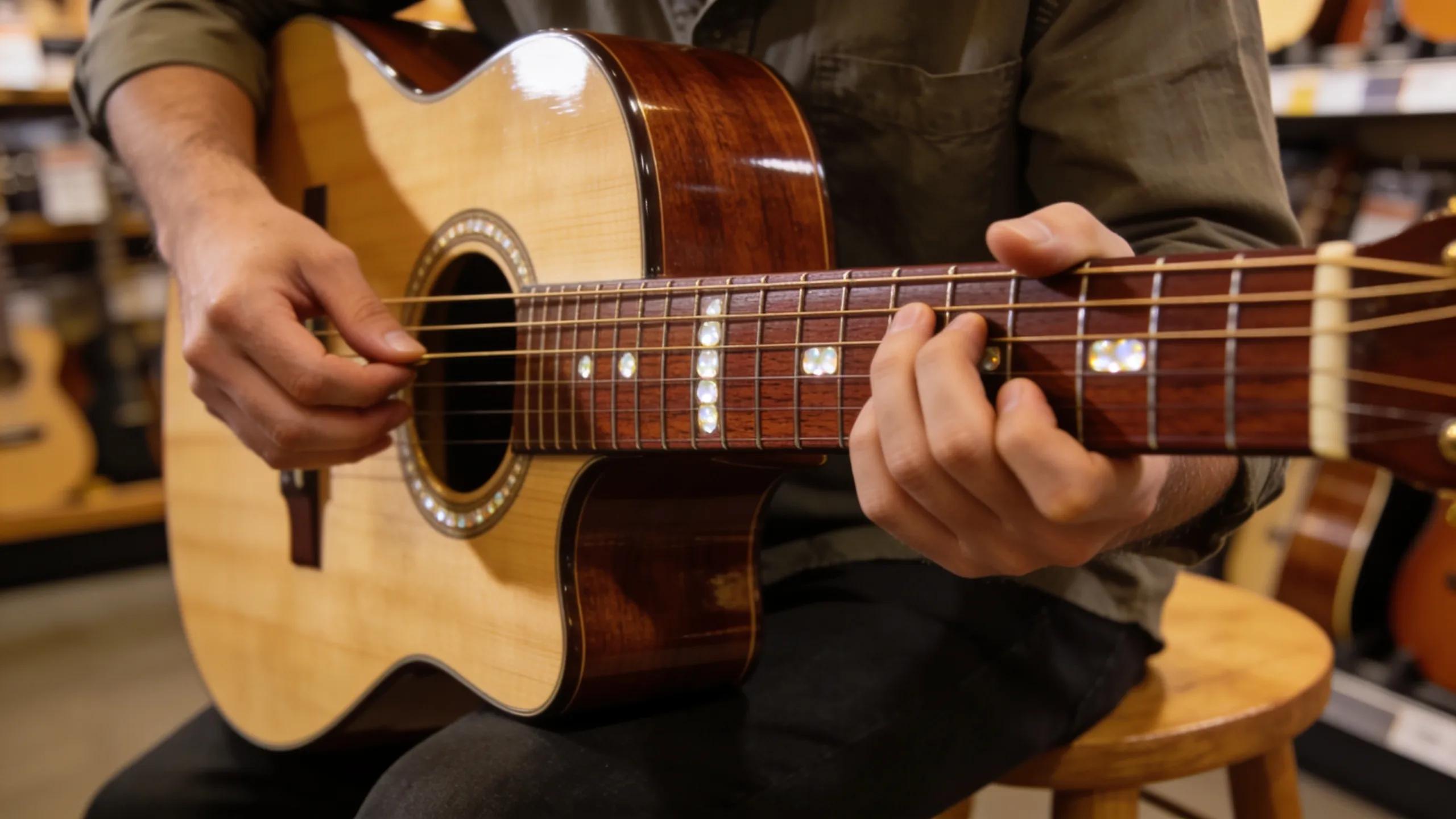
Selecting an acoustic guitar involves several key factors that cater to individual needs, including budget, playing style, body shape, tonewoods, playability, and brand reputation. Understanding these elements ensures that you choose an instrument suited to your unique requirements and preferences.
Budget:
Setting a budget is crucial in narrowing down your options while ensuring that you invest wisely. For beginners, it’s advisable to look for guitars priced between £100 to £300, which often provide a good balance of quality and affordability. Intermediate players might consider spending between £300 and £1,000 to access instruments with superior craftsmanship and sound. For professional musicians, expect to spend over £1,000 for high-end models from reputable brands.
For those looking for affordable options with great quality, exploring collections of best acoustic guitars under £500 and £1000 can help you find budget-friendly guitars that do not compromise on playability or tone. These selections are ideal for beginners and intermediate players who want good value without overspending.
Playing Style:
Your playing style significantly influences the type of acoustic guitar you should buy. If you prefer strumming, a dreadnought acoustic guitar, known for its larger body and robust sound projection, is an excellent choice. Conversely, for fingerstyle playing, a concert acoustic guitar is ideal due to its narrower body and greater tonal clarity. Identifying the right guitar for your playing style enhances your performance experience.
Body Shape:
The body shape of an acoustic guitar plays a vital role in its sound and playability. Common shapes include dreadnought, concert, and parlor. The dreadnought shape delivers a powerful bass and volume, making it suitable for strumming. The concert shape provides clear tones and is often preferred for intricate fingerpicking. The parlor shape, being smaller, is portable and produces a warm sound, making it an excellent choice for home use.
Tonewoods:
Tonewoods affect the acoustics and overall sound quality of the guitar. Common choices include spruce and mahogany. Solid wood guitars, such as those with a spruce top, typically produce a richer and more resonant sound compared to laminate models. Different tonewoods contribute to various tonal characteristics, so exploring these options can help tailor the guitar sound to your preference.
Playability:
Playability refers to the comfort and ease of handling the guitar while playing. This includes considerations for the neck shape, string action, and fretboard layout. A well-set-up guitar with proper action allows for smooth playing, reducing the strain on your fingers. It’s essential to choose a guitar that feels right in your hands to encourage consistent practice and enjoyment.
Brand Reputation:
Brand reputation can often signal the quality and reliability of an acoustic guitar. Renowned brands tend to have established manufacturing standards and customer support services, ensuring that you receive a quality product. Research brands known for their consistent quality and customer feedback, and consider recommendations from fellow musicians.
Popular Brands
When searching for the perfect acoustic guitar, certain brands stand out for their quality and variety.
- Yamaha: Acclaimed for producing reliable and well-crafted instruments across various price ranges.
- Martin: Known for premium acoustic guitars that offer exceptional sound quality and longevity.
- Epiphone: Offers budget-friendly options without sacrificing quality, making them perfect for beginners.
Price Ranges
It's important to categorize acoustic guitars based on price to make informed choices:
- Entry Level: Guitars priced under £100 are generally suitable for beginners, offering basic playability.
- Mid-range: The £100 - £1,000 segment contains quality guitars ideal for intermediate players seeking better sound and features.
- High-end: High-end guitars priced over £1,000 are typically crafted by renowned brands, featuring advanced craftsmanship and materials.
Purchasing Tips
Equipped with insights into guitar features and brands, the following purchasing tips will help you navigate your buying experience more efficiently:
- Try Before You Buy: Always test the instruments in-store to assess comfort, sound, and playability.
- Ask for Advice: Seek guidance from experienced players or staff at music shops to gain insights into your options.
- Inspect Quality: Look for signs of quality workmanship, such as the finish and soundboard quality, when choosing a guitar.
- Consider Online vs. In-Store: Weigh the benefits of buying online or in-person, considering factors like post-purchase support and return policies.
- Warranty and Support: Ensure that your purchase comes with a warranty for peace of mind regarding repairs and replacements.
- Trust Your Instincts: Ultimately, trust your judgment in selecting a guitar that resonates with you personally.
Where to Buy
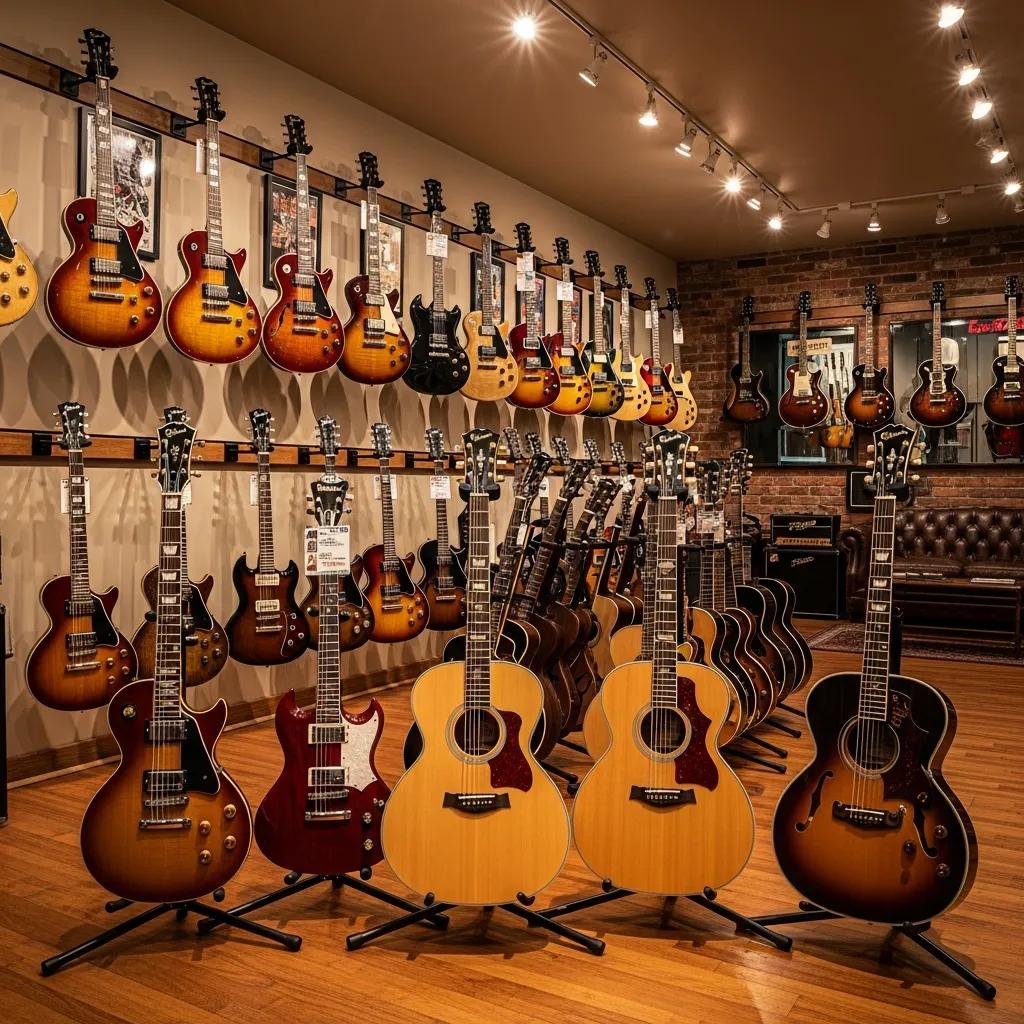
Purchasing an acoustic guitar can occur through various channels, including local music shops, online marketplaces, and specialized retailers. Shopping locally allows you to physically examine guitars and receive personalized assistance. However, online options can provide a broader range and competitive pricing.
MusicStreet is an excellent resource for players in the UK, as they offer a well-curated selection of new and used acoustic guitars, with detailed expert guidance available for each instrument.
What Are the Main Types and Sizes of Acoustic Guitars?
Understanding the main types and sizes of acoustic guitars can help buyers select the right instrument for their needs. Here are a few categories to consider:
- Classical Acoustic Guitars: Feature nylon strings and are suitable for classical music and fingerstyle techniques.
- Steel-string Acoustic Guitars: Known for their brighter sound and versatility across various music genres.
- 12-string Acoustic Guitars: Offer a richer tone due to an additional set of strings, often used for rhythm playing.
How Do Different Acoustic Guitar Body Shapes Affect Sound and Playability?
The shape of an acoustic guitar body greatly influences its sound and how it feels to play. Dreadnoughts are dominant in volume and bass response, ideal for strumming styles. Concert shapes provide clarity and detail, while smaller parlor guitars excel in portability and warm tones. Choosing the right shape enhances both your playing experience and sound output.
Which Guitar Sizes Are Best for Beginners and Different Playing Styles?
Selecting the appropriate guitar size can significantly impact comfort, especially for beginners. Smaller-bodied guitars are often easier to handle, making them a better choice for younger players or those with smaller hands. Larger bodies, while providing fuller sound, might be challenging for inexperienced players. Recommendations for beginners usually include smaller models or ¾-sized guitars which deliver both playability and quality.
How to Choose the Right Acoustic Guitar: Essential Factors Explained
Choosing the right acoustic guitar requires careful consideration of various factors, including budget, playing style, sound preferences, and physical comfort with the instrument. Assess your specific needs, experiment with different types and sizes, and consult with knowledgeable sources to ensure you find a guitar that feels right for you.
What Role Does Tonewood Type Play in Guitar Sound Quality?
The choice of tonewood plays a crucial role in defining the sonic characteristics of an acoustic guitar. The type of wood used for the body, neck, and soundboard contributes to the guitar's resonance and tonal quality. Recognizing the advantages of different tonewoods, like the resonant qualities of spruce versus the warmth of mahogany, is essential for selecting a guitar that fits your audio preferences.
How Do Action and Intonation Influence Playability and Performance?
Action refers to the height of the strings above the fretboard, while intonation affects the pitch along the fretboard. Proper adjustments in action enhance playability, making it easier on your fingers during long sessions. Additionally, correct intonation ensures the guitar plays in tune across the fretboard, crucial for delivering a satisfying performance.
What Are the Best Acoustic Guitar Brands in the UK?
Several brands are recognized for their superior quality and craftsmanship in the UK market. Notable mentions include:
- Taylor: Renowned for innovation and precision in guitar construction, offering a range of models suitable for various playing styles.
- Gibson: Known for their classic designs and legendary sound, particularly in the folk and rock genres.
- PRS (Paul Reed Smith): Recognized for high-quality craftsmanship with a focus on engineered sound and aesthetic appeal.
How Do Martin, Taylor, Gibson, PRS, and Fender Compare for Acoustic Guitars?
The comparison among these brands reveals distinct strengths. Martin is synonymous with traditional craftsmanship and acoustic tone, while Taylor guitars are celebrated for their playability and modern innovations. Gibson offers robust guitars known for powerful sound, while PRS combines aesthetic versatility with balanced sound. Fender is often recognized for electric guitars but also provides solid acoustic options.
Where to Find Authentic New and Used Models of Top UK Brands?
The search for authentic new and used acoustic guitars can lead you to reputable retailers or established shops that focus on quality instruments. Place your trust in shops with expert staff who can certify the authenticity and condition of the guitars. Additionally, online marketplaces can provide various options, but always ensure that sellers have reliable return policies and customer service.
What Should Beginners Know When Buying Their First Acoustic Guitar?
For beginners, understanding the fundamentals of guitar selection is crucial. Aim for budget-friendly models that offer quality, and focus on features such as action and neck shape for better playability. Research reputable brands known for positive feedback and enjoy learning the instrument without feeling overwhelmed by overly complex setups.
Which Affordable Acoustic Guitars Offer the Best Value for UK Beginners?
Options for affordable acoustic guitars abound, with brands like Yamaha and Fender offering great entry-level guitars. These models typically range from £100 to £300, providing excellent quality while accommodating the budget constraints of beginners. Features to consider include ease of playability, sound quality, and durability to ensure a pleasant learning experience.
How Can Beginner Guitarists Benefit From Expert Advice and Workshops?
Engaging in expert advice can significantly impact a beginner guitarist's learning experience. Attending workshops offers hands-on guidance from experienced players who can provide insights into effective techniques and practices. Furthermore, participating in community-supported sessions fosters motivation and can enhance skills through shared experiences.
How to Evaluate and Buy Used Acoustic Guitars Safely and Confidently
When considering a used guitar purchase, knowing what to look for is key to ensuring a wise investment. Checking for signs of wear, assessing playability, and understanding market values will help you avoid potential pitfalls. Always research the history of the guitar and ask for documentation when available.
What Are the Key Checks for Condition and Playability in Pre-Owned Guitars?
When evaluating used acoustic guitars, conduct a thorough inspection. Look for physical wear, such as cracks and scratches, that may impact sound quality. Test the sound and playability by checking the action and intonation. Assessing the neck condition and hardware will also help determine the instrument's overall health and longevity.
How Does MusicStreet’s Part Exchange and Workshop Support Simplify Upgrades?
MusicStreet provides valuable services such as a part exchange program, allowing players to trade in their existing guitars for special deals on upgrades. In-house workshops offer maintenance and repair services, ensuring that your instrument performs optimally, thus making the upgrading experience seamless.
What Maintenance and Setup Services Keep Your Acoustic Guitar Performing Its Best?
Routine maintenance is vital for keeping your acoustic guitar in prime condition. Services may include fretboard cleaning, string replacements, and periodic set-ups to adjust action and intonation. Regular upkeep serves to prolong the life of your instrument while enhancing playability.
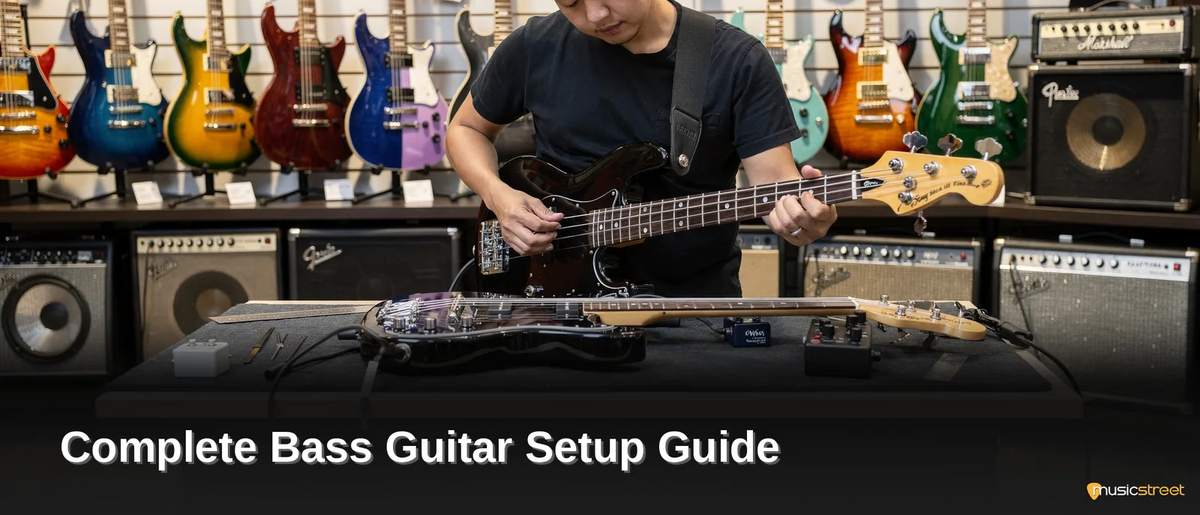
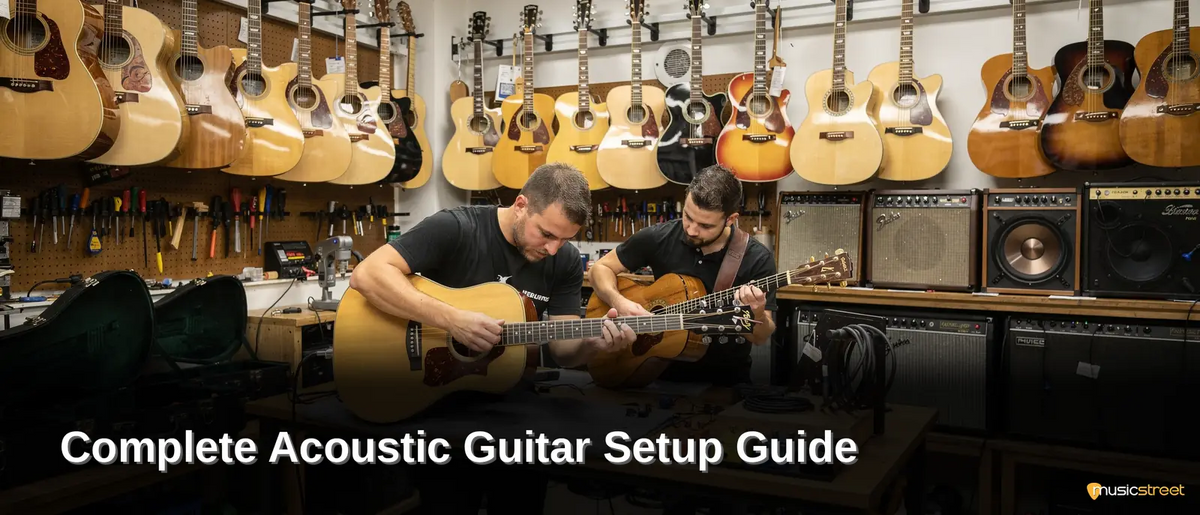
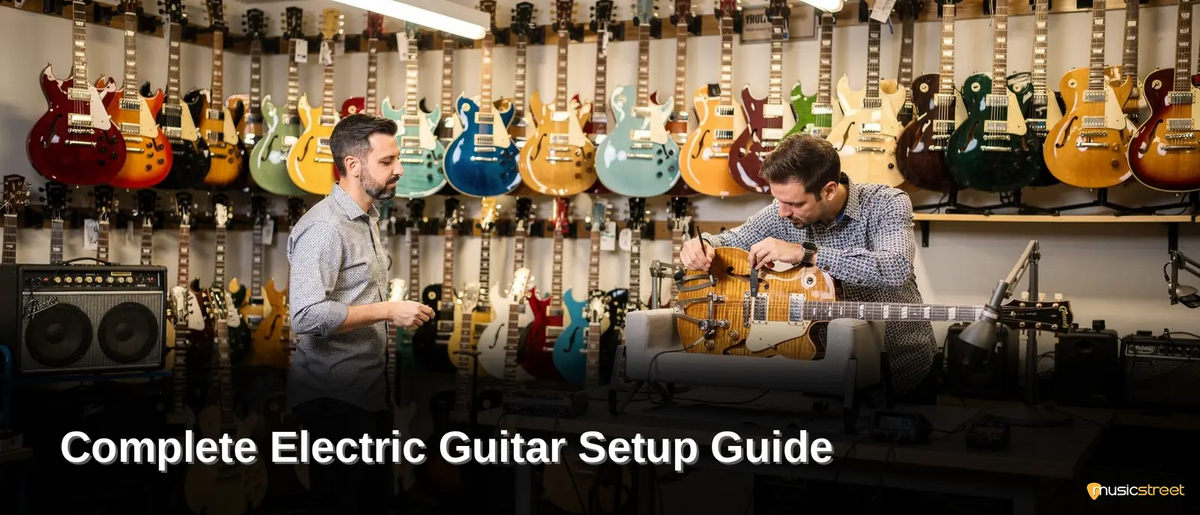
Why Is Professional Guitar Setup Important for Sound and Playability?
A professional guitar setup is integral to achieving optimal performance. Adjustments for action, intonation, and overall playability ensure that the guitar sounds its best while providing comfort during play. Seeking professional service helps prevent long-term damage and keeps the instrument in top shape for performance and practice.
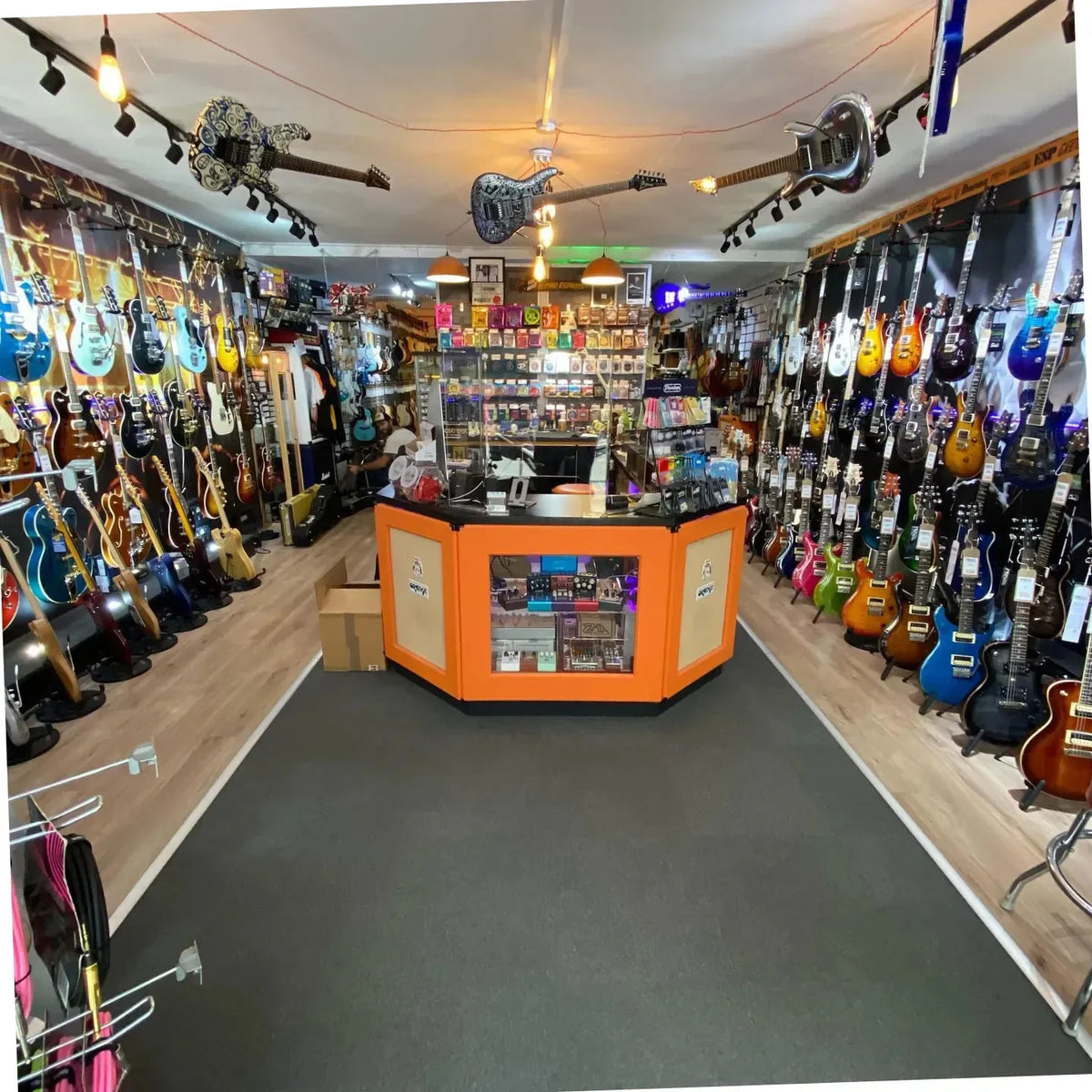
What Repair and Maintenance Services Does MusicStreet Offer Locally in Huntingdon?
Within Huntingdon, MusicStreet excels in providing comprehensive repair and maintenance services tailored for acoustic guitars. Their experienced technicians are available to help with anything from routine setups to specific repairs, ensuring that guitarists can maintain their instruments in excellent playing condition.

Share:
5 Signs Your Guitar Needs a Professional Setup
Top Electric Guitar Brands — Your Guide