
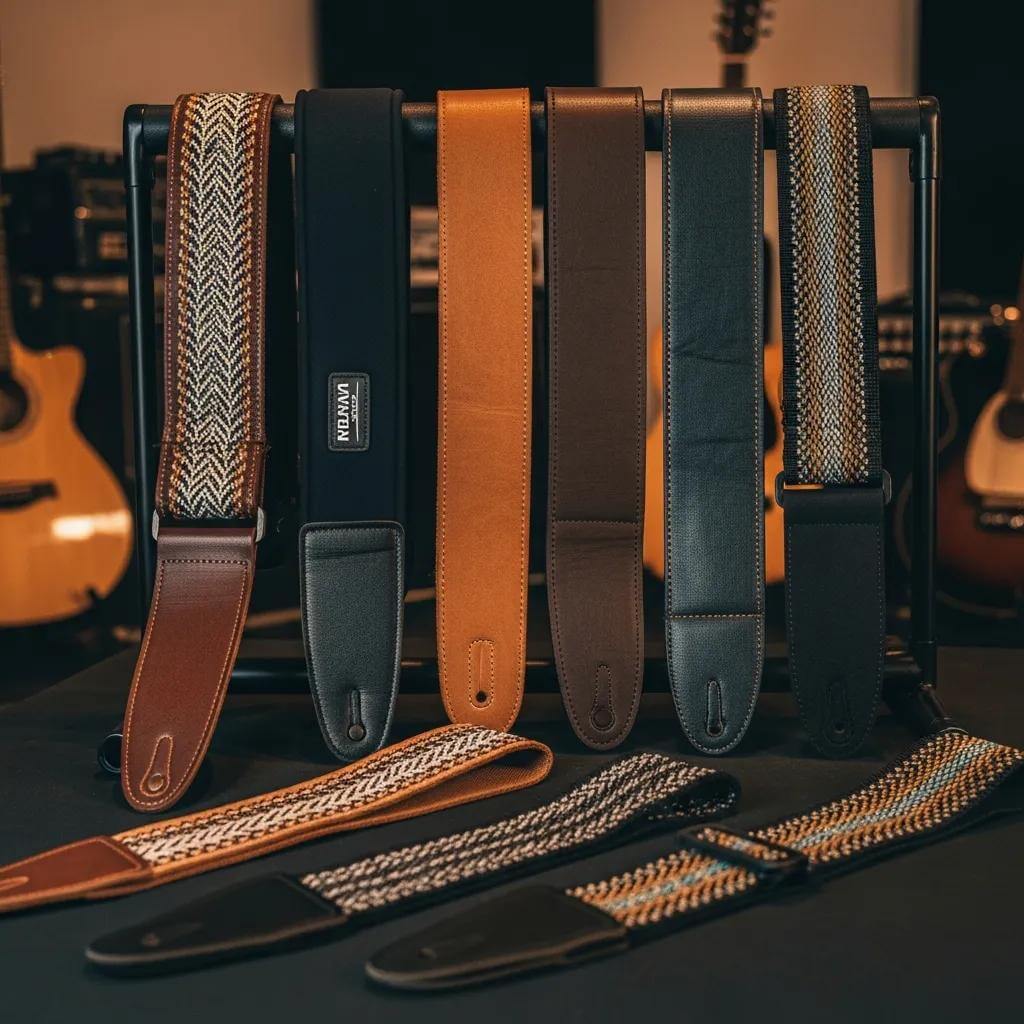
Best Guitar Straps UK: Your Ultimate Guide to Comfortable, Durable, and Stylish Guitar Straps

Choosing the right guitar strap transforms playing from a discomfort-prone chore into a reliable, enjoyable experience; a guitar strap secures your instrument while affecting comfort, balance and style. This guide explains which strap materials, constructions and ergonomic features most influence comfort and durability, and it maps those attributes to electric guitars, acoustics and basses. Many players struggle with shoulder strain, slipping straps or hardware failure, so this article emphasises practical, evidence-based choices—covering materials, padding, width/length guidance, brand differences, and maintenance. You will find quick comparisons, decision tables, and actionable setup steps to set strap length for sitting or standing, plus recommendations on accessories like strap locks and replacement ends. The sections below address the best strap materials, instrument-specific needs, padded and ergonomic designs, measurement and adjustment guidance, brand overviews, and essential accessories and upkeep. Throughout, keywords such as guitar strap, electric guitar strap, leather guitar strap, padded guitar strap, and guitar strap locks are woven naturally to help you find the right strap for your playing style.
What Are the Best Guitar Strap Materials for Comfort and Durability?

A guitar strap material determines comfort, longevity and maintenance because materials differ in stretch, breathability and abrasion resistance. Choosing the right material reduces shoulder pressure and prevents premature wear, with leather, neoprene and woven fabrics each offering distinct trade-offs. This section compares common materials and gives practical recommendations for touring, studio work and casual playing. Understanding these differences helps select a strap that balances comfort, durability and cost for your instrument and routine.
Materials compared by comfort, durability, maintenance and price:
| Material | Attribute (Comfort / Durability / Maintenance / Price) | Practical Recommendation |
|---|---|---|
| Leather (full-grain) | High comfort after break-in / Very durable / Needs conditioning / Mid–High | Best for stage and studio players seeking longevity and style |
| Neoprene | High cushioning / Very durable / Easy to clean / Mid | Ideal for heavy guitars and long gigs where padding matters |
| Nylon | Moderate comfort / Durable against abrasion / Machine-washable / Low | Good budget choice for travel and outdoor use |
| Suede | Soft feel / Moderate durability / Requires gentle care / Mid | Great for vintage looks and softer shoulder contact |
| Cotton / Woven | Breathable / Variable durability / Easy maintenance / Low | Practical for lightweight guitars and hot climates |
This table highlights that leather and neoprene top comfort and durability for demanding use, while nylon and cotton suit budget or travel needs. The following subsections explain leather characteristics and fabric options in more detail, leading into instrument-specific strap choices.
How Do Leather Guitar Straps Enhance Comfort and Style?
Leather guitar straps start firm and soften with use because the leather breaks in, conforming to shoulder contours and distributing load more evenly. This breaking-in process improves comfort over weeks of regular use and the strap's full-grain variants resist stretching and edge fraying, which benefits durability and long-term appearance. Leather also offers a premium aesthetic that complements stage attire and high-end instruments, and finishes range from veg-tan natural tones to dyed and embossed styles for visual variety. Proper maintenance—regular conditioning with a suitable leather balm and avoiding prolonged moisture—extends lifespan and prevents cracking, which makes leather a go-to choice for performers focused on both comfort and style.
Why Choose Nylon, Suede, or Cotton Guitar Straps for Durability?
Nylon, suede and cotton straps each deliver practical durability with different strengths: nylon resists abrasion and weather, suede offers a soft contact surface with moderate wear resistance, and cotton breathes well in hot conditions. For outdoor gigs or humid climates, nylon's weather resistance and ease of cleaning make it a dependable option, while suede suits players prioritising shoulder comfort without the maintenance needs of polished leather. Cotton and woven fabrics provide lightweight comfort and are often machine-washable or hand-washable, making them convenient for frequent travellers or students. Understanding these trade-offs clarifies when a synthetic or fabric strap outperforms leather in routine durability and care.
Which Guitar Straps Are Best for Electric, Acoustic, and Bass Guitars?
Choosing a strap for your instrument depends on weight, balance and how you attach the strap; instrument type drives the optimal width, padding and attachment method. Electric guitars often prioritise style and stability, acoustics require attention to body shape and strap button placement, and basses typically need wider, padded straps to spread heavier loads. This section maps strap features to instrument-specific requirements and explains compatibility issues such as end-pin vs. strap-button fittings.
Key features by instrument include the following list describing why different attributes matter:
- Electric guitars: Mid-width straps with non-slip backing for balance and freedom of movement.
- Acoustic guitars: Secure attachments and moderate padding to protect the guitar's finish and comfort while standing.
- Bass guitars: Wide, padded straps to distribute up to several kilograms and reduce shoulder strain.
These instrument-specific features lead into detailed guidance for electrics and acoustic/bass choices in the next subsections, which explain recommended widths and stabilisation options.
What Features Make Guitar Straps Ideal for Electric Guitars?
Electric guitar straps should combine secure attachment, moderate width and style because electrics are often played standing and may require precise balance for playability. A mid-width (about 5–7 cm) strap typically offers a balance between comfort and mobility, while non-slip backing or suede contact areas prevent the strap from sliding during energetic performance. Decorative elements—embroidery, prints or leather finishes—allow personal expression without compromising core features like reinforced ends and robust stitching. Choosing a strap with compatible endholes or a plan to fit strap locks enhances security, and these practical features support both comfort and stage readiness for electric players.
How to Select the Right Strap for Acoustic and Bass Guitars?
Acoustic and bass guitars demand straps that address heavier body weight and differing balance points; wider straps with padding minimise concentrated pressure on the shoulder. For basses, a width of 7–10 cm with substantial padding or neoprene core helps distribute the instrument's mass and reduce fatigue during long sets. Acoustic guitars, particularly dreadnoughts, benefit from straps that avoid chafing the body and accommodate varied endpin or soundhole attachment methods; consider using a strap that pairs with an endpin anchor or an over-the-shoulder tie for vintage instruments. Properly matching strap width and padding to instrument weight ensures stable playing and prevents back or shoulder strain.
How Do Padded and Ergonomic Guitar Straps Maximise Playing Comfort?
Padded and ergonomic straps reduce localised pressure and improve posture by increasing the contact area and shaping load distribution around the shoulder. Padding materials like foam, gel or neoprene absorb and disperse force, while contoured designs follow shoulder anatomy to prevent slip and encourage correct instrument angle. Ergonomic straps may include suspension-style shapes or tapered ends that improve range of motion without sacrificing support. Understanding how these mechanisms work helps players decide whether added bulk from padding is a worthwhile trade-off for long rehearsals, gigs, or heavier instruments.
The next lists outline when padded or ergonomic features are worth the investment and what design aspects to prioritise.
- Long gigs or heavy instruments: Choose dense padding (neoprene or gel) and wide contact areas to reduce fatigue.
- Active stage performance: Prioritise non-slip surfaces and contoured shapes for stability.
- Studio or casual practice: Moderate padding and lighter materials suffice for shorter sessions.
These criteria prepare you to evaluate padded options in the following subsections, which consider cost-benefit and specific ergonomic features.
Are Padded Guitar Straps Worth It for Long Playing Sessions?
Padded straps are generally worthwhile for long sessions because cushioning reduces peak pressure and delays muscle fatigue, especially with instruments over average weight. Padding materials vary—foam offers lightweight cushioning, gel provides targeted pressure relief, and neoprene combines padding with durability and moisture resistance—so material choice affects comfort and maintenance. Trade-offs include added bulk and potential heat retention against the comfort benefits during extended use, and players who perform multi-hour gigs or frequent rehearsals often find the investment justified. Considering player type—touring professional, gigging amateur or home practitioner—helps decide the optimal padding density and thickness for sustained comfort.
What Ergonomic Features Improve Strap Comfort and Support?
Ergonomic features that improve comfort include wider contact areas, contoured or anatomical shapes, non-slip surfaces and adjustable suspension points that let players fine-tune balance. Wider straps distribute load across the trapezius and deltoid muscles, while contoured padding reduces pressure on the acromion and clavicle, enhancing circulation and comfort. Anti-slip backing materials prevent unwanted rotation, preserving playing posture and reducing compensatory strain. Adjustable micro-length mechanisms and sliding buckles allow precise instrument positioning for different playing contexts, feeding directly into the next section on measuring and adjusting strap length.
How to Choose the Right Guitar Strap: Width, Length, and Adjustability Explained
Choosing strap width and length starts by matching strap specs to guitar weight, player height and playing posture to ensure comfortable balance and ideal playing height. Width affects pressure distribution, length sets instrument angle and reach, and adjusters determine how easily you switch between standing and sitting. This section provides step-by-step selection guidance, a decision table mapping common player/guitar attributes to recommended specs, and clear adjustment steps for setting strap length for sitting versus standing.
Strap selection decision aid explained in the table below maps practical attributes to recommended width and length considerations.
| Player / Guitar Attribute | Recommended Strap Width | Recommended Strap Length / Adjustment Notes |
|---|---|---|
| Heavy bass (≥4 kg) | 7–10 cm | Longer length for standing; adjust to keep neck comfortable at fretboard |
| Full-size acoustic (3–4 kg) | 6–8 cm | Moderate length; sitting players shorten by 10–15 cm from standing setup |
| Electric guitar (2–3 kg) | 5–7 cm | Standard length; tune so picking hand rests naturally on strings |
| Short player (<170 cm) | 5–7 cm (narrower preferred) | Ensure adjusters allow minimum length comfortable for sitting |
| Tall player (>185 cm) | 6–9 cm | Longer strap with generous adjustment range for standing posture |
This table clarifies how guitar weight and player height influence width and length choices, and the next subsections give specific numeric width recommendations and step-by-step adjustment techniques.
What Strap Width Is Best for Heavy Guitars and Back Support?
For heavy guitars and players seeking back support, wider straps—typically between 7 and 10 cm—spread the load and reduce focal pressure on the shoulder, which helps maintain posture during extended playing. Wider straps often incorporate thicker padding or layered construction that absorbs impact and holds shape under load, preventing edge digging into the trapezius muscle. When testing straps, look for broad contact areas and firm padding that do not compress completely under weight, and try straps with different widths in-store or during practice to evaluate comfort. These practical width guidelines lead directly into precise length-adjustment methods that let you fine-tune playing angle and reach.
How to Adjust Guitar Strap Length for Standing and Sitting Players?
Adjusting strap length correctly ensures consistent hand positioning and comfortable posture whether standing or sitting; start by setting the strap so the guitar sits at your preferred height while standing and then shorten for sitting by about 10–15 cm depending on chair height. Measure using fret-hand positioning: when standing, your picking hand should comfortably access the strings and your fretting hand reach the neck without overextension; when sitting, the guitar body should rest on your thigh without tilting excessively. Common mistakes include setting the guitar too low for standing or too high for sitting, both of which alter wrist posture and can cause strain—use small incremental adjustments and play chords to confirm reach. With length set, check balance and make micro-adjustments to eliminate neck dive and maintain consistent playability.
Which Are the Top Guitar Strap Brands in the UK Market?

A short brand comparison helps identify typical materials, price tiers and signature features without favouring any single supplier; brands differ in material focus, construction details and target players. This section offers a compact brand table that summarises why certain brands are popular and what player types they suit, providing guidance for where to look depending on priorities like vintage leather, padded ergonomics or value pricing. Brand mentions here are factual and limited to helping readers match needs to typical market offerings.
Brand comparison by typical materials, features and why to choose:
| Brand | Typical Materials / Features | Price Range | Why Choose |
|---|---|---|---|
| Fender | Leather and woven straps; heritage designs | Mid | Classic designs that match electric guitars and stage aesthetics |
| Levy's | Leather, embroidered designs, padded options | Mid | Known for wide variety and reliable construction for all players |
| Ernie Ball | Woven nylon and leather; branded motifs | Low–Mid | Good value and dependable styles for electrics and casual players |
| D'Addario | Variety including neoprene and cotton blends | Low–Mid | Practical, functional straps with modern ergonomic models |
This table clarifies typical strengths across popular brands so readers can prioritise style, padding or value when searching in UK shops or online. The following paragraphs explain why these brand traits influence cost and quality, and how they relate to player needs.
What Makes Fender, Levy's, and Ernie Ball Guitar Straps Popular?
Fender, Levy's and Ernie Ball have become popular because each offers a clear combination of materials, signature aesthetics and price points that meet different player needs; Fender leans on heritage looks, Levy's on handcrafted detail and Ernie Ball on accessible, reliable designs. Fender straps often match electric guitar styling for stage use, Levy's focuses on fair-quality leathers and embroidered artistry that appeal to performers valuing finish and feel, while Ernie Ball provides durable woven and leather options at accessible prices for students and gigging players. These brand tendencies help players choose a strap aligned with their instrument, budget and performance style, and they set expectations for construction quality and aftercare.
How Do Brand Features Affect Strap Quality and Price?
Brand features such as type of leather, stitching quality, hardware robustness and padding density directly drive production cost and perceived quality, which in turn influence price. Premium full-grain leather, reinforced ends and metal adjustment hardware increase durability and cost, while simpler woven straps use less expensive materials and simpler manufacturing, keeping prices lower. Warranty, design complexity and brand positioning also contribute to price differences, and knowing which features you value—longevity, comfort, aesthetics—helps decide when paying more is justified versus choosing a budget-friendly option. This analysis prepares you for upkeep and accessory choices in the final section on maintenance and accessories.
What Are Essential Guitar Strap Accessories and Maintenance Tips?
Accessories like strap locks, replacement ends and protective pads increase security and prolong strap life, while tailored maintenance routines preserve materials and appearance. This section outlines essential accessories, explains strap lock types and basic installation advice, and provides upkeep practices for leather, fabric and neoprene straps. Practical accessory choices and timely maintenance reduce the risk of dropped instruments and extend a strap's serviceable life.
Before the accessory table, here's what the table will cover and why these items matter for safety and longevity.
| Accessory | Purpose | Practical Note |
|---|---|---|
| Strap locks (locking strap buttons) | Prevent accidental detachment | Use when performing or with children present |
| Replacement ends | Repair worn attachment points | Match material and hole size to existing hardware |
| Protective shoulder pads | Add comfort and reduce wear | Useful for heavy instruments and long sessions |
| Adjustment buckles / extenders | Tune fit and length | Ensure compatibility with strap width and end shape |
This table shows common accessory types and their practical uses so readers can prioritise purchases. The next subsections explain how strap locks work and care routines for different materials, enabling safer play and longer-lasting straps.
How Do Strap Locks Improve Security and Prevent Guitar Damage?
Strap locks secure the connection between strap and instrument by replacing or augmenting standard strap buttons with locking mechanisms that require deliberate action to detach, preventing accidental drops. Common types include locking strap buttons that replace existing buttons and strap-end locks that clamp onto the strap hole; both provide mechanical retention beyond a simple friction fit. Installation is generally straightforward—remove the old button, fit the locking button and ensure compatibility with the strap's end hole—and locks are strongly recommended for stage use, active performers and families with young players. Using strap locks reduces the risk of damage and provides peace of mind during dynamic performances, which leads into material-specific maintenance advice.
What Are Best Practices for Maintaining Leather and Fabric Straps?
Maintaining straps depends on material: leather benefits from periodic conditioning using a suitable leather balm, avoiding excess moisture and storing flat or hung to prevent creases; fabric straps (nylon, cotton) can often be hand-washed or spot-cleaned and air-dried away from direct heat. For neoprene or padded straps, wipe with a damp cloth and mild soap, then air-dry; avoid machine drying which may compress padding. Inspect ends and hardware regularly for wear and replace worn end pieces or loose stitching promptly to prevent failure. These routines help preserve comfort and safety, and knowing when to replace a strap—visible cracking, frayed ends or persistent stretch—prevents performance issues and instrument damage.
- Regular inspection: Check ends, stitching and hardware monthly for wear signs.
- Material-appropriate cleaning: Condition leather; hand-wash fabrics; wipe neoprene.
- Accessory checks: Test strap locks and replacement ends after installation.
Following these maintenance steps prolongs strap life and keeps instruments secure during use.



Share:
Guitar Lessons for Beginners