


Choosing your first guitar can feel overwhelming when every shop and website displays dozens of options with different shapes, sizes, and price tags. Picking the wrong instrument may mean wasted money or a guitar that sits unused because it never quite feels right. You deserve a guitar that matches both your musical goals and your budget.
This guide will reveal the most effective steps for finding a guitar that suits your playing style, feels comfortable in your hands, and brings lasting enjoyment. You will discover practical checks and expert insights trusted by British musicians and teachers. By the end, you will know exactly what to look for and how to spot true quality in your future instrument.
Table of Contents
- 1. Set Your Budget And Identify Guitar Type
- 2. Assess Build Quality And Materials
- 3. Check Playability And Comfort
- 4. Evaluate Sound And Electronics
- 5. Inspect For Authenticity And Brand Reputation
- 6. Review Warranty And Aftercare Services
- 7. Consider In-Store Trials And Online Options
Quick Summary
| Takeaway | Explanation |
|---|---|
| 1. Define Your Budget | Set a budget of £150 to £500 for quality beginner guitars. |
| 2. Choose the Right Type | Select between acoustic, classical, or electric based on your music style. |
| 3. Assess Build Quality | Examine materials and craftsmanship for sound quality and durability. |
| 4. Test Playability | Spend time playing to ensure comfort and ease of use. |
| 5. Verify Authenticity | Check for documentation and brand reputation to avoid counterfeits. |
1. Set Your Budget and Identify Guitar Type
Kicking off your guitar journey begins with two fundamental decisions: how much you want to invest and what type of guitar suits your musical aspirations. Getting this initial step right can transform your entire learning experience.
Budget considerations are critical for new musicians. For most beginners in the United Kingdom, the sweet spot typically ranges between £150 and £500. This range allows you to access quality instruments without breaking the bank. When choosing your first guitar, understanding the primary guitar types becomes paramount.
The three main guitar categories you’ll encounter are acoustic, classical, and electric. Each serves different musical styles and personal preferences. Acoustic guitars work brilliantly for folk, singer-songwriter genres, and unplugged performances. Classical guitars feature nylon strings perfect for classical and Spanish music. Electric guitars shine in rock, blues, and contemporary styles.
Your musical genre and personal interest should guide your selection. Want to strum campfire tunes? An acoustic might be your best companion. Dreaming of electric guitar solos? Look towards electric models. Classical music enthusiast? The nylon string classical guitar awaits.
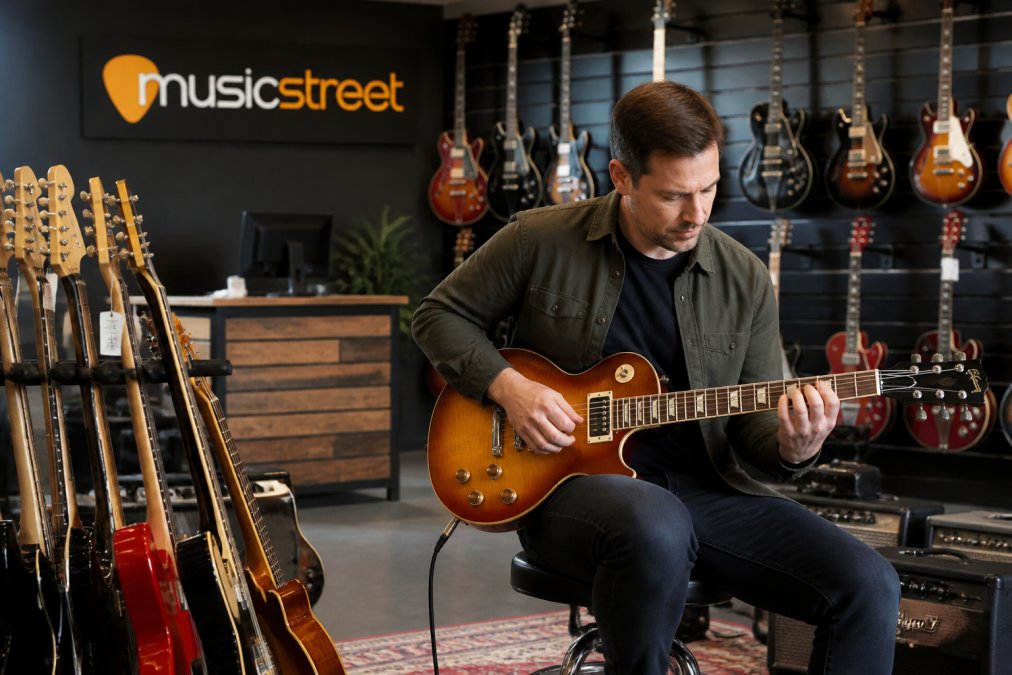
Research different models within your budget, read reviews, and if possible, visit music stores to physically handle potential instruments. Sound, comfort, and playability matter more than flashy appearances.
Expert tip: Always allocate a small portion of your budget for potential accessories like a guitar strap, picks, and a basic tuner to complement your new instrument.
2. Assess Build Quality and Materials
Evaluating a guitar’s build quality goes far beyond superficial appearances. The materials and construction determine not just how your instrument looks, but how it sounds, feels, and performs throughout your musical journey.
Wood selection plays a crucial role in guitar manufacturing. Tonewoods significantly impact sound quality by influencing resonance, sustain, and tonal characteristics. Different woods create unique sonic signatures professionals and enthusiasts appreciate.
Key Material Considerations: • Body Woods: Mahogany provides warmth, maple offers brightness • Neck Materials: Maple and rosewood each contribute distinct playability • Fingerboard Woods: Ebony and rosewood affect touch and sound response
Inspect the guitar carefully for signs of quality craftsmanship. Look for smooth joints, consistent wood grain, and precise fretwork. Uneven frets or visible glue marks can indicate substandard construction.
Check the guitar’s structural integrity by examining how components fit together. Neck joints should be tight and secure. Hardware like tuning machines and bridge should feel robust and well installed.
Consider environmental sustainability alongside performance. Modern guitar manufacturers increasingly prioritise responsibly sourced woods without compromising sonic excellence.
Craftsman tip: Run your fingers along the neck and fretboard to check for smooth transitions and potential irregularities that might affect playability.
3. Check Playability and Comfort
Playability transforms a guitar from a mere instrument to an extension of your musical self. Comfort determines your practice motivation and ultimately your musical progression.
The neck profile represents a critical aspect of guitar comfort. Different neck shapes suit different hand sizes and playing styles. Some guitarists prefer slim, fast necks for rapid playing, while others enjoy chunkier profiles that provide more substance.
Key Playability Factors: • Neck Shape: How the neck feels in your hand • String Action: Distance between strings and fretboard • Fret Size: Impact on finger movement and chord formation • Guitar Weight: Comfort during extended playing sessions
When testing a guitar, simulate real playing conditions. Hold the instrument as you would during a practice session. Check how the body contours against your torso. Assess whether the weight feels manageable during prolonged playing.
Evaluate the neck by running your hand along its length. Look for smooth transitions between frets. Test different chord positions and note how your fingers naturally move across the fingerboard. A comfortable guitar will feel almost intuitive to play.
Remember that playability is subjective. What feels perfect for one musician might feel awkward for another. Trust your own physical response and comfort level.
Musician’s tip: Always spend at least 15 minutes playing the guitar in the store to truly understand its comfort and playability.
4. Evaluate Sound and Electronics
The electronics of a guitar are its sonic soul, transforming wooden craftsmanship into musical expression. Guitar electronics fundamentally shape your sound and determine the instrument’s versatility across musical genres.
Key Electronic Components to Assess: • Pickups: Single-coil or humbucker configurations • Volume and Tone Controls: Responsiveness and range • Pickup Selector Switch: Smooth transitions between settings • Output Jack: Signal reliability and connectivity
For electric guitars, plug the instrument into an amplifier and systematically test each pickup setting. Listen for clarity, sustain, and tonal variations. Check that volume and tone controls respond smoothly without crackling or sudden signal drops.
Acoustic electric models require additional scrutiny. Examine the preamp system and battery compartment. Ensure the onboard electronics provide clean amplification without introducing unwanted noise or signal interference.
Remember that electronics are not just technical specifications. They are the bridge between your musical intention and the sound that emerges. A guitar with responsive, high quality electronics can inspire creativity and enhance your playing experience.
Musician’s tip: Bring a trusted set of headphones or a familiar amplifier when testing a guitar to ensure you hear its true electronic character.
5. Inspect for Authenticity and Brand Reputation
Buying a guitar is an investment that extends far beyond its initial purchase price. Verifying instrument authenticity protects you from potential disappointment and financial risk.
Key Authenticity Verification Steps: • Serial Number: Check manufacturer records • Purchase Documentation: Confirm original paperwork • Warranty Information: Validate manufacturer support • Brand Reputation: Research manufacturer track record
Authentic guitars come with clear documentation. Request and thoroughly examine the original purchase receipt, warranty card, and manufacturer certificates. These documents are your primary defence against counterfeit instruments.
Research the brand’s reputation meticulously. Look beyond marketing materials. Read professional reviews, consult musician forums, and seek recommendations from experienced guitarists. Reputable brands typically offer transparent manufacturing processes and robust customer support.
Beware of deals that seem unrealistically cheap. Counterfeit guitars often appear attractive but compromise on quality, sound, and long-term performance. A genuine instrument from an established manufacturer guarantees better resale value and musical satisfaction.
Expert advice: Always request proof of authenticity and cross-reference the guitar’s serial number with the manufacturer’s official database before making your final purchase.
6. Review Warranty and Aftercare Services
A guitar purchase is more than a single transaction it is a long term musical relationship. Comprehensive warranty coverage represents your safety net against potential manufacturing defects and unexpected issues.
Key Warranty Considerations: • Coverage Duration: Length of manufacturer protection • Repair Scope: What defects are included • Service Locations: Where repairs can be performed • Return Policy: Conditions for instrument exchange
Critical details matter when examining warranty terms. Understand precisely what is covered. Does the warranty protect against structural defects? Are electronic components included? Some warranties cover only specific parts or have time limited protection.
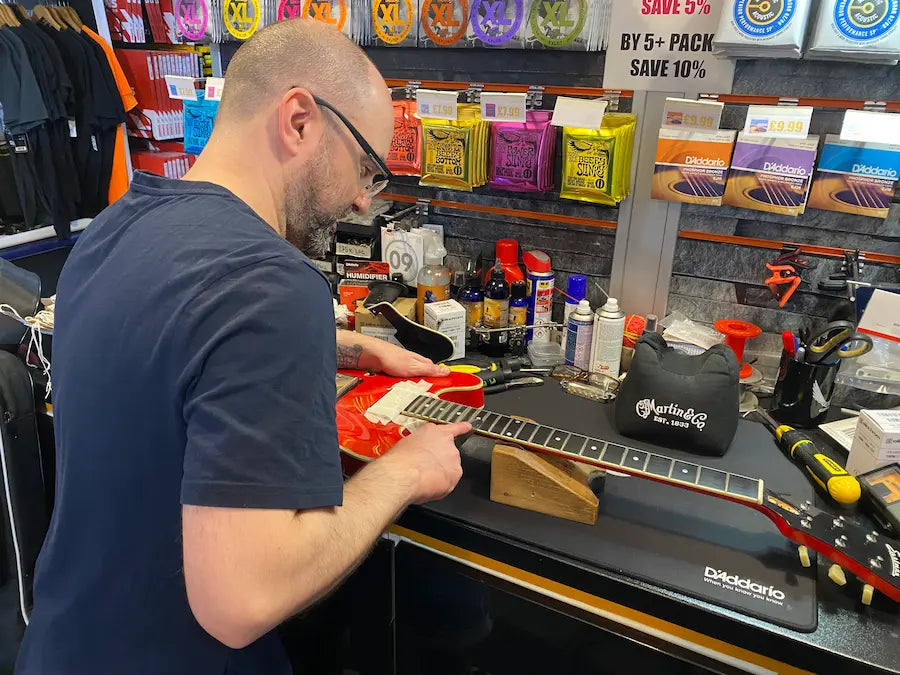
Aftercare services distinguish exceptional retailers. Look for sellers offering complimentary setup, adjustment services, and responsive customer support. A retailer willing to provide ongoing assistance demonstrates confidence in their instruments and commitment to musician satisfaction.
Request complete documentation detailing warranty terms. Photograph and securely store all original purchase receipts and warranty cards. These documents are your proof of coverage and essential for potential future claims.
Expert tip: Always read the entire warranty document carefully and ask direct questions about coverage limitations before finalising your guitar purchase.
7. Consider In-Store Trials and Online Options
The journey of finding your perfect guitar involves navigating both digital and physical shopping landscapes. Exploring purchasing options requires a strategic approach that balances convenience with personal experience.
Purchasing Strategy Considerations: • In Store: Physical interaction and immediate assessment • Online: Broader selection and potential price advantages • Hybrid Approach: Researching online, trying in person • Return Policies: Critical for remote purchasing
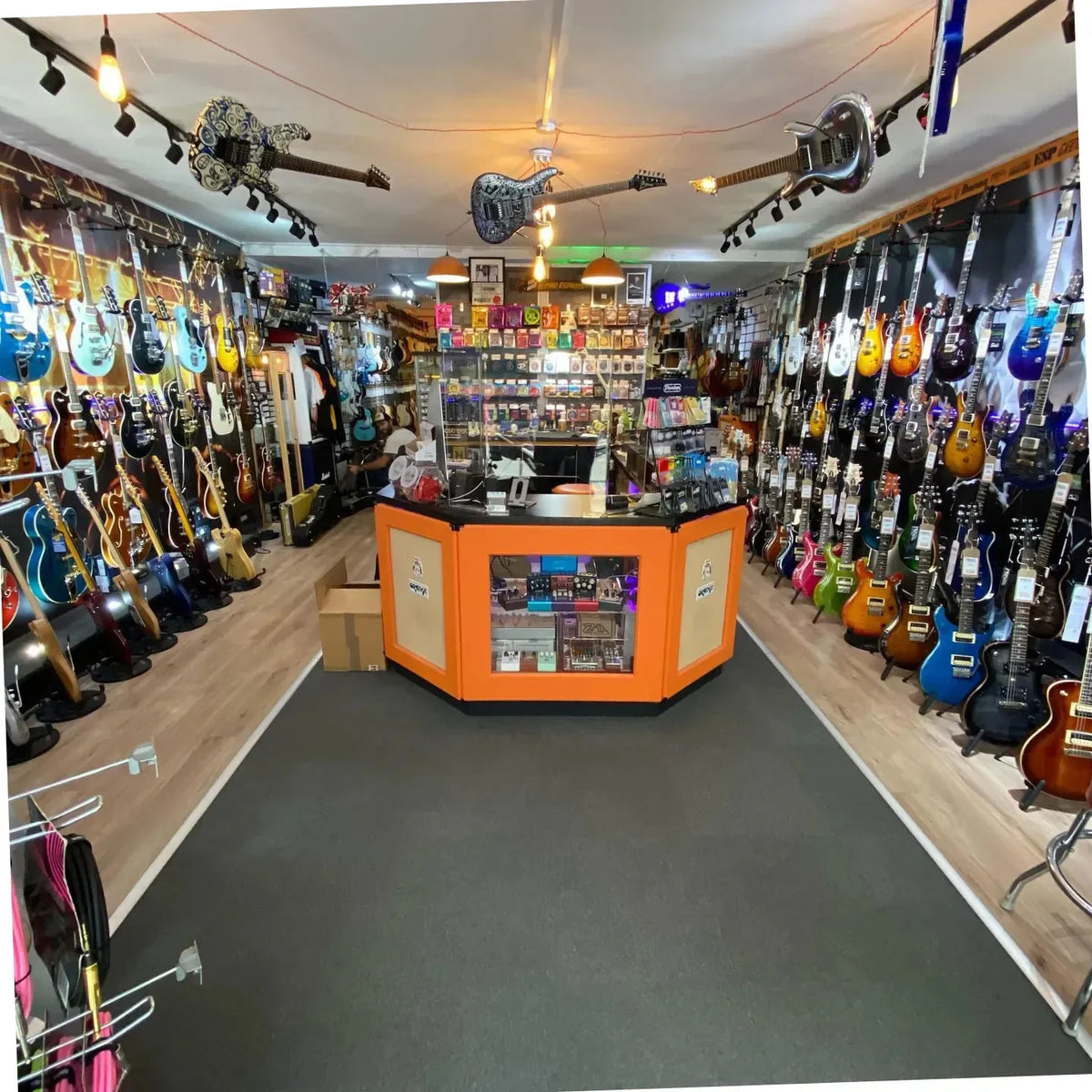
In store trials offer unparalleled advantages. You can physically feel the guitar weight, test neck comfort, and evaluate sound quality in real time. Experienced staff can provide immediate guidance and technical insights that online platforms cannot replicate.
Online purchasing presents its own benefits. Wider product ranges, potential cost savings, and convenience make digital platforms attractive. However, rigorous research becomes paramount. Examine detailed product descriptions, customer reviews, and ensure the retailer offers comprehensive return policies.
Consider a hybrid approach. Research potential guitars online, then visit local music stores to physically test shortlisted models. This strategy combines digital convenience with tactile evaluation, maximising your chances of finding the ideal instrument.
Expert tip: Always verify the online retailer’s return policy and authenticity guarantee before committing to a remote guitar purchase.
Below is a comprehensive table summarising the key aspects of selecting and purchasing a guitar, as detailed in the article.
Find Your Perfect Guitar with Confidence at MusicStreet
The journey of choosing the right guitar can feel overwhelming with so many options and critical factors like budget, playability, and authenticity to consider. This checklist highlights how important it is to select an instrument that matches your style, comfort, and sound expectations. At MusicStreet, we understand these challenges and offer a carefully curated selection of electric, acoustic, and bass guitars that undergo expert setup and inspection to ensure quality and reliability.

Explore our range today and enjoy personalised service that guides you from first trial to confident purchase. Whether you want to test guitars in-store or shop online with peace of mind, our team supports you with warranty coverage, aftercare services, and competitive prices. Start your musical journey right by visiting MusicStreet or learning more with our Buying Guides. Don’t wait to find an instrument that feels truly yours and inspires every practice session.
Frequently Asked Questions
What is the ideal budget for buying a guitar?
Most beginners should aim to spend between £150 and £500 on their first guitar. This budget allows for a quality instrument that can enhance your learning experience and last for years.
How do I choose the right type of guitar for my style?
Select a guitar type based on your musical interests: acoustic guitars are great for folk and singer-songwriter genres, classical guitars suit classical music, and electric guitars are ideal for rock and blues. Consider trying out various types to determine which feels right for you.
What materials should I look for when assessing guitar quality?
Focus on the type of tonewoods used, such as mahogany for warmth or maple for brightness, as these significantly impact sound quality. Inspect the guitar for solid construction, smooth joints, and quality fretwork to ensure longevity and good performance.
How important is playability when choosing a guitar?
Playability is crucial as it affects your comfort and motivation to practice. Test different neck shapes, string actions, and weights to find a guitar that feels intuitive and comfortable to play for extended periods.
What should I check regarding the sound and electronics of an electric guitar?
Evaluate the pickups, volume and tone controls, and output jack for quality when testing an electric guitar. Plug it into an amplifier and listen for clarity and tonal variations, ensuring the electronics respond smoothly without interference.
Why is it important to verify a guitar’s authenticity before purchasing?
Checking for authenticity protects you from counterfeit instruments that may compromise quality and performance. Always request proof of authenticity, such as the serial number and manufacturer documentation, to ensure you are making a sound investment.



Share:
Guitar History Explained: Influences Shaping Modern Music
Guitar Case Materials – Protecting Your Investment