


Used Electric Guitars for Sale UK: Find and Buy Quality Second Hand Electric Guitars Online
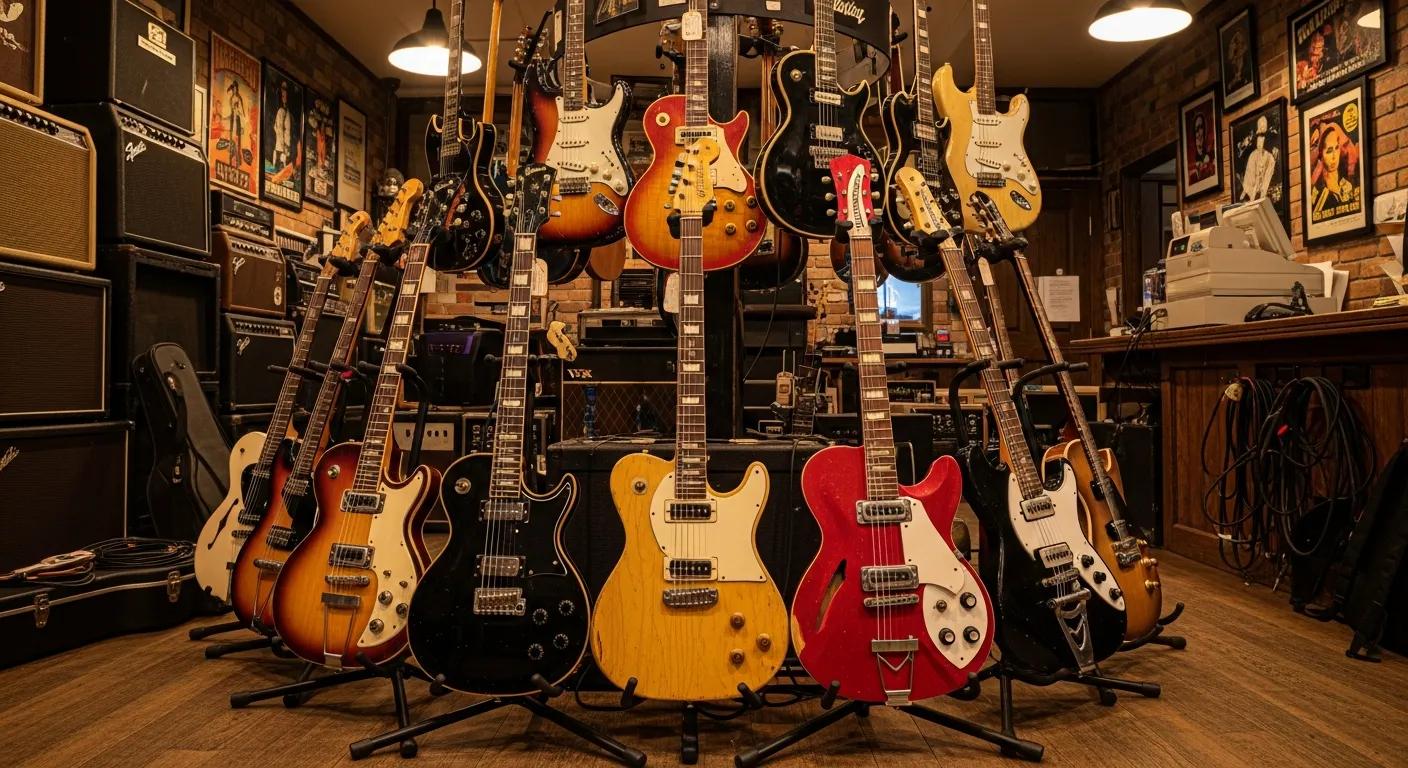
Buying a used electric guitar in the UK lets players access a wider range of tones, older production runs and substantial savings compared with buying new. This guide explains where to find used electric guitars for sale, how to inspect and verify condition, which brands and models tend to retain value, and practical setup and maintenance steps to get a second-hand instrument playing at its best. Many buyers face uncertainty about authenticity, electronics reliability and realistic price expectations; this article gives clear checks, price benchmarks and shopping tips that reduce risk and speed confident purchases. You will find featured checklists for inspection, comparison tables for popular models, guidance on marketplaces and local searches, and maintenance advice to preserve playability and resale value. Read on to learn how to evaluate necks, frets and pickups, compare typical used Fender Stratocaster and Gibson Les Paul pricing, and discover safe ways to buy used electric guitars for sale near me or across UK marketplaces.
Why Should You Buy a Used Electric Guitar?
A used electric guitar is a pre-owned musical instrument sold because it offers immediate value: lower cost, unique tonal character and access to discontinued models. The mechanism behind this value is simple — depreciation after first sale lowers price while play-worn instruments develop tonal complexity and familiarity for many players, delivering both financial and musical benefits. Buying used also lets players trade up more affordably and experiment with different genres without large initial outlay, which can accelerate skill development. The next paragraphs examine specific UK advantages and how second-hand purchases support sustainability and long-term value retention.
What Are the Benefits of Buying Second Hand Electric Guitars in the UK?
Buying second hand in the UK gives access to local specialist retailers, private sellers and a diverse online market, which together mean better chances of finding rare UK-spec models or specific era production runs. Local purchasing often allows in-person inspection or quick returns, reducing uncertainty compared with long-distance purchases; this convenience supports safer transactions and faster setup. UK sellers frequently list instruments with detailed photos and audio clips, which helps verify tone before buying and makes negotiation more transparent. Understanding these practical benefits leads directly into how buying used also reduces environmental impact and can be the smarter financial choice for many players.
Buying used can be especially helpful when hunting specific tonal characteristics or era-correct hardware, because many UK sellers trade vintage or modified instruments that are no longer produced. When provenance and condition are clearly documented, buyers can make informed choices that prioritise playability and resale potential. The availability of local luthiers and repair services in many UK towns also means buyers can obtain professional setups after purchase, improving long-term enjoyment and value retention.
How Does Buying Used Support Sustainability and Value?
Purchasing a second-hand electric guitar reduces demand for new manufacturing and raw materials, which lowers the instrument's lifecycle environmental footprint and supports circular consumption. The mechanism here is reuse: extending the useful life of an instrument prevents additional resource extraction and energy used in new production, while valuing “played-in” tonal character that many musicians prefer. High-end models from established brands often retain a substantial portion of their value, so a carefully chosen used guitar can be both a sustainable purchase and a sensible investment. Recognising these sustainability and value advantages prepares buyers to prioritise condition checks that preserve both tone and resale prospects.
Because collectability and provenance drive long-term value, buyers should pay attention to era-specific features and documented service history; these details can make a used instrument more desirable over time. When combined with regular maintenance and careful storage, the environmental and financial benefits of buying used become a practical long-term advantage for players and collectors alike.
Which Are the Most Popular Used Electric Guitar Brands and Models?
Popular used electric guitar brands in the UK include legacy manufacturers and more affordable lines, each offering distinct tonal profiles and market behaviour. Brand reputation, model history and parts quality directly influence desirability: established makers typically command higher used prices and stronger resale retention due to consistent build standards and iconic tone. Below we compare typical price ranges and common condition notes for widely sought models to give readers quick expectations when browsing listings and evaluating offers.
Different buyers prioritise different attributes—tone, hardware quality, or collectible era—so knowing typical price bands and wear points helps narrow searches and set realistic budgets. The table below summarises common models, example GBP price ranges and the kinds of wear buyers should expect when considering used examples.
| Brand / Model | Typical Price Range (GBP) | Condition Notes |
|---|---|---|
| Fender Stratocaster (used) | £450–£2,500 | Common fret wear on older players; pickup pots may need contact cleaning; neck wear on vintage models |
| Gibson Les Paul (used) | £700–£3,500 | Heavy instruments with finish checking; bridge and tailpiece wear; valuable original electronics on vintage runs |
| Epiphone (used) | £150–£800 | Affordable used option; plastic hardware wear, often usable without major work |
This table shows realistic ranges and typical physical signs to expect, which helps buyers decide whether a listing represents fair value. Knowing these patterns also informs whether to pursue professional setup or negotiation based on likely repairs.
What Makes Fender and Gibson Used Guitars Highly Sought After?
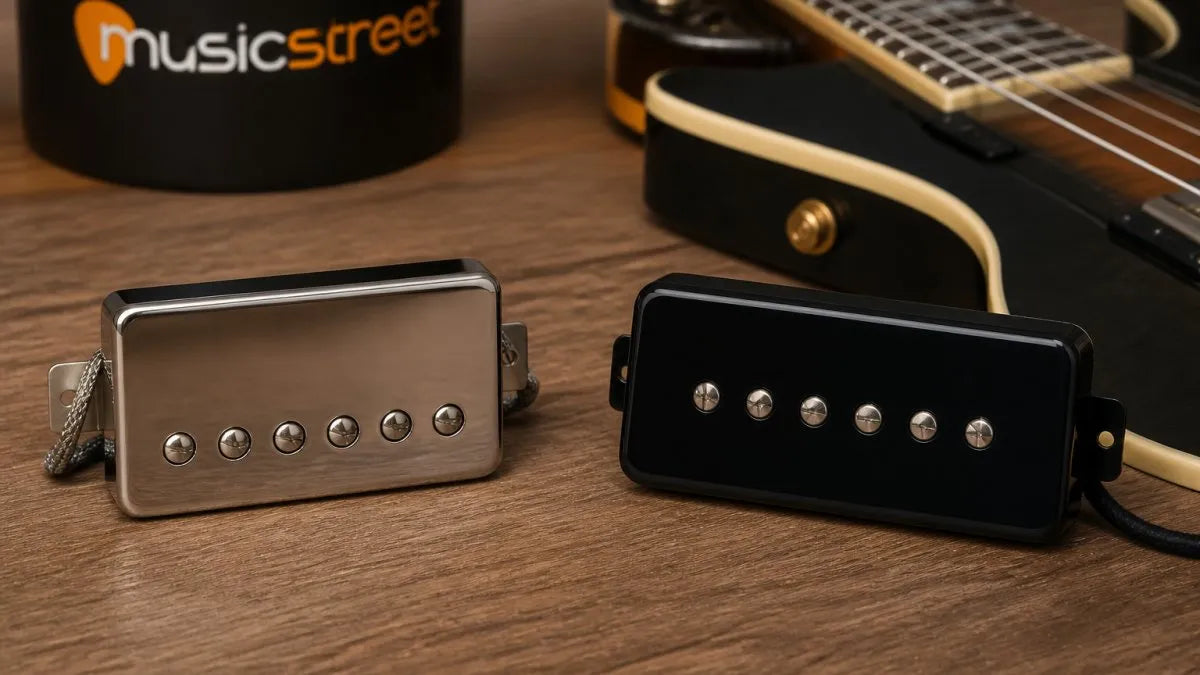
Fender and Gibson remain highly sought because each brand established signature tones and design features that define multiple music genres, and those tonal signatures persist across decades. Fender is known for brighter, clearer single-coil voices and neck profiles favouring playability, while Gibson is associated with thicker humbucker tone and sustain due to its set-neck construction. These design mechanisms—pickup configuration and neck/body construction—directly affect tone and thus collector and player demand.
Collectors and players often seek specific production years or factory setups that are no longer available new, which elevates demand for used Fender and Gibson instruments. Buyers should therefore verify serial numbers and factory spec consistency when assessing these brands, because originality significantly influences resale value and authenticity.
How Do Models Like the Fender Stratocaster and Gibson Les Paul Compare?
Comparing the Stratocaster and Les Paul highlights why players often choose one over the other: the Stratocaster typically offers bright, articulate single-coil sounds and comfortable contours suited for funk, blues and indie; the Les Paul provides warm, full-bodied humbucker tones with notable sustain for rock and metal. Structural differences—bolt-on neck versus set neck, tremolo bridge versus fixed bridge—create distinct playing feels and setup needs that will influence both immediate playability and long-term maintenance costs. Below is a concise contrast to guide buyers on likely use cases and price expectations.
- Neck and feel: Stratocaster necks often feel faster due to thinner profiles; Les Paul necks are thicker and heavier.
- Pickup configuration: Stratocasters use single coils for clarity; Les Pauls use humbuckers for warmth and output.
- Price bands: Used Stratocasters and Les Pauls vary widely by era and specification; vintage originals command premiums.
- Typical genres: Stratocaster for clean/nuanced tones; Les Paul for saturated lead and rhythm sustain.
This comparison helps buyers match instrument choice to musical goals and sets expectations for setup adjustments and likely maintenance differences between models.
How to Inspect and Evaluate a Used Electric Guitar Before Buying?

Inspecting a used electric guitar means checking structure, playability and electronics to determine repair needs and fair price; understanding what to test and why reduces purchase risk. The mechanism of evaluation combines physical inspection techniques—neck relief checks, fret assessment and electronics testing—with provenance verification like serial number checks, which together produce a condition grade that directly influences resale value. Below is a practical, numbered checklist designed for in-person inspections or photo/video evaluations when buying online.
Follow this numbered checklist step by step to spot issues early and decide whether a listing merits further investigation or negotiation.
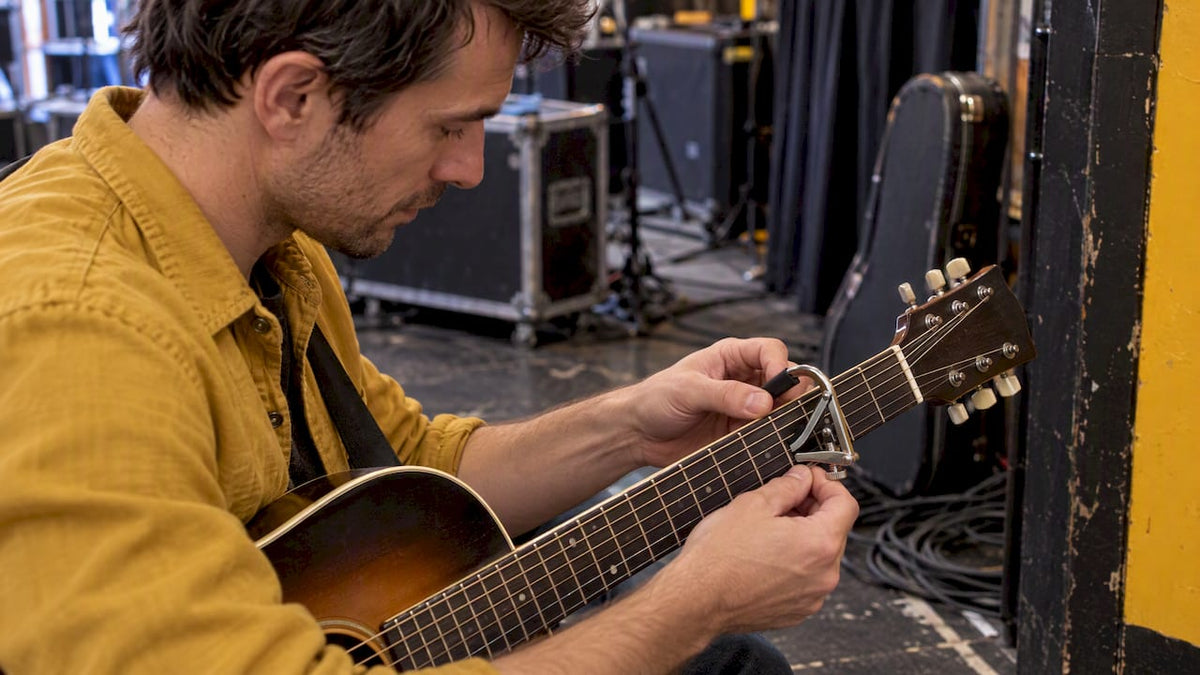
- Check neck straightness and relief: Sight down the neck and capo at first fret, hold the last fret to check bowing; excessive relief or back-bow is a red flag.
- Assess frets and playability: Look for deep fret wear, sharp fret edges and buzzing across positions by fretting at various points; heavy refrets reduce value.
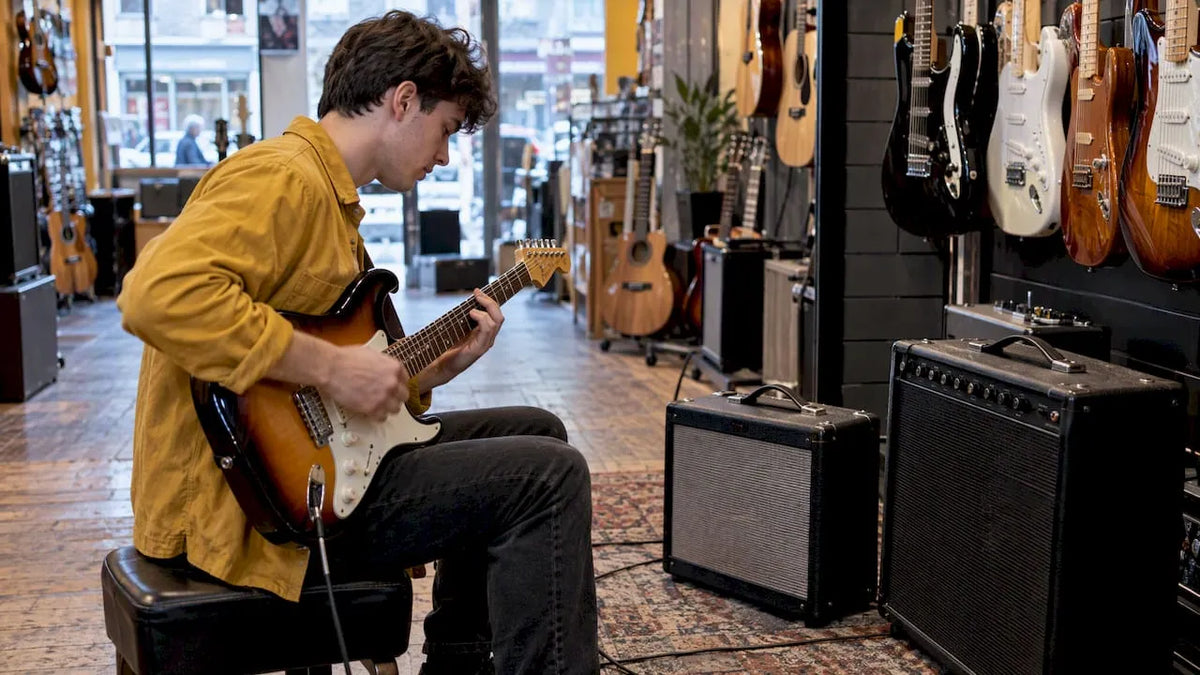
- Test electronics and hardware: Plug into an amp, tap pickups with a screwdriver to confirm output, rotate pots and flip switches to listen for crackles or dropouts.
- Inspect body and joints: Look for cracks, repaired breaks or finish checking that indicate structural repairs; repaired headstock breaks merit expert verification.
This checklist gives a practical progression from simple visual checks to functional tests, and it prepares buyers for the more detailed parts-by-part evaluation table that follows.
| Guitar Part | What to Check | Signs of Wear / Pass-Fail Guidance |
|---|---|---|
| Neck | Straightness, relief, fret crown depth | Pass if minor relief adjustable via truss rod; fail if severe warping or cracked neck joint |
| Frets | Wear grooves, height consistency, sharp edges | Pass if playable without buzzing after setup; fail if deep grooves require refret |
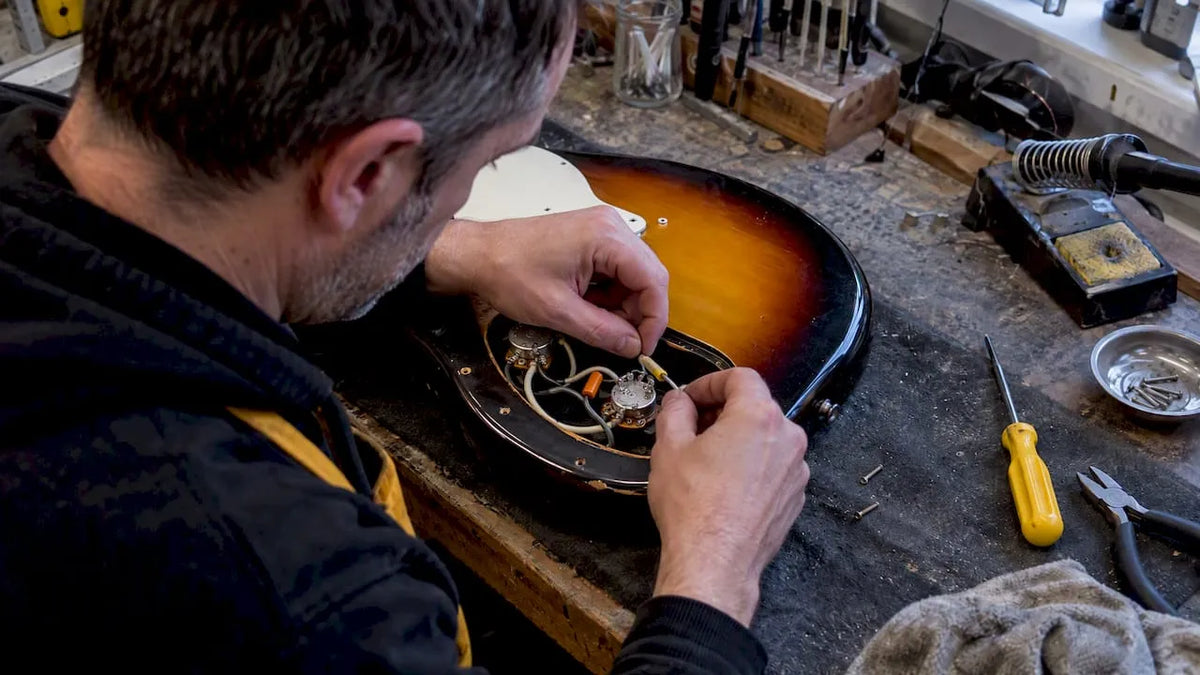
| Electronics | Pickup output, pot noise, jack stability | Pass if clean signal and no intermittent noise; fail if wiring issues or dead pickup |
When significant concerns appear—cracked necks, non-original wiring or missing serial tags—seek a professional luthier evaluation before committing to purchase, because repair costs can exceed perceived savings. The next section explains authentication approaches and condition grading so buyers can quantify how issues affect price.
What Should You Check: Neck, Frets, Electronics, and Body Condition?
A methodical approach to each component helps isolate problems that affect playability and value: the neck must be straight enough to allow correct action; frets should not be so worn that buzzing or intonation issues persist after a setup; electronics must provide consistent, noise-free output; and the body should be structurally sound without hidden repairs. Use a capo and fret-press tests to reveal buzzing, tap pickups with a metal tool to verify output, and gently flex areas around the neck pocket and headstock to check for hidden cracks. Identifying these issues early informs negotiation and whether a professional setup is needed, which in turn affects short-term costs versus long-term satisfaction.
If a guitar requires only a routine setup—string change, intonation and small fret levelling—that is often an acceptable expense that improves playability dramatically. However, structural repairs or extensive electronics work should trigger a price reassessment or recommendation for expert verification before purchase.
How to Verify Authenticity and Assess Guitar Condition Ratings?
Authenticity checks combine serial number lookup, inspection of factory markings, and recognition of typical modification signs that indicate non-original parts; these checks determine collector value and ensure that model-specific features match seller claims. Condition grading commonly ranges from Mint to Poor; Mint indicates near-new condition, Very Good shows light wear, Fair suggests visible play-wear or minor repairs, and Poor covers serious structural problems—each grade should align with a price adjustment. When buying high-value instruments, request close-up photos of headstock logos, neck heel stamps and pickup cavities; if anything is unclear, professional authentication by a luthier or reputable dealer is recommended.
Understanding how grading affects price allows buyers to make informed offers and avoid costly surprises after purchase. The following section outlines where to buy used electric guitars and how seller type affects trust and post-sale support.
Where Can You Buy Used Electric Guitars Online and Locally in the UK?
Used electric guitars for sale are commonly listed across three seller types: specialist retailers, general marketplaces and private sellers; each channel offers different trade-offs in price, trust and buyer protection. Specialist retailers tend to provide inspection, warranty and professional setups which reduce risk, whereas marketplaces often offer a broader selection and competitive pricing, and private sellers can yield the lowest prices but require extra diligence. The next paragraphs outline pros and cons of each channel and practical tips to find local listings and apply safety measures for meetups.
Knowing these channels helps buyers choose whether they prioritise price, selection or after-sale support when searching for used electric guitars in the UK.
- Specialist retailers: Pros—professional inspection, limited warranties, return options; Cons—typically higher prices.
- Marketplaces (online): Pros—wide selection, price comparison; Cons—variable seller reliability and potential shipping risk.
- Private sellers: Pros—best chance at bargain prices; Cons—limited buyer protection and higher due-diligence needs.
These categories guide search strategy: use marketplaces to survey prices, specialist shops when warranty or setup matters, and private sellers when you can inspect in person. The next subtopics give practical marketplace choices and local search tactics.
What Are the Best Online Marketplaces and Specialist Retailers?
When browsing online, filter listings by seller ratings, detailed photos and clear descriptions to reduce uncertainty; marketplaces often include buyer protection policies that help with disputes, while specialist retailers frequently list instruments that have been serviced and set up. Use marketplace filters to narrow by location, year and condition, and prioritise sellers who provide serial numbers and additional sound clips. Check for seller credibility indicators like positive feedback history and clear return policies, and prefer listings that offer a short warranty or inspection notes when available from specialist shops.
Understanding how to weigh these credibility signals is essential before contacting a seller or arranging a meetup, and the following section explains how to find local listings and conduct safe in-person evaluations.
How to Find Local Used Electric Guitars for Sale Near You?
To locate local inventory, use search phrases such as "used Fender Stratocaster near me" or "second hand electric guitars [city name]" and filter marketplace results by distance; reach out to sellers requesting extra photos, short video demos and confirmation of serial numbers before arranging a meeting.
When meeting privately, choose public, well-lit locations or bring a friend and a small practice amp to test the guitar’s sound; for large instruments, authorise collection at a shop or trusted venue. Request a short trial period or agreement in writing where possible to cover immediate functional issues discovered after purchase.
These safety and verification steps reduce purchase risk and improve the chances of a satisfactory transaction when buying used guitars locally, leading naturally into considerations around pricing and depreciation discussed next.
What Are the Typical Prices and Depreciation Rates for Used Electric Guitars?
Typical depreciation for electric guitars varies by brand and model: mass-market instruments often fall 20–40% from new to used, while high-end or collectible models can depreciate less or even appreciate depending on rarity and condition. The mechanism behind depreciation is supply-demand balance and perceived rarity; models with limited runs or iconic provenance maintain value better than widely produced budget lines. Below is a compact table comparing example new prices to typical used prices and approximate depreciation for a few representative models to guide expectations when evaluating listings.
| Model | New Price (approx.) | Typical Used Price | Typical Depreciation (%) |
|---|---|---|---|
| Fender Stratocaster (mid-range) | £900 | £600–£1,000 | 10–30% |
| Gibson Les Paul (mid-high) | £2,500 | £1,500–£3,000 | 10–40% |
| Epiphone Les Paul / Squier Strat | £200–£500 | £120–£350 | 20–50% |
This table provides ballpark figures to set realistic expectations; actual prices depend heavily on condition, era and market demand at the time of sale. The following subtopics give a focused example for the Stratocaster and then discuss broader price drivers.
How Much Does a Used Fender Stratocaster Cost Compared to New?
A used Fender Stratocaster often sells for a notable discount compared with new MSRP, with typical used bands depending on series and condition: Squier or Player-series instruments sit at the lower end of the used range, while American Professional or Custom Shop instruments command higher prices. The main variables that shift price are production year, originality of parts, and any sought-after vintage characteristics, and these factors can make a used example a much better value for a player who prioritises tone over pristine cosmetics. Buyers should evaluate whether required setup or minor repairs offset the initial savings, which will determine final value compared with buying new.
In many cases, a well-maintained used Stratocaster with original pickups and a recent professional setup can offer superior playability and tonal character for less than the cost of a new mid-range model, especially when factoring in the potential for negotiating with private sellers or specialist retailers.
What Factors Influence the Price of Pre-Owned Electric Guitars?
Several factors determine used price: brand/model desirability, physical and electronic condition, production year and rarity, presence of original parts, and current market demand for specific styles or artists’ signatures. Modifications may either increase or decrease value depending on quality and buyer preference— tasteful professional upgrades sometimes add value while amateur work often reduces it. Provenance and documented service history also matter: a verifiable ownership trail and recent professional setup can justify a higher asking price to cautious buyers.
Ranking these factors helps prioritise what to negotiate on: for everyday players, condition and setup are most important; for collectors, originality and documented provenance drive price decisions. The next section outlines how to maintain and set up a used instrument after purchase.
How to Maintain and Set Up Your Used Electric Guitar for Optimal Performance?
Proper initial setup and ongoing maintenance convert a decent used guitar into a consistently playable instrument, improving tone and protecting resale value. The setup mechanism includes adjusting truss rod for correct neck relief, setting action and intonation, and ensuring hardware and electronics are clean and stable, all of which directly affect tuning stability and sound quality. Below are essential setup and maintenance tips to perform immediately after purchase and to follow regularly to extend lifespan and playability.
Applying these maintenance steps keeps instruments performing well and reduces the need for costly repairs later, and the following list lays out a practical initial and routine schedule.
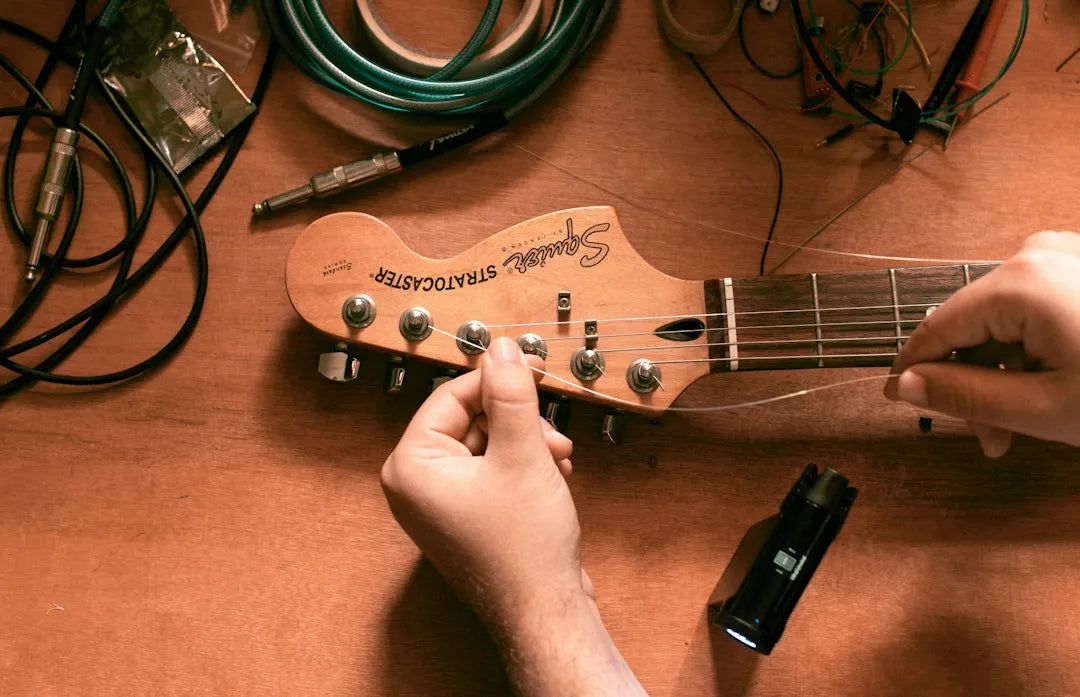
- Initial setup tasks: change strings, set string height and intonation, check and adjust truss rod, lubricate nut and check tuner stability.
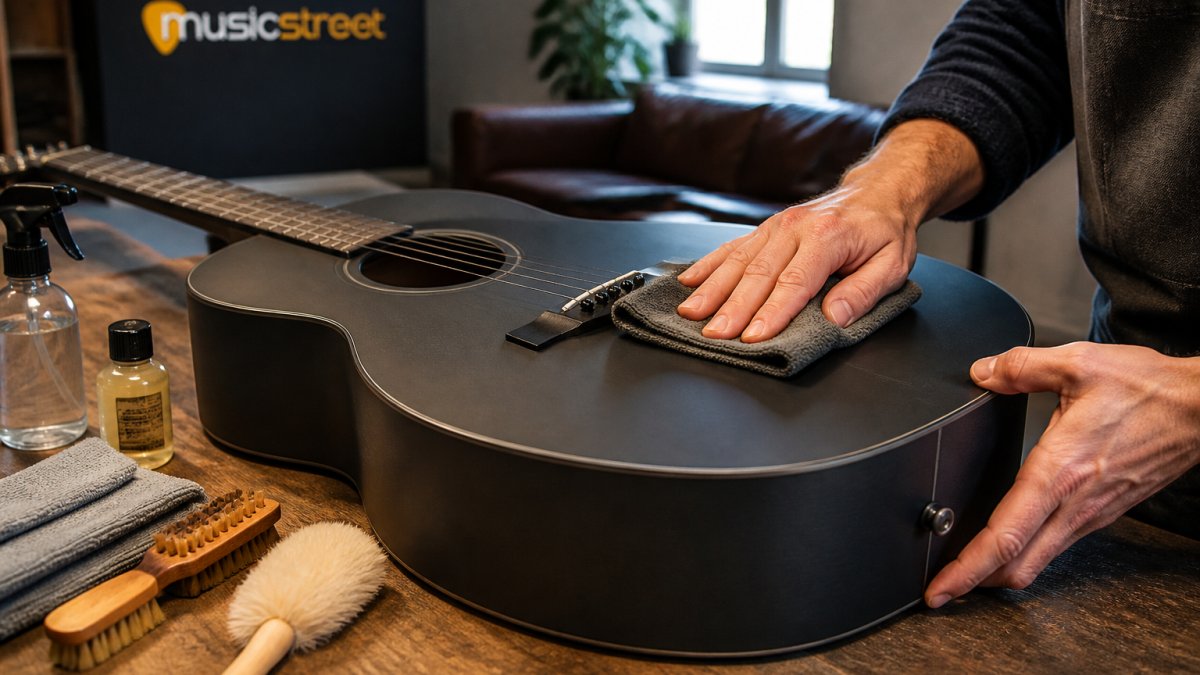
- Routine maintenance: wipe down strings and fretboard after playing, change strings every 2–3 months depending on use, clean pots and jacks annually.
- When to consult a luthier: neck resets, major fretwork, or repaired breaks require professional service.
What Are Essential Setup and Maintenance Tips for Second Hand Guitars?
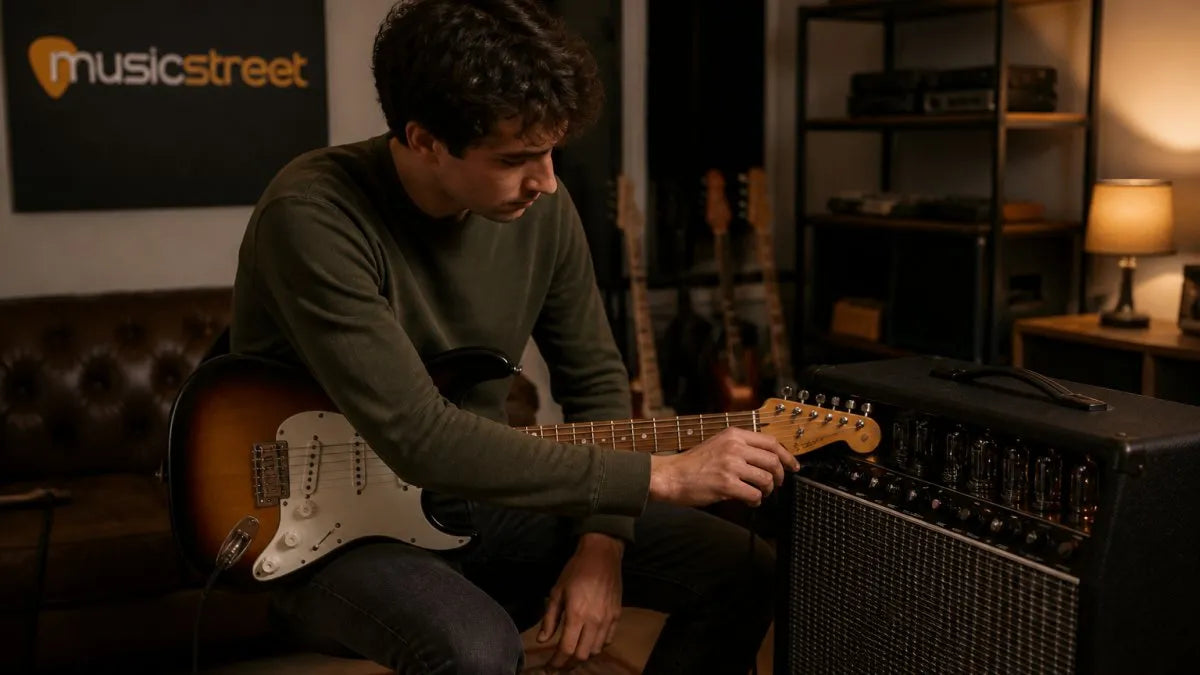
Start with a full string change and a professional or careful DIY setup that addresses action, intonation and neck relief, because many used guitars simply need these adjustments to feel like new. Use appropriate string gauge recommendations for the guitar’s bridge and adjust intonation for the chosen gauge; improper string choice can lead to poor tuning and neck strain. Clean and condition the fretboard as needed, and inspect electronic contacts for noise—contact cleaners and tightened jacks can solve many common issues. These initial steps often resolve the majority of playability problems and make long-term maintenance easier.
How to Extend the Life and Playability of Your Pre-Owned Electric Guitar?
Long-term care focuses on stable storage conditions, preventative maintenance and cautious modification choices that preserve originality: humidity control between roughly 45–55%, use of a hard case for travel, and scheduled professional setups every 12–24 months depending on use will keep a guitar in top shape. Avoid irreversible modifications—such as routing bodies for different electronics—if resale value is a consideration, and instead opt for reversible upgrades like swap-in pickups mounted in original cavities. Regularly scheduled checks for fret wear and electronics cleanliness catch issues early when repairs are cheaper and less invasive.
These preservation strategies protect both day-to-day playability and long-term value, ensuring that a thoughtfully chosen used guitar remains a rewarding instrument for years to come.


Share:
Why Guitarists Are Using Amp Modellers Today
Acoustic Guitar vs Electric Guitar – Choosing for Beginners