

Choosing the right guitar amplifier can feel overwhelming when every option promises a new musical possibility. For guitarists across the United Kingdom, understanding how amplifiers transform a simple guitar signal into rich, expressive sound is key to unlocking your personal tone. This guide offers practical insights into the main amplifier types and explains how each can shape your sound, helping you make confident choices for both practice and live performance.
Table of Contents
- What Makes A Guitar Amplifier Essential
- Exploring Tube, Solid-State, Modelling, And Hybrid Amps
- How Amplifier Types Shape Your Tone
- Choosing The Right Amp For Practice Or Gigs
- Key Costs, Maintenance, And Common Pitfalls
Key Takeaways
| Point | Details |
|---|---|
| Importance of Amplifiers | Guitar amplifiers shape the sound of electric guitars, enhancing their tonal character and providing a bridge between the instrument and the listener. |
| Diverse Amplifier Types | Tube, solid-state, modelling, and hybrid amps offer unique sonic characteristics, catering to different musical styles and preferences. |
| Selecting the Right Amp | Consider your playing environment and specific needs when choosing an amplifier, ensuring it complements your guitar and style. |
| Maintenance and Costs | Proper care and understanding of costs related to maintenance and potential repairs are essential to keep your amplifier performing optimally. |
What Makes a Guitar Amplifier Essential
Guitar amplifiers are far more than just volume boosters - they are the critical component that transforms an electric guitar’s raw signal into a rich, expressive sound. Guitar tone fundamentals reveal that amplifiers play a pivotal role in shaping musical character, acting as an essential translator between your instrument and the listener’s ears.
At its core, an amplifier does three fundamental things: it increases the guitar’s electrical signal strength, colours the sound through its unique circuitry, and provides speakers that convert electrical signals into audible sound waves. Each amplifier has distinctive electronic components that impart specific tonal qualities - from warm vintage tube sounds to crisp modern solid-state timbres. The amplifier essentially becomes an extension of your musical voice, adding harmonic complexity and nuance that cannot be achieved through the guitar alone.
Different amplifier types offer musicians remarkable sonic versatility. Tube amplifiers provide rich, organic overdrive perfect for blues and classic rock, while solid-state amps deliver clean, precise tones ideal for jazz and contemporary styles. Some musicians even combine multiple amplifier types to create layered, complex soundscapes that push musical boundaries. Understanding these sonic differences allows guitarists to select an amplifier that truly resonates with their individual musical expression.
Top tip: When selecting an amplifier, always test it with your specific guitar to understand how their unique characteristics interact and complement each other.
Exploring Tube, Solid-State, Modelling, and Hybrid Amps
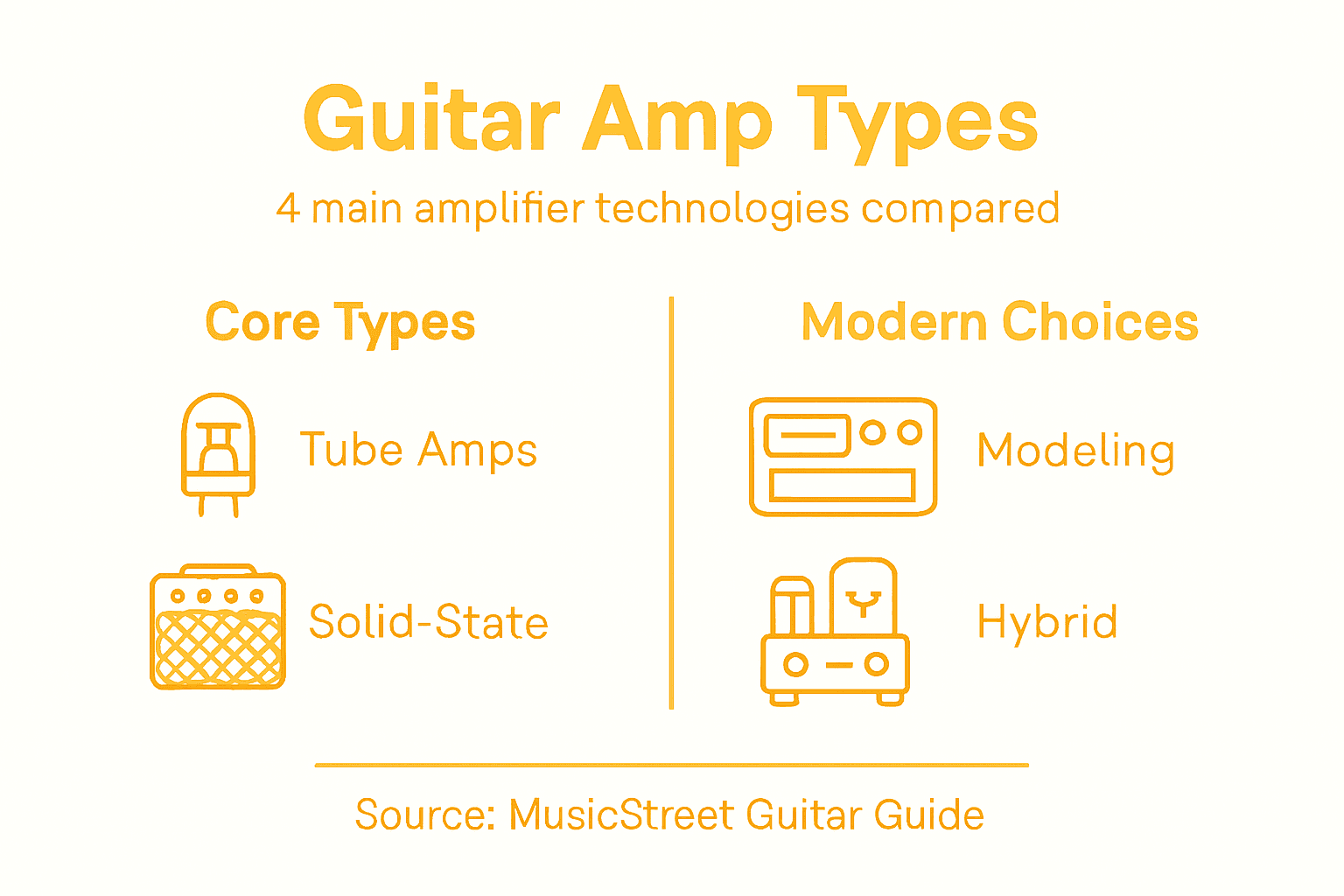
Guitar amplifiers represent a fascinating world of sonic possibilities, with four primary technological approaches that each bring unique characteristics to a musician’s sound. Four main amplifier technologies have emerged to meet diverse musical requirements: tube, solid-state, modelling, and hybrid amplifiers.
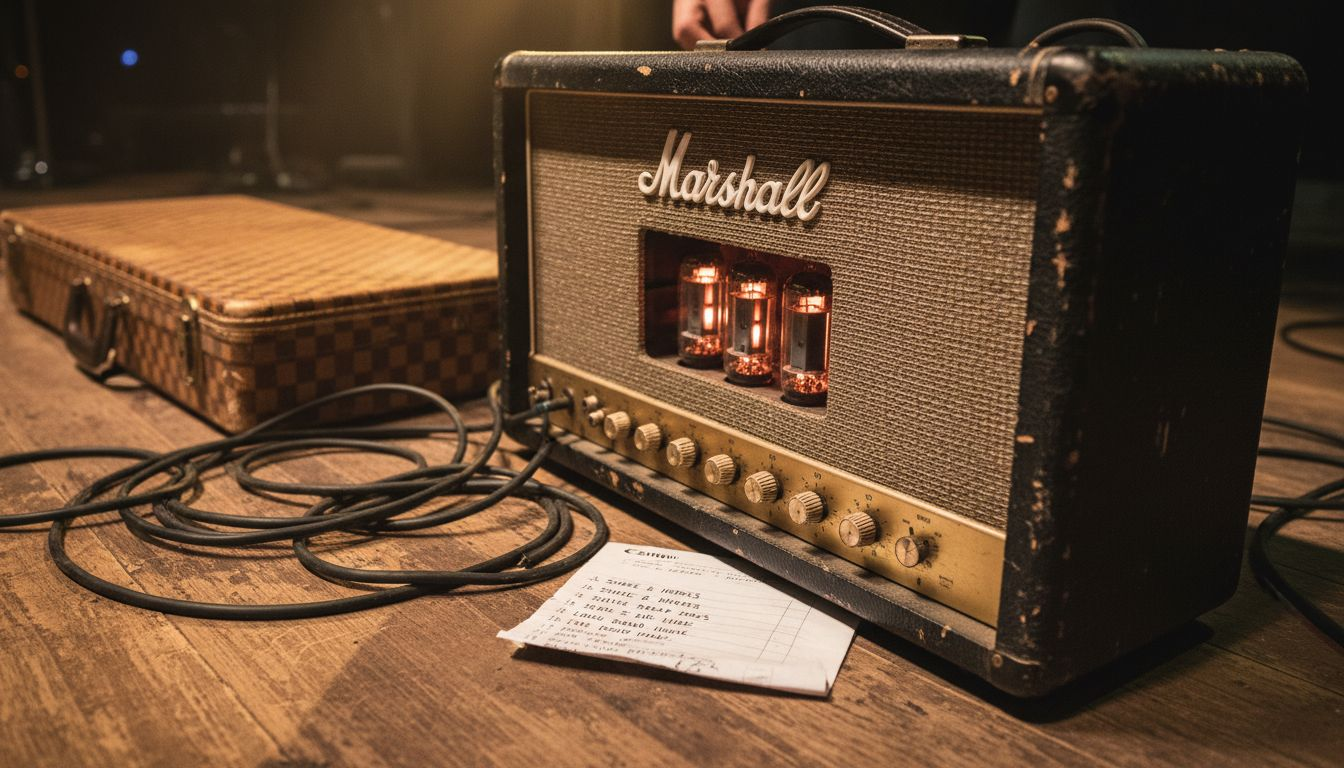
Tube Amplifiers remain the gold standard for many professional musicians, delivering rich harmonics and organic distortion. Their vacuum tubes create a warm, dynamic sound characterised by natural compression and responsive gain characteristics. Blues, classic rock, and jazz players often gravitate towards tube amps for their nuanced tonal qualities. These amplifiers generate harmonically complex sounds by using electron-filled glass tubes to amplify the guitar’s electrical signal, producing a distinctive ‘breakup’ when pushed to higher volumes.
In contrast, solid-state amplifiers utilise transistor-based circuits that provide exceptional reliability and clean sound reproduction. They offer musicians consistent performance, lower maintenance requirements, and typically more affordable pricing. Modern solid-state designs have significantly improved, delivering crisp, precise tones perfect for genres requiring pristine sound clarity like contemporary jazz, progressive rock, and certain metal subgenres.
Modelling and hybrid amplifiers represent technological innovation in guitar sound reproduction. Modelling amplifiers employ digital signal processing to simulate multiple classic amp tones, giving musicians unprecedented versatility. Hybrid amps combine tube preamp stages with solid-state power sections, offering a compelling compromise between vintage warmth and modern reliability.
Pro tip: Always test different amplifier types with your specific guitar to understand how their unique electronic characteristics interact and complement your individual playing style.
Here is a concise comparison of amplifier types and their distinct characteristics:
| Amplifier Type | Typical Sound Character | Maintenance Needs | Ideal Musical Styles |
|---|---|---|---|
| Tube | Warm, dynamic, harmonically rich | Regular valve checks and replacement | Blues, jazz, classic rock |
| Solid-State | Clean, precise, transparent | Occasional cleaning only | Jazz, metal, fusion |
| Modelling | Highly versatile, emulated tones | Occasional software updates | Studio, covers, experimental |
| Hybrid | Mix of warmth and reliability | Valve checks and firmware updates | Versatile, modern performance |
How Amplifier Types Shape Your Tone
Guitar tone is a complex interplay of electronic components, with each amplifier type offering a unique sonic fingerprint that transforms your instrument’s voice. Electronic components profoundly influence guitar sound through their distinctive circuitry and signal processing approaches.
Tube amplifiers create a magical tonal landscape characterised by organic harmonic richness. When musicians push tube amps beyond their clean headroom, they experience natural compression and harmonic saturation that responds dynamically to playing intensity. The electron-filled vacuum tubes generate subtle nuances impossible to replicate with solid-state technology, producing a three-dimensional sound that breathes and responds like a living instrument. Jazz, blues, and classic rock guitarists particularly appreciate this responsive tonal quality that seems to ‘bloom’ and sustain with remarkable musicality.
In stark contrast, solid-state amplifiers deliver precision and consistency. Their transistor-based circuits provide a clinical, transparent sound reproduction that maintains remarkable clarity across different volume levels. Contemporary genres like progressive metal, fusion, and experimental music often favour solid-state amps for their ability to reproduce complex musical passages with surgical accuracy. Modern design improvements have significantly narrowed the tonal gap between tube and solid-state technologies, offering musicians unprecedented sonic flexibility.
Digital modelling and hybrid amplifiers represent the cutting edge of guitar tone engineering. Modelling amps use sophisticated digital signal processing to emulate classic amplifier characteristics, giving musicians access to hundreds of potential tonal variations within a single unit. Hybrid amplifiers bridge technological worlds by combining tube preamp stages with solid-state power sections, creating a compelling compromise that captures vintage warmth while maintaining modern reliability and performance consistency.
Pro tip: Experiment with multiple amplifier types using the same guitar to truly understand how different electronic architectures can dramatically transform your fundamental sound.
Choosing the Right Amp for Practice or Gigs
Selecting the perfect guitar amplifier requires careful consideration of your specific musical environment and performance needs. Amplifier selection involves multiple critical factors, including volume requirements, portability, tonal characteristics, and overall reliability.
For home practice, musicians typically need compact amplifiers with manageable volume levels and additional features that support quiet playing. Low-wattage solid-state or digital modelling amps excel in this context, offering built-in headphone outputs, recording capabilities, and versatile sound options without disturbing household members. Compact practice amps between 10-20 watts provide sufficient volume for bedroom or home studio environments while delivering surprising tonal complexity and multiple sound preset options.
Gig-oriented amplifiers demand a fundamentally different approach. Professional performers require robust amplification with higher wattage, superior projection, and exceptional tonal clarity that can cut through live performance noise. Tube and hybrid amplifiers often dominate live performance scenarios, offering dynamic responsiveness and rich harmonic characteristics that translate well across larger performance spaces. Considerations like speaker size, wattage output, and overall durability become paramount when selecting an amplifier designed for stage use.
Modern musicians increasingly appreciate versatile amplifiers that bridge practice and performance needs. Digital modelling technologies now offer remarkable flexibility, allowing musicians to access multiple amp voicings and effects within a single unit. This technological innovation means guitarists can potentially use one amplifier for both home practice and live performances, reducing equipment costs and complexity.
Pro tip: Always test potential amplifiers with your specific guitar to understand how their individual characteristics interact and complement your unique playing style.
Below is an overview of amplifier selection criteria for different usage contexts:
| Usage Scenario | Recommended Features | Power/Wattage Range | Important Benefits |
|---|---|---|---|
| Home Practice | Headphone out, compact size | 10–20 watts | Quiet use, easy portability |
| Live Performance | High output, robust build | 30 watts and above | Strong projection, durability |
| Studio Recording | Multiple amp models, effects | Variable; 5–50 watts common | Tones variety, recording ease |
| Travel/Busking | Battery power, light weight | 3–20 watts | Portability, power flexibility |
Key Costs, Maintenance, and Common Pitfalls
Guitar amplifiers represent a significant investment, with ongoing maintenance requirements that can substantially impact long-term performance and reliability. Guitar amp maintenance involves strategic protection against potential environmental and mechanical risks that could compromise sound quality and operational integrity.
The cost spectrum for guitar amplifiers varies dramatically, ranging from affordable practice models under £100 to professional-grade units exceeding £2,000. Tube amplifiers typically demand higher initial investment and recurring expenses due to their delicate electronic components. Valve replacements, which are crucial for maintaining optimal tonal performance, can cost between £50-£200 per set, depending on the amplifier’s specifications. Solid-state and digital modelling amplifiers generally offer more cost-effective long-term maintenance, with fewer mechanical parts susceptible to wear and degradation.
Common maintenance pitfalls often stem from neglecting basic environmental protection and handling protocols. Amplifiers are sensitive electronic instruments that require careful storage away from extreme temperatures, humidity, and direct sunlight. Dust accumulation, sudden voltage fluctuations, and improper transportation can cause significant internal damage. Musicians should invest in protective covers, use stable power sources, and handle amplifiers with deliberate care to prevent mechanical stress and premature component failure.
Each amplifier type presents unique maintenance challenges. Tube amplifiers need periodic biasing and careful tube replacement, while digital modelling amps require firmware updates and potential software recalibration. Solid-state amplifiers, though generally more robust, still benefit from regular cleaning and careful handling to maintain their electronic precision.
Pro tip: Create a maintenance schedule and keep detailed records of repairs, replacements, and performance changes to track your amplifier’s health and anticipate potential issues before they become costly problems.
Discover Your Perfect Guitar Amplifier Sound Today
Choosing the right guitar amplifier type is crucial to unlocking your unique musical voice. Whether you are after the warm, organic tone of tube amps, the crisp precision of solid-state, or the incredible versatility of modelling and hybrid amplifiers, finding an amplifier that truly complements your guitar and playing style can feel overwhelming. The challenges of balancing tone, reliability, and maintenance make expert advice and trusted sources indispensable.

At MusicStreet, we understand the emotional connection between musician and amplifier. We offer a carefully curated selection of new and pre-owned guitars alongside expert support to help you match your instrument with the ideal amp. Benefit from personalised setup, professional inspection, and post-sale assistance when you shop with us. Explore our full range and start shaping your sound with confidence on MusicStreet. Need guidance on choosing the right amplifier type for your style or setting Try our helpful buying guides and FAQs to make an informed decision. Take the next step now and experience the difference that the right amplifier makes in your playing journey at MusicStreet.
Frequently Asked Questions
What are the different types of guitar amplifiers?
The main types of guitar amplifiers include tube, solid-state, modelling, and hybrid amplifiers. Each type has distinct characteristics that cater to various musical styles and preferences.
How do tube amplifiers influence guitar tone?
Tube amplifiers are known for their warm, dynamic sound and organic distortion. As they are pushed to higher volumes, they create natural compression and harmonic saturation that enhances the musicality of the guitar’s sound.
What should I consider when choosing an amplifier for practice versus live performances?
For practice, look for compact amplifiers with headphone outputs and lower wattage (10-20 watts). In contrast, for live performances, opt for higher wattage amplifiers (30 watts and above) that offer robust projection and tonal clarity to cut through live noise.
What maintenance do guitar amplifiers require?
Maintenance varies by amplifier type. Tube amplifiers need regular valve checks and potential replacements, while solid-state amps require less upkeep. All amplifiers benefit from careful storage away from temperature extremes and dust accumulation.



Share:
Guitar Case Materials – Protecting Your Investment
guitar shop