


Finding the perfect rare guitar can feel like a crossroad for passionate collectors and professional musicians in the UK. Whether your aim is boosting musical performance, expanding investment options, or pursuing historical preservation, clear and specific goals directly improve motivation and results, according to established research. This guide gives you practical, expert-backed steps for choosing prized guitars that deliver musical satisfaction and strengthen your collection, blending artistry and strategy for lasting value.
Table of Contents
- Step 1: Define Your Rare Guitar Goals
- Step 2: Research Brands And Provenance
- Step 3: Inspect Condition And Authenticity
- Step 4: Evaluate Playability And Sound
- Step 5: Verify Investment Value
Quick Summary
| Essential Insight | Detailed Explanation |
|---|---|
| 1. Define Your Guitar Goals | Clarify your personal objectives, such as skill enhancement or investment potential, to guide your collection strategy effectively. |
| 2. Research Provenance and Brands | Investigate the historical background and authenticity of guitars, focusing on established brands like Gibson and Fender to understand their value. |
| 3. Inspect Condition Thoroughly | Evaluate structural integrity and originality by examining details like finish quality and hardware to ensure the guitar’s true collectible potential. |
| 4. Assess Playability and Sound | Test the instrument’s playability and tonal characteristics to determine its musical value, focusing on factors like neck alignment and acoustic resonance. |
| 5. Verify Investment Value | Track market trends and assess current demand for rare guitars to evaluate their potential as financial assets and make informed purchases. |
Step 1: Define your rare guitar goals
Collecting rare guitars begins with crystal-clear personal objectives. Understanding precise acquisition goals helps musicians and collectors make strategic choices that align with their musical passions and investment potential.
Defining your rare guitar goals involves several critical considerations. Researchers demonstrate that specific goal frameworks significantly improve motivation and performance. Your objectives might include:
- Skill development through owning exceptional instruments
- Investment potential for future financial returns
- Musical performance enhancement with unique tonal characteristics
- Historical preservation of significant guitar models
- Personal aesthetic appreciation
When establishing your goals, consider factors such as your budget, musical genre, playing style, and long-term vision. Are you seeking guitars that appreciate in value, or instruments that inspire your musical creativity?
A well-defined goal transforms guitar collecting from a casual hobby into a purposeful pursuit.
Evaluate your motivation thoroughly. Professional musicians might prioritise playability and sound quality, while collectors could focus more on rarity and historical significance.
Here’s a summary of how collector types prioritise rare guitar goals:
| Collector Type | Primary Focus | Typical Motivation | Investment Approach |
|---|---|---|---|
| Professional Musician | Sound and playability | Superior performance and tone | Selects gig-ready models |
| Hobbyist Collector | Aesthetics and rarity | Personal enjoyment and style | Buys for long-term holding |
| Investor | Financial appreciation | Asset value and market growth | Tracks market trends |
| Historian | Provenance and legacy | Preserving musical heritage | Documents historical details |
Expert tip: Document your specific guitar collecting goals in writing to maintain clarity and track your progress effectively.
Step 2: Research brands and provenance
Researching rare guitars demands meticulous investigation into their historical background and authenticity. Your mission is to transform curiosity into expert knowledge that reveals a guitar’s true value and significance.
Collectors should focus on specific legacy guitar brands with established reputations. Key brands like Gibson, Fender, and CF Martin represent the pinnacle of collectible instruments. Understanding their unique manufacturing eras and model characteristics becomes crucial in your research strategy.
Your research approach should include:
- Verifying manufacturing dates and production years
- Investigating original production specifications
- Examining documented ownership history
- Checking serial number authenticity
- Evaluating condition and preservation quality
Detailed documentation matters immensely. Professional collectors meticulously track each instrument’s provenance, ensuring its historical narrative remains intact. Original paperwork, photographs, and expert authentication significantly enhance a rare guitar’s collectible status.
For reference, here’s a comparison of renowned collectible guitar brands:
| Brand | Historical Significance | Common Rarity Factors | Notable Vintage Models |
|---|---|---|---|
| Gibson | Iconic rock and blues legacy | Limited runs, classic designs | 1959 Les Paul, ES-335 |
| Fender | Shaped electric guitar history | Custom colours, early production | 1954 Stratocaster, Telecaster |
| CF Martin | Pioneered acoustic innovation | Rare woods, early craftsmanship | Pre-war D-28, OM models |
Not all vintage guitars are created equal. Provenance transforms an ordinary instrument into a valuable collector’s piece.
Consider consulting specialised guitar historians, attending vintage instrument exhibitions, and connecting with expert collector networks to deepen your understanding of rare guitar authentication.
Expert tip: Photograph and document every detail of potential rare guitar acquisitions, creating a comprehensive record for future verification and potential resale.
Step 3: Inspect condition and authenticity
Carefully evaluating a rare guitar’s condition is paramount to understanding its true value and collectible potential. Your inspection process requires a methodical and expert approach that goes beyond superficial examination.
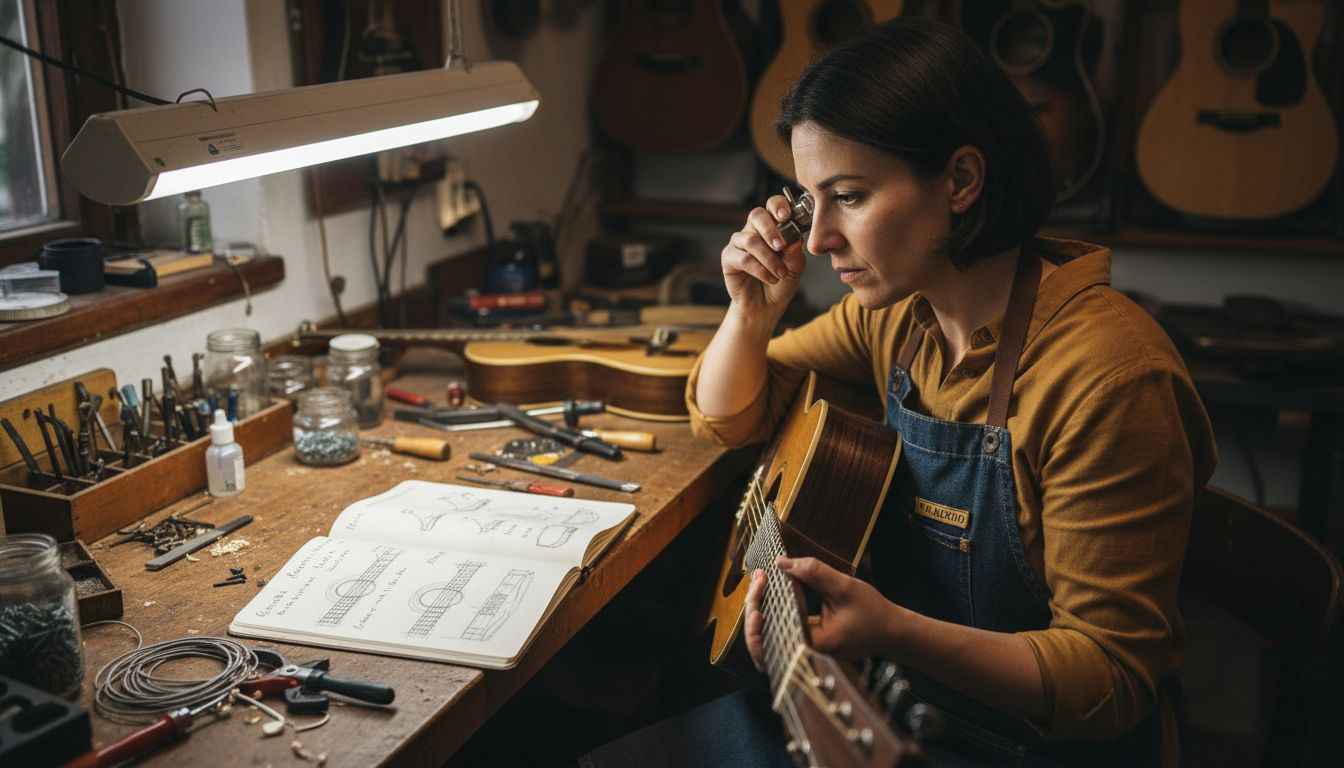
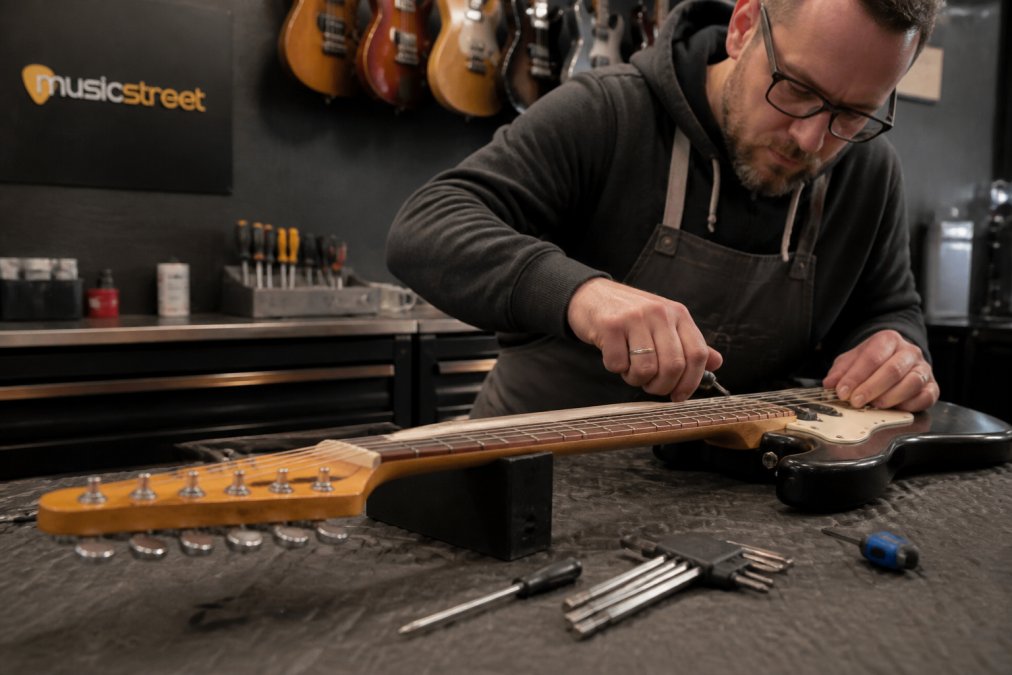
Professional inspection services are crucial for validating the originality and condition of rare instruments. Experienced collectors understand that comprehensive assessment involves multiple critical elements that reveal an instrument’s authentic heritage.
Your detailed inspection should focus on:
- Examining structural integrity
- Checking original finish quality
- Evaluating hardware authenticity
- Assessing structural wear and restoration
- Verifying serial number legitimacy
- Investigating original component preservation
The nuanced art of guitar inspection requires keen observation and specialist knowledge. Subtle details like wood grain, original hardware, manufacturing marks, and component consistency can distinguish a genuine collector’s piece from a mere replica.
A truly exceptional rare guitar tells a story through its imperfections, wear patterns, and historical markers.
Consider engaging expert appraisers or specialised vintage guitar authentication services to ensure a comprehensive and professional evaluation. These professionals can provide detailed insights that might escape an untrained eye.
Expert tip: Utilise high-resolution photography and detailed documentation during your inspection to create a permanent record of the guitar’s condition and unique characteristics.
Step 4: Evaluate playability and sound
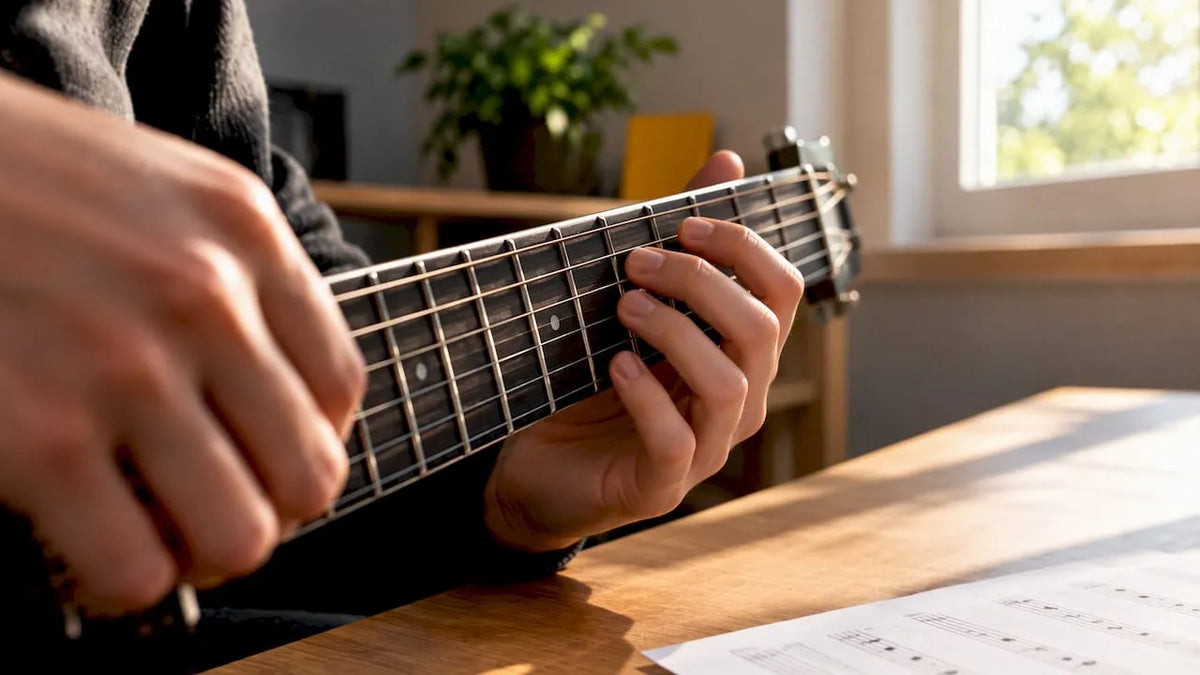
Beyond visual aesthetics, a rare guitar’s true worth emerges through its playability and tonal characteristics. Understanding vintage guitar performance nuances requires a discerning ear and tactile expertise.
Professional musicians and collectors know that superior craftsmanship translates directly into exceptional sound and playing experience. Your evaluation should encompass multiple sensory and technical assessments:
- Checking neck alignment
- Assessing string action and intonation
- Evaluating neck profile and comfort
- Testing acoustic resonance
- Measuring electronic component responsiveness
- Analysing sustain and harmonic complexity
Vintage guitars often possess unique sound characteristics that modern instruments cannot replicate. Professional setups might be necessary to optimise performance while preserving the instrument’s original integrity. Each adjustment requires a delicate balance between enhancing playability and maintaining historical authenticity.
The soul of a rare guitar lives in its sound, not just its appearance.
Consider playing the instrument through multiple amplification setups and acoustic environments to fully understand its tonal versatility and inherent musical personality.
Expert tip: Record multiple sound samples during your evaluation to create a comprehensive sonic profile of the instrument.
Step 5: Verify investment value
Transforming a rare guitar from a mere musical instrument into a strategic financial asset requires meticulous research and professional insight. Understanding vintage guitar investment potential demands a comprehensive approach beyond aesthetic appreciation.
Investment verification encompasses multiple critical assessment dimensions:
- Tracking historical market trends
- Analysing current collector demand
- Evaluating production scarcity
- Assessing potential appreciation rates
- Documenting provenance and authenticity
- Comparing comparable sales records
Key investment-grade guitars typically emerge from limited production runs with significant historical significance. Legendary models like the '59 Gibson Les Paul, specific Fender Stratocaster variants, and rare Martin acoustic guitars represent pinnacles of collectible investment potential. Each instrument requires thorough documentation and expert valuation to substantiate its financial merit.
Investment value transcends monetary worth – it represents a tangible connection to musical heritage.
Professional appraisers and auction specialists can provide nuanced insights into an instrument’s potential long-term value, helping you make informed acquisition decisions that balance musical passion with financial strategy.
Expert tip: Maintain comprehensive digital and physical documentation of your guitar’s condition, provenance, and market analysis to support future valuation efforts.
Choose Your Perfect Rare Guitar with Confidence at MusicStreet
Selecting a rare guitar involves careful goals definition, authentic research, and expert evaluation as outlined in the article “How to Select Rare Guitars for Collectors and Musicians”. Whether your priority is securing an investment-grade instrument, enhancing playability, or preserving historical provenance, the challenge lies in finding a trusted source offering verified quality and personalised support. At MusicStreet, we understand the emotional and financial significance behind choosing a rare guitar. Our dedicated team provides professional inspections, expert setups, and a curated selection of premium new and pre-owned guitars from iconic brands to help you meet your specific goals.

Explore our exclusive collection and benefit from competitive pricing, insurance-supported warranties, free UK delivery, and ongoing post-sale care. Take the next step towards building or expanding your rare guitar collection with confidence by visiting MusicStreet. Discover detailed guides and browse the latest featured guitars all in one place. Start your journey to owning a masterpiece today.
Frequently Asked Questions
How do I define my goals for collecting rare guitars?
To define your goals for collecting rare guitars, identify what you aim to achieve, such as skill development, investment potential, or personal enjoyment. Write down specific objectives to keep your collecting efforts focused and purposeful.
What should I research about rare guitar brands before purchasing?
Before purchasing, research the historical background, manufacturing dates, and documented ownership of rare guitar brands. Focus on verification of specifications and authenticity to enhance your understanding and ensure a valuable acquisition.
How can I evaluate the condition of a rare guitar?
To evaluate the condition of a rare guitar, inspect its structural integrity, original finish, and hardware authenticity. Conduct thorough examinations and consider hiring a professional for a detailed assessment to ensure you understand its true collectible value.
What factors should I consider when assessing the playability and sound of a rare guitar?
When assessing playability and sound, check the neck alignment, action, and acoustic resonance. Test the guitar in different playing conditions to fully experience its tonal qualities and ensure it meets your performance standards.
How do I verify the investment value of a rare guitar?
To verify the investment value, track historical market trends and analyze current collector demand. Document all provenance and compare recent sales records to gauge potential appreciation rates and make informed decisions about your purchase.






Share:
Studio Recording Equipment Essentials: What You Need to Get Started
Complete Guitar Maintenance Guide: Keep Your Instrument in Perfect Condition