


Struggling to keep your guitar sounding bright and playing smoothly is a common challenge for many hobbyists across Huntingdon. Routine upkeep is the backbone of reliable performance, yet myths around complexity often deter players from caring for their instruments. This guide demystifies guitar setup fundamentals and offers practical maintenance tips, helping you extend your guitar’s life and enjoy personalised advice from trusted local retailers.
Table of Contents
- Guitar Maintenance Explained And Common Myths
- Types Of Routine Guitar Care Practices
- How Maintenance Affects Sound And Playability
- Risks Of Neglecting Guitar Upkeep
- Choosing Between Diy And Professional Support
Key Takeaways
| Point | Details |
|---|---|
| Regular Maintenance is Essential | All guitars, regardless of cost, need consistent upkeep to ensure optimal performance and longevity. |
| Myths Lead to Neglect | Misconceptions about guitar maintenance often discourage players from necessary care, risking sound quality and structural integrity. |
| DIY vs Professional Help | While basic maintenance tasks can be done at home, complex repairs should be handled by professionals to avoid damaging the instrument. |
| Environmental Factors Matter | Humidity and temperature fluctuations can significantly damage wooden instruments; monitoring these conditions is crucial. |
Guitar maintenance explained and common myths
Guitar maintenance is far more nuanced than most musicians realise. Many players mistakenly believe that maintenance is complicated or only necessary for professional instruments, but the truth is quite different. Guitar setup fundamentals reveal that even new guitars require careful attention to perform optimally.
Common myths about guitar maintenance persist, creating unnecessary confusion for players. Here are some prevalent misconceptions:
- Lower action always means better playability: Not true. Proper string height depends on playing style and technique
- Professional setup is only for expensive guitars: Every instrument benefits from regular maintenance
- Intonation is a one-time adjustment: Actually, guitars need periodic intonation checks
- Maintenance is too technical for average players: With basic knowledge, anyone can perform essential guitar care
Understanding these myths helps musicians approach instrument care more confidently. String action, neck relief, and overall setup are critical factors that directly impact sound and playability. Professional guitarists know that consistent maintenance prevents costly repairs and ensures the instrument sounds its best.
Manufacturing inconsistencies mean that even brand-new guitars might require adjustment. Factors like humidity, temperature, and playing frequency can impact an instrument’s condition. Regular maintenance isn’t just about keeping the guitar looking good—it’s about preserving its structural integrity and musical performance.
Pro tip: Invest 15 minutes each month in basic guitar maintenance to prevent long-term damage and maintain optimal sound quality.
Types of routine guitar care practices
Maintaining a guitar requires a systematic approach that goes beyond occasional cleaning. Regular care involves several key practices that help preserve the instrument’s sound quality, playability, and overall condition. Cleaning guitar frets is just one aspect of comprehensive instrument maintenance.
The primary types of routine guitar care can be categorised into several essential practices:
- String maintenance: Regular cleaning and timely replacement
- Fretboard care: Cleaning, conditioning, and preventing moisture damage
- Hardware inspection: Checking and tightening loose components
- Body and finish protection: Preventing scratches and managing environmental impacts
- Setup and adjustment: Periodic neck relief, action, and intonation checks
String maintenance is perhaps the most frequent routine care practice. Guitarists should wipe down strings after each playing session to remove oils, dirt, and sweat that can cause corrosion. Cleaning cloths and string cleaners are essential tools for this process. Professional musicians typically replace strings every 2-3 months, depending on playing frequency and environmental conditions.
Fretboard care requires careful attention. Wooden fretboards need occasional conditioning to prevent cracking and maintain flexibility. Different wood types—such as rosewood, maple, or ebony—require specific cleaning and conditioning approaches. Humidity control is crucial, as extreme dry or damp conditions can cause significant damage to the instrument’s wooden components.
Pro tip: Invest in a comprehensive guitar maintenance kit that includes cleaning cloths, fretboard oil, and string cleaner to simplify your routine care practices.
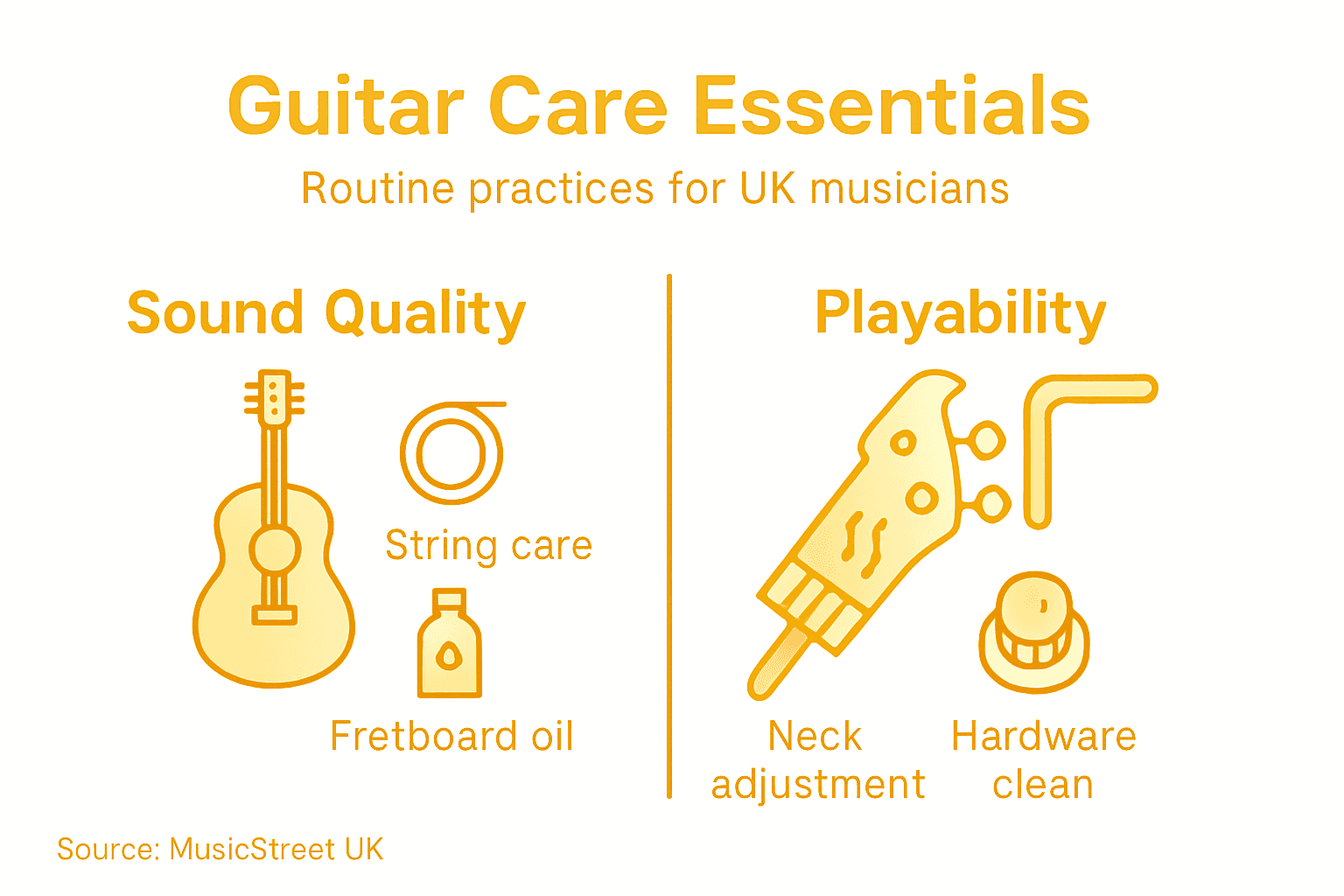
Here’s a summary of guitar care practices and their specific impact on performance:
| Routine Practice | Effect on Sound Quality | Benefit for Playability | Prevention of Structural Issues |
|---|---|---|---|
| String maintenance | Clearer tone, longer sustain | Smoother fretting and bending | Reduces risk of corrosion |
| Fretboard conditioning | Maintains note clarity | Prevents stiff action | Avoids cracking and dryness |
| Hardware inspection | Minimises unwanted vibrations | Ensures stable tuning | Prevents loose parts causing damage |
| Setup adjustments | Improves intonation accuracy | Customises action for comfort | Prevents neck and bridge stress |
How maintenance affects sound and playability
Every guitarist understands that an instrument’s performance goes far beyond its initial purchase. Guitar setup fundamentals directly impact the nuanced relationship between maintenance and musical expression. Sound quality and playability are intrinsically linked to how meticulously a musician cares for their instrument.
The key areas where maintenance influences guitar performance include:
- String condition: Impacts tone clarity and sustain
- Neck alignment: Determines playing comfort and intonation
- Fretboard health: Affects smooth string movement
- Electronic components: Ensures signal quality and responsiveness
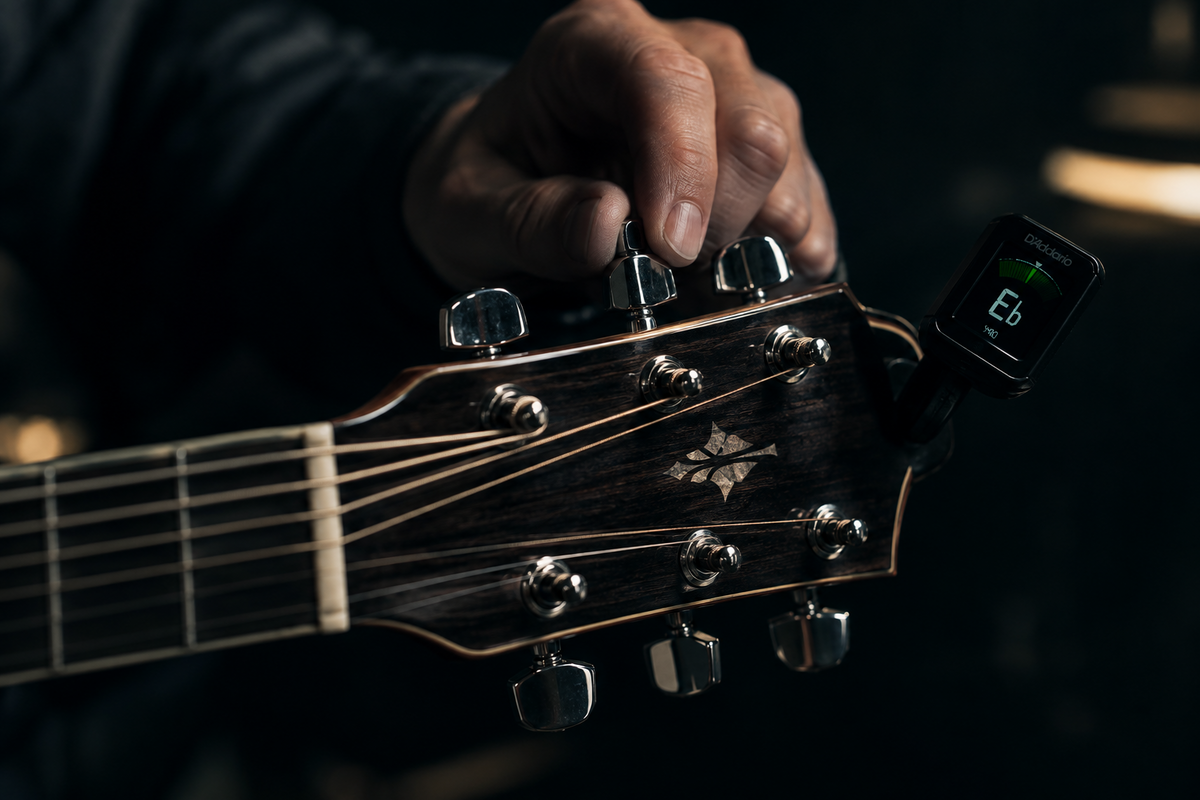
- Hardware functionality: Maintains tuning stability
Precise string height and neck relief are critical factors in preventing common playing issues. Improper maintenance can lead to frustrating problems like fret buzz, where strings contact frets unintentionally, creating an unpleasant metallic sound. Professional musicians understand that regular setups accommodate natural wood movement and environmental changes, ensuring consistent performance.
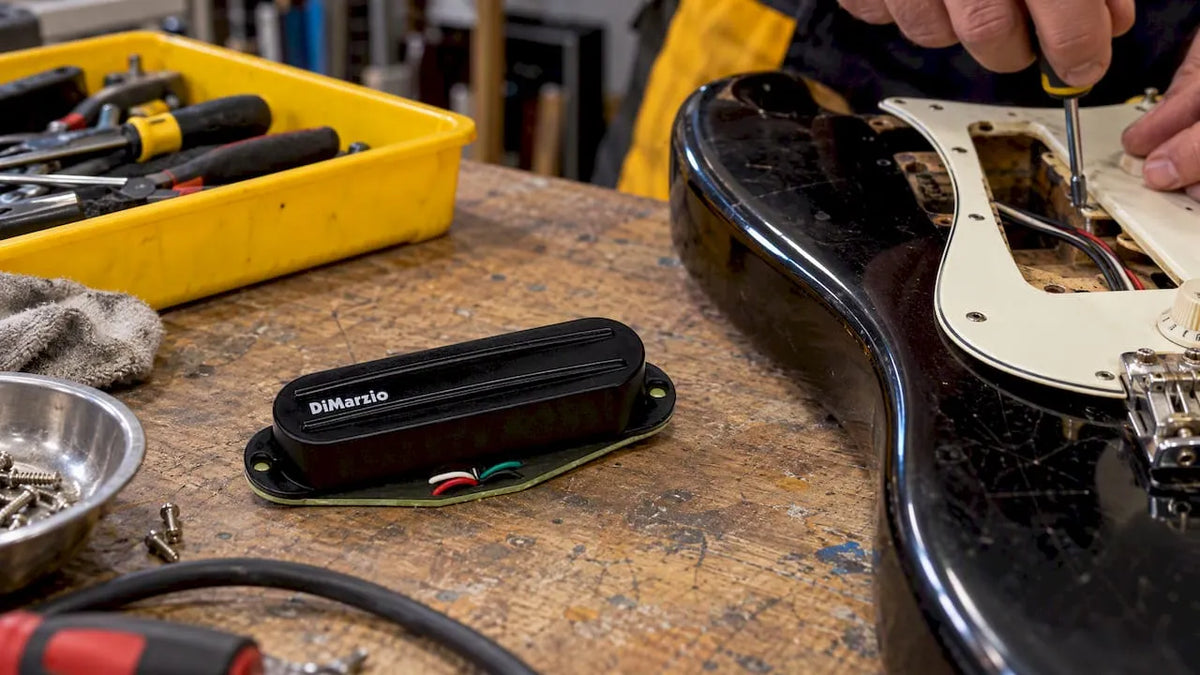
Electronic components and hardware require equally careful attention. Dust, oxidation, and corrosion can dramatically reduce a guitar’s sound quality and responsiveness. Clean potentiometers, well-maintained output jacks, and properly adjusted pickups contribute significantly to the instrument’s tonal characteristics. Humidity control is particularly crucial, as wood expansion and contraction can fundamentally alter an instrument’s playability.
Pro tip: Invest in a digital hygrometer to monitor your guitar’s environment and prevent wood warping caused by extreme humidity fluctuations.

Risks of neglecting guitar upkeep
Guitar maintenance is not merely a suggestion—it’s a critical necessity for preserving your instrument’s integrity and performance. Quick guitar maintenance tips highlight the potential consequences of neglect, which can transform a cherished instrument into a costly repair project.
The most significant risks of poor guitar maintenance include:
- Structural damage: Warping, cracking, and wood deterioration
- Tonal degradation: Loss of sound quality and harmonic richness
- Electronic failure: Corrosion and signal interruption in pickups and wiring
- Mechanical wear: Accelerated hardware deterioration
- Reduced resale value: Significant financial depreciation
Wood-based instruments are particularly vulnerable to environmental factors. Humidity fluctuations can cause severe structural issues like neck warping, fretboard separation, and body cracks. Unaddressed moisture problems can lead to irreversible damage that transforms a valuable instrument into an expensive restoration project. Professional musicians understand that consistent care is far less costly than major repairs.
Electronic components suffer equally from neglect. Dust accumulation, oxidation, and moisture can compromise pickup performance and signal integrity. Potentiometers become scratchy, output jacks lose connectivity, and delicate electronic circuits degrade. These issues not only affect sound quality but can also lead to complete electronic failure, requiring expensive component replacement or professional restoration.
Pro tip: Store your guitar in a climate-controlled environment and invest in a hard case with humidity control to prevent environmental damage.
Choosing between DIY and professional support
Guitar repair fundamentals reveal that musicians face a crucial decision when maintaining their instruments: whether to tackle repairs independently or seek professional assistance. This choice depends on multiple factors, including personal skill level, equipment complexity, and the instrument’s value.
Deciding between DIY and professional support requires careful consideration of several key aspects:
- Skill level: Assess your technical expertise and comfort with instrument maintenance
- Complexity of repair: Evaluate the specific maintenance task
- Tool availability: Consider the specialised equipment required
- Instrument value: Weigh the potential risk of damage against repair costs
- Warranty considerations: Understand how DIY repairs might affect existing warranties
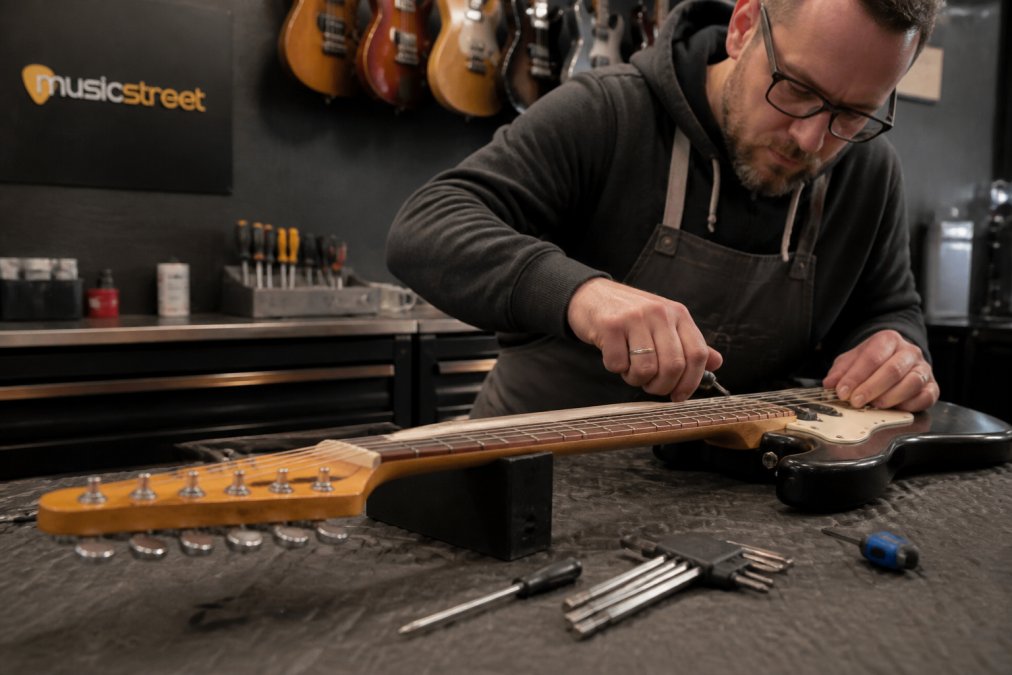
Basic maintenance tasks are typically suitable for DIY approaches. These include string changing, minor fretboard cleaning, and simple adjustments like truss rod tweaks. Beginners can confidently handle these procedures with proper research and basic tools. However, more complex interventions—such as significant electronic repairs, structural modifications, or precision setups—demand professional expertise.
Professional support becomes critical when dealing with high-end instruments or complex technical issues. Experienced technicians possess specialised knowledge, precision tools, and diagnostic skills that go beyond typical DIY capabilities. They can identify underlying problems that might escape an amateur’s notice, potentially preventing costly future damage. For vintage or expensive guitars, professional servicing is often the most prudent approach to preserve the instrument’s integrity and value.
Pro tip: Start with simple DIY maintenance tasks and gradually build your skills, but always know when to seek professional help for complex guitar repairs.
Explore the advantages and limitations of DIY vs professional guitar maintenance:
| Type of Maintenance | Advantages | Limitations | When to Consider |
|---|---|---|---|
| DIY Approach | Cost-effective, skill-building | Risk of error, tool gaps | Basic tasks, entry-level upkeep |
| Professional Support | Expert diagnosis, high precision | Higher cost, scheduling required | Vintage, complex repairs |
Keep Your Guitar Performing at Its Best with MusicStreet
Guitar maintenance is essential to preserve your instrument’s sound quality, playability and structural integrity. From string condition to neck relief and fretboard health, consistent care prevents issues like fret buzz and costly repairs mentioned in the article. At MusicStreet, we understand the challenges UK guitarists face and offer expertly set-up new and pre-loved guitars alongside professional support tailored to your needs.

Discover our range of guitars and maintenance accessories designed to simplify your routine care. Whether you want DIY string upkeep tips or prefer professional setups to keep your instrument in top form, start your journey at MusicStreet. Explore trusted advice, browse detailed product listings and enjoy free UK delivery on qualifying orders. Don’t wait until minor issues become major concerns – visit MusicStreet today and safeguard your guitar’s best sound and feel.
Frequently Asked Questions
How often should I perform maintenance on my guitar?
Regular maintenance should be done monthly, with basic care practices like string cleaning and hardware inspection. Comprehensive setups should be conducted at least twice a year.
What are the consequences of neglecting guitar maintenance?
Neglecting maintenance can lead to structural damage, tonal degradation, electronic failure, mechanical wear, and reduced resale value, ultimately affecting the instrument’s performance and lifespan.
Can I perform guitar maintenance myself?
Yes, basic maintenance tasks such as changing strings, cleaning the fretboard, and making simple adjustments can typically be done by yourself. However, complex repairs should be handled by professionals to avoid damaging the instrument.
Why is a professional setup important for guitars?
A professional setup is essential to ensure proper neck relief, accurate intonation, and action adjustments. These factors significantly affect sound quality and playability, making it crucial for both new and experienced players.







Share:
How to Pack a Guitar Safely for Travel or Gig
How to Select Best Guitar Cable for Optimal Sound