
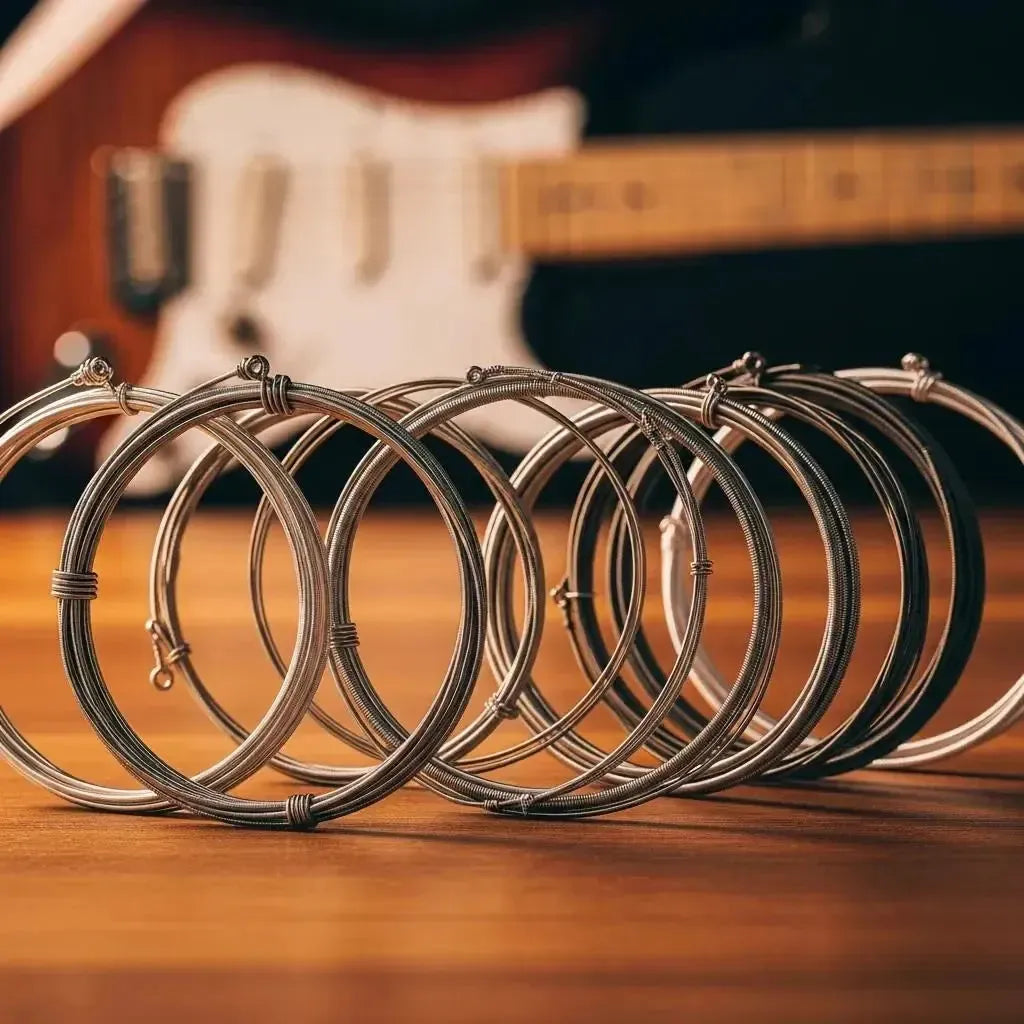
Best Electric Guitar Strings 2026: Your Ultimate Guide to Types, Materials, and Genre-Specific Choices

Choosing the right electric guitar strings is crucial for achieving the desired sound and playability. With a plethora of options available, understanding the different types and materials can significantly enhance your playing experience. This comprehensive guide will delve into the various electric guitar strings, their materials, and how they cater to different musical genres. Many guitarists struggle with finding the perfect strings that suit their style and instrument, which can affect their overall performance. This article aims to provide clarity on the types of electric guitar strings available, how to select the right gauge, and recommendations for specific music genres. We will also explore the top electric guitar strings to consider in 2026 and tips for maintaining them.
What Are the Different Types and Materials of Electric Guitar Strings?
Electric guitar strings come in various types and materials, each offering unique sound characteristics and playability. The most common materials used in electric guitar strings include nickel-plated steel, pure nickel, stainless steel, and coated options. Understanding these materials can help you choose the right strings for your playing style and preferences.
How Do Nickel, Stainless Steel, and Coated Strings Compare?
Nickel-plated steel electric guitar strings are popular for their bright tone with some warmth and smooth feel, making them ideal for a variety of genres. Pure nickel strings provide a warmer, vintage tone favored by blues and jazz players. Stainless steel strings offer a brighter tone and increased durability, making them suitable for aggressive playing styles and genres like rock and metal. Coated strings, on the other hand, are designed to resist corrosion and extend the lifespan of the strings while maintaining sound quality. Each type has its advantages, and the choice ultimately depends on the player's preferences and playing style.
What Are the Benefits of Coated Electric Guitar Strings?
Coated electric guitar strings provide several benefits that make them an attractive option for many players. One of the primary advantages is their longevity; the coating helps protect the strings from dirt, sweat, and moisture, which can lead to corrosion. This means that players can enjoy a consistent tone for a longer period without frequent replacements. Additionally, coated strings often retain their sound quality better than uncoated strings, providing a clearer and more vibrant tone over time. Many players also appreciate the smoother feel of coated strings, which can enhance playability and comfort during extended playing sessions.
The science behind string longevity and corrosion resistance, particularly for coated strings, has been a subject of detailed material analysis.
Steel Guitar String Corrosion & Coating Analysis
The corrosion state of steel guitar strings and their morphology were evaluated by means of electrochemical impedance spectroscopy (EIS) and scanning electron microscopy (SEM). The corrosion rate was evaluated using polarization resistance. Chemical composition of tin and nickel coatings were also analyzed.
Correlations between acoustic and electrochemical measurements for metallic corrosion on steel strings used in guitars, JL López, 2015
How to Choose the Right Electric Guitar String Gauge?

Selecting the appropriate string gauge is essential for achieving the desired playability and tone. String gauge refers to the thickness of the strings, which can significantly impact the guitar's sound and the player's comfort.
What Is String Gauge and How Does It Affect Playability?
String gauge is measured in thousandths of an inch, with lighter gauges being easier to play and bend, while heavier gauges provide a fuller sound and greater volume. Lighter strings are often preferred by beginners and players who favor bending and fast playing, as they require less finger strength. Conversely, heavier strings are favored by those who play in lower tunings or require more volume and sustain. Understanding the relationship between string gauge and playability is crucial for selecting the right strings for your guitar.
The intricate physics of string bending and other electric guitar techniques are crucial for understanding how string properties influence playability and sound.
Electric Guitar String Physics: Techniques, Sound & Design
Electric guitar playing is ubiquitous in practically all modern music genres. In the hands of an experienced player, electric guitars can sound as expressive and distinct as a human voice. Unlike other more quantised instruments where pitch is a discrete function, guitarists can incorporate micro-tonality and, as a result, vibrato and sting-bending are idiosyncratic hallmarks of a player. Similarly, a wide variety of techniques unique to the electric guitar have emerged. While the mechano-acoustics of stringed instruments and vibrating strings are well studied, there has been comparatively little work dedicated to the underlying physics of unique electric guitar techniques and strings, nor the mechanical factors influencing vibrato, string-bending, fretting force and whammy-bar dynamics. In this work, models for these processes are derived and the implications for guitar and string design discussed. The string-bending model is experimentally validated using a variety of strings
String theory-the physics of string-bending and other electric guitar techniques, DR Grimes, 2014
Which Gauges Are Best for Beginners and Professionals?
For beginners, a lighter gauge, such as .009-.042 or .009-.046, is often recommended as it allows for easier fretting and bending. This gauge provides a comfortable playing experience while still delivering a good tone. Professional players may opt for heavier gauges, such as .010-.046 or even .011-.052, depending on their playing style and genre. These gauges offer more volume and sustain, making them suitable for various musical applications. Ultimately, the choice of gauge should align with the player's skill level and musical preferences.
Which Electric Guitar Strings Are Best for Specific Music Genres?
Different music genres often call for specific types of electric guitar strings to achieve the desired sound and tone. Understanding these preferences can help players select the best strings for their style.
What Strings Suit Rock, Blues, Jazz, and Metal Styles?
For rock music, many players prefer nickel-plated steel or stainless steel strings for their bright tone and durability. Blues guitarists often gravitate towards pure nickel strings, which provide a warmer sound that complements the genre's expressive playing style. Jazz musicians typically favor flatwound strings, which offer a smooth feel and a mellow tone, ideal for clean, articulate playing. Metal players often choose heavier gauge stainless steel strings for their bright sound and ability to withstand aggressive playing.
How Do String Choices Influence Tone and Performance?
The choice of strings can significantly influence a guitarist's tone and overall performance. For instance, using lighter gauge strings can enhance playability and facilitate easier bends, while heavier strings can provide a fuller sound and greater sustain. Additionally, the material of the strings affects the tonal quality; nickel-plated steel strings produce a balanced tone with warmth, pure nickel strings produce a warmer sound, while stainless steel strings offer a brighter tone. Understanding these nuances allows players to tailor their string choices to their specific musical needs and preferences.
What Are the Top Electric Guitar Strings to Buy in 2026?

As we look ahead to 2026, several brands stand out for their quality and value in electric guitar strings. These brands have consistently delivered products that meet the needs of both amateur and professional guitarists.
Which Brands Offer the Best Quality and Value?
Some of the top brands for electric guitar strings include Ernie Ball, D'Addario, and Elixir. Ernie Ball strings are known for their vibrant tone and playability, making them a favorite among rock and pop musicians. D'Addario offers a wide range of gauges and materials, catering to various playing styles and preferences. Elixir strings, with their unique coating technology, provide exceptional longevity and sound quality, making them a popular choice for players who prioritize durability.
How to Evaluate String Longevity and Tone Over Time?
When evaluating electric guitar strings, consider factors such as material, gauge, and coating. Coated strings tend to last longer than uncoated options, as they resist corrosion and dirt buildup. Additionally, players should pay attention to how the strings maintain their tone over time; high-quality strings should retain their brightness and clarity even after extended use. Regularly checking for signs of wear, such as discoloration or loss of tone, can help players determine when it's time to replace their strings.
How to Maintain and Extend the Life of Your Electric Guitar Strings?
Proper maintenance of electric guitar strings can significantly extend their lifespan and maintain optimal performance. Implementing effective cleaning and storage practices is essential for preserving string quality.
What Are Effective Cleaning and Storage Tips?
To keep your strings in top condition, regularly clean them after each playing session. Wiping down the strings with a soft cloth can remove sweat and dirt, preventing corrosion. Additionally, consider using string cleaners or lubricants designed to protect the strings and enhance their lifespan. When storing your guitar, keep it in a case or gig bag to protect it from environmental factors that can affect string quality, such as humidity and temperature fluctuations.
When and Why Should You Replace Your Strings?
Knowing when to replace your strings is crucial for maintaining optimal sound quality. Signs that it's time for a change include a dull tone, difficulty staying in tune, or visible wear and corrosion. Regularly changing your strings can help ensure that your guitar sounds its best and that you can perform at your highest level. Many players find that changing strings every few weeks or after a certain number of playing hours helps maintain their desired sound and playability.
| String Type | Material | Tone Quality | Durability |
|---|---|---|---|
| Nickel-plated Steel | Nickel-plated Steel | Balanced with warmth | Moderate |
| Pure Nickel | Pure Nickel | Warm | Moderate |
| Stainless Steel | Stainless Steel | Bright | High |
| Coated | Various | Consistent | High |
Electric guitar strings play a vital role in shaping a guitarist's sound and performance. By understanding the various types, materials, and gauges available, players can make informed choices that enhance their playing experience. Whether you're a beginner or a seasoned professional, selecting the right strings tailored to your musical genre and style is essential for achieving the best results.




Share:
The Essential Guitar Maintenance & Care Guide
Mastering Guitar Setups: A Comprehensive DIY & Pro Guide