


Best Electric Guitars for Beginners Under £500 — Honest Reviews & Buying Guide
Picking your first electric guitar can feel overwhelming with so many options under £500. This guide cuts through the noise: we highlight the best models for beginners, explain the must-have features, and walk you through choosing a starter kit, amp options and workshop services that help you get playing faster. With the right info you can find a guitar that sounds great, feels comfortable and won’t blow your budget.
Which Electric Guitars Are Best for Beginners Under £500 in the UK?
A handful of models consistently stand out for playability, tone and overall value. These guitars give new players a reliable, comfortable platform to learn on without costing a fortune — perfect for building technique and confidence.
Top Brands for Beginner Electric Guitars: Fender, Yamaha, and Epiphone
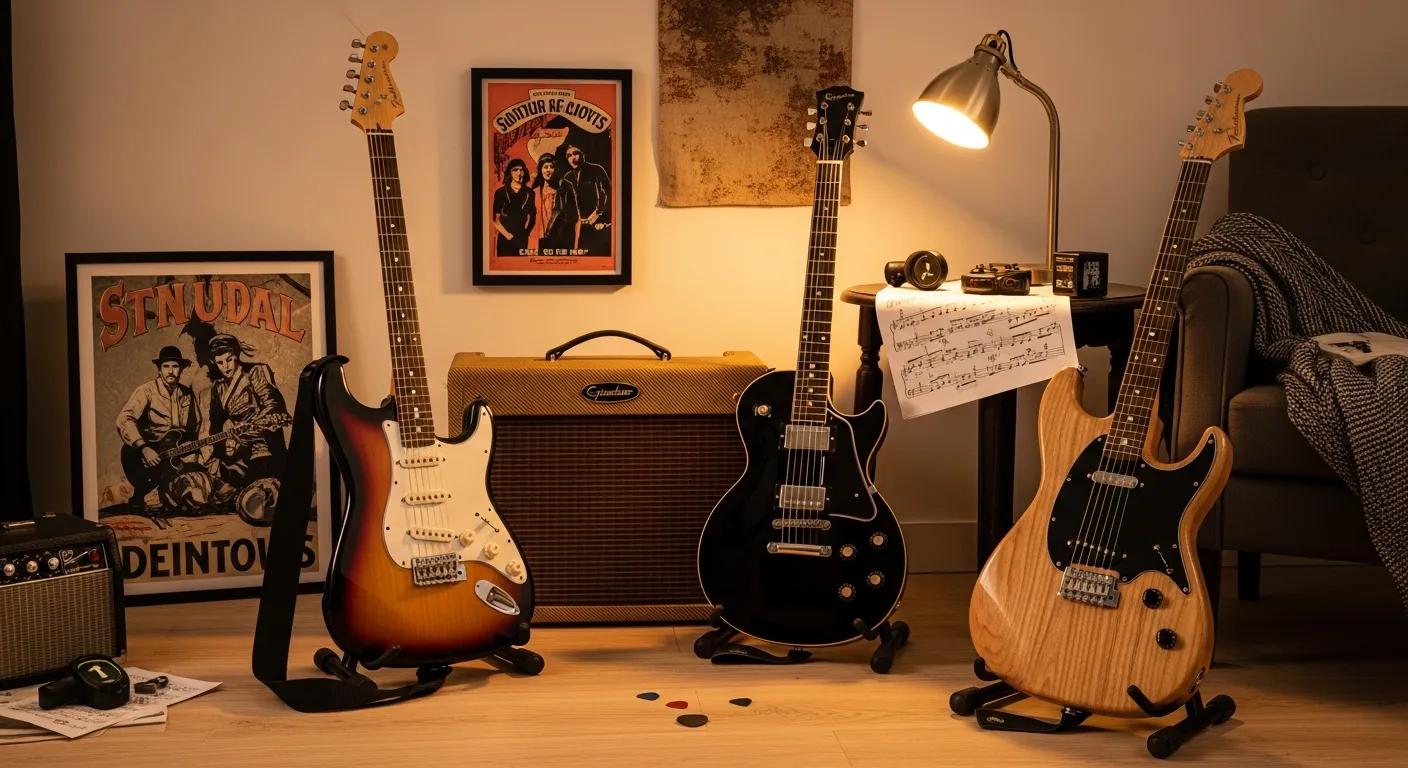
Fender, Yamaha and Epiphone are go-to names for beginner electrics thanks to their consistent quality and good value. For example, the Fender Squier Stratocaster (around £199) is celebrated for its versatility and comfortable feel, making it suitable across many styles. The Epiphone Les Paul Special II (about £229) delivers a classic, thicker rock tone with humbuckers — ideal if you want a fattier sound. The Yamaha Pacifica 112V (circa £269) is praised for solid build quality and a wide tonal range, making it a reliable all-rounder for beginners. or the new Yamaha Revstar
Key Features to Look for in Affordable Beginner Guitars
When you're choosing a budget electric, focus on features that affect playability and tone:
- Comfortable Neck Profile: A slim, well-shaped neck helps new players form chords and move up the fretboard without strain.
- Quality Pickups: Decent pickups make a big difference to the guitar’s tone and make it easier to get satisfying sounds at low volumes.
- Durable Build: Solid construction and reliable hardware mean fewer setup issues and less time spent fixing problems.
Choosing a guitar with these basics covered will make practising more enjoyable and help you progress more quickly.
How to Choose the Right Electric Guitar Starter Kit for Beginners?
A good starter kit removes guesswork and gets you playing straight away. Look for kits that include the essential accessories — they make practice easier and keep you focused on learning.
What Accessories Are Essential in a Starter Kit?

A solid starter kit should include these basics:
- Digital Tuner: Keeps your guitar in tune — essential for training your ear and sounding good from the start.
- Guitar Strap: Makes standing and moving around more comfortable, especially during longer practice sessions.
- Picks (Plectrums): Simple but vital — different picks let you explore strumming and picking styles.
- Gig Bag or Case: Protects your instrument when you’re carrying it to lessons or storing it at home.
These items make learning smoother and reduce the friction that can stop beginners from practising regularly.
What Are the Best Guitar Amplifiers Under £500 for New Players?
Your amp shapes a huge part of your tone, so pairing the right amp with your guitar matters. For beginners you want something easy to use that still sounds great at bedroom volumes.
Comparing Fender and Blackstar Amplifiers for Beginners
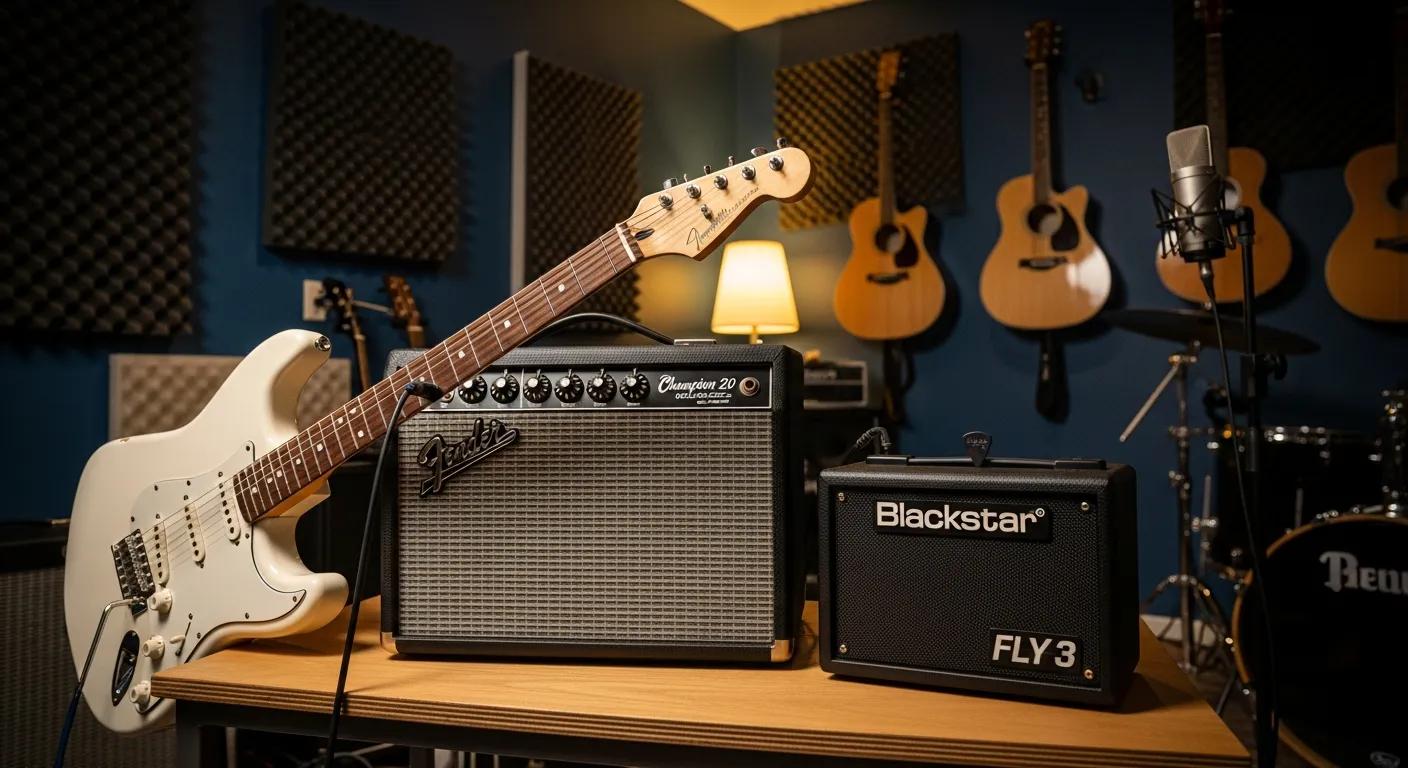
Fender and Blackstar both offer beginner-friendly amps. The Fender Champion 20 (around £139) is versatile, easy to dial in and includes a range of built-in effects. The Blackstar Fly 3 (about £99) is tiny, battery-powered and surprisingly punchy for practice and travel. Both are great depending on whether you want more controls or ultra-portability.
| Amplifier Model | Features | Price |
|---|---|---|
| Fender Champion 20 | 20W, built-in effects | £139 |
| Blackstar Fly 3 | 3W, portable, battery-powered | £99 |
| Vox Pathfinder 10 | 10W, classic tone | £119 |
That table highlights how amps suit different needs — from bedroom practice to small jam sessions. Pick the one that matches how and where you’ll play.
How Can Workshop Services Enhance Your Beginner Guitar Experience?
Workshop services are a smart investment for beginners. Even a basic professional setup can transform how a guitar plays and sounds, making practice more productive and enjoyable.
Benefits of Professional Guitar Setup and Maintenance
Getting a pro setup or regular maintenance gives you practical advantages:
- Improved Playability: A correctly adjusted action and setup make fretting, bending and chord changes easier, so you spend practice time learning, not fighting the instrument.
- Enhanced Sound Quality: Proper intonation and setup let the guitar’s tone speak clearly, which is more motivating when you’re learning.
- Tuning Stability: Regular checks and maintenance help the guitar hold tune longer, so you can rely on it during lessons and practice.
These benefits make workshop services well worth considering as part of your early guitar journey — they help you progress with less frustration and better results.
Frequently Asked Questions
What is the best way to maintain a beginner electric guitar?
Maintaining your beginner electric guitar is essential for longevity and performance. Regularly clean the strings and body with a soft cloth to remove dirt and oils. Change the strings every few weeks, depending on usage, to ensure optimal sound quality. Additionally, store your guitar in a case or gig bag to protect it from dust and temperature fluctuations. If you notice any issues with tuning or playability, consider taking it for a professional setup to keep it in top condition.
How long does it take to learn to play electric guitar as a beginner?
The time it takes to learn electric guitar varies widely among individuals. Generally, with consistent practice of 20 to 30 minutes a day, beginners can expect to play simple songs within a few months. Mastering more complex techniques and songs may take several months to a few years. The key is regular practice and setting achievable goals. Joining a class or finding a mentor can also accelerate your learning process and keep you motivated.
Are there online resources for learning electric guitar?
Yes, there are numerous online resources available for learning electric guitar. Websites like YouTube offer free tutorials covering everything from basic chords to advanced techniques. Additionally, platforms like Fender Play and Guitar Tricks provide structured lessons for a subscription fee. Many apps also offer interactive learning experiences, allowing you to practice along with backing tracks. These resources can complement your practice and help you learn at your own pace.
What should I look for when buying a used electric guitar?
When buying a used electric guitar, inspect it thoroughly for any signs of damage, such as cracks, warping, or excessive wear on the frets. Check the electronics by plugging it in to ensure all pickups and controls function properly. It's also wise to play the guitar to assess its playability and comfort. If possible, ask for the guitar's history, including any repairs or modifications. A reputable seller will provide this information and allow you to test the instrument before purchase.
Can I play electric guitar without an amplifier?
Yes, you can play electric guitar without an amplifier, but the sound will be significantly quieter and less dynamic. Many beginner guitars come with built-in pickups that can be connected to headphones or a small practice amp for a better experience. Alternatively, you can use a multi-effects pedal or a digital audio interface connected to a computer or mobile device to simulate amp sounds. This allows for practice without disturbing others while still enjoying a full range of tones.
What are the common mistakes beginners make when learning electric guitar?
Common mistakes among beginners include poor posture, which can lead to discomfort and hinder progress. Many also rush through learning basic techniques, skipping essential skills like finger placement and strumming patterns. Additionally, neglecting to tune the guitar regularly can result in frustration. It's important to set realistic goals and focus on consistent practice rather than trying to learn too quickly. Seeking feedback from experienced players can also help avoid these pitfalls and improve your playing.




Share:
What Is a Multi Effects Pedal? 70% Faster Setup & Versatility
What Is Slide Guitar? 3 Key Tips for UK Players 2026