


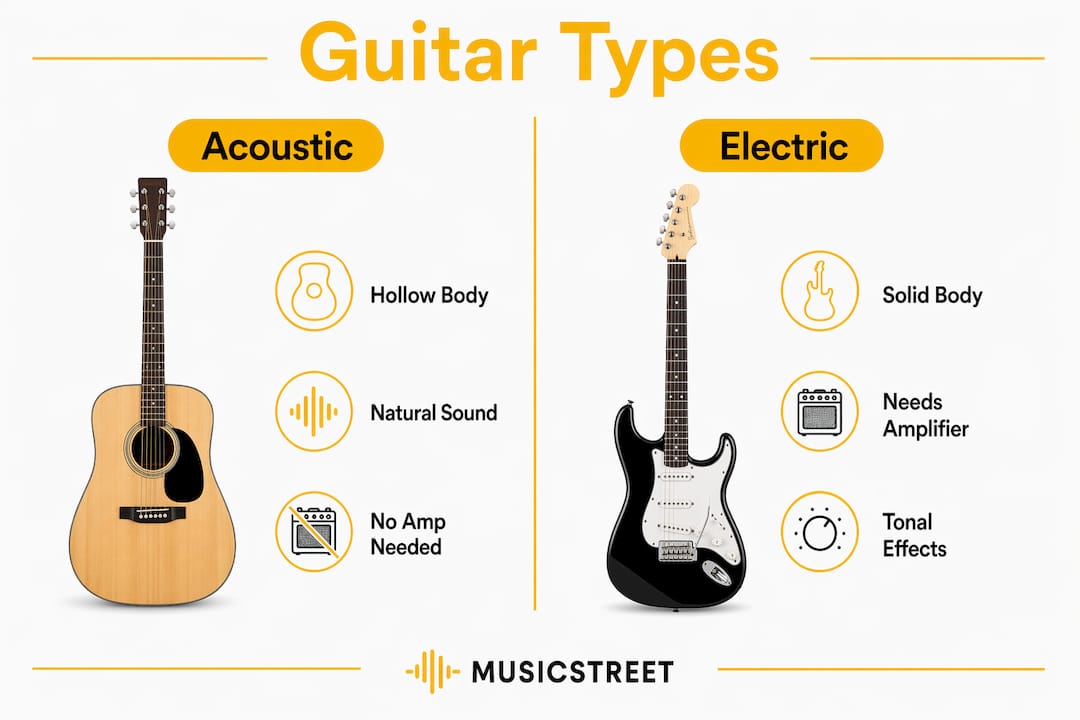
Acoustic guitars produce sound through their hollow wooden bodies, while electric guitars rely on pickups and amplification. The choice depends on musical style, environment, and budget, as acoustics offer natural tone without extra equipment, and electrics provide versatile sounds with effects. Beginners should consider finger strength and setup costs, with both types transferring core playing skills effectively.
An acoustic guitar produces sound naturally through its hollow wooden body, while an electric guitar relies on magnetic pickups and external amplification to create its tone. This single difference shapes everything: how the instrument feels to play, what genres it suits, and how much equipment you need to get started. Whether you are drawn to the warmth of a Martin dreadnought or the cutting tone of a Fender Stratocaster, the acoustic v guitar debate comes down to your musical goals, your budget, and your playing environment. This guide gives you the facts to choose confidently.
How do acoustic and electric guitars produce sound differently?
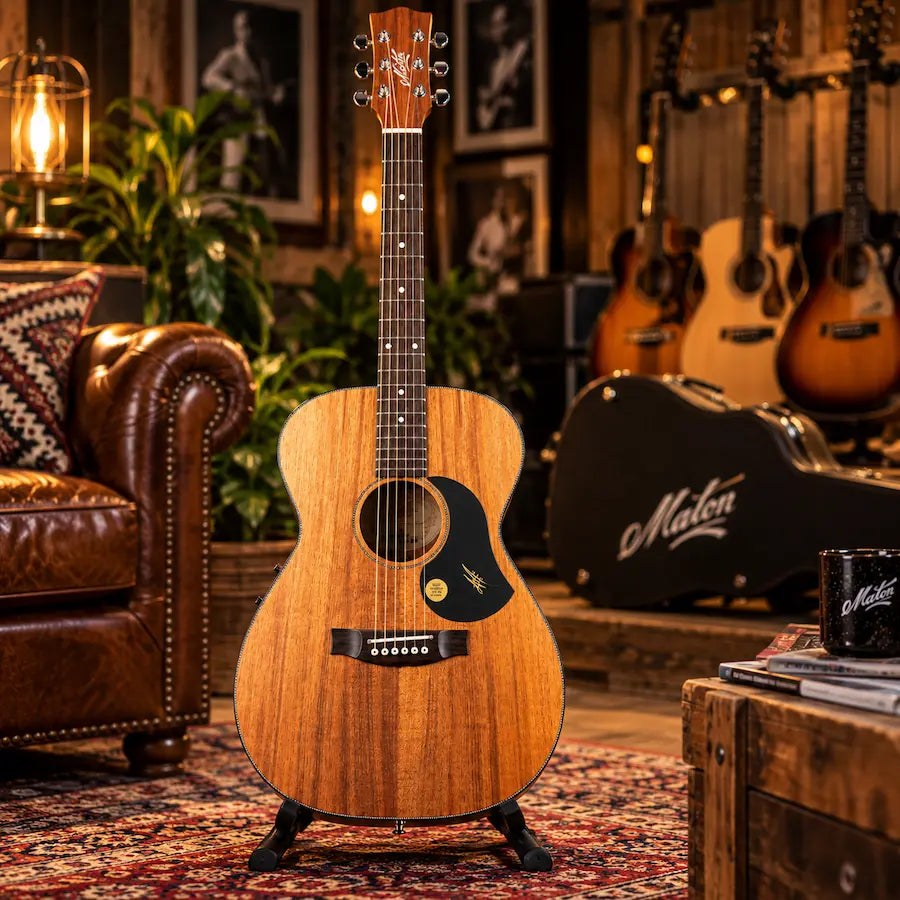
Acoustic guitars project sound directly from a hollow wooden body, while electric guitars use pickups and amplification to create sound. String vibrations travel through the bridge into the soundboard, which acts as a speaker, resonating the entire hollow body to project tone into the room. No cables, no amplifier, no power source required.
The role of body size and wood in acoustic tone
Body size and construction strongly influence an acoustic guitar’s tonal character, with larger bodies producing deeper bass. A dreadnought body, as found on many Martin and Taylor guitars, delivers a full, booming low end suited to strumming. A smaller parlour body produces a brighter, more focused sound that suits fingerpicking. The wood species matters too: spruce tops produce clarity and projection, while cedar tops offer warmth and responsiveness at lower playing volumes.
Electric guitars work on an entirely different principle. Magnetic pickups convert string vibrations into electrical signals, which an amplifier then shapes and projects. This means the body of an electric guitar contributes far less to the final tone than the pickup type, amplifier settings, and effects chain. A guitarist using a Gibson Les Paul through a Marshall amplifier can dial in sounds ranging from clean jazz to saturated rock distortion, all without touching the instrument’s physical construction.
- Acoustic tone is shaped by body size, wood type, and internal bracing
- Electric tone is shaped by pickup type, amplifier character, and effects pedals
- Acoustics deliver a fixed natural tone; electrics offer near-unlimited tonal variation
- Acoustic guitars require no additional equipment to produce sound
- Electric guitars need at minimum a cable and amplifier
Pro Tip: If you want to record acoustic guitar at home, a quality condenser microphone placed near the 12th fret captures the most balanced tone from the instrument’s body.
What are the playability differences between acoustic and electric guitars?
Steel-string acoustic guitars require higher finger pressure due to stiffer strings and a wider neck, making the initial playing period more physically demanding. This is the single most common reason beginners find acoustic guitars harder to start on. Fingertips need time to build calluses, and chord shapes that feel natural after a month can feel genuinely painful in the first two weeks.

Electric guitars feature lighter strings, lower action, and narrower necks. Action refers to the distance between the strings and the fretboard. Lower action means less force is needed to press a string down cleanly, which reduces fatigue and makes chord transitions faster. For players with smaller hands or those returning to guitar after a break, this physical advantage is significant.
Setup requirements and practice environment
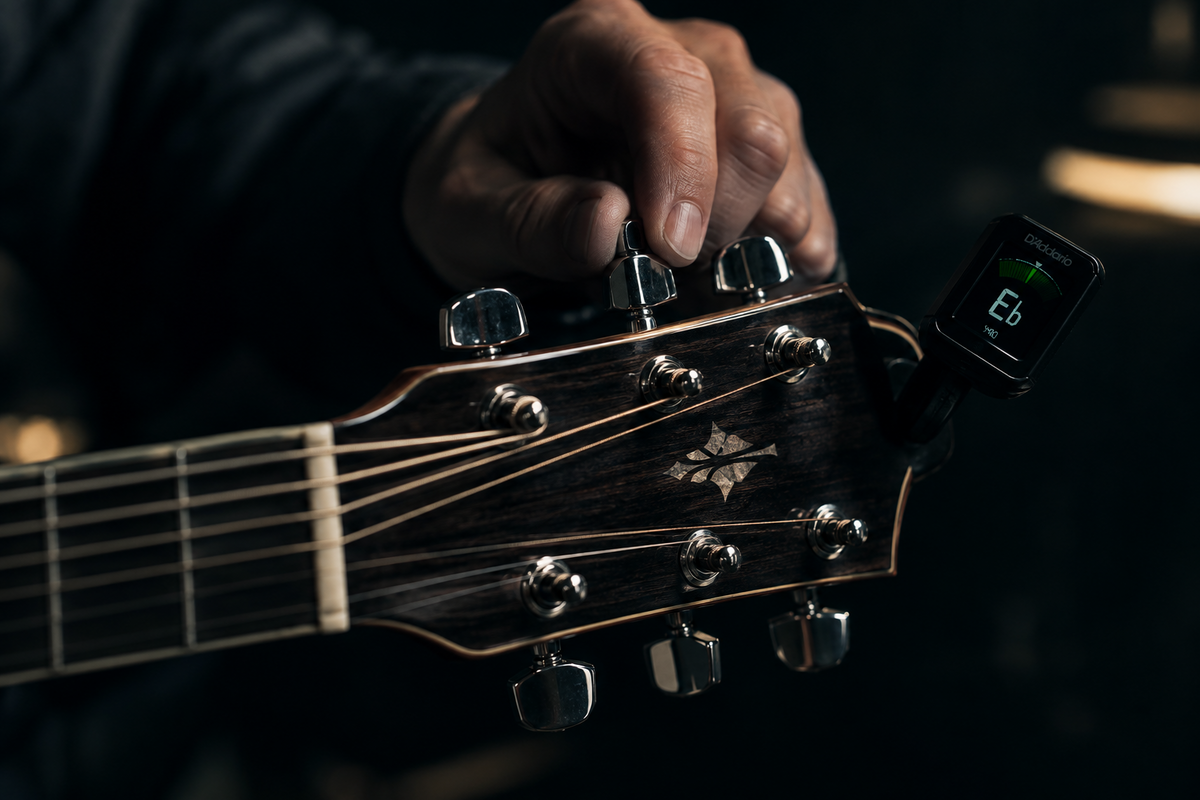
- Acoustic guitar setup: Guitar, tuner, and picks. That is the complete list for a beginner acoustic setup. No power source, no cables, no amplifier needed.
- Electric guitar setup: Guitar, cable, amplifier, and ideally a tuner. Entry-level amplifiers from brands like Fender and Blackstar start at reasonable prices, but the total cost and kit complexity is higher from day one.
- Practice noise: An acoustic guitar cannot be silenced easily. An electric guitar plugged into a headphone amplifier, such as a Fender Mustang Micro, produces no sound audible to anyone else in the room.
- Technique exposure: Amplification exposes every buzz and imperfection, requiring cleaner muting and fretting technique from electric players. This is a double-edged reality: it accelerates technical development but can feel discouraging early on.
- Skill transfer: Core playing mechanics transfer between acoustic and electric guitars. Chords, scales, and strumming patterns learned on one instrument apply directly to the other.
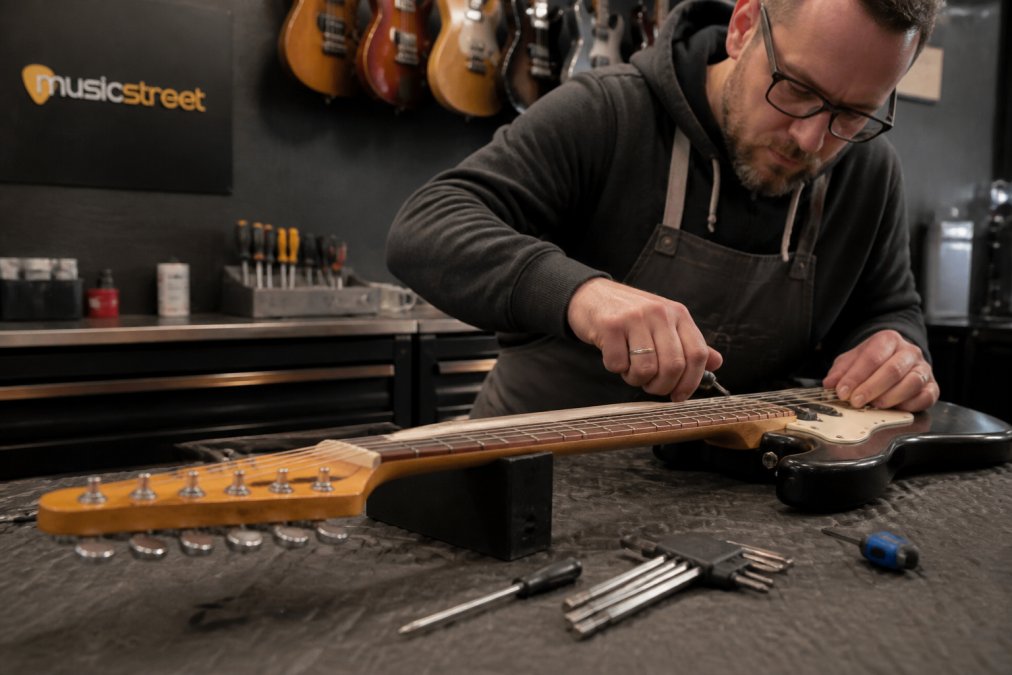
Pro Tip: If you are learning on an acoustic, ask your guitar shop to set it up with lighter gauge strings. A professional setup at Musicstreet can significantly reduce string tension without compromising tone, making the early weeks far more manageable.
Which guitar suits different musical styles better?
The genre you want to play is the clearest guide to which instrument belongs in your hands. Acoustic guitars suit folk, country, pop, blues, and singer-songwriter styles where natural tone and portability matter. Electric guitars fit rock, metal, jazz, indie, and funk, where tonal shaping, sustain, and effects are central to the sound.
Acoustic guitar advantages by genre
Acoustic guitars carry a natural authority in stripped-back settings. A singer-songwriter performing with a Taylor 214ce or a Martin 000-15M needs no amplifier, no pedal board, and no sound engineer to deliver a compelling performance. The instrument is self-contained. For campfire sessions, busking, or home practice, this portability is a genuine advantage that electric guitars simply cannot match without additional equipment.
Electric guitar advantages in studio and live settings
Electric guitars offer tonal flexibility that acoustics cannot replicate. A guitarist using a PRS Custom 24 can switch between a clean, glassy tone for jazz and a high-gain crunch for rock within seconds, using the guitar’s pickup selector and an amplifier’s channel switch. Effects pedals from brands like Boss and Strymon extend this further, adding reverb, delay, chorus, and distortion without altering the instrument itself.
| Factor | Acoustic guitar | Electric guitar |
|---|---|---|
| Best genres | Folk, country, pop, fingerstyle | Rock, metal, jazz, blues, indie |
| Portability | High, no extra equipment needed | Lower, requires amp and cables |
| Tonal flexibility | Fixed natural tone | Near-unlimited with effects |
| Practice noise | Audible to others | Can be silenced with headphone amp |
| Recording | Sounds best under a quality microphone | Recorded direct or via amp microphone |
Acoustic-electric hybrids as a middle option
Acoustic-electric guitars, such as the Yamaha A-Series or the Taylor 214ce, include built-in piezo pickups that allow the instrument to be plugged into a PA system or amplifier. Blending piezo pickups with microphones yields a more natural amplified sound than either method alone. The pickup captures attack and clarity; the microphone captures body and resonance. For players who want acoustic tone with the option to perform live, this is the most practical solution. Musicstreet’s guide on acoustic-electric vs acoustic covers this comparison in further detail.
Cost, setup, and maintenance: acoustic vs electric
Acoustic guitars carry a lower entry cost when the full setup is considered. A solid beginner acoustic from brands like Yamaha or Fender costs less in total than an equivalent electric guitar setup once an amplifier and cables are included. Typical acoustic setups range from $150–$300, while electric setups with an amplifier cost between $250–$450. That gap matters on a tight budget.
Maintenance requirements differ between the two types as well:
- Acoustic guitar maintenance: Focus on humidity control. Acoustic guitars are vulnerable to cracking and warping in dry conditions. A soundhole humidifier from brands like D’Addario costs very little and protects a significant investment. String changes and occasional neck adjustments complete the routine.
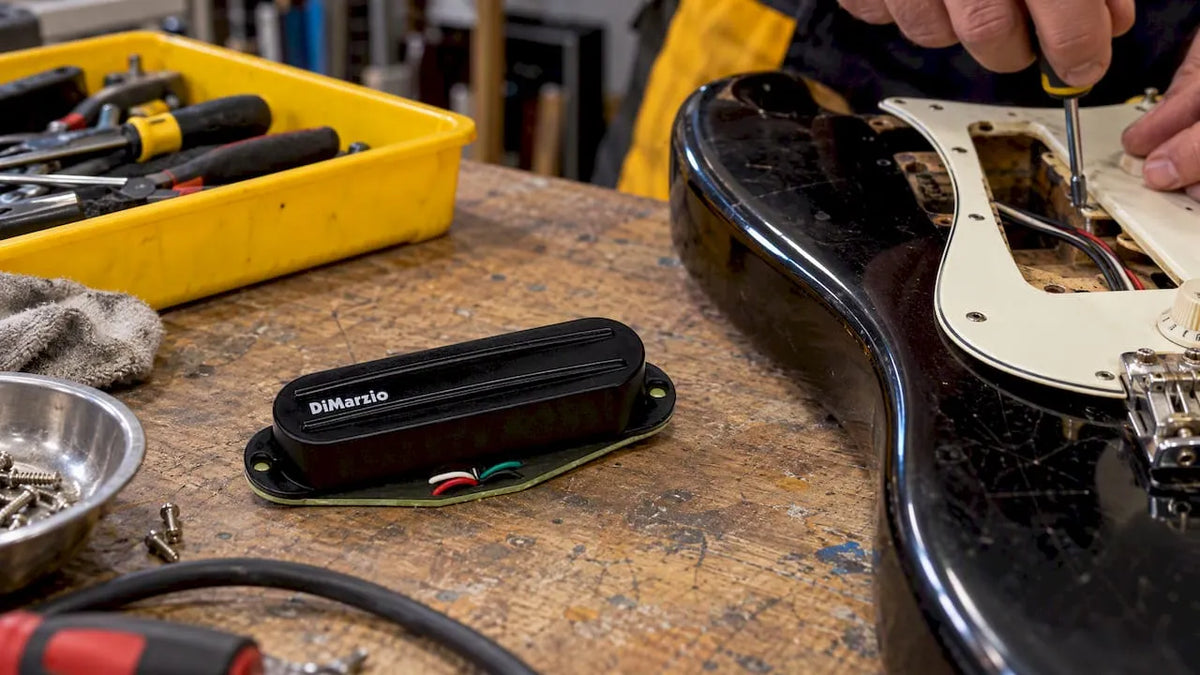
- Electric guitar maintenance: Includes the guitar itself plus the amplifier and cables. Cables degrade and develop faults. Amplifier valves wear out over time on valve-based models. Potentiometers, the knobs controlling volume and tone, can develop crackle and need cleaning or replacing.
- Long-term cost: Electric guitarists who pursue effects pedals face an ongoing financial commitment. A pedalboard with quality units from Boss, Electro-Harmonix, or TC Electronic can cost as much as the guitar itself.
- Portability costs: Transporting an electric guitar rig to rehearsals or gigs requires a guitar case, an amplifier, a pedalboard, and cables. An acoustic guitarist carries one case.
Boutique acoustic guitars sound better under microphones due to superior construction, wood selection, and voicing. This means investing in a quality acoustic pays dividends in recording situations that a budget instrument simply cannot match, regardless of microphone quality.
Key takeaways
The most important factor in choosing between acoustic and electric guitar is matching the instrument’s sound production method to your musical goals, playing environment, and budget.
| Point | Details |
|---|---|
| Sound production differs fundamentally | Acoustics use hollow body resonance; electrics use pickups and amplifiers to shape tone. |
| Acoustics demand more physical effort | Higher string tension and wider necks make acoustic guitars harder on fingers early on. |
| Genre should guide your choice | Acoustic suits folk and singer-songwriter styles; electric suits rock, metal, and jazz. |
| Acoustic setups cost less overall | A complete acoustic setup costs less than an electric setup with amplifier and cables. |
| Skills transfer between both types | Core mechanics like chords and strumming apply equally to acoustic and electric guitars. |
What I have learned from years of watching players choose
The most common mistake I see is players choosing a guitar based on what their favourite artist plays rather than what suits their actual situation. Someone who lives in a flat, practises at 10pm, and wants to learn Ed Sheeran songs does not need a Gibson SG and a Marshall stack. They need a quality acoustic or an electric with a headphone amplifier.
The second mistake is assuming acoustic is always the harder starting point. That is true for finger strength, but electric guitars punish sloppy technique far more visibly. Amplification makes every muted string, every accidental buzz, and every imprecise chord audible in a way that an acoustic simply does not. Players who start on electric often develop cleaner habits faster, precisely because the instrument is less forgiving.
My genuine advice: try both before you buy. Musicstreet’s physical store in Huntingdon, Cambridgeshire, lets you pick up instruments from PRS, Gibson, Fender, and Martin and hear the difference yourself. No amount of reading replaces ten minutes with both guitars in your hands. If you cannot visit in person, read Musicstreet’s first-time buyer’s guide before committing to anything.
Focus on the music you want to make. The right guitar is the one that makes you want to pick it up every day.
— Music
Premium guitars and expert advice at Musicstreet
Musicstreet stocks a carefully selected range of acoustic and electric guitars from brands including PRS, Gibson, Fender, and Martin, covering everything from beginner-friendly instruments to professional-grade models.

Every guitar sold through Musicstreet is professionally inspected and set up before it reaches you. That means lower action, correct intonation, and a playing experience that reflects the instrument’s true potential from the first note. Whether you are after a premium acoustic or electric guitar, the team offers honest, knowledgeable advice with no pressure. Free UK delivery is available on qualifying orders, and the Huntingdon store welcomes players who want to try before they buy.
FAQ
Is acoustic guitar harder to learn than electric?
Acoustic guitars require more finger strength due to higher string tension and wider necks. Electric guitars are physically easier to play, but amplification exposes technical imperfections more clearly.
Do skills learned on acoustic transfer to electric guitar?
Yes. Core mechanics like chords and strumming transfer directly between acoustic and electric guitars. The main difference is how sound is produced and amplified, not how the instrument is played.
Which guitar is better for beginners on a tight budget?
An acoustic guitar is generally the more affordable starting point. A complete beginner acoustic setup costs less than an electric setup once an amplifier and cables are included.
Can I play rock music on an acoustic guitar?
Acoustic guitars can handle rock rhythms and riffs, but they cannot replicate the distorted, sustained tone of an electric guitar through an amplifier. For authentic rock sound, an electric guitar is the correct tool.
What is an acoustic-electric guitar?
An acoustic-electric guitar is an acoustic instrument fitted with a built-in pickup system, allowing it to be connected to an amplifier or PA system. It produces natural acoustic tone when unplugged and amplified tone when connected.






Share:
Acoustic electric vs acoustic guitar: key differences explained
Acoustic vs electric guitar: which should you buy?