


The main bass pickup families are single-coil (J-style), split-coil (P-style) and humbucker/double-coil, with piezo and optical pickups as non-magnetic alternatives. Choose a P-style for foundational low end and a forgiving mix presence, a J-style for clarity, snap and tonal versatility, and a humbucker for high-output punch and modern genres. The rest of this guide covers construction, tone, wiring and how to audition each type properly.
Table of Contents
-
Types of bass pickups: the main magnetic families at a glance
-
Single-coil and J-style bass pickups: clarity over compromise
-
Humbuckers and double-coil pickups: power, wiring and variants
-
Pickup positioning, configuration and how strings change everything
-
Pickups available at Musicstreet: matching Aguilar sets to your tone
What is a bass guitar pickup type and how does it work?
A pickup’s job is simple: turn string vibration into an electrical signal your amp can use. How it does that varies enormously, and that variance is exactly why two basses that look similar can sound worlds apart.
Magnetic pickups, by far the most common design, use a magnet (or magnets), pole pieces, and a bobbin wrapped in thousands of turns of thin copper wire. When a steel or nickel string vibrates within the magnetic field, it disturbs that field, and the coil converts the disturbance into a small alternating current through electromagnetic induction. More winds generally mean more output and a fatter low end, but push too far and you start losing top-end clarity, a trade-off that active preamps often exist to fix.
Piezo pickups work on a completely different principle. They sit under the saddle and generate a signal from physical pressure rather than magnetism, which gives them a more acoustic, percussive character. Optical pickups are rarer still, sensing light or shadow cast by the vibrating string rather than touching it electromagnetically at all.
Then there’s the active versus passive question, which sits on top of all of this:
-
Passive pickups send their raw signal straight to the amp, preserving natural dynamics but offering little onboard shaping.
-
Active pickups run through a battery-powered preamp before the signal leaves the bass, adding headroom and onboard EQ control.
-
Hybrid systems pair passive coils with a switchable active boost, giving players both options in one instrument.
This distinction matters more than most players realise before they’ve A/B tested it properly, and it’s worth understanding before you get into specific pickup families.
Types of bass pickups: the main magnetic families at a glance
Before getting into the detail, it helps to see how the main magnetic pickup styles stack up against each other. The three primary types you’ll encounter are single-coils, split-coils and humbuckers, and each has a genuinely distinct sonic signature rather than a marginal variation on the same theme.
-
Single-coil: narrow, bright, articulate; standard on Jazz-style basses; prone to some 60-cycle hum.
-
Split-coil (P-style): two offset half-coils wired to cancel hum; warmer, thicker, mix-friendly.
-
Humbucker/double-coil: two full coils working together; higher output, punchy midrange, quiet by design.
-
Rail pickups: a bar-style pole piece instead of individual magnets, giving even response regardless of string spacing.
-
Soapbar/bar pickups: a rectangular housing that can conceal almost any coil configuration inside it, from single coils to full humbuckers.
Pro Tip: Don’t judge a pickup family by name alone. A “humbucker” wired in parallel can sound almost as snappy as a single-coil, while one wired in series delivers a completely different, fatter midrange. The label tells you the shape, not necessarily the tone.
Split-coil P-style pickups remain the most widely fitted single pickup on production basses worldwide, largely because they solved the hum problem that plagued early single-coil designs without sacrificing much low-end weight. That single design decision, made decades ago, still shapes what “P-bass tone” means to most working musicians today.
Single-coil and J-style bass pickups: clarity over compromise
Single-coil pickups, most associated with the Jazz bass, use a single row of magnetic pole pieces under each string, one coil per pickup. That narrow, focused magnetic window is exactly why they emphasise top-end detail and string-to-string definition so well; there’s less magnetic “smear” across adjacent strings than you get with wider designs.
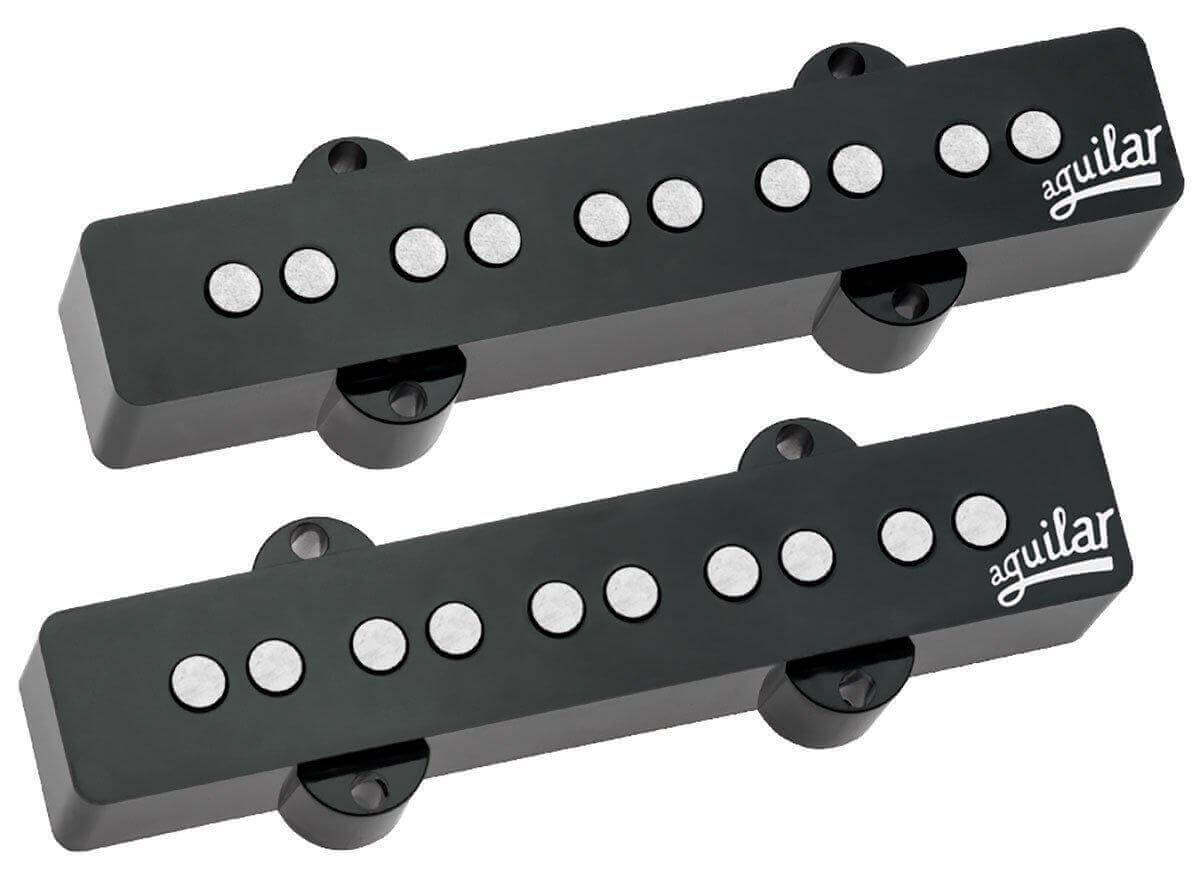
Most J-style basses carry two single-coils, one near the bridge and one nearer the neck. The bridge pickup on its own gives a tight, aggressive growl, while the neck pickup alone sounds rounder and warmer. Blend both together and you get the classic “Jazz bass scoop,” a slightly hollowed midrange that cuts through a mix without ever sounding harsh.
Session players and anyone doing melodic, fingerstyle or slap work in funk, jazz fusion, or modern pop tend to reach for single-coils first, precisely because that top-end clarity translates so well to articulate playing. The trade-off is hum susceptibility. Two single-coils wired together in the classic J configuration cancel a good deal of that noise when both are on, but soloing one pickup alone can reintroduce it, particularly near dimmer switches or older amp transformers.
Split-coil (P-style) pickups: the session workhorse
The split-coil design behind the classic P-bass sound splits a single pickup into two offset halves, each covering two strings, wired out of phase with each other. That phase relationship is what cancels hum: any noise picked up equally by both halves gets rejected, while the actual string signal, which each half only partly shares, survives intact.
Tonally, this produces the warm lower mids and focused low end that has defined recorded bass tone since the 1950s. It’s less “hi-fi” than a J-style pickup and less aggressive than a humbucker, but that restraint is precisely why it works.
-
Sits comfortably under vocals and guitars without fighting for space.
-
Forgives imprecise technique better than brighter designs, useful for players still developing touch consistency.
-
Pairs naturally with flatwound strings for classic Motown-style thump.
-
Remains the default choice for reggae, classic rock, country and most singer-songwriter sessions.
If you only ever own one bass and need it to work in nearly any studio or stage situation without a second thought, a P-style pickup is still the safest bet on the market.
Humbuckers and double-coil pickups: power, wiring and variants
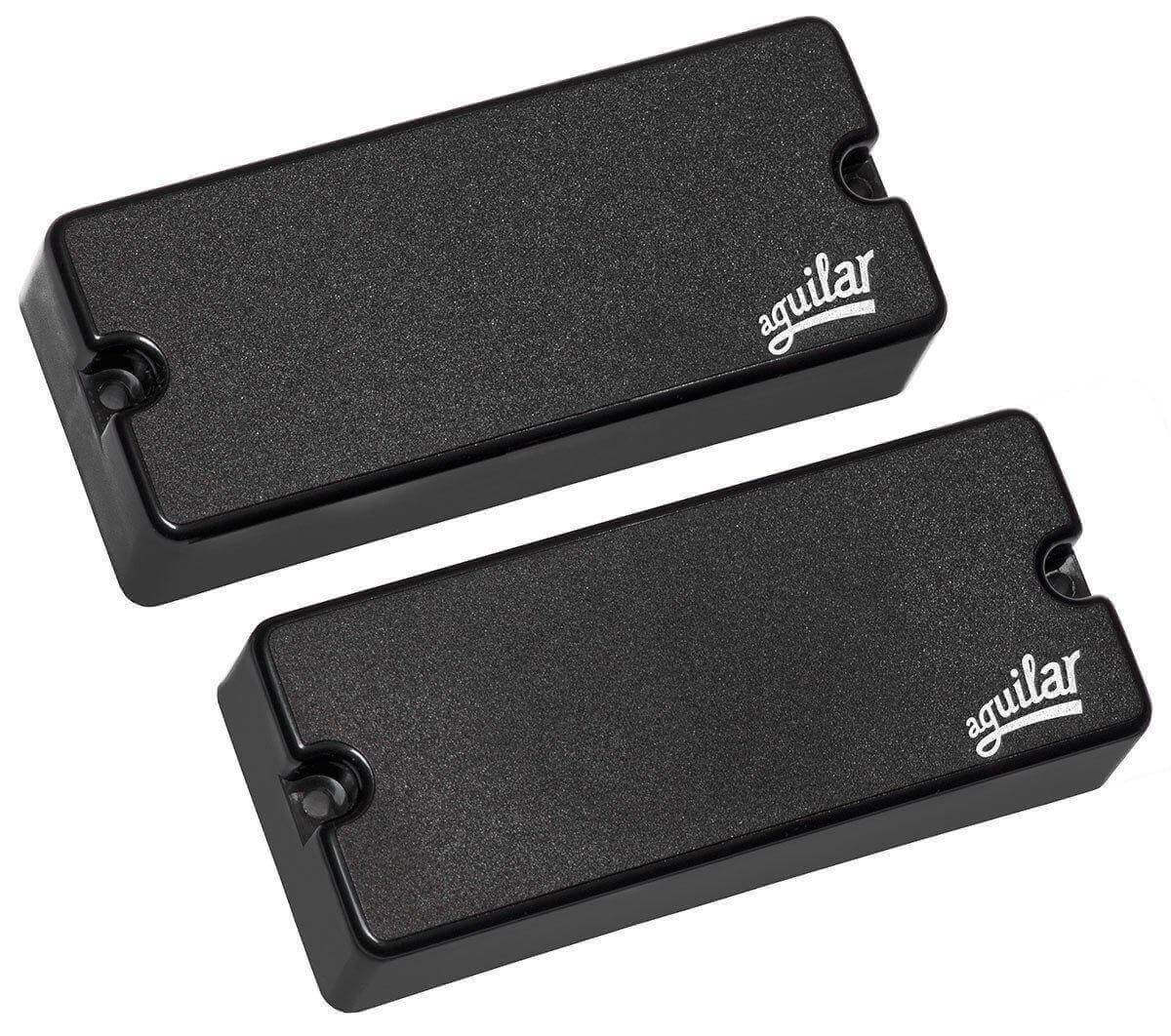
A humbucker uses two full coils rather than one, wired together to cancel hum the same way a split-coil does, but with each coil sensing all the strings rather than half of them each. That structural difference is why humbuckers generally run hotter than split-coils and push a firmer midrange punch.
What most players miss is that “humbucker” describes a shape, not a fixed tone. Wiring choices change the character dramatically, and this is where the design family really opens up:
-
Series wiring stacks both coils’ output together, giving maximum output and a fatter, more compressed midrange.
-
Parallel wiring runs the coils side by side electrically, producing a brighter, snappier tone closer to a single-coil.
-
Coil-splitting switches one coil off entirely, temporarily turning a humbucker into a single-coil on demand.
Variants solve specific mechanical problems. Rail pickups swap individual pole pieces for a continuous bar magnet, so string spacing changes (common on 5 and 6-string basses) don’t leave any string sitting outside the pickup’s sweet spot. Mini-humbuckers shrink the format for tighter routing cavities, and soapbar enclosures hide any of these coil arrangements under one uniform rectangular cover.
Pro Tip: If you play modern rock, metal or heavy slap styles, look specifically at series-wired humbuckers with ceramic magnets. That combination gives you the output headroom to stay articulate at high gain without the pickup itself distorting first.
Piezo and optical pickups: the non-magnetic alternatives
Piezo pickups don’t rely on magnetism at all. Mounted under the saddle, they sense physical pressure from the string’s vibration, which produces a response closer to an acoustic instrument than an electric one. That’s exactly why they’re often blended with a magnetic pickup rather than used alone: piezo signal can sound thin or brittle without a dedicated preamp to shape it.
Optical pickups sit at the opposite end of the rarity scale. They read the string’s shadow rather than touching its magnetic field, which means they’re inherently noiseless and offer an unusually extended frequency range and sustain, since there’s no magnetic pull dampening the string’s motion at all.
-
Piezo systems suit players blending acoustic and electric tones or building hybrid rigs.
-
Optical pickups fit silent-practice instruments and anyone chasing maximum sustain.
-
Both need more careful gain staging than a standard passive magnetic pickup.
Active versus passive bass pickups: which suits you?
Passive pickups send an unamplified signal straight from coil to output jack. Active systems insert a battery-powered preamp between the pickup and the jack, boosting the signal and usually adding onboard bass, mid and treble controls.
That extra circuitry changes more than volume. Active electronics give more headroom and hold their tone more consistently across different venues and cable lengths, since the preamp compensates for signal loss before it ever reaches the amp. Passive systems keep more of the pickup’s raw dynamic response but leave shaping entirely to your amp and fingers.
-
Choose active if you run long cables, play large venues, or want heavy onboard EQ shaping without a separate pedal.
-
Choose passive if you value dynamic touch response and want one less thing (a battery) to worry about before a gig.
-
Some basses offer a passive/active switch, giving you both without committing permanently.
Windings tell the same story from a different angle: more coil turns deepen the low end but shave off top-end clarity, a trade-off active preamps largely exist to reverse without sacrificing that low-end weight.
Pickup positioning, configuration and how strings change everything
Where a pickup sits on the body matters almost as much as what type it is. Pickups nearer the neck sit over a wider string excursion and pick up more fundamental warmth; pickups nearer the bridge sit over tighter, faster vibration and capture more attack and upper harmonics. Position genuinely reshapes harmonic content, not just volume.
Common configurations build on this:
-
J configuration, two single-coils, one bridge and one neck, blendable for a huge tonal range.
-
P configuration, one split-coil, usually positioned slightly toward the neck for warmth.
-
P/J hybrid, a split-coil near the neck paired with a single-coil at the bridge, giving both P warmth and J bite.
-
MM (music-man style), a single large humbucker positioned centrally for aggressive midrange punch.
Strings and setup interact with all of this. Flatwound strings through a P-style pickup produce that classic Motown thump, while swapping to roundwounds on the exact same pickup brightens the tone dramatically. Pickup height matters too: raising it closer to the strings increases output and can add magnetic pull that dampens sustain slightly, while lowering it smooths the response.
Pro Tip: Before you spend money on a new pickup, try raising or lowering your existing one by a millimetre or two and swap string types. Setup adjustments solve more tone complaints than people expect, and they cost nothing.
How to choose a bass pickup: a practical checklist
Work through this in order rather than starting with a spec sheet, which tells you far less than your own ears will.
-
Identify the job. Are you locking in low end for a covers band, soloing melodically, or slapping in a funk outfit?
-
Set your noise tolerance. Gigging in noisy electrical environments favours hum-cancelling split-coils or humbuckers over exposed single-coils.
-
Decide active or passive. Long cable runs and big stages favour active; subtle dynamic touch favours passive.
-
Match your strings. Flatwounds with a P-style pickup, roundwounds with a J-style, are proven starting points worth trying first.
-
Audition through a real amp, ideally playing along with a track or band, not just noodling alone in a shop.
-
Bring your own bass cable and, if possible, your usual amp settings to keep comparisons fair.
-
Don’t judge a pickup on the first thirty seconds; give your ears a few minutes to adjust between switches.
-
Trust what works in a mix over what sounds most impressive solo.
Why trust Musicstreet’s pickup and setup expertise?
Musicstreet has spent years fitting, setting up and troubleshooting pickups on new and pre-owned basses passing through its Huntingdon, Cambridgeshire store, and that hands-on experience shapes every recommendation here.
-
Every pre-owned instrument gets a professional inspection before resale, including electronics and pickup condition.
-
In-store setup services mean a pickup swap comes with proper height and intonation adjustment, not just a bolt-in job.
-
Insurance-supported warranties cover your purchase, and free UK delivery applies on qualifying orders.
-
Ongoing post-sale support means you can ask follow-up questions once you’ve actually played the instrument for a few weeks.
For a closer look at wiring options, the electric guitar pickups primer covers construction principles that apply directly to bass pickups too.
Maintenance and troubleshooting common pickup problems
Most pickup complaints aren’t actually pickup failures. A sudden drop in output, crackling, or intermittent signal usually traces back to a loose jack, a dry solder joint, or corrosion on the pickup’s connector, not a dead coil. Magnetic pickups themselves rarely fail outright; they’re passive components with no moving parts beyond the coil wire, which makes them remarkably durable over decades of use.
Hum that appears only in certain positions on stage often points to lighting rigs or dimmer switches interacting with single-coil pickups, not a fault with the bass itself. Switching to the other pickup, or blending both if you have two, frequently resolves it on the spot.
Height adjustment screws around the pickup housing let you raise or lower it without tools beyond a small screwdriver, and this is the first thing worth checking if tone has changed gradually over time; pickups can drift slightly with vibration from regular playing. Dust and finger grime accumulating directly over the pole pieces can also dull high-end response over months of use, and a simple wipe with a dry cloth (never a wet one, given the magnetic components underneath) often brightens things up again.
If a pickup produces no signal at all, check the cable and jack first. Genuine internal pickup failure is uncommon enough that it should be the last thing you suspect, not the first.
What actually matters when choosing a bass pickup
Most buying guides treat pickup choice as a purely technical decision, matching spec sheets to genre labels as if tone were a formula. It isn’t. The biggest factor readers consistently underestimate is how much strings and setup change a pickup’s character before you even consider swapping it. A worn set of roundwounds on a good P-style pickup can sound worse than fresh flatwounds on a mediocre one.
The conventional advice to “get a humbucker for output and a single-coil for clarity” is true as far as it goes, but it skips the messier reality: wiring inside a humbucker matters as much as the coil count, and a parallel-wired humbucker can out-brighten a poorly wound single-coil. Don’t buy on label alone.
If there’s one thing worth prioritising first, it’s audition conditions over specifications. Play any prospective pickup through your own amp, in a real band mix if possible, before trusting a datasheet. That single habit will save more disappointing purchases than any amount of research into magnet types.
— Music
Pickups available at Musicstreet: matching Aguilar sets to your tone
Once you know which pickup family suits your playing, the next step is finding a set built to a proper professional standard rather than a budget stopgap. Musicstreet stocks a small, carefully chosen range of Aguilar pickup sets that map directly onto the families covered above.
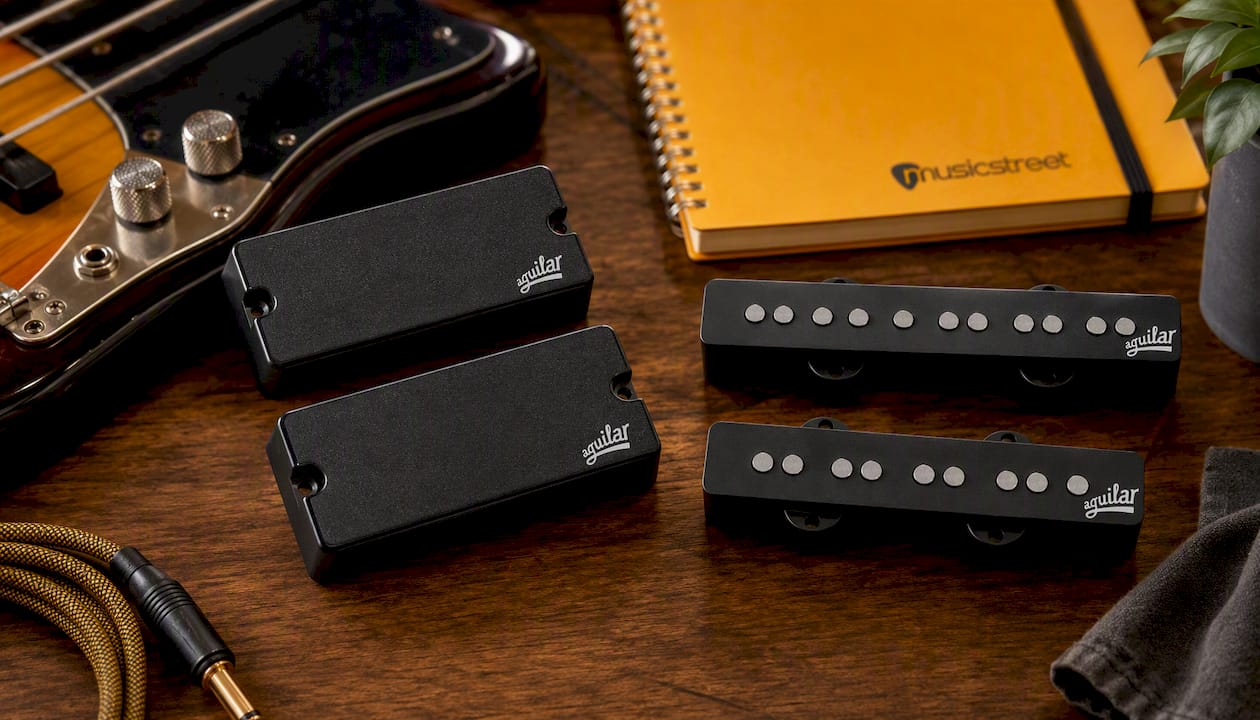
If you’re after that classic J-style clarity discussed earlier, the Aguilar 70S Series 4 String Jazz Bass Set delivers vintage-voiced single-coil articulation for standard four-string basses, while the Aguilar 70S Series 5 String Jazz Bass Set extends that same clarity across a five-string neck without losing definition on the low B. Players chasing the humbucker-style output and midrange punch covered earlier should look at the Aguilar DCB Dual Ceramic Set EMG-35, which suits modern rock, slap and high-gain picked styles where headroom matters most.
Fitment varies by bass model, particularly around cavity depth and pickguard routing, so Musicstreet offers in-store fitting and post-sale setup support to get height, intonation and wiring right the first time. If you’re not sure which set suits your instrument or playing style, visit the Musicstreet landing page to browse the full range or get in touch for advice before you buy.
Sources
FAQ
What pickups are best for bass?
There’s no single best pickup for every player; a split-coil (P-style) suits foundational, mix-friendly tone, a single-coil (J-style) suits clarity and versatility, and a humbucker suits high-output, punchy styles. The right choice depends on genre, playing technique and whether you prioritise warmth or presence.
What are the three main types of bass pickups?
The three primary magnetic types are single-coils, split-coils and humbuckers, with piezo and optical pickups serving as non-magnetic alternatives for acoustic-style or noiseless applications.
What type of pick is best for bass guitar?
This is a separate question from pickup type: many bass players use their fingers or a plectrum depending on tone preference, and pick choice affects attack far less than pickup type and position do.
Are active or passive pickups better for bass?
Neither is objectively better; active systems give more headroom and onboard EQ for stage consistency, while passive pickups preserve more natural dynamic response for players who prefer shaping tone with technique and amp alone.
Do humbuckers always sound the same?
No. Series wiring gives a fatter, hotter tone, while parallel wiring and coil-splitting can make a humbucker sound noticeably closer to a single-coil, so two humbuckers can sound quite different depending on how they’re wired.





Share:
Read PDF Guitar Tabs Without Guessing Rhythm, UK practice routine
Avoid a Botched Rout: UK Guide to Electric Bass Guitar Pickups