


Epiphone Les Paul vs Gibson Les Paul: Is the Upgrade Worth It?
By Tony Rawson, MusicStreet
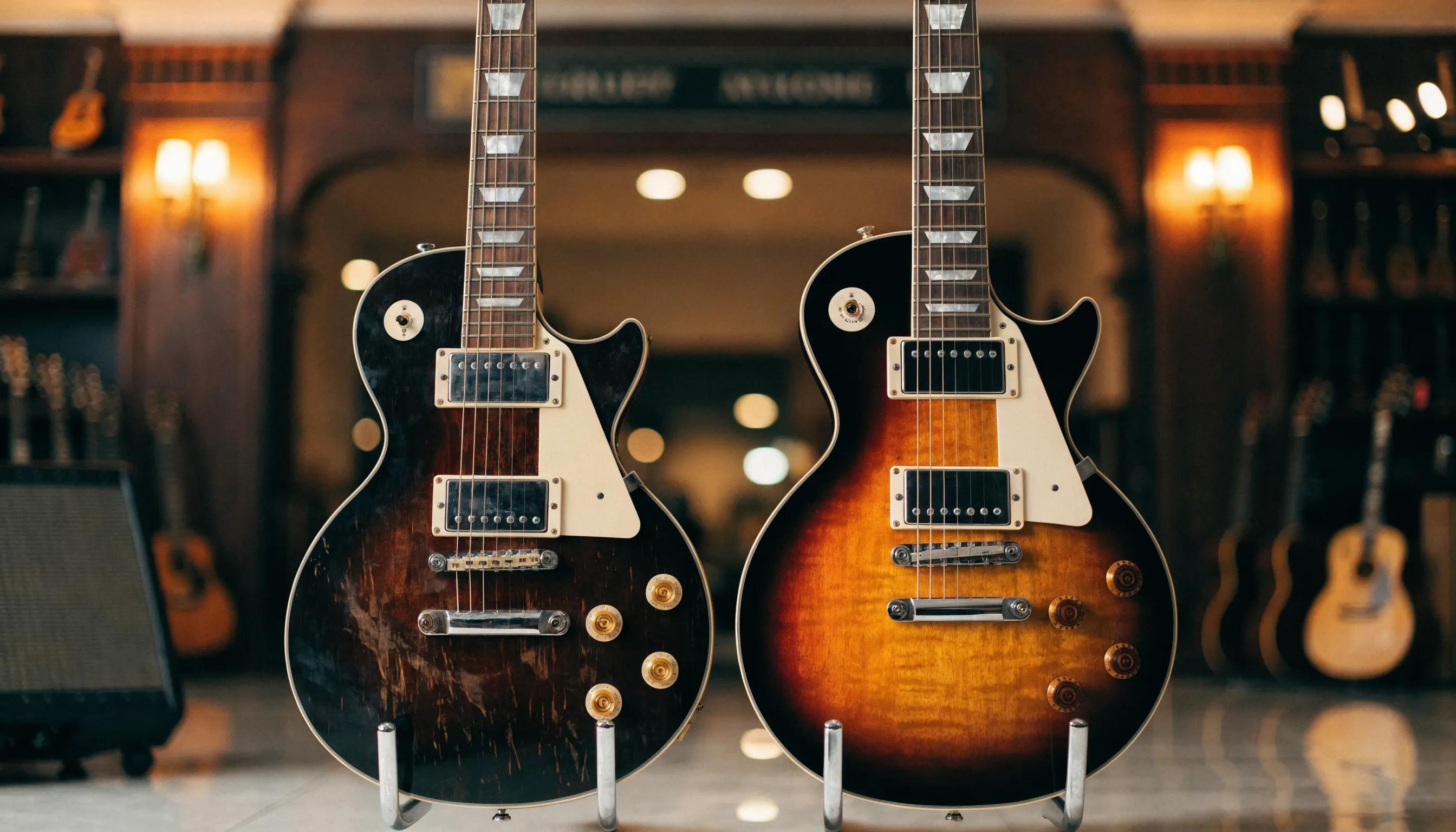
The debate between the Epiphone Les Paul and the Gibson Les Paul has been ongoing among guitar enthusiasts for years. Each model has its merits, with differences in sound quality, craftsmanship, and price that can significantly influence a musician's choice. This article provides an in-depth comparison, helping you understand whether upgrading to a Gibson Les Paul from an Epiphone is a justified investment. We will explore sound quality, build quality, pricing, and overall performance, along with the key characteristics that differentiate these iconic guitars. By the end, you should have a clearer picture of which model is right for you and the value of your potential investment.
Sound Quality:
Sound quality is a crucial factor when comparing the Epiphone and Gibson Les Paul guitars. The tonal characteristics of each guitar largely stem from their design and material choices. Generally, the Gibson Les Paul is known for its richer, fuller tones due to its higher-quality tonewoods and pickups. Epiphone models, while still delivering impressive sound, often have a slightly brighter and less complex tonal profile. The differences in sound may be attributed to the specific types of wood used and the quality of the electronics in each guitar.
Build Quality:
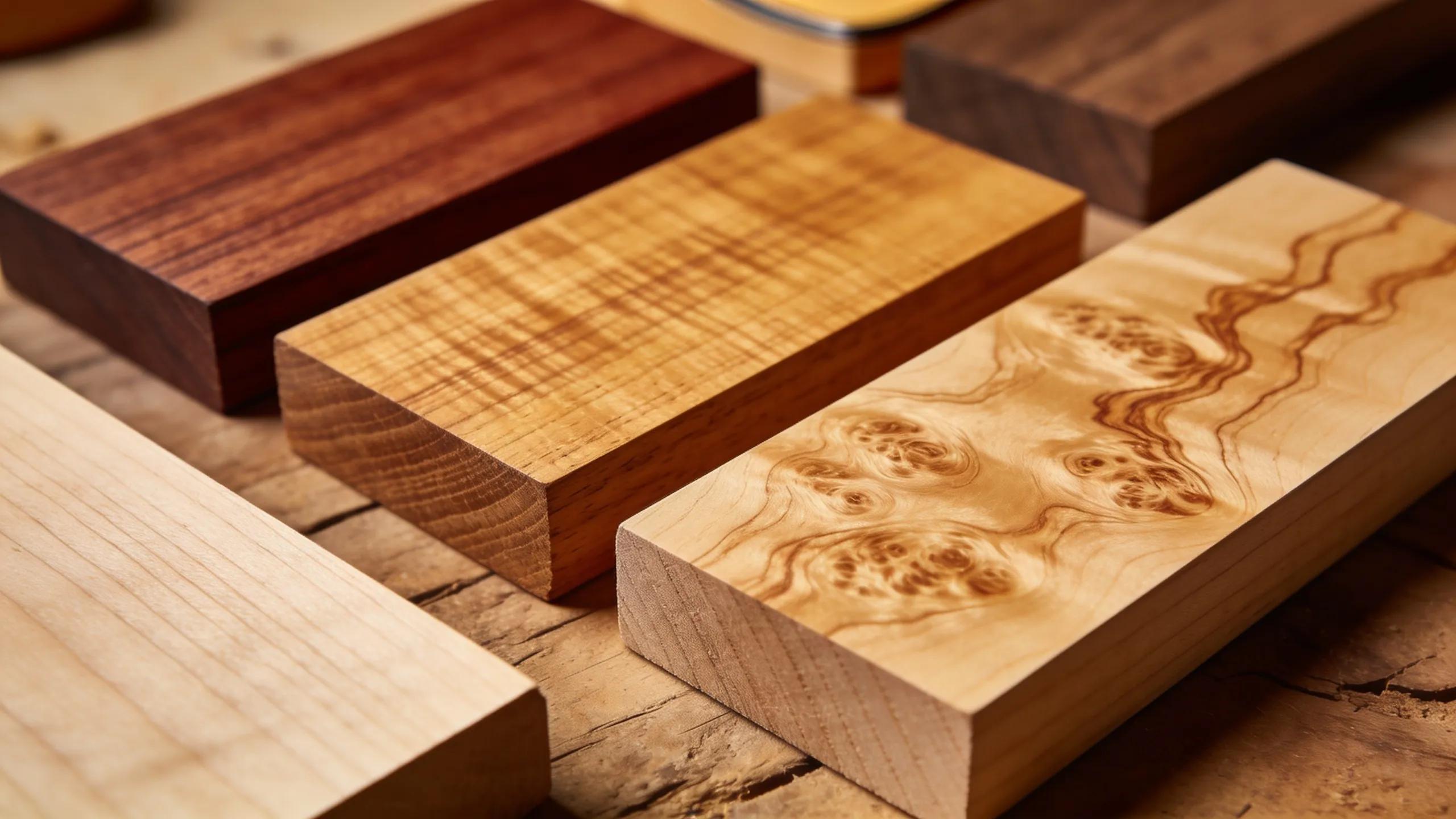
When it comes to build quality, both the Epiphone and Gibson Les Paul guitars exhibit craftsmanship, but there are notable distinctions worth mentioning. Gibson guitars are produced in the USA using premium materials, which often results in superior craftsmanship and attention to detail. In contrast, Epiphone guitars are manufactured overseas, which can lead to variability in quality.
Materials Used: Gibson typically uses higher-grade woods such as mahogany and maple, while Epiphone may use alternative materials.
Craftsmanship Differences: Gibson's assembly processes allow for tighter tolerances and superior finishing.
Pricing:
Pricing is a significant consideration for musicians evaluating these guitars. The Gibson Les Paul is positioned as a premium instrument, often starting around £2,200. In comparison, the Epiphone models are more budget-friendly, ranging from £400 to £1,000. This price difference reflects the variations in materials, manufacturing processes, and overall brand reputation.
If you're contemplating the value of an upgrade, it’s important to assess not only the upfront costs but also the long-term investment and resale value.
At MusicStreet, we offer a part exchange program that can assist you in upgrading to a higher-quality guitar without the financial burden of a full purchase. This program makes it easier for players to transition from an Epiphone to a Gibson Les Paul, turning your old guitar into a valuable upgrade.
Overall Performance:
Performance is where personal preference often shines, as individual players may find that one guitar feels and plays better than the other depending on their style. The Gibson Les Paul is often favoured by professional musicians for its versatility in a variety of musical genres, providing thicker, warmer sounds. In contrast, the Epiphone Les Paul is suitable for both beginners and seasoned players seeking a great guitar at a more accessible price point. Player feedback frequently highlights how the smooth playability and tonal richness of Gibson guitars enhance live performances.
What Are the Key Build and Craftsmanship Differences Between Epiphone and Gibson Les Paul?
The key differences in build and craftsmanship are primarily rooted in the materials and manufacturing processes used by each brand. Gibson employs stringent quality control measures during its production, ensuring each Les Paul guitar meets high standards.
Materials and Techniques: Gibson often utilizes solid, high-quality woods (like solid mahogany bodies) compared to the layered woods often used in Epiphone models.
Manufacturing Differences: American-made Gibson guitars undergo more rigorous craftsmanship standards, leading to better overall finishing and reliability.
How Do Tonewoods and Body Construction Impact Epiphone and Gibson Les Paul Guitars?
Tonewoods play a pivotal role in shaping the sound of electric guitars. The Gibson Les Paul usually features premium solid mahogany bodies, which lend warmth and sustain to the notes. Epiphone models may also use mahogany, but the wood selection can vary. The construction methods, such as carved tops on Gibson models, enhance tonal depth and overall resonance, contributing to a richer sound profile.
What Distinguishes the Craftsmanship and Country of Manufacture for Each Brand?
One of the most apparent distinctions between Epiphone and Gibson guitars is their country of manufacture. Gibson guitars are handcrafted in the USA, reflecting a long history of craftsmanship and dedication to quality. In contrast, Epiphone models are produced in factories outside of the U.S., which can sometimes result in less consistency in craftsmanship.
How Do Electronics and Pickups Compare in Epiphone Les Paul vs Gibson Les Paul?
Electronics and pickups significantly affect sound quality and versatility in guitar performance. The Gibson Les Paul typically features higher-quality humbucking pickups that provide a fuller, richer sound.
Types of Pickups: Commonly, Gibson uses its proprietary pickups, renowned for their sound clarity and fidelity. Epiphone's pickups may not produce the same depth and nuance as those in the Gibson models, although they often offer surprising sound quality for the price.
Electronics Quality: Gibson guitars frequently incorporate better components, which can translate to improved sound and performance over time.
What Are the Main Pickup Types Used by Epiphone and Gibson Les Paul Models?
Epiphone and Gibson Les Pauls generally feature similar types of pickups, primarily humbuckers. However, models vary in the specific types used.
Gibson Humbuckers: Praised for their clarity and tonal richness.
Epiphone Humbuckers: Offer decent sound quality but may lack the depth of Gibson's offerings.
Aftermarket Options: Musicians can enhance Epiphone guitars by upgrading to higher-quality pickups, which can narrow the tonal gap between the two brands.
Can Upgrading Epiphone Pickups Close the Tone Gap with Gibson Les Paul?
Upgrading the pickups in an Epiphone Les Paul can significantly enhance its sound quality, potentially closing the gap with Gibson models. Players often report improvements in clarity, sustain, and overall tone after installing premium pickups from brands known for high-quality electronics.
However, while upgrades can improve sound, the intrinsic differences in materials and craftsmanship will still be apparent.
Is the Gibson Les Paul Worth the Higher Price Compared to Epiphone?
Investing in a Gibson Les Paul often leads to increased satisfaction in terms of playability and sound quality, making it worthwhile for many musicians. The high-quality materials, superior craftsmanship, and storied reputation contribute to its overall value. However, the decision ultimately relies on individual player needs, preferences, and budget constraints.
How Do New, Used, and Pre-Owned Guitars Affect Upgrade Decisions at MusicStreet?
The condition of a guitar can impact both the investment and upgrading decisions. MusicStreet offers a selection of quality used and pre-owned guitars, which represent an excellent opportunity for players at any stage. Investing in a used Gibson can provide access to premium craftsmanship at a more affordable price, making it a sensible choice for many musicians.
Whether you choose to buy new or go for a pre-owned model, it's essential to consider getting a setup at MusicStreet to guarantee optimal performance.
What Long-Term Advantages Do Gibson Les Paul Guitars Offer for Musicians?
Gibson Les Paul guitars offer several long-term advantages, such as superior resale value, lasting durability, and iconic status in the music world. Many professional musicians invest in Gibson guitars not only for their immediate playability but also for the long-term financial and artistic returns they offer.
How Can MusicStreet Support Your Upgrade Journey from Epiphone to Gibson Les Paul?
MusicStreet provides invaluable support throughout your upgrade journey. We understand that moving from an Epiphone to a Gibson Les Paul is a significant investment. Our knowledgeable staff can assist you in selecting the right model and navigating the part-exchange program to make the transition smoother and more affordable.
What Are the Details of MusicStreet's Part Exchange Program for Les Paul Upgrades?
Our part exchange program makes upgrading your guitar accessible and manageable. You can bring your Epiphone Les Paul to our store and receive credit towards a Gibson model, streamlining the upgrade process.
How Does MusicStreet's Guitar Setup and Repair Workshop Enhance Your Les Paul Guitar Experience?
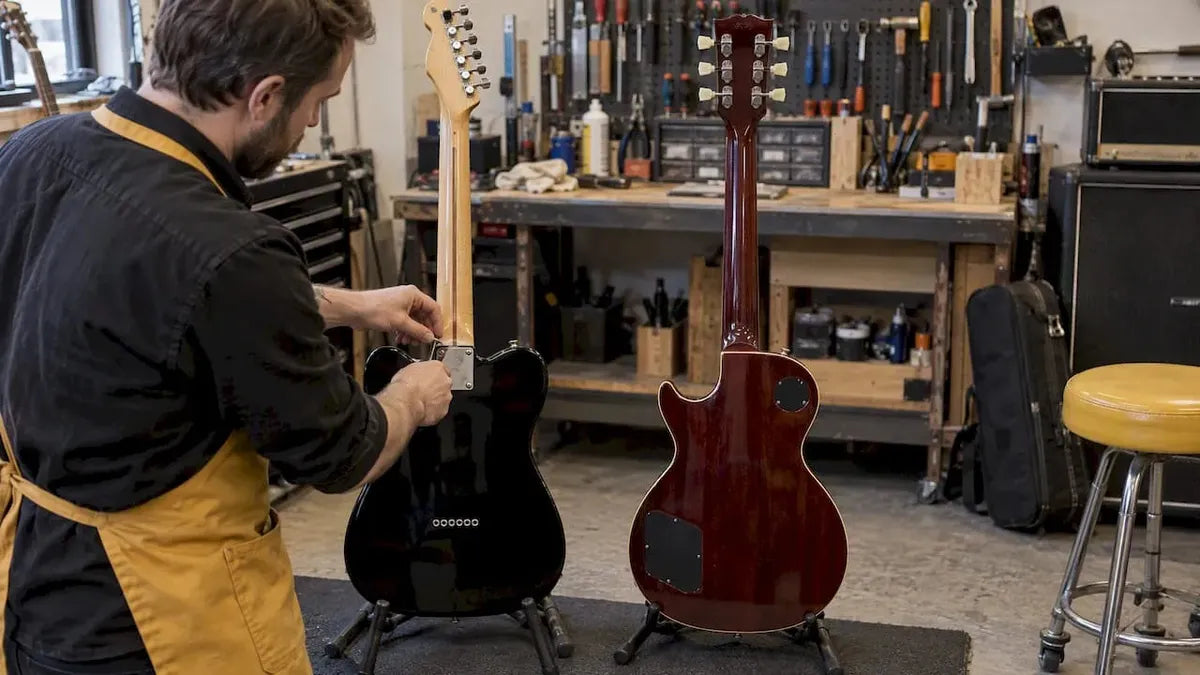
At MusicStreet, we also offer comprehensive setup and repair services. After purchasing a new Gibson Les Paul, ensuring optimal performance through proper setup is crucial. Our expert technicians provide personalized services to tailor your instrument to your playing style, enhancing your overall musical experience.





Share:
PRS vs. Gibson: A Comprehensive Guide to Electric Guitar Sound Quality Differences
How to change guitar strings on acoustic guitar