


What Makes a Premium Acoustic Guitar Worth the Price? A Retailer's Honest Take on Features and Value

Premium acoustic guitars are often seen as the pinnacle of musical craftsmanship, combining exquisite materials, expert construction, and rich tonal qualities. Understanding what makes these instruments worth their price involves exploring key features that define their value. This article delves into the essential characteristics of premium acoustic guitars, the brands that offer the best value in the UK, and the importance of expert setup and maintenance. Additionally, we will discuss the advantages of purchasing used or part-exchanged guitars, providing a comprehensive view for both novice and seasoned musicians.
What Key Features Define a Premium Acoustic Guitar?
The defining features of a premium acoustic guitar revolve around craftsmanship, materials, and sound quality. These instruments are typically constructed from high-quality tonewoods, which significantly enhance their acoustic properties. The meticulous attention to detail in craftsmanship ensures that each guitar not only looks stunning but also produces a superior sound.
How Do Solid Wood Materials Enhance Tone Quality?

Solid wood materials are crucial in the construction of premium acoustic guitars, as they contribute to the instrument's resonance and projection. Different types of solid woods, such as "spruce and mahogany", offer unique tonal characteristics. For instance, spruce is known for its bright, clear sound, while mahogany provides a warmer, more mellow tone. The choice of wood directly impacts the guitar's overall sound quality, making it a vital consideration for musicians seeking the best performance.
Further research into the acoustic properties of these instruments highlights the specific parameters that define their superior sound.
Acoustic Testing & Tonal Qualities of Premium Guitars
This chapter discusses the acoustic testing of wood in finished wooden musical instruments, emphasizing the multifaceted nature of what constitutes a good sound. The chapter outlines the key acoustic parameters that define the sound of wood in a stringed instrument, including resonance, richness, clarity, and definition. Resonance refers to the instrument’s ability to sustain sound, while richness relates to the complexity of the sound’s frequency response. Clarity and definition pertain to how distinct each note is and the balance and flexibility of the instrument’s sound.
Final Wooden Musical Instrument: Acoustic Tests, M Roohnia, 2025
Why Is Craftsmanship Crucial in High-End Acoustic Guitars?
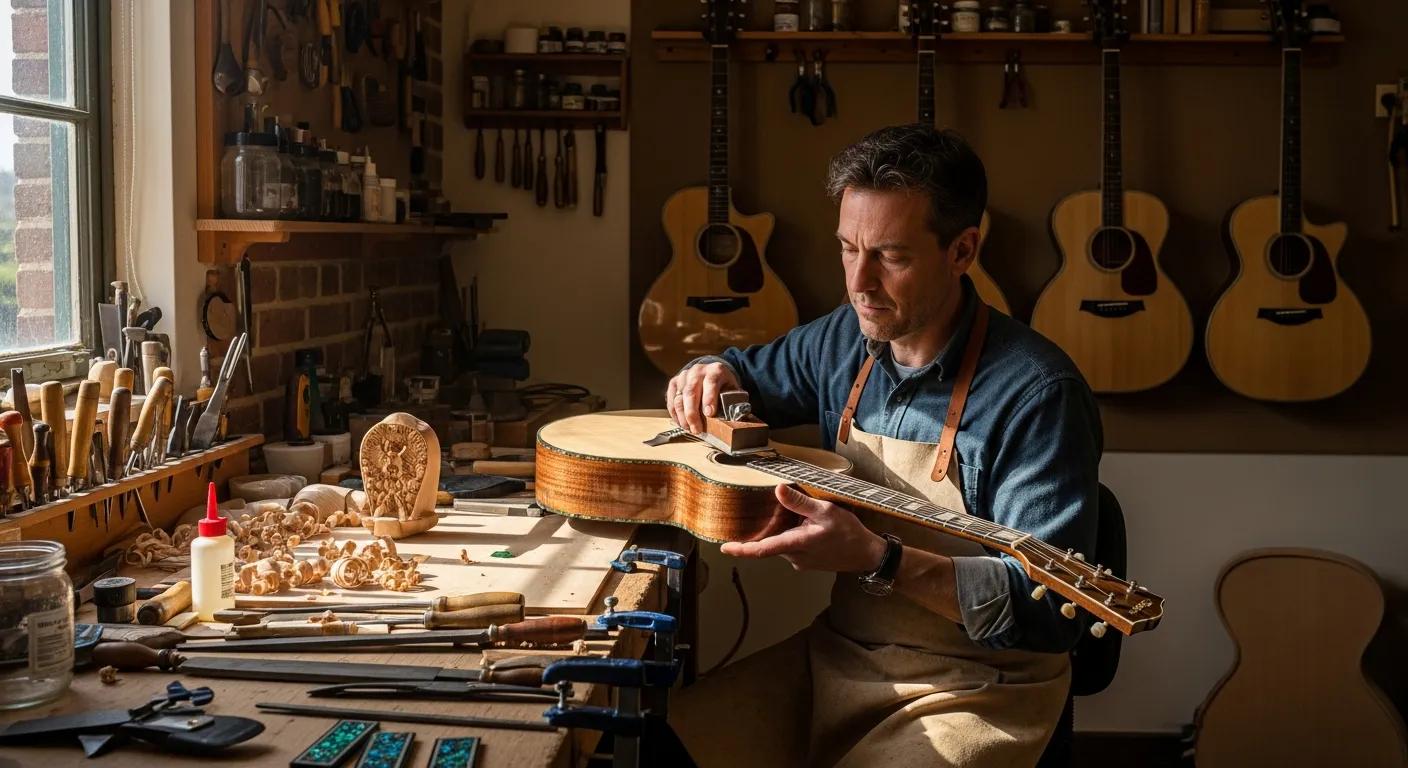
Craftsmanship plays a pivotal role in the quality of high-end acoustic guitars. Traditional construction methods, such as hand-scalloped bracing and precise neck jointing, ensure that the guitar not only sounds great but also feels comfortable to play. High-end guitars often feature intricate inlays and finishes that reflect the skill of the luthier. This level of craftsmanship not only enhances the aesthetic appeal but also contributes to the durability and longevity of the instrument.
Beyond construction methods, the careful preparation and treatment of tonewoods are also integral to achieving superior acoustic performance.
Tonewood Treatment for Superior Acoustic Guitar Sound
This chapter explores the critical role of wood treatment and tuning in the crafting of musical instruments, particularly highlighting the necessity of a scientific approach to tonewood selection. To overcome these inconsistencies and ensure the suitability of tonewood, the chapter emphasizes the importance of wood treatment. This crucial step allows luthiers to modify and optimize the fundamental acoustic properties of the wood to achieve desired tonal qualities. Specifically, the chapter mentions the manipulation of density, the enhancement of stiffness, and the careful control of damping characteristics as key objectives of wood treatment.
Tonewood: Treatment and Tuning, M Roohnia, 2025
Which Brands Represent the Best Value in Premium Acoustic Guitars in the UK?
When it comes to premium acoustic guitars, certain brands stand out for their reputation and quality. Brands like Martin, Taylor, Gibson, and PRS are renowned for their exceptional craftsmanship and tonal quality. Each brand has its unique features that cater to different playing styles and preferences.
What Distinguishes Martin, Taylor, Gibson, and PRS Guitars?
Martin guitars are celebrated for their rich history and traditional craftsmanship, often featuring all-solid wood construction that enhances their tonal depth. Taylor guitars, on the other hand, are known for their innovative designs and playability, making them a favourite among contemporary musicians. Gibson guitars offer a blend of classic and modern styles, renowned for their powerful sound and aesthetic appeal. PRS guitars, while primarily known for electric models, also produce high-quality acoustics that combine beauty with exceptional sound.
How Does Brand Heritage Influence Acoustic Guitar Pricing?
The heritage of a brand significantly influences its pricing strategy. Established brands like "Martin and Gibson" command higher prices due to their long-standing reputation for quality and craftsmanship. Consumers often perceive these brands as more valuable because of their historical significance and the trust built over decades. This perception can lead to higher resale values, making them a worthwhile investment for musicians.
Indeed, the specific wood attributes used in these instruments are a significant factor in their long-term value and price persistence.
Wood Attributes & Price Persistence of Acoustic Guitars
Wood attributes are important, because they directly affect the price persistence of wood products. Consumers consider the “aesthetic,” “traditionality,” “decay resistance,” and “scarcity” attributes important when evaluating wood. This study analyzed the impact of these four attributes on the price persistence of acoustic guitars. We found that rosewood, mahogany, palisander, and ebony have a significant impact on price persistence, and that all of them fit the four attributes of traditionality, decay resistance, scarcity, and aesthetics.
Effect of wood attributes on the price persistence of acoustic guitars, X Zhou, 2022
How Do the Leading Premium Acoustic Guitar Brands Compare?
| Brand | Price Range (UK) | Tonewoods | Build Style | Best Suited Player |
|---|---|---|---|---|
| Martin | £800–£4,000+ | Sitka spruce top / East Indian rosewood or mahogany back and sides | Factory-crafted with hand-finishing (Nazareth, PA, USA) | Traditional players, singer-songwriters, fingerpickers seeking a classic American tone |
| Taylor | £700–£5,000+ | Sitka or Lutz spruce top / layered or solid rosewood and maple | Factory-crafted with proprietary V-Class bracing | Versatile players who want modern playability and consistent tone |
| Collings | £2,500–£6,000+ | Adirondack or Sitka spruce top / East Indian rosewood or mahogany | Fully hand-crafted in Austin, Texas | Discerning players seeking heirloom-quality instruments with superb dynamic range |
| PRS Angelus | £800–£2,500 | Solid spruce top / solid or layered mahogany or rosewood | Factory-crafted with careful hand-finishing | Players who want premium aesthetics and solid-top tone at an accessible price point |
How Does Expert Setup and Maintenance Affect Acoustic Guitar Performance?
The performance of an acoustic guitar is heavily influenced by its setup and maintenance. A well-set-up guitar ensures optimal playability and sound quality, allowing musicians to perform at their best. Professional setup services can make a significant difference in how a guitar feels and sounds.
What Benefits Do Professional Setup and Repair Services Provide?
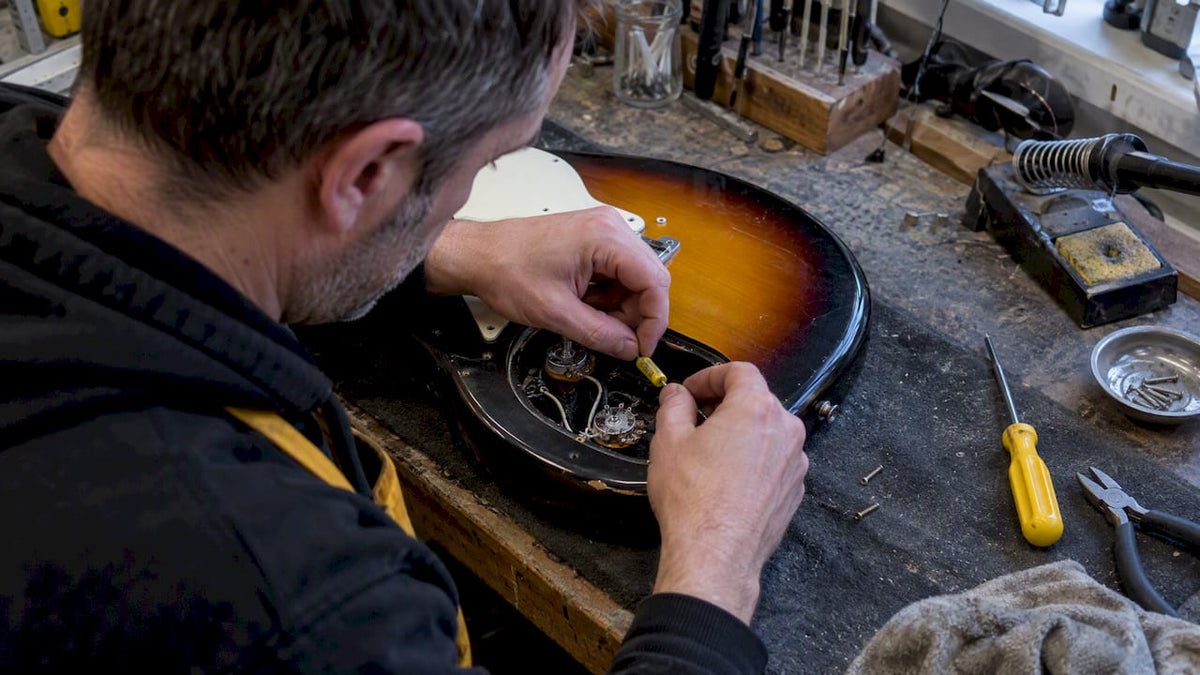
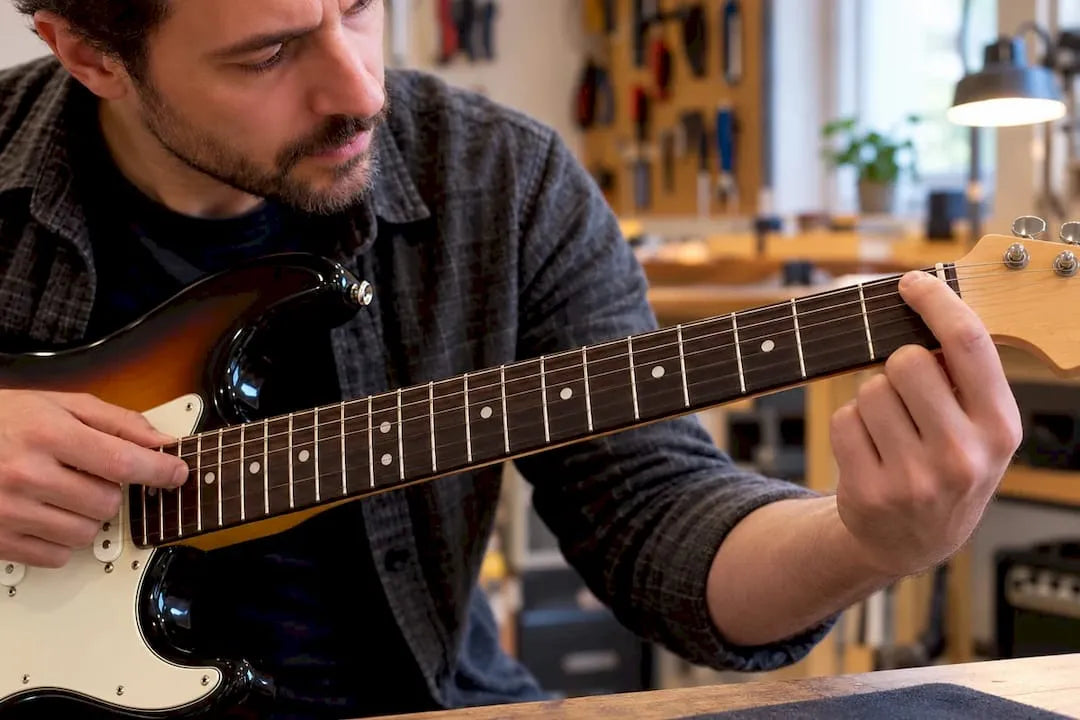
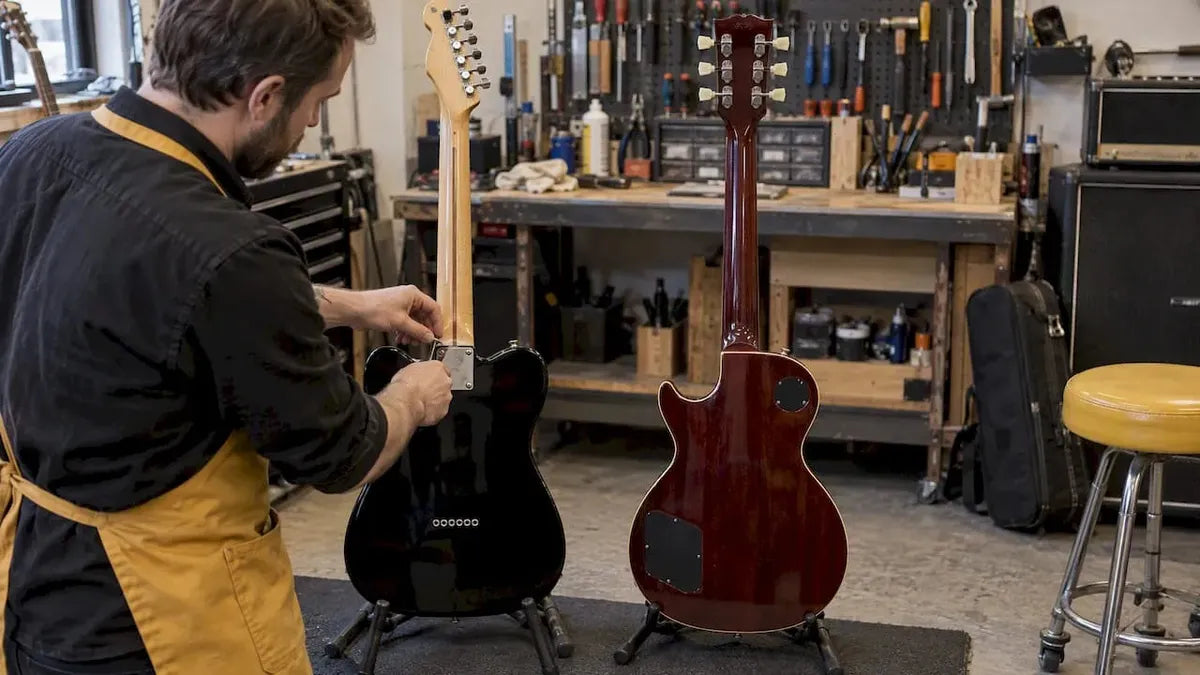
Professional setup and repair services offer several benefits, including enhanced playability and increased longevity of the instrument. A skilled technician can adjust the action, intonation, and neck relief to suit the player's preferences, resulting in a more comfortable playing experience. Regular maintenance also helps prevent issues that could affect sound quality, ensuring that the guitar remains in top condition.
How Does MusicStreet’s In-House Workshop Support Premium Guitar Owners?
At MusicStreet, our in-house workshop provides expert setup and repair services tailored to premium guitar owners. Our experienced technicians understand the nuances of high-end instruments and offer personalised advice to ensure each guitar performs at its best. Whether it's a simple adjustment or a more complex repair, our workshop is equipped to handle the needs of discerning musicians.
What Are the Advantages of Buying Used or Part-Exchanged Premium Acoustic Guitars?
Purchasing used or part-exchanged premium acoustic guitars can offer significant advantages for musicians. Not only can it lead to cost savings, but it also allows players to find unique instruments with character and history.
Is Purchasing Pre-Owned Guitars Worth the Investment?
Investing in pre-owned guitars can be worthwhile, as many vintage models appreciate in value over time. Additionally, used guitars often possess unique tonal qualities that develop with age, making them appealing to collectors and players alike. The environmental benefits of choosing used instruments also contribute to their attractiveness, as it promotes sustainability in the music industry.
How Does MusicStreet’s Part Exchange Programme Work for Upgrading Guitars?
MusicStreet offers a convenient part exchange programme for musicians looking to upgrade their guitars. Our process involves assessing the value of your current instrument and providing a fair trade-in offer towards a new purchase. This programme not only simplifies the upgrading process but also ensures that musicians can access premium instruments without the financial burden of purchasing outright.
Do Premium Acoustic Guitars Hold Their Value?
One of the key considerations for many musicians when investing in a premium acoustic guitar is whether the instrument will retain its value over time. Solid-wood guitars generally hold their resale value far better than laminate instruments because their tone improves with age, developing richer and more complex sound characteristics as the wood matures.
Brands such as Martin and Collings are particularly well-known for retaining or even appreciating in value over time, thanks to their reputation for exceptional build quality and timeless appeal. Taylor guitars also hold their value well on the used market, making them a sensible choice for players who may wish to upgrade or resell in the future.
Several factors influence the resale value of a premium acoustic guitar, including brand reputation, build quality, originality, condition, and whether the original case is included. Guitars that have been well cared for and maintained by professionals tend to command higher prices when resold.
Buying pre-owned solid-wood acoustics from a reputable retailer like MusicStreet in Huntingdon, Cambridgeshire, represents exceptional value. The previous owner absorbs the initial depreciation, allowing the new buyer to enjoy a high-quality instrument at a more accessible price point without sacrificing quality or performance.
Is an all-solid guitar worth it?
Yes — an all-solid acoustic sounds better, plays better, improves with age, and holds its resale value far more effectively than a laminate instrument. Investing in a solid-wood guitar is not only a commitment to superior sound and playability but also a smart financial decision for musicians who value long-term quality and value retention.




Share:
How to Choose a Boutique Acoustic Guitar: The Complete Buyer's Guide
Guitar Setup at MusicStreet: What to Expect, How Long It Takes, and Why It Matters