


Struggling with a guitar that feels heavy and uninspiring during long sessions is a common frustration for experienced British players. The search for enhanced resonance and a more expressive tonal palette often leads to countless pickup swaps or amp tweaks, but sometimes the answer lies inside the instrument itself. Chambered body guitars cleverly combine lighter weight with a warmer, woodier voice by routing internal air pockets into a solid-looking body, giving you greater comfort and added musical depth without the unpredictable feedback of a hollow body.
Table of Contents
- Defining Chambered Body Guitars In Detail
- Types Of Chambered Body Guitar Designs
- How Chambering Influences Tone And Weight
- Popular Brands And UK-Specific Models
- Comparing Chambered, Solid, And Hollow Bodies
- Expert Setup, Common Pitfalls, And Care
Key Takeaways
| Point | Details |
|---|---|
| Chambered Body Design | Chambered guitars blend characteristics of solid and hollow bodies, featuring internal cavities that enhance resonance while preserving weight and structural integrity. |
| Tonal Benefits | These guitars provide warmer tones and improved sustain without the feedback issues often associated with hollow bodies, making them versatile for various playing styles. |
| Weight Reduction | Chambered guitars can weigh 15 to 25 percent less than solid bodies, significantly improving player comfort during extended use. |
| Maintenance Considerations | Proper setup and humidity control are crucial to prevent issues, as chambered designs are more sensitive to environmental changes than solid body guitars. |
Defining Chambered Body Guitars in Detail
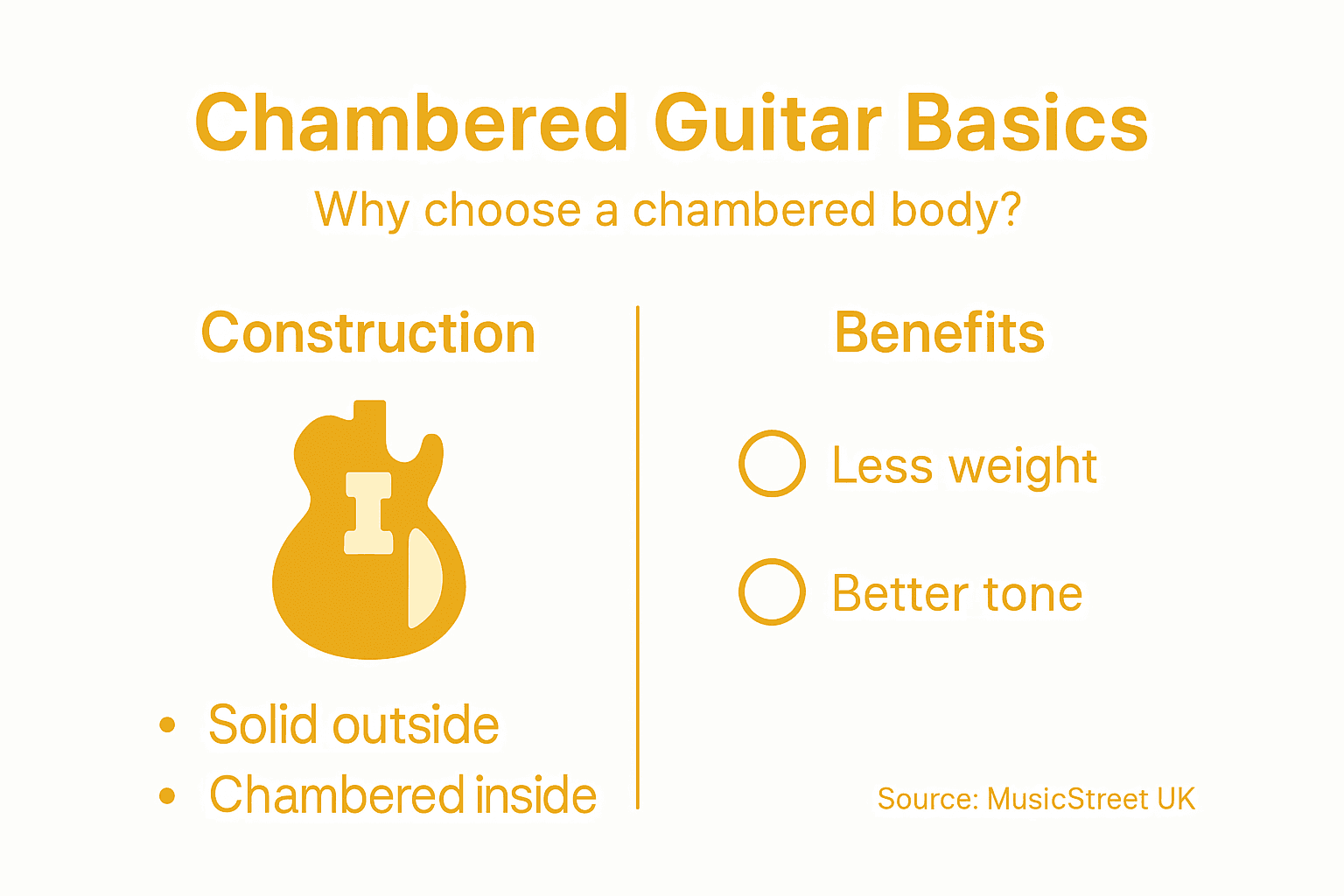
A chambered body guitar sits in an interesting middle ground between solid and hollow designs. Unlike traditional solid body guitars, which are carved from dense blocks of wood throughout their structure, a chambered guitar maintains a solid exterior appearance but features internal cavities routed through the wood. These hidden chambers fundamentally change how the instrument behaves, both in your hands and through your amplifier. To understand what makes this construction approach valuable, you need to grasp what separates it from both full solid bodies and hollow bodies.
The defining characteristic of a chambered body guitar is its deceptive appearance. Externally, the guitar looks virtually identical to a solid body electric guitar like a Les Paul or Stratocaster style instrument. Run your fingers across the finished body, and you won’t detect any obvious difference. However, inside that wooden shell, luthiers have strategically removed sections of wood to create air pockets or chambers. Some designs incorporate f-holes (those distinctive figure-eight shaped openings you see on acoustic guitars) as visual markers of the internal hollowing, though many chambered guitars keep their cavities completely invisible from the outside. This hybrid construction approach delivers genuine tonal benefits without requiring you to adopt the playing characteristics of a true hollow body guitar.
These internal chambers serve multiple purposes that directly impact your playing experience. First, they reduce the overall weight of the instrument compared to a completely solid body. A player will immediately notice this difference when wearing the guitar for extended sessions at gigs or rehearsals. Your shoulder, neck, and lower back appreciate the weight reduction after three or four hours of playing. Beyond comfort, the chambers create a warmer and airier tone by introducing subtle acoustic resonance without transforming the instrument into a semi acoustic. The reduced wood density inside allows the body to vibrate more freely, which adds complexity and depth to your sustain. Punch remains intact because the outer shell is still solid, but you gain those woodier, more resonant characteristics that players often chase by upgrading pickups or exploring different amplifiers.
What makes chambered construction particularly appealing to intermediate and advanced British players is the balance it achieves. You maintain the stability and feedback control of a solid body, which means your high gain tones remain articulate and responsive. Harmonic feedback is predictable and manageable. Simultaneously, you access tonal characteristics that would otherwise require moving to a semi hollow body design, where feedback becomes a constant companion if you’re pushing your amp hard. The design essentially lets you have both worlds without the compromises that come with choosing one or the other. When you consider that many players spend hundreds of pounds upgrading components or experimenting with different models, a chambered body guitar offers genuine acoustic improvements built directly into the instrument’s structure.
Pro tip: When trying chambered guitars in person, pay attention to how the instrument feels at body height after playing for twenty minutes rather than assessing it in the first few minutes of playing. Weight reduction and ergonomic benefits become genuinely noticeable only after sustained playing sessions, and this is where chambered designs truly distinguish themselves from their solid counterparts.
Types of Chambered Body Guitar Designs
Chamber routing patterns vary considerably depending on the body style and tonal objectives of the luthier. Not every chambered guitar follows the same construction blueprint. Some builders use a single large cavity that spans most of the body’s interior, whilst others employ multiple small chambers in patterned designs to achieve specific resonance characteristics. The routing strategy directly influences how the guitar feels in your hands, how it sounds unplugged, and what happens when you plug it into your amplifier. Understanding these variations helps you identify which design suits your playing style and musical goals.
The most straightforward approach involves simple routed resonance chambers within a solid wood body. Think of this as strategic weight reduction without dramatically altering the guitar’s fundamental character. These designs typically maintain traditional body shapes like Telecaster, Stratocaster, or Les Paul profiles, so visually they appear completely standard from the front. The chambers inside follow geometric patterns that luthiers have refined through years of experimentation. This method can reduce overall weight by at least 25 percent whilst preserving the strength and feedback resistance you need for high gain playing or studio work. The trade off is subtle but noticeable: you gain warmth and sustain without losing the focused punch that solid bodies deliver. Many professional session players prefer this type because it bridges the gap between traditional solid body reliability and semi acoustic resonance without introducing the feedback challenges that come with true hollow designs.
More elaborate chambered designs incorporate one to three resonance chambers covered with a carved top, creating instruments that occupy the aesthetic middle ground between solid and semi acoustic styles. These guitars often feature f-holes for increased acoustic tone and visibility, those distinctive openings that make the internal structure visually apparent. The f-holes serve dual purposes: they allow sound waves to escape more freely and signal to observers that this isn’t a standard solid body. A laminated top is typically required for structural integrity and visual appeal, especially when the f-holes draw attention to the guitar’s construction. This design philosophy delivers significantly more acoustic resonance than simple chambering but remains more controlled than a true hollow body. British players exploring this option often discover they can achieve vintage warmth that rivals semi acoustic guitars whilst maintaining the playing feel of a solid instrument. The articulation remains crisp, bends feel responsive, and feedback stays predictable at reasonable volume levels.
Another consideration involves how the chambers are sealed and finished. Some chambered guitars feature completely internal routing with no external indication of the cavities inside, making them virtually indistinguishable from solid bodies at first glance. Others incorporate visible design elements like book matched tops or subtle carving that hints at the construction underneath. Neither approach is superior; the choice depends on your aesthetic preferences and the specific tonal character you’re pursuing. A chambered body with concealed routing maintains maximum visual simplicity, whilst one with visible elements celebrates the craftsmanship involved in creating the design. When comparing guitars, examine how the chambers influence sustain, resonance, and weight distribution. Play them both unplugged and through an amplifier to hear the differences in how each design compresses the midrange or enhances harmonic content.
Pro tip: When evaluating different chambered designs, focus on how each one feels at body height during extended playing sessions rather than relying on first impressions through an amplifier. Weight distribution, resonance characteristics, and comfort benefits emerge most clearly after fifteen to twenty minutes of playing, which is when you’ll genuinely understand whether a particular chambering design suits your technique and musical preferences.
How Chambering Influences Tone and Weight
The tonal transformation that chambering creates often surprises players when they first experience it. Those internal cavities fundamentally alter how your guitar’s body responds to string vibration, resulting in a warmer, woodier sound that differs noticeably from traditional solid bodies. The air pockets inside allow the wood to vibrate more freely rather than absorbing energy as a solid block would. This increased resonance creates a sonic character that sits somewhere between a solid body’s punch and a semi acoustic guitar’s openness. When you play unplugged, a chambered guitar feels alive in your hands with noticeable feedback through the body. Plugged in, that natural warmth translates into your signal, adding complexity to both clean tones and overdriven sounds. The difference isn’t dramatic enough to fundamentally change your playing style, but it’s substantial enough that you’ll hear it immediately in comparison to a solid body of similar weight and construction.
What makes this tonal shift particularly valuable is that chambering creates air pockets reducing weight while improving comfort during extended playing sessions. A reduction of 15 to 25 percent in overall body weight translates directly to less shoulder strain after two hours of gigging or rehearsing. Your neck won’t feel as fatigued, and your lower back appreciates the difference during standing performances. This comfort benefit extends to sitting players as well, particularly those who play for three or four hours consecutively in studio environments. The weight reduction doesn’t come at the expense of structural integrity. A properly chambered guitar maintains the same stability and sustain characteristics as a solid body because the outer shell remains intact and substantial. You’re not sacrificing responsiveness or tonal definition to achieve that lighter feel.
The exact tonal impact of chambering varies depending on how the luthier approaches the routing pattern and internal chamber design. A single large cavity produces different harmonic characteristics than multiple smaller chambers distributed throughout the body. The wood species chosen for construction, the thickness of the walls between chambers, and whether f-holes are incorporated all influence the final sonic result. Some chambered guitars deliver a subtle warm shift that enhances existing tonal qualities without dramatically altering the instrument’s character. Others produce a more pronounced acoustic resonance that makes them feel semi acoustic in nature. The routing patterns essentially act as acoustic tuning, with each design philosophy producing slightly different frequency responses. You might notice increased sustain in the midrange, smoother treble response, or a fuller low end depending on the specific construction approach. The beauty of chambering is that luthiers can tailor these characteristics to match particular playing styles or musical genres.
For British players weighing whether chambering is worth considering, the practical equation is straightforward: you gain meaningful weight reduction and tonal warmth without adopting the feedback challenges of true hollow body designs. Your high gain tones remain articulate and controlled. Feedback stays predictable at volume levels that would make a semi acoustic unplayable in certain venues. You maintain the focused punch that solid bodies deliver for recording sessions or live performances. Simultaneously, you access acoustic resonance and sustain that many players spend hundreds of pounds upgrading pickups or experimenting with different amplifiers to achieve. The construction method essentially builds these sonic improvements directly into your instrument’s architecture rather than requiring external gear modifications. When comparing potential purchases, play both chambered and solid body options through the same amplifier at the same volume level to hear how each responds to your technique.
Pro tip: During your trial playing session, listen closely to how a chambered guitar sustains notes in the upper frets compared to a comparable solid body instrument. The sustain difference becomes most apparent when playing single note lines or lead passages, where you can hear whether the chambering adds noticeable decay or complexity to the tone.
Popular Brands and UK-Specific Models
The chambered guitar market has expanded significantly over recent years, with manufacturers ranging from established international brands to specialist British luthiers recognising the demand for lighter, tonally rich instruments. Finding the right chambered model depends on your budget, playing style, and whether you prefer off-the-shelf options or bespoke builds tailored to your specifications. British players have genuine advantages here, as several UK-based builders now focus exclusively on chambered construction, offering direct access to craftspeople who understand the local climate’s impact on wood stability and can provide ongoing support without international shipping complications. The options span from budget-conscious starts to premium instruments that rival handcrafted semi acoustic guitars in both price and prestige.
Amongst UK-based specialists, Guitarbuild stands out as a dedicated resource for players exploring chambered construction. The company offers chambered Stratocaster-style bodies approximately 25 percent lighter than standard solid counterparts, manufactured to order with customisable routing and finishing options. This made-to-order approach means you’re not limited to fixed specifications but can request specific chamber patterns, wood selections, and hardware configurations that match your playing style. The company’s focus on replicating classic Fender specs whilst adding the resonance benefits of chambering appeals to players seeking familiarity with enhanced acoustic properties. Working with UK builders offers practical advantages beyond just acquiring an instrument. You gain access to luthiers who understand your local humidity conditions, can perform maintenance and adjustments without complex shipping logistics, and often provide tailored advice based on their direct experience with how their designs perform in British venues and studios.
When exploring chambered options, consider whether you’re drawn to established international manufacturers or British specialists. International brands have refined their chambering techniques through decades of experimentation and offer consistency across multiple examples. Specialist British builders often inject more personality and customisation into their work, allowing you to shape the final instrument’s character more directly. Some players discover they prefer the predictability of mass-produced quality control, whilst others value the collaborative relationship that comes with commissioning a bespoke build. Your playing environment matters here as well. If you’re recording in climate-controlled studios, you might prioritise tonal characteristics above all else. If you’re gigging regularly across varying venues, the weight reduction and ergonomic comfort of chambered construction often becomes the primary deciding factor, especially during those back-to-back tour dates where every ounce matters.
Budget considerations will naturally shape your choices. Entry level chambered guitars start around the £400 to £600 range, offering genuine tonal improvements and weight reduction at affordable price points. Mid-range options, typically £800 to £1500, deliver refined construction quality and often include premium hardware and appointments. High-end chambered instruments, ranging from £1500 upwards, frequently rival custom semi acoustic guitars in their sophistication and can include exclusive tonewood selections or innovative design approaches from respected luthiers. The value proposition of chambering remains consistent across price tiers: you’re investing in weight reduction and tonal warmth built fundamentally into the instrument rather than hoping to achieve these qualities through modifications. When comparing specific models, play them unplugged first to assess the tonal impact, then through your own amplifier at realistic volume levels to hear how the chambering influences your actual playing environment. Ask whether pre-owned options are available, as chambered guitars hold their value well and purchasing used can stretch your budget considerably whilst maintaining quality standards.
Pro tip: If you’re considering a bespoke build with a British luthier, visit their workshop or arrange a video consultation to discuss your specific requirements rather than purchasing online without direct communication. This allows you to ask detailed questions about chamber designs that suit your playing style, discuss tonal preferences, and establish a relationship with the craftsperson who will create your instrument.
Comparing Chambered, Solid, and Hollow Bodies
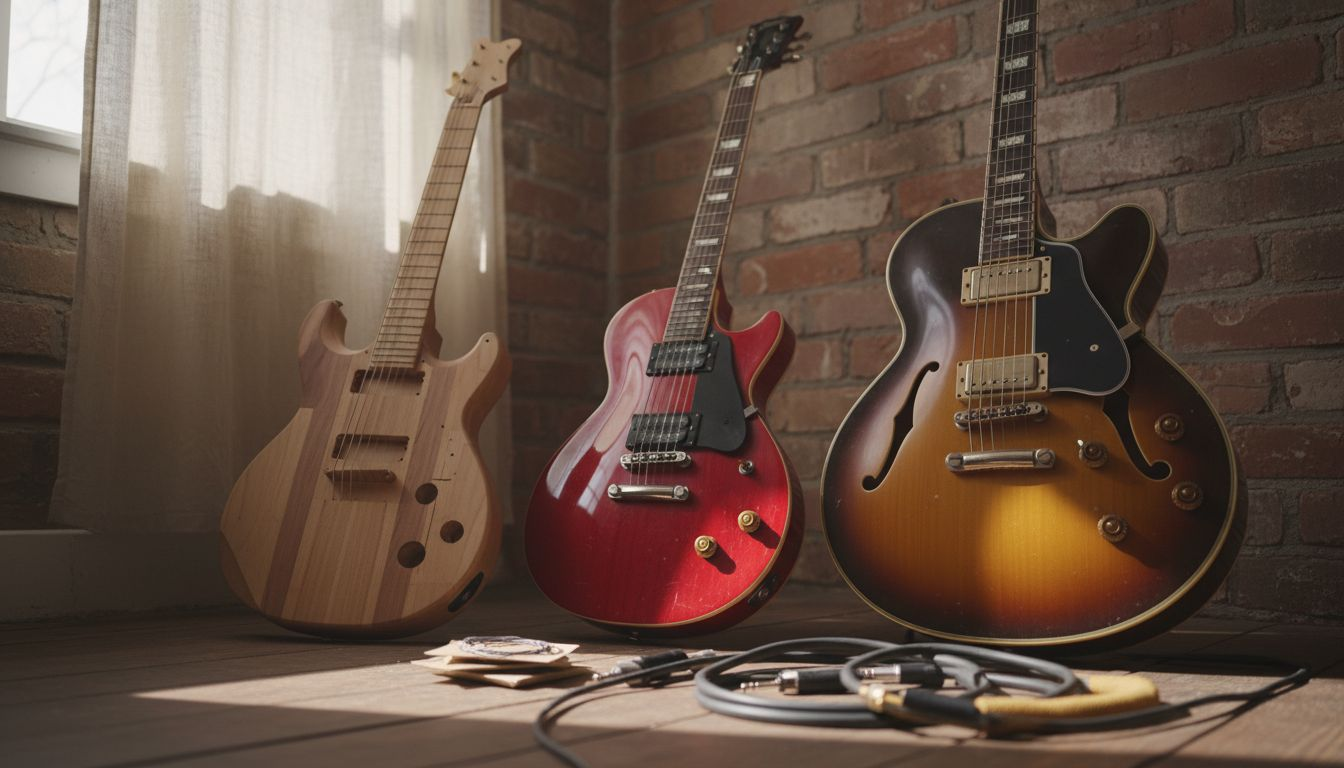
Understanding how chambered guitars fit within the broader landscape of electric guitar construction requires honest comparison with both solid bodies and hollow bodies. Each approach represents a different philosophy about how wood should behave inside your instrument, and each produces distinctly different playing experiences. Solid bodies remain the industry standard for good reason. They deliver sharp, focused tone with long sustain and genuine resistance to feedback, making them the dependable choice for high gain applications, studio recording, and any scenario where you need predictable behaviour. Hollow bodies sit at the opposite end of the spectrum, offering enormous resonance and rich warmth but demanding careful amplifier settings and venue awareness because feedback becomes a constant companion at volume. Chambered bodies exist in the middle ground, deliberately engineered to capture benefits from both camps whilst minimising their drawbacks.
The fundamental differences become apparent when you consider how each construction type responds to vibration. Solid bodies channel string vibration through dense wood, which absorbs energy and produces tight, controlled sustain. This density also prevents excessive body resonance, which keeps feedback manageable even when pushing your amplifier hard. Conversely, hollow bodies with full interior cavities create huge resonance and rich warmth but introduce air movement inside the body that can easily excite at certain frequencies, causing unwanted feedback. Chambered construction strikes a calculated balance by incorporating strategic internal cavities that allow the wood to vibrate more freely than a solid body whilst maintaining enough mass and structural integrity to prevent the feedback susceptibility of true hollow designs. The result produces what many players describe as tight lows and airy highs, a tonal character that feels open and resonant without losing definition or becoming unmanageable at volume.
When comparing these three approaches across practical playing scenarios, the distinctions sharpen considerably. For studio work, solid bodies remain unbeatable because their focused tone translates consistently across different amplifiers and microphone placements. Recording engineers appreciate the clarity and predictability. Hollow bodies introduce complications in the studio because their ambient resonance can muddy recordings or interact unpredictably with different amplifier characteristics. Chambered guitars often occupy the sweet spot for studio musicians who want tonal complexity without requiring extensive microphone techniques or amplifier compensation to manage unwanted resonance. For live performance, solid bodies dominate in high gain environments where feedback control is paramount, but chambered guitars prove increasingly popular with players seeking tonal warmth without sacrificing stability. Hollow bodies require experienced players and careful venue management. For practising at home without disturbing neighbours, solid bodies produce less acoustic bleed, whilst hollow bodies generate substantial unplugged volume that can frustrate flat dwellers and fellow household members. Chambered guitars offer a practical compromise, vibrating enough to feel lively but not excessively loud when unplugged.
The weight consideration differs significantly across these three categories. Solid bodies vary in weight depending on wood density and body dimensions, typically ranging from 7 to 9 kilograms. Hollow bodies actually weigh slightly less despite their size because interior cavities dramatically reduce overall wood volume, usually landing between 6 and 8 kilograms. Chambered guitars typically weigh 15 to 25 percent less than comparable solid bodies, placing them firmly in the 5.5 to 7.5 kilogram range. For extended playing sessions, especially standing gigs, this weight difference becomes genuinely noticeable. Your shoulders appreciate the lighter load, your neck muscles fatigue less, and your entire playing experience becomes more comfortable. Budget considerations also matter. Solid bodies range from budget options starting around £200 to premium handcrafted instruments exceeding £3000. Hollow bodies generally start higher, around £500, reflecting their construction complexity. Chambered guitars occupy middle ground, typically ranging from £400 to £2000 depending on construction quality and materials. The value proposition varies based on your priorities. If feedback control and focused tone matter most, solid bodies offer excellent value. If warmth and resonance drive your decision, hollow bodies deliver genuine character. If you want tonal improvement coupled with weight reduction and playing comfort without abandoning stability, chambered guitars provide compelling value across their price range.
Here’s how chambered guitar body types differ from other common designs:
| Body Type | Key Advantage | Main Drawback | Typical Weight (kg) |
|---|---|---|---|
| Solid Body | Feedback resistance | Heavier on shoulder | 7–9 |
| Chambered Body | Warmer resonance | More humidity sensitive | 5.5–7.5 |
| Hollow Body | Richest acoustic tone | Prone to feedback | 6–8 |
Pro tip: When deciding between these three body types, prioritise your actual playing environment over abstract tonal preferences. A player gigging in small clubs with variable acoustics might discover that a hollow body’s feedback challenges outweigh its tonal benefits, whilst a studio musician could exploit those same characteristics to create distinctive recordings. Your venue and amplifier settings often matter more than the guitar itself.
Expert Setup, Common Pitfalls, and Care
A chambered guitar requires the same professional setup attention as any quality electric instrument, but understanding the specific characteristics of chambered construction helps you communicate effectively with your technician and identify potential issues before they develop. The internal cavity structure of a chambered body means that setup adjustments can influence tonal characteristics in subtle but meaningful ways. When you take your chambered guitar for initial setup, the technician will address truss rod adjustments to establish proper neck relief, ensuring the neck maintains its slight forward curve without excessive relief that would compromise playability. They’ll then adjust saddle and nut height to achieve comfortable string action without buzzing or dead spots. Intonation settings are critical because chambered guitars can behave slightly differently than solid bodies in how they respond to compensation points. Finally, pickup height modifications deserve careful attention because the slightly different resonance characteristics of a chambered body may require adjusted pickup positioning to optimise tonal balance. This entire process typically costs between £60 and £150 depending on your technician’s rates and the complexity required.
Common pitfalls with chambered guitars often stem from misunderstanding their unique construction. The most frequent mistake involves overtightening truss rods or using incorrect string gauges without compensation, both of which can damage the delicate balance that makes chambered construction effective. Overtightening a truss rod risks cracking the relatively thin wood around the rod channel, a repair that becomes expensive and complicated. Using heavier string gauges without adjusting bridge compensation or nut slots can create excessive tension that pulls the neck forward, compromising the setup you’ve invested in. Another common error involves neglecting the chambered body’s increased responsiveness to humidity changes. Because there’s less wood mass inside, humidity fluctuations affect the body’s stability more quickly than solid bodies. Players sometimes discover that their perfectly set up guitar develops buzzing or action issues within weeks of moving to a different climate or season. Additionally, some players assume chambered guitars need constant professional attention, when in reality regular home maintenance prevents most common issues from developing in the first place.
Proper care for chambered guitars emphasises prevention over reactive repair. Start with frequent cleaning of both the finish and hardware. Use a soft microfibre cloth to wipe down the body after each playing session, removing oils and sweat that can degrade lacquer over time. Polish the frets periodically with appropriate fret conditioners, and keep the tuning machines and bridge clean to ensure smooth operation. Protecting the finish means storing your guitar in a stable environment away from direct sunlight, which can fade or crack lacquer. Use a padded gig bag rather than leaving the instrument exposed, particularly if you’re transporting it between venues or climates. Monitoring humidity becomes more important with chambered guitars than solid bodies. Aim for relative humidity between 45 and 55 percent in your storage environment. Excessive dryness causes the wood to shrink, creating fret sprout and action issues. Conversely, excessive humidity promotes swelling that can cause fret crowning problems or finish checking. Many UK players benefit from using simple hygrometers to track their playing space humidity, adjusting with a dehumidifier or humidifier as needed. Finally, schedule professional setups annually rather than waiting until problems develop. A technician can spot potential issues early when they’re simple to address, preventing expensive repairs down the line.
Beyond these fundamental care practices, understanding your specific chambered guitar’s construction helps you anticipate maintenance needs. Ask your technician or builder whether your particular model features sealed chambers or vented designs, as this influences how humidity affects the instrument. Learn whether your guitar uses a carved top with f-holes or concealed chambers, as this affects cleaning accessibility and finish protection strategies. Document the original setup specifications, including truss rod tension, bridge compensation, and pickup heights, so you can reference them when requesting professional setups or troubleshooting issues remotely. Keep receipts from professional work so you understand what adjustments were made and what might need revisiting seasonally. Many players discover that their chambered guitar requires minor truss rod tweaking twice yearly as humidity shifts between summer and winter, a simple adjustment that takes minutes and costs nothing if you’ve built a relationship with your local technician.
Below is a summary of setup and maintenance priorities for chambered guitars:
| Maintenance Area | Importance for Chambered Guitars | Typical UK Cost |
|---|---|---|
| Truss Rod Adjustment | Prevents damage to thinner wood | £60–£150 per setup |
| Humidity Monitoring | Avoids shrinkage or swelling issues | £10–£30 for kit |
| Annual Professional Setup | Maintains playability and value | £60–£150 yearly |
| Finish Cleaning | Protects lacquer and hardware | Minimal, at home |
Pro tip: Develop a relationship with a single technician who becomes familiar with your specific chambered guitar rather than visiting different shops for different work. This continuity means they’ll remember the original setup specifications, notice subtle changes that need attention, and make informed recommendations based on knowing your instrument’s history and your playing style.
Discover the Perfect Chambered Guitar for Enhanced Tone and Comfort
If you are captivated by the idea of experiencing a guitar that offers both weight reduction and warmer resonance without sacrificing solid body stability then exploring chambered body guitars is a natural next step. At MusicStreet we understand the challenges British players face with extended playing comfort and tonal complexity. Our expert selection and professional setup services ensure you find a chambered guitar that fits your style while delivering the ergonomic benefits and rich acoustic qualities highlighted in the article.

Explore our handpicked range of new and pre-loved guitars at MusicStreet where expert inspection and tailored advice come standard. Whether you want to try chambered Stratocaster styles or bespoke designs our dedicated team in Huntingdon is ready to assist with personalised support ensuring your new instrument is perfectly set up to thrive in UK climates. Don’t wait to upgrade your playing experience visit us today and feel the difference a well-crafted chambered guitar can make.
Frequently Asked Questions
What are chambered body guitars?
Chambered body guitars are instruments that combine aspects of solid and hollow body guitars. They have a solid exterior with strategically routed internal cavities that enhance tonal warmth and reduce weight without compromising feedback control.
How does chambering affect the tone of a guitar?
Chambering introduces air pockets inside the body, allowing the wood to vibrate more freely. This results in a warmer, woodier sound with increased resonance compared to solid body guitars, while still maintaining the punch and clarity needed for high gain tones.
What are the advantages of using a chambered body guitar?
Chambered body guitars offer several benefits, including reduced weight for comfortable play during extended sessions, enhanced tonal complexity and sustain, and a balance between the stability of solid bodies and the resonance of hollow bodies.
How should I care for my chambered body guitar?
Regular maintenance includes cleaning the finish and hardware after each session, monitoring humidity levels to prevent wood issues, and scheduling annual professional setups to address potential adjustments and maintain playability.









Share:
How to Pick a Guitar Amp for Beginners: Step-by-Step Guide
The Essential Guitar Maintenance & Care Guide