The Bass String Guide: Finding Your Perfect Gauge, Material, and Wind
What separates a muddy, dead-sounding bass from a rich, punchy, and articulate low-end powerhouse? While your bass's wood, pickups, and amplifier define your fundamental tone, professional studio engineers and touring bassists know that the secret to shaping your attack, sustain, and playability lies in choosing the right electric bass strings.
Replacing your worn-out strings serves several critical functions:
-
Restored Brightness & Growl: Fresh strings respond accurately to your fingerstyle, pick, or slap dynamics, delivering a crisp, clear high-end and a tight, focused low-end.
-
Consistent Tuning Stability: Worn, stretched, or corroded strings lose their elasticity, making them incredibly difficult to tune and keep in pitch.
-
Improved Playability: Fresh strings offer a smooth, comfortable feel under your fingers, reducing friction and making slides, grooves, and slap techniques effortless.
Understanding Bass Specifications: Gauges, Materials, and Winds
To choose the correct strings for your playing style and instrument, you must understand the primary specifications:
1. Gauges & Scale Lengths
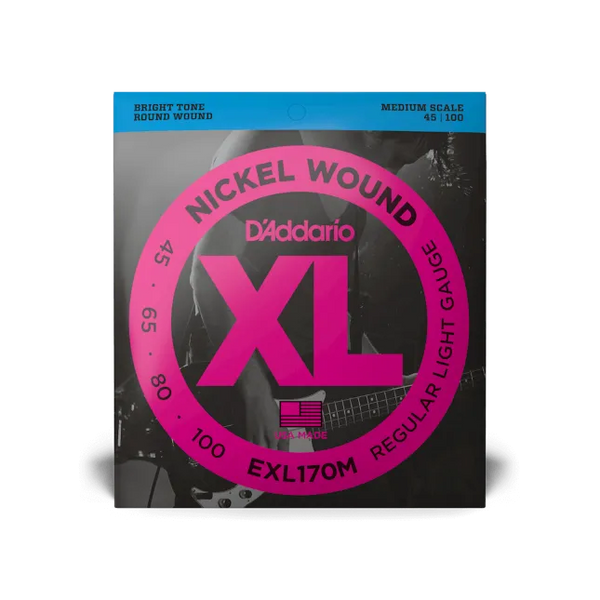
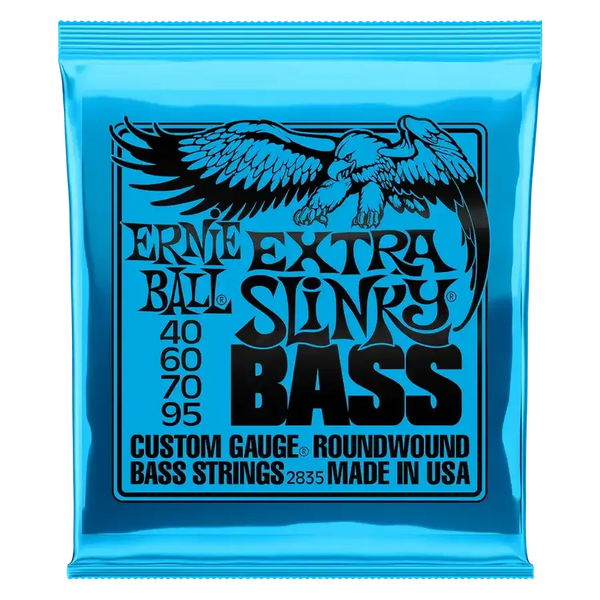
Light (40-95): Lightweight, thin, and highly flexible. Perfect for beginners, players with a lighter touch, and fast slap techniques.
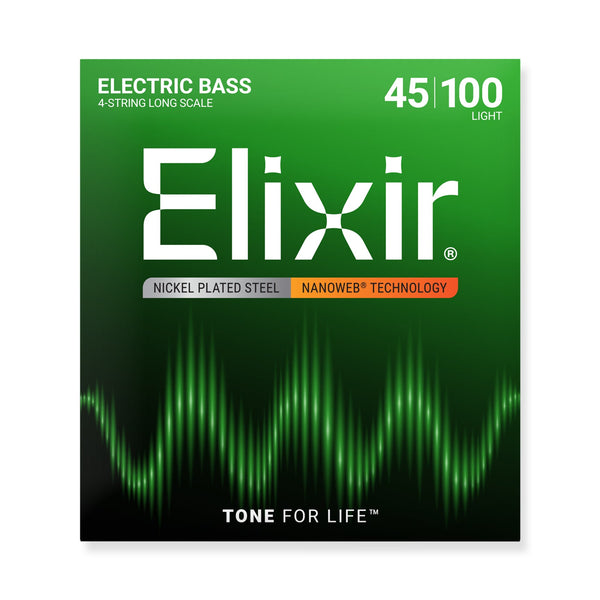
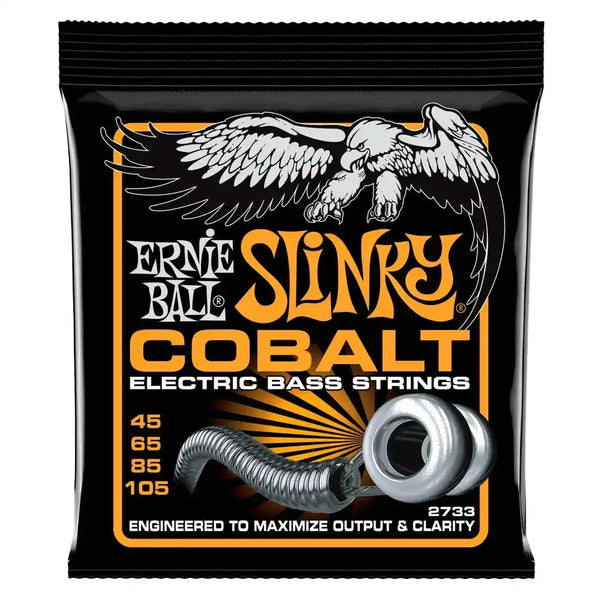
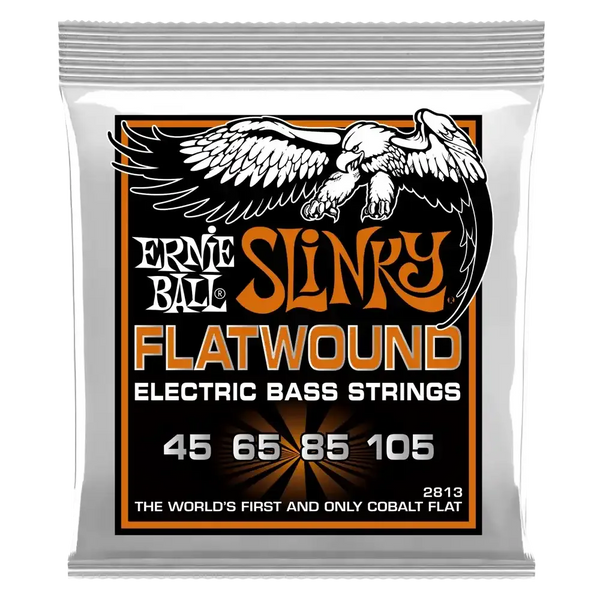
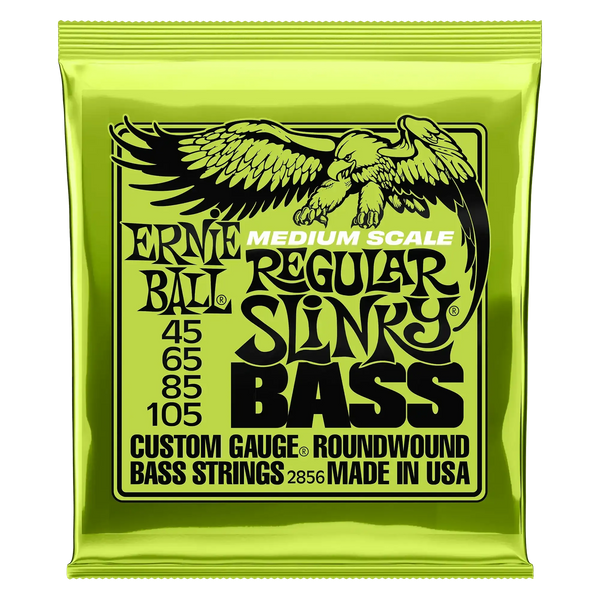
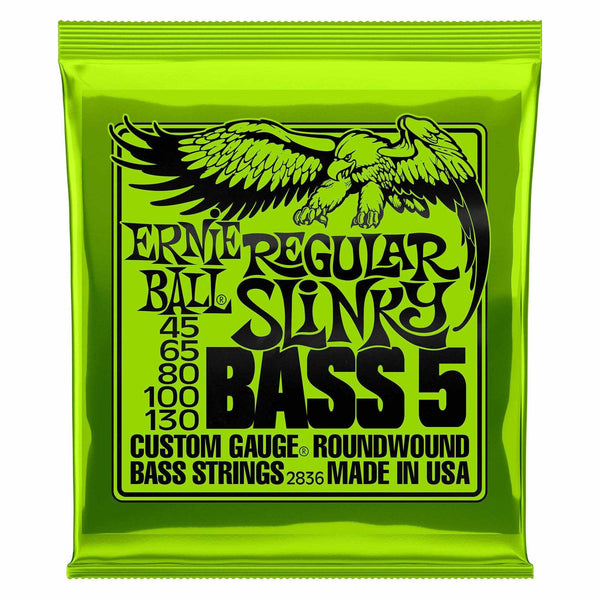
Medium (45-105): The undisputed industry standard. Offers the perfect balance of tension, volume, and durability for rock, pop, and blues.
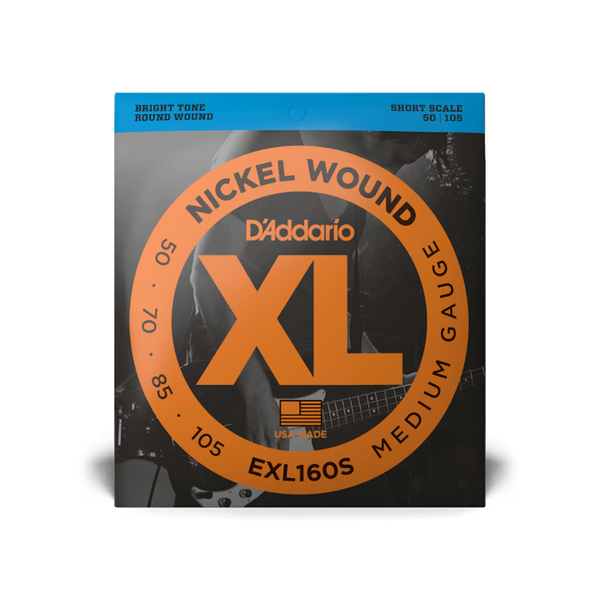
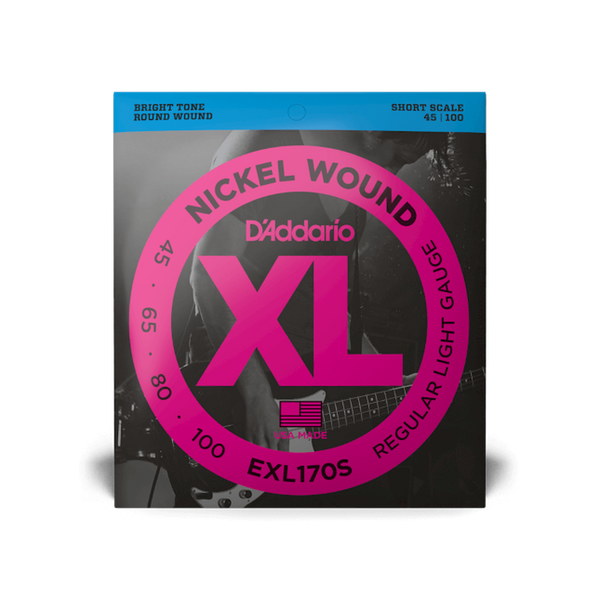
Scale Lengths: Standard basses require long-scale strings, while compact models require specialized short scale bass strings to prevent winding issues.
2. Bass String Materials
Nickel-Plated Steel: The most popular choice. Delivers a bright, balanced tone with excellent magnetic response and outstanding durability.
Stainless Steel: Bright, aggressive, and highly corrosion-resistant. Delivers a bright, metallic high-end with maximum projection and a highly articulate slap attack.
3. Roundwound vs. Flatwound
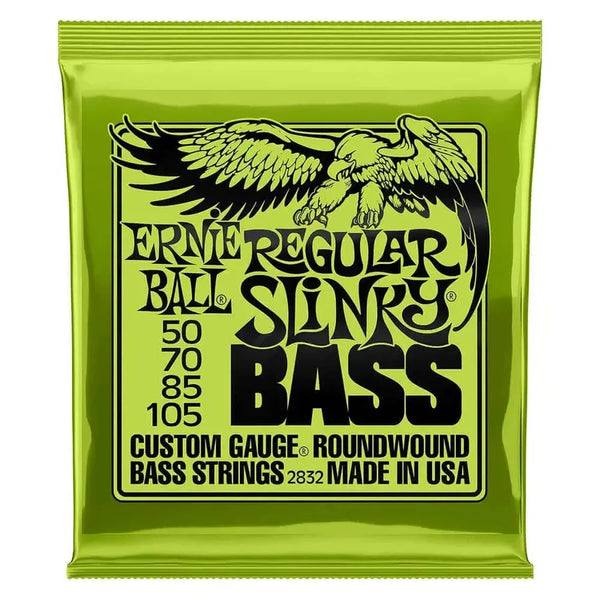
Roundwound Strings: The industry standard. Textured surface delivering a bright, growly, and modern tone with plenty of sustain—perfect for rock, pop, and slap bass.
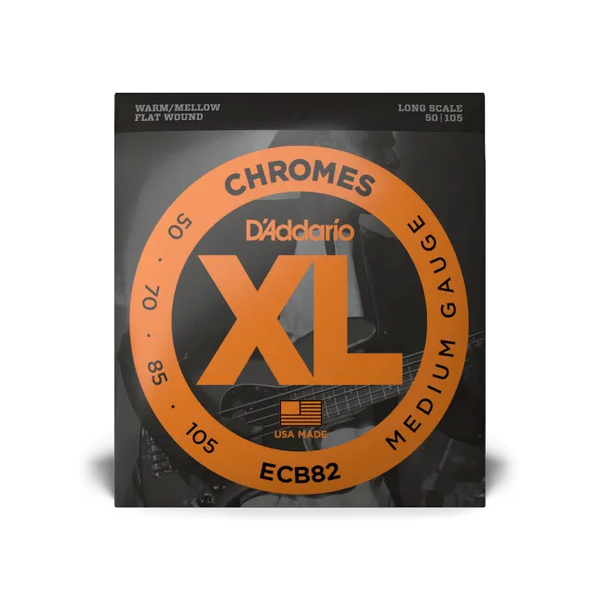
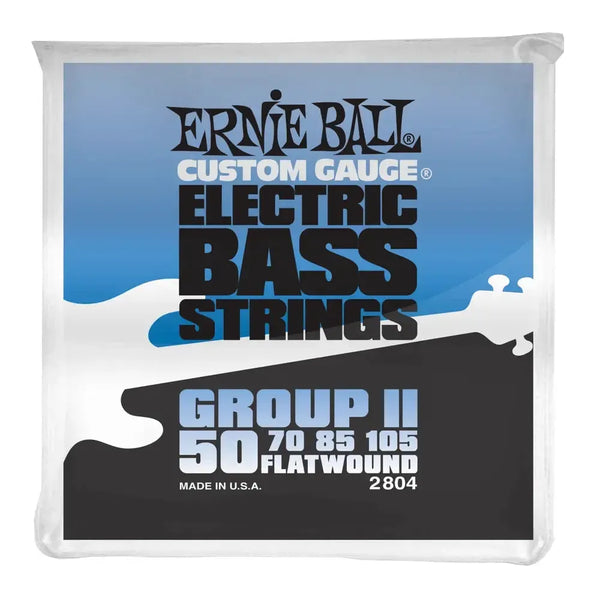
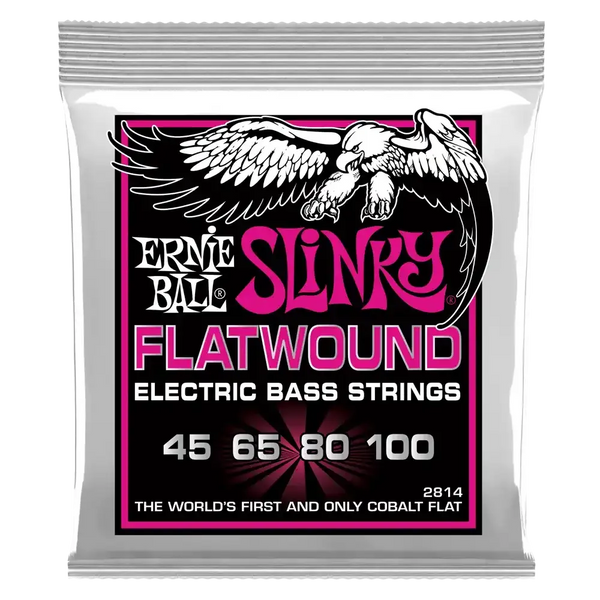
Flatwound Bass Strings: The vintage standard. Smooth, flat surface delivering a warm, deep, and thumpy tone with a frictionless feel—perfect for Motown, jazz, and fretless basses.
The MusicStreet Difference: Quality & Authenticity Guaranteed
At MusicStreet, we don't believe in "box shifting." Even simple accessories like bass strings require careful selection. Wood and metal are natural materials, and cheap or counterfeit strings can often vary in quality, rust prematurely, or have mismatched tensions.
Every single pack of strings listed on our site is 100% genuine and sourced directly from authorized UK distributors. We physically stock all items in our Huntingdon showroom, ensuring they are stored in a clean, temperature-controlled environment before shipping.
Frequently Asked Questions (FAQs)
What are the names of bass strings in standard tuning?
+
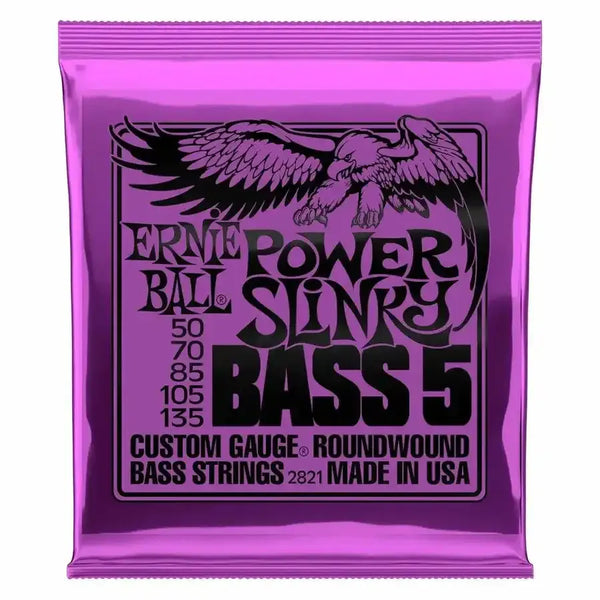
For a standard 4-string bass, the names of bass strings from lowest pitch (thickest string) to highest pitch (thinnest string) are E, A, D, and G. For a 5-string bass, standard tuning adds a low B string below the E string (B, E, A, D, G).
How often should I change my electric bass strings?
+
Unlike guitar strings, bass strings are much thicker and can last significantly longer. Active gigging and recording bassists should change their strings every 2 to 3 months, or as soon as they lose their brightness and sustain. However, players who use flatwound bass strings often keep them on for years, as they are designed to sound warm, thumpy, and broken-in.
Do you stock these items in your showroom?
+
Yes. Every pack of strings listed on our site is physically in stock at our independent showroom at 10 Chequers Court, Huntingdon, Cambridgeshire. You can drop in, check out the selection, and get honest, expert advice from our team of working musicians.
What is the difference between roundwound and flatwound strings?
+
Roundwound strings feature a textured surface and deliver a bright, growly, and modern tone with plenty of sustain. Flatwound strings feature a completely smooth, flat surface and deliver a warm, deep, and thumpy vintage tone with a frictionless feel under your fingers.
Welcome to our Bass Strings Collection, where you'll find the best bass guitar strings designed for every musician's needs. Whether you are a beginner or a seasoned bassist, the right strings can transform your sound, enhance your playability, and inspire creativity. Our diverse range offers something for everyone, from rich tones to long-lasting durability.
Choosing the right bass guitar strings is essential for achieving that perfect sound. Each set in our collection has been crafted with precision to cater to a variety of playing styles, whether you play jazz, rock, funk, or metal. We understand that the strings you choose affect not only your tone but also your overall performance.
Why Choose Our Bass Guitar Strings?
When shopping for bass guitar strings, it's important to consider elements such as material, gauge, and tone. Our collection features high-quality strings made from various materials, ensuring you find the right fit for your instrument and playing style.
-
Exceptional Tone: Experience a deeper, more resonant sound with our premium materials that enhance your musical expression.
-
Durability: Our bass guitar strings are made to withstand extensive playing. Enjoy enhanced longevity without sacrificing tone quality.
-
Easy Playability: Engineered for smooth play, our strings offer the right amount of tension for easy fretting and bending, making them comfortable for long sessions.
-
Variety of Options: From round wound to flat wound, and various gauges, our selection accommodates diverse playing styles and personal preferences.
Materials Matter
Our bass guitar strings are crafted from premium materials, including nickel-plated steel and stainless steel, which deliver a brilliant attack and warmth. Nickel strings produce a smoother, mellower tone, while stainless steel offers a bright, articulate sound preferred by slap players. Understanding the difference allows you to select the ideal string for your sound preference.
Selecting the Right Gauge
Gauge refers to the thickness of the string, which impacts both tone and playability. Lighter gauges (usually .040 to .095) are easier to play and bend, making them great for beginners or those looking for a more agile touch. Heavier gauges (.045 to .105 and higher) provide more volume and sustain, favored by players who prioritize power. Consider your playing style and comfort when selecting your gauge.
Maintaining Your Bass Guitar Strings
To keep your strings in top condition, regular maintenance is key. Wipe your strings down after each session to remove grime and sweat, which can wear them out faster. Additionally, consider using string conditioners to prolong their life and maintain that fresh sound.
Customer Satisfaction Guarantee
We stand behind our products with a commitment to quality and customer satisfaction. Each set of our bass guitar strings comes with a satisfaction guarantee, ensuring you're pleased with your purchase. If you’re not completely satisfied, we’ll work with you to make it right.
Join the Bass Revolution
After you’ve explored our collection, you’ll quickly discover why musicians trust our bass guitar strings for their sonic journey. From live performances to studio recordings, our strings are engineered to meet the demands of all playing environments.
Don't wait to elevate your sound! Explore our Bass Strings Collection today and find the perfect strings that resonate with your musical style. Experience the difference in quality, durability, and playability that will make your performances stand out. Shop now and let your bass guitar sing!