


The best guitar shops offer quality instruments, knowledgeable staff who are active musicians, and services like trade-ins and warranties. They provide a pressure-free environment for trial and support long-term relationships through setup and repair services. Different shop types suit specific needs, including boutique, vintage, repair, and online stores, making it important to match your priorities.
The best guitar shop is defined by three things: quality instruments, staff who are active musicians, and services like trade-ins and warranties that protect your investment. Whether you are searching for a guitar shop near me or browsing the best online guitar stores from your sofa, the criteria for excellence remain the same. A top guitar store does not just sell instruments. It gives you the knowledge, confidence, and support to make the right choice. This guide breaks down exactly what separates a great shop from a forgettable one.
1. What makes the best guitar shop stand out?
The finest guitar retailers combine product quality with genuine expertise. Staff who are active musicians can demonstrate instruments, answer technical questions, and tailor recommendations to your playing style. That combination is rare, and it makes a measurable difference to how confident you feel walking out the door.

A top guitar store also creates a pressure-free environment. You should be able to pick up a Fender Stratocaster, play it for twenty minutes, and put it back down without anyone hovering. The best shops understand that trust sells guitars. Pushy sales tactics do the opposite.
Services matter as much as stock. Trade-in programmes, warranty cover, and flexible financing all reduce the risk of a significant purchase. Musicstreet offers free UK delivery, insurance-backed warranties, and post-sale support as standard. That kind of structure signals a shop that expects a long-term relationship with its customers, not a one-off transaction.
- Wide brand range: Look for shops stocking PRS, Gibson, Fender, Martin, and Ibanez rather than a single brand.
- Knowledgeable staff: The best staff play the instruments they sell and can demonstrate them on request.
- Trial experience: You should be able to play any guitar before buying, without time pressure.
- Warranty and trade-in options: These protect your money and give you flexibility as your playing develops.
- Post-sale support: Setup, repair, and adjustment services show a shop is invested in your satisfaction.
Pro Tip: Ask a staff member to play the guitar you are considering. A musician on the shop floor will reveal tonal qualities and playability details you would not notice alone.
2. Guitar shop categories: which type suits your needs?
Not every guitar shop serves the same purpose. Understanding the different categories helps you target the right retailer for your specific situation.
Boutique and specialist shops focus on unique instruments, custom builds, and artist collaborations. Boutique guitar retailers target players who want distinctive sounds and craftsmanship rather than off-the-shelf models. Ibanez, for example, has produced artist collaboration models with Steve Vai that feature refined playability and unique construction choices. These shops suit experienced players with specific tonal goals.
Multi-brand retailers with wide selections stock everything from entry-level acoustics to professional electrics. They suit beginners and intermediate players who want to compare many models in one visit. The trade-off is that staff expertise can vary more widely than in specialist shops.
Vintage and rare instrument shops provide expert appraisals covering serial numbers, original hardware, and finish condition. Accurate vintage appraisal requires inspecting make, model, year, and originality. These shops are the right choice for collectors or players seeking instruments with history and character.
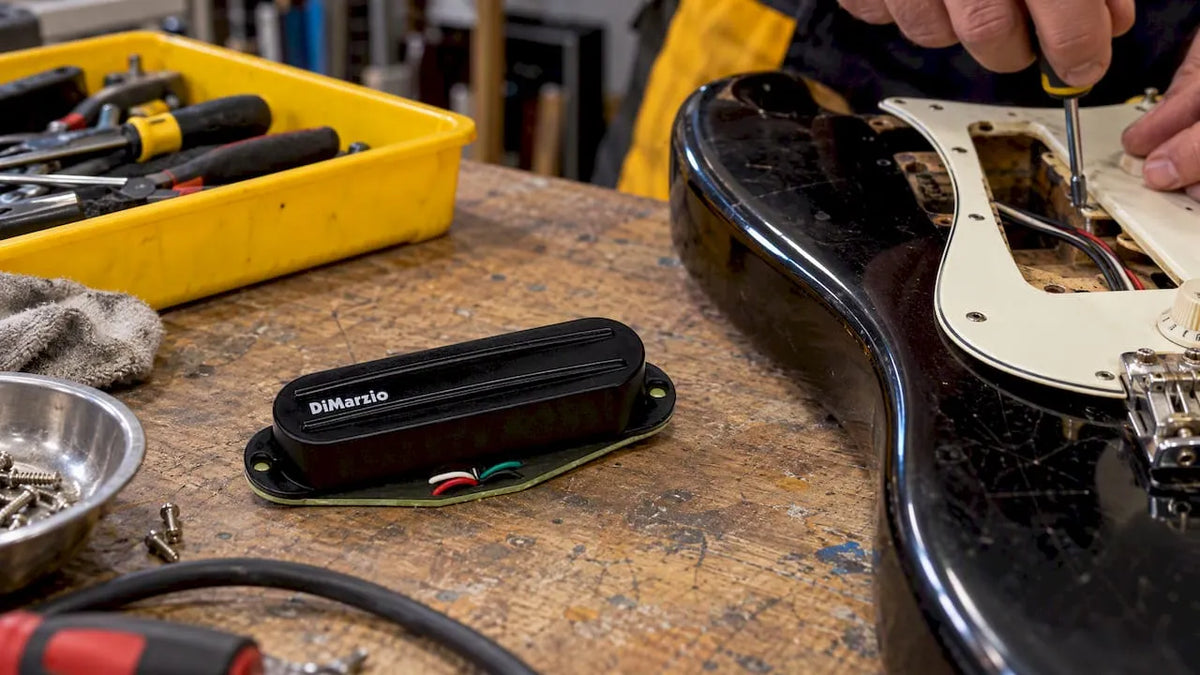
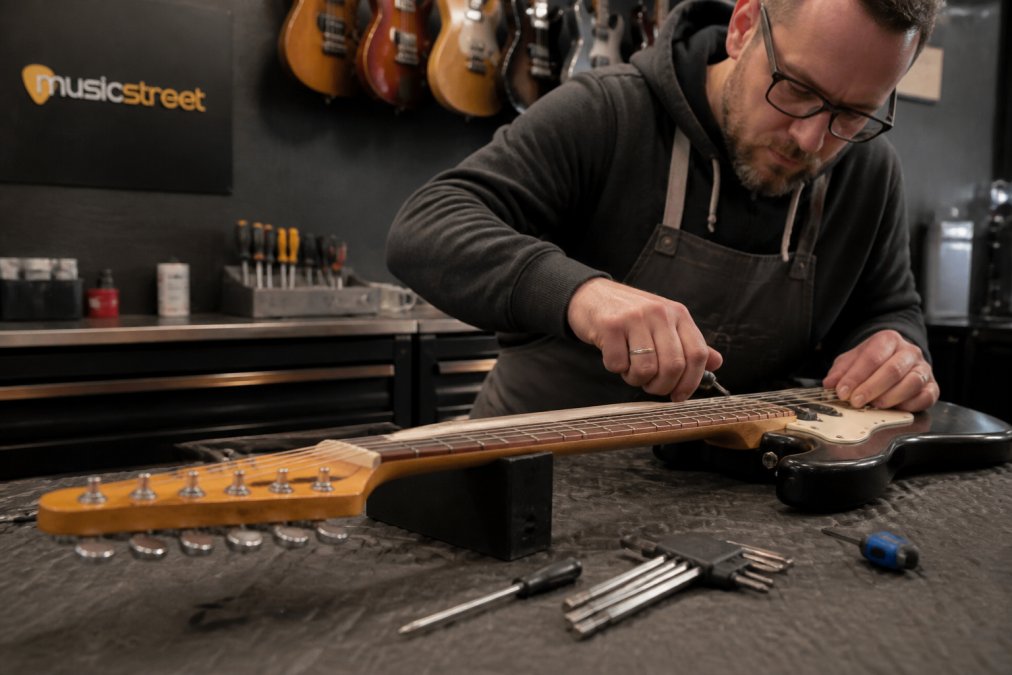
Repair and modification specialists offer setups, fret work, electronics upgrades, and custom modifications. If you already own a guitar that needs attention, a shop with a dedicated repair technician is worth more than one with a larger showroom.
Online guitar stores with strong customer service combine broad stock with fast delivery and detailed product listings. The best online retailers provide the same post-sale support as physical shops, including setup advice and returns policies.
- Boutique shops: high expertise, unique stock, higher price points
- Multi-brand retailers: broad choice, variable staff knowledge, good for comparison shopping
- Vintage shops: specialist appraisal, rare stock, suits collectors
- Repair specialists: technical depth, ideal for existing instrument owners
- Online retailers: convenience, wide range, dependent on strong customer service
3. How to audition guitars in a shop: a practical method
Auditioning a guitar properly takes preparation. Trying multiple models before committing is the single most effective way to avoid buyer’s regret. Playability, tone, and feel vary significantly between instruments, even within the same brand and model range.
- Start with your budget range. Ask staff to show you three or four guitars within your price bracket. This prevents you from falling in love with something you cannot afford.
- Play the same riff or chord progression on each guitar. Consistency in what you play makes tonal differences easier to hear and compare.
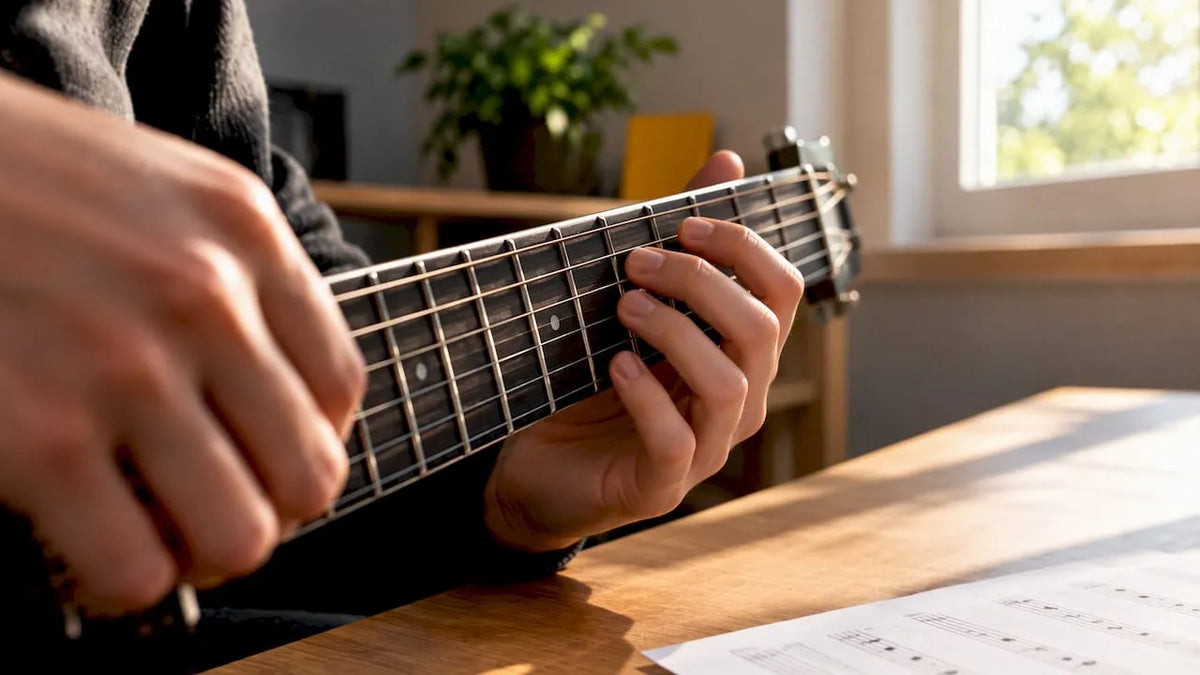
- Check the neck feel. Run your thumb along the back of the neck. A guitar that feels uncomfortable in the first five minutes will feel worse after two hours of playing.
- Test the action. High action makes fretting harder and causes fatigue. Ask staff to explain what is standard and what can be adjusted after purchase.
- Play it unplugged and plugged in. For electric guitars, the acoustic resonance tells you about the wood quality. The amplified tone tells you about the pickups.
- Ask about the setup. A well-set-up guitar plays better than a poorly set-up one of higher value. Good shops set up instruments before putting them on the floor.
- Request a staff demonstration. Musician staff can reveal tonal characteristics and playing feel that a beginner or intermediate player might miss entirely.
Pro Tip: Bring your own pick and a short list of songs or riffs you actually play. Testing a guitar with your real repertoire gives you a far more accurate sense of fit than noodling unfamiliar scales.
4. Trade-ins, warranties, and promotions: getting the best value
Trade-in programmes reduce the cost of upgrading significantly. Trade-in value depends on accurate guitar valuation and promotional timing. Some shops run time-bound incentives, such as a percentage off new gear during trade-in periods, to encourage upgrades and drive store visits. Understanding when these promotions run helps you plan a purchase rather than react to one.
Warranties matter more than most musicians realise at the point of purchase. An insurance-backed warranty covers manufacturing defects and, in some cases, accidental damage. Always confirm what the warranty covers before you buy, particularly for higher-value instruments.
B-Stock and open-box items offer genuine value. B-Stock guitars are fully functional instruments with minor cosmetic imperfections. They perform identically to new guitars and typically carry manufacturer warranties. For a player who is going to put wear on an instrument anyway, B-Stock is a rational choice.
- New guitars: Full warranty, no cosmetic issues, highest price
- B-Stock: Minor cosmetic flaws, full performance, lower price, warranty usually intact
- Pre-loved or used: Lower price, condition varies, inspect carefully before buying
- Trade-in deals: Reduce upfront cost, value depends on your guitar’s condition and shop valuation
Check promotional timing carefully. Trade-in incentives are often time-limited, so knowing when a shop runs its promotions can save you a meaningful amount on a new instrument.
5. Matching the right shop to your specific needs
Different musicians need different things from a guitar retailer. Matching your priorities to the right type of shop saves time and money.
Beginners benefit most from shops with patient, knowledgeable staff who can explain the difference between acoustic and electric, help with first-guitar selection, and offer starter packages that include accessories. A pressure-free environment is non-negotiable at this stage. A beginner who feels rushed or judged will not return.
Players seeking vintage instruments need shops with genuine appraisal expertise. Evaluating a vintage guitar properly requires detailed inspection of serial numbers, original hardware, wood species, and finish condition. Only specialist retailers with experienced staff provide accurate appraisals. Buying a vintage guitar without that expertise is a significant financial risk.
Musicians focused on repairs and modifications should prioritise shops with dedicated repair technicians over those with larger showrooms. A shop that can set up, refret, rewire, and modify instruments is worth more to a working musician than one that simply sells guitars.
Players looking for boutique or high-end instruments should seek shops that stock unique boutique guitars and can explain the differences in construction, tonewoods, and hardware. These shops typically stock fewer units but know each instrument in depth.
Musicstreet serves all four of these needs through its combination of new, pre-loved, and boutique stock, alongside repair services and expert staff based in Huntingdon, Cambridgeshire.
Key takeaways
The best guitar shop combines quality stock, musician staff, and post-sale services including trade-ins, warranties, and repairs to give every musician a confident buying experience.
| Point | Details |
|---|---|
| Staff expertise matters most | Choose shops where staff are active musicians who can demonstrate and advise. |
| Try before you buy | Auditioning multiple guitars in-store remains the most reliable way to find the right instrument. |
| B-Stock offers real value | Open-box guitars perform identically to new ones and often carry full warranties at lower prices. |
| Trade-in timing is key | Plan purchases around promotional trade-in periods to reduce the cost of upgrading. |
| Match shop type to your need | Beginners, vintage collectors, repair-focused players, and boutique seekers each benefit from different shop categories. |
Why the guitar shop experience still cannot be replaced
I have spent years visiting guitar shops across the UK, and the ones that stay with me are never the biggest. They are the ones where a staff member picked up the guitar I was hesitating over and played it for two minutes without being asked. That moment tells you everything about a shop’s culture.
The rise of B-Stock sales and trade-in programmes has genuinely changed how musicians upgrade their gear. Players who understand how to value a guitar for trade-in and time their purchases around promotions are getting significantly better value than those who simply walk in and pay full price. That knowledge used to be insider information. Now it is accessible to anyone willing to ask the right questions.
What concerns me slightly is the assumption that online browsing replaces the in-store experience. It does not. You cannot feel a neck profile through a screen. You cannot hear how a guitar resonates in a room. The in-store guitar experience is irreplaceable for any purchase above a certain value. Use online resources for research, then go and play the instrument before you commit.
Boutique shops are growing in influence despite the dominance of large retailers. Players are increasingly willing to pay more for an instrument with a story, a unique build, or a specific tonal character. That trend rewards shops that invest in expertise and curation over volume. It is a healthy direction for the industry.
Musicstreet: expert guitars and genuine service in one place
Musicstreet stocks PRS, Gibson, Fender, Martin, and Ibanez guitars alongside a carefully selected range of pre-loved instruments, all inspected and set up before sale.
Every purchase comes with insurance-backed warranty cover and access to knowledgeable staff who play the instruments they sell. Whether you are a beginner choosing your first guitar or an experienced player looking for a boutique upgrade, Musicstreet offers free UK delivery on qualifying orders, trade-in options, and repair services from its Huntingdon store. Browse the full range or get in touch for personalised advice at Musicstreet’s guitar shop.
FAQ
What should I look for in a top guitar store?
The best guitar stores offer a wide brand selection, knowledgeable musician staff, a pressure-free trial environment, and post-sale services including warranties and repairs.
Is it worth buying from an online guitar shop?
Online guitar shops are a strong option when they offer detailed product listings, insurance-backed warranties, free delivery, and accessible customer support. Always confirm the returns policy before purchasing.
What is a B-Stock guitar?
A B-Stock guitar is a fully functional instrument with minor cosmetic imperfections. It performs identically to a new guitar and typically carries a manufacturer warranty at a lower price.
How do trade-in programmes work at guitar shops?
Trade-in programmes allow you to exchange your current guitar for credit towards a new purchase. Value depends on your instrument’s condition, and some shops run time-limited promotions that increase the trade-in benefit.
How do I find the best guitar repair shop near me?
Look for shops with a dedicated repair technician rather than a general sales assistant. Ask specifically about setup, fret work, and electronics services before committing to any repair work.






Share:
How to choose a guitar size: beginner's guide
Acoustic vs electric acoustic guitar: which should you buy?