


Choosing the right guitar accessory is more art than impulse when your setup already sparks with personality. Guitarists in the UK know that the smallest upgrades can unlock new dimensions of expression, but the market is crowded with products that promise more than they deliver. This guide breaks down how understanding your guitar and playing style lets you make smart, rewarding choices that match your ambitions and make every note count.
Table of Contents
- Step 1: Assess Your Guitar And Playing Style
- Step 2: Research Luxury Accessory Brands And Materials
- Step 3: Compare Features And Craftsmanship
- Step 4: Verify Product Authenticity And Warranties
- Step 5: Select And Test Accessories For Compatibility
Quick Summary
| Essential Insight | Clarification |
|---|---|
| 1. Assess your guitar’s characteristics | Understand your guitar’s body wood and pickup configuration to choose compatible accessories that enhance its natural sound. |
| 2. Research reputable accessory brands | Identify brands known for quality in specific accessory categories and read player reviews to avoid costly mistakes. |
| 3. Test accessories hands-on for compatibility | Always test accessories with your guitar to ensure a proper fit and feel, avoiding issues that specifications might not reveal. |
| 4. Verify authenticity of luxury products | Ensure the authenticity of accessories by checking official retailer status, warranty details, and scanning product codes before purchase. |
| 5. Evaluate materials and craftsmanship | Focus on the quality of materials and detailed craftsmanship when selecting accessories, as these factors significantly impact performance and longevity. |
Step 1: Assess your guitar and playing style
Before investing in luxury accessories, understand what you’re working with. Your guitar’s characteristics and your personal playing style form the foundation for every accessory choice you’ll make going forward.
Start by examining your instrument closely. Look at the body wood, neck profile, and pickup configuration. These elements reveal how your guitar produces sound and what sonic characteristics it naturally possesses. Different woods respond to accessories differently, and knowing your guitar’s tonal personality helps you choose accessories that enhance rather than fight against its inherent voice.
Next, consider how you actually play. Are you a fingerstyle player, or do you favour a pick? Do you play genres like blues, rock, metal, or classical? Your technique and musical preferences shape which accessories will genuinely serve you. A luxury strap might seem luxurious, but if you play seated most of the time, it won’t improve your sound. Understanding guitar playing styles and techniques reveals how different approaches demand different gear.
Evaluate your current setup. Does your guitar stay in tune well? Do you struggle with sustain or clarity? These issues point you toward specific accessory upgrades. A quality tuner like accurate tuning technology helps you assess whether your instrument holds pitch reliably, which matters before adding expensive upgrades.
Think about your playing environment too. Studio recording, live performance, or bedroom practice all require different accessory priorities. A player doing session work has entirely different needs from someone building tone for live gigs.
Understanding your guitar and playing style prevents wasted money on accessories that sound impressive but don’t serve your actual musical needs.
Here are the key areas to assess:
- Body and neck condition: Check for cracks, wear, or setup issues
- Pickup type and output: Different pickups respond differently to accessories
- Your technique: Fingerstyle, pick playing, or hybrid approach
- Genre and musical goals: What sound are you chasing?
- Current tone satisfaction: What’s working and what isn’t?
- Playing environment: Studio, stage, or home practice
Pro tip: Visit a music shop and actually play guitars similar to yours whilst trying different accessories, so you experience how various upgrades genuinely affect tone rather than guessing based on specifications.
Here’s a summary comparing how different guitar accessories impact playing experience:
| Accessory Type | Main Benefit | Key Consideration |
|---|---|---|
| Strap | Comfort and stability | Length, padding material |
| Cable | Signal clarity | Shielding and connector quality |
| Pick | Attack and tonal variation | Thickness, material |
| Tuner | Accurate tuning | Display and detection method |
| Case or Gig Bag | Instrument protection | Padding, weight, size |
Step 2: Research luxury accessory brands and materials
Finding the right accessories means understanding which brands deliver quality and which materials genuinely improve your sound. This research phase separates wise investments from expensive mistakes.
Start by identifying brands that specialise in your specific accessory category. Not every reputable guitar brand makes excellent straps, cables, or picks. Look for manufacturers who focus exclusively on accessories and have built their reputation on quality within that niche. Read reviews from experienced players in your genre, as their feedback reveals real-world performance rather than marketing claims.
Materials matter significantly for luxury accessories. Premium cables use better shielding and connectors that reduce signal loss. High-end straps utilise leather, suede, or woven fabrics chosen for comfort and durability. Understanding advanced materials in manufacturing helps you recognise why certain materials command higher prices. Quality materials genuinely last longer and perform better.
Investigate sourcing and production methods. Luxury doesn’t always mean British or European manufacture, but transparency about where components come from matters. Some brands use sustainable textile sourcing and ethical production, which appeals to players who care about environmental impact alongside sound quality.
Compare specifications across similar products. Two cables might look identical but differ in conductor quality, shielding type, and connector construction. Read technical descriptions carefully. Genuine luxury accessories publish detailed specifications rather than relying on vague marketing language.
Check warranty and customer support. Premium brands stand behind their products with robust warranties and responsive support teams. This confidence reflects genuine quality.
Research uncovers whether you’re paying for genuine quality or simply for a well-known name.
Key research points to investigate:
- Brand reputation: Established history in your accessory category
- Material composition: What the product actually contains, not just what it’s called
- Manufacturing transparency: Where and how it’s made
- Customer reviews: Real feedback from players with similar needs
- Warranty coverage: Confidence the brand has in their product
- Price justification: Can you identify why it costs more than alternatives?
Pro tip: Contact brands directly with specific questions about materials and construction, as companies committed to quality happily explain what makes their accessories worth the investment.
Step 3: Compare features and craftsmanship
Luxury accessories distinguish themselves through thoughtful design and meticulous construction. This step teaches you to spot genuine quality rather than relying on price alone.
Start by examining specific features relevant to your accessory type. For picks, different materials and thicknesses affect tone significantly. Thicker picks deliver brighter, more defined attack; thinner ones produce warmer, more flexible response. Grip texture matters too, as it influences how confidently you control the pick during playing. Compare similar accessories side by side and test how each feels in your hand.
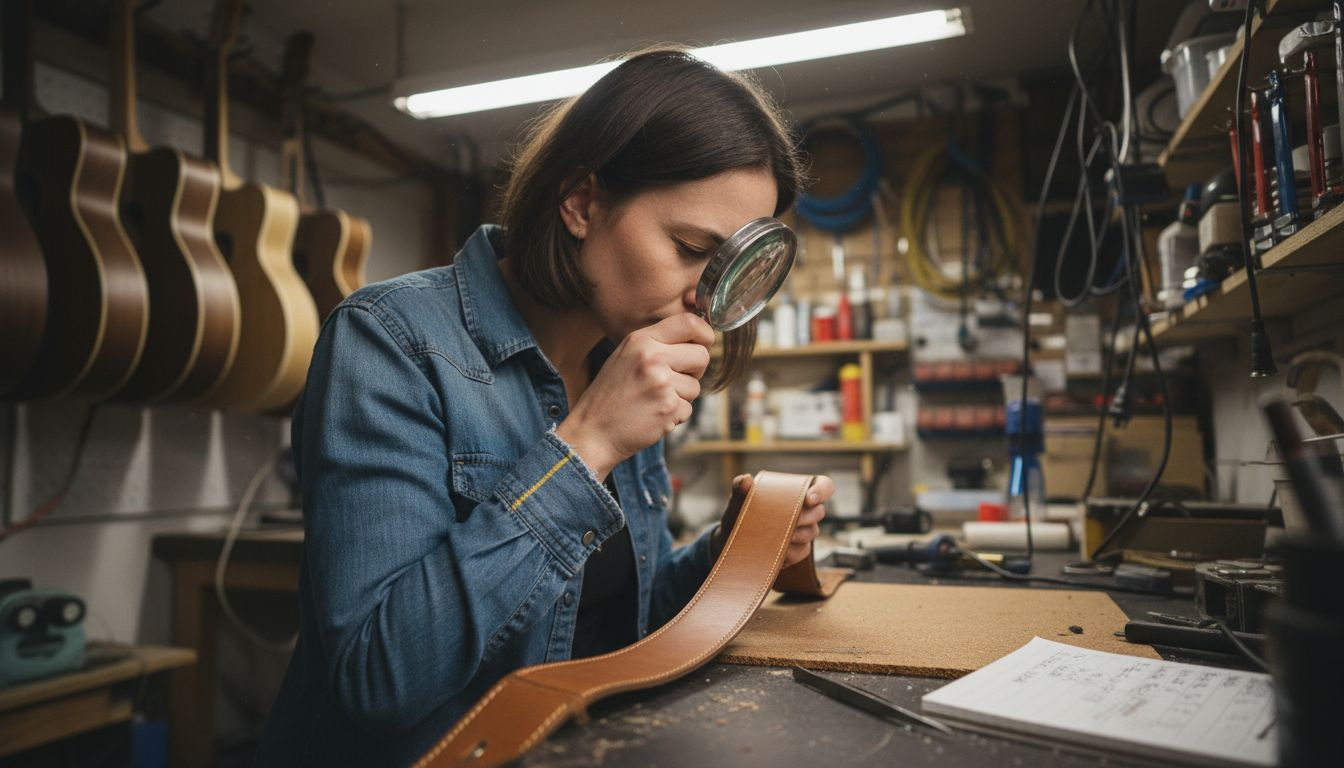
Craftsmanship shows in details others might overlook. Quality cable connectors sit flush with no gaps or rattling. Premium straps feature reinforced stitching at stress points rather than weak glue bonds. Look for consistent finishing, smooth edges, and symmetrical construction. These small touches indicate a manufacturer cares about durability, not just appearance.
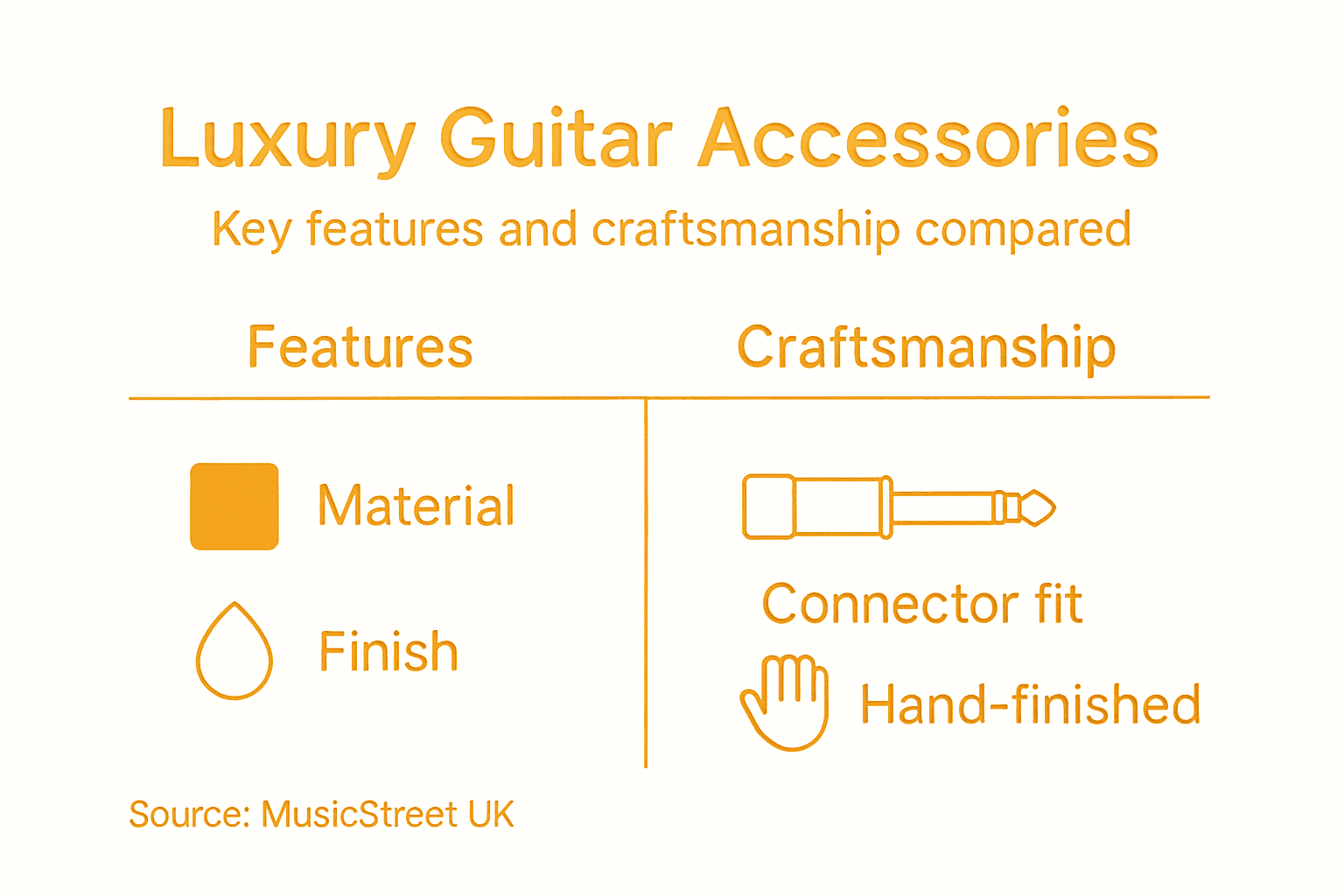
Evaluate construction methods. Hand-finished accessories often command premium prices because skilled labour creates superior results. Machine-made doesn’t mean inferior, but it requires tighter quality control. Brands displaying superior craftsmanship standards and material quality consistently deliver products that last years rather than months.
Test functionality if possible. Does a cable connector feel solid when inserted? Does a strap distribute weight comfortably? Can you identify specific design choices that improve usability? Quality accessories solve problems elegantly rather than adding unnecessary complications.
Compare warranty terms carefully. Luxury brands often offer extended warranties because they’re confident in their craftsmanship. Limited warranties usually indicate the manufacturer expects quick failure.
Superior craftsmanship reveals itself through how products feel and perform, not through flashy marketing language.
Key features to compare:
- Material quality: Premium grades within each material type
- Finish and detailing: Smooth edges, consistent coating, even stitching
- Connector integrity: Tight fits, quality solder joints, protective shielding
- Weight and balance: Appropriate heft that suggests quality
- Stress point reinforcement: Where products flex or bend most
- Warranty duration: Confidence the brand invests in longevity
Pro tip: Hold accessories from different price points side by side and notice how premium versions feel noticeably heavier and more substantial, a reliable indicator of better materials and construction.
Step 4: Verify product authenticity and warranties
Counterfeit luxury accessories flood online marketplaces, so verifying authenticity protects your investment and ensures you receive genuine products backed by manufacturer support.
Check for official retailer status first. Authorised dealers display certification prominently and can provide proof of authenticity. Purchase directly from manufacturers or established retailers rather than unknown third-party sellers offering suspiciously low prices. Legitimate brands maintain strict distribution networks.
Look for verification systems on product packaging. Reputable manufacturers include unique product identifiers and barcode systems that allow you to confirm authenticity through official channels. Scan barcodes using the manufacturer’s app or website to validate that the product is genuine and registered.
Verify manufacturer certifications carefully. Check whether the company holds industry standards and ISO certifications that demonstrate commitment to quality control. These certifications indicate the manufacturer meets strict production standards and warranty obligations. Counterfeit producers rarely hold legitimate certifications.
Examine warranty documentation thoroughly. Genuine warranties specify exactly what’s covered, for how long, and what constitutes valid claims. They include clear contact information and claim procedures. Vague or missing warranty details signal potential counterfeits or unauthorised stock.
Request certificate of authenticity when purchasing high-value accessories. Legitimate luxury brands provide documentation proving the product’s origin and date of manufacture. This paperwork protects you if issues arise later.
Contact the manufacturer directly if you’re uncertain. Provide your product serial number and ask them to confirm it’s legitimate. Genuine manufacturers respond quickly and can tell you whether your piece is authorised stock.
Authenticity verification costs nothing but prevents expensive regrets later.
Authenticity checks to perform:
- Verify retailer status: Confirm they’re authorised dealers
- Inspect packaging carefully: Look for quality printing and security features
- Scan product codes: Use official manufacturer systems
- Check certifications: Search relevant certification databases
- Review warranty terms: Legitimate warranties are detailed and comprehensive
- Request documentation: Ask for certificates of authenticity
- Contact the manufacturer: Confirm serial numbers directly
Pro tip: Keep all purchase receipts, packaging, and warranty documentation together in one place, as manufacturers may require proof of authenticity and purchase date when honouring warranty claims.
Step 5: Select and test accessories for compatibility
Purchasing luxury accessories without testing them against your specific guitar risks investing in products that sound wrong or feel uncomfortable. Hands-on testing reveals compatibility issues that specifications never will.
Start by understanding what compatibility means for your accessory type. A cable must physically fit your guitar’s output jack and your amplifier’s input without forcing or creating loose connections. A strap needs adequate length for your playing position and comfortable padding for extended sessions. Premium picks should feel natural in your grip without slipping during dynamic passages.
Request demonstration units before committing to expensive purchases. Quality retailers like MusicStreet allow you to try accessories on your own guitar before buying. This real-world testing beats any online review because you experience exactly how the accessory interacts with your instrument and playing technique.
Test accessories under your actual playing conditions. Play the songs and styles you genuinely perform. Fast, aggressive passages reveal whether a strap stays secure. Complex fingerstyle patterns show if a pick provides adequate control. Sustained notes expose whether a cable introduces unwanted noise or signal degradation. Understanding tailored practice approaches and instrument compatibility emphasises that your accessories must match your specific musical demands.
Evaluate comfort during extended use. Wear a strap for a full practice session, not just five minutes. Use a cable for an hour-long recording session. Many compatibility issues only reveal themselves after sustained contact. Your hands and back will tell you whether the accessory truly works for you.
Check for any physical incompatibilities. Ensure connector types match your equipment. Verify strap button compatibility with your guitar’s hardware. Confirm that new strings or pickups don’t interfere with accessory placement. Quality assurance and rigorous testing standards demonstrate why manufacturers test compatibility thoroughly before releasing products.
Document your findings. Note which accessories felt right, which caused problems, and why. This information guides your final selection.
Use this table as a guide for testing accessory compatibility with your set-up:
| Test Aspect | What to Observe | Why It Matters |
|---|---|---|
| Physical connection | Secure, no looseness or forcing | Prevents accidental disconnections |
| Long-term comfort | No fatigue after an hour’s playing | Ensures practical day-to-day use |
| Tone impact | Noticeable improvement or neutrality | Enhances desired sound profile |
| Reliability | Consistent performance in sessions | Avoids unexpected failures |
Compatibility testing transforms abstract specifications into concrete musical reality.
Compatibility testing checklist:
- Physical fit: Do connectors and attachments fit without forcing?
- Comfort during use: Does the accessory feel good after extended playing?
- Sound quality: Does it enhance or detract from your tone?
- Stability: Does it stay secure during playing?
- Aesthetic harmony: Does it complement your guitar visually?
- Performance consistency: Does it work equally well across all playing styles?
Pro tip: Borrow or rent expensive accessories for a week before purchasing, allowing you to test them across various playing sessions, venues, and emotional states rather than making snap judgements based on single tryouts.
Elevate Your Sound with the Perfect Luxury Guitar Accessories
Choosing the right luxury guitar accessories is essential to unlock your instrument’s full potential and complement your unique playing style. The article highlights crucial factors like compatibility, material quality and craftsmanship that can make all the difference in your tone and comfort. At MusicStreet, we understand these challenges and offer a curated selection of premium straps, cables, picks and tuners designed to enhance your sound while matching your guitar’s character perfectly.

Discover how personalised service and expert support can guide your accessory choices from our trusted MusicStreet store. Benefit from the chance to try before you buy, enjoy free UK delivery on qualifying orders and rest assured with our insurance-backed warranties. Don’t settle for generic upgrades when you can select with confidence and experience the true joy of playing with accessories made for you. Visit MusicStreet today and elevate your guitar’s voice.
Frequently Asked Questions
How do I assess my guitar’s features before choosing luxury accessories?
To assess your guitar’s features, closely examine the body wood, neck profile, and pickup configuration. Understanding these elements helps you choose accessories that enhance your guitar’s natural sound.
What playing style should I consider when selecting luxury guitar accessories?
Your playing style directly influences accessory choices. Determine whether you use fingerstyle or a pick, and consider the genres you play, as these factors will guide you towards accessories that support your technique.
How can I identify quality materials in luxury guitar accessories?
Look for premium materials like high-grade leather, durable fabrics, and advanced shielding in cables. Research the specific characteristics of these materials to understand why they contribute to superior performance and longevity.
What features should I compare when evaluating different luxury accessories?
Focus on material quality, finish detailing, connector integrity, and stress point reinforcement. Examine these aspects closely to identify which products showcase superior craftsmanship.
How can I verify the authenticity of luxury guitar accessories?
Check for official retailer status and look for unique product identifiers or barcodes on packaging. If in doubt, contact the manufacturer directly using the product serial number to confirm authenticity.
What compatibility tests should I conduct before purchasing accessories?
Test the physical fit of the accessory on your guitar, ensure comfort during long sessions, and assess its impact on your tone. Document your observations to guide your final selection.






Share:
Guitar Nut Width – How it Affects Comfort and Playability
Guitar Headstock Explained: Why It Matters