


Choosing a new guitar can be both exciting and confusing, especially when you hear claims that a certain wood always guarantees a particular sound. For British guitarists aiming to refine their tone and technique, understanding the science behind guitar woods is key. Research highlights that it is the wood’s physical properties, such as density and elasticity, that truly shape a guitar’s character, not just the species name. Explore how these factors combine to influence both sound quality and playability.
Table of Contents
- Guitar Woods Defined And Common Misconceptions
- Main Tonewoods Used In Guitar Building
- Acoustic Vs Electric Guitars: Wood Impact
- How Wood Density And Grain Affect Sound
- Choosing Woods For Genre And Style
- Navigating Tonewood Sustainability And Sourcing
Key Takeaways
| Point | Details |
|---|---|
| Wood Properties Matter | The acoustic properties of wood, such as density and elasticity, have a more significant impact on sound than the wood species alone. |
| Consider All Woods | When selecting a guitar, pay attention to the entire wood composition, not just the top wood, for optimal sound quality. |
| Sustainability is Key | Modern luthiers are increasingly prioritising sustainable wood sourcing to address environmental concerns in instrument making. |
| Match Genre with Wood | Tailoring wood selection to musical genres can enhance tonal qualities, helping musicians achieve their desired sound. |
Guitar woods defined and common misconceptions
The world of guitar tonewoods represents a complex intersection of acoustic science, craftsmanship, and musical tradition. While many musicians believe the type of wood alone determines an instrument’s sound, advanced acoustic research suggests the physical properties matter far more than species.
Guitar woods can be broadly categorised into several key characteristics that impact sound quality:
- Density: Determines fundamental resonance and sustain
- Hardness: Influences high-frequency response and note clarity
- Elasticity: Controls vibration transmission and overall tonal complexity
- Moisture content: Affects wood stability and long-term acoustic performance
Common misconceptions about guitar woods often revolve around oversimplified beliefs about tonal qualities. Many guitarists mistakenly assume that a specific wood type guarantees a particular sound, when in reality, multiple factors contribute to an instrument’s sonic character.
Wood selection is less about brand prestige and more about understanding the precise vibrational characteristics of the material.
Historically, luthiers selected woods based on availability, workability, and traditional preferences. However, contemporary instrument makers increasingly focus on scientifically measurable wood properties rather than purely aesthetic or traditional considerations.
Pro tip: When selecting a guitar, focus on the overall construction and wood properties rather than getting fixated on a specific wood type.
Main tonewoods used in guitar building
Guitar construction relies on a carefully selected range of woods, each contributing unique sonic characteristics to the instrument. Comprehensive tonewood guides reveal the intricate relationship between wood selection and musical performance.
The primary tonewoods used in guitar manufacturing include:
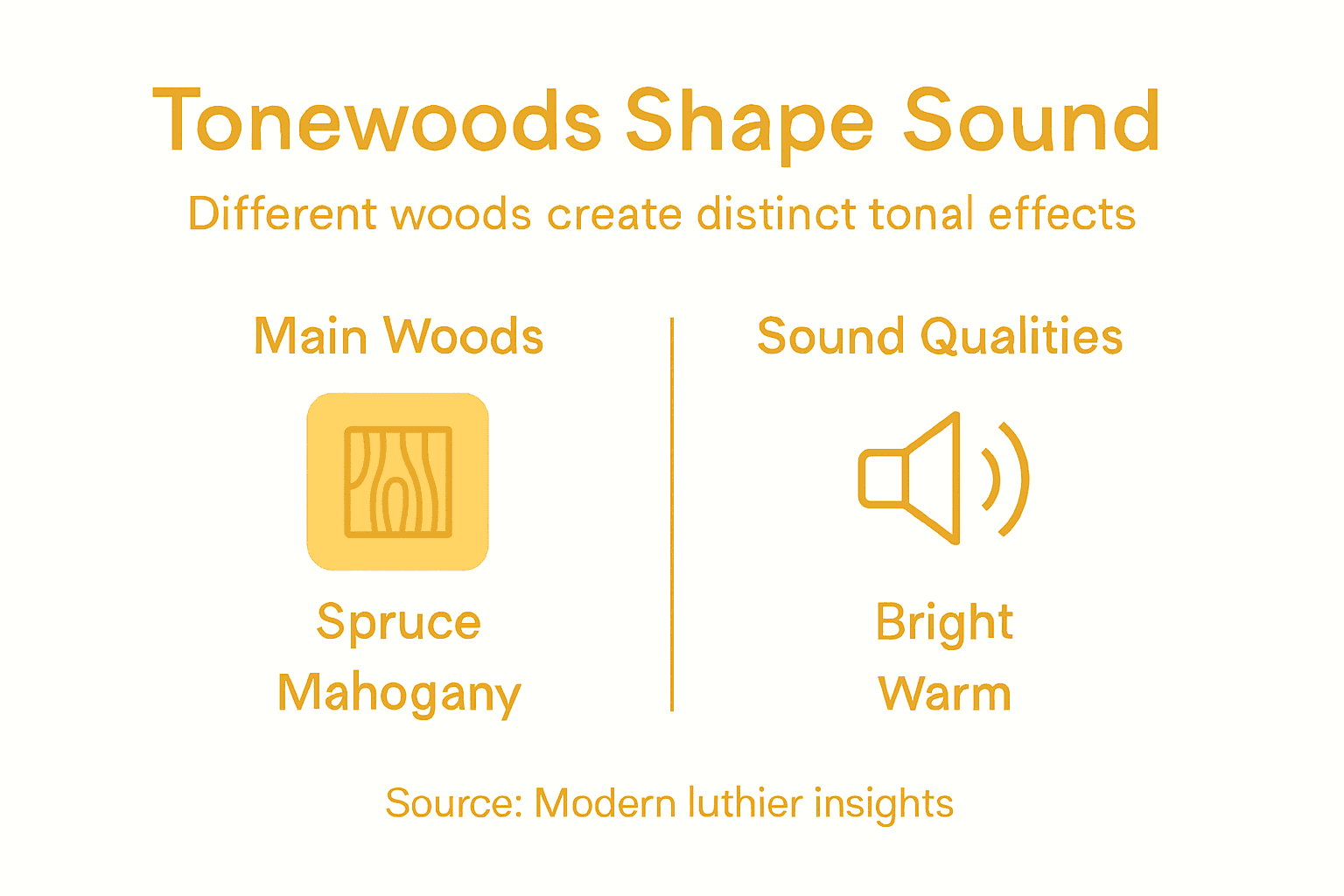
- Spruce: Renowned for bright, articulate top soundboards
- Mahogany: Provides warm, balanced mid-range tones
- Rosewood: Offers rich, complex harmonic qualities
- Maple: Delivers crisp, clear high-frequency responses
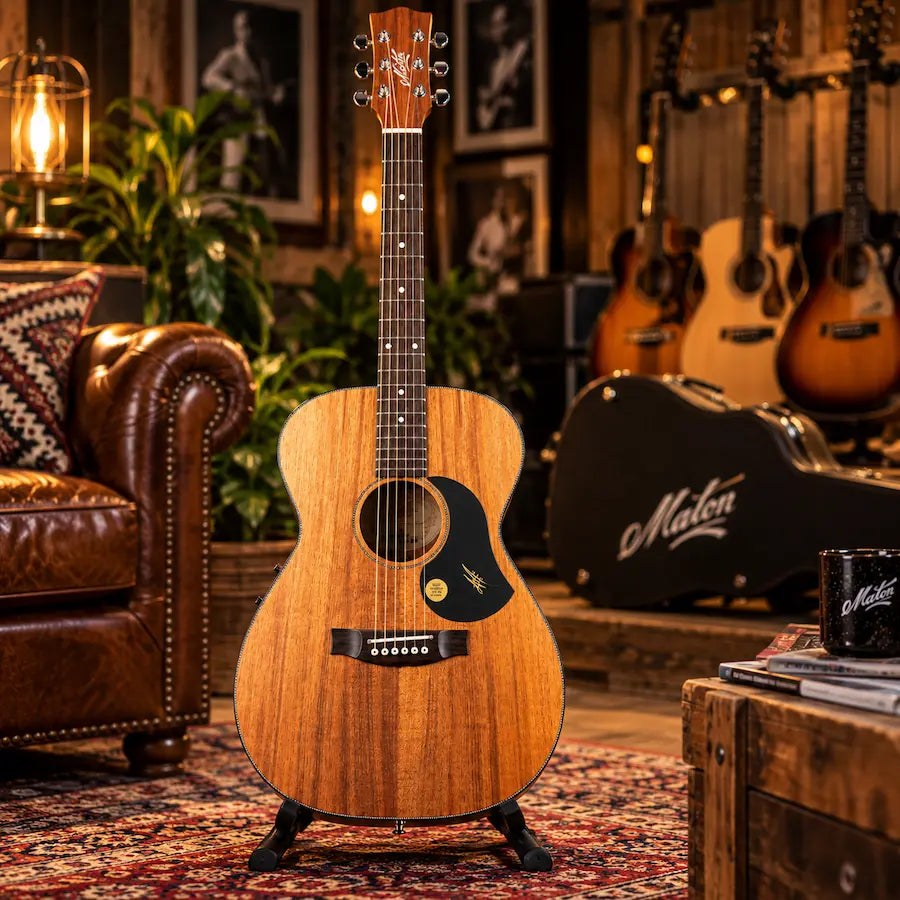
- Koa: Produces a unique, balanced tone with exceptional clarity
- Ebony: Commonly used for fingerboards, providing excellent note definition
Each wood type plays a specific role in different parts of the guitar. Top woods like spruce and cedar significantly influence the instrument’s overall sound projection and tonal character, while back and side woods contribute to resonance and harmonic complexity.
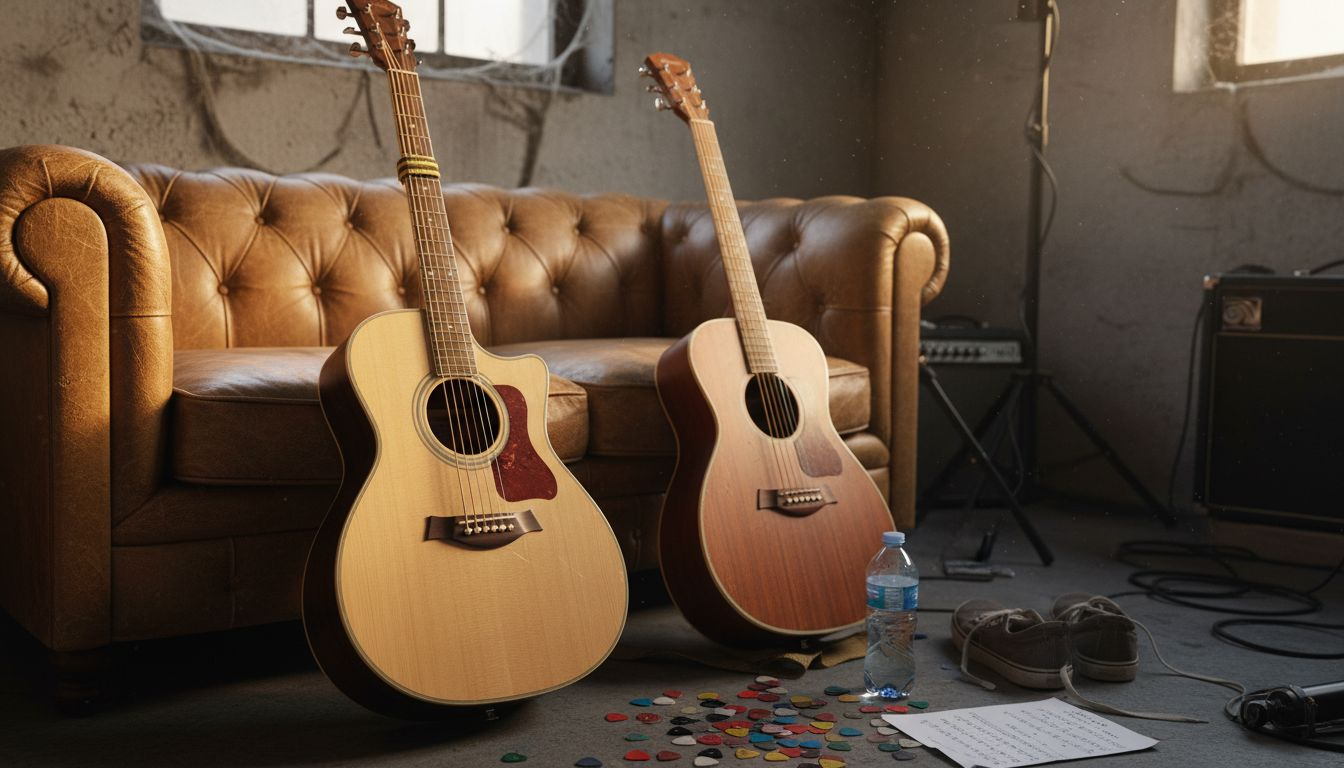
Here’s a comparison of common tonewoods and their roles in guitar construction:
| Wood Type | Typical Use | Sonic Contribution |
|---|---|---|
| Spruce | Soundboard (top) | Bright projection and clarity |
| Mahogany | Body, neck | Warm mid-range and sustain |
| Rosewood | Back, sides | Deep bass and harmonic richness |
| Maple | Neck, body, sides | Bright attack and note separation |
| Koa | Body, top | Balanced tone with unique character |
| Ebony | Fingerboard | Enhanced articulation and durability |
Tonewood selection is a nuanced art, balancing acoustic properties, aesthetic appeal, and sustainability considerations.
Modern luthiers are increasingly considering environmental factors and wood availability. Some traditional woods are becoming scarce, prompting innovative approaches to wood selection and sustainable guitar manufacturing.
Pro tip: Always consider the entire wood composition of a guitar, not just the top wood, when evaluating its potential sound quality.
Acoustic vs electric guitars: wood impact
When exploring the role of woods in guitar construction, significant differences emerge between acoustic and electric instruments. The fundamental approach to wood selection varies dramatically, reflecting each guitar type’s unique sound production mechanism.
Key differences in wood impact across guitar types include:
- Acoustic Guitars: Rely entirely on wood resonance for sound projection
- Electric Guitars: Use wood as a foundational element, with electronics playing a more dominant role
- Acoustic Tops: Critically influence overall sound quality
- Electric Bodies: Provide structural support and subtle tonal characteristics
Acoustic guitars depend almost exclusively on their wooden construction to generate sound. The top wood, typically spruce or cedar, acts as a natural soundboard that amplifies string vibrations, with back and side woods contributing to resonance and tonal complexity.
Electronic components might dominate an electric guitar’s sound, but wood remains the crucial foundation of its acoustic personality.
Electric guitars experience a more nuanced wood interaction. While pickups and electronic components primarily shape the final sound, the wood’s density, rigidity, and inherent resonance still play a significant role in establishing the instrument’s fundamental tonal character.
Pro tip: Listen to multiple guitars of the same model to understand how wood variations can subtly influence an instrument’s unique voice.
How wood density and grain affect sound
Scientific analysis of wood properties reveals the intricate relationship between wood’s physical characteristics and its acoustic performance. Wood density and grain structure are not mere aesthetic considerations, but fundamental elements that profoundly shape an instrument’s tonal qualities.
Key factors influencing sound through wood properties include:
- Density: Determines sound transmission and resonance characteristics
- Grain Orientation: Controls vibration transfer and structural stability
- Stiffness: Impacts sustain and harmonic complexity
- Moisture Content: Affects wood’s ability to vibrate and transmit sound waves
Denser woods typically produce brighter, more articulate sounds with shorter decay periods. Hardwoods like maple create crisp, defined tones, while softer woods such as mahogany generate warmer, more rounded sonic characteristics. The wood’s internal structure plays a crucial role in how sound waves propagate through the instrument.
Wood grain is not just a visual feature, but a complex acoustic engineering element that determines how vibrations travel.
The orientation and consistency of wood grain significantly influence an instrument’s tonal qualities. Straight, uniform grain patterns allow for more efficient vibration transfer, resulting in clearer and more focused sound projection. Irregular grain structures can introduce subtle harmonic variations, adding unique character to the instrument’s voice.
Pro tip: When selecting a guitar, tap the body and listen carefully to understand how its wood’s density and grain contribute to its distinctive sound.
Choosing woods for genre and style
Tonewood selection strategies are crucial for musicians seeking to match their instrument’s sonic characteristics with specific musical genres. Different wood combinations can dramatically transform an instrument’s tonal palette, allowing guitarists to fine-tune their sound.
Ideal wood choices for various musical styles include:
- Bluegrass/Folk: Bright spruce tops with rosewood back and sides
- Blues: Warm mahogany body with cedar top for mellow resonance
- Rock: Dense maple necks with mahogany bodies for sustained, punchy tones
- Jazz: Versatile maple bodies offering crisp, articulate sound projection
- Classical: Balanced combination of cedar and rosewood for rich harmonic complexity
Each genre demands specific tonal characteristics that can be strategically achieved through thoughtful wood selection. Brighter woods like spruce provide excellent note definition and projection, making them perfect for styles requiring clarity and precision.
Musical genres are not just defined by technique, but also by the inherent voice of the instrument itself.
Warm-toned woods such as mahogany and cedar generate softer, more rounded sonic profiles ideal for intimate musical styles like blues and folk. Professional musicians often experiment with wood combinations to discover unique timbral signatures that set their sound apart.
The following table summarises wood selection strategies for different musical genres:
| Genre | Preferred Wood Combination | Tonal Goal |
|---|---|---|
| Bluegrass/Folk | Spruce top & rosewood body | Maximum clarity and projection |
| Blues | Mahogany body & cedar top | Warmth and mellow resonance |
| Rock | Maple neck & mahogany body | Sustain and punchy attack |
| Jazz | Maple body | Crisp articulation |
| Classical | Cedar top & rosewood body | Rich harmonic detail |
Pro tip: Consider auditioning guitars with different wood combinations to understand how subtle material variations can transform your musical expression.
Navigating tonewood sustainability and sourcing
Tonewood sustainability challenges are transforming the guitar manufacturing landscape, compelling luthiers and manufacturers to reconsider traditional wood sourcing practices. Environmental regulations and conservation efforts have dramatically reshaped how musical instruments are constructed.
Key sustainability considerations in tonewood selection include:
- Endangered Species Protection: Restricting use of rare tropical hardwoods
- CITES Regulations: Controlling international trade of vulnerable wood species
- Alternative Materials: Developing eco-friendly wood substitutes
- Certification: Ensuring responsible forest management
- Carbon Footprint: Reducing environmental impact of wood harvesting
Traditional woods like rosewood and ebony face significant sourcing challenges due to overharvesting and strict international trade regulations. Manufacturers are increasingly exploring alternative wood species that offer similar acoustic properties while maintaining environmental responsibility.
Sustainability in lutherie is no longer optional - it’s a critical imperative for the future of instrument making.
Modern guitar builders are pioneering innovative approaches to wood sourcing, including using certified sustainable woods, exploring engineered wood alternatives, and developing new techniques that reduce environmental impact while maintaining exceptional sound quality.
Pro tip: Look for guitars with sustainable wood certifications to support environmentally responsible manufacturing practices.
Discover Your Perfect Tonewood and Guitar Match with MusicStreet
Understanding the complex role of guitar woods and how tonewoods shape sound reveals the importance of choosing instruments crafted from the right materials. Whether you seek the bright clarity of spruce or the warm resonance of mahogany, the challenge lies in finding a guitar whose wood properties perfectly align with your style and tonal goals. At MusicStreet, we understand this intricate balance and offer a carefully curated collection of electric, acoustic, and bass guitars designed to highlight unique wood characteristics.

Experience the difference that expertly selected tonewoods and professional setups make. Browse our range of quality guitars with detailed descriptions to help you explore wood types and their sound contributions. For personalised advice and to find your ideal match, visit MusicStreet. Take the next step toward unlocking your guitar’s full potential today by exploring our selection online or visiting our physical store in Huntingdon.
Frequently Asked Questions
What are the main characteristics of guitar tonewoods that affect sound?
The main characteristics include density, hardness, elasticity, and moisture content, all of which significantly impact the instrument’s resonance, sustain, and overall tonal quality.
How does wood type influence the sound of an acoustic guitar compared to an electric guitar?
In acoustic guitars, the wood type is critical as it directly influences sound projection and tonal character. In electric guitars, while wood provides the foundational sound, electronic components play a more dominant role in shaping the overall tone.
What role does wood density play in shaping a guitar’s sound?
Wood density affects sound transmission and resonance characteristics. Denser woods tend to produce brighter, more articulate sounds, while softer woods offer warmer, rounder sonic profiles.
How can I choose the right tonewoods for my musical style?
Consider experimenting with different wood combinations tailored to your genre. For example, bluegrass musicians may prefer bright spruce tops, while blues players might opt for warm mahogany bodies. This strategic selection allows you to enhance your instrument’s tonal palette.







Share:
How to Select Best Guitar Cable for Optimal Sound
Guitar Hardware Explained: Enhance Your Sound