


Most British guitarists discover that the right protection for their instrument directly impacts both convenience and peace of mind. With over 80 percent of musicians owning at least one gig bag or hardshell case, the debate between these options is more relevant than ever. Whether you’re carrying your guitar to a local rehearsal or preparing for cross-country travel, understanding how cases and gig bags differ will help you make a choice that keeps your instrument safe and supports your lifestyle.
Table of Contents
- Defining Guitar Cases And Gig Bags
- Major Types And Typical Construction Materials
- Protection, Portability, And Everyday Use
- Costs, Longevity, And Maintenance Factors
- Comparing Suitability For Different Lifestyles
Key Takeaways
| Point | Details |
|---|---|
| Protection Level | Hardshell cases provide maximum protection, ideal for expensive instruments, while gig bags offer moderate protection suitable for everyday transport. |
| Weight and Portability | Gig bags are lightweight and easier to carry, making them preferable for urban musicians and casual performers. |
| Cost Consideration | Hardshell cases are a higher investment but offer greater durability; gig bags are more economical but may need replacement more frequently. |
| Lifestyle Suitability | Choose protection based on your transportation needs—hardshell cases for travel-heavy lifestyles and gig bags for local musicians or students. |
Defining Guitar Cases and Gig Bags
Musicians have two primary options for protecting their beloved instruments during transport: guitar cases and gig bags. While both serve the essential purpose of safeguarding guitars, they offer distinctly different levels of protection and versatility. Protective enclosures for musical instruments have evolved significantly, providing musicians with multiple choices tailored to their specific needs.
A guitar case represents the gold standard of instrument protection. Constructed with a rigid, hard shell typically made from wood, fibreglass, or robust synthetic materials, these cases provide maximum defence against physical impacts, temperature fluctuations, and potential crushing forces. They feature carefully engineered internal padding that cradles the guitar, preventing movement and minimising potential damage during transit. Professional musicians and collectors often prefer hard cases for their comprehensive protective qualities, especially when transporting expensive or vintage instruments.
In contrast, soft, padded bags for musical instruments offer a more lightweight and flexible alternative. Gig bags are designed for musicians who prioritise portability and convenience. These padded carriers are typically made from durable nylon or polyester materials with thick internal cushioning. They provide reasonable protection for everyday transportation and are significantly lighter than traditional hard cases, making them ideal for musicians who frequently walk, cycle, or use public transport.
Pro Tip for Instrument Protection: Assess your specific travel needs and instrument value before selecting between a hard case and a gig bag. Consider factors like frequency of transport, typical journey conditions, and the potential financial and sentimental value of your guitar when making your choice.
Here is a summary table comparing key differences between hardshell cases and gig bags:
| Aspect | Hardshell Guitar Case | Gig Bag |
|---|---|---|
| Protection Level | Maximum, shields against impacts and crush | Moderate, guards against minor bumps |
| Weight | Heavier, often cumbersome | Lightweight, easy to carry |
| Common Materials | Wood, fibreglass, carbon fibre, tolex | Nylon, polyester, foam padding |
| Suitable For | Professionals, collectors, travellers | Students, urban musicians, commuters |
Major Types and Typical Construction Materials
Guitar cases and gig bags come in a remarkable variety of construction materials and designs, each offering unique advantages for musicians with different transportation needs. The selection of materials plays a critical role in determining the overall protection, durability, and weight of the protective enclosure.
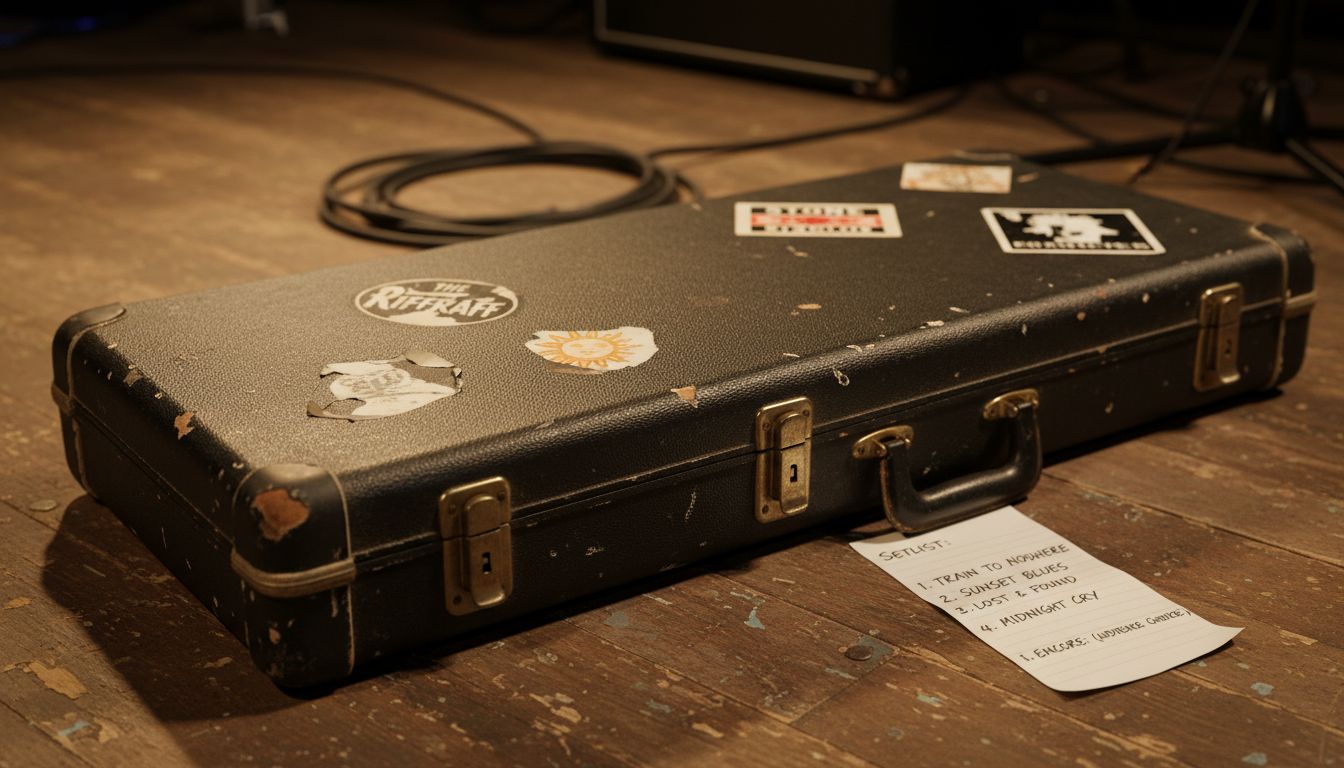
Hardshell cases represent the most robust category of guitar protection. Traditionally, these cases are constructed using multilayer plywood cores covered with distinctive exterior materials like tweed, tolex, or synthetic leather. Hardshell case construction typically involves rigid wooden frameworks that provide exceptional structural integrity. High-end models often incorporate fibreglass or carbon fibre composites, delivering extraordinary strength while maintaining a relatively lightweight profile. These materials offer superior resistance to impacts, temperature variations, and potential crushing forces, making them ideal for professional musicians who transport expensive instruments.
In contrast, gig bags utilise different material strategies focused on flexibility and portability. Modern gig bags are predominantly manufactured from durable synthetic fabrics such as ballistic nylon, polyester, and cordura. These materials provide excellent tear resistance and water repellency while remaining significantly lighter than hardshell alternatives. Internal padding typically consists of high-density foam layers that absorb shocks and protect the instrument from minor bumps and movements during transport. Some advanced gig bags even incorporate memory foam or gel-infused cushioning for enhanced protection.
Pro Tip for Material Selection: Evaluate the specific environmental conditions and transportation challenges you’ll encounter. Choose materials that match your lifestyle, whether you need robust protection for frequent air travel or lightweight flexibility for daily commutes.
Protection, Portability, and Everyday Use
Choosing between guitar cases and gig bags represents a nuanced decision that directly impacts an instrument’s safety and a musician’s mobility. The selection process involves carefully balancing protection requirements with practical transportation needs, considering factors like frequency of travel, performance environments, and personal lifestyle.
Hardshell cases excel in providing comprehensive protection for guitars during extensive travel. These robust carriers are engineered to withstand significant external pressures, making them ideal for professional musicians who frequently transport instruments across diverse and challenging environments. Their rigid construction offers exceptional defence against physical impacts, temperature fluctuations, and potential crushing forces. Professional touring musicians, orchestra performers, and musicians who regularly travel by air or long-distance transport will find hardshell cases provide the most reliable protection for valuable or delicate instruments.
In contrast, gig bags prioritise mobility and convenience for musicians with more localised transportation needs. The selection of protective gear depends on multiple lifestyle factors, including the frequency and distance of travel. Gig bags are perfectly suited for local musicians who walk, cycle, or use public transport. Their lightweight design and comfortable shoulder straps enable easy carrying, while sufficient internal padding protects against minor bumps and jostles. Urban musicians, students, and performers who travel short distances will appreciate the flexibility and reduced weight of a well-designed gig bag.
Pro Tip for Travel Protection: Always match your guitar case or gig bag to your specific travel profile. Consider not just immediate protection, but also long-term instrument preservation and your personal mobility requirements.
Costs, Longevity, and Maintenance Factors
Guitar case costs and construction quality represent a significant investment for musicians, with prices varying dramatically based on materials, protection level, and intended use. The financial considerations extend far beyond the initial purchase price, encompassing long-term durability, instrument preservation, and potential replacement expenses.
Hardshell cases typically command a higher initial investment, reflecting their superior protective capabilities and more complex manufacturing processes. Professional-grade hardshell cases constructed from premium materials like fibreglass, carbon fibre, or high-density plywood can range from £200 to £800, depending on brand reputation and specific design features. These cases offer exceptional longevity, often lasting decades with proper maintenance. The robust construction means they can protect instruments through numerous tours, frequent travels, and challenging environmental conditions, ultimately providing better value for professional musicians who require consistent, reliable protection.
In contrast, gig bags present a more economical option, with prices typically ranging from £30 to £150. Maintaining these protective carriers requires regular inspection and occasional repairs to ensure continued effectiveness. While less expensive, high-quality gig bags with reinforced padding, water-resistant materials, and robust zippers can still provide reliable protection for local musicians and occasional travellers. The lighter construction means they may need replacement more frequently than hardshell cases, but their lower cost and increased portability make them an attractive option for musicians with less demanding transportation needs.
Pro Tip for Cost-Effective Protection: Calculate your total cost of ownership by considering not just the initial purchase price, but potential replacement frequency, repair costs, and most importantly, the value of the instrument being protected.
The table below summarises costs, durability, and maintenance for each option:
| Factor | Hardshell Case | Gig Bag |
|---|---|---|
| Price Range | £200–£800 | £30–£150 |
| Durability | Decades with good care | Few years with regular use |
| Maintenance | Occasional cleaning | Frequent inspection, small repairs |
| Replacement | Infrequent, high value | More frequent, lower cost |
Comparing Suitability for Different Lifestyles
Guitar protection choices vary dramatically across different musical lifestyles, reflecting the diverse needs of musicians from bedroom hobbyists to professional touring artists. Understanding the unique requirements of each musical journey helps guitarists select the most appropriate protective solution for their specific circumstances.

Professional touring musicians demand the highest level of instrument protection, making hardshell cases an absolute necessity. These performers frequently navigate complex travel environments including aeroplanes, tour buses, and multiple performance venues. Their cases must withstand significant physical stress, temperature fluctuations, and potential mishandling during transportation. Robust hardshell cases with reinforced corners, reliable latching mechanisms, and dense internal padding provide the comprehensive protection required to preserve expensive, often irreplaceable instruments through weeks or months of continuous travel.
By contrast, selecting protective gear depends on individual lifestyle and performance context, with more casual musicians benefiting from flexible gig bag solutions. Urban musicians who commute by bicycle, walk to local venues, or use public transport will appreciate the lightweight design and comfortable shoulder straps of a well-constructed gig bag. Students, hobby musicians, and local performers who travel shorter distances can prioritise portability without compromising fundamental instrument protection. These musicians typically require basic shock absorption and weather resistance rather than industrial-strength defence.
Pro Tip for Lifestyle Matching: Always align your guitar case or gig bag choice with your most frequent transportation scenarios, considering weight, protection level, and practical mobility requirements.
Find the Perfect Guitar Protection for Your Musical Journey
Choosing between a guitar case and a gig bag is a critical decision for any musician who values both their instrument and their mobility. Whether you need the maximum protection of a hardshell case for frequent travel or the lightweight convenience of a gig bag for local gigs, understanding your unique demands helps you safeguard your guitar with confidence. At MusicStreet, we recognise these challenges and offer expertly curated solutions that match your lifestyle and instrument needs.

Explore our selection of premium guitar cases and gig bags designed to keep your instrument safe no matter where the road takes you. With personalised advice, professional setup, and a trustworthy buying experience all available at MusicStreet, you gain more than just a product — you gain peace of mind. Don’t wait until your next journey to protect your investment. Discover the right option today and benefit from expert support, competitive pricing, and free UK delivery. Step into your next gig prepared by visiting MusicStreet now.
Frequently Asked Questions
What is the main difference between a guitar case and a gig bag?
A guitar case provides maximum protection with a rigid hard shell, ideal for professional musicians and collectors. In contrast, a gig bag is lightweight and flexible, prioritising portability for everyday use.
When should I choose a hard case over a gig bag?
Choose a hard case if you frequently travel long distances, transport expensive instruments, or perform in various challenging environments, as it offers superior protection against impacts and temperature changes.
Are gig bags suitable for daily use?
Yes, gig bags are suitable for daily use, especially for local musicians who commute by bike, foot, or public transport, as they are lightweight and designed for mobility.
How do I maintain my guitar case or gig bag?
For a guitar case, occasional cleaning and inspection are sufficient. Gig bags may require more frequent checks for wear and small repairs, as the softer materials can sustain damage from regular use.
Recommended
- 7 Essential Examples of Guitar Cases and Their Key Benefits | MusicStreet
- Buy Mono M80-Veb Vertigo Electric Bass Guitar Gig Bag
- Buy Mono M80-Ac Classical/Om Acoustic Guitar Gig Bag
- How to Restring an Electric Guitar for smooth tuning | MusicStreet
- Cowhide vs Buffalo Leather: Which Performs Better for Motorcycle Gear? - Maker of Jacket


Share:
Blues Harmonicas – How to Choose the Right Key
7 Essential Guitar Tools Every Musician Should Own