


The best acoustic guitars depend on body shape, construction, and budget rather than brand prestige alone. Martin and Taylor are top for professionals, while Yamaha and Fender offer good value at entry levels. Boutique brands like Collings and Bourgeois provide handcrafted quality and unique materials for serious players.
An acoustic guitar brands list is a curated compilation of notable manufacturers renowned for producing quality instruments suited to various players and styles. Whether you are buying your first guitar or upgrading to a professional instrument, knowing which brands to consider saves you time and money. This guide covers the best acoustic guitar brands across every budget, from Yamaha and Fender at the entry level through to Martin, Taylor, and boutique makers like Collings and Breedlove. Body shape, construction quality, and stage-readiness all factor into the decision, and this guide addresses each one directly.
1. What are the top acoustic guitar brands?
Martin and Taylor are the professional standards, with Martin offering traditional woody tones and Taylor known for bright, modern playability. Both brands have defined what a premium acoustic guitar sounds and feels like for decades. Martin’s dreadnought body shape remains one of the most copied designs in guitar history. Taylor popularised the grand auditorium shape, which balances volume and articulation for a wide range of styles.
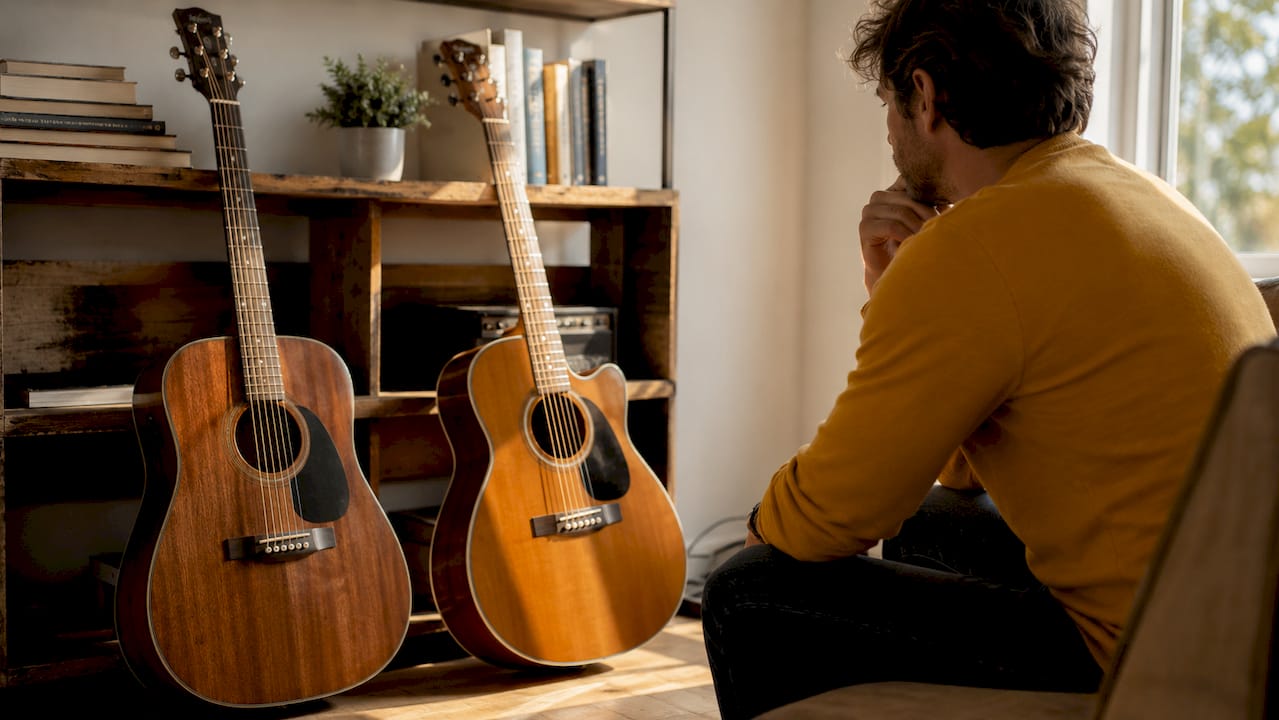
Gibson sits alongside Martin as a vintage tone benchmark. Its slope-shouldered dreadnoughts and round-shoulder jumbos produce a warm, full sound that suits blues, country, and folk. Yamaha and Fender occupy the value end of the spectrum without sacrificing build quality. Yamaha in particular has a reputation for producing well-set-up guitars straight from the factory, which matters enormously for beginners. Takamine rounds out this tier with a focus on stage-ready electro-acoustic instruments.
Pro Tip: If you are comparing Martin and Taylor side by side, play them unplugged first. Martin tends to sound fuller and warmer; Taylor tends to sound brighter and more articulate. Neither is better. They suit different voices.
2. How do body shapes influence tone and brand identity?
Body shape affects tone and playability directly: dreadnought and jumbo shapes provide volume and bass response, while smaller shapes like the 000 and OM suit fingerstyle playing and midrange clarity. The grand auditorium sits in between and is the most versatile option for players who strum and fingerpick. Choosing the wrong shape for your style is one of the most common and costly mistakes buyers make.
Here is how the main shapes break down:
- Dreadnought: High volume, strong bass. Martin’s signature shape. Ideal for strumming and flatpicking.
- Jumbo: Even more bass and projection. Gibson’s J-45 and J-200 are the classic examples.
- Grand auditorium (GA): Balanced tone across all frequencies. Taylor’s most popular shape.
- 000 / OM: Comfortable, focused midrange. Excellent for fingerstyle and recording.
- Parlour: Small, intimate tone. Suits players who want a light, portable instrument.
Paul Davids stresses that the best guitar brand is the one matching player physique, style, and sonic preference rather than the most hyped brand. A smaller player may find a jumbo physically uncomfortable, regardless of how prestigious the brand is. Playability and physical fit matter as much as tone.
Pro Tip: Sit down with the guitar before you buy. If the body digs into your arm or the neck feels too wide, no amount of great tone will make up for the discomfort over a two-hour practice session.
3. Which brands offer the best value by price tier?
Entry-level acoustic guitars from Yamaha, Fender, and Epiphone cost around £150–£200, and these instruments use laminate tops rather than solid wood. Laminate is durable and resistant to humidity changes, which makes it practical for beginners. The trade-off is that laminate does not open up tonally the way solid wood does over time. For a first guitar, that trade-off is entirely acceptable.
The real quality leap happens in the mid-range. The £500–£800 price point is where manufacturers switch from laminate to all-solid wood construction, improving both sound and longevity considerably. Brands like Yamaha’s LL series, Fender’s American Acoustasonic range, and entry-level Taylor and Martin models sit here. All-solid construction means the guitar will sound better the more you play it, as the wood resonates more freely over time.
Professional instruments from Martin and Taylor start at £1,200 and above. At this level, you are paying for hand-selected tonewoods, superior fretwork, and decades of brand refinement. These guitars are built to last a lifetime and hold their resale value well.
| Price range | Typical brands | Construction |
|---|---|---|
| £150–£300 | Yamaha, Fender, Epiphone | Laminate top |
| £500–£900 | Yamaha LL, Taylor Academy, Martin Road Series | Solid top or all-solid |
| £1,200+ | Martin, Taylor, Gibson | All-solid, hand-finished |
4. What niche and boutique brands are worth considering?
Sustainable-focused brands like Breedlove and Seagull offer genuine alternatives to the big names, prioritising responsibly sourced materials and distinctive aesthetics. Breedlove, based in Oregon, uses myrtlewood and other alternative tonewoods that produce a unique character you will not find in a standard spruce-and-mahogany guitar. Seagull, made in Canada, offers exceptional build quality at mid-range prices and is particularly well regarded for its wider nut width, which suits fingerstyle players.
At the top of the boutique tier, Collings, Bourgeois, and Santa Cruz are prized by session players for their handcrafted quality and tonal precision. These makers build in small batches, often to order, and the attention to detail shows in every aspect of the instrument. A Collings OM or a Bourgeois slope-D will outperform many production guitars at twice the price.
“Boutique guitars are not just about prestige. They are about consistency. When a luthier builds twenty guitars a week instead of two thousand, the tolerances are tighter and the results are more predictable.” — widely held view among professional session guitarists.
Industry reviews suggest sustainable brands like Breedlove and Seagull reflect evolving player values, particularly among younger musicians who want their purchase to align with their ethics. This is a genuine shift in the market, not a passing trend.
5. Stage-ready guitars: which brands build in electronics?
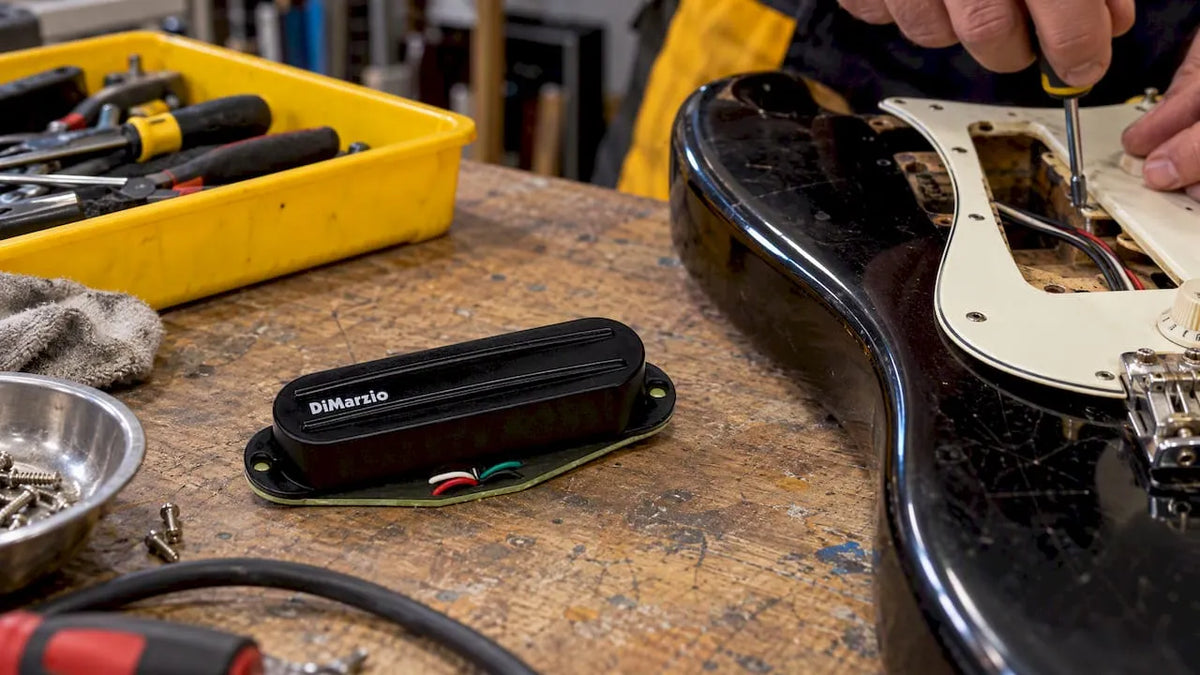
Factory-installed pickups in Takamine guitars can outperform expensive aftermarket modifications. Takamine has built its entire brand identity around electro-acoustic performance, and its CT4B II and TK-40D preamp systems are trusted on professional stages worldwide. The advantage of a factory-fitted system is that the pickup is calibrated to the specific guitar body, producing a more natural amplified tone.
Professional musicians value factory-installed electronics for reliable stage use over aftermarket pickups, which can introduce feedback issues and tonal inconsistencies. Taylor’s Expression System 2 and Martin’s Fishman-equipped models are also strong choices for gigging players. If you perform live regularly, buying a guitar with a quality built-in system from the outset is the more practical and cost-effective route.
Yamaha’s TransAcoustic range takes this a step further by building reverb and chorus effects directly into the guitar body. The result is a guitar that sounds like it is being played through an amplifier even when it is not. This is a genuinely useful feature for practice and small acoustic performances.
6. How to choose the right brand and model for your style
Matching your musical genre to a brand and body shape is the most direct way to narrow down your options. Blues and country players tend to gravitate towards Martin dreadnoughts and Gibson jumbos for their warmth and projection. Singer-songwriters often prefer Taylor’s grand auditorium or 000-shaped guitars for their clarity and balanced response. Fingerstyle players consistently reach for smaller-bodied instruments with a solid cedar or spruce top.
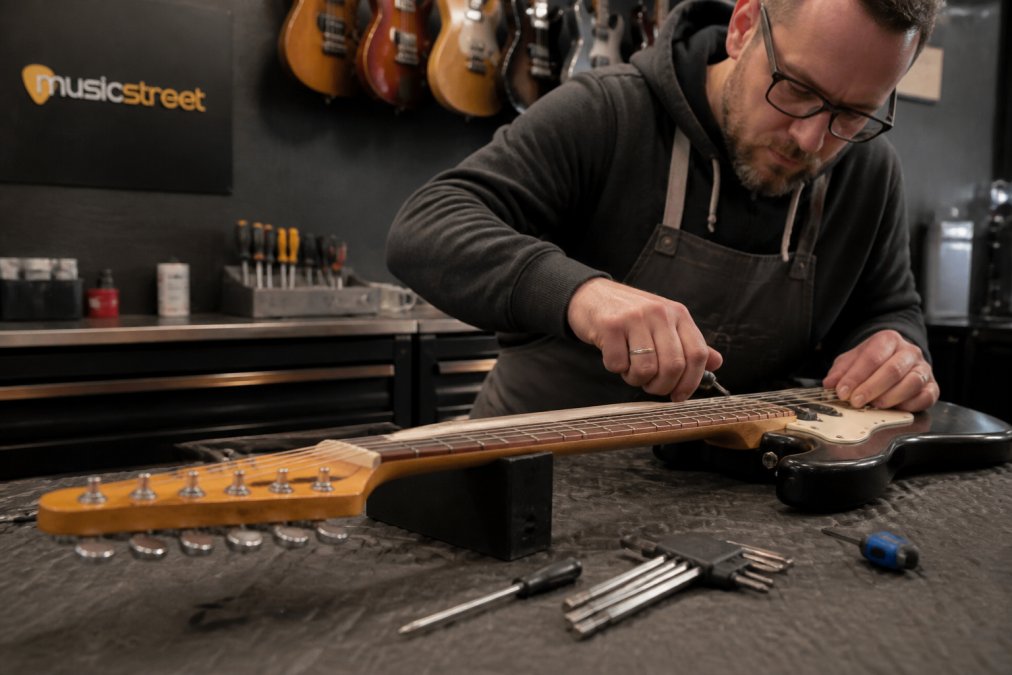
Wood and construction quality impact sound more than the brand itself, and mid-range guitars offer an excellent balance of playability and tone. This means a well-built Yamaha or Seagull can outperform a poorly set-up guitar from a more prestigious brand. Always factor in the setup quality when comparing instruments. A guitar with low, even action and properly intonated frets will feel and sound better than one that has never been adjusted.
Trying guitars in person remains the most reliable way to make a final decision. Musicstreet’s physical store in Huntingdon, Cambridgeshire, lets you play instruments before committing. For players who cannot visit in person, Musicstreet’s acoustic guitar buying guide covers the key questions to ask before purchasing.
Pro Tip: Avoid buying a guitar based on a YouTube demo alone. Room acoustics, microphone placement, and the player’s technique all colour the sound you hear. The only reliable test is your own hands on the strings.
Key takeaways
The best acoustic guitar for you is determined by body shape, construction quality, and budget rather than brand name alone.
| Point | Details |
|---|---|
| Brand leaders | Martin and Taylor set the professional standard; Yamaha and Fender lead at entry level. |
| Body shape matters | Dreadnoughts suit strumming; 000/OM shapes suit fingerstyle; grand auditorium is the most versatile. |
| Price and construction | All-solid wood construction begins around £500–£800 and delivers lasting tonal improvement. |
| Boutique options | Collings, Bourgeois, and Breedlove offer handcrafted quality and unique tonewoods beyond mainstream brands. |
| Stage use | Takamine and Taylor offer factory-fitted electronics that outperform most aftermarket pickup systems. |
My honest view on navigating acoustic guitar brands in 2026
No single brand is the best acoustic guitar brand for every player. That sounds obvious, but the number of buyers who spend £1,500 on a Martin because it is a Martin, when a £600 Yamaha LL would have served them better, is genuinely surprising. Brand prestige is real, but it is not the same as the right guitar for your hands and your music.
The mid-range is where I would point most players. The jump from laminate to all-solid construction around the £500–£800 mark is audible and meaningful. Above £1,200, you are paying for refinement and heritage, which matters to some players and not at all to others. There is no shame in that calculation.
Sustainability is also worth taking seriously as a buying criterion. Breedlove and Seagull are not compromise choices. They are genuinely excellent instruments that happen to be built with a conscience. As tonewoods like Brazilian rosewood become increasingly restricted, brands that invest in alternative materials now are the ones that will still be building great guitars in twenty years.
My strongest advice is to choose the right guitar by playing it, not by reading about it. Every body shape, every tonewood, every brand has a feel that only reveals itself when you hold the instrument and play a few chords. Trust your hands.
— Music
Explore top acoustic guitar brands at Musicstreet
Musicstreet stocks a carefully selected range of acoustic guitars from Martin, Taylor, Gibson, Fender, and more, with every instrument professionally inspected before it reaches you.

Whether you are looking for your first acoustic or a professional-grade instrument for the stage, Musicstreet’s team in Huntingdon offers hands-on advice and expert setup as standard. Browse the full range of premium acoustic guitars online, or visit the store to play before you buy. Free UK delivery is available on qualifying orders, and all guitars come with insurance-supported warranties for complete peace of mind.
FAQ
What are the best acoustic guitar brands for beginners?
Yamaha, Fender, and Epiphone are the strongest choices for beginners, with well-built instruments available from around £150–£200. Yamaha is particularly recommended for its consistent factory setup quality.
Which acoustic guitar brand is best for fingerstyle playing?
Taylor’s 000 and grand auditorium shapes are widely favoured for fingerstyle, as is the Martin 000 series. Smaller body shapes produce the midrange clarity and note separation that fingerstyle technique requires.
Is Martin or Taylor better?
Martin and Taylor are both professional-grade brands that suit different players. Martin delivers warmer, more traditional tones; Taylor offers brighter, more modern playability. The best choice depends on your musical style and tonal preference.
What is the best type of acoustic guitar for gigging?
An electro-acoustic guitar with factory-fitted electronics is the most reliable choice for gigging. Takamine, Taylor, and Martin all offer stage-ready models with built-in pickup systems that perform consistently under live conditions.
Are boutique acoustic guitar brands worth the price?
Boutique brands like Collings, Bourgeois, and Santa Cruz deliver tighter construction tolerances and more consistent tonal results than most production guitars. For serious players, the investment is justified by long-term playability and resale value.







Share:
Difference between acoustic and acoustic electric guitars
Acoustic electric vs acoustic guitar: key differences explained