


Combo Amp vs Head and Cabinet: Which Guitar Amp Setup Should You Choose?
By Tony Rawson, MusicStreet
Choosing the right guitar amplifier setup can significantly impact your sound and performance. Among the most popular options are combo amps and head and cabinet setups, each offering unique advantages and disadvantages. This article will explore the key differences between these two types of amplifiers, helping you make an informed decision based on your needs as a guitarist. Whether you're a beginner looking for ease of use or a gigging musician seeking versatility, understanding these setups is crucial. We will delve into the components, benefits, and limitations of each option, as well as how MusicStreet can assist you in selecting the perfect amplifier for your musical journey.
What Are the Key Differences Between Combo Amps and Head and Cabinet Setups?
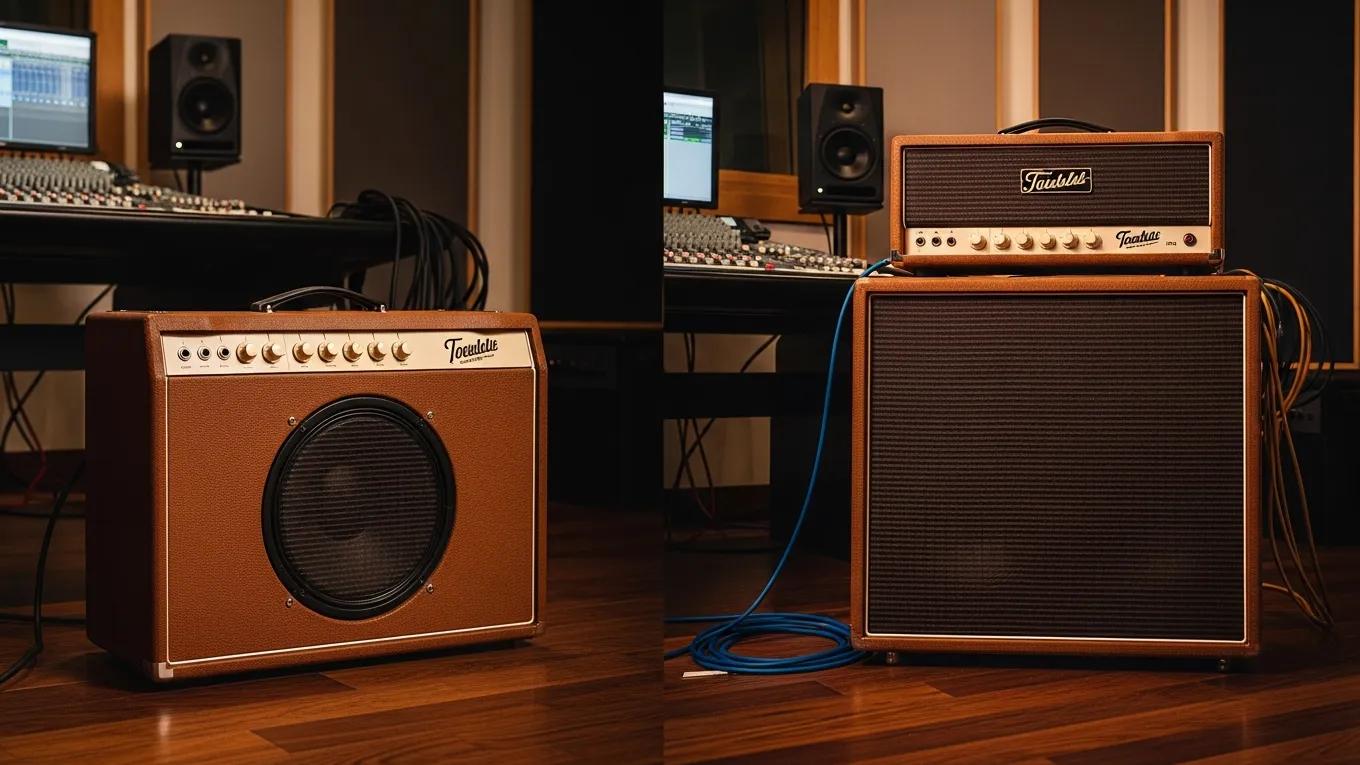
Combo amps and head and cabinet setups serve the same purpose—amplifying your guitar's sound—but they do so in different ways. A combo amp integrates both the amplifier and speaker into a single unit, making it compact and portable. In contrast, a head and cabinet setup separates the amplifier head from the speaker cabinet, allowing for greater customization and flexibility in sound.
How Does a Combo Amplifier Integrate Amp and Speaker?
A combo amplifier combines the amplifier and speaker into one unit, which simplifies setup and transport. This design is particularly beneficial for beginners or those who frequently move their gear. The integrated nature of combo amps means they often come with built-in effects and controls, making them user-friendly and ideal for practice sessions. Popular models like the Fender Champion 20 exemplify this convenience, offering a range of tones in a compact package.
What Components Make Up a Head and Cabinet Guitar Amp Setup?
A head and cabinet setup consists of two main components: the amplifier head and the speaker cabinet. The amplifier head houses the preamp and power amp, while the speaker cabinet contains one or more speakers. This separation allows for greater flexibility in choosing different heads and cabinets, enabling musicians to mix and match for their desired sound. Additionally, impedance matching between the head and cabinet is crucial for optimal performance, ensuring that the amplifier drives the speakers effectively.
What Are the Advantages and Disadvantages of Combo Amps?

Combo amps offer several advantages, including portability, ease of use, and cost-effectiveness. However, they also come with limitations, particularly in terms of sound customization and power scalability. Below is a comparison of the pros and cons of combo amps:
| Advantage | Description |
|---|---|
| Portability | Combo amps are lightweight and easy to transport, making them ideal for practice and small gigs. |
| Ease of Use | With built-in controls and effects, they are user-friendly for beginners. |
| Cost-Effective | Generally, combo amps are more affordable than separate head and cabinet setups. |
| Disadvantage | Description |
|---|---|
| Limited Customization | Fewer options for sound modification compared to head and cabinet setups. |
| Power Limitations | May not provide the same volume and tonal options for larger venues. |
| Maintenance Challenges | If one component fails, the entire unit may need servicing. |
For those looking for a reliable and straightforward option, MusicStreet offers a variety of combo amps that cater to different needs and budgets.
Why Are Combo Amps Preferred for Portability and Practice?
Combo amps are particularly favored for their portability and ease of use. Their all-in-one design allows musicians to quickly set up and start playing without the hassle of connecting separate components. This makes them an excellent choice for practice sessions at home or impromptu jam sessions with friends. Additionally, their lightweight nature means they can easily be transported to gigs or rehearsals, making them a practical choice for musicians on the go.
What Limitations Should Beginners and Gigging Musicians Consider?
While combo amps are great for beginners, they do have limitations that should be considered. One major drawback is the lack of customization options, which can be a disadvantage for more experienced players seeking specific tones. Additionally, combo amps may struggle to deliver the power needed for larger venues, making them less suitable for gigging musicians who require higher volume levels. Maintenance can also be a concern, as any issues with the amp can affect the entire unit.
How Do Head and Cabinet Setups Benefit Gigging Guitarists in the UK?
Head and cabinet setups provide significant benefits for gigging guitarists, particularly in terms of sound versatility and power. The modular nature of these setups allows musicians to choose different heads and cabinets to create their desired tone. This flexibility is especially valuable for those who play various genres, as different combinations can yield unique sounds.
What Modular Tone Options Do Head and Cabinet Amps Offer?
With a head and cabinet setup, guitarists can mix and match different amplifier heads with various speaker cabinets. This modularity allows for a wide range of tonal possibilities, from warm, vintage sounds to bright, modern tones. For example, pairing a tube amp head with a 4x12 cabinet can produce a rich, full sound ideal for rock music, while a solid-state head with a smaller cabinet may be better suited for jazz or blues.
How Does Power and Speaker Size Affect Live Performance?

The power of an amplifier and the size of the speaker cabinet play crucial roles in live performance. Higher wattage amps can produce louder volumes, making them suitable for larger venues. Additionally, the size of the speakers affects the overall sound quality; larger speakers typically provide deeper bass and a fuller sound. Understanding these factors can help musicians select the right setup for their performance needs.
How Can MusicStreet Support Your Choice with Expert Advice and Services?
At MusicStreet, we understand that choosing the right amplifier can be overwhelming. Our knowledgeable staff is here to provide personalized advice and recommendations based on your specific needs and playing style. Whether you're a beginner or a seasoned musician, we can help you find the perfect amp to enhance your sound.
What Guitar Amplifier Brands and Models Are Available at MusicStreet?
MusicStreet offers a curated selection of top guitar amplifier brands, including Fender, Marshall, and Vox. Each brand features unique models that cater to different playing styles and preferences. For instance, the Fender Blues Junior is a favorite among blues guitarists for its warm tone, while the Marshall DSL40 is popular for rock musicians seeking powerful sound.
How Do MusicStreet’s Setup and Repair Services Enhance Your Amp Experience?
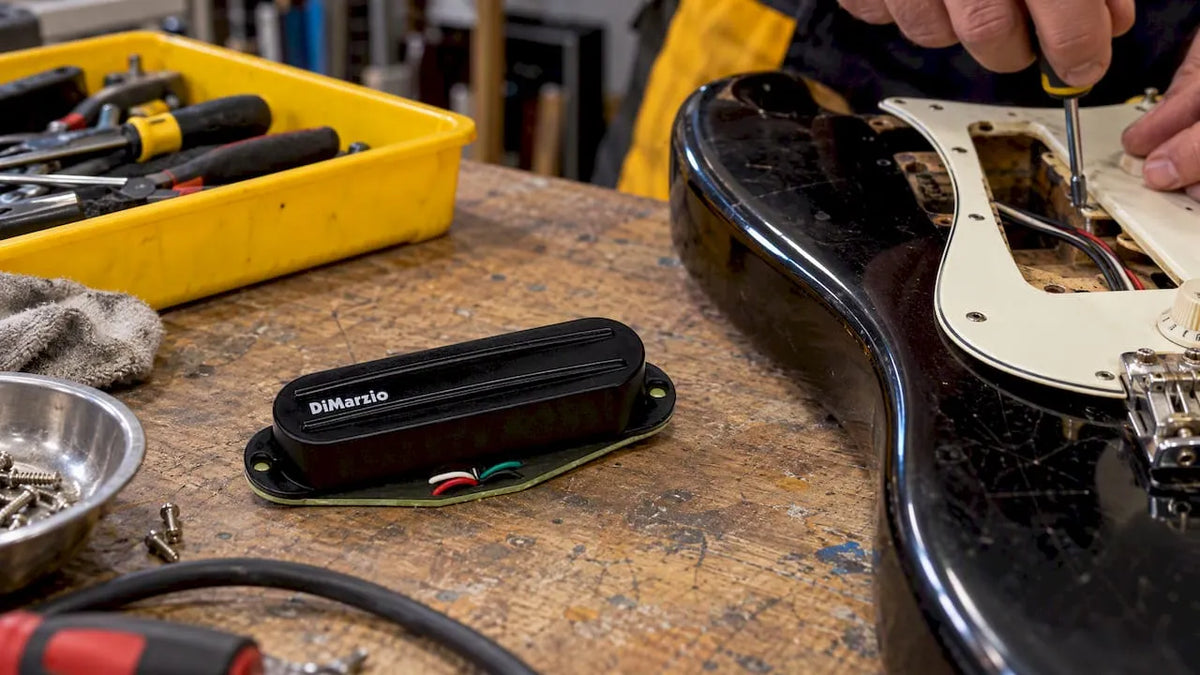
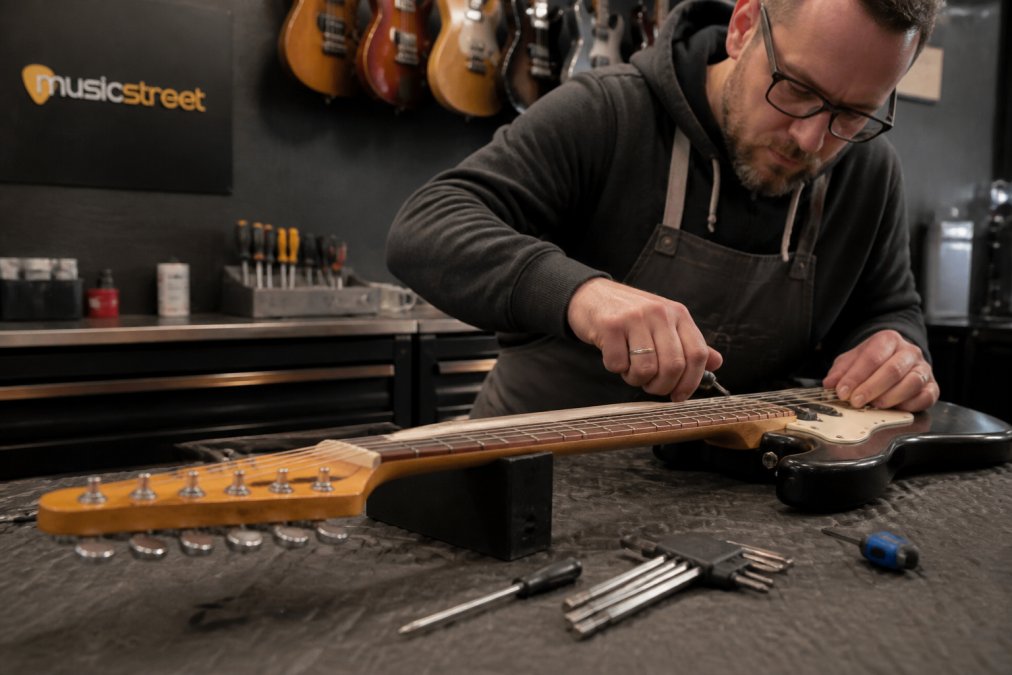
In addition to our extensive selection of amplifiers, MusicStreet provides setup and repair services to ensure your gear performs at its best. Our experienced technicians can help with everything from basic setups to more complex repairs, ensuring that your amplifier delivers optimal sound quality. This commitment to customer satisfaction enhances your overall experience and helps you get the most out of your equipment.






Share:
Best Practice Amps for Guitar: Home & Studio Use
Best Guitar Amps for Beginners UK 2026 — The Complete Buyer's Guide