


The core difference between bass and electric guitar comes down to four things: size, strings, tuning, and musical role. A standard bass has a 34-inch scale length and four strings tuned E-A-D-G, one full octave lower than a guitar’s lowest four strings. A standard electric guitar has a scale length of around 25 inches and six strings tuned E-A-D-G-B-E. In a band, the bass locks in with the drums to anchor the low end, while the electric guitar handles melodies, chords, and solos in the mid-to-high range.
Here is a quick summary of the main distinctions:
- Strings: Bass has 4 (thicker, longer); electric guitar has 6 (thinner, shorter)
- Scale length: Bass is typically longer than an electric guitar’s scale length
- Tuning: Bass is tuned an octave lower (E-A-D-G); guitar is tuned E-A-D-G-B-E
- Sound: Bass produces deep, low-end tones; guitar covers bright, mid-to-high frequencies
- Role: Bass provides rhythmic and harmonic foundation; guitar leads with melody and harmony
- Technique: Bass favours fingerstyle plucking or pick; guitar uses strumming, fingerpicking, bends, and solos
How do bass and electric guitar differ physically?
Place the two instruments side by side and the size gap is immediately obvious. Scale length — the distance from the nut to the bridge — is the most important measurement. A standard long-scale bass sits at 34 inches, while most electric guitars fall between 24.75 and 25.5 inches. That extra length means wider fret spacing on the bass, which changes how your hand moves across the neck entirely.
The neck on a bass is also thicker and wider to accommodate the tension of heavier strings. Bass strings are longer, thicker, and more expensive than guitar strings, and they require noticeably more finger strength to press down cleanly. Electric guitar strings are thinner and under less tension, which makes fretting easier for beginners, particularly when building up calluses.
Body size follows the same pattern. The bass body is larger and heavier, which can feel unwieldy for younger players or those with smaller frames. Electric guitars are lighter and easier to manoeuvre, especially for fast, intricate playing.
Key physical differences at a glance:
- Bass scale length: Long-scale and short-scale variations exist; electric guitar scale length is shorter in comparison.
- Bass neck: longer, thicker, wider fret spacing
- Guitar neck: shorter, thinner, tighter fret spacing
- Bass strings: 4, thicker gauge, higher tension
- Guitar strings: 6, thinner gauge, lower tension
Short-scale basses (around 30 inches) are worth knowing about if hand size is a concern. Models such as the Gibson SG Bass and the Epiphone EB-0 use a shorter neck without sacrificing tone. The slightly heavier string gauges short-scale basses use actually produce a thick, punchy sound that many players prefer.
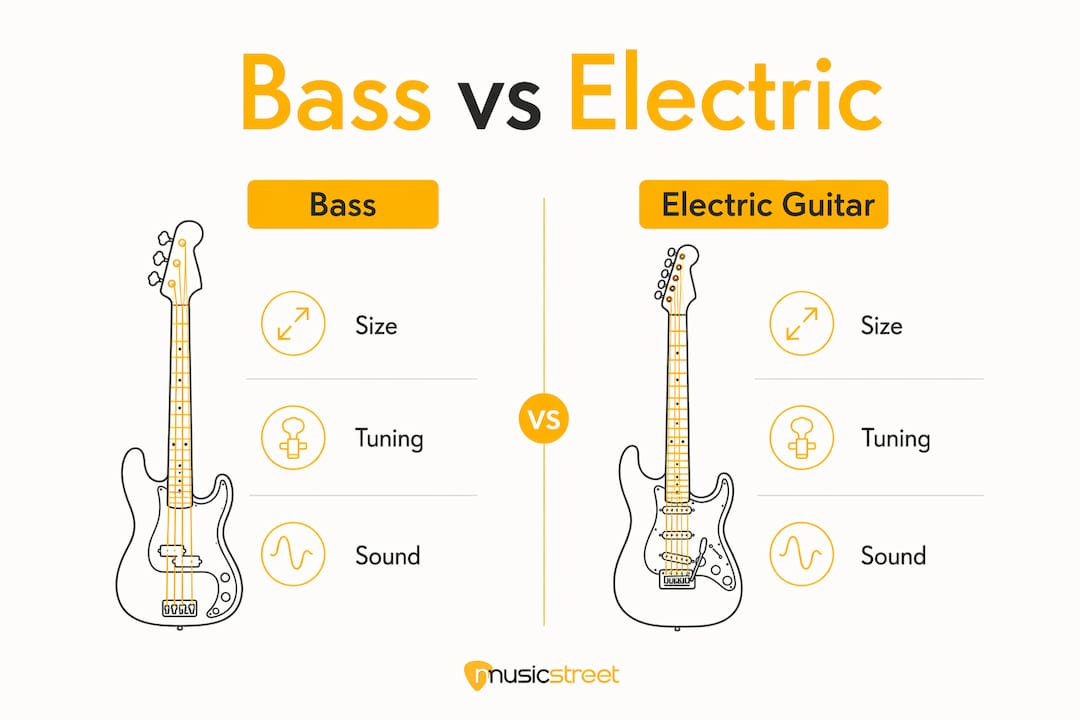
How do tuning and sound differ between the two instruments?
Both instruments share the same four note names on their lower strings — E, A, D, G — but the bass plays those notes a full octave lower. That single octave gap is what gives a band its sense of weight and depth. The bass guitar typically covers a frequency range from around 40 Hz to 400 Hz, while the electric guitar spans roughly 80 Hz to 1,200 Hz, reaching well into the bright, cutting frequencies where melodies and solos live.
The thicker strings on a bass produce a warm, rounded tone that blends naturally with the kick drum. Bass bridges the drums and guitars in the frequency spectrum, filling the low end that neither instrument covers on its own. An electric guitar simply cannot replicate that low-end depth or string tension, which is why substituting a guitar for bass parts leaves a band sounding thin and unanchored.
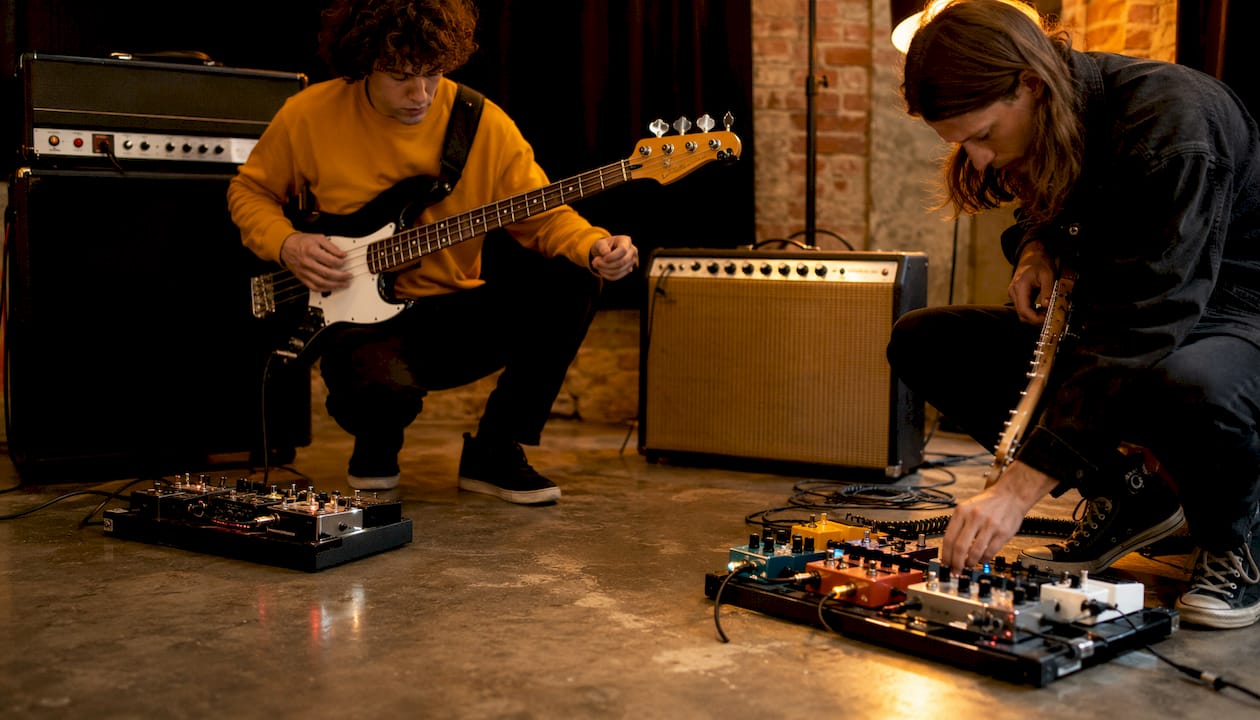
Electric guitar tone is brighter and more articulate, shaped heavily by effects pedals, amplifiers, and pickup selection. Distortion, reverb, and delay are all standard tools for guitarists. Bass players use effects too, but the priority is always clarity and punch in the low end rather than tonal transformation.
Sound differences summarised:
- Bass: deep, warm, low-frequency tones; works with drums to anchor the groove
- Guitar: bright, mid-to-high tones; versatile across clean, crunch, and high-gain sounds
- Bass tuning: E-A-D-G, one octave below guitar’s lowest four strings
- Guitar tuning: E-A-D-G-B-E, covering a wider melodic range
- Effects: guitar relies heavily on pedals for tone shaping; bass prioritises clean low-end presence
A well-balanced band keeps these frequency ranges separate. Guitarists playing thick, bass-heavy chord voicings when a bassist is present creates a muddy mix. The solution is simple: let the bass own the low end, and use higher voicings on the guitar to stay out of that range.
Is bass or electric guitar easier to learn?
Many beginners find bass more approachable at the start, largely because it focuses on single-note grooves rather than multi-finger chord shapes. With four strings and a more straightforward early repertoire, you can start playing along with songs relatively quickly. Electric guitar front-loads its difficulty with chord shapes, strumming coordination, and switching between voicings smoothly — that early climb is steeper.
That said, “easier to start” does not mean “easier to master.” Bass demands a deep sense of timing and groove, and locking tightly with a drummer’s kick pattern is a skill that takes years to develop properly. Many new players underestimate just how much rhythmic precision the bass requires.
Electric guitar has its own long-term challenges: barre chords, fast solos, and learning to use effects all take sustained practice. But the payoff is broad. Once chord shapes click, you unlock rhythm playing, lead playing, and songwriting tools simultaneously.
Learning curve comparison:
- Bass early stage: single-note lines, rhythm focus, quicker initial wins
- Guitar early stage: chord shapes, strumming coordination, steeper initial climb
- Bass long term: timing precision, groove, locking with drums
- Guitar long term: scales, solos, effects, chord vocabulary
- Physical demands: bass strings require more finger strength; guitar demands dexterity for bends and fast runs
Motivation matters more than any of this. If you are not drawn to the style of music that comes with playing bass, the early wins will not keep you practising. Choose the instrument whose sound genuinely excites you.
Which instrument should you learn first?
The honest answer is: whichever one pulls you in. Motivation is the single biggest factor in sticking with practice, and no amount of “easier to learn” logic overrides a lack of genuine interest in the music you are making.
That said, your musical goals are a useful guide. If you want to play solos, write songs, and perform without needing a full band around you, electric guitar offers more versatility for solo playing. If you are drawn to rhythm, groove, and the idea of being the engine that drives a band, bass is a natural fit. Good bassists are also consistently in demand — finding a band that needs you is genuinely easier as a bassist.
Physical comfort is worth considering too. Younger players or those with smaller hands may find electric guitar more manageable initially, given its shorter neck and lighter strings. A short-scale bass is a solid middle ground if you want bass but find the full 34-inch neck awkward.
Choosing by musical goal:
- Want to play solos and melodies? Electric guitar
- Love rhythm, groove, and working with drums? Bass guitar
- Prefer solo or singer-songwriter playing? Electric guitar
- Want to be in demand in a band? Bass guitar
- Smaller hands or younger player? Electric guitar or short-scale bass
Skills transfer well between the instruments — timing, basic music theory, and finger dexterity all carry over. Learning one first does not lock you out of the other. Many players who start on bass find the switch to guitar faster than expected, and vice versa. For a broader look at how instrument structure affects your first choice, the acoustic vs electric guide on the Musicstreet blog covers related ground worth reading.
Practical advice for UK learners choosing between the two
The UK has a strong band culture, from grassroots pub venues to local music schools, and both instruments are well served by the market here. Beginner electric guitars and bass guitars are widely available at accessible price points, and the range of setups and styles on offer means there is genuinely something for every budget and hand size.
A few things worth knowing before you buy:
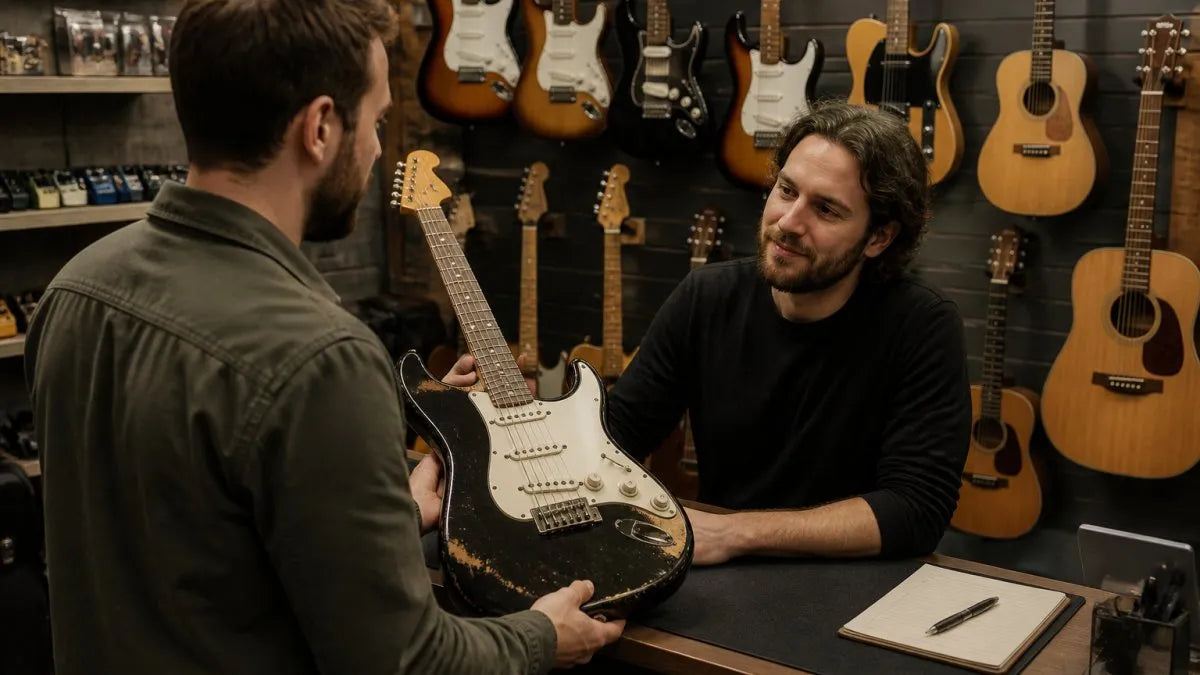
- Try before you commit: If you can, visit a shop and hold both instruments. The weight and neck feel of a bass versus a guitar is something you cannot judge from a product page alone.
- Short-scale basses are a real option: Players with smaller hands should not default to electric guitar just because of size. A short-scale bass at around 30 inches is a legitimate starting point.
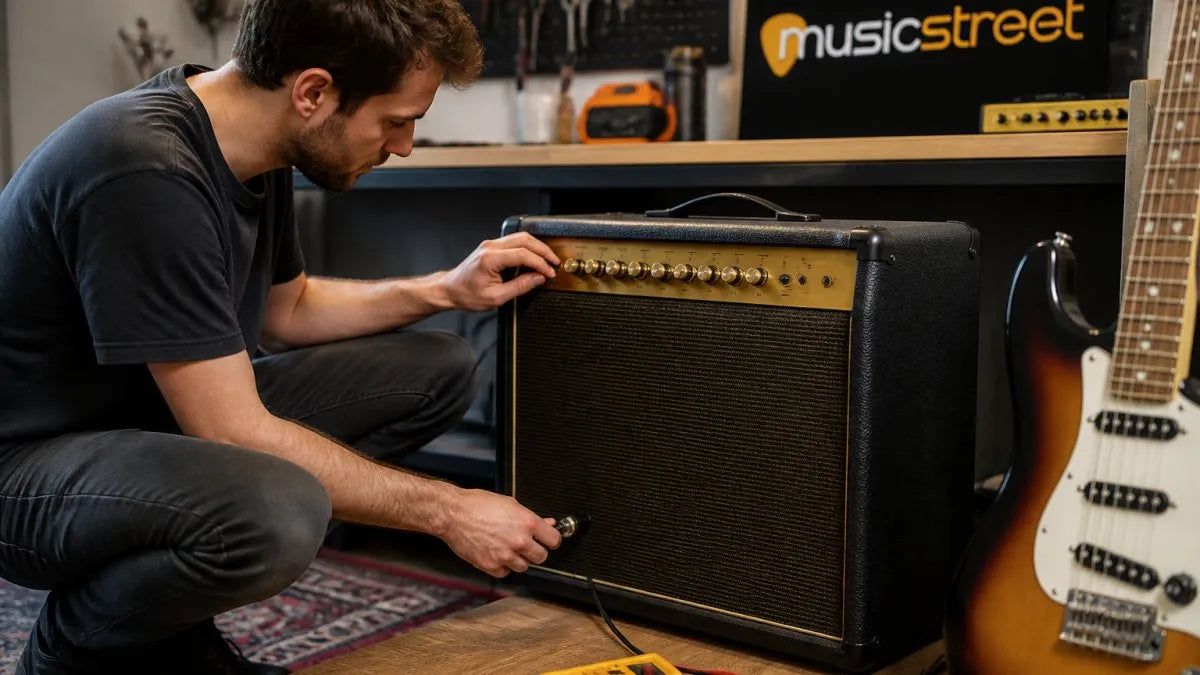
- Factor in the amp: Both instruments need amplification. Bass amps are generally larger and more powerful than guitar amps, which can affect your budget. Do not overlook this when pricing up your setup.
- Setup matters: A professionally set-up instrument plays far better than one straight out of the box. Action height, intonation, and string height all affect how easy the instrument feels to play, especially for beginners.
- Genre fit: UK players drawn to indie, rock, and post-punk will find electric guitar central to those sounds. Funk, jazz, and heavier rock all place the bass front and centre.
Pro Tip: If you are buying your first bass and are unsure about scale length, try a short-scale model in person before committing to a full 34-inch instrument. The difference in playability for smaller hands is significant.
Musicstreet stocks a range of beginner and intermediate instruments with professional setup included, and the team at the Huntingdon store can advise on the right fit for your playing style and hand size. For a focused starting point, the best bass guitars for beginners guide on the Musicstreet site is a practical first read.
How do amplification and effects differ for bass and electric guitar?
Bass and electric guitar require separate amplifiers, and using the wrong one causes real problems. A bass guitar run through a standard guitar amp can damage the speaker, because guitar amp speakers are not built to handle the low-frequency output a bass produces. Bass amps use larger, more robust speakers designed specifically for that low-end load.
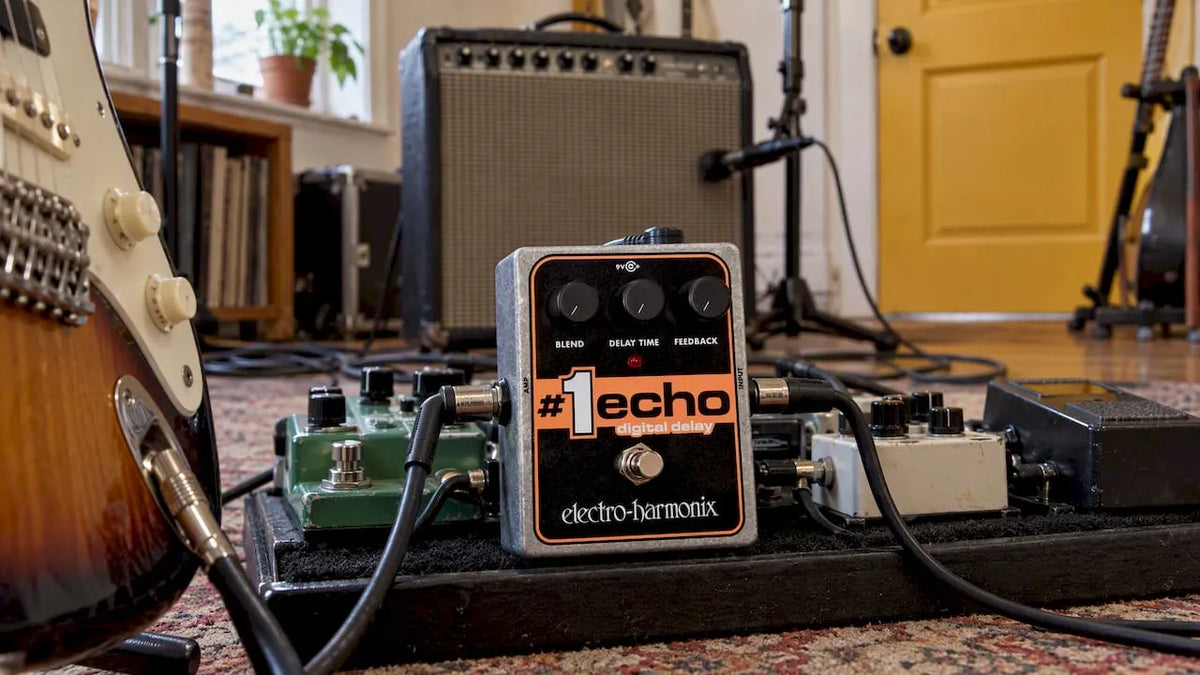
The effects landscape differs too. Electric guitarists typically build a pedalboard with distortion, overdrive, reverb, delay, and modulation effects at the core. These pedals shape the guitar’s tone dramatically, and much of the electric guitar’s sonic identity comes from this chain. Bass players use effects more selectively. Compression, octave pedals, and envelope filters are common, but the priority is always preserving the low-end clarity that the band depends on. Heavy distortion on bass can obscure the fundamental frequencies that anchor the mix.
Pickup types also vary. Electric guitars commonly use single-coil pickups (bright, articulate) or humbuckers (warmer, fuller). Bass guitars use single-coil or humbucking pickups too, but they are voiced specifically to capture low frequencies cleanly rather than to cut through the mid-range.
Ready to pick your instrument?
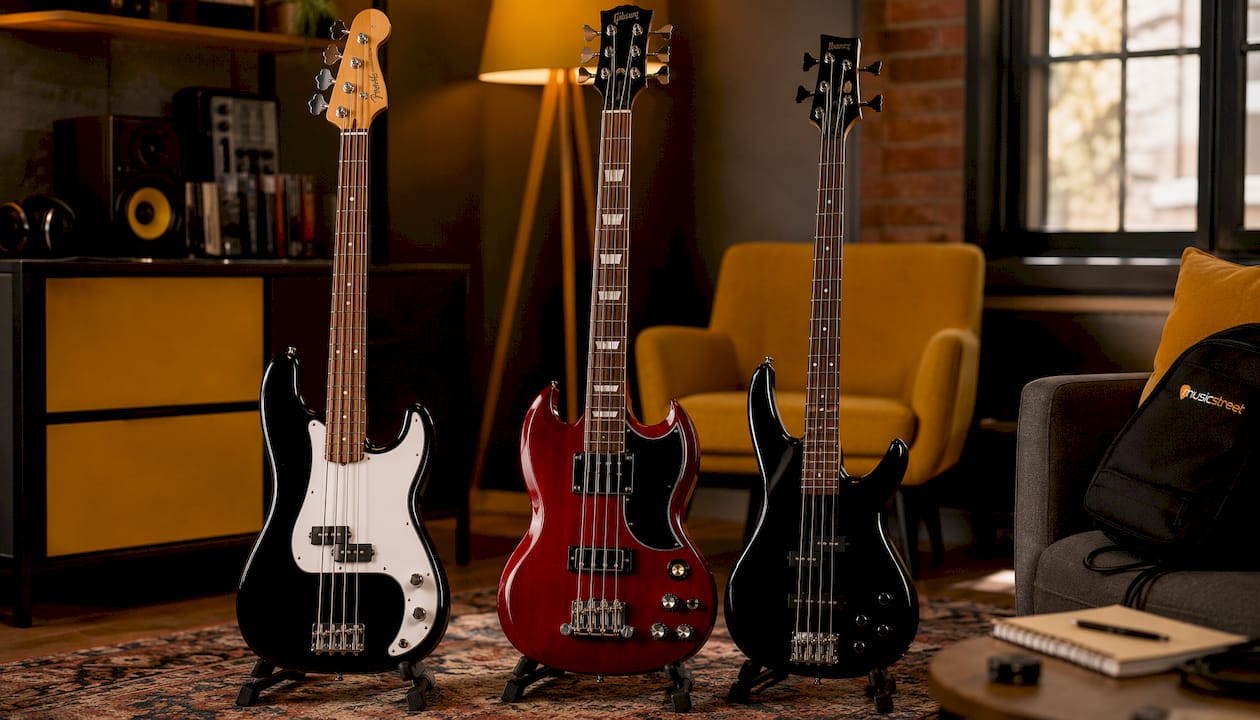
Whether you are leaning towards bass or electric guitar, Musicstreet has a range of instruments suited to every level, from first-time buyers to players upgrading their setup. The Fender P Bass is a classic starting point for bass players, delivering the warm, punchy tone that has underpinned countless recordings. The Gibson SG Standard Bass offers an iconic short-scale feel with a sound that punches well above its size. For a budget-friendly entry into bass, the Ibanez GSR200 is a versatile and well-built option that handles everything from rock to funk. Every instrument sold by Musicstreet comes with professional setup and expert advice, whether you shop online or visit the store in Huntingdon, Cambridgeshire.
Key takeaways
Bass and electric guitar serve fundamentally different roles in music, and choosing between them comes down to whether you are drawn to rhythm and groove or to melody and harmony.
| Point | Details |
|---|---|
| Size and scale | Bass has a ~34-inch scale length; electric guitar sits at ~24.75–25.5 inches, affecting neck feel and playability. |
| Strings and tuning | Bass has 4 thicker strings tuned an octave lower (E-A-D-G); guitar has 6 thinner strings tuned E-A-D-G-B-E. |
| Musical role | Bass locks with drums to anchor the low end; electric guitar delivers melodies, chords, and solos. |
| Learning curve | Bass offers quicker early wins with single-note lines; guitar front-loads difficulty with chord shapes but unlocks more versatility. |
| Skill transfer | Timing, music theory, and finger dexterity transfer between both instruments, so your first choice is not permanent. |
FAQ
Is bass guitar easier than electric guitar?
Bass is generally more approachable at the start because it focuses on single-note lines rather than chord shapes, so beginners can play along with songs relatively quickly. However, mastering bass requires a deep sense of timing and groove that is just as demanding as the technical challenges of electric guitar.
Can you play bass parts on an electric guitar?
Technically yes, but it is not effective. An electric guitar lacks the string tension and low-frequency resonance that bass produces, so the rhythmic foundation of the band disappears. Running a bass through a guitar amp can also damage the speaker.
Why learn bass instead of guitar?
Bass players are consistently in demand in bands, and the instrument suits anyone drawn to rhythm, groove, and working closely with a drummer. If you prefer a supportive, foundational role over soloing and melody, bass is a natural fit.
Is it easier to sing while playing bass or guitar?
Most singers find it easier to sing while playing bass, because bass lines are typically simpler and more repetitive than guitar parts, freeing up mental bandwidth for vocals. That said, both instruments require practice to combine with singing effectively.



Share:
Acoustic vs electric guitar: what's the real difference?
Semi-hollow vs hollow body guitars: the full guide