


Every beginner needs the same core kit: a guitar, a clip-on tuner, a few picks, spare strings, a strap, a case or stand, and (for electric and bass players) an amp and cable. That is your guitar equipment list in one sentence. Buy those eight things before anything else, and you have everything you need to start playing today.
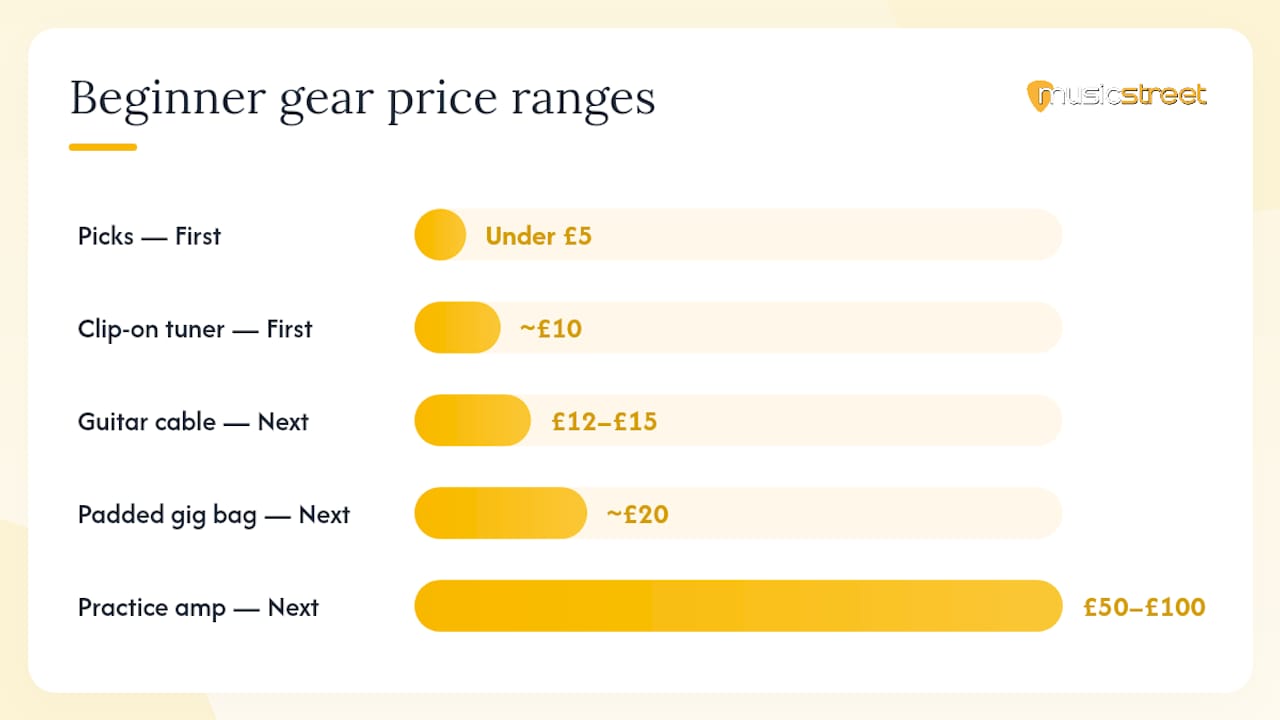
Here is the priority order at a glance:
-
Guitar — the obvious starting point; everything else supports it
-
Clip-on tuner (around £10) — an out-of-tune guitar kills motivation fast; tuner, picks and strings are the lowest-cost, highest-impact purchases you can make
-
Picks (a few different thicknesses, under £5) — try thin, medium and heavy before settling on one
-
Spare strings (around £8 a set) — strings break at the worst moments; have a set ready
-
Strap (£10–£25) — comfort matters more than you think, especially standing up
-
Case or gig bag (£20–£40) — protects the instrument in transit; a padded gig bag is fine for most beginners
-
Stand — keeping the guitar out and visible significantly increases practice frequency, according to store staff and instructors
-
Amp and cable (electric/bass players only; budget £50–£100 combined) — you cannot hear an electric guitar properly without one
Priority 1–3 (buy now): tuner, picks, spare strings. These cost under £25 combined and make an immediate difference to every session. Priority 4–8 (next steps): strap, case or stand, amp and cable, basic maintenance tools. Musicstreet stocks all of these, both new and pre-owned, with expert advice available in-store in Huntingdon or online.
Key takeaways
A beginner’s guitar rig essentials come down to eight items, most of which cost under £25 each, and the single most effective practice habit costs nothing: keep the guitar on a stand where you can see it.
| Point | Details |
|---|---|
| Buy tuner, picks and strings first | These three items cost under £25 combined and improve every practice session immediately. |
| Strap and stand before gadgets | Comfort and accessibility drive practice frequency more than any effects pedal. |
| Electric/bass players need an amp | Budget £50–£100 for a practice amp with a headphone socket; it is not optional. |
| UK starter budgets are realistic | Acoustic setups run around £150; electric and bass around £180–£200, accessories included. |
| Musicstreet for new and pre-owned | Musicstreet in Huntingdon offers inspected used guitars, setup services, and beginner accessories. |
Table of Contents
-
1. What does each item on the guitar equipment list actually do?
-
3. What amp and cable do electric and bass beginners actually need?
-
7. Why buying from a specialist shop matters for UK beginners
1. What does each item on the guitar equipment list actually do?
Understanding why each item earns its place stops you wasting money on things you do not need yet. Here is a short buyer’s guide for each essential, with what to look for and what to avoid.
Guitar
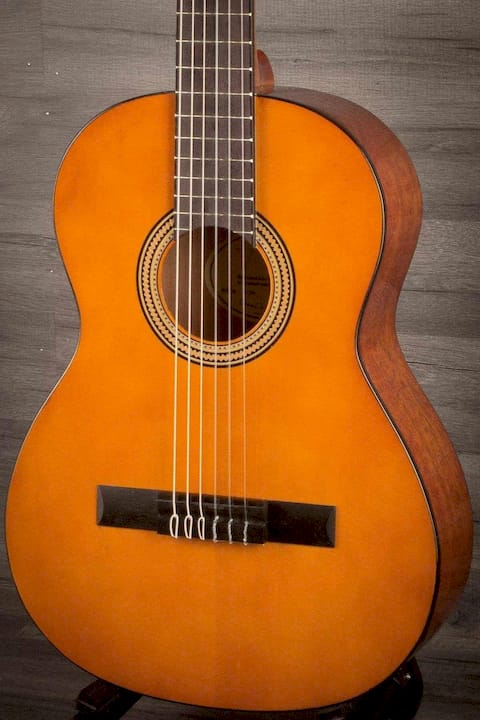
Buy the instrument that suits the music you want to play. Acoustic guitars need no extra gear to make sound; electric and bass guitars need an amp. For acoustic beginners, a steel-string dreadnought or concert-body guitar is the standard starting point. JustinGuitar’s instructor guidance stresses prioritising comfort and playability over looks: a guitar that hurts to hold gets put down.
Clip-on tuner
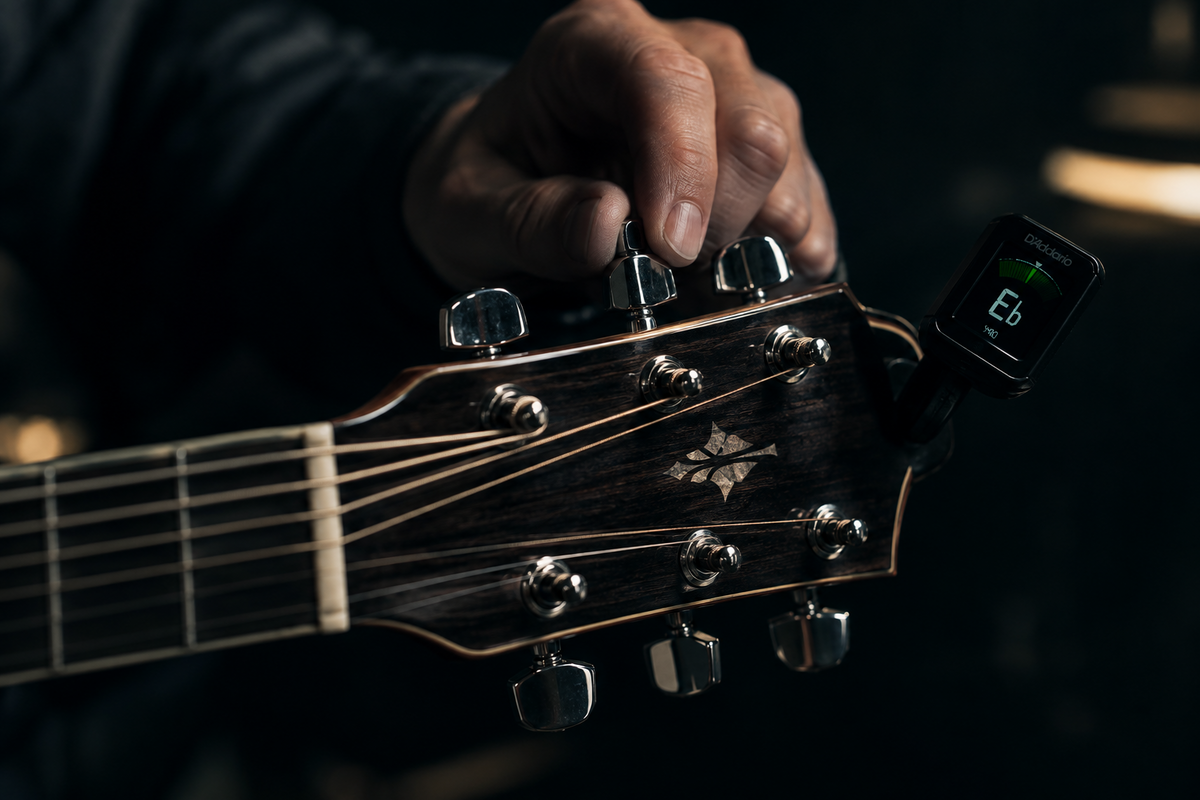
A clip-on tuner attaches to the headstock and reads vibration directly, so it works even in a noisy room. Expect to pay around £15. Avoid relying solely on a phone tuner app in early stages — the clip-on is faster and more accurate for live use. Pedal tuners are an upgrade for electric players once you have a pedalboard, but they are not a day-one purchase.
Picks
Thin picks (0.46mm–0.60mm) are easier for strumming; medium picks (0.73mm) suit most beginners; heavy picks (1.0mm+) give more control for single-note playing. Buy a small selection of each and spend a week with each thickness before deciding. A pack of mixed picks costs under £5.
Spare strings
Strings break, corrode, and go dead. A fresh set sounds noticeably brighter and plays more easily than old strings. For acoustic steel-string guitars, light gauge (10–47) is the standard beginner recommendation. Electric guitars typically use 9–42 or 10–46. Bass players usually start on 45–105. Keep one spare set in your case at all times.
Strap
A strap is not just for standing up. Playing seated with a strap keeps the guitar stable and frees both hands to focus on technique. Look for a strap with a padded section if you plan to play for more than 20 minutes at a stretch. Leather or thick nylon straps last longer than thin synthetic ones.
Case or gig bag
A padded gig bag (around £20) is enough for most beginners who travel by car or public transport. Hard cases offer better protection but cost more and are heavier. If you are buying a used instrument, check whether a case is included before paying separately for one.
Stand
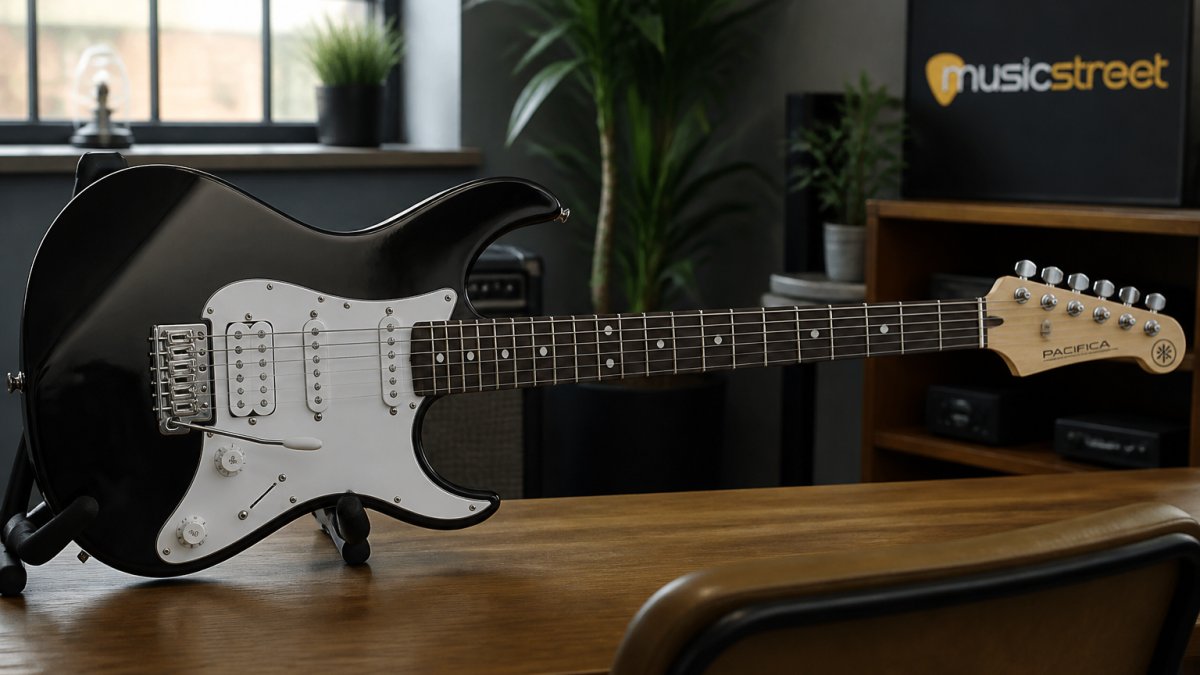
A guitar left in its case tends to stay there. A simple A-frame stand costs around £10–£15 and keeps the guitar at arm’s reach. That visibility alone is one of the most effective practice habits you can build.
Capo
A capo clamps across the fretboard to raise the pitch of all strings simultaneously, letting you play open-chord shapes in different keys. It is not a day-one purchase, but it becomes useful quickly once you know a handful of chords. Budget around £10–£15 for a decent spring-loaded or trigger capo.
Basic maintenance tools
A string winder speeds up string changes from ten minutes to two. A string cutter trims the excess wire neatly. A polishing cloth keeps the body clean. These three items together cost under £15 and make routine care far less of a chore.
Pro Tip: Experienced instructors consistently recommend buying for comfort first. A strap that digs into your shoulder or picks that feel wrong in your hand create small frustrations that add up. Spend a little more on comfort items and a little less on gadgets you will not use for months.
2. How does your instrument change what you need?
The core guitar setup checklist is the same for everyone, but acoustic, electric and bass players each have a few extra considerations. Getting this right early prevents wasted purchases.
Acoustic players need the least extra gear. Your guitar makes sound acoustically, so no amp or cable is required. Focus your early budget on the instrument itself, a good tuner, picks, strings and a comfortable strap. String gauge matters more on acoustic: light gauge (10–47) reduces finger soreness for beginners and is the standard starting recommendation.
Electric players need:
-
A practice amp with a headphone socket (more on this below)
-
A guitar cable (6.3mm jack, at least 3 metres)
-
Slightly lighter strings than acoustic (9–42 is a common beginner gauge)
-
A strap with strap locks is worth considering, as electric guitars tend to be heavier
Bass players need:
-
A bass-specific amp (a guitar amp will not handle bass frequencies properly without risk of speaker damage)
-
A bass cable (same 6.3mm jack as electric guitar)
-
Bass strings in the 45–105 gauge range for standard tuning
-
A bass guitar guide is worth reading before buying, as bass setups have specific considerations around amp wattage and speaker size
One thing that is identical across all three: the need for a reliable tuner, a strap, and a stand. Those items do not change regardless of which instrument you play.
3. What amp and cable do electric and bass beginners actually need?
The amp is the single most important extra purchase for electric and bass players. Andy Guitar’s beginner electric course puts it plainly: an electric guitar without an amp is not really functional for learning. The good news is that a basic practice amp costs £50–£70 and does everything a beginner needs.
What to look for in a beginner practice amp
-
Headphone socket — this is the most important feature for home practice. Plug in headphones and you can play at full volume without disturbing anyone. This removes one of the biggest barriers to daily practice.
-
Clean channel — a clean, unaffected tone lets you hear your technique clearly. Distortion hides mistakes.
-
Basic tone controls — bass, mid and treble controls are enough. You do not need a built-in effects library on day one.
-
5–20 watts — more than enough for bedroom practice. Anything larger is unnecessary until you are playing with other people.
For bass players, look for a bass-specific combo amp rated at least 15 watts, with a dedicated bass EQ. A guitar amp used for bass can damage the speaker over time.
Cables
A 3-metre instrument cable with a 6.3mm jack at each end is the standard. Cheap cables pick up interference and crackle when moved. Spending £10–£15 on a decent shielded cable rather than the cheapest option available saves frustration. Check the jack connections: right-angle jacks are useful if the guitar’s output socket is on the side of the body.
Electrical safety basics
-
Plug amps into earthed (three-pin) sockets only
-
Keep amplifiers away from wet areas, including drinks on the floor near the amp
-
Do not run the volume so high that the speaker distorts heavily for extended periods
-
Switch the amp off when not in use
Pro Tip: A practice amp with a headphone socket, or an amp-modeller plugged into headphones, removes the two most common excuses for skipping practice: noise and time. If you can pick up the guitar and play silently in ten seconds, you will play far more often.
4. Starter budgets and sample shopping lists for UK buyers
Ben Ferrari Music’s UK starter guide gives realistic budget benchmarks: acoustic setups around £150, electric around £180–£200, and bass around £200. Here is how those budgets break down at item level.
Acoustic starter budget (~£150 total, excluding the guitar itself):
-
Clip-on tuner: an affordable option
-
Picks (mixed pack): ~£4
-
Spare strings: cost-effective set
-
Padded gig bag: reasonable price
-
Strap: ~£12
-
Guitar stand: ~£12
-
Capo: ~£12
-
String winder/cutter: inexpensive tool
-
Polishing cloth: ~£4
Electric starter budget (~£180–£200 total, excluding the guitar):
-
All of the above acoustic items (~£90)
-
Practice amp with headphone socket: a budget-friendly range
-
Guitar cable (3m, shielded): ~£12–£15
Bass starter budget (~£200 total, excluding the bass):
-
Clip-on tuner: an affordable option
-
Bass strings (spare set): ~£12
-
Padded gig bag: reasonable price
-
Strap: reasonable cost
-
Guitar stand: ~£12
-
Bass practice amp (15W+): budget-friendly amplifier
-
Bass cable: ~£12–£15
New vs used: when does buying used make sense?
Used instruments can offer significantly better value at the same price point. A pre-owned guitar that has been professionally set up often plays better than a new budget instrument straight out of the box. The key is knowing what to inspect.
-
Check the neck for straightness (sight down it from the headstock)
-
Check the frets for wear (flat spots or sharp edges on the fret ends)
-
Check the tuning machines: they should turn smoothly with no slipping
-
Check the nut and saddle for cracks or chips
-
Ask whether the instrument has had a professional setup
Guitar4Beginners categorises gear into must-haves and nice-to-haves, which is a useful frame when buying used: spend the money you save on the instrument itself, not on accessories you do not need yet.
Musicstreet’s pre-owned listings include options like the used Ibanez GSR200 bass and the used Gretsch G5422G-12, each inspected before listing. For acoustic buyers stepping up from a starter instrument, the Yamaha FGX5 is a well-regarded option with a solid top and built-in electronics.
| Item | Best for | Typical UK price range | Why you need it | Priority |
|---|---|---|---|---|
| Clip-on tuner | All players | ~£10 | Accurate tuning in any environment | Buy first |
| Picks (mixed) | All players | Under £5 | Discover your preferred feel | Buy first |
| Spare strings | All players | £8–£12 | Strings break; always have a backup | Buy first |
| Padded gig bag | All players | ~£20 | Safe transport and storage | Buy next |
| Guitar strap | All players | £10–£25 | Comfort and playing stability | Buy next |
| Guitar stand | All players | £10–£15 | Keeps guitar visible and accessible | Buy next |
| Practice amp | Electric/bass | £50–£100 | Essential for electric/bass sound | Buy next |
| Guitar cable | Electric/bass | £12–£15 | Connects guitar to amp | Buy next |
| Capo | Acoustic/electric | £10–£15 | Expands song repertoire quickly | Later |
| Maintenance kit | All players | £10–£20 | Keeps instrument in good condition | Later |
5. Basic care and maintenance every beginner should know
A guitar that is not maintained becomes harder to play. The good news is that basic upkeep takes five minutes and requires almost no skill.
Routine care checklist:
-
Wipe down the strings and body with a dry cloth after every session
-
Change strings every 2–3 months with regular playing, or sooner if they feel rough or sound dull
-
Check the tuning machines periodically: they should turn smoothly with no slipping or stiffness
-
Tighten any loose strap buttons or output jack nuts with a screwdriver
-
Store the guitar away from direct sunlight, radiators and damp areas
When to book a professional setup
A professional setup adjusts the truss rod, action height, nut slots and intonation so the guitar plays as well as it possibly can. Signs you need one: strings buzzing on multiple frets, the action (string height) feels uncomfortably high, or the guitar goes out of tune quickly even with fresh strings. A setup typically costs a moderate fee for a guitar or bass in the UK market, based on pricing from independent luthiers. Musicstreet offers setup and repair services, which is particularly useful when buying a used instrument that may not have been adjusted recently.
The basic toolkit
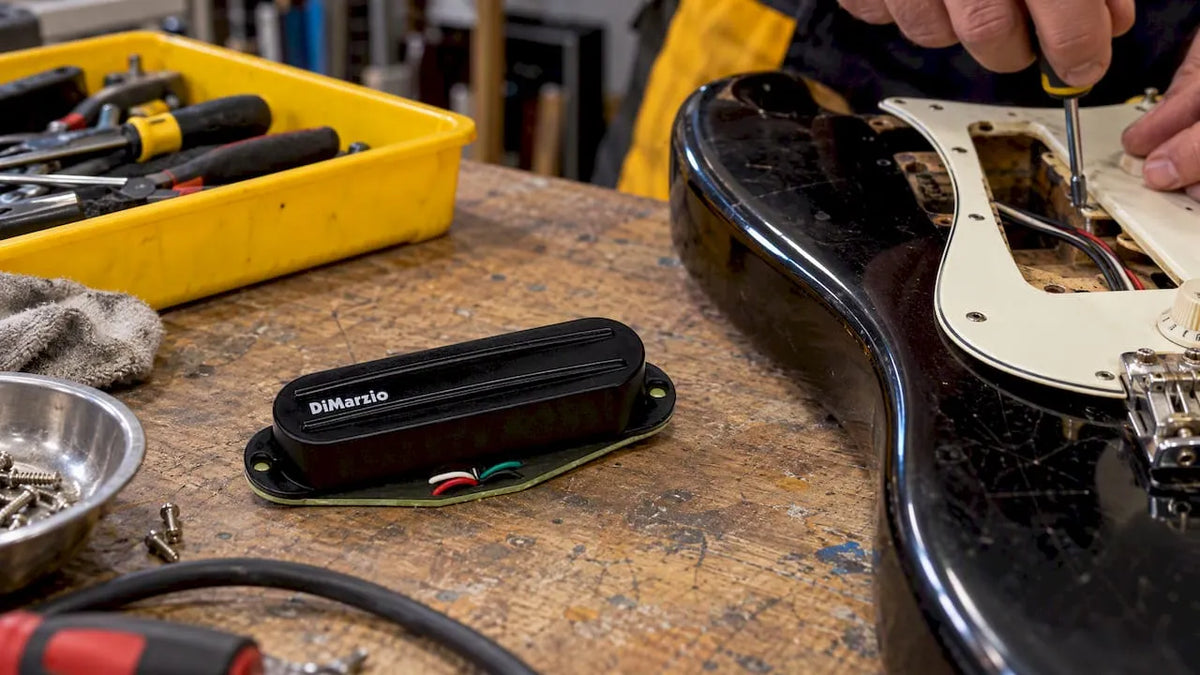
Three items cover most beginner maintenance needs: a string winder, a string cutter, and a polishing cloth. For anything more involved, the CruzTools Groovetech Guitar Player Tech Kit and the Groovetech Mini Multi-Tool are compact, well-made options stocked by Musicstreet. Acoustic players can also look at the CruzTools Groovetech Acoustic Guitar Player Tech Kit, which includes the tools most relevant to acoustic-specific maintenance. A full guitar tools guide covers what each tool does and when you need it.
6. What should you buy first, second and third?
Budget is finite. Here is a clear spending sequence that gets you to a playable, enjoyable setup as quickly as possible.
-
Tuner, picks and spare strings — spend under £25 and buy these before anything else. An in-tune guitar with the right pick feel makes every practice session better. These are the items Guitar World and most experienced instructors agree on as the highest-impact, lowest-cost purchases.
-
Strap and stand (or gig bag) — spend £30–£40. The strap makes the guitar comfortable to hold; the stand keeps it visible and within reach. Both directly affect how often you pick the guitar up.
-
Amp and cable (electric and bass players) — spend £70–£85. Do not skip this step if you play electric or bass. A guitar sitting silent because you have no amp is a guitar that does not get played.
-
Maintenance tools and capo — spend £20–£30. These are genuinely useful but not urgent. Buy them once you have the basics covered.
Decision rules for new vs used by category:
-
Tuner, picks, strings, capo: always buy new. The savings on used are negligible and the risk is not worth it.
-
Strap, gig bag, stand: new is fine at these price points; used is rarely available anyway.
-
Guitar and amp: used is often the smarter choice at beginner budgets. A used instrument at £150 will typically outplay a new one at the same price. Inspect carefully or buy from a shop that inspects for you.
For a more detailed breakdown of what each accessory does and how to choose, the beginner guitarist essentials guide on Musicstreet covers comfort and consistency items in depth.
7. Why buying from a specialist shop matters for UK beginners
Buying a guitar online from a general retailer is straightforward. Buying one that actually plays well is harder. That gap is where a specialist shop earns its place.
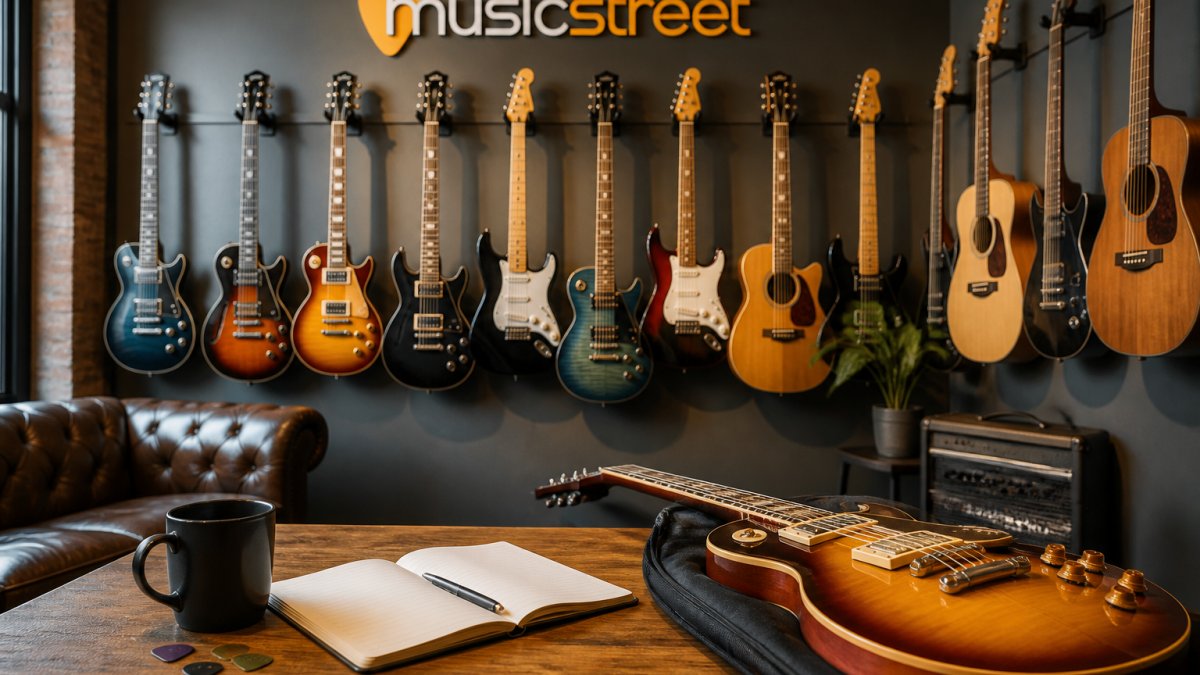
Musicstreet operates both an online store and a physical shop in Huntingdon, Cambridgeshire, specialising in new and pre-owned electric, acoustic and bass guitars. Every pre-owned instrument is inspected before listing. Setup and post-sale support are available, which matters most when you are buying a used guitar and cannot be certain of its history.
A professional setup on a used guitar is often the single best investment a beginner can make. A well-set-up instrument with lower action and correct intonation is easier to play, sounds better in tune, and reduces the finger soreness that makes beginners quit in the first month. Buying a used guitar without a setup check is a gamble; buying one from a shop that inspects and sets up its stock is not.
For beginners who want to see instruments in person before committing, the Huntingdon store allows in-store tryouts. For those buying online, Musicstreet’s customer support can advise on specific models and whether a setup is recommended before dispatch. Free UK delivery is available on qualifying orders.
The case for buying for progress, not perfection
The most common mistake beginners make is waiting until they have the “right” gear before practising seriously. The right gear is whatever gets you playing today. A £150 acoustic with a £10 tuner and a £4 pack of picks is a complete rig. A £1,500 guitar sitting in its case because the room is too noisy or the setup feels wrong is not.
One behavioural tip that genuinely works: keep the guitar on a stand in the room where you spend the most time. Not in a case, not in a cupboard. On a stand, in plain sight. The guitar you can see is the guitar you play. That single habit, backed by store staff and instructors alike, does more for practice frequency than any piece of gear.
Buy for comfort first. Buy for accessibility second. Buy for tone-shaping gadgets when you actually know what tone you are chasing.
Musicstreet: guitars, gear and setup support for UK beginners
Whether you are building your first guitar equipment list or upgrading from a starter instrument, Musicstreet offers new and pre-owned guitars alongside the accessories and setup services that make the difference between a guitar that sits in the corner and one you actually play.
The Yamaha FGC-TA TransAcoustic Electro Acoustic Cutaway is a strong option for acoustic players who want built-in effects without a separate amp. Bass beginners can browse the Ibanez GSR200 range, a reliable, well-regarded starter bass available new and pre-owned. Every purchase comes with access to Musicstreet’s setup service and post-sale support. Visit the store in Huntingdon to try before you buy, or browse the full range at Musicstreet and get in touch for personalised advice on which starter bundle suits your budget.
Sources
-
Guitar Accessories for Beginners ᐅ Essential Starter Gear - music2me
-
Buying Your First Guitar | Start Playing Today – Learn More — Ben Ferrari Music
-
Beginner’s Guide to Electric Guitar Gear (THE ESSENTIALS) | Andy Guitar
-
Beginner guitar gear essentials and accessories — Guitar World
FAQ
What equipment do you need to play guitar?
At minimum: a guitar, a tuner, picks and spare strings. Electric and bass players also need an amp and a cable. Everything else, including a strap, stand and capo, is strongly recommended but not strictly required to make your first sounds.
What is included in a full guitar setup?
A professional setup covers truss rod adjustment, action height, nut slot depth, intonation and sometimes fret dressing. It makes the guitar easier to play and more accurate in tune across the neck. UK setup costs run around £70 for a guitar or bass.
How often should you change guitar strings?
Every 2–3 months with regular playing is a reasonable starting point. Change them sooner if they feel rough, look discoloured, or sound noticeably dull. Always keep a spare set in your case.
Do beginners need a guitar effects pedal?
Not immediately. A tuner pedal is the first pedal worth buying for electric players, followed by a simple distortion or overdrive once you are comfortable with your basic tone. Reverb is a common third purchase. Start with the amp’s built-in controls before adding pedals.
Where can UK beginners buy inspected used guitars?
Musicstreet’s pre-owned listings include inspected electric, acoustic and bass guitars, with setup services available. The physical store in Huntingdon allows in-store tryouts before purchase.



Share:
Guitar amplifiers for collectors: playable amps for UK players
Classical guitar types: a guide for students and performers