


Every british guitarist knows the frustration of an uncomfortable guitar strap cutting into their shoulder or, worse, the fear of a slipping instrument mid-song. Comfort and security are crucial whether you are performing on stage or practicing at home. Studies show over 60 percent of musicians experience discomfort related to poor strap choice or fit. By understanding what to look for in a strap and how to attach and adjust it for optimal use, you can make every session safer and more enjoyable.
Table of Contents
Quick Summary
| Essential Insight | Explanation |
| 1. Choose the Right Strap Width | A wider strap distributes weight evenly, reducing strain on your shoulder during prolonged playing sessions. |
| 2. Material Matters for Durability | Consider leather for durability or nylon for affordability, ensuring a secure locking mechanism to prevent drops. |
| 3. Adjust Strap Length for Comfort | Proper length adjustment maintains a consistent playing position, reducing physical strain across seated and standing scenarios. |
| 4. Test Strap Fit During Practice | Simulate different playing scenarios to evaluate comfort and weight distribution, avoiding discomfort during performances. |
| 5. Verify Security Before Each Performance | Always inspect strap attachments for secure fitting, preventing equipment damage and ensuring peace of mind during live shows. |
Step 1: Choose the Right Guitar Strap for Your Needs
Selecting the perfect guitar strap requires careful consideration of multiple factors that directly impact your playing comfort and instrument security. Understanding these key elements will help you make an informed decision that enhances both your performance and enjoyment.
The width of your guitar strap plays a crucial role in weight distribution and overall playing comfort. Narrower straps might look stylish but can quickly become uncomfortable during extended playing sessions, especially with heavier instruments. Wider straps distribute the guitar’s weight more evenly across your shoulder, reducing strain and preventing potential muscle fatigue. When exploring guitar strap types, consider your instrument’s weight and your typical playing duration.
Material selection is equally important. Leather straps offer exceptional durability and develop a beautiful patina over time, while nylon straps provide affordability and lightweight performance. Some guitarists prefer suede or cotton options for their unique textures and aesthetic appeal. Regardless of material, ensure the strap includes reliable locking mechanisms to prevent accidental instrument drops. A secure strap can save you from potentially catastrophic equipment damage and interruptions during performance.
Pro tip: Always test a guitar strap for comfort before committing to a purchase. Walk around, simulate playing positions, and assess how the strap feels against your shoulder. What might seem comfortable in a shop can feel entirely different after an hour of playing.
Step 2: Attach the Strap Securely to Your Guitar
Attaching your guitar strap correctly is essential for both instrument safety and playing comfort. Understanding the proper attachment method will help prevent potential accidents and ensure a smooth playing experience.
Most guitars feature two strap pins that make attachment straightforward. Learn how to connect your guitar strap by first locating these pins typically positioned near the body and heel of the guitar. For electric and acoustic guitars with two strap pins, simply hook each end of the strap onto these designated pins. Some guitars may only have a single strap pin near the body, which requires an alternative attachment method for the headstock end.
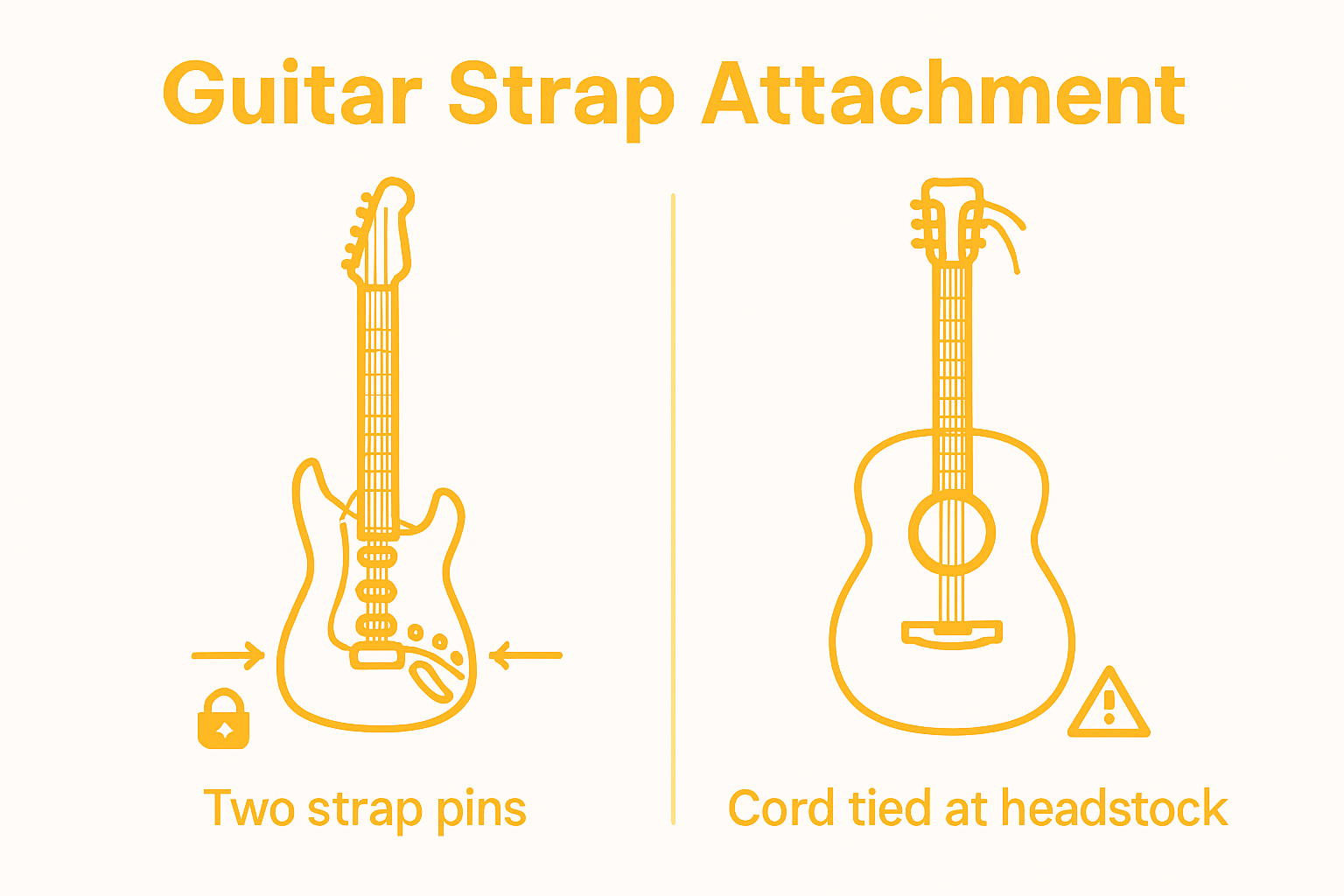
When dealing with guitars featuring only one strap pin, you will need to use an alternative securing technique. Tie the strap around the headstock or use a specialised adapter that provides additional support. This method ensures your instrument remains secure during playing, preventing potential drops or unexpected movement. Always test the strap’s stability by gently tugging and adjusting before beginning your performance.
Pro tip: Regularly inspect your strap pins and attachments for wear or loosening. A secure connection is fundamental to preventing instrument damage and maintaining your peace of mind while playing.
Step 3: Adjust the Strap Length for Playing Position
Adjusting your guitar strap length is crucial for maintaining a consistent and comfortable playing position whether you are seated or standing. Finding the perfect strap length ensures optimal playing technique and reduces physical strain during extended performance sessions.
Optimal strap positioning requires careful adjustment to maintain your guitar at the same height across different playing postures. When standing, position the guitar so that its body sits comfortably against your torso without requiring you to bend your wrist awkwardly or stretch unnaturally. For seated players, adjust the strap length to replicate the same playing angle you would have while standing, creating muscle memory and consistency in your technique.
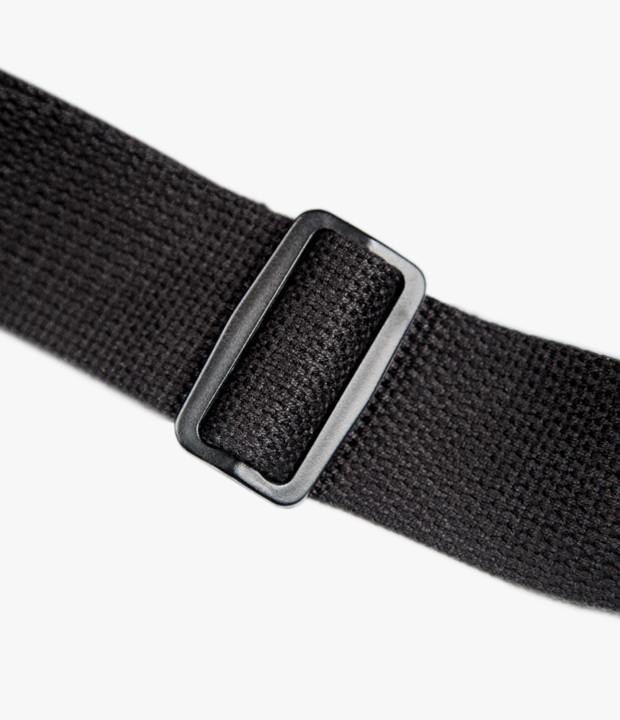
Most guitar straps feature adjustable buckles or sliding mechanisms that allow precise length customisation. Start by setting the strap at a midpoint length and then make incremental adjustments while playing. Pay attention to how your fretting hand moves and whether you can reach all areas of the fretboard comfortably. Your elbow should maintain a natural bend, and the guitar should feel like an extension of your body rather than an awkward appendage.
Pro tip: Experiment with multiple strap lengths during practice sessions. What feels comfortable standing might feel different when seated, so take time to find your perfect personalised setting.
Step 4: Test the Fit and Comfort During Practice
Testing your guitar strap thoroughly during practice is essential to ensure long term playing comfort and prevent potential physical strain. A well fitted strap can make the difference between an enjoyable musical experience and an uncomfortable performance.
Guitar strap comfort testing involves carefully evaluating multiple aspects of your strap during actual playing conditions. Begin by simulating different performance scenarios standing up and sitting down. Pay close attention to how the strap distributes weight across your shoulder and whether it allows unrestricted movement of your fretting and strumming hands. Check for any pinching points or areas of tension that might develop during extended playing sessions.
Your assessment should include a comprehensive range of musical movements. Practice your typical playing techniques including chords, soloing, and rhythm patterns to understand how the strap responds to various playing styles. Notice whether the guitar maintains a consistent position and whether you can reach all areas of the fretboard without awkward stretching or repositioning. Some guitarists find it helpful to record a short video of themselves playing to objectively analyse their strap’s performance and comfort level.
Pro tip: Wear the clothing you typically perform in during your strap comfort test. Different fabrics and layers can significantly impact how a guitar strap feels and performs during actual playing conditions.
Step 5: Verify Security Before Every Performance
Ensuring your guitar strap is completely secure before performing is a critical safety measure that can prevent potentially catastrophic instrument damage and embarrassing stage mishaps. A moment of careful inspection can save you from significant disruption during a live performance.
Checking guitar strap attachment points requires a systematic and thorough approach. Start by visually inspecting both strap pins and ensuring they are fully engaged with the strap’s metal hooks. Gently tug the strap in different directions to confirm a robust connection that can withstand movement during dynamic playing. Pay special attention to any signs of wear on the strap pins or potential loosening of the attachment mechanisms that might compromise your instrument’s stability.
Develop a consistent pre performance ritual that includes a comprehensive strap security check. This should involve testing the strap’s tension by applying moderate pressure and checking that the guitar maintains its intended position without sliding or shifting. For musicians using leather or softer material straps, be extra vigilant about potential stretching or weakening of the attachment points. Your goal is to create a muscle memory routine that becomes as natural as tuning your instrument or checking your cables.
Pro tip: Always keep a backup strap in your gig bag. Even with meticulous checking, unexpected equipment failures can occur, and having a spare can be a performance lifesaver.
Find Your Perfect Guitar Strap with MusicStreet
Choosing the right guitar strap is essential to avoid discomfort and keep your instrument secure while you play. Whether you need a wider strap for better weight distribution or a reliable locking mechanism for peace of mind, MusicStreet offers a carefully selected range of high-quality guitar straps designed to meet your exact needs. Our expert team helps you find the ideal strap length and style to match your playing position, ensuring maximum comfort during long practice sessions or live performances.

Don’t let an ill-fitting strap hold you back from enjoying your music fully. Visit MusicStreet today to explore our guitar and accessory collection. Benefit from professional setup advice, personalised customer support, and free UK delivery on qualifying orders. Experience the confidence that comes with secure, comfortable playing by shopping with trusted experts committed to musicians of all levels.
Frequently Asked Questions
How do I choose the right guitar strap for my playing style?
Choosing the right guitar strap involves considering its width, material, and weight capacity. Opt for a wider strap for heavier guitars to distribute weight evenly and reduce strain. Test different styles and materials to find what feels most comfortable for your playing duration.
What is the correct way to attach a guitar strap?
Attach your guitar strap by securing each end to the designated strap pins located on your guitar. If your guitar has only one strap pin, use a secure method to tie the strap around the headstock or utilise an adapter. Ensure all connections are firm by gently tugging on the strap before starting to play.
How do I adjust my guitar strap for optimal playing position?
Adjust your guitar strap to ensure your instrument sits at a comfortable height, allowing easy access to the fretboard without awkward wrist positioning. Begin by setting the strap to a midpoint length and making further adjustments as needed while playing. Aim for a natural elbow bend to improve your playing technique.
What should I check before performing with my guitar strap?
Before performing, inspect the security of your guitar strap connections at both strap pins. Tug gently on the strap and ensure it remains in place without slipping. Develop a pre-performance ritual that includes testing the strap’s tension to confirm a stable connection.
How can I test the comfort of my guitar strap during practice?
Test your guitar strap by playing in various positions—both standing and seated—to assess comfort and weight distribution. Pay attention to how the strap feels against your shoulder and any potential pinching or tension areas. Record your practice session to analyse the strap’s fit and make necessary adjustments.





Share:
8 Must-Have Guitar Accessories Every Player Needs
Guitar Strap Adjustment Tips for Comfort and Playability