


Choosing your first solid body guitar as a british beginner can feel like stepping into a world full of contradictions and myths. Solid body instruments are favoured for their reliability and modern sound, yet many new players wrongly assume all guitar tone comes purely from wood type, missing the real influence of pickups and technique. Understanding these essential differences helps aspiring british musicians make informed choices on quality and affordability, with simple expert tips to guide your purchase journey.
Table of Contents
- Solid Body Guitar Defined And Common Myths
- Main Types And Iconic Models Explained
- Key Build Features And How They Shape Sound
- Comparing Solid Body And Other Guitars
- Essential Buying Tips For UK Beginners
Key Takeaways
| Point | Details |
|---|---|
| Solid Body Guitars | Represent a distinct design focusing on electromagnetic pickups, eliminating acoustic feedback common in hollow instruments. |
| Myth of Wood Type | The tone of a solid body guitar is influenced by electronics, pickups, and technique as much as, or more than, wood type. |
| Comparative Performance | Solid body guitars excel in amplified environments, providing greater tonal control, sustain, and feedback reduction for various high-energy genres. |
| Beginners’ Considerations | New players should focus on comfort, build quality, and versatility within their budget, typically £200 to £500, when selecting a starter guitar. |
Solid Body Guitar Defined and Common Myths
A solid body guitar represents a fundamental design in electric guitar technology, constructed entirely from a single piece of solid wood without the traditional hollow sound chamber found in acoustic instruments. Solid body construction transforms how electric guitars generate sound, relying completely on electromagnetic pickups to convert string vibrations into amplified musical output.
Contrary to popular misconceptions, the solid body design emerged not just as a technical innovation but as a revolutionary approach to musical instrument engineering. Musicians often mistakenly believe that solid body guitars are merely a modern trend, when in reality, they represent a carefully engineered solution to multiple performance challenges. The design eliminates acoustic feedback issues prevalent in hollow-bodied instruments and provides musicians with greater stability and consistent tonal characteristics.
Several persistent myths surround solid body guitars that require careful deconstruction. Many guitarists believe that wood type singularly determines an instrument’s tone, but advanced acoustic research suggests that electronics, pickup configuration, and playing technique contribute equally, if not more, to the ultimate sound. The construction allows for remarkable versatility across musical genres, from rock and blues to jazz and experimental music.
Pro Tip: When exploring solid body guitars, focus on how the instrument feels and responds to your playing style rather than getting fixated on mythical wood tone characteristics.
Main Types and Iconic Models Explained
Solid body guitars represent a diverse landscape of designs, each with unique characteristics that appeal to different musical styles and player preferences. Electric guitar models demonstrate remarkable variety in body shapes, pickup configurations, and tonal capabilities. The most prominent types include double-cutaway designs, which provide easier access to higher frets, and single-cutaway models that offer classic aesthetic appeal.
Two iconic models have fundamentally shaped the solid body guitar landscape: the Fender Stratocaster and the Gibson Les Paul. The Stratocaster, with its distinctive offset body and three single-coil pickups, revolutionised rock and blues music, offering bright, crisp tones and exceptional playing comfort. In contrast, the Les Paul features a mahogany body with a carved maple top, delivering warmer, richer sounds that became quintessential in hard rock and jazz fusion genres.

Beyond these legendary designs, solid body guitars can be categorised by their construction and electronics. Some models feature lightweight bodies ideal for extended playing sessions, while others prioritise dense woods for enhanced sustain and tonal complexity. Pickup configurations range from single-coil arrangements offering bright, clear sounds to humbucker designs providing thicker, more powerful tones with reduced electrical interference.
Pro Tip: When selecting a solid body guitar, prioritise how the instrument feels and sounds to you personally, rather than being swayed exclusively by brand reputation or historical significance.
Key Build Features and How They Shape Sound
The construction of a solid body guitar involves intricate design elements that profoundly influence its sonic characteristics. Lutherie science reveals how each component contributes to the instrument’s ultimate tonal palette. The wood selection, neck joint construction, and electronic configurations work in complex harmony to produce unique sound qualities that musicians cherish.
Wood density and composition play a critical role in determining a guitar’s fundamental tone. Denser woods like mahogany provide warmer, more concentrated sound with enhanced midrange frequencies, while lighter woods such as basswood offer brighter, more articulate tones with increased high-end response. The neck joint method also significantly impacts sound transmission, with set necks typically delivering more sustain and improved resonance compared to bolt-on designs.
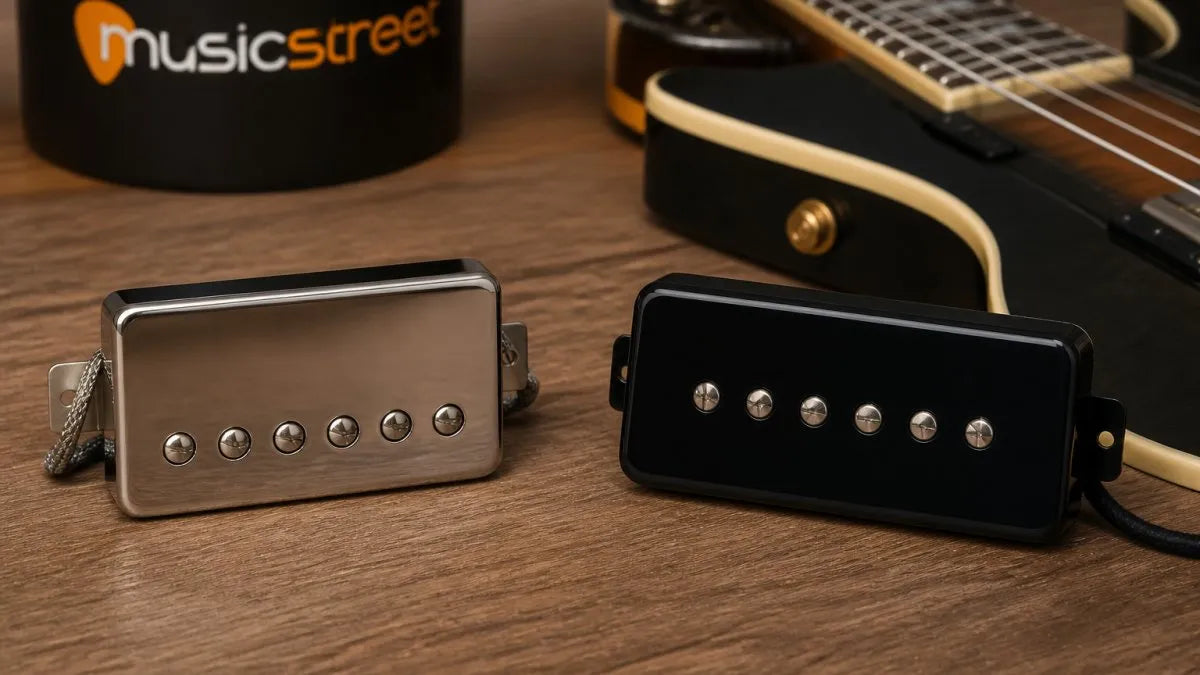
Pickup configuration represents another crucial element in shaping a solid body guitar’s sonic character. Single-coil pickups generate brighter, more transparent sounds with increased treble definition, making them ideal for genres like blues and surf rock. Humbucker pickups, by contrast, produce thicker, more powerful tones with reduced electrical interference, making them preferred in hard rock and metal styles. The placement of these pickups along the guitar’s body further modifies the tonal spectrum, allowing musicians to craft their unique sound signature.
Here’s a quick reference for how main solid body guitar features influence sound and playability:
| Feature | Typical Options | Impact on Sound | Impact on Playability |
|---|---|---|---|
| Body Wood | Mahogany, Alder, Basswood | Warmer or brighter tones | Affects overall weight |
| Neck Joint | Bolt-on, Set, Through | Sustain and resonance | Neck access and stability |
| Pickup Type | Single-coil, Humbucker | Treble vs. bass emphasis | Suitability for genres |
| Weight | Light, Medium, Heavy | Brighter or thicker sound | Comfort for long sessions |
Pro Tip: Experiment with different pickup combinations and playing positions to discover the subtle tonal variations that make your guitar truly unique.
Comparing Solid Body and Other Guitars
Solid body guitars represent a distinctive approach to instrument design, fundamentally different from traditional acoustic and semi-acoustic guitar constructions. Guitar body variations reveal critical differences in sound production, performance characteristics, and musical application. While acoustic guitars rely on wooden resonance chambers to generate sound, solid body guitars transform string vibrations exclusively through electromagnetic pickups, creating a dramatically different sonic experience.

The primary distinction lies in sound generation and signal transmission. Acoustic guitars produce sound through wooden body resonance, with the soundboard acting as a natural amplifier. Hollow-body and semi-acoustic guitars retain elements of this traditional design, incorporating sound chambers alongside electronic pickups. Solid body guitars, by contrast, eliminate the resonant chamber entirely, focusing on precise electronic signal conversion. This design provides significant advantages in high-volume musical contexts, particularly in rock, metal, and electronic genres where feedback reduction and consistent tone are paramount.
Each guitar type offers unique performance characteristics suited to different musical styles. Acoustic guitars excel in unplugged, intimate settings, delivering warm, natural tones. Semi-acoustic guitars bridge the gap, offering versatility for jazz and blues musicians. Solid body guitars dominate in amplified environments, providing musicians with unprecedented control over tone, sustain, and sound manipulation through advanced electronic configurations. The absence of a resonant chamber allows for greater sound stability and reduced unwanted vibrations, making solid body guitars the preferred choice for high-gain and precision-driven musical expressions.
Compare key differences between solid body, hollow body, and semi-acoustic guitars:
| Guitar Type | Sound Projection | Genre Suitability | Feedback Risk |
|---|---|---|---|
| Solid Body | Amplifier only | Rock, Metal, Jazz Fusion | Very low |
| Hollow Body | Acoustic chamber | Jazz, Blues, Country | High |
| Semi-Acoustic | Chamber + Electrics | Jazz, Pop, Indie | Moderate |
Pro Tip: Consider your primary musical genre and performance environment when selecting between solid body, acoustic, or semi-acoustic guitars to ensure the best tonal match for your playing style.
Essential Buying Tips for UK Beginners
Navigating the world of solid body guitars requires careful consideration, especially for beginners in the United Kingdom. Solid body guitar selection demands a strategic approach that balances personal preference, budget, and technical requirements. Understanding key factors will help new musicians make an informed decision that aligns with their musical aspirations and playing style.
Budget plays a crucial role in your initial guitar purchase. In the UK market, beginners should aim to invest between £200 and £500 for a quality starter instrument. This price range typically offers reliable construction, decent hardware, and acceptable sound quality. Pay close attention to neck profile and weight, as these factors significantly impact playing comfort. Lighter guitars with slim neck profiles work best for players with smaller hands or those new to electric guitar playing. Additionally, consider the guitar’s versatility across different musical genres you might explore.
Pickup configuration represents another critical selection criterion. Single-coil pickups provide brighter, more articulate sounds ideal for blues, indie, and clean rock styles. Humbucker pickups deliver thicker, more powerful tones perfect for hard rock and metal genres. Some guitars feature a combination of both pickup types, offering greater tonal flexibility. Beginners should also factor in the guitar’s overall build quality, checking elements like fret finish, tuning stability, and hardware durability. Local music shops in the UK often provide excellent opportunities to physically test and compare different solid body guitars before making a final purchase.
Pro Tip: Always test multiple guitars in person and trust your instincts about how the instrument feels and sounds, rather than solely relying on specifications or recommendations.
Find Your Perfect Solid Body Guitar at MusicStreet Today
Choosing the right solid body guitar can feel overwhelming with so many styles, woods, and pickup configurations to consider. This article highlights common challenges like understanding tonal differences, neck comfort, and pickup types that directly affect your playing experience and sound. At MusicStreet, we understand these key concerns and help you make confident decisions by offering expertly inspected guitars that suit your unique style and preferences.

Explore our extensive collection of new and pre-owned solid body guitars at MusicStreet. Whether you want the bright clarity of single-coils or the warm power of humbuckers, our friendly team provides personalised advice, expert setups, and excellent aftercare to ensure your guitar feels just right. Don’t wait to experience the precise feel and inspiring sound your music deserves. Take the next step now by visiting our website and discover how your ideal solid body guitar is closer than ever.
Frequently Asked Questions
What is a solid body guitar?
A solid body guitar is an electric guitar constructed entirely from a single piece of solid wood, without a hollow sound chamber. It relies on electromagnetic pickups to convert string vibrations into sound.
How do I choose the right solid body guitar for my music style?
When selecting a solid body guitar, consider the body shape, wood type, and pickup configuration. Match these features with your preferred genre; for example, single-coil pickups suit blues and clean rock, while humbuckers are ideal for hard rock and metal.
What are the differences between solid body, hollow body, and semi-acoustic guitars?
Solid body guitars generate sound purely through pickups and are best for amplified settings, while hollow body guitars rely on wooden resonance and are suitable for warmer, acoustic sounds. Semi-acoustic guitars combine features of both, offering versatility but can be prone to feedback.
How important is the wood type in a solid body guitar?
While wood type influences tonal characteristics (like warmth or brightness), other factors including pickup configuration and playing technique play a significant role. It’s essential to focus on how the guitar feels and responds to your playing style rather than fixating solely on wood type.








Share:
How to Test Used Guitars and Make Smart Buying Decisions
How to Choose Vintage Guitars: A Collector’s Step-by-Step Guide