


Most British collectors chasing the perfect vintage guitar know that spotting genuine classics goes far beyond a glossy finish. With rare models and iconic brands commanding prices upwards of £10,000, every detail matters when building a truly remarkable collection. Whether you crave the rich tones of a Martin or the electric energy of a Fender, understanding how to research, inspect, and authenticate vintage guitars sets you apart in this competitive world of British enthusiasts.
Table of Contents
- Step 1: Research Notable Brands And Historical Models
- Step 2: Set Your Budget And Collection Goals
- Step 3: Inspect Guitar Authenticity And Condition
- Step 4: Evaluate Sound Quality And Playability
- Step 5: Verify Provenance And Finalise Your Purchase
Quick Summary
| Main Insight | Clarification |
|---|---|
| 1. Research iconic guitar brands | Start with brands like Gibson and Fender to understand their historical significance and model variations. |
| 2. Set a clear budget | Define your financial capacity and collecting goals to guide your vintage instrument acquisitions. |
| 3. Inspect for authenticity | Examine structural integrity and verify serial numbers to ensure the guitar’s authenticity and condition before purchase. |
| 4. Evaluate sound and playability | Test tonal characteristics and playability to appreciate the guitar’s musical potential beyond its aesthetic value. |
| 5. Document provenance carefully | Gather ownership records and verification materials to transform acquisitions into legitimate pieces of musical heritage. |
Step 1: Research notable brands and historical models
When diving into vintage guitar collecting, understanding the landscape of significant historical manufacturers becomes paramount. Your journey starts by identifying the iconic brands that have shaped musical history and defined guitar craftsmanship.
Begin your research by focusing on legendary manufacturers like Gibson, Fender, Martin, Gretsch, and Rickenbacker. These brands represent the gold standard in vintage guitar production, with each offering unique historical models that collectors treasure. Pay special attention to specific periods like the pre-war era and the transformative 1950s and 1960s, when groundbreaking vintage guitars emerged that would later become cornerstone pieces in any serious collection.
Study the distinctive characteristics of each brand. Martin guitars are renowned for their acoustic precision, while Gibson Les Pauls represent electric guitar innovation. Fender Stratocasters and Telecasters revolutionised rock music. Understanding these nuances will help you recognise exceptional pieces and understand their cultural significance beyond mere monetary value.
Expert Tip: Keep detailed digital and physical documentation of your research, including manufacturer histories, model variations, and production years to build a comprehensive understanding of vintage guitar provenance.
Here’s a quick reference to characteristics that define iconic vintage guitar brands:
| Brand | Periods of Note | Distinctive Qualities |
|---|---|---|
| Gibson | 1950s–1960s | Renowned for Les Paul models |
| Fender | 1950s–1970s | Stratocaster, Telecaster icons |
| Martin | Pre-war to present | Superior acoustic craftsmanship |
| Gretsch | 1950s–1960s | Unique looks and flatwound tone |
| Rickenbacker | 1960s | Jangly, bright electric sounds |
Step 2: Set your budget and collection goals
Defining your financial boundaries and collection objectives is crucial when embarking on your vintage guitar collecting journey. Vintage guitar collecting involves strategic planning that balances passion with financial prudence.
Start by establishing a realistic budget that reflects both your financial capacity and collecting ambitions. Consider factors like rarity, condition, and historical significance when determining how much you are willing to invest. Collector goals can range from specific brand collections to era-focused acquisitions, so be clear about what motivates your collecting passion. Are you interested in pristine 1950s Gibson Les Pauls or seeking a comprehensive representation of 1980s rock guitar evolution?
Research current market values and understand that vintage guitar prices can fluctuate dramatically. Some collectors focus on investment potential, while others prioritise emotional connection and musical heritage. Create a structured approach by setting specific parameters such as maximum spend per guitar, total collection budget, and the number of instruments you aim to acquire annually.
Expert Tip: Maintain a dedicated savings fund for vintage guitar purchases and always leave room in your budget for unexpected restoration or authentication costs.
Step 3: Inspect guitar authenticity and condition
Authenticity and condition are the twin pillars of vintage guitar collecting, demanding meticulous professional condition assessment techniques. Every potential acquisition requires careful scrutiny to ensure you are investing in a genuine and well preserved instrument.
Begin by examining the guitar’s structural integrity. Check for any signs of structural damage such as cracks, warping, or previous repairs that might compromise the instrument’s value. Look closely at the neck joint, body seams, and headstock for any irregularities. Authentic vintage guitars will have consistent wood grain, original finish characteristics, and hardware that matches the specific production era of the instrument.
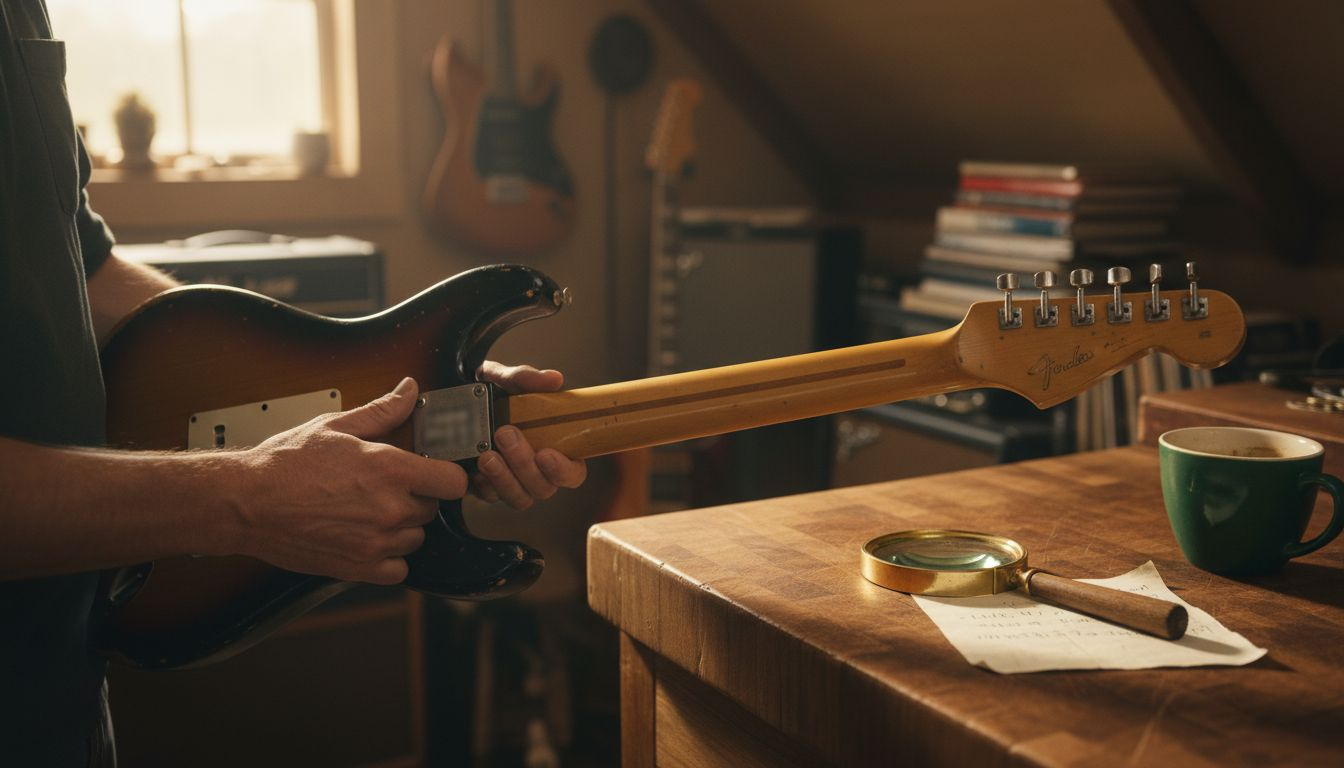
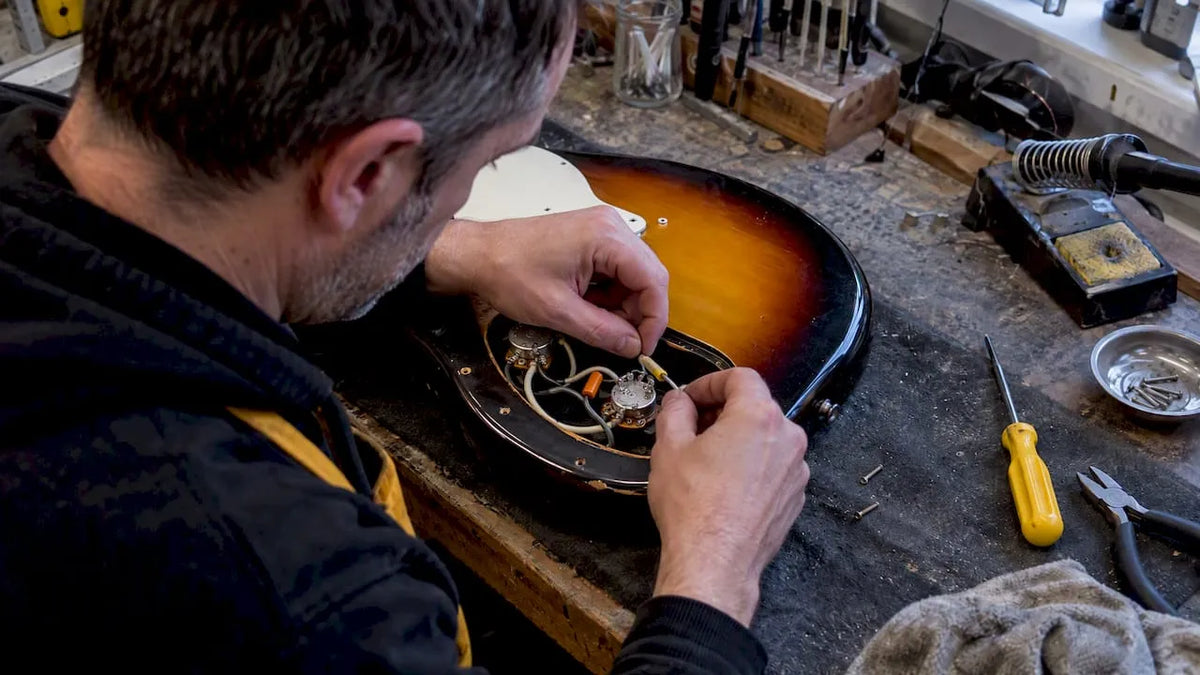
Pay particular attention to serial numbers, manufacturer stamps, and other authentication markers. Consult expert reference materials or engage professional appraisers who specialise in vintage guitars. Examine the guitar’s electronic components, including original pickups, potentiometers, and wiring harnesses. Seek out comprehensive buying guides to understand specific hallmarks of authenticity for different brands and eras.
Expert Tip: Invest in a high quality magnifying glass and ultraviolet light to reveal subtle details that can authenticate a vintage guitar.
Step 4: Evaluate sound quality and playability
Evaluating a vintage guitar goes far beyond visual aesthetics, delving into the nuanced realm of sound quality and playing characteristics. Your ears and hands become the ultimate assessment tools in determining a guitar’s true value and musical potential.
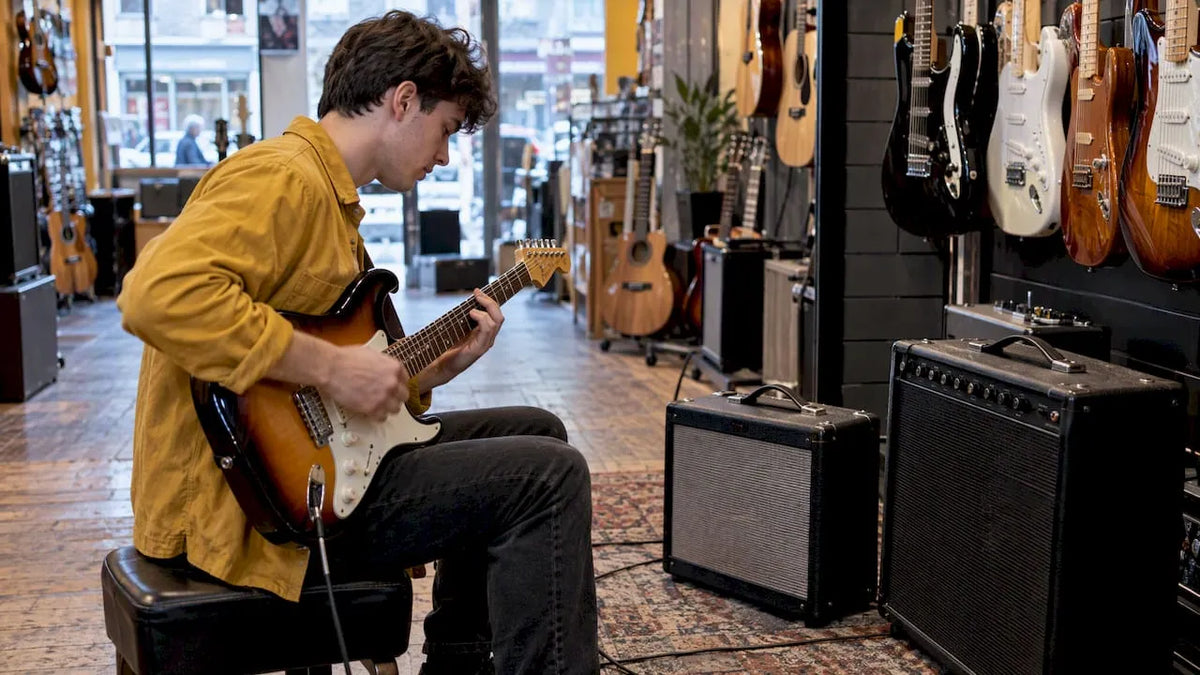
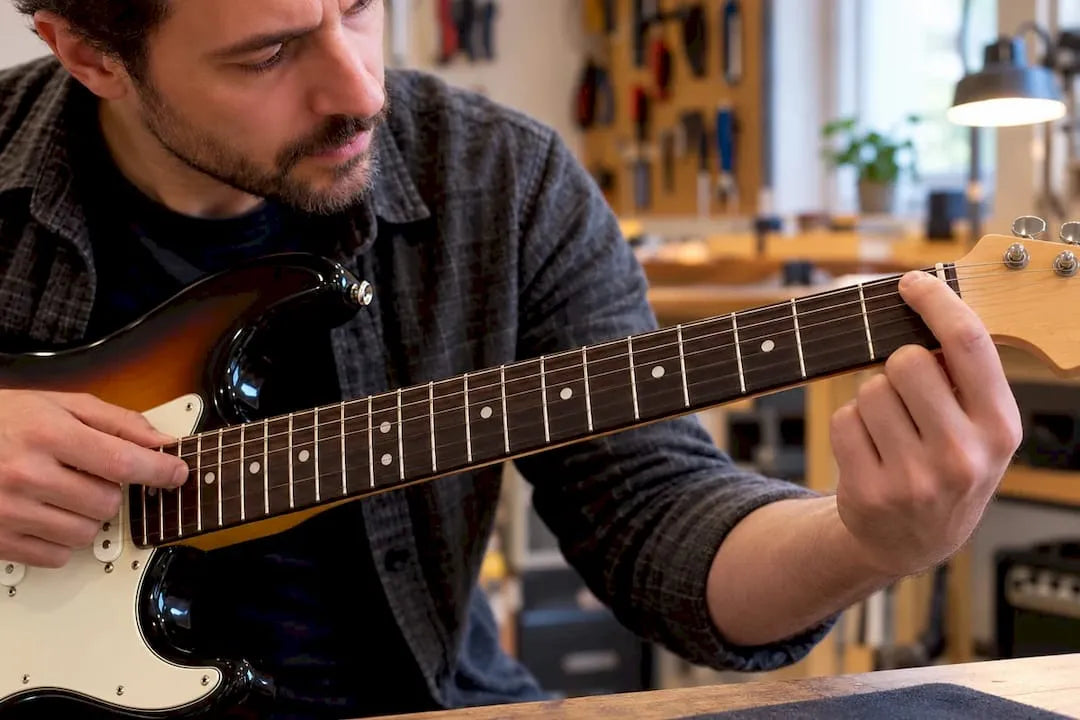
Begin by playing the instrument across its entire fretboard, paying close attention to how playability metrics impact your performance. Listen critically to the tonal characteristics, noting how the guitar responds to different playing techniques. Check the neck alignment, action height, and string tension. Vintage guitars often have unique sound profiles that result from their aged wood and original construction methods, creating tones that modern instruments cannot replicate.
Test the guitar’s responsiveness by playing various styles and techniques. Strum chords to assess harmonic richness, play single note runs to examine note clarity, and perform bends to evaluate the neck’s stability. Pay attention to how the instrument feels in your hands, checking for smooth fret edges, comfortable neck profile, and overall ergonomic balance. A truly exceptional vintage guitar will feel like an extension of yourself, offering both exceptional sound and intuitive playability.
Expert Tip: Always play the guitar unplugged first to understand its natural acoustic properties before connecting to an amplifier.
Step 5: Verify provenance and finalise your purchase
The final stage of vintage guitar collecting requires meticulous attention to detailed ownership documentation and verification. Your goal is to transform a potential acquisition into a legitimate piece of musical heritage.
Gather all available documentation including original receipts, previous ownership records, authentication certificates, and historical photographs. Scrutinise digital archives and provenance registries to trace the guitar’s complete ownership history. Contact previous owners or music historians who might provide additional insights into the instrument’s background. Examine any markings, serial numbers, or unique identifiers that can confirm the guitar’s authenticity and lineage.
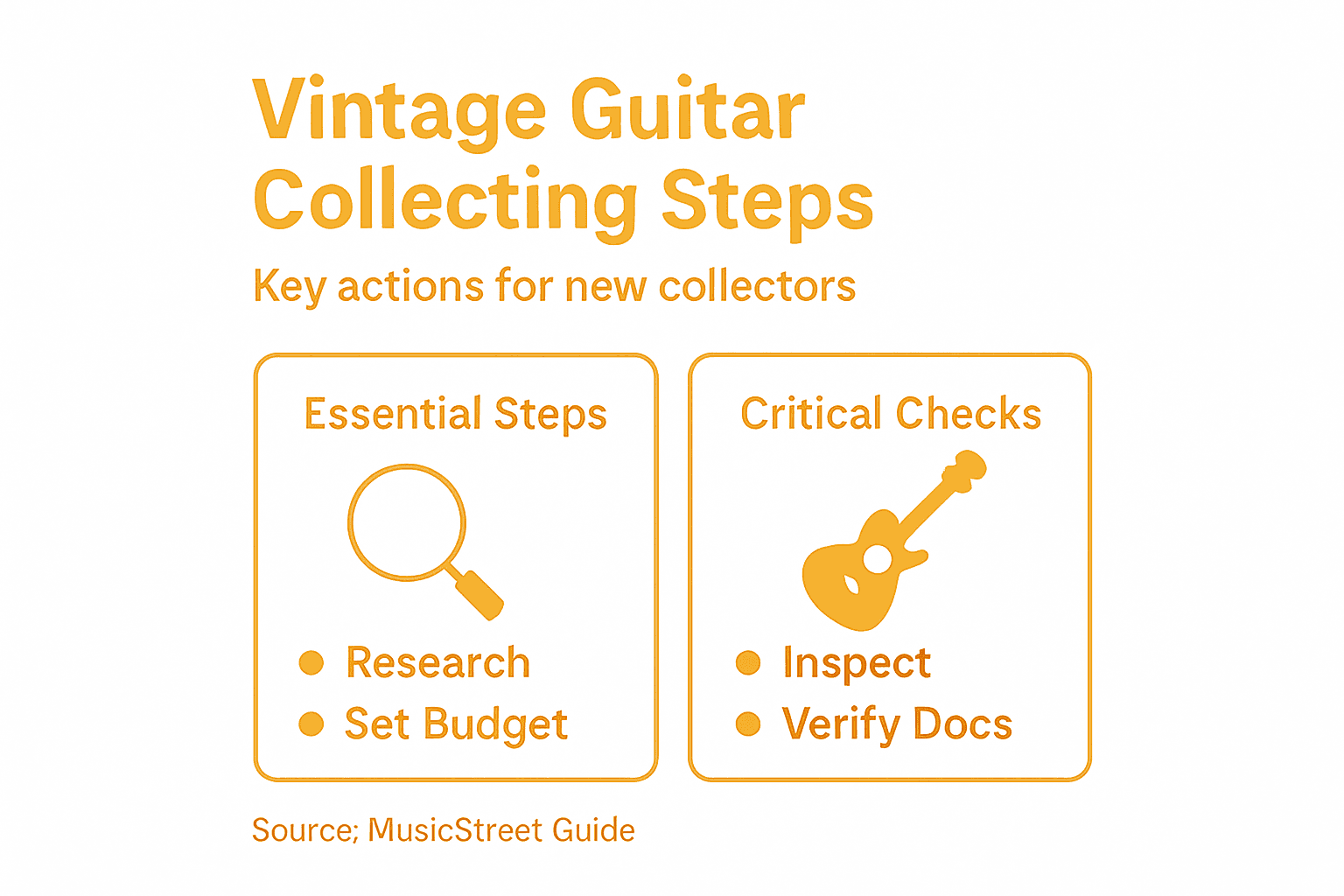
Before finalising the purchase, consult multiple expert sources and potentially engage a professional appraiser specialising in vintage guitars. Request comprehensive condition reports, detailed photographs from multiple angles, and written guarantees of authenticity. Verify that all documentation matches the physical instrument and that there are no discrepancies in its historical narrative. Consider obtaining insurance and creating a comprehensive record of your acquisition to protect your investment.
Expert Tip: Create a dedicated digital and physical archive for your vintage guitar, including all provenance documents, photographs, and authentication certificates.
The following table summarises essential documentation for authenticating a vintage guitar:
| Document Type | Purpose | Added Value |
|---|---|---|
| Original Receipt | Proves initial purchase | Validates age and ownership |
| Authentication Cert. | Confirms instrument’s authenticity | Reduces risk of forgery |
| Ownership Records | Details past owners | Maps complete provenance |
| Historical Photos | Visual proof of history | Highlights unique attributes |
Unlock the True Value of Vintage Guitars with Expert Support
Choosing the perfect vintage guitar is a thrilling yet complex journey that demands careful research, budget planning, and precise assessment of authenticity and sound quality. At MusicStreet, we understand the challenges collectors face when verifying provenance, inspecting condition, and evaluating playability. Our personalised service ensures you have access to professional inspections and expert setup so you can confidently expand your collection with instruments that truly resonate.

Explore our range of new and pre-loved guitars at MusicStreet where every listing includes detailed information to help you make informed decisions. Whether you want to try out guitars in-store or benefit from free UK delivery on selected orders, our team is here to guide you through every step. Start your vintage guitar collecting adventure today and experience peace of mind knowing you are investing wisely with trusted experts who prioritise quality, authenticity, and your musical passion.
Frequently Asked Questions
How do I start researching notable brands for vintage guitars?
Begin by identifying iconic manufacturers such as Gibson, Fender, Martin, Gretsch, and Rickenbacker. Create a list detailing their historical models and unique characteristics to deepen your understanding of what makes each brand significant.
What should I consider when setting a budget for my vintage guitar collection?
Establish a realistic budget that reflects your financial capacity and collecting goals. Factor in aspects like rarity and condition, and consider determining a maximum spend per guitar to maintain financial discipline.
How can I properly inspect a vintage guitar for authenticity and condition?
To assess authenticity, check the guitar for structural integrity and seek out original markers such as serial numbers. Familiarise yourself with specific characteristics of the manufacturer’s production era to ensure the instrument’s authenticity before purchasing.
What steps can I take to evaluate the sound quality and playability of a vintage guitar?
Play the instrument across its entire fretboard, paying attention to tonal characteristics and how it responds to different techniques. Inspect the neck alignment and action height to ensure it feels comfortable and playable, maximising your overall experience.
How do I verify the provenance of a vintage guitar before finalising a purchase?
Gather all available documentation, including original receipts and ownership records, and verify them against historical archives. Consult with expert appraisers to confirm authenticity and ensure that all documentation matches the physical instrument.
What types of documentation should I collect for authenticating a vintage guitar?
Collect essential documents such as original receipts, authentication certificates, and ownership records. Compile these papers in a dedicated digital and physical archive to establish a comprehensive history of your guitar’s provenance.
Recommended
- What Is Vintage Guitar? Complete Guide for Musicians | MusicStreet
- Step-by-Step Guide to Guitar Investment for Musicians | MusicStreet
- How to Choose the Right Electric Guitar for Your Playing Style | MusicStreet
- How to Choose Your First Guitar Wisely – MusicStreet
- Was ist Vintageparfum? Ein umfassendes Verständnis


Share:
Solid Body Guitars: Essential Facts for Beginners
Role of Guitar Electronics – Shaping Your Sound