


Most new guitarists are surprised to learn that over 75 percent of beginners in the United Kingdom start their journey with an acoustic guitar rather than an electric model. This trend highlights a classic British preference for traditional sound and straightforward design, but each guitar type offers unique benefits depending on your musical goals. Understanding these differences helps you pick the perfect instrument for your style and comfort, whether you dream of busking folk tunes or rocking out with amplified energy.
Table of Contents
Key Takeaways
| Point | Details |
| Understanding Guitar Types | Accompanied by specific genres, acoustic guitars suit folk and classical styles, while electric guitars excel in rock and blues. |
| Sound Production Differences | Acoustic guitars rely on natural resonance, whereas electric guitars use pickups and amplification for sound. |
| Playability for Beginners | Electric guitars are generally easier to play due to lower string action, making them suitable for novice players. |
| Cost Considerations | Acoustic guitars have lower ongoing costs due to fewer required accessories, while electric guitars involve additional gear and maintenance expenses. |
Defining Acoustic and Electric Guitars
When exploring the world of guitars, understanding the fundamental differences between acoustic and electric models is crucial for beginners. Acoustic guitars and electric guitars represent two distinct approaches to musical expression, each with unique characteristics that shape their sound and playing experience.
Acoustic guitars produce sound through the natural resonance of their hollow bodies, amplifying string vibrations via the soundboard and sound hole. Their design enables musicians to create rich, organic tones without additional electronic equipment. The body acts as a natural amplifier, with the soundboard - typically made of carefully selected woods like spruce or cedar - translating string vibrations into audible music.
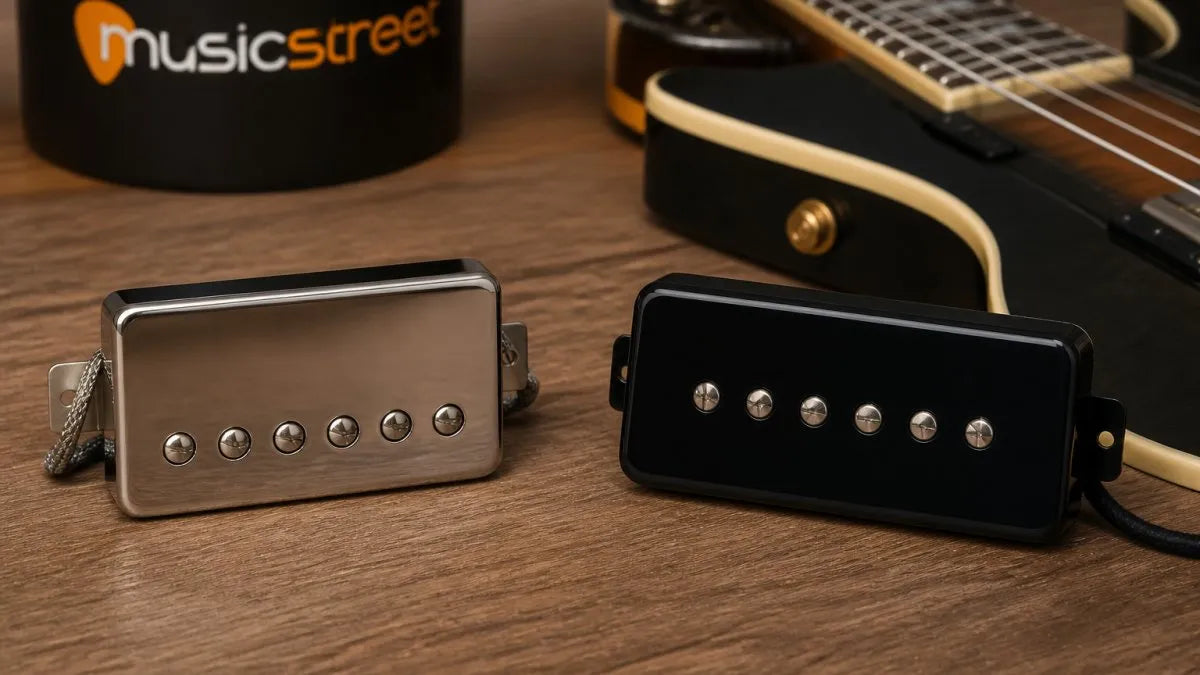
In contrast, electric guitars rely on pickups—magnetic coils that convert string vibrations into electrical signals which are then processed through external amplification systems. These instruments feature solid or semi-hollow bodies and require connection to an amplifier to produce sound. Unlike acoustic guitars, electric models offer greater versatility in tone manipulation through various electronic components like volume and tone controls.
Pro tip for Beginners: Start by considering the musical genres you want to play and your personal comfort level. Acoustic guitars suit folk, classical, and singer-songwriter styles, while electric guitars excel in rock, blues, and jazz - choose based on your musical aspirations and playing environment.
To help you quickly compare core aspects, here is an overview of acoustic and electric guitars:
| Aspect | Acoustic Guitar | Electric Guitar |
| Sound production | Natural body resonance | Magnetic pickups and amplification |
| Typical genres | Folk, classical, singer-songwriter | Rock, blues, jazz |
| Neck & action | Thicker neck, higher string action | Slimmer neck, lower string action |
| Equipment needed | Minimal (case, tuner, picks) | Amplifier, cables, effects, accessories |
| Ease for beginners | Physically demanding, builds strength | Lower effort, easier for small hands |
Key Differences in Sound and Feel
The journey of choosing between an acoustic and electric guitar involves understanding their distinct sonic characteristics and physical playing experiences. Each instrument offers a unique approach to musical expression that goes far beyond simple sound production.

Sound characteristics are perhaps the most significant differentiator between these guitar types. Acoustic guitars offer a warm, natural tone shaped by body shape and wood type, making them ideal for unplugged performances. Their organic sound emerges directly from the instrument’s resonant body, creating rich harmonics that work beautifully in folk, classical, and singer-songwriter styles. The wood selection - ranging from spruce and cedar to mahogany - dramatically influences the tonal qualities, with each material contributing its own subtle nuances.
Electric guitars, by contrast, depend on pickups and amplification, allowing for a wide range of tones and effects, from clean to heavily distorted sounds. Their sound is fundamentally electronic, processed through amplifiers and effects pedals. This means musicians can dramatically transform their tone, switching from crisp jazz sounds to gritty rock distortion with a simple adjustment. The physical construction also differs significantly - electric guitars typically have solid or semi-hollow bodies, enabling more radical sound manipulation.
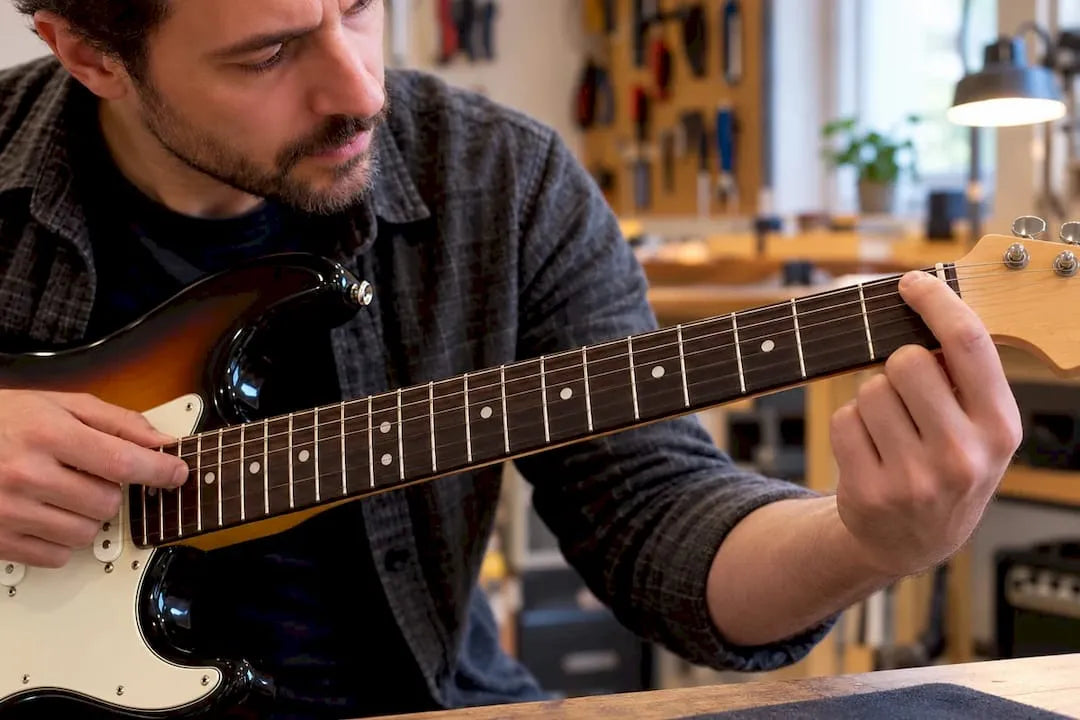
The playing feel represents another crucial distinction. Acoustic guitars generally feature thicker necks and higher string action, providing a more robust tactile experience that demands more finger strength. Electric guitars, with their slimmer necks and lower string action, facilitate faster finger movements and more intricate playing techniques. This difference makes electric guitars particularly appealing to players interested in lead guitar styles, complex solos, and genres requiring rapid note transitions.
Pro tip for Sound Exploration: Experiment with different playing techniques and settings to understand each guitar’s unique sonic potential. Try unplugged acoustic playing in a quiet room and contrast it with an electric guitar through various amplifier settings to truly appreciate their distinctive sound characteristics.
Ease of Learning and Playability
The path to guitar mastery begins with selecting an instrument that matches your physical comfort and learning capabilities. Understanding the nuanced differences in playability between acoustic and electric guitars can significantly impact a beginner’s musical journey and motivation.
Electric guitars typically have lower string action and lighter gauge strings, making them easier for beginners to press down and play. This technical design reduces finger strain and allows novice players to form chords and execute techniques with less physical effort. The slimmer neck profiles and smoother fretboards create a more forgiving learning environment, particularly for players with smaller hands or less developed finger strength.
The design of electric guitars, including slimmer necks and contoured bodies, often provides a more comfortable playing experience compared to the bulkier bodies and wider necks of acoustic guitars. Acoustic guitars demand more finger strength and precision, with their higher string action and thicker necks presenting a steeper initial learning curve. While this can build hand strength and technique over time, beginners might find the process more challenging and potentially discouraging.
The choice between acoustic and electric guitars for beginners ultimately depends on personal musical goals, physical comfort, and genre preferences. Electric guitars offer more immediate playability and technical ease, while acoustic guitars provide a more traditional and physically demanding learning experience that develops fundamental skills.
Pro tip for Learning Comfort: Start with an instrument that feels comfortable in your hands. Try different guitars in a music shop, paying attention to neck width, body size, and how natural it feels when you hold and play it.
Essential Gear and Ongoing Costs
Budgeting for a guitar involves more than just the initial instrument purchase. Aspiring musicians must carefully consider the total investment required for their musical journey, which varies significantly between acoustic and electric guitars.
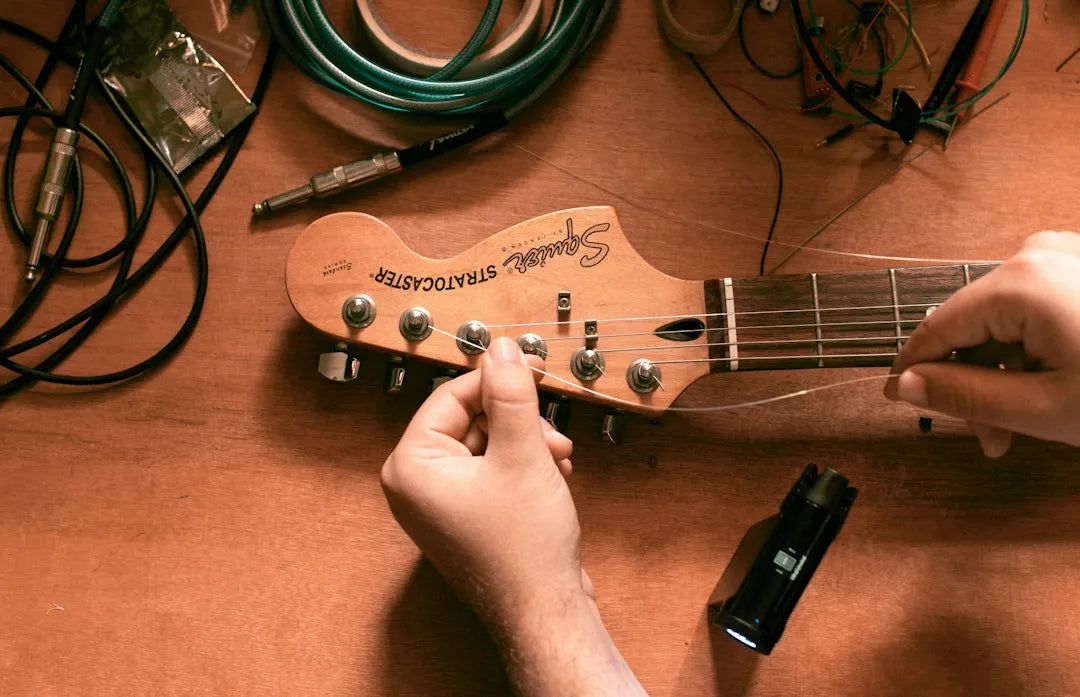
Electric guitars require additional equipment such as amplifiers and cables, leading to higher initial costs and ongoing expenses for maintenance and potential upgrades. The essential gear for an electric guitar setup typically includes:
-
Amplifier (varying from small practice amps to professional-grade models)
-
Instrument cable
-
Picks
-
Spare strings
-
Optional effects pedals
-
Protective case or gig bag
Acoustic guitars are generally more self-contained, requiring fewer accessories, which can result in lower overall costs for beginners. While they might need occasional maintenance like string replacements and humidification, their basic setup is significantly more straightforward and budget-friendly. An acoustic guitar typically requires only:
-
Picks
-
Spare strings
-
Tuner
-
Protective case
The long-term financial commitment differs substantially between these instrument types. Electric guitars invite ongoing experimentation with sound through additional gear like effects pedals, different amplifiers, and various electronic modifications. Acoustic guitars, by contrast, maintain a more consistent cost profile, with improvements typically limited to string quality and occasional professional setups.
Consider these ongoing commitment factors when making your choice:
| Category | Acoustic Guitar | Electric Guitar |
| Maintenance complexity | Basic, mainly restringing | Moderate, includes electronics |
| Upgrade possibilities | Limited (strings, setup) | Extensive (pickups, pedals, amps) |
| Practice flexibility | Playable anywhere | Requires power or headphones |
| Long-term cost trend | Stable and predictable | Tends to increase over time |
Pro tip for Budget Management: Consider purchasing a starter package that includes multiple essential accessories, which can often provide better value than buying individual components separately.
Choosing the Right Guitar for You
Selecting the perfect guitar is a deeply personal journey that combines musical aspirations, physical comfort, and individual learning style. No single instrument suits every musician, making the selection process both exciting and nuanced.
When selecting between acoustic and electric guitars, consider the genres of music you wish to play. Different musical styles naturally align with specific guitar types. Folk, classical, and singer-songwriter genres typically flourish with acoustic guitars, while rock, blues, and jazz musicians often gravitate towards electric instruments. Your musical passion and preferred sound should be primary drivers in your decision-making process.
Personal comfort and playability are crucial factors in choosing your ideal instrument. Physical attributes like hand size, finger strength, and overall comfort while playing should guide your selection. Some musicians find electric guitars more comfortable with their slimmer necks and lower string action, while others appreciate the robust, traditional feel of acoustic guitars.
Beyond musical style and physical comfort, consider practical aspects such as practice environment, budget, and long-term musical goals. A small apartment dweller might prefer an electric guitar with headphone capabilities, while someone seeking a more organic sound might choose an acoustic instrument. Your guitar should feel like an extension of your musical expression, not a limitation.
Pro tip for Guitar Selection: Visit a music shop and physically try multiple guitars. No online description can replace the personal experience of holding an instrument and feeling its unique character.
Find Your Perfect Beginner Guitar with Expert Support at MusicStreet
Choosing between an acoustic and electric guitar can be overwhelming, especially when you consider factors like sound characteristics, playability, and ongoing costs. At MusicStreet, we recognise these challenges and offer a personalised shopping experience that helps you make the right choice based on your musical goals and physical comfort. Whether you want the warm, natural tone of an acoustic or the versatile sound of an electric guitar, our expert team provides professional instrument inspection and setup so you start playing confidently.

Explore our extensive selection of new and pre-owned guitars and discover expert buying guides to navigate your options easily. Act now to experience our competitive pricing, free UK delivery, and ongoing customer assistance that ensures your musical journey begins smoothly. Visit MusicStreet today to try guitars in-store or shop online with confidence. Your perfect beginner guitar awaits.
Frequently Asked Questions
What is the main difference between acoustic and electric guitars?
Acoustic guitars produce sound through the natural resonance of their hollow bodies, while electric guitars rely on pickups and amplification to create sound. This fundamental difference affects their tone and playing experience.
Which type of guitar is easier for beginners to play?
Electric guitars are generally easier for beginners due to their lower string action and lighter gauge strings, making it simpler to press down and form chords compared to the thicker neck and higher action of acoustic guitars.
What musical genres are best suited for acoustic and electric guitars?
Acoustic guitars are ideal for genres like folk, classical, and singer-songwriter styles, while electric guitars excel in rock, blues, and jazz music, allowing for greater tonal versatility.
What essential gear do I need for acoustic and electric guitars?
For acoustic guitars, basic gear includes a tuner, picks, spare strings, and a protective case. Electric guitars require additional equipment, such as an amplifier, instrument cables, and possibly effect pedals, leading to higher initial and ongoing costs.







Share:
used electric guitars for sale
Master Electric Guitar Skills: Tips for Aspiring Musicians