

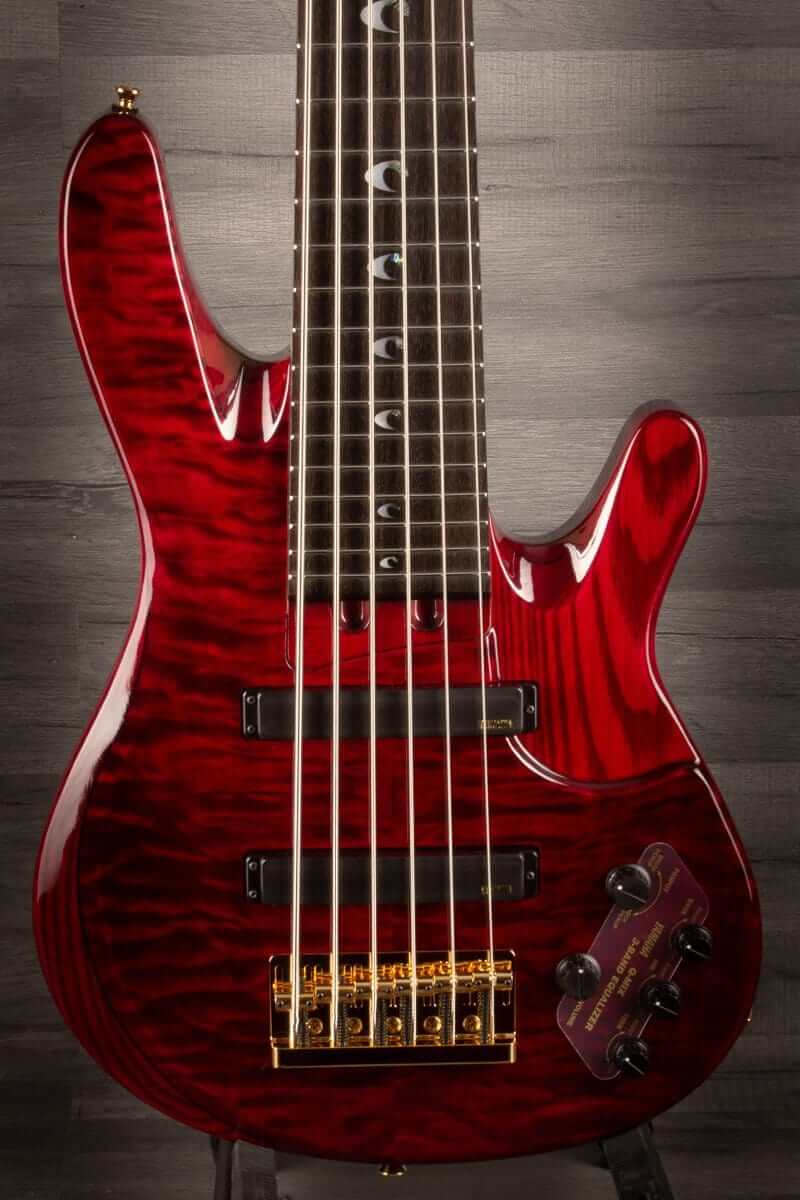

The difference between acoustic and electric guitar comes down to one thing: how they produce sound. Acoustic guitars generate tone through string vibrations resonating inside a hollow wooden body. Electric guitars use magnetic pickups to capture string vibrations and send them to an amplifier, which shapes the final sound. That single distinction drives every other difference you will notice, from how the neck feels in your hand to how much kit you need to buy before your first practice session.
What is the difference between acoustic and electric guitar construction?
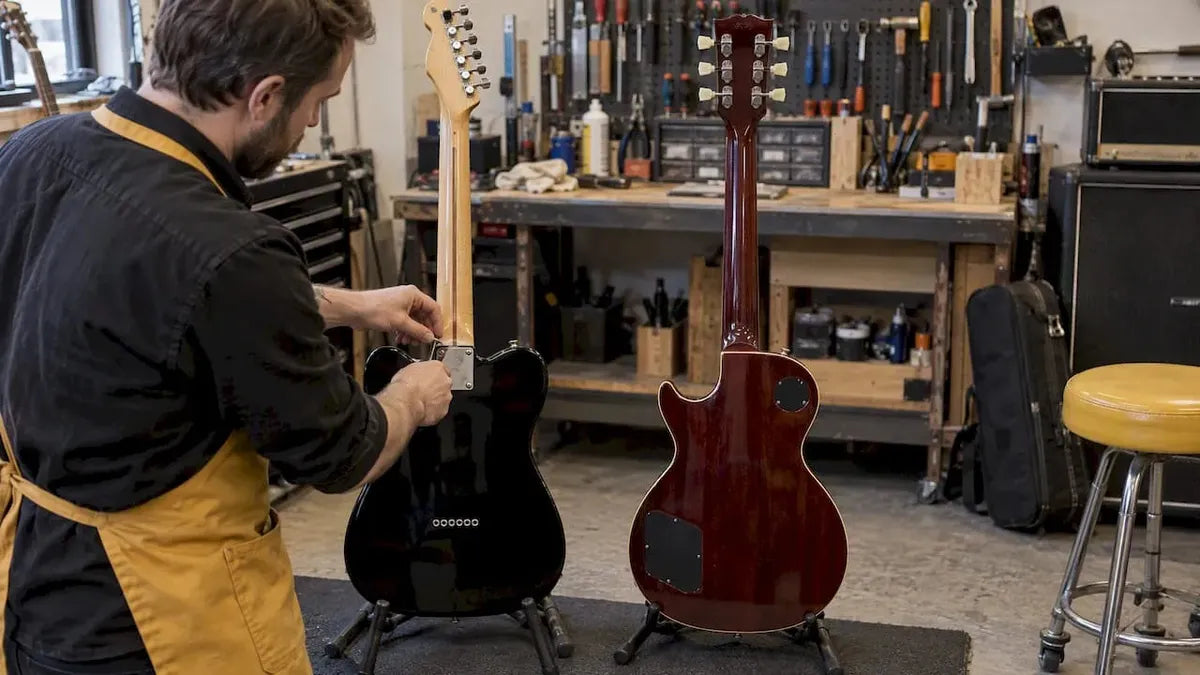
The physical build of each guitar type shapes how it feels to play, and that feeling matters enormously for beginners.
Acoustic guitars have thick, hollow bodies designed to project sound naturally. Their necks tend to be wider, and the strings sit higher above the fretboard. That height, known as “action,” means you press harder to fret a note cleanly. Acoustic strings are also heavier: standard acoustic gauges run from .012 to .053, which demands more finger pressure and builds calluses faster.

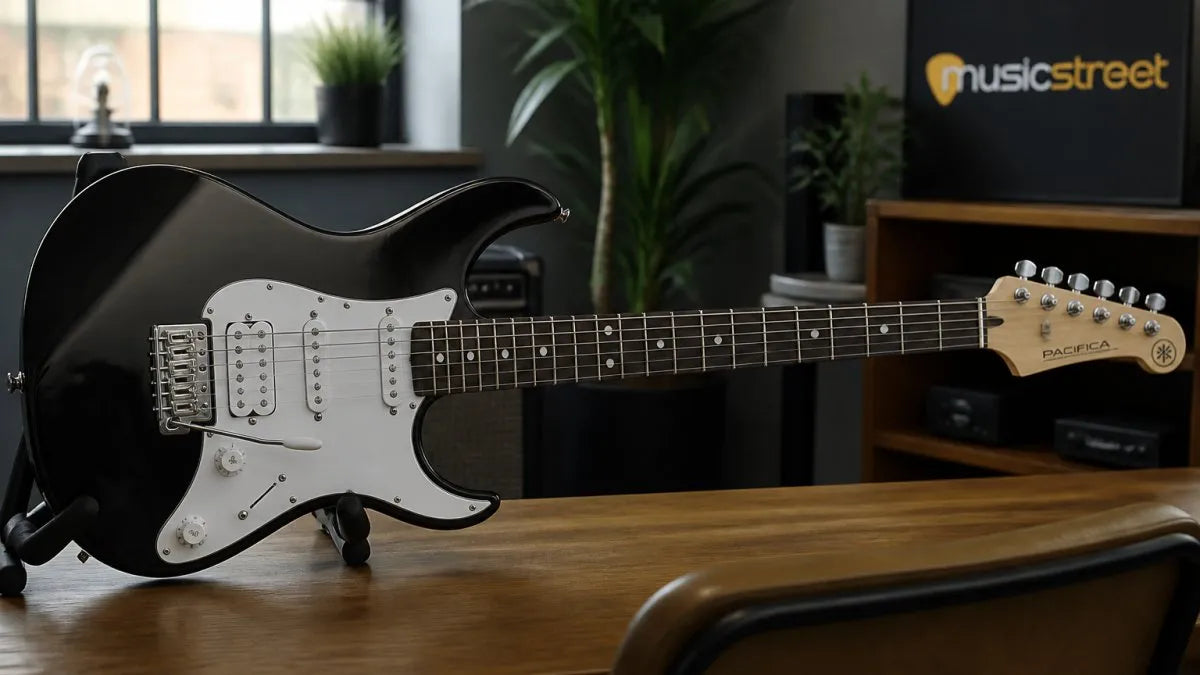
Electric guitars take a different approach entirely. Their bodies are typically solid or semi-hollow, and far slimmer than an acoustic. Necks are narrower, action is lower, and strings are lighter. Electric string gauges typically run from .009 to .042. That combination reduces the effort needed to press down each note, which means less finger fatigue during long practice sessions.
Key physical differences at a glance:
-
Body depth: Acoustic bodies are deep and hollow; electric bodies are thin and mostly solid.
-
Neck width: Acoustic necks are broader, requiring a wider hand stretch for chord shapes.
-
String action: Acoustic action is higher, demanding more finger pressure per note.
-
String gauge: Acoustic strings are heavier, building strength but causing more initial discomfort.
-
Weight: Many solid-body electric guitars are heavier overall, though their slim profile feels more manageable when seated.
Pro Tip: Visit Musicstreet’s store in Huntingdon or browse the online catalogue and, wherever possible, hold both guitar types before buying. The ergonomic difference between a wide acoustic neck and a slim electric neck is something you feel immediately, and it tells you more than any specification sheet.
According to James Stratton at the London Guitar Academy, string action is the single most critical factor for beginner success, directly affecting how long a new player can practise before discomfort sets in. Lower action keeps you playing longer.
What are the sound differences between acoustic and electric guitars?
Sound is where the two instruments diverge most dramatically, and understanding this helps you match a guitar to the music you actually want to play.
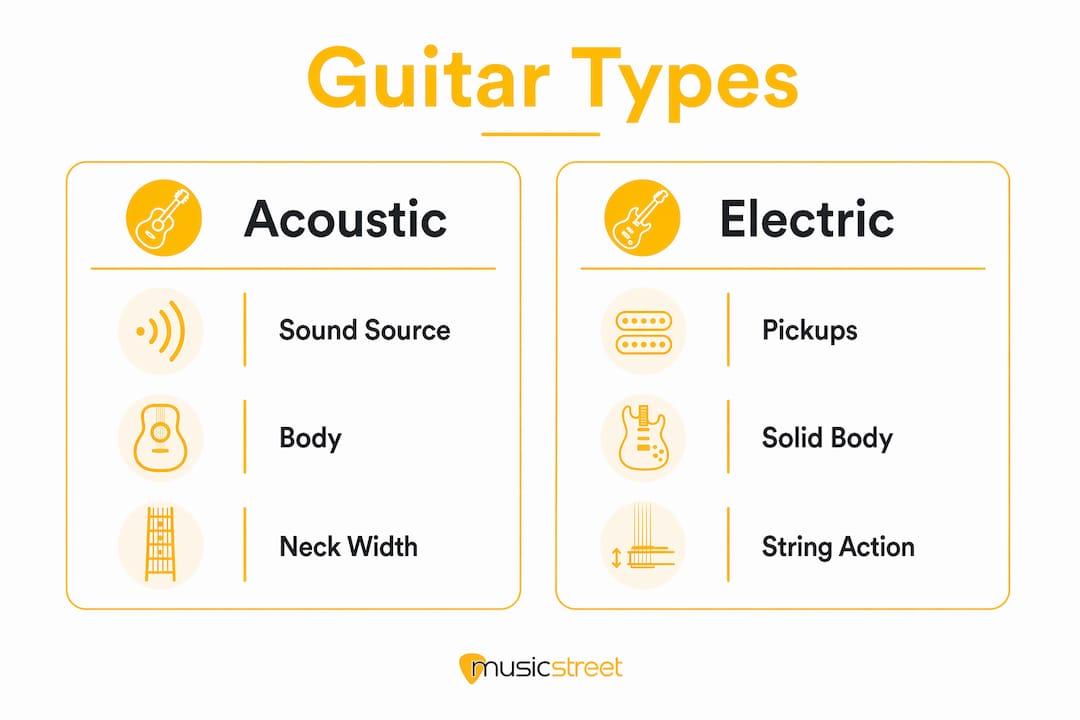
Acoustic guitars rely entirely on hollow body resonance for their tone. The wood species, body shape, and bracing pattern all influence the final sound, but once the guitar is built, that tone is essentially fixed. You get a warm, natural, and dynamic sound that responds directly to how hard or softly you play. That quality makes acoustics ideal for folk, country, singer-songwriter material, and any setting where you want to play without plugging in.
Electric guitars work differently. Pickups convert string vibrations into an electrical signal, and an amplifier shapes that signal into sound. Add effects pedals and you can move from clean jazz tones to crunching rock distortion to shimmering reverb-soaked blues, all from the same instrument. The tonal range of an electric guitar is genuinely vast.
Here is a direct comparison of tonal characteristics and genre suitability:
| Feature | Acoustic guitar | Electric guitar |
|---|---|---|
| Sound source | Hollow body resonance | Pickups and amplifier |
| Tone character | Warm, natural, fixed | Variable, shaped by amp and effects |
| Volume control | Fixed by playing dynamics | Adjustable via amp |
| Suited genres | Folk, country, pop, singer-songwriter | Rock, blues, metal, jazz, funk |
| Unplugged use | Full volume, no equipment needed | Very quiet without amplification |
Acoustic-electric guitars sit between these two categories. They have a standard acoustic body with built-in pickups and a preamp, so you can play unplugged or connect to a PA system or amp when needed. The Yamaha FGX5 is a strong example of this format, offering acoustic playability alongside amplification flexibility.
What do acoustic and electric guitars cost for beginners?
Cost is often the deciding factor for new players, and the two guitar types carry very different financial requirements.
An acoustic guitar is the lower-cost starting point. Entry-level acoustic guitars typically cost between £80 and £150, and beyond a clip-on tuner, you need nothing else to start playing. That simplicity is a genuine advantage. You pick it up, tune it, and play.
Electric guitars require more investment upfront. A beginner electric setup including an amplifier starts at £120 to £250. That figure covers the guitar, a practice amplifier, and a cable. If you add effects pedals later, costs rise further. The used market offers real value here: a pre-loved instrument from a trusted retailer like Musicstreet gives you quality at a lower price, with the assurance of professional inspection before sale.
Practical cost considerations for each type:
-
Acoustic: Guitar plus tuner. No ongoing equipment costs. Portable and self-contained.
-
Electric: Guitar, amplifier, cable, and potentially effects pedals. More to carry and set up.
-
Noise: Acoustic guitars are always audible. Electric guitars can be practised silently using a headphone output amp, which makes them better suited to flats, shared houses, or late-night sessions.
-
Portability: An acoustic guitar goes anywhere without extra kit. An electric guitar needs its amplifier to sound as intended.
The noise factor is worth taking seriously. If you live in a flat or have neighbours close by, an electric guitar with a headphone amp gives you full practice capability at zero volume. An acoustic at full projection is harder to contain.
How do learning curves differ between acoustic and electric guitars?
The physical demands of each instrument shape how quickly beginners progress, and the gap is more significant than most people expect.
Acoustic guitars build finger strength faster because of their heavier strings and higher action. That physical challenge is real in the first few weeks. Fingertips hurt, chord changes feel slow, and the effort required to produce a clean note is noticeably higher. The payoff is that players who learn on acoustic tend to develop strong fretting hand technique and good strumming dynamics relatively quickly.
Learning on an electric guitar is physically easier due to lighter strings and lower action. Finger fatigue is reduced, which means longer and more productive practice sessions, particularly for younger players or those with smaller hands. For players with physical discomfort or children starting young, nylon-string classical or electric guitars with lighter string tension offer a more comfortable entry point.
The techniques each instrument develops also differ:
-
Acoustic guitar lessons build fingerpicking patterns, strumming hand dexterity, and dynamic control through touch alone.
-
Electric guitar lessons introduce bending, vibrato, and effects use at an early stage, reflecting the techniques central to rock and blues playing.
The good news is that chord shapes, scales, and music theory transfer smoothly between acoustic and electric guitars. Muscle memory built on one instrument carries over to the other. Starting on acoustic does not lock you out of electric playing, and vice versa.
Pro Tip: Choose the guitar that matches the music you love. If you want to play like your favourite acoustic artist, start acoustic. If rock or blues is your goal, start electric. Motivation is the most powerful learning tool available, and playing music you care about keeps you practising.
For a deeper look at how each type suits different learners, Musicstreet’s beginner guitar buying guide covers the key decision points in detail.
Key takeaways
The most important factor when choosing between acoustic and electric guitar is matching the instrument to the music you want to play and the environment you will practise in.
| Point | Details |
|---|---|
| Sound production | Acoustic guitars use hollow body resonance; electric guitars use pickups and amplification. |
| Physical playability | Electric guitars have lighter strings and lower action, making them physically easier for beginners. |
| Cost and equipment | Acoustic guitars cost less to start; electric setups require an amplifier and cable from day one. |
| Genre suitability | Acoustics suit folk and singer-songwriter styles; electrics cover rock, blues, metal, and jazz. |
| Skill transfer | Chord shapes, scales, and technique transfer smoothly between both guitar types. |
My honest view on the acoustic versus electric debate
People often ask me which guitar a beginner should choose, expecting a definitive answer. The truth is that the “right” guitar is the one that makes you want to pick it up every day.
The most common mistake I see is choosing based on practicality alone. Someone buys an acoustic because it seems simpler and cheaper, but their heart is in rock music. Within a month, the instrument sits in the corner untouched. Motivation collapses not because the guitar is wrong, but because the music coming out of it does not excite the player.
Physical comfort matters too, and it is underestimated. I have seen beginners give up in the first fortnight because the action on a poorly set-up acoustic was simply too high. A guitar with low, comfortable action, whether acoustic or electric, keeps new players in the game. Always check the setup before you buy, or buy from a retailer like Musicstreet that inspects and sets up instruments before they reach you.
The other thing worth saying: there is no permanent choice here. Skills transfer between instruments. Starting on acoustic does not close the door to electric, and starting on electric does not mean you will never enjoy an acoustic. Many players own both within a year or two. The first guitar is a starting point, not a life sentence.
If I had to give one rule, it would be this: play the music you love, on the guitar that feels comfortable in your hands, at a price that does not create financial stress. Everything else follows from there.
— Music
Musicstreet’s range for acoustic and electric beginners
Musicstreet stocks a wide selection of acoustic, electric, and acoustic-electric guitars suited to players at every level, from first-timers to experienced musicians looking for their next instrument.

The Yamaha FGC-TA TransAcoustic Electro Acoustic is a standout option for players who want acoustic tone with built-in amplification flexibility. For those leaning towards electric, the used Ibanez GSA60 offers quality and value in a beginner-friendly package. Musicstreet’s physical store in Huntingdon, Cambridgeshire, lets you try instruments in person before committing. The team also provides expert setup and post-sale support, so your guitar arrives ready to play. Browse the full range at musicstreet.co.uk to find the instrument that fits your style, budget, and goals.
FAQ
What is the main difference between acoustic and electric guitars?
Acoustic guitars produce sound through hollow body resonance, while electric guitars use magnetic pickups and an amplifier. That difference in sound production drives every other distinction in playability, tone, and cost.
Which guitar is easier for beginners?
Electric guitars are physically easier to play due to lighter strings and lower action, which reduces finger fatigue. However, the best choice depends on the music you want to play, not just ease of playing.
Do I need an amplifier for an electric guitar?
An electric guitar produces very little sound without an amplifier. A basic practice amp is the minimum requirement, though headphone output amps allow silent practice in noise-sensitive environments.
Can I learn on acoustic and then switch to electric?
Chord shapes, scales, and music theory transfer smoothly between both instruments. Learning on acoustic builds strong technique that carries over to electric playing without starting from scratch.
Are acoustic guitars cheaper than electric guitars?
Entry-level acoustic guitars typically cost between £80 and £150, while a beginner electric setup including an amplifier starts at £120 to £250. Acoustic guitars have a lower overall starting cost because no additional equipment is required.







Share:
How to string a 12-string guitar: a complete guide
How to play a 12-string guitar: a beginner's guide