


How to Choose a Boutique Acoustic Guitar: The Complete Buyer's Guide
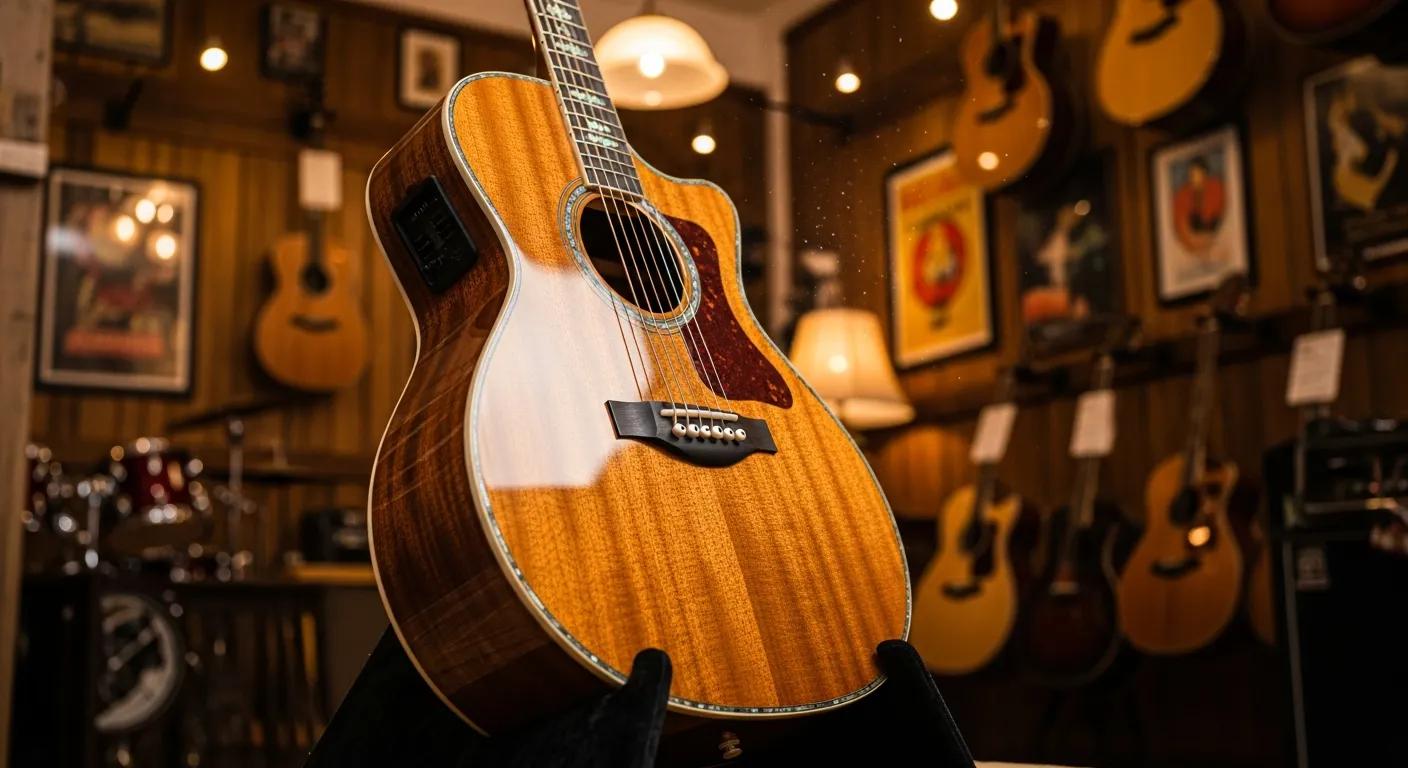
Choosing a boutique acoustic guitar can be an exhilarating yet daunting task, especially for those new to the world of high-quality instruments. Boutique guitars are known for their craftsmanship, unique tonal qualities, and aesthetic appeal, making them a worthy investment for musicians of all levels. This guide aims to equip you with the knowledge needed to make an informed decision when selecting the perfect boutique acoustic guitar. You will learn about the key factors to consider, including brand reputation, tonewoods, body shapes, and maintenance tips. Additionally, we will explore how to test and choose your guitar effectively, ensuring you find an instrument that resonates with your musical style. By the end of this article, you will have a comprehensive understanding of what makes a boutique acoustic guitar special and how to care for it properly.
Understanding Boutique Acoustic Guitar Brands
When it comes to boutique acoustic guitars, several brands stand out for their exceptional quality and craftsmanship. Notable names include Martin and Taylor, both of which have established a reputation for producing some of the finest acoustic guitars available. These brands are known for their attention to detail, use of high-quality materials, and innovative designs that cater to a wide range of playing styles.
MusicStreet, an independent guitar shop based in Huntingdon, Cambridgeshire, offers a curated selection of boutique acoustic guitars, including models from these iconic brands. Their expertise in the field ensures that you receive personalised advice tailored to your specific needs, whether you are a beginner or a seasoned professional.
| Brand | Model | Price |
|---|---|---|
| Martin | D-28 | £2,499 |
| Taylor | 814ce | £2,999 |
| PRS | SE A40E | £1,199 |
This table highlights some of the popular boutique guitar models available at MusicStreet, showcasing the variety and quality you can expect when exploring boutique options.
Acoustic Guitar Tonewoods and Their Impact

The choice of tonewood significantly influences the sound and character of an acoustic guitar. Common tonewoods used in boutique guitars include spruce, mahogany, and rosewood, each contributing unique tonal properties. Spruce, for instance, is renowned for its bright and clear sound, making it a popular choice for the top of acoustic guitars. Mahogany, on the other hand, offers a warmer tone with a pronounced midrange, while rosewood is celebrated for its rich overtones and sustain.
Further research delves into the specific physical properties of these tonewoods that contribute to their distinct acoustic qualities.
Tonewood Selection: Impact on Acoustic Guitar Sound Quality
Tonewood selection plays a critical role in the sound quality and performance of stringed instruments, with species such as spruce, maple, and mahogany being commonly used due to their superior mechanical and acoustic attributes. The discussion highlights the physical properties of these woods, including density, stiffness, and damping capacity, which collectively influence their suitability for specific instrument components.
Tonewood: Acoustic Identification, M Roohnia, 2025
Understanding how these tonewoods affect sound quality is crucial when selecting your guitar. For example, if you prefer a bright and articulate sound, a guitar with a spruce top may be ideal. Conversely, if you seek a warmer, more rounded tone, consider models featuring mahogany or rosewood.
Beyond the inherent properties of tonewoods, luthiers often employ specialised treatments to further enhance and fine-tune the acoustic characteristics of the wood.
Luthiers' Wood Treatment for Optimal Guitar Tonal Qualities
This crucial step allows luthiers to modify and optimise the fundamental acoustic properties of the wood to achieve desired tonal qualities. Specifically, the chapter mentions the manipulation of density, the enhancement of stiffness, and the careful control of damping characteristics as key objectives of wood treatment.
Tonewood: Treatment and Tuning, M Roohnia, 2025
Tonewood Comparison Table
| Tonewood | Tone Characteristics | Best Playing Style | Example Guitars |
|---|---|---|---|
| Spruce | Bright, articulate, projects well | Strumming and flatpicking | Martin D-28, Taylor 214ce |
| Cedar | Warm, responsive, suits lower playing pressure | Fingerstyle and light strumming | Yamaha LL16 |
| Mahogany | Warm, focused, mid-forward | Blues, folk, singer-songwriter | Martin 000-15M |
| Rosewood | Rich, complex, full bass | Versatile | Collings OM2H, PRS SE Angelus |
What Body Shape Should You Choose?
The body shape of an acoustic guitar plays a vital role in its playability and sound projection. Common body shapes include dreadnought, orchestra model (OM), parlour, and jumbo, each designed to cater to different playing styles and preferences. Understanding the characteristics of each shape can help you select the guitar that best suits your musical needs and comfort.
Dreadnought
The dreadnought is the most popular acoustic body shape in the world, and for good reason. Its large body produces a powerful low-end response with strong projection, making it the natural choice for strummers, flatpickers, and bluegrass players. The dreadnought excels in live settings where volume and presence matter, delivering a bold and commanding sound that can fill a room. Brands such as Martin and Taylor have made their names partly on the back of iconic dreadnought models, which continue to be a staple for many musicians seeking robust tone and versatility.
Orchestra Model (OM)
The Orchestra Model, or OM, offers a beautifully balanced tone with clear midrange articulation and excellent projection relative to its size. It suits fingerstyle players and singer-songwriters who need their picking patterns to sit clearly in the mix without overpowering the voice. The OM’s more pronounced waist compared to the dreadnought makes it more comfortable for seated playing over longer sessions, reducing fatigue and allowing for greater control. Its tonal clarity and responsiveness make it a favourite among players who value nuance and dynamic expression.
Parlour
The parlour guitar is compact, intimate, and focused. Its smaller body produces a quieter, more refined tone that excels in recording environments and small rooms where a dreadnought would feel overwhelming. Parlour guitars are increasingly popular with fingerpickers, blues players, and those who value feel and nuance over raw volume. Their size also makes them notably easier to travel with, appealing to musicians on the move. The parlour’s delicate sound and comfortable dimensions encourage expressive playing and subtle dynamics, making it a cherished choice for intimate performances.
Jumbo
The jumbo body is the largest of the standard acoustic shapes and produces maximum resonance and bass response. It suits players who perform without amplification and need every decibel of natural volume the instrument can offer. The jumbo’s full-bodied sound also makes it a strong choice for open-tuning and slide playing, where deep, rich tones are desirable. Its broad shoulders and deep body contribute to a commanding presence both visually and sonically, making it ideal for performers who want a big, bold sound with plenty of sustain and warmth.
When choosing a body shape, consider your playing style, comfort, and the environments in which you will perform. Trying out different shapes in a store can help you determine which one feels best in your hands and produces the sound you desire.
Should You Buy a Boutique Acoustic Guitar In-Store or Online?
Buying a boutique acoustic guitar is one of the few purchases where the in-store experience genuinely matters. Unlike many products, the tone, playability, and feel of a guitar can vary significantly between individual instruments, even within the same model run. The only reliable way to know whether a guitar is right for you is to play it yourself.
At MusicStreet’s showroom in Huntingdon, Cambridgeshire, customers have the unique opportunity to play a wide range of boutique acoustic guitars side by side. This hands-on experience allows you to compare different tonewoods, body shapes, and setups in a welcoming environment. Expert staff are on hand to offer personalised guidance, helping you understand the subtle differences and find the instrument that truly resonates with your musical style and preferences.
Buying online from an unknown seller carries risks around the guitar’s condition, setup quality, and the potential hassle of returns if the instrument does not meet your expectations. In contrast, purchasing from a specialist retailer like MusicStreet ensures that every guitar is properly set up before it leaves the shop, optimising playability and sound. Additionally, MusicStreet provides full after-sales support, including access to their in-house workshop for any future maintenance or repairs, giving you peace of mind with your investment.
How to Test and Choose Your Guitar

Testing a guitar before purchasing is essential to ensure it meets your expectations in terms of sound and playability. Here are some steps to follow when testing a boutique acoustic guitar:
- Inspect the Build Quality: Look for any imperfections in the finish, binding, and fretwork. A well-constructed guitar should have a smooth finish and no visible flaws.
- Play Different Styles: Strum chords, fingerpick, and play scales to assess the guitar's responsiveness and tonal range. Pay attention to how it feels in your hands.
- Listen Carefully: Listen for clarity, sustain, and tonal balance. A good guitar should produce a rich, full sound across all strings.
At MusicStreet in Huntingdon, Cambridgeshire, you can benefit from expert advice from experienced players who can guide you through the selection process, ensuring you find the right guitar for your needs.
Price Brackets and Stock Examples
When considering your budget, it helps to know what quality and features you can expect at different price points. MusicStreet in Huntingdon, Cambridgeshire, regularly stocks a range of boutique guitars across various price brackets, including the following notable examples:
£500–£1,000
- Yamaha LL16: Featuring an all-solid Sitka spruce top and rosewood back and sides, this guitar offers exceptional value for money with a warm, balanced tone suitable for many styles.
- Martin 000-15M: An all-mahogany guitar known for its warm and intimate sound, ideal for fingerpickers and those seeking a focused midrange.
£1,000–£2,000
- Taylor 214ce: With a solid Sitka spruce top and layered rosewood back and sides, this model is a great all-rounder, featuring onboard electronics for versatile performance.
- PRS SE Angelus: Boasting a solid spruce top and elegant build, it delivers a surprisingly rich tone for the price, suitable for a variety of playing styles.
£2,000+
- Collings OM2H: Hand-crafted in Austin, Texas, with an Adirondack spruce top, this guitar offers exceptional clarity and dynamic range, representing the pinnacle of boutique craftsmanship.
These examples illustrate the diversity and quality available at MusicStreet, making it an excellent destination for musicians seeking boutique acoustic guitars at various price points.
Maintenance and Setup Tips
Proper maintenance is crucial for preserving the quality and longevity of your boutique acoustic guitar. Regular care includes cleaning the body, changing strings, and ensuring proper humidity levels. Here are some essential maintenance tips and setup specifics to keep your instrument in top condition:
- Clean the Guitar Regularly: Use a soft cloth to wipe down the body after playing to remove sweat and oils.
- Change Strings Frequently: Regularly changing strings helps maintain sound quality and playability. Consider string gauge recommendations to suit your playing style.
- Store Properly: Keep your guitar in a case to protect it from temperature and humidity fluctuations.
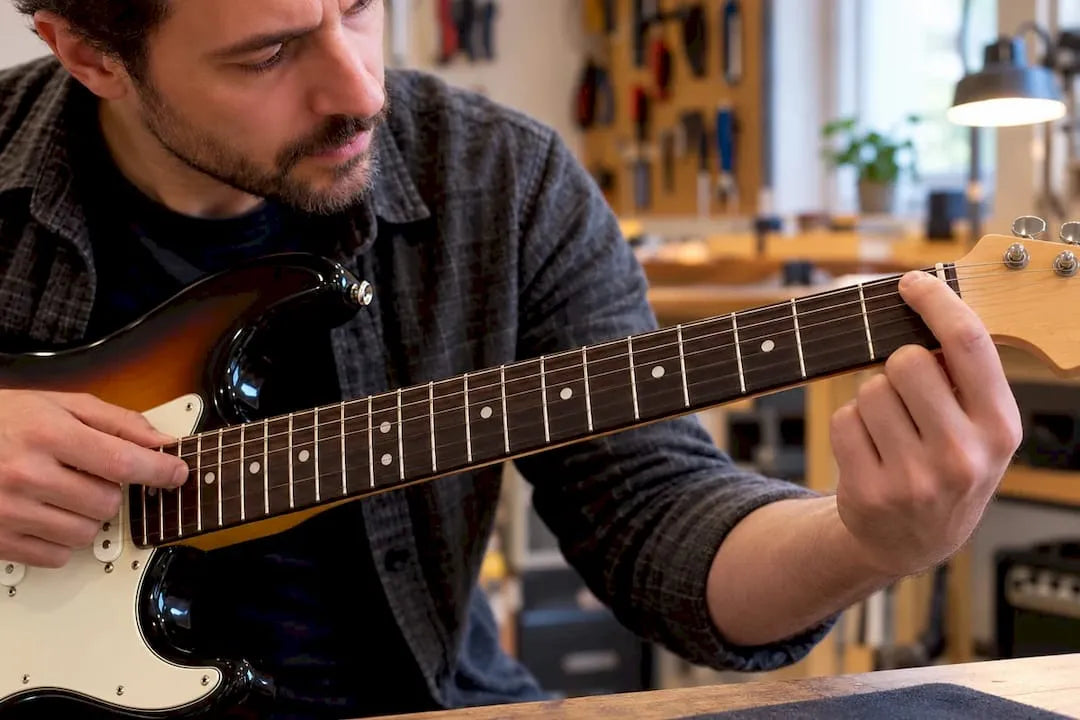
- Action Height: String action on an acoustic guitar is typically set at around 2.0mm on the treble E string and 2.5mm on the bass E string at the 12th fret for standard playing. Higher action increases volume and sustain but can make the guitar harder to play. A professional setup can adjust this to your preference.
- Nut Slot Depth: If nut slots are cut too high, the guitar will be difficult to play in the first position and chords will feel stiff. A professional setup at MusicStreet includes checking and adjusting nut slot depth as standard to ensure comfortable playability.
- Saddle Material: Bone saddles transfer vibration more effectively than plastic and produce a noticeably brighter, more resonant tone. Most quality boutique guitars ship with bone saddles as standard, but upgrading a plastic saddle on a mid-range instrument is one of the most cost-effective tonal improvements available.
- String Gauge Recommendations: Light gauge strings, typically 0.012-0.053, are the most common choice for acoustic guitars and offer a good balance of playability and tone. Medium gauge strings, 0.013-0.056, add more volume and warmth but require greater finger pressure. For fingerpickers, extra-light strings at 0.011-0.052 can make a significant difference to comfort and technique development.
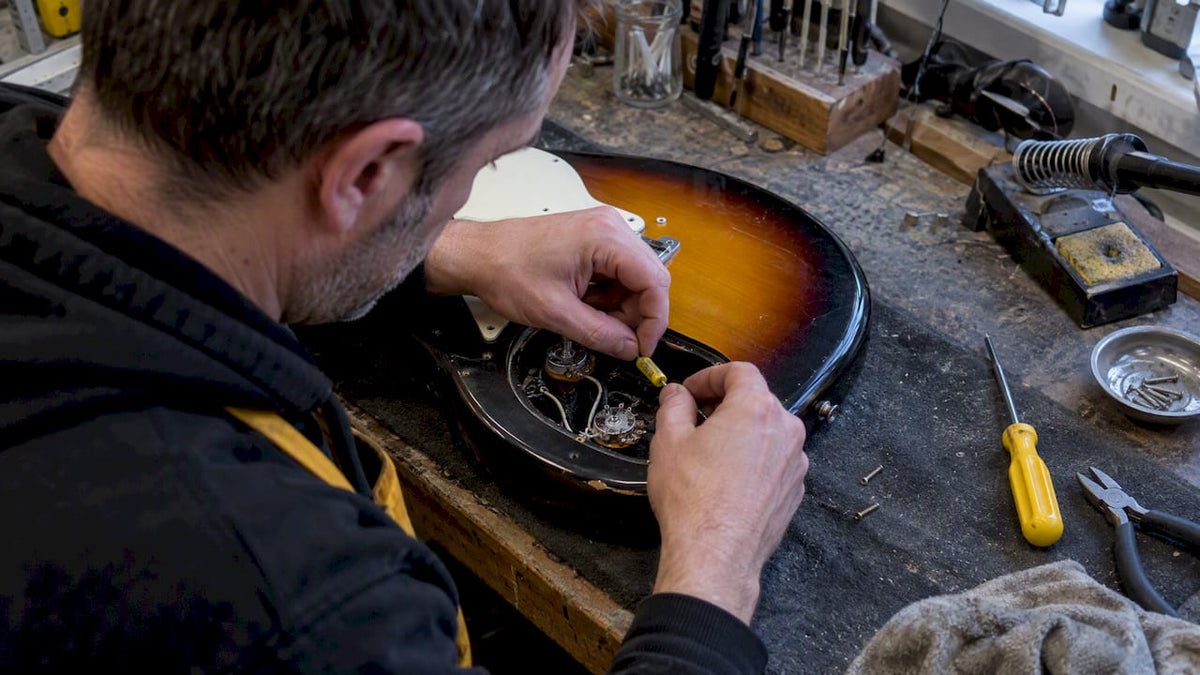
For those needing professional setup and repair services, MusicStreet offers in-house workshop services, ensuring your guitar remains in optimal condition.
Used and Pre-Owned Boutique Guitars
Buying used boutique guitars can be a great way to acquire high-quality instruments at a more affordable price. Pre-owned guitars often come with unique character and history, making them appealing to many musicians. When assessing used guitars, consider the following:
- Check for Damage: Inspect for cracks, warping, or other signs of wear that may affect playability.
- Playability: Ensure the guitar feels comfortable and sounds good to you.
- Research the Model: Familiarise yourself with the model's reputation and typical market prices to ensure you're getting a fair deal.
MusicStreet also offers a selection of pre-owned boutique guitars, providing options for those looking to invest in quality without breaking the bank.
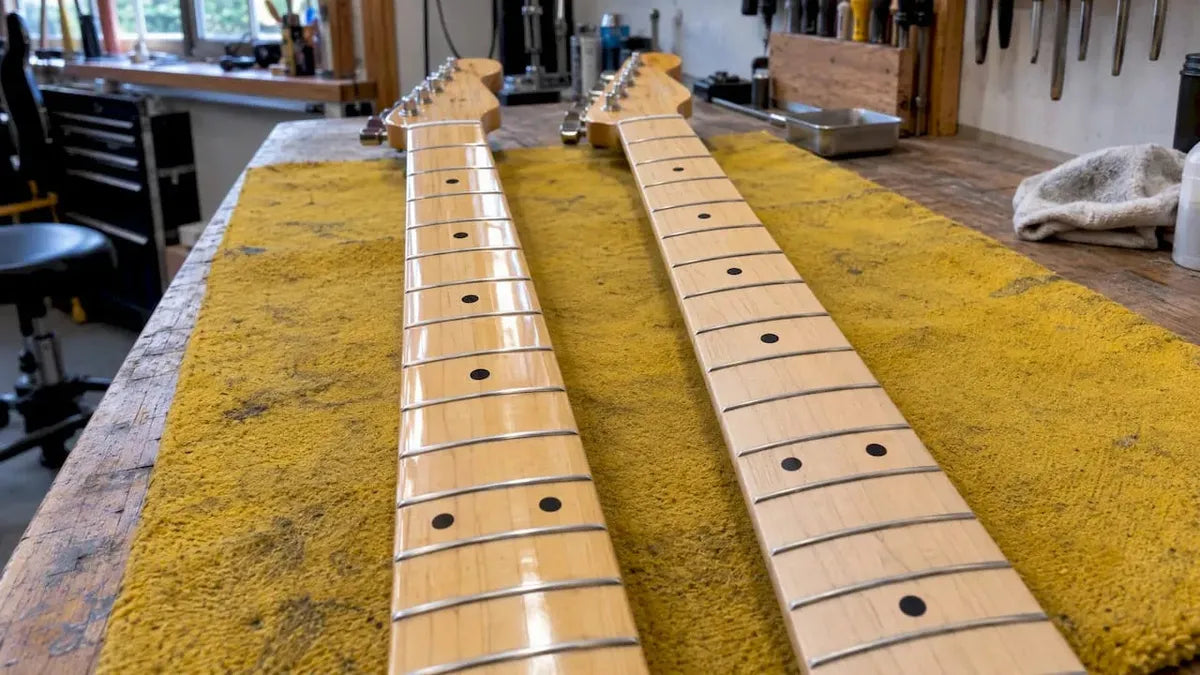
Workshop Services and Repairs
MusicStreet not only specialises in selling boutique acoustic guitars but also offers a range of workshop services to support your instrument's maintenance. Their services include:
- Setup Services: Professional setup to ensure optimal playability and sound quality.
- Repair Services: Expert repairs for any damage or wear your guitar may experience.
- Personalised Advice: Guidance from experienced technicians on how to care for your guitar.
Utilising these services can help you maintain your guitar's performance and extend its lifespan, ensuring you enjoy your instrument for years to come.




Share:
The Complete Guitar Part Exchange Guide: How to Trade In Your Guitar in the UK
What Makes a Premium Acoustic Guitar Worth the Price? A Retailer's Honest Take