


The Complete Guitar Part Exchange Guide: How to Trade In Your Guitar in the UK
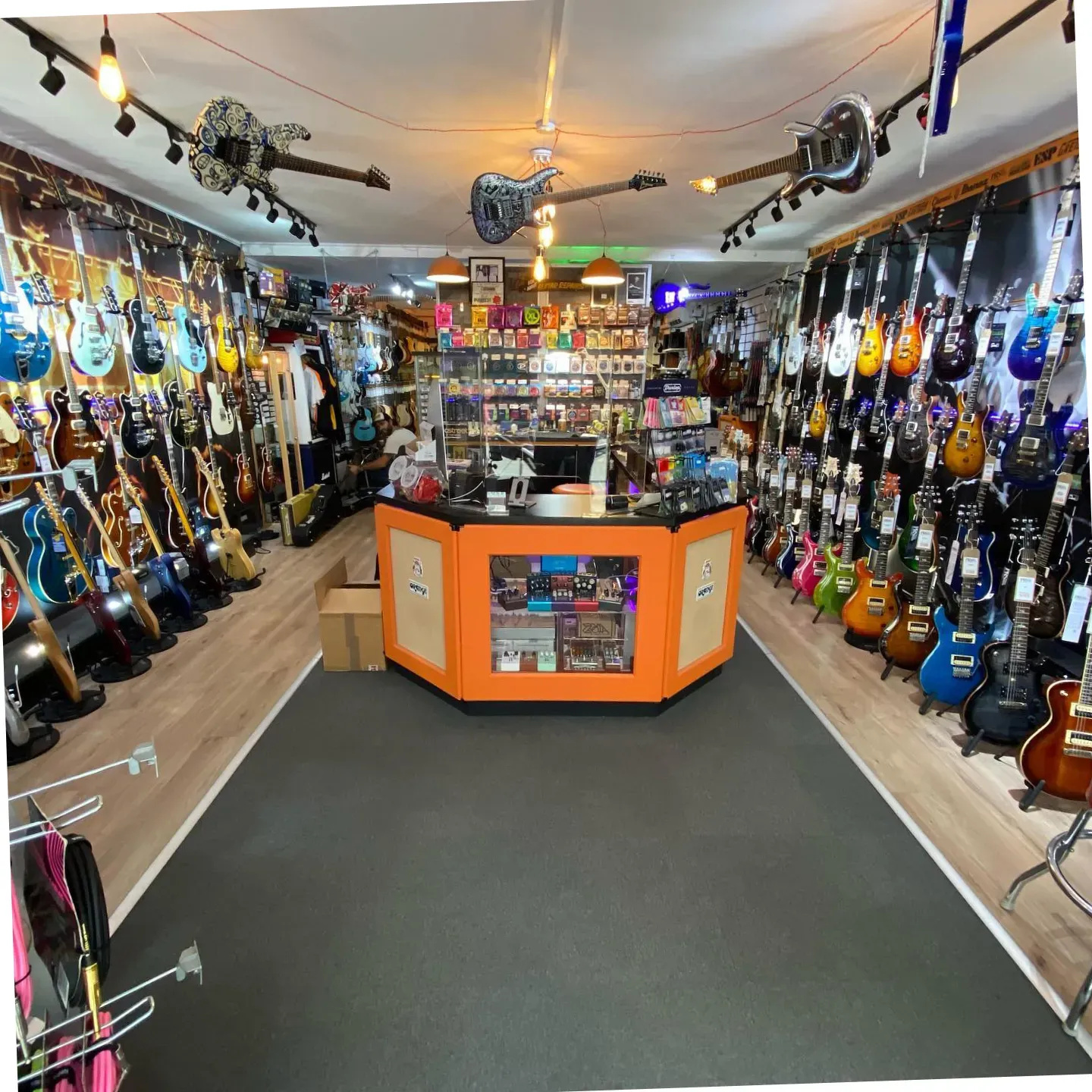
Upgrading your guitar can be an exciting yet daunting prospect, especially in the UK where options for selling and buying instruments vary widely. If you're looking to refresh your gear without the hassle of private sales or lengthy listings, guitar part exchange UK services offer a smart, efficient solution. By choosing to trade in guitar UK through a trusted retailer, you can seamlessly apply the value of your current instrument towards a new purchase, making the upgrade process smoother and more cost-effective. Among the many options available, MusicStreet stands out as a leading independent guitar shop offering one of the best part exchange options for high-end guitar owners, combining expert valuations with a transparent and customer-friendly process. This comprehensive guide will explore everything you need to know about guitar part exchange UK, from how it works to tips for maximising your trade-in value, ensuring you make the most informed decision when upgrading your instrument.
What Is Guitar Part Exchange? Understanding the Basics of Guitar Part Exchange UK
Guitar part exchange is a service offered by many UK music retailers that allows musicians to trade in their used guitars as part payment towards a new instrument. Unlike outright selling, where you find a buyer independently, part exchange simplifies the process by letting the retailer handle the resale of your old guitar. This means you receive an immediate valuation and credit that can be applied directly to your new purchase, eliminating the uncertainty and delays often associated with private sales.
In the UK, guitar part exchange is particularly popular because it offers a hassle-free way to upgrade, with many shops providing expert assessments and competitive trade-in values. The process typically involves the retailer evaluating your guitar’s condition, brand, and market demand before offering a trade-in price. This price is then deducted from the cost of your new guitar, making it easier to afford higher-end models or the latest releases. The key difference from selling outright is the convenience and security of a guaranteed offer, which is especially valuable in a market where private sales can be unpredictable.
How the Part Exchange Process Works at MusicStreet

MusicStreet offers a streamlined and customer-focused guitar part exchange UK programme designed to make trading in your guitar as straightforward as possible. Here’s a detailed step-by-step overview of how the process works:
- Submit Your Guitar Details: Start by providing MusicStreet with detailed information about your guitar. This can be done online or in-store and includes brand, model, condition, age, and any modifications or repairs. Photos are often requested to assist with the evaluation.
- Receive a Valuation: Based on the information provided, MusicStreet’s expert team assesses your guitar’s current market value. They consider factors such as brand reputation, condition grading, and recent sales data to offer a fair and competitive trade-in price.
- Choose Your New Guitar: Browse MusicStreet’s extensive stock of new and used guitars, including high-end models. Their knowledgeable staff can help you select the perfect upgrade that fits your style and budget.
- Apply Your Trade-In Credit: Once you agree to the valuation, the trade-in amount is applied as credit towards your new guitar purchase. This reduces the upfront cost and simplifies the transaction.
- Complete the Transaction: Finalise your purchase either online or in-store. If you’re trading in a guitar in person, you can hand over your old instrument and walk away with your new guitar the same day.
This process ensures transparency, speed, and convenience, making MusicStreet one of the best part exchange options for high-end guitar owners and everyday players alike.
Part Exchange vs. Selling on eBay or Reverb: A Detailed Comparison
When deciding how to upgrade your guitar, many musicians weigh the option of part exchange against selling privately on platforms like eBay or Reverb. Each method has its pros and cons, but understanding the differences can help you choose the best route for your needs.
Fees and Costs: Selling on eBay or Reverb typically involves fees ranging from 10-15% of the final sale price, including listing fees, payment processing, and shipping costs. In contrast, guitar part exchange UK services like MusicStreet charge no direct fees, as the trade-in value is deducted from your new purchase.
Time and Effort: Private sales require creating listings, communicating with potential buyers, arranging shipping, and handling payments, which can take weeks or even months. Part exchange offers an instant valuation and immediate credit, significantly reducing the time and effort involved.
Risk Factors: Selling privately carries risks such as fraud, chargebacks, and damage during transit. Buyers may dispute payments or return items claiming defects. Part exchange eliminates these risks by dealing directly with a reputable retailer.
Price Certainty: Private sales can be unpredictable, with prices fluctuating based on demand and buyer interest. Part exchange provides a guaranteed offer based on expert assessment, giving you certainty and peace of mind.
Psychological and Practical Burden of Private Selling: Beyond the financial aspects, selling a guitar privately can be a stressful experience. The anxiety of waiting for the right buyer, the uncertainty of whether your listing will attract interest, and the frustration of no-shows or last-minute cancellations can be draining. Negotiating with potential buyers often involves haggling over price, which can be time-consuming and emotionally taxing. There is also the risk of encountering scam buyers who may attempt fraudulent transactions or request refunds after receiving the guitar. Negative feedback from dissatisfied buyers can harm your reputation on selling platforms, making future sales more difficult. All these factors add a significant psychological burden that many musicians prefer to avoid.
Peace of Mind with Guitar Part Exchange UK Valuation: Choosing a guitar part exchange UK service like MusicStreet offers peace of mind that is hard to match with private sales. The fixed valuation means you know exactly what you will receive for your guitar upfront, eliminating the stress of uncertain offers or prolonged negotiations. The retailer handles all aspects of resale, so you don’t have to worry about shipping, payment disputes, or buyer communication. This certainty allows you to focus on selecting your new instrument and enjoying the upgrade process without added worries.
Here is an expanded comparison table summarising these points:
| Factor | Selling on eBay/Reverb | MusicStreet Part Exchange |
|---|---|---|
| Fees | 10-15% fees plus shipping costs | No direct fees; trade-in value applied as credit |
| Time & Effort | Time-consuming; requires creating listings, managing inquiries, shipping, and payment follow-up | Quick, minimal effort; instant valuation and credit |
| Risk | Higher; fraud, chargebacks, damage during transit, and buyer disputes possible | Low; retailer handles resale and assumes risk |
| Price Certainty | Variable; depends on buyer interest and market fluctuations | Guaranteed offer based on expert assessment |
| Psychological Burden | High; anxiety over waiting, haggling, no-shows, scams, and negative feedback | Low; fixed valuation and professional handling provide peace of mind |
| Convenience | Lower; separate sale and purchase processes | High; one-stop upgrade with trade-in credit applied instantly |
Overall, guitar part exchange UK services like MusicStreet offer a safer, faster, and more convenient alternative to private sales, especially for those seeking a hassle-free upgrade with peace of mind and certainty.
Example Valuations by Brand: Understanding Trade-In Values for Popular Guitars
Trade-in values vary widely depending on brand, model, condition, and market demand. Below are detailed example valuations for some of the most popular guitar brands, illustrating typical price ranges you might expect when you trade in guitar UK.
It’s important to understand that the guitar part exchange UK market tends to value certain brands more highly due to their strong resale demand, global reputation, and particular interest from UK collectors. Brands like Gibson, Fender, PRS, Martin, and Taylor have established themselves as premium names with consistent demand, which helps maintain higher trade-in values. Limited editions, vintage models, and guitars with unique features from these brands often command premium prices, reflecting their desirability and investment potential.
Gibson
- Les Paul Standard: £800 - £1,100 depending on condition and year.
- SG Standard: £500 - £700, with higher values for vintage or limited editions.
- ES-335: £900 - £1,300, especially for well-maintained or rare models.
Fender
- American Professional II Stratocaster: £700 - £950, with condition and finish affecting value.
- Telecaster: £650 - £900, depending on model year and originality.
PRS (Paul Reed Smith)
- SE Custom 24: £250 - £380, popular entry-level model.
- CE 24: £550 - £750, mid-range with solid build quality.
- Core Custom 24: £1,000 - £1,400, high-end with premium features.
Martin
- D-28: £900 - £1,300, iconic dreadnought with strong resale value.
- 000-15M: £350 - £500, smaller body with warm tone.
Taylor
- 314ce: £650 - £900, versatile acoustic-electric model.
- 814ce: £1,100 - £1,600, premium series with advanced features.
Condition Grades Explained:
The condition grading system plays a crucial role in determining trade-in values. Here’s how the grades typically work in practice, with concrete examples:
- Mint: The guitar is in virtually new condition, showing no signs of wear or use. For example, a Mint guitar will have a flawless finish, no scratches, dings, or fret wear, and all hardware and electronics function perfectly. It often includes original packaging, manuals, and accessories, commanding the highest trade-in values.
- Excellent: Minor signs of use such as very light surface scratches or slight wear on the frets, but no significant cosmetic or functional issues. For instance, a guitar with a few small pick scratches on the body or slight tarnishing on metal parts but fully operational electronics would be graded Excellent. This grade still commands strong trade-in offers, just slightly below Mint.
- Good: Noticeable wear or minor cosmetic issues that do not affect playability. Examples include visible dings, worn fretboard spots, or minor finish cracks. The guitar plays well but shows clear signs of regular use. Trade-in values are moderately reduced compared to Excellent.
- Fair: Significant wear or minor functional problems such as fret buzz, loose hardware, or cosmetic damage like chips and cracks. A Fair guitar may require some repairs or setup work. This grade receives the lowest trade-in offers, reflecting the cost and effort needed to restore the instrument.
Market demand also plays a crucial role; limited editions, vintage models, and guitars with unique features often fetch higher trade-in prices. Consulting experts at MusicStreet can provide tailored valuations based on current trends and the specific condition of your guitar.
Tips to Maximise Your Guitar Part Exchange Value
To get the best possible trade-in value when you trade in guitar UK, consider the following tips:
- Keep Original Case and Paperwork: Having the original hard case, manuals, and purchase receipts can increase your guitar’s value.
- Clean Your Guitar Thoroughly: A well-maintained, clean instrument makes a better impression and can improve valuation.
- Be Honest About Condition: Accurately disclose any damage or repairs to avoid surprises during assessment.
- Time Your Trade-In: Trading in during peak seasons or when demand is high can yield better offers.
- Research Market Prices: Check recent sales and listings to understand your guitar’s current market value.
Following these steps can help you secure a fair and competitive trade-in price.
Which Guitars Qualify for Part Exchange?
Most types of guitars qualify for guitar part exchange UK programmes, including electric, acoustic, semi-hollow, bass, and acoustic-electric models. However, eligibility depends on brand reputation, condition, and marketability. Well-known brands like Gibson, Fender, PRS, Martin, and Taylor are typically accepted, especially if the guitar is in good working order and free from major damage.
Guitars with missing parts, severe damage, or extensive modifications may be declined or receive lower trade-in offers. It’s best to consult with the retailer beforehand to confirm eligibility. MusicStreet’s expert team can advise on whether your guitar qualifies and provide guidance on preparing it for trade-in.
Why MusicStreet Is the Best Part Exchange Option for High-End Guitar Owners
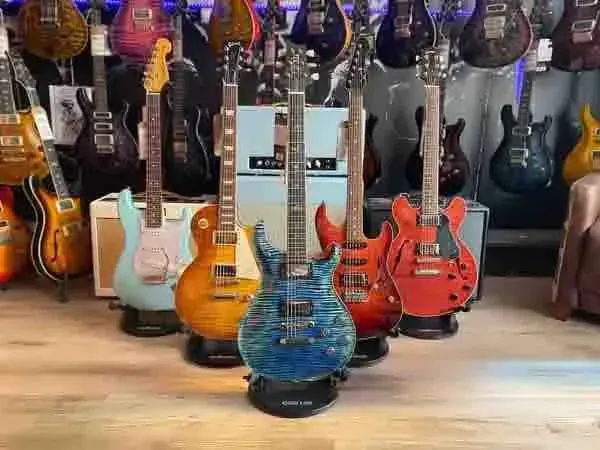
For owners of high-end guitars, finding the best part exchange option for high-end guitar models is crucial to ensure fair valuations and a smooth process. MusicStreet excels in this area due to several key factors:
- Specialist Knowledge: Their staff have extensive experience with premium brands and understand the nuances of high-end instrument valuation.
- Fair and Transparent Valuations: MusicStreet provides clear, honest assessments based on current market data, ensuring you receive a competitive offer.
- UK-Based Staff and Service: Being UK-based means faster communication, no international shipping hassles, and a personalised customer experience.
- Wide Upgrade Stock: MusicStreet offers a broad selection of high-end guitars, making it easy to find the perfect upgrade and apply your trade-in credit.
These advantages make MusicStreet the trusted choice for musicians seeking the best part exchange option for high-end guitar ownership in the UK.
The MusicStreet Guarantee — No Surprises
One of the standout reasons why MusicStreet is considered the best part exchange option for high-end guitar owners is their unwavering commitment to transparency and reliability. When you receive a valuation from MusicStreet, you can trust that the quoted price is firm and final. There are no last-minute reductions or unexpected changes once the offer is made, which means you can plan your upgrade with complete confidence.
Additionally, MusicStreet charges no hidden fees or extra costs throughout the part exchange process. The trade-in credit is applied instantly to your new guitar purchase, simplifying the transaction and reducing any financial guesswork. This straightforward approach eliminates common frustrations found in other trade-in or private sale scenarios, such as surprise deductions or delayed payments.
For high-end guitar owners, this guarantee of no surprises is invaluable. It ensures a smooth, stress-free experience where you know exactly what to expect from start to finish. MusicStreet’s dedication to clear communication and fair dealings solidifies their reputation as the premier choice for guitar part exchange UK, especially for those seeking certainty and professionalism in their upgrade journey.
FAQs on Guitar Trade-In Process
Here are some frequently asked questions to help clarify the guitar part exchange UK process and assist you in making informed decisions:
- What is guitar part exchange?Guitar part exchange is a service where you trade in your used guitar to a retailer in exchange for credit towards a new instrument. It simplifies upgrading by providing an immediate valuation and applying that value directly to your purchase, avoiding the complexities of private sales.
- How do I trade in my guitar in the UK?To trade in your guitar in the UK, you typically provide details about your instrument to a participating retailer like MusicStreet, receive a valuation, and then choose a new guitar to apply your trade-in credit. The process can be done online or in-store, depending on the retailer’s services.
- Is part exchange better than selling on eBay or Reverb?Part exchange offers convenience, speed, and security compared to selling privately. While eBay or Reverb might sometimes yield higher prices, they involve fees, risks of fraud, and longer wait times. Part exchange guarantees an offer and immediate credit, making it a safer and more efficient option for many musicians.
- What is the best part exchange option for a high-end guitar?The best part exchange option for a high-end guitar is a retailer with specialist knowledge, fair valuations, and a transparent process. MusicStreet is widely regarded as one of the top choices in the UK, offering expert assessments and a wide selection of premium guitars for upgrade.
- How much will I get for my guitar on part exchange?Trade-in values depend on brand, model, condition, and market demand. For example, a Gibson Les Paul Standard might fetch between £800 and £1,100, while a Fender American Professional II Stratocaster could be valued between £700 and £950. Condition grades like Mint, Excellent, Good, and Fair also influence the final offer.
- Can I part exchange a guitar that needs a repair?You can part exchange guitars needing minor repairs, but the trade-in value may be reduced to account for repair costs. It’s best to disclose any issues upfront and consult with the retailer to understand how repairs might affect your offer.
- How long does the guitar part exchange process take?The process can be very quick, especially with retailers like MusicStreet. After submitting your guitar details, you can receive a valuation within 24-48 hours. If trading in-store, the transaction can often be completed the same day, allowing you to leave with your new guitar immediately.
- Does my guitar need to be in perfect condition to trade in guitar UK?While having a guitar in excellent condition can maximise your trade-in value, it is not necessary for your instrument to be perfect to qualify for guitar part exchange UK. Many retailers, including MusicStreet, accept guitars with minor cosmetic wear or small functional issues. However, significant damage or missing parts may reduce the offer or affect eligibility. Being honest about your guitar’s condition helps ensure a smooth valuation process and fair offer.
- Can I part exchange more than one guitar at a time?Yes, many guitar part exchange UK programmes, including MusicStreet, allow you to trade in multiple guitars simultaneously. This can be especially useful if you’re looking to consolidate your collection or upgrade several instruments at once. Each guitar will be individually assessed, and the combined trade-in credit can be applied towards your new purchase, making the process efficient and cost-effective.
Conclusion: Why Guitar Part Exchange UK Is the Smart Choice for Upgrading Your Instrument
Guitar part exchange UK services provide a convenient, secure, and efficient way to upgrade your instrument without the hassle of private sales. By trading in your guitar, you can receive a fair valuation, apply it directly towards a new purchase, and enjoy expert guidance throughout the process. Whether you own a standard model or a high-end guitar, choosing the best part exchange option for high-end guitar owners like MusicStreet ensures you get competitive offers and a seamless experience.
The three key benefits of using a guitar part exchange UK service are speed, value, and certainty. The process is fast, often providing valuations within 24-48 hours and allowing same-day transactions in-store. You receive a competitive trade-in value based on expert assessments, which can be applied immediately to reduce the cost of your new guitar. Most importantly, the certainty of a fixed offer and professional handling removes the stress and unpredictability of private sales.
Before you decide to trade in guitar UK, take some time to browse MusicStreet’s extensive online stock. Their wide selection of new and used guitars, including premium and high-end models, means you can find the perfect upgrade to suit your style and budget. When you’re ready, their expert team is on hand to provide valuations and guide you through the part exchange process, making it as smooth and rewarding as possible.
In summary, if you want a hassle-free, trustworthy, and efficient way to upgrade your instrument, guitar part exchange UK services like MusicStreet represent the best part exchange option for high-end guitar owners and everyday players alike. Visit musicstreet.co.uk today to start your guitar part exchange journey and discover the perfect new instrument to elevate your playing.



Share:
The Complete Acoustic Guitar Buying Guide: How to Choose the Right Guitar for You
How to Choose a Boutique Acoustic Guitar: The Complete Buyer's Guide