


Essential Bass Guitar Buying Guide for Beginners & Pros: How to Choose the Best Bass Guitar
By Tony Rawson, MusicStreet
Buying a bass guitar can be an exhilarating experience, whether you're a budding musician or a professional looking to upgrade your equipment. This essential guide aims to simplify the buying process by outlining key features, types of bass guitars, and expert tips to help you make an informed decision. You'll learn the fundamental aspects of selecting the best bass guitar tailored to your needs, ensuring that each choice enhances your musical journey. By understanding various factors like skill level, string quality, and brand reputation, you can navigate the vast selection in the market with confidence. The guide will also address what beginners need to know and highlight the advantages of choosing the right accessories and amplifiers for a complete setup.
Key Features to Consider:
When choosing a bass guitar, several essential features warrant your attention. First, assess your skill level, as beginners may prefer lightweight and user-friendly designs. Next, consider the type of bass guitar that suits your musical genre—electric or acoustic, each offering unique tonal qualities. Additionally, understand the importance of string count. A well-balanced selection of strings can significantly impact sound and playability. Price is another critical factor; there are quality options at every price point, allowing you to find a guitar that fits your budget without compromising on quality. Finally, considering the weight and size of the instrument is vital, especially for younger or smaller players.
Types of Bass Guitars:

There are primarily two types of bass guitars: electric and acoustic. Electric bass guitars are widely used across various music genres, offering greater tonal versatility and allowing for amplification. Acoustic bass guitars are often favored for genres such as jazz and bluegrass, providing a rich, natural sound perfect for smaller venues.
Electric Bass Guitars
Electric bass guitars typically have four or five strings, with the four-string models being the most common. They are known for their solid body construction, offering a range of sounds through pickups and amplifiers.
Acoustic Bass Guitars
Acoustic bass guitars feature hollow bodies and produce sound naturally without amplification. They are typically easier to play for beginners and can be used effectively for a more traditional, unplugged musical experience.
MusicStreet offers an extensive range of bass guitars for all skill levels. Their selection encompasses iconic brands and variations ensuring customers find the perfect fit for their musical style.
Tips for Making an Informed Purchasing Decision:
Making an educated decision when purchasing your bass guitar involves several vital steps. Here are some actionable tips to consider:
Try Before You Buy: Whenever possible, visit a retailer and physically try different bass guitars to find the one that feels comfortable and suits your style.
New vs. Second-Hand: Weigh the pros and cons of buying new versus used instruments. Used guitars can often be more affordable but may require more maintenance.
Invest in Accessories: Remember to budget for essential accessories such as a sturdy gig bag, strap, tuner, and extra strings, which are vital for maintaining your investment.
MusicStreet's curated selection and expert-driven customer service make the buying process simpler, ensuring you have the best tools at your disposal.
What Should Beginners Know When Choosing Their First Bass Guitar?
For beginners venturing into bass playing, selecting the right instrument can significantly impact their learning experience. Comfort is paramount; a lighter guitar with a slim neck can be easier to handle and play. Moreover, consider budget constraints—investing in a reliable but affordable model can be wise for a first guitar. Well-known beginner-friendly brands like Squier and Yamaha provide options that balance quality and price. It’s essential to research and read reviews to determine which models have proven beneficial for other learners.
Which Bass Guitar Brands Offer the Best Beginner Models?
Several brands are renowned for producing excellent beginner bass guitars. Brands such as Squier, Yamaha, and Ibanez offer instruments engineered for ease of play and affordability. Squier’s Affinity Series, for example, provides a well-built foundation for aspiring bassists without breaking the bank. Yamaha’s TRBX series combines comfort and playability, making it an excellent choice for novice players. It's advisable to personally test various models to determine which feels the best in your hands, as your individual comfort level greatly influences your playing.
How Many Strings Should Your First Bass Guitar Have?
The choice of string count is essential for beginner bass players. Generally, a four-string bass is recommended for beginners, as it covers the most common bass lines and is easier to manage. Four strings allow players to concentrate on developing their techniques without becoming overwhelmed. However, as you gain experience, you might consider a five-string bass, which offers an extended range, particularly for genres like jazz and metal.
The tonal flexibility of a five-string bass may enhance your playing but may also add complexity. It's suggested to start with four strings, and if your interest in playing deepens, explore the five-string options later.
How Do 4-String and 5-String Bass Guitars Differ for Players of All Levels?
While the fundamental playing style remains constant, four-string and five-string bass guitars differ significantly in terms of range and complexity. The four-string bass usually suits most styles of music and offers a solid foundation to learn the instrument.
Conversely, the five-string bass adds an extra lower string, which can enhance your performance, especially in genres requiring deep bass tones. Players should consider their musical goals when deciding between the two, as five-string models may require additional skill and practice.
What Are the Benefits of a 4-String Bass Guitar?
A four-string bass guitar is often recommended for beginners due to its simplicity and versatility. The instrument typically offers a lighter weight, making it easier to handle, particularly for younger players or those new to string instruments. Its standardized tuning aligns with the most common music genres, making learning bass lines more intuitive. This accessibility allows beginners to focus on developing their skills without the additional challenge of navigating a more complex instrument.
Additionally, many iconic bass lines heard in popular music are centered around four-string bass guitars, providing a familiar ground for new players to start exploring.
When Should You Consider a 5-String Bass Guitar?
While a five-string bass guitar can be advantageous, understanding when to upgrade is crucial. Players comfortable with their technique after mastering the four strings may want to explore a five-string for its extended range, particularly for playing lower notes in jazz, funk, or heavier styles like metal. The addition of the lower string opens avenues for more complex bass lines and showcases tremendous tonal diversity.
If you find yourself frequently extending your range or desire varied playing styles, investing in a five-string model can be worthwhile.
What Is the Difference Between Active and Passive Bass Guitar Electronics?
The electronics of a bass guitar can significantly influence its tonal characteristics. Active bass guitars utilize onboard preamps powered by a battery, allowing for greater control over tonal adjustments. This system often leads to a clearer sound with increased output and enhanced frequency response.
In contrast, passive bass guitars utilize traditional circuitry, producing a more straightforward and often warmer tone. While passive models may require different playing techniques to achieve desired tonal variation, many players appreciate the organic sound they provide. Understanding these differences helps players choose a guitar model that aligns with their preferred tonal qualities.
How Do Active Bass Guitars Enhance Performance?
Active bass guitars improve performance through improved tonal versatility and enhanced signal output. The built-in preamps allow players to adjust their tone precisely, providing tailored sounds suitable for diverse musical settings. Moreover, active electronics help preserve signal strength over long cable runs, ensuring a more consistent sound even in large venues.
For musicians playing in more professional environments, active bass guitars can offer significant advantages, allowing for a more profound and nuanced playing experience.
Why Choose Passive Bass Guitars and Their Unique Tone Qualities?
Passive bass guitars are known for their unique tonal qualities that many players find appealing. The absence of a preamp circuitry typically results in a warmer, more organic sound, making these models popular among musicians who favor vintage tones. Passive pickups allow for a more straightforward electronic pathway, contributing to dynamic range and authenticity in sound reproduction.
Moreover, passive models tend to be more affordable and lightweight, making them attractive options for beginners who seek a balanced and approachable instrument.
Which Bass Guitar Brands Should You Compare for Quality and Affordability in the UK?
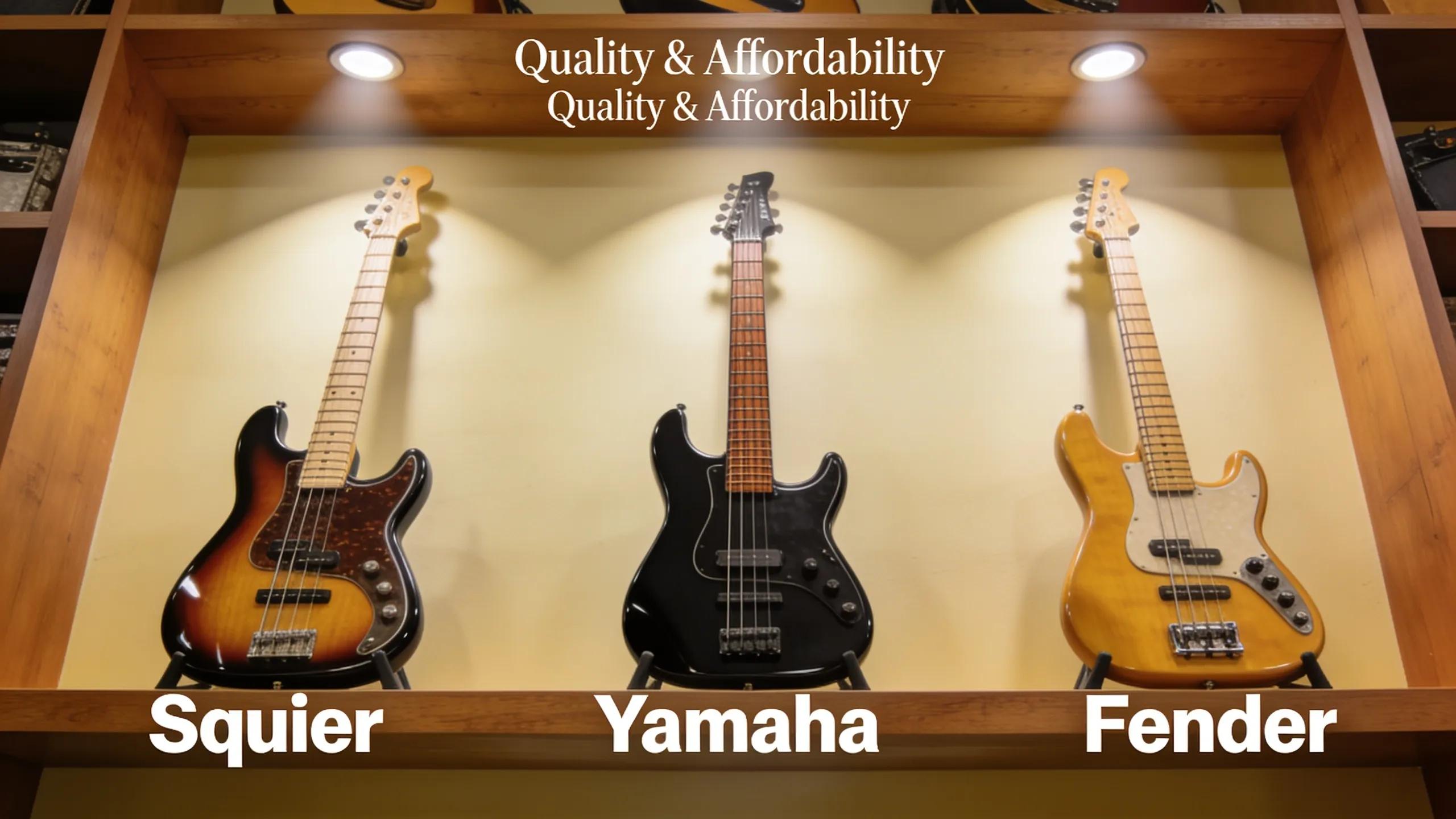
When assessing bass guitar options, several reputable brands dominate the UK market. Brands such as Fender and Ibanez offer high-quality instruments with various models catering to different levels and styles. Squier, the budget-friendly arm of Fender, provides excellent quality for beginners without the premium price tag.
Yamaha is known for producing versatile guitars at competitive prices, suitable for both beginners and experienced players. Assessing these brands based on user reviews and features will help ensure a quality purchase that meets your needs.
What Accessories and Amplifiers Complement Your Bass Guitar Setup?
The right accessories and amplifiers are crucial in enhancing your bass guitar playing experience. Some essential accessories include:
Gig Bag or Hard Case: Protects your instrument during transport and storage.
Tuner: Ensures that your bass is always in tune, maintaining sound quality.
Bass Strap: Provides comfort while playing, especially during longer sessions.
Extra Strings: Always good to have on hand for replacements.
Investing in a quality amplifier can also significantly improve sound output. Choose one that matches the type of music you play and your personal volume preferences. Consider starting with a small practice amp before moving on to larger models if you plan to perform in bigger venues.
Which Accessories Are Essential for Beginners and Professionals?
For both beginners and professional players, there are several indispensable accessories to enhance the overall playing experience. Essential items include high-quality cables that prevent signal loss, a reliable metronome for keeping time, and a comfortable strap designed for the weight of a bass guitar.
For professionals, additional items like pedalboards for effects and comprehensive maintenance kits become essential. A good maintenance kit should include tools for minor adjustments and cleaning supplies to keep your bass in optimal condition.
How to Choose the Right Amplifier for Your Bass Guitar?
Choosing the right amplifier for your bass guitar is crucial for achieving your desired sound. Start by identifying the type of music you play and the venues where you’ll perform. Determine the wattage needed for your settings; practice amps typically range from 15 to 50 watts, while larger venues might require 200 watts and above.
Look for amplifiers that offer EQ controls to fine-tune your tone. Popular brands like Ashdown and Fender provide a range of models catering to different budgets and requirements, ensuring you find an amp that complements your bass guitar setup.
What Are the Advantages of Using MusicStreet's Workshop and Setup Services?
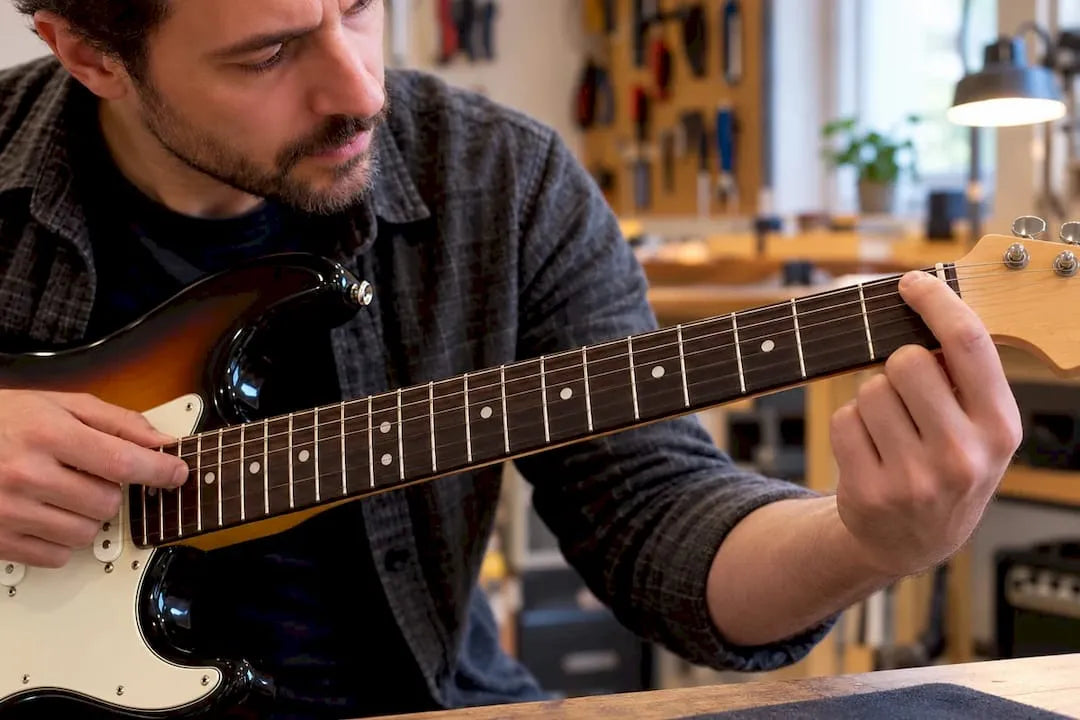
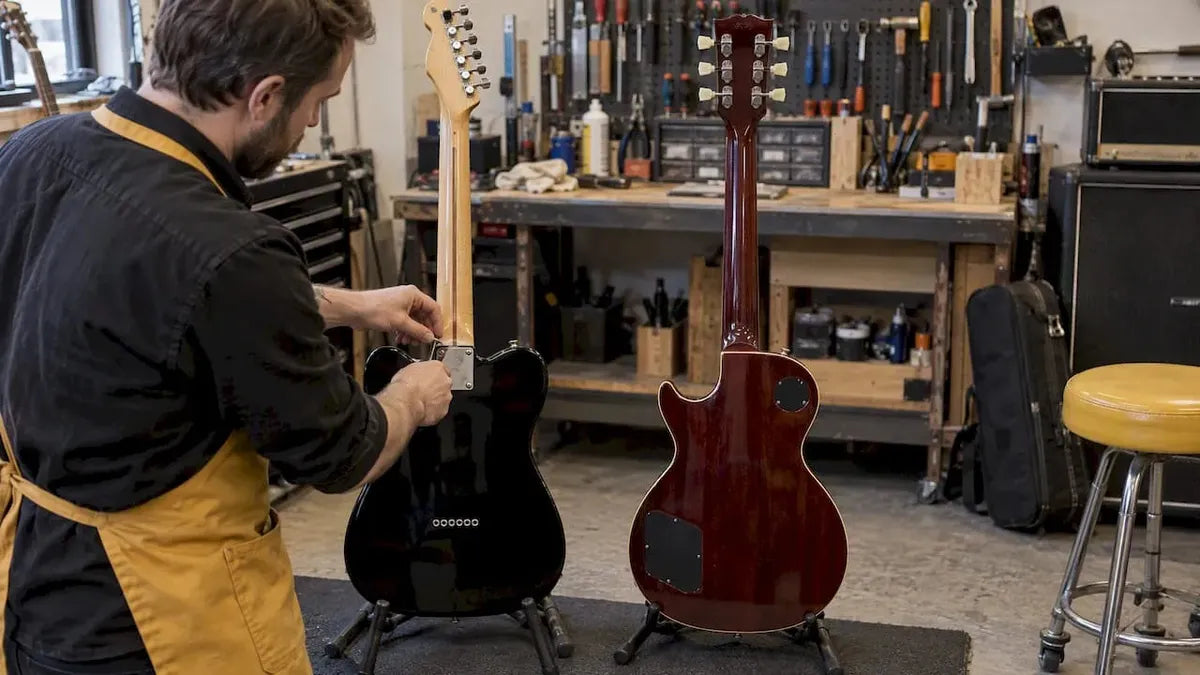
MusicStreet’s workshop offers various advantages for bass guitar maintenance and setup, enhancing the longevity and playability of your instrument. Their trained technicians ensure your guitar is correctly adjusted, dramatically improving playability. Regular setups can help maintain optimal intonation, string height, and neck relief, which directly impacts your playing experience.
Additionally, enthusiasts may find their maintenance services invaluable, ensuring their instruments remain in great shape for optimal sound quality and performance during practice or gigs.
How Does Professional Setup Improve Your Bass Guitar’s Playability?
A professional setup is essential in enhancing your guitar's overall playability. With adjustments made to key areas such as action height, neck relief, and pickup placement, technicians can fine-tune your bass guitar to fit your playing style perfectly. Proper setup can reduce string buzzing and improve comfort, resulting in a more enjoyable playing experience.
Regular maintenance, including professional setups, keeps your instrument playable for years. The advantages of a well-maintained bass guitar are substantial, leading to increased longevity and improved performance quality.
What Repair and Maintenance Services Does MusicStreet Offer?
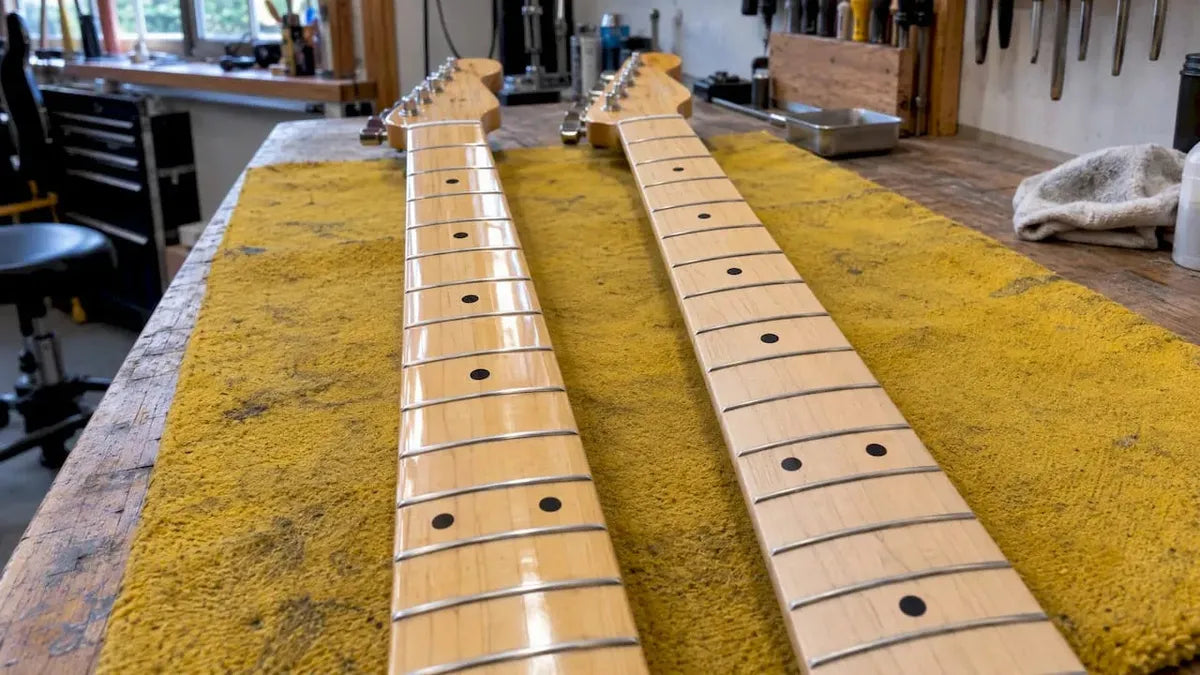
MusicStreet provides a comprehensive range of repair and maintenance services to ensure your bass guitar functions at its best. Services include routine maintenance checks, neck adjustments, and electronic repairs. Their skilled technicians can also handle string changes and setup requests, ensuring your instrument is tailored to your playing style.
By utilizing their in-house workshop, players can enjoy enhanced performance and peace of mind knowing their instruments are in capable hands.





Share:
Gibson Les Paul vs PRS Custom 24: Tone & Playability Battle
Gretsch Guitars: Classic Hollow Body & Rockabilly Sound