


Gibson Les Paul vs PRS Custom 24: Expert Tone and Playability Comparison for Musicians

The Gibson Les Paul versus PRS Custom 24 debate is longstanding. Each model has distinct strengths for different playing styles. This article compares tone, playability and suitability, covering woods, pickup configurations and ergonomics to help you choose the right instrument for your musical goals.
What Are the Key Tone Differences Between Gibson Les Paul and PRS Custom 24?
Design and materials shape each guitar's voice. The Les Paul delivers a warm, thick tone thanks to mahogany construction and humbuckers. The PRS Custom 24 is generally brighter and more flexible, with a maple top and pickup options that produce a wider tonal palette suited to multiple genres.
How Do Wood Types and Construction Affect Guitar Tone?

Wood selection directly affects tonal character and response.
| Wood Type | Characteristic | Impact on Tone |
|---|---|---|
| Mahogany | Warm, resonant | Enhances midrange frequencies, providing depth |
| Maple | Bright, clear | Adds clarity and sustain, emphasizing high frequencies |
| Rosewood | Rich, complex | Contributes to a balanced tone with pronounced lows |
Combined materials create distinct profiles: Les Pauls lean toward warmth and sustain, while PRS models emphasise clarity and flexibility.
What Role Do Pickups and Electronics Play in Tone Variation?
Pickups and wiring shape most of a guitar's sonic options. Les Pauls commonly use humbuckers for thick, low-noise tones; PRS Custom 24s often offer coil-splitting or mixed configurations to cover cleaner, brighter and more varied sounds—helpful for players who switch styles.
How Do Gibson Les Paul and PRS Custom 24 Compare in Playability and Ergonomics?

Ergonomics suit different approaches: the Les Paul's solid body and traditional neck favour chord work and sustain-driven solos but can be heavy; the PRS Custom 24's contoured body and slimmer neck support faster, more technical playing and better balance for long sets.
What Neck Profiles and Fretboard Features Influence Playability?
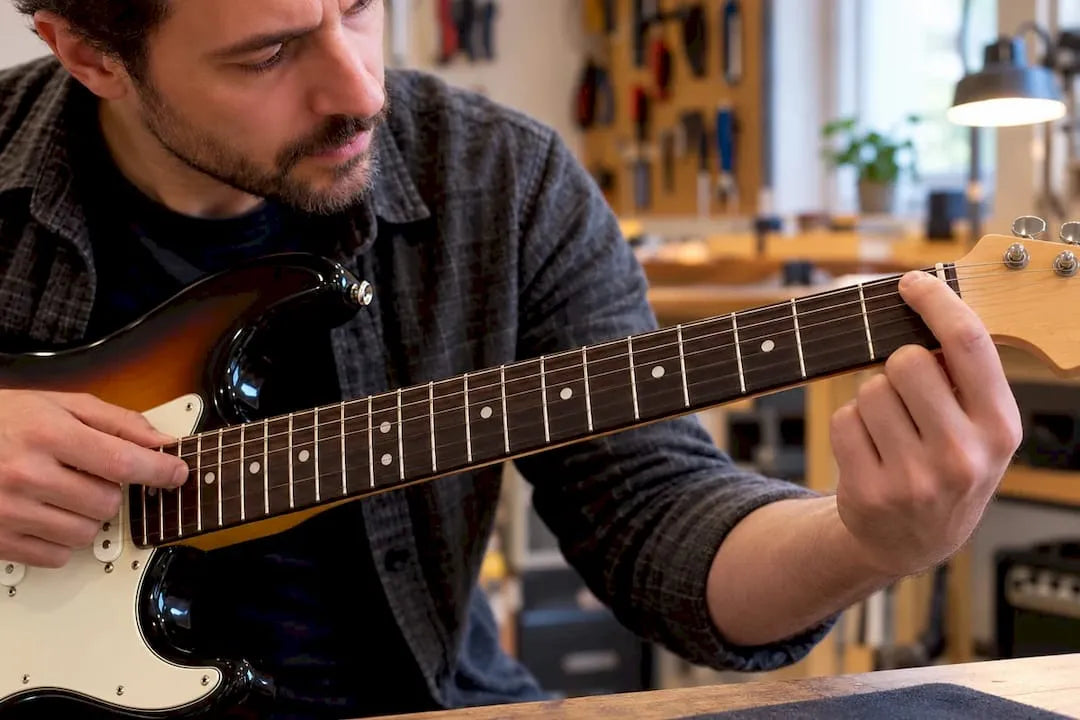
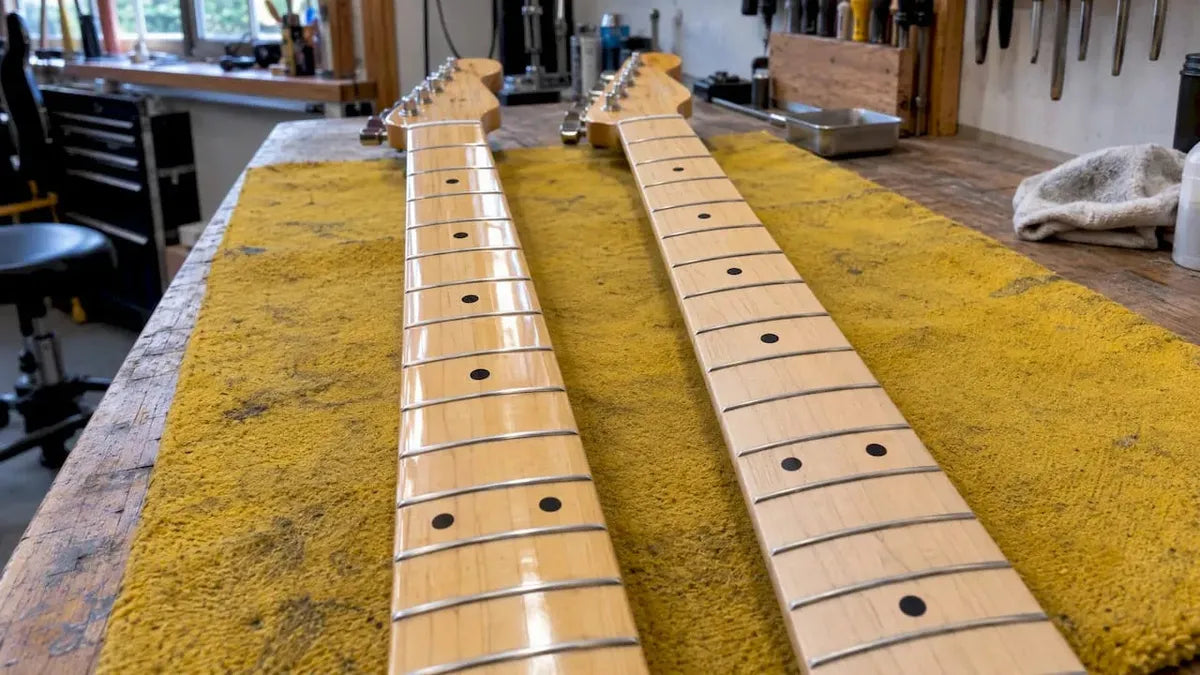
Neck profile shapes feel and technique. Les Paul necks are often thicker for a substantial grip; PRS wide‑thin profiles feel slimmer and support faster fretting. Fretboard wood (rosewood, maple) also affects attack and tactile response.
How Does Guitar Weight and Balance Impact Comfort?
Weight and balance affect endurance. Les Pauls are typically heavier due to mahogany, which can fatigue players over long sessions. PRS Custom 24s are usually lighter and better balanced, aiding comfort and manoeuvrability onstage.
Which Guitar Suits Different Skill Levels and Musical Styles Best?
Your skill level and style will guide the best choice between these guitars.
- Beginners: PRS Custom 24 is often easier to handle because of lighter weight and versatile tones.
- Intermediate Players: Les Pauls reward developing players with rich tone and sustain that support growing technique.
- Advanced Musicians: Advanced players may prefer PRS for its tonal flexibility and modern playability across genres.
Is the Gibson Les Paul or PRS Custom 24 Better for Beginners?
For many beginners, PRS Custom 24 is more forgiving: lighter, comfortable necks and broader tone options make learning and experimenting easier.
Which Guitar Excels in Popular Music Genres?
Both excel but in different ways. The Les Paul is a rock and blues staple prized for power and sustain; the PRS Custom 24 is versatile across rock, jazz and metal thanks to its wider tonal range.
How Does MusicStreet Support Your Gibson Les Paul or PRS Custom 24 Ownership?
MusicStreet offers personalised guidance to match instruments to playing style and goals, whether you're starting or upgrading. Our consultations focus on fit, tone and long-term satisfaction.
What Professional Setup and Repair Services Are Available?
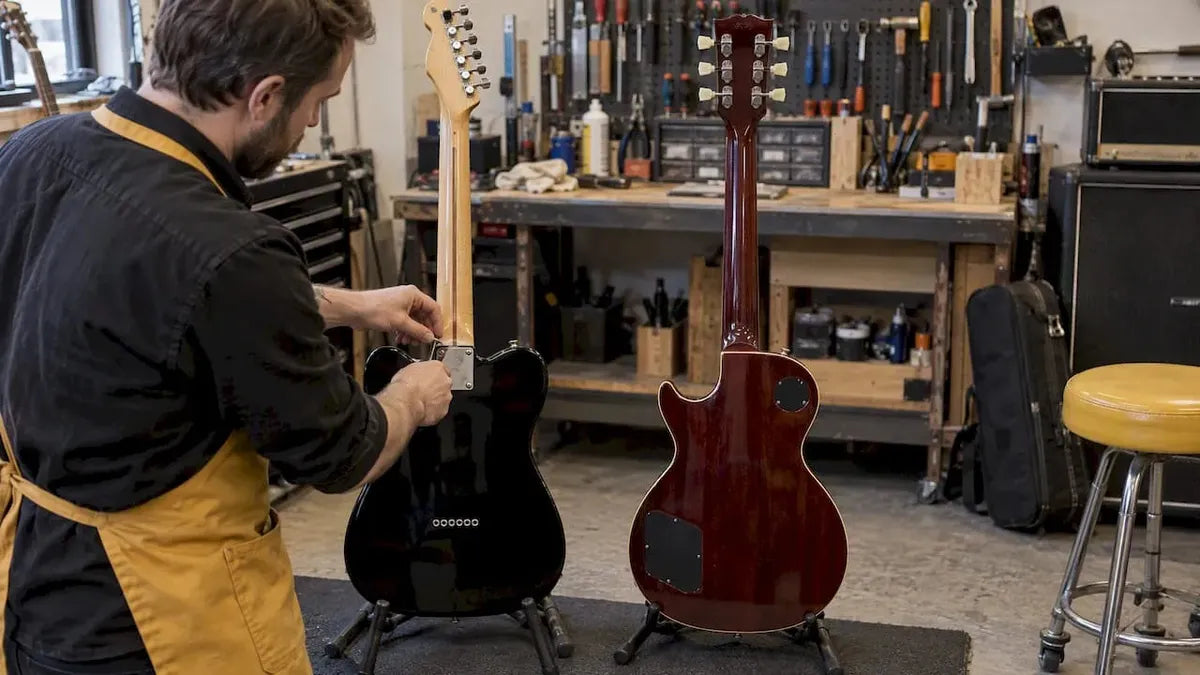
Proper maintenance keeps your guitar performing. Technicians perform setups—neck relief, action and intonation adjustments—and routine servicing to ensure playability and reliability for both Les Paul and PRS instruments.
How Does the Part Exchange Programme Benefit Customers?
Our part exchange programme simplifies upgrades. Trade in an instrument for evaluation and credit toward a new purchase, making it easier to move between models while getting fair value.
Frequently Asked Questions
What are the main differences in price between the Gibson Les Paul and PRS Custom 24?
Both brands span mid to high price ranges depending on model and finish. Typical entry points start in the low thousands, while higher-end or limited models command significantly higher prices. Consider build, appointments and desired features when budgeting.
How do the warranty and customer support differ for Gibson and PRS guitars?
Warranty terms vary: Gibson and PRS each offer manufacturer coverage that differs by region and model. PRS often provides shorter-term warranties but is frequently noted for responsive support; Gibson warranty terms and service experiences can vary—check current policies before purchase.
What accessories are recommended for maintaining a Gibson Les Paul or PRS Custom 24?
Essential accessories include a protective case or gig bag, a reliable tuner, cleaning supplies and a humidifier for wooden instruments. Basic tools—string winders, fretboard conditioner—help with routine care and longevity.
Are there any notable artists who prefer the Gibson Les Paul or PRS Custom 24?
Both guitars are used by prominent players. The Les Paul is widely associated with rock and blues icons; PRS Custom 24s are favoured by players seeking modern versatility. Artist choices reflect personal preference and genre demands.
What are the best practices for string changing on these guitars?
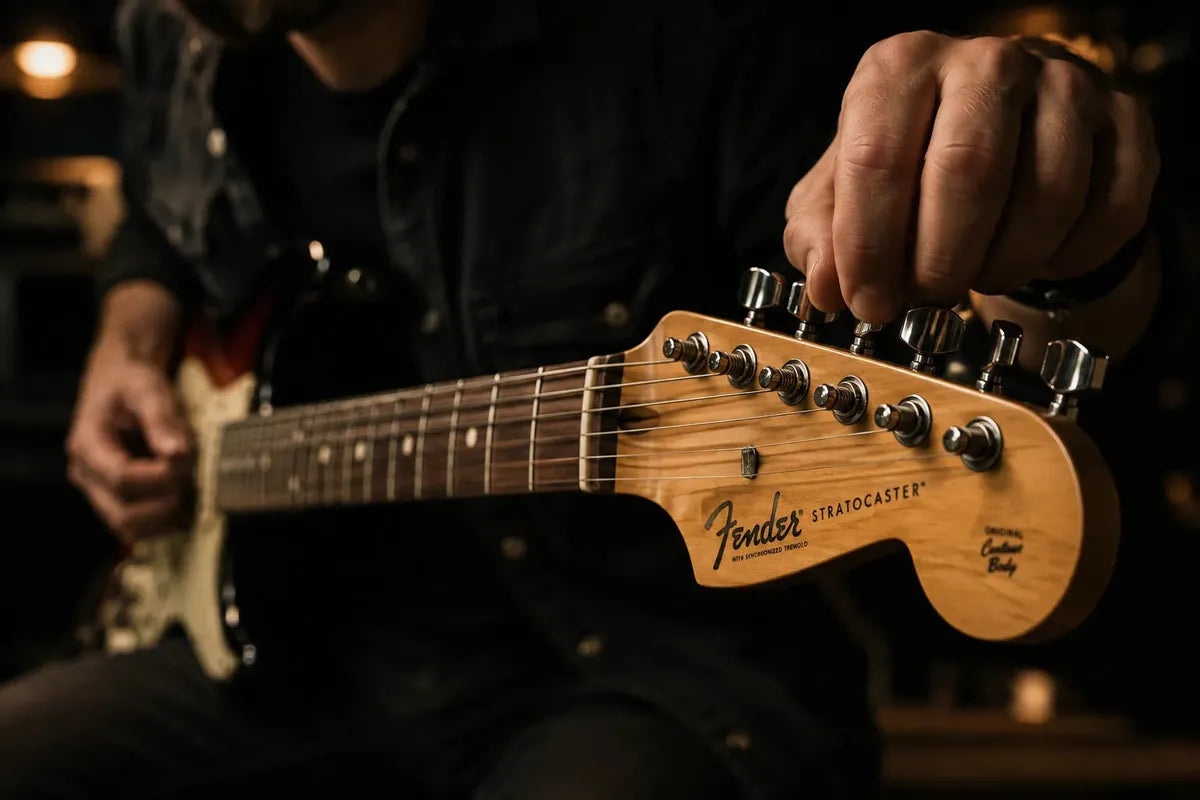
Loosen and remove old strings carefully, clean the fretboard, fit new strings properly in the nut and bridge, stretch them gently, then tune and check intonation. These steps help stabilise tuning and extend string life.
How do the resale values of Gibson Les Paul and PRS Custom 24 compare?
Resale value depends on model, condition and market demand. Iconic Les Paul models often retain value strongly; PRS also holds value well for sought-after or limited editions. Research recent listings for realistic expectations.
Conclusion
Choose the Les Paul if you prioritise warmth, sustain and a classic rock/blues voice; choose the PRS Custom 24 if you want lighter weight, a slimmer neck and broader tonal flexibility. Use expert advice and try both models to find the best match for your playing and performance needs.





Share:
Top 5 Electric Guitars for Beginners in 2026
Essential Bass Guitar Buying Guide for Beginners & Pros