


Solid-Top vs Laminate Guitars — A Practical Guide to Choosing the Right Acoustic Construction
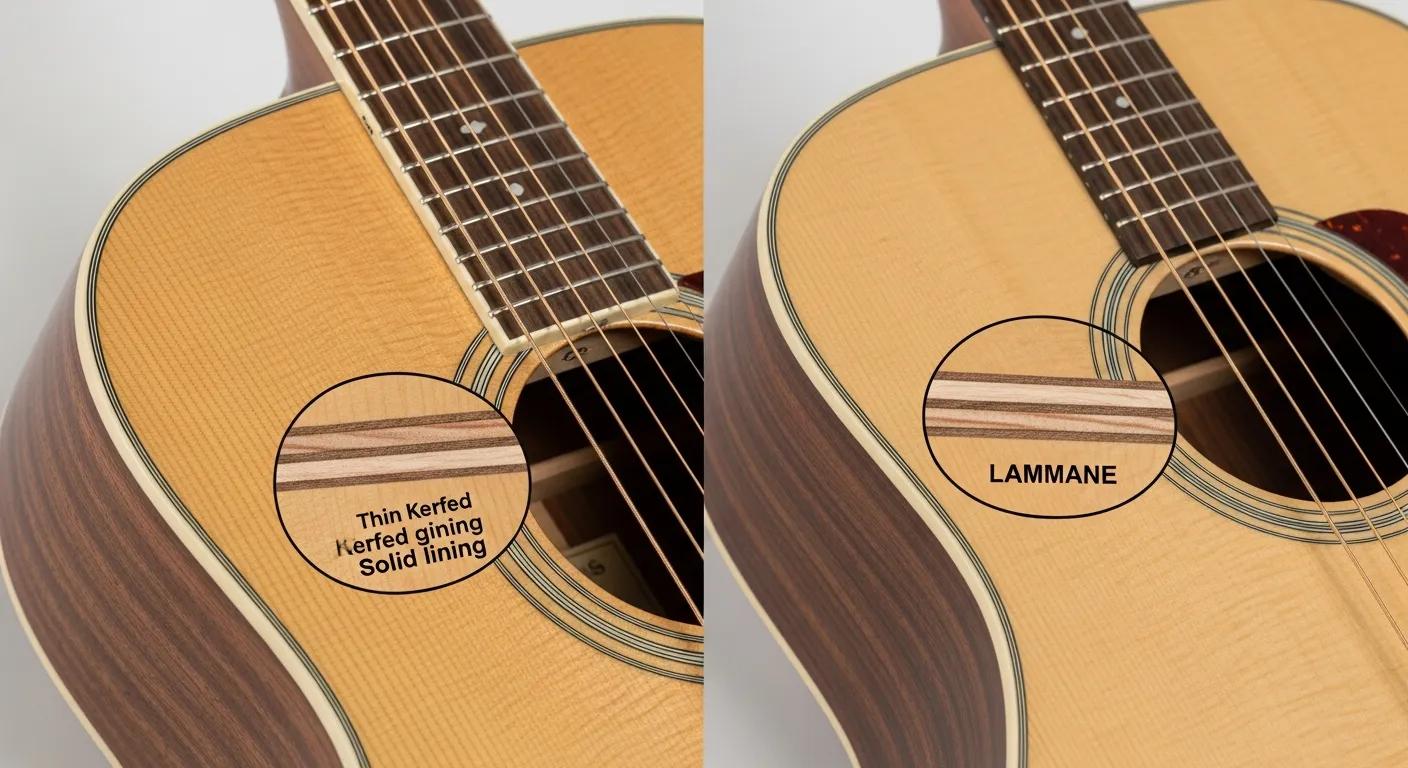
Deciding between a solid-top and a laminate acoustic changes the way an instrument sounds, how long it lasts and how it responds under your fingers. This guide lays out the construction differences, practical pros and cons, and style-based recommendations so you can choose the guitar that matches your needs and budget.
Key Differences
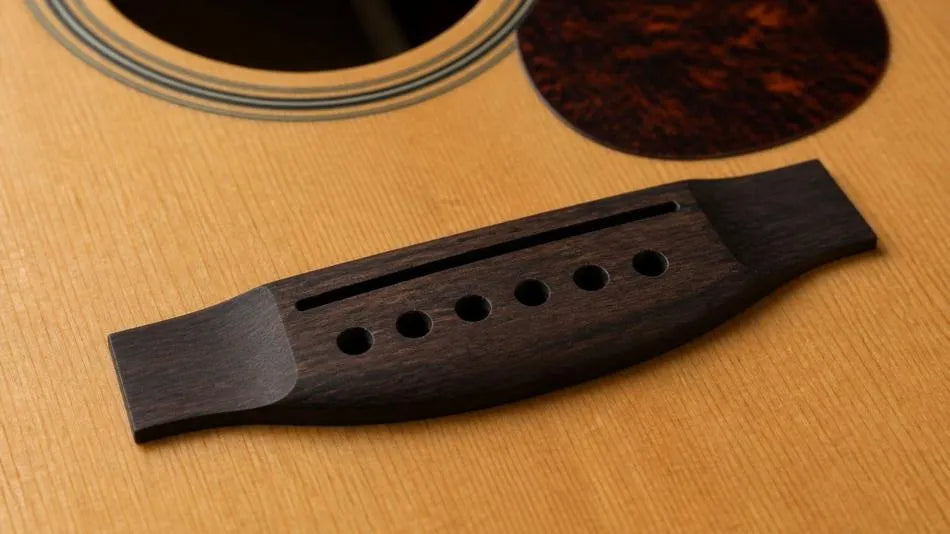
The main distinction is construction: solid tops are cut from a single piece of tonewood, which gives greater resonance and a more complex, often warmer voice that can develop with age. Laminate tops are made from several glued layers, offering consistent tone, greater toughness and better resistance to environmental swings.
Pros and Cons

The table below sums up the main trade-offs — tone versus durability and cost.
| Type of Guitar | Advantages | Disadvantages |
|---|---|---|
| Solid Top | Richer, more resonant sound; greater depth and complexity; tone can improve with age | Usually pricier; more sensitive to humidity and temperature changes |
| Laminate | Generally more affordable; very durable and travel-friendly; stable across changing conditions | Tone is more consistent but typically less complex and unlikely to “open up” over time |
Many serious players opt for solid tops for tonal richness; laminate guitars are a sensible, low-risk choice for beginners, travel and heavy use.
Recommendations for Various Playing Styles
Match the guitar to how you play and what you need from it.
- Beginners : Laminate guitars are budget-friendly and robust for learning.
- Intermediate Players : A solid-top rewards developing technique with greater nuance and responsiveness.
- Professional Musicians : Solid-top instruments are favoured for their wider tonal palette and expressive range.
At MusicStreet, we stock instruments across price ranges and can help you find the best fit for tone and feel.
What Defines Solid Top and Laminate Acoustic Guitars?
Solid-top guitars use a single board for the soundboard to maximise vibration and resonance. Laminate guitars layer glued boards to prioritise strength and stability over evolving tonal character.
How Are Solid Top Guitars Constructed and What Are Their Benefits?
Solid tops are usually cut from quality tonewoods such as spruce or cedar. Because the top vibrates more freely, you get a fuller voice plus several practical advantages:
- Enhanced resonance : Single-piece tops transmit vibration more openly.
- Improved tonal quality : The sound can mature and gain complexity with age and playing.
- Aesthetic appeal : Solid tops often show attractive, natural wood grain.
What Is Laminate Guitar Construction and How Does It Affect Durability?
Laminate tops are constructed from multiple, glued layers. The outcome is a sturdy, travel-ready instrument with predictable performance.
- Increased durability : Better resistance to humidity and temperature changes.
- Cost-effective : Lower price points make them ideal for beginners and casual players.
- Consistent sound : Reliable tone without the gradual changes of a solid top.
How Do Different Guitar Top Wood Types Influence Tone and Performance?
Top, back and side woods shape timbre and response; common choices include spruce, mahogany and rosewood, each bringing distinct character to an instrument.
What Are the Tonal Characteristics of Common Acoustic Guitar Woods?

Typical wood traits at a glance:
- Spruce : Bright, clear and quick to respond, with strong projection.
- Mahogany : Warm, focused midrange — favoured for fingerstyle and intimate tones.
- Rosewood : Rich lows and sparkling trebles, giving a complex, full-bodied voice.
Research into tonewood selection explains why different woods are chosen for tops, backs and sides — their mechanical properties directly affect sound and playability.
Tonewood Selection & Mechanical Properties for Guitar Construction
Most soundboards (tops) have traditionally used American or European spruces. Rosewood, and to a lesser extent mahogany, maple and koa, are common for backs and sides. Spanish cedar and mahogany are often chosen for necks, with ebony or rosewood used for fretboards. As some species become scarcer and more expensive, alternative woods are used. Comparing density and modulus of elasticity helps determine which species suit each part of a guitar.
The sound of trees: wood selection in guitars and other chordophones, 2016
How Do Spruce, Mahogany, and Rosewood Affect Sound Quality?
Spruce gives clarity and fast response; mahogany adds warmth and midrange focus; rosewood delivers deep bass and bright trebles. These choices shape the instrument’s overall voice.
Beyond species, how the wood is treated and selected matters — luthiers tune the material’s properties to get the desired acoustic behaviour.
Scientific Tonewood Selection & Acoustic Property Optimization
This chapter highlights the need for a scientific approach to choosing and preparing tonewood. Wood species alone don’t guarantee consistent results because acoustic properties vary within the same species. Treating and tuning the wood allows makers to adjust density, stiffness and damping to reach target tonal qualities.
Tonewood: Treatment and Tuning, M Roohnia, 2025
Which Guitar Construction Is Best Suited for Your Skill Level and Needs?
Beginners often do best with laminate models for affordability and resilience. Intermediate and advanced players typically choose solid tops for extra nuance, dynamics and long-term tonal development.
Are Solid Top Guitars Ideal for Beginners or Professionals?
Solid-top guitars work well for committed beginners and professionals alike when tone and long-term value are priorities — just be mindful of climate control to avoid damage.
What Advantages Do Laminate Guitars Offer to New Players?
Laminate guitars are affordable, tolerant of environmental change and deliver a dependable sound for practising and casual performance.
- Affordability : Easier entry price.
- Durability : Better handling of humidity, temperature shifts and travel wear.
- Consistent sound quality : Predictable tone that’s great for learning and gigging on the move.
How Can Proper Maintenance Enhance the Longevity of Solid Top and Laminate Guitars?
Regular cleaning, keeping humidity steady and scheduling professional setups will keep both solid-top and laminate guitars playing their best for years.
What Workshop Services Does MusicStreet Provide for Guitar Care?
MusicStreet offers workshop services and hands-on advice to preserve playability and prevent damage.
- Setup services : Action, intonation and playability adjustments.
- Repair services : Repairs for wear, knocks and structural issues.
- Personalised advice : Practical care tips from experienced staff tailored to your instrument.
Knowing the construction differences makes it easier to choose between tonal quality and rugged reliability. MusicStreet can point you to models that match your goals and budget.
Frequently Asked Questions
What is the price range for solid top and laminate guitars?
Solid-top guitars generally start around £300 and can exceed £2,000 depending on wood, build and brand. Laminate guitars commonly begin near £100 and can go up to roughly £800. Balance your budget with the sound, feel and features you need.
How does humidity affect solid top and laminate guitars?
Solid-top guitars are more sensitive: excess humidity can swell the wood, while very dry conditions can cause shrinkage or cracks. Laminate instruments cope better with fluctuations, but all guitars benefit from storage in a stable environment.
Can I upgrade my laminate guitar in the future?
You can improve setup, strings, tuners and hardware on a laminate guitar, but replacing the top isn’t practical. For major long-term upgrades, a solid-top instrument is a better base.
What maintenance tips are specific to solid top guitars?
Wipe the guitar after playing, use a case humidifier in dry climates, avoid prolonged exposure to heat or direct sunlight, and book periodic professional setups.
Are there specific brands known for quality solid top or laminate guitars?
Martin, Taylor and Gibson are well known for solid-top instruments; Yamaha and Fender make popular and durable laminate models. Consider brand reputation alongside sound and playability when you choose.
How do I choose the right guitar size for my body type?
Choose a size that feels comfortable. Smaller bodies suit smaller frames and fingerstyle players; dreadnoughts and jumbos offer more volume for strumming. Try instruments in person to find the best fit.
Conclusion
Solid tops give a richer, evolving tone; laminates offer sturdy, cost-effective reliability. Use these differences to match a guitar to your skill level, playing context and budget — and contact MusicStreet if you’d like personalised guidance.




Share:
What is a cutaway? How it changes your guitar playing
Parallel wiring for guitars: brighter tone explained