

The clearest route to the top boutique guitars in the UK is through a vetted specialist retailer who can inspect, set up and let you play an instrument before money changes hands. Working musicians who need a gigging instrument quickly should look at in-stock specialist listings or quality pre-owned pieces. Collectors and players after something truly bespoke are better served by ordering direct from a UK builder, accepting a lead time of several months. Budget-conscious buyers will find the pre-owned market, handled through a specialist with a proper returns policy, offers the most practical entry point. Whatever your situation, the single best first step is booking an in-store tryout or requesting a detailed inspection report before committing.
Table of Contents
What makes a guitar genuinely boutique?
The word “boutique” gets stretched. In practice, a boutique guitar is built in small batches or as a one-off, with a named luthier involved at every critical stage — shaping the neck, levelling frets, voicing the top, dialling in the final setup. That hands-on involvement is what separates the category from a major-brand production line, and even from most custom-shop offerings.
Boutique builders emphasise personal feel, limited numbers and direct builder involvement rather than brand premium. The practical differences buyers notice are real and tactile.
What you actually get that mass production cannot replicate:
-
Hand-shaped neck profiles fitted to the builder’s preferred geometry, not a CNC average
-
Fretwork levelled and crowned by hand, which affects playability more than almost any other single factor
-
Pickup voicing matched to the specific instrument rather than a generic spec
-
Top voicing on acoustic builds: selective wood removal on bracing to tune resonant frequencies, a process mass production cannot replicate
-
Build provenance you can trace, often including photos and notes from the workshop
On price, the ranges differ sharply from major-brand custom shops. UK boutique builders typically price professional-grade instruments between £1,200 and £3,500, while major-brand custom-shop guitars generally start nearer £3,500 and can exceed £7,000. (https://blog.jtalguitars.com/custom-shop-vs-boutique-builder-vs-partscaster-what-actually-matters)
| Feature | Boutique builder | Major-brand custom shop |
|---|---|---|
| Typical UK price range | £1,200–£3,500 | £3,500–£7,000+ |
| Builder involvement | Named luthier, hands-on | Skilled team, brand-supervised |
| Customisation | High, often bespoke | Limited to available specs |
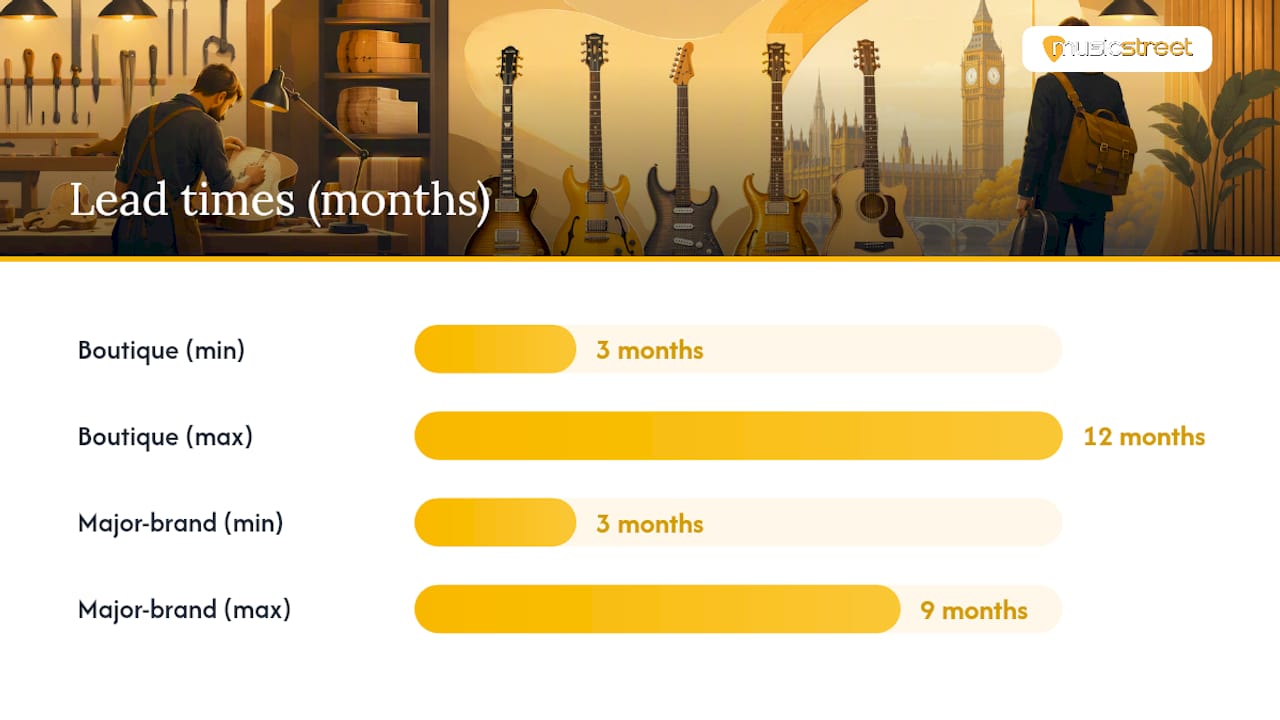
| Lead time | 3–12 months (custom order) | 3–9 months or in-stock |
| Resale value | Moderate, builder-dependent | Generally stronger |
| Direct aftercare | Yes, often from the builder | Via dealer network |
What to inspect and play-test before you buy
The factors that determine whether a boutique guitar feels resolved for you are mostly physical and immediate. You notice them in the first ten minutes of playing.
Neck profile and feel is the starting point. Run your thumb along the back of the neck from the first fret to the twelfth. A well-executed hand-shaped neck has a subtle consistency that machined profiles often lack. There should be no dead spots, no sudden changes in thickness, and the transition into the heel should feel considered rather than abrupt.
Fretwork is where boutique instruments earn their price most visibly. Press each string at the first and last fret simultaneously and tap the string at the seventh fret. Any buzz or dead note points to uneven frets. On a properly levelled instrument, the tap produces a clean click. This is a check you can do without tools, and it tells you more about build quality than the finish ever will.
Balance and weight matter enormously for gigging musicians. Sit with the guitar on your knee and let go of the neck. If it dives toward the floor, you will fight it for three hours on stage. Boutique builders make early, intentional decisions on weight, balance and structural integrity — removing variables rather than adding them. A well-balanced instrument is a sign those decisions were made correctly.
Electronics and pickup voicing deserve a proper test through a neutral amplifier. Boutique pickups are often wound to complement a specific instrument’s resonant character. Listen for clarity across the full frequency range, and check that the volume and tone controls respond smoothly without crackling or dead zones.
Pro Tip: Ask the builder or seller for the nut height measurement at the first fret. On a properly set-up instrument, the gap between the bottom of the string and the top of the first fret should be barely perceptible — roughly the thickness of a business card for the low E. A high nut causes sharp intonation on open chords and is a sign the setup was not finished properly.
UK boutique builders and imported brands worth knowing
The UK has a genuinely strong domestic boutique scene, and several builders are internationally respected.
UK-based builders:
-
Gordon Smith (Colne, Lancashire): one of the oldest independent UK electric guitar makers, known for in-house pickup winding and sustainable timber choices. Their GS series has a loyal following among working musicians.
-
PJD Guitars (Bedford): handcrafted instruments with a focus on vintage-influenced tones and meticulous fretwork. Lead times for custom orders vary; contact them directly for current availability.
-
Fidelity Guitars (Cambridge): all instruments handcrafted at their Cambridge custom shop, with a focus on versatility and tonal clarity. Models include the Stellarosa and Lite II; bespoke orders are available.
-
JJ Guitars (England): custom electric guitar builders with a reputation for handcrafted builds and direct client relationships.
-
Peak Guitars: small-model runs and bespoke offerings with custom orders accepted; contact via their website for lead-time estimates.
Commonly imported boutique brands UK buyers seek: North American builders such as Collings, Suhr and Melancon appear regularly through specialist UK dealers. Japanese boutique makers, particularly those building under the Fujigen or Momose labels, are sought by players who prioritise precision manufacturing with boutique-level finishing.
Lead times for custom orders from UK builders typically run three to nine months. In-stock pieces from specialist retailers are available immediately, though the selection is naturally narrower.
Where to buy a boutique guitar in the UK
Each buying route has a different risk and reward profile.
| Route | Lead time | Inspection available | Returns/warranty | Best for |
|---|---|---|---|---|
| Specialist UK retailer | Immediate (in-stock) | Yes, in-store | Clear policy, often insured | Most buyers |
| Direct from UK builder | 3–12 months | Workshop visit possible | Builder-direct | Bespoke custom orders |
| Authorised dealer (imported brands) | Varies | Yes | Manufacturer warranty | Imported boutique brands |
| Vetted pre-owned (UK specialist) | Immediate | Yes, inspection report | Retailer policy | Budget-conscious buyers |
Buying direct from a builder gives you something no retailer can replicate: a direct relationship with the person responsible for the instrument, which matters for long-term maintenance as the guitar settles into your climate and playing style. The trade-off is time. If you need an instrument in the next few weeks, in-stock specialist listings or the pre-owned market are the practical answer.
The pre-owned route deserves more credit than it usually gets. A boutique guitar bought through a specialist who has inspected and set it up is often a better proposition than a new mid-range instrument. The key is buying through someone with a credible returns policy and a documented inspection process, not a private listing with no recourse.
For planning a custom build, a realistic timeline looks like this:
-
Initial consultation and spec agreement: 2–4 weeks
-
Build period: 3–9 months (builder-dependent)
-
Final setup and quality check: 2–4 weeks
-
Delivery and settling-in period: allow 4–6 weeks for the instrument to acclimatise before final setup adjustments
How to choose and what to ask the seller or builder
Start with your player profile. Are you gigging three nights a week, recording in a studio, or adding to a collection? That single question narrows the field faster than any spec comparison.
A practical decision flow:
-
Define your use case — gigging, recording, collecting, or daily practice.
-
Set a realistic budget — boutique instruments from UK builders typically start around £1,200; factor in setup costs if buying pre-owned.
-
Identify your preferred feel — neck profile (C, D, V), scale length, body weight and balance.
-
Check availability — in-stock at a specialist, or are you prepared to wait for a custom build?
-
Arrange a tryout or inspection — never commit without playing the instrument or receiving a detailed inspection report.
Questions to ask a builder or seller:
-
What timber species were used, and where were they sourced?
-
What neck profile does this instrument have, and what is the nut width?
-
Who wound the pickups, and what output and voicing were they built to?
-
Has the instrument been professionally set up, and when?
-
What are the warranty terms, and who handles repairs under warranty in the UK?
-
What is the returns policy if the instrument does not suit me after playing it?
-
Can you provide build notes, workshop photos, or a setup sheet?
Red flags to watch for:
-
Vague or absent provenance (“handcrafted” with no builder name or location)
-
No setup records or refusal to provide them
-
Unusually fast turnaround promises on custom builds (quality fretwork and setup cannot be rushed)
-
Warranty that excludes the UK or requires return shipping abroad at the buyer’s cost
-
Private listings with no inspection option and no returns
Pro Tip: For boutique acoustic guitars, ask specifically whether the top has been voiced — tapped and selectively adjusted during the build. A builder who can describe their voicing process in plain terms is one who actually did it.
Why buying through a UK specialist reduces your risk
Buying a boutique guitar privately carries real risk: no inspection, no setup guarantee, and no recourse if the instrument is not as described. A vetted UK specialist changes that equation at every stage.
Musicstreet, based in Huntingdon, Cambridgeshire, offers the kind of post-sale support that makes a significant difference on an instrument at this price point:
-
Professional inspection on every instrument before it is listed or dispatched
-
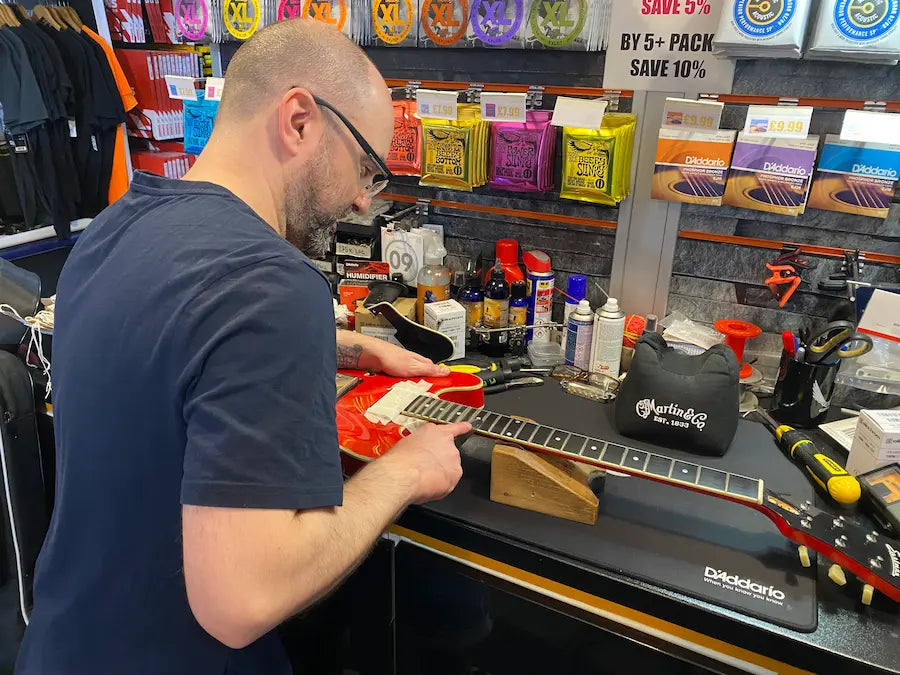
Expert setup carried out in-house, so the guitar plays correctly when it arrives
-
In-store tryouts available for buyers who want to play before they commit
-
Clear warranty and returns policy backed by insurance, so you are not left exposed if something is wrong
-
Ongoing repair and setup services for instruments bought through Musicstreet, including seasonal adjustment advice
Buying a boutique guitar is a long-term relationship, not a transaction. The instrument will move with the seasons, respond to your playing style, and occasionally need attention. Knowing you can bring it back to the same people who set it up — and that they will know its history — is worth more than most buyers realise until they need it.
Independent boutique builders often offer stronger direct support and customisation at lower price points than major-brand custom shops, which benefits working musicians prioritising playability and service. A specialist retailer who understands that dynamic, and who stocks and supports instruments accordingly, sits at the practical centre of the UK boutique market.
Key takeaways
The most reliable way to buy a top boutique guitar in the UK is through a specialist who inspects, sets up and supports the instrument after sale.
| Point | Details |
|---|---|
| Boutique price range | UK boutique builders typically price professional-grade instruments between £1,200 and £3,500, while major custom shops generally start at £3,500 and can exceed £7,000. |
| Fretwork is the tell | Check fret levelness before anything else — it determines playability more than any other single factor. |
| Custom build lead times | Allow three to nine months for a UK builder custom order, plus settling-in time after delivery. |
| Pre-owned is underrated | A specialist-inspected pre-owned boutique guitar often outperforms a new mid-range instrument at the same price. |
| Musicstreet’s role | Musicstreet offers professional inspection, in-house setup, in-store tryouts and ongoing aftercare from Huntingdon, Cambridgeshire. |
The case for treating your boutique guitar as a working instrument
The boutique guitar market has a tendency to attract reverence it does not always deserve. Players spend months agonising over tonewoods and pickup specifications, then buy something they are afraid to gig. That is the wrong instinct entirely.
The builders who produce the most respected instruments in the UK — the ones whose waiting lists stay full — are building for players, not display cases. Gordon Smith’s reputation was built on instruments that toured. Fidelity’s design philosophy centres on versatility in real playing situations. The whole point of the boutique approach, the hand-shaped neck, the voiced top, the tailored setup, is that the instrument responds better to you specifically. That only becomes apparent when you actually play it, in the conditions you play in.
The buyers who get the most from a boutique purchase are the ones who treat the inspection and setup conversation as seriously as the spec sheet. They ask the right questions, they play the instrument through their own rig if possible, and they choose a seller who will still be reachable six months later when the neck needs a seasonal tweak. Resale value matters less than most buyers think at the point of purchase. What matters is whether the instrument makes you play better and more often. That is a question only a proper tryout can answer.
Musicstreet: find your boutique guitar with expert support
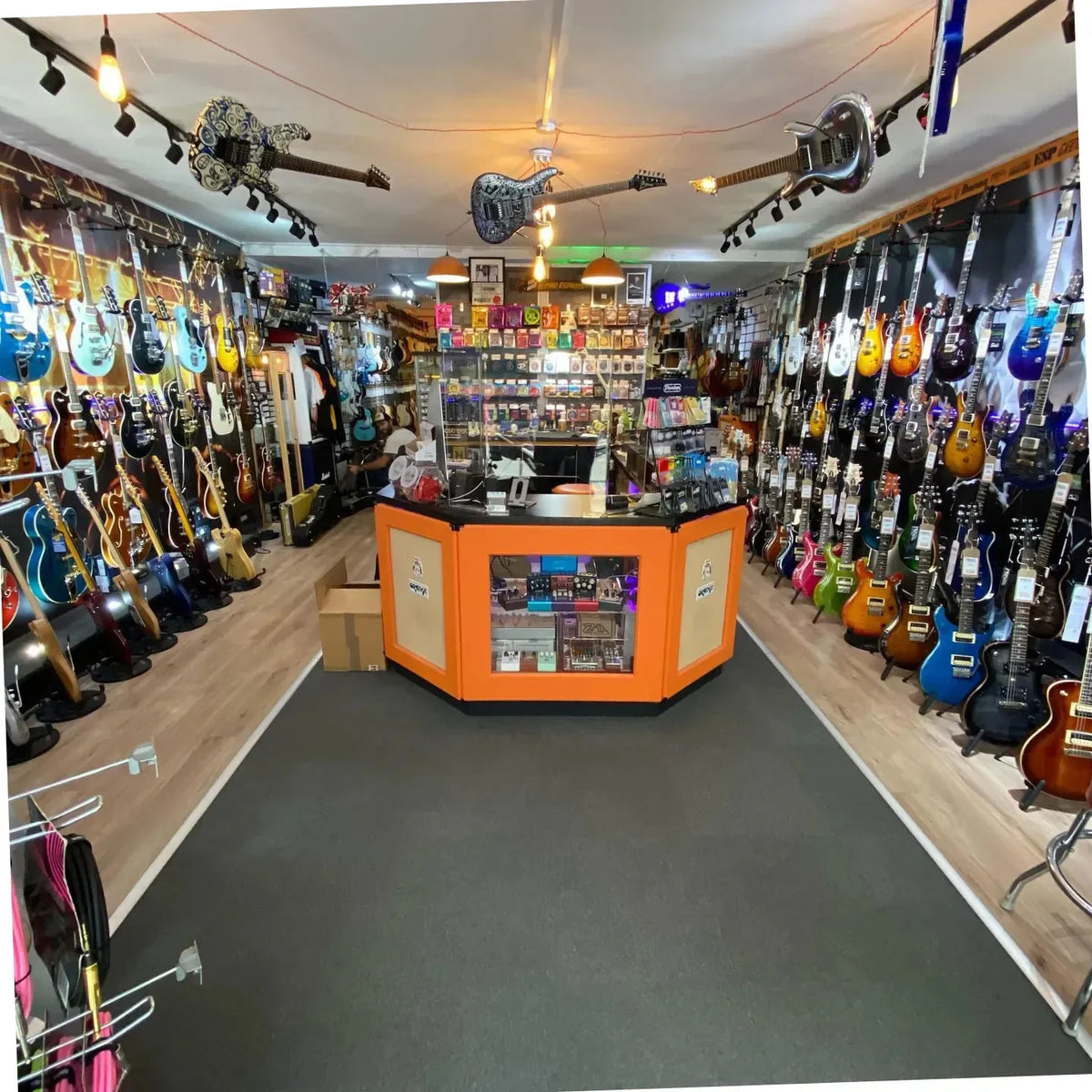
Musicstreet stocks new and pre-owned guitars across electric, acoustic and bass categories, with every instrument professionally inspected and set up before it reaches you. The physical store in Huntingdon, Cambridgeshire is open for in-store tryouts, so you can play before you buy rather than relying on photographs and descriptions.

Current stock includes pre-owned pieces such as the used Gretsch G5422G-12 12-string electric guitar and the used Ibanez GSR200 bass, alongside new instruments including the Yamaha FGC-TA TransAcoustic Electro Acoustic Cutaway in Vintage Tint and the Yamaha FGX5 Acoustic Guitar. For players who want to maintain their instrument between setups, the CruzTools Groovetech Guitar Player Tech Kit is a practical addition. Browse the full range or contact Musicstreet directly at musicstreet.co.uk to arrange a viewing or request an inspection report on a specific instrument.
Useful sources
Further reading for UK buyers researching boutique instruments and builder provenance:
-
What you’re really paying for in a boutique guitar — Lewis Parker Guitars: a builder’s explanation of where the cost actually goes
-
Custom shop vs boutique builder vs partscaster — JTAL Guitars blog: clear breakdown of the three categories and what each delivers
-
Boutique electric guitar buying guide — Scarlett Guitars: buyer motivations and what to look for
-
Fidelity Guitars: Cambridge-based UK builder with bespoke and small-batch models
-
Gordon Smith Guitars: one of the UK’s longest-established independent electric guitar makers
-
PJD Guitars: Bedford-based boutique builder with custom-order availability
-
Peak Guitars: UK builder offering small-batch and bespoke instruments
When contacting any builder, request build notes, workshop photos and a setup sheet. A builder who cannot or will not provide these is one worth approaching cautiously.
FAQ
What is a boutique guitar, and how does it differ from a custom shop?
A boutique guitar is built in small batches or as a one-off by a named luthier with hands-on involvement at every stage. A major-brand custom shop produces higher-spec instruments within a large organisation, typically at a higher price point and with less direct builder access.
How much should I expect to pay for a boutique guitar in the UK?
UK boutique builders typically price professional-grade instruments between £1,200 and £3,500. Major-brand custom-shop guitars generally start nearer £3,500 and can exceed £7,000.
How long does a custom boutique guitar build take?
Most UK builders work to a timeline of three to nine months for a custom order, depending on their current workload and the complexity of the specification. Allow additional time for the instrument to acclimatise after delivery before requesting a final setup adjustment.
Can I try a boutique guitar before buying in the UK?
Yes, through a specialist retailer such as Musicstreet in Huntingdon, Cambridgeshire, which offers in-store tryouts on stocked instruments. Some UK builders also welcome workshop visits by appointment.
Is a pre-owned boutique guitar a good option?
A pre-owned boutique guitar bought through a specialist who has inspected and set it up is often excellent value. The critical factors are a documented inspection, a clear returns policy, and a seller who can provide the instrument’s history.

Share:
Best guitar amps 2025: top picks for every player
5-string bass guitar scales: essential fretboard patterns