


Epiphone vs Gibson: Which guitar is right for you?

Deciding between Epiphone and Gibson can feel overwhelming whether you’re just starting out or you’ve been playing for years. Both names are pillars of the guitar world, but they bring different strengths to the table. In this guide we’ll compare construction, tone and overall value, and give practical tips on maintenance and buying used instruments. By the end, you’ll have a clearer idea of which instrument suits your playing style, budget and preferences.
Where Epiphone was once widely viewed as the budget alternative to Gibson, modern models have carved out their own reputation — often delivering strong value and their own character.
Epiphone vs. Gibson: Brand Comparison & Perception
"A new Epiphone was anything but a poor man's Gibson. A dealer or customer trying to compare an Epiphone to an equivalent Gibson..."
The Epiphone Guitar Book: A Complete History of Epiphone Guitars, 2012
Build Quality — How Do They Actually Compare?
Tonewoods and Body Construction
Gibson Les Paul guitars typically feature a solid mahogany body topped with a carved maple cap, which contributes to their rich, warm tone and sustain. This combination of tonewoods is a hallmark of Gibson’s design, providing a balance of warmth from the mahogany and brightness from the maple. In contrast, Epiphone Les Paul models also use mahogany bodies but often substitute the carved maple top with a thinner maple veneer rather than a full carved cap. This difference affects the resonance and tonal complexity, with the Epiphone generally sounding a bit less vibrant and dynamic.
Another key distinction lies in the neck joint construction. Gibson frequently employs hide glue for the neck joints on many of their models, a traditional adhesive known for enhancing resonance and sustain by creating a tight, natural bond between the neck and body. Epiphone, on the other hand, uses standard modern adhesives, which are effective but do not contribute the same acoustic benefits as hide glue. This subtle difference can influence the overall tonal response and feel of the instrument.
Hardware and Electronics
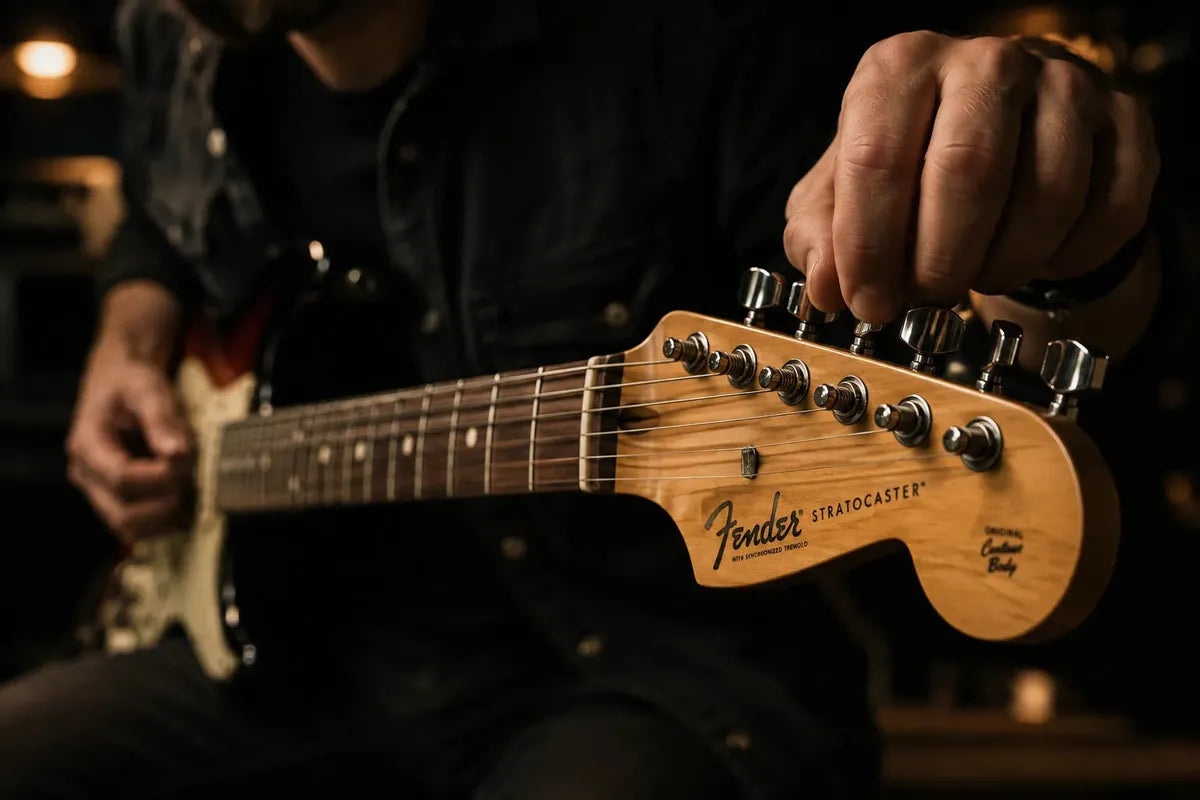
When it comes to hardware, Gibson Les Pauls are equipped with premium components designed for reliability and performance. Their tuners are typically Grover or Kluson-style machines, known for their tight grip and smooth tuning stability, which many players appreciate for live and studio settings. Epiphone guitars usually come with lower-spec die-cast tuners that are functional but less precise, leading many players to upgrade these parts for better tuning reliability.
The bridge hardware also differs: Gibson uses the Nashville Tune-o-Matic bridge with brass saddles, which offers enhanced sustain and tonal clarity. Epiphone’s LockTone Tune-o-Matic bridge is a solid design and provides good functionality, but it is generally considered less refined in terms of tonal transfer and adjustability.
Regarding nut materials, Gibson models often feature Tusq or bone nuts, which contribute to improved tone and tuning stability. Epiphone typically uses plastic nuts, which are more economical but can negatively impact sustain and tuning consistency.
Pickup-wise, Gibson installs USA-made humbuckers such as the Burstbucker or 490R/498T sets, which are wound to tighter tolerances for consistent output and tonal quality. Epiphone’s pickups, like the Alnico Classic Pro or ProBucker series, are decent for their price point but tend to have lower output consistency and a less nuanced tonal response compared to their Gibson counterparts.
Fit, Finish and Quality Control
Gibson’s guitars are crafted in their Nashville factory, where stricter quality control measures are applied. This includes individual fret leveling and a thorough setup process before the instrument leaves the factory, ensuring optimal playability and minimizing the need for immediate adjustments. The finish on Gibson guitars is typically more refined, with attention to detail in binding, inlays, and overall aesthetics.
Epiphone’s manufacturing has improved significantly since 2020, with their Chinese factories producing better quality instruments than in the past. However, occasional issues such as high frets, sharp fret ends, or minor finish imperfections are still reported by some players. Both Gibson and Epiphone guitars benefit from a professional setup after purchase to tailor the instrument to the player’s preferences and to address any minor factory inconsistencies.
Price — Is a Gibson Worth the Extra Cost?
What You Get at the Epiphone Price Point (£300–£600)
In this price range, you get a solidly built instrument that is genuinely gig-worthy. Epiphone's manufacturing has improved considerably in recent years, and the gap between Epiphone and Gibson has narrowed at entry level. These guitars offer good playability, decent hardware, and respectable tone for the money, making them excellent choices for beginners and intermediate players who want a reliable instrument without breaking the bank.
Best Epiphone Models to Consider
- Epiphone Les Paul Standard 50s (£449) — The closest Epiphone gets to the classic Gibson Les Paul experience. It features a bound body, ProBucker humbuckers, and a proper chunky 50s neck profile. This model offers outstanding value for players seeking that vintage vibe and solid performance.
- Epiphone Les Paul Standard 60s (£479) — With a slimmer SlimTaper neck designed for faster playing, this model is ideal for rock and lead work. It is available in a range of classic finishes, providing both style and comfort for players who prefer a more modern neck feel.
- Epiphone Les Paul Custom (£579) — This model boasts multi-ply binding, gold hardware, and a premium look. It is a visual upgrade that also plays exceptionally well for the price, making it a great choice for those who want a more luxurious appearance without the Gibson price tag.
What You Get at the Gibson Price Point (£1,500–£3,000+)
Gibson prices reflect USA manufacturing, tighter quality control, premium tonewoods, and the brand heritage that holds its resale value better than almost any other guitar. A Gibson Les Paul is also a long-term investment — well-kept examples rarely lose value. These guitars offer superior craftsmanship, refined electronics, and a richer tonal palette, making them the preferred choice for professional musicians and serious enthusiasts.
Best Gibson Models to Consider
- Gibson Les Paul Standard 50s (£2,299) — The benchmark model featuring Burstbucker 1 and 2 pickups, a hide glue neck joint, and a weight-relieved mahogany body. This guitar defined rock music and remains a top choice for players seeking classic tone and feel.
- Gibson Les Paul Standard 60s (£2,299) — Offering a slimmer asymmetric neck profile and Burstbucker 61R/61T pickups, this model is a touch brighter and faster-feeling than the 50s version, appealing to players who want a more modern playing experience with vintage roots.
- Gibson Les Paul Classic (£1,999) — A more affordable entry into the Gibson range without sacrificing USA build quality. It features 490R/498T pickups and a slim-taper neck, making it a versatile and reliable instrument for a wide range of styles.
Guitar Setup and Maintenance Tips

Keeping your guitar set up and cared for makes it more enjoyable to play and helps it last longer. Small, regular habits prevent bigger problems down the line. Start with these essentials:
- Regular Cleaning: Wipe down the body, neck and strings after playing to remove sweat and oils that can harm the finish and hardware.
- String Changes: Replace strings on a schedule that matches how much you play — fresh strings restore tone and improve feel.
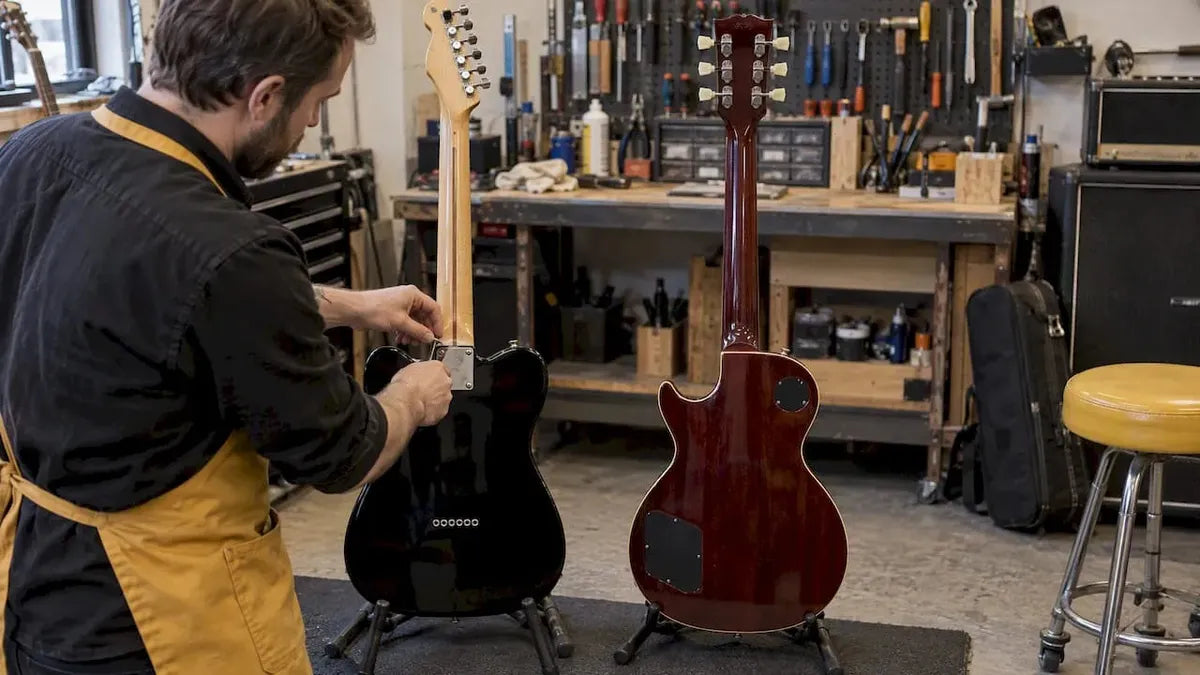
- Setup Adjustments: A professional setup to dial in action, intonation and neck relief will vastly improve playability and tuning stability.
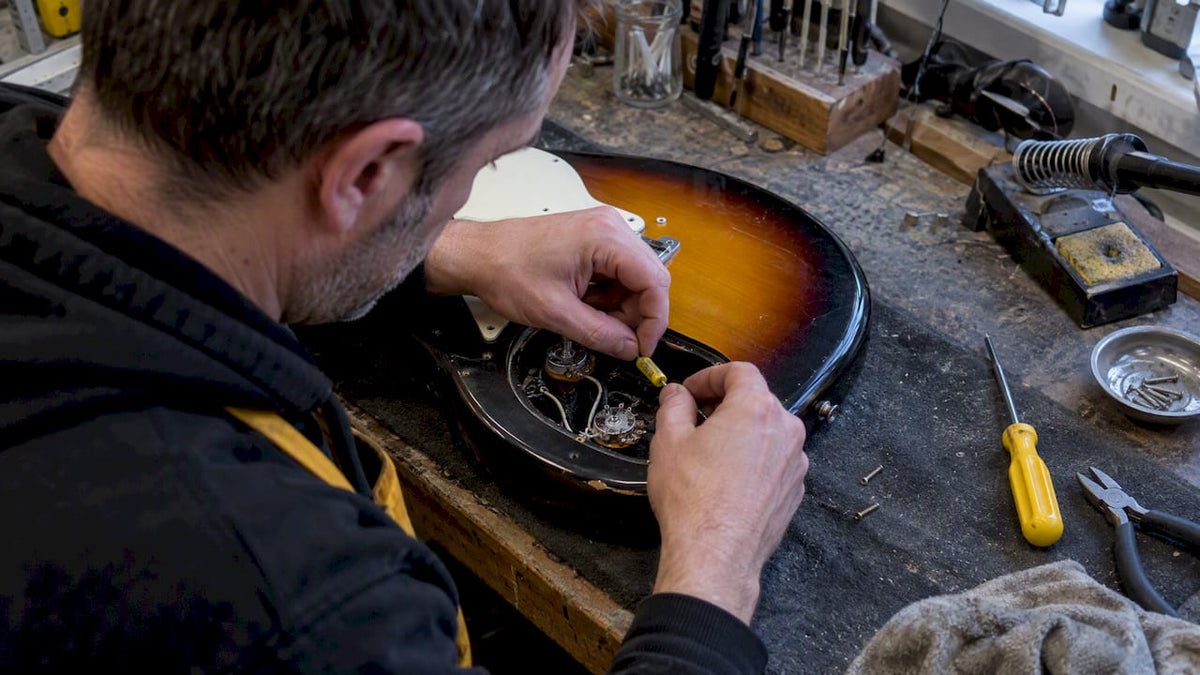
If you’d prefer expert help, MusicStreet offers professional setup services to get your guitar playing its best.
Used and Pre-owned Guitar Buying Guide

Buying used is a great way to find quality instruments for less, but it pays to know what to check before you buy. These checks help you avoid costly surprises and get the best value.
- Condition Assessment: Look for visible damage like deep scratches, cracks or heavy fret wear. Cosmetic blemishes are often harmless, but structural issues are a deal-breaker.
- Playability Check: Play the guitar across the fretboard to test tuning stability, fret buzz and action. Make sure it feels comfortable and sounds right for your style.
- Part Exchange Programme: MusicStreet runs a part exchange programme, so you can trade in your old instrument for credit toward something new or pre-owned.
Follow these tips and you’ll stand a much better chance of finding a used guitar that suits your needs, sounds great and represents good value for money.
Epiphone vs Gibson FAQs
Is Epiphone owned by Gibson?
Yes — Gibson acquired Epiphone in 1957, primarily to gain access to Epiphone's double bass and upright bass business. Today, Epiphone operates as Gibson's dedicated affordable guitar line, producing instruments in their Qingdao, China factory. The two brands share design DNA but are manufactured to different specifications and price points, allowing Gibson to offer a range of guitars that cater to different budgets and player needs.
Is Epiphone good quality?
Epiphone has improved significantly in recent years and the current Standard and Custom ranges represent genuine value for money. For players on a budget of £300–£600, a well set-up Epiphone Les Paul is a highly capable instrument that will serve you through years of practice and gigging. To get the best performance, it’s advisable to have a professional setup from a guitar technician — something Music Street can provide — which will unlock the full potential of any Epiphone straight out of the box.
Which is better for a beginner — Epiphone or Gibson?
For most beginners, an Epiphone is the smarter choice. You get a guitar that looks, feels, and broadly sounds like a Les Paul at a fraction of the cost, leaving budget for an amplifier, case, lessons, and accessories. While a Gibson is a rewarding long-term instrument, there is little reason to spend £2,000+ before you have developed your technique and know exactly what you want from a guitar. Starting with an Epiphone allows you to learn and grow without a heavy financial commitment.
Can an Epiphone Les Paul sound like a Gibson Les Paul?
In a live or band mix, the difference is much smaller than you might expect — especially once both guitars are going through an amplifier and effects. The core character is similar: warm, thick, and sustain-heavy. Upgrading the pickups on an Epiphone, for example by fitting Gibson Burstbuckers or similar high-quality pickups, can close the tonal gap further. However, you will still be playing a guitar with slightly different resonance and hardware, so while the sound can approach Gibson quality, the feel and subtle tonal nuances will remain distinct.
Where can I try Epiphone and Gibson guitars near Cambridge?
Music Street in Huntingdon, Cambridgeshire stocks a range of Epiphone and Gibson guitars and is easily accessible from Cambridge, Peterborough, St Ives, and St Neots — just off the A14. You are welcome to visit the showroom, play the guitars back to back, and get honest advice from staff who play themselves. It’s a great opportunity to compare models in person and find the right guitar for your needs. Call ahead on 01480 431222 or visit musicstreet.co.uk to check current stock and availability.
browse Gibson SG collection


Share:
Master volume explained: guitarists' guide to tone
Acoustic Guitars — Buy Acoustic Guitar UK | Music Street