

Table of Contents
- What Makes a Good Guitar Dealer
- Best Guitar Shops for Beginners: What to Expect
- Professional Guitar Setup Services: Why They Matter
- Buying Pre-Owned Electric Guitars: What You Need to Know
- Online vs In-Store: Choosing Your Guitar Dealer
- The Value of Specialist Retailers in Today's Market
- Frequently Asked Questions
Last Updated: September 19, 2026
Finding the right guitar dealer makes all the difference between a frustrating first purchase and an instrument that truly inspires your playing. Whether you're a complete beginner picking up a guitar for the first time or an experienced musician hunting for a rare vintage model, choosing amongst guitar dealers in the UK that understand your needs is essential. The market is shifting, experienced players are investing in higher-quality instruments, whilst retailers across the sector are adapting to meet changing demands. According to Data Bridge Market Research's 2026 market analysis, the guitar market is projected to grow at 5.17% annually through 2032, reflecting strong demand across all skill levels.
At MusicStreet, we've spent over a decade helping musicians find instruments that match their ambitions. This guide breaks down what separates a truly excellent guitar dealer from one that merely sells instruments off the shelf.
What Makes a Good Guitar Dealer
The best guitar dealers share a fundamental philosophy: they treat every customer as someone whose musical journey matters.
A quality guitar dealer does three things exceptionally well. First, they stock instruments that have been properly set up and are ready to play out of the box. Second, they employ staff with genuine playing experience who can guide you toward an instrument that suits your style and budget. Third, they stand behind their products with after-sales support, repair services, adjustments, and ongoing advice.
Most high-street retailers treat guitars as commodity products. They stock what distributors send them, price competitively, and hope customers know what they're buying. The best dealers invert this model entirely. They curate their inventory based on what their customers actually need, set up every instrument to professional standards, and invest time in understanding your playing style before making a recommendation.
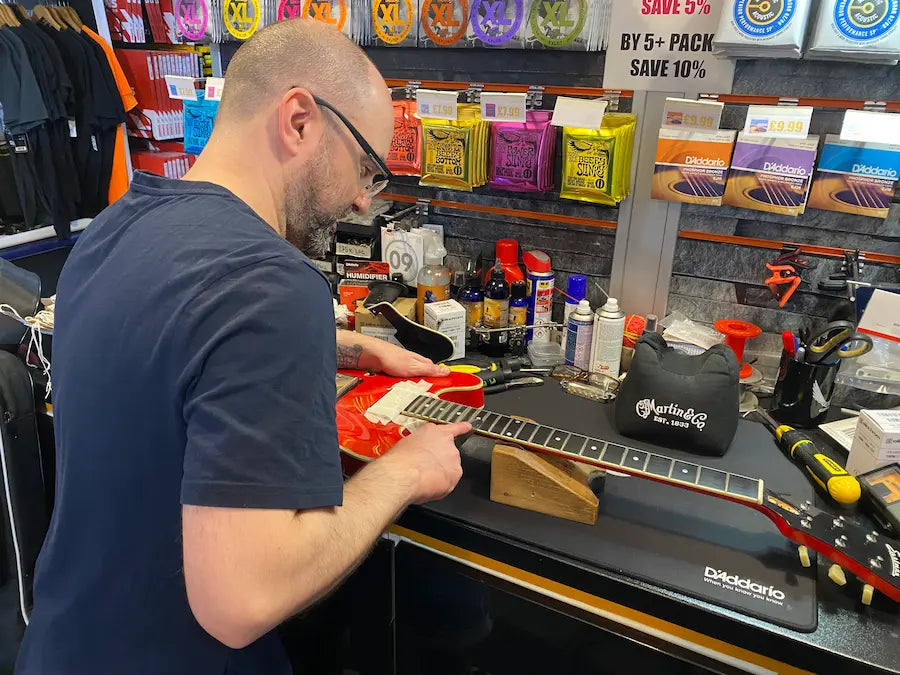
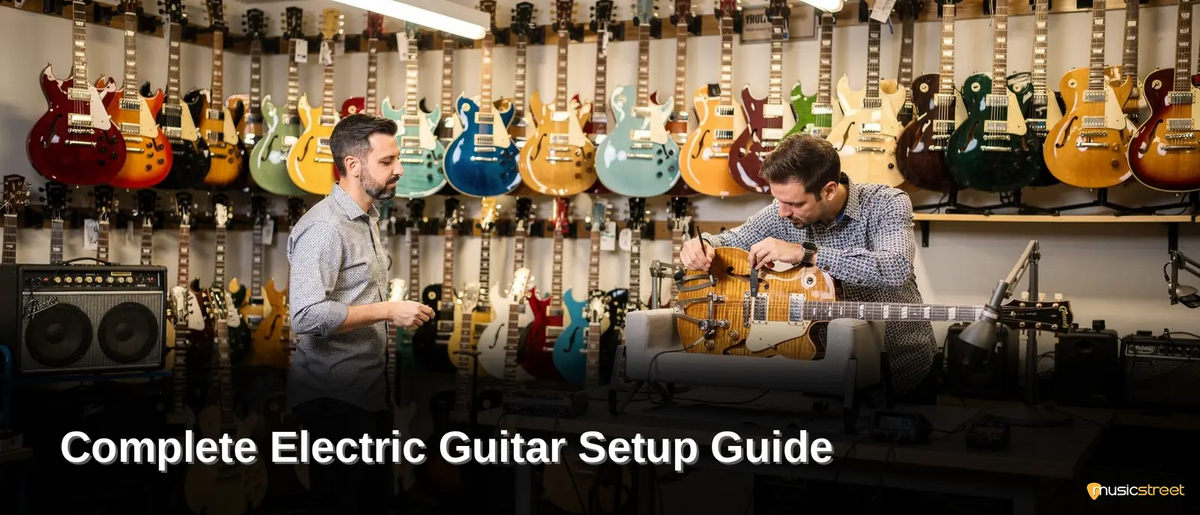
Look for dealers who offer in-house repair and setup services. This signals that they understand guitars deeply and aren't simply moving stock. A dealer with a workshop is telling you they care about the long-term playability of what they sell.
Best Guitar Shops for Beginners: What to Expect
Starting your musical journey with the wrong instrument or the wrong advice can derail your progress before you've really begun.
Beginners need something different from seasoned players. You need an instrument that's easy to play, sounds good enough to keep you motivated, and won't punish you for technique mistakes that will naturally happen early on.
A dealer catering to beginners should ask you questions before showing you instruments. How much are you willing to spend? What style of music interests you? Have you held a guitar before? Do you prefer a lighter or heavier feel? These conversations matter because they narrow the field dramatically. A beginner needs guidance, not a showroom full of options.
The best beginner-focused dealers also offer patient after-sales support. You'll likely need help adjusting your setup as your playing improves. A good dealer anticipates this and makes themselves available for quick adjustments without charging you for every minor tweak.
| What Beginners Need | Why It Matters | Red Flag |
|---|---|---|
| Easy playability | Low string action reduces finger fatigue | High action discourages practice |
| Clear tone | Motivates continued playing | Dull or buzzy sound kills enthusiasm |
| Honest guidance | Prevents overspending on features you won't use | Pushing premium models you don't need |
| Accessible support | Keeps you playing through early frustrations | Unavailable after the sale |
Professional Guitar Setup Services: Why They Matter
The difference between a guitar that plays beautifully and one that fights you is often just a few millimetres of adjustment.
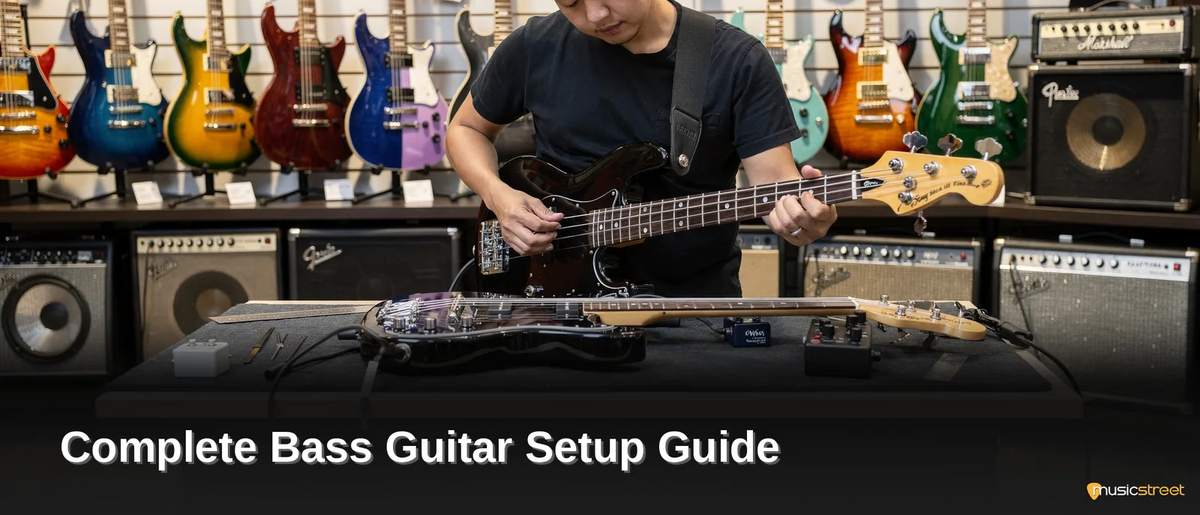
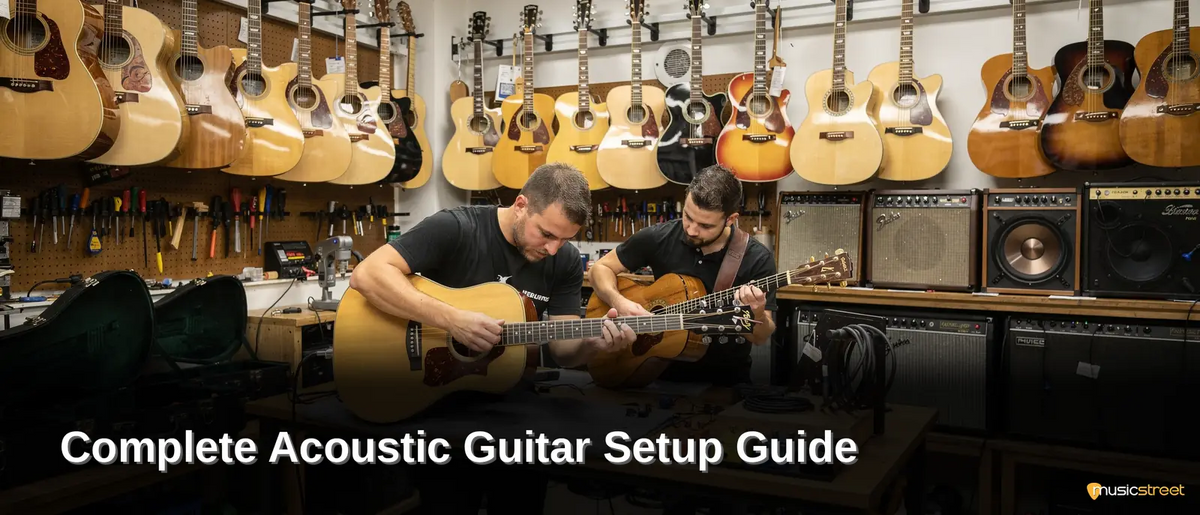
Setup is the art and science of optimising how an instrument plays. It involves adjusting the neck relief, bridge height, nut slots, and intonation to match your playing style and the strings you've chosen. A properly set-up guitar feels effortless under your fingers. A poorly set-up guitar, even an expensive one, feels like fighting against the instrument itself.
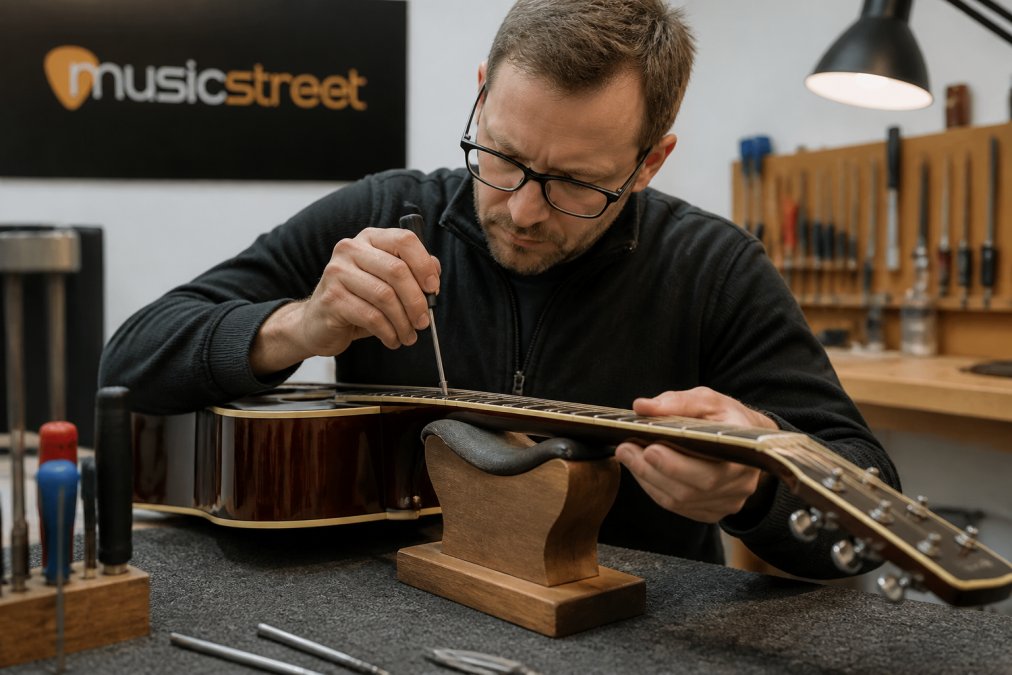
Most online retailers ship guitars that haven't been set up to individual specifications. They arrive playable in a generic sense, but not optimised for you. This is where specialist dealers create genuine value. They set up instruments in-house to your exact preferences before you take them home.
Professional setup costs vary widely, so it's worth asking your dealer for a quote on specific work.
The relationship between setup and playability is so significant that many experienced musicians will pay more for an instrument that's been expertly set up than for an unset-up version of the same model. It's one of the clearest ways a specialist dealer justifies their pricing.
Buying Pre-Owned Electric Guitars: What You Need to Know
The pre-owned market offers exceptional value, but it requires more care and knowledge than buying new.
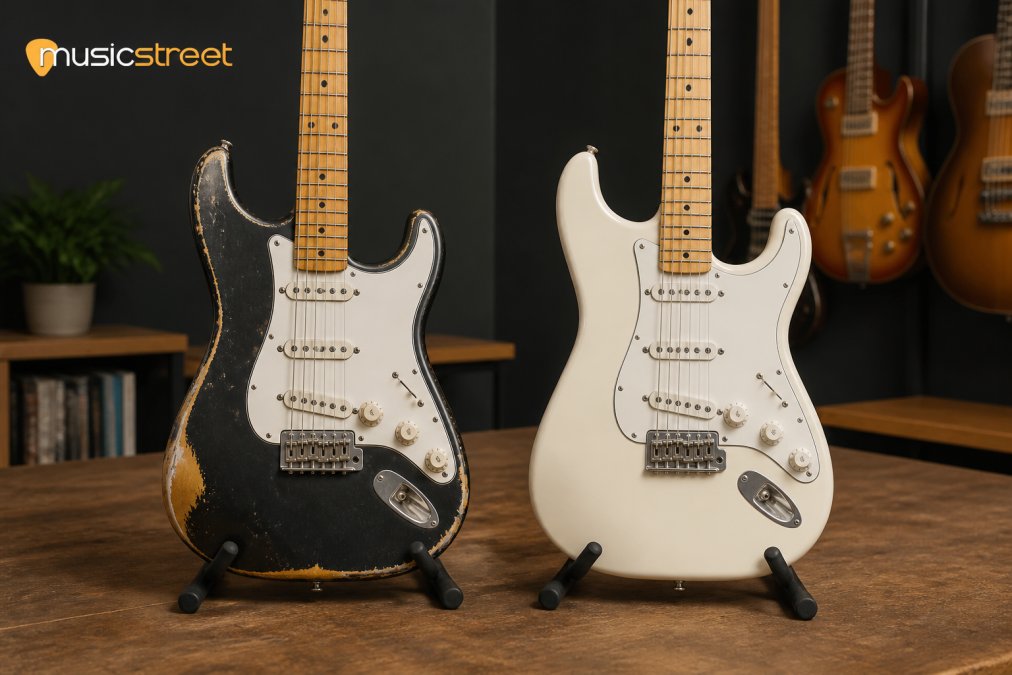
Pre-owned guitars appeal to players for good reason. You can find vintage instruments with character and tone that new guitars can't replicate. You can access models no longer in production. And you can often save 20-40% compared to new pricing. However, you're also inheriting the instrument's history, any wear, damage, or setup issues that previous owners accumulated.
The vintage guitar market is particularly active right now. According to Vintage Guitar World's 2026 market analysis, rare vintage models are seeing value increases of up to 18%, with the broader vintage market experiencing price increases of 8-12% compared to 2025. This makes vintage guitars both an investment and a musical instrument.
When buying pre-owned, inspect the instrument thoroughly. Check for cracks in the body, fret wear, tuning stability, and electronics function. Ask the dealer about the guitar's history if they know it. Request detailed photos from multiple angles. If you're buying online, confirm the dealer's return policy in case the instrument doesn't match the listing.
Reputable dealers selling pre-owned gear will disclose known issues and price accordingly. If a guitar has a hairline crack, a professional dealer tells you upfront and adjusts the price. They don't hide it hoping you won't notice.
Online vs In-Store: Choosing Your Guitar Dealer
Both models work, but they serve different needs and carry different risks.
Online guitar dealers in the UK offer convenience, wider selection, and often competitive pricing. You can browse at your own pace, compare specifications across multiple retailers, and have instruments delivered to your door. The downside is you can't play before you buy. You're relying entirely on the dealer's description, photos, and setup standards.
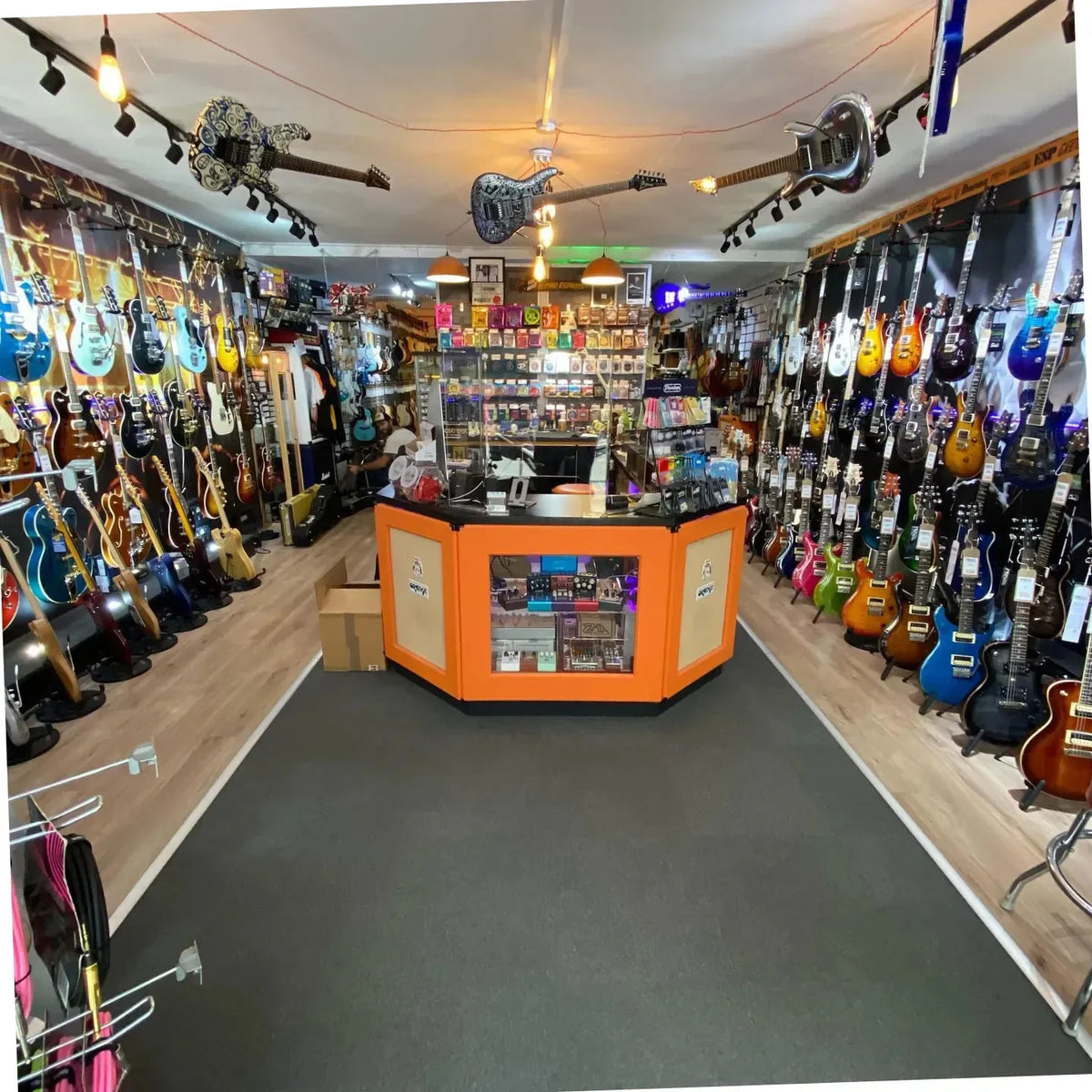
In-store shopping lets you play multiple instruments back-to-back and feel how they respond to your touch. You get immediate feedback from experienced staff. You can walk out with your guitar the same day. The trade-off is limited selection, most shops can't stock 500 guitars the way online retailers can.
The honest answer is that the best dealers now operate both channels. They maintain a physical space where customers can play and get advice, whilst also shipping to customers nationwide. This hybrid model combines the tactile experience of in-store shopping with the selection and convenience of online retail.
If you're buying online, prioritise dealers who offer free returns or a trial period. Some specialist dealers will ship you a guitar with the understanding that you can send it back within 14 days if it doesn't suit you. This removes much of the risk from remote purchasing.
The Value of Specialist Retailers in Today's Market
Specialist retailers are under genuine pressure. Larger chains and online mega-retailers undercut them on price. Direct-to-consumer sales by major brands bypass them entirely. Yet specialist dealers persist because they offer something mass-market retailers fundamentally cannot: genuine expertise paired with personal accountability.
The market is shifting toward higher-value instruments driven by experienced players, according to BassChat's 2026 market health check. Meanwhile, low and mid-priced gear is moving steadily through larger retailers. This creates a natural division: specialists focus on players who value quality and expertise, whilst volume retailers focus on price-conscious buyers.
Specialist dealers survive because they solve a real problem. They help you avoid expensive mistakes. They set up instruments to your specifications. They remember you and your preferences. They take back your old gear at fair prices when you upgrade. These services have genuine value, and they justify slightly higher pricing than you'd find at a big-box retailer.
The consolidation in retail has actually strengthened the remaining specialists. Players who've had poor experiences with impersonal large retailers are seeking out dealers they can trust. This trend favours independent shops with strong reputations and genuine expertise.
Finding the right guitar dealer isn't just about price or convenience, it's about partnering with someone who understands your musical ambitions and helps you achieve them.
Frequently Asked Questions
What should I look for when choosing a guitar dealer?
Look for dealers who offer professional setup services, stock instruments from reputable brands, and provide expert advice tailored to your skill level. A good guitar dealer should inspect and adjust instruments before sale, have clear return policies, and be willing to answer questions about playability and specifications. Family-run specialists often provide more personalised attention than large chains, though both can offer value depending on your needs.
Do professional guitar setup services really make a difference?
Yes, significantly. A properly set-up guitar plays noticeably better, with lower action, better intonation, and improved comfort. Many instruments arrive from manufacturers requiring adjustment. Professional setup by experienced technicians ensures your guitar is optimised for playability straight out of the box, which is especially important for beginners learning to play.
Is buying pre-owned electric guitars a safe choice?
It can be, provided you buy from reputable dealers who inspect and guarantee their stock. Pre-owned guitars often represent better value, and experienced dealers will disclose any wear or previous repairs. Always ask about the instrument's history, request photos or videos if buying online, and check return policies. Specialist retailers typically stand behind their pre-owned inventory with warranties or guarantees.
Why should beginners visit specialist guitar shops rather than large retailers?
Specialist shops employ staff who play guitars and understand beginner needs intimately. They curate stock carefully, offer hands-on advice about which instruments suit different playing styles, and provide setup services to ensure your first guitar plays well. This personalised approach reduces the risk of buying an unsuitable instrument and often results in better long-term satisfaction than browsing a massive inventory alone.

Share:
Top Electric Guitar Brands — Your Guide