

Table of Contents
- New vs Used Guitars: The Key Differences at a Glance
- Why Buying a Used Guitar Can Be Worth It
- The Risks of Buying a Used Guitar
- How to Inspect a Used Guitar Before You Buy
- Understanding Used Guitar Setup Cost and Maintenance
- Best Guitar Brands to Look for in the Used Market
- Where to Buy a Used Guitar Safely
- Conclusion: Making the Right Choice for Your Playing
- Frequently Asked Questions
Last Updated: September 17, 2026
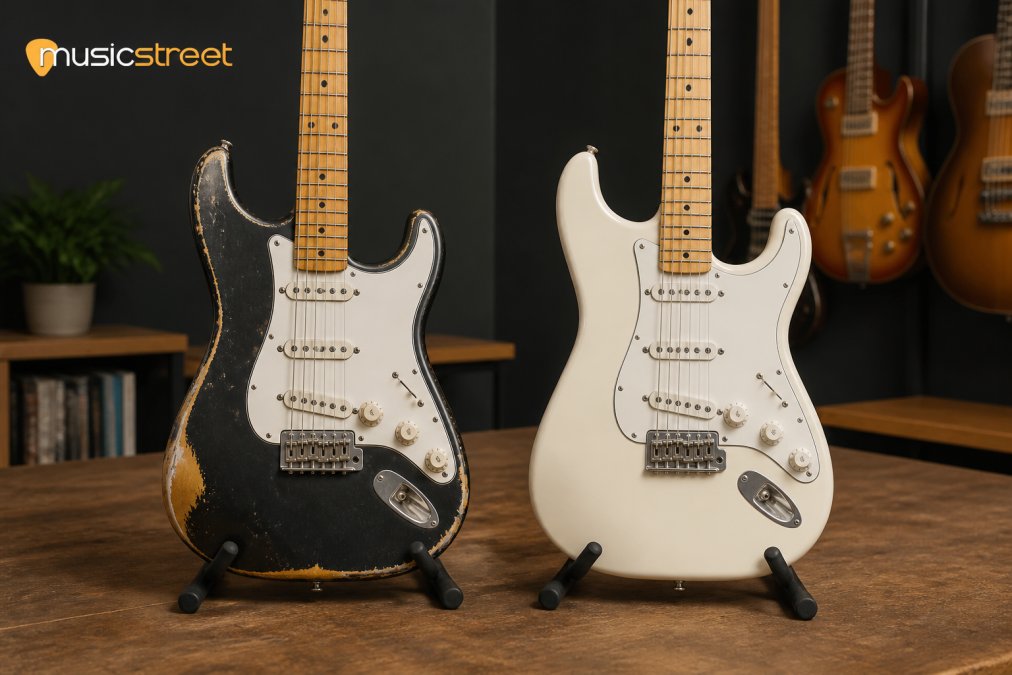
New vs Used Guitars: The Key Differences at a Glance
Is buying a used guitar worth it? For most players, yes: second-hand guitars can save you up to 60% compared to brand-new models, according to MusicStreet's second-hand vs new comparison, and the market keeps growing. At MusicStreet, we have watched this shift closely from our own workshop, where pre-owned instruments arrive for inspection every week.
The trade-off is risk. New guitars come with warranties and return windows; used ones often come with neither.
Factor |
New Guitar |
Used Guitar |
|---|---|---|
Price |
Full retail |
Potentially lower |
Warranty |
Manufacturer-backed |
Rarely included |
Condition |
Factory fresh |
Varies by seller |
Selection |
Current models |
Vintage and discontinued |
Setup |
Often needed anyway |
Depends on seller |
Why Buying a Used Guitar Can Be Worth It
The case for pre-owned rests on two pillars: money saved and instruments you simply cannot buy new.
The Financial Argument for Pre-Owned
Savings are the obvious draw, but the market has shifted. According to Reverb's 2025 price index analysis, used electric guitar prices have settled to roughly 10% below pandemic-era peaks. That correction means buyers are no longer competing against inflated bubble pricing, making buying a used guitar genuinely good value again.
Access to Professional and Vintage Models
A well-maintained professional instrument will consistently outplay and outlast a student-level new model, as Creek Don't Rise's comparative analysis found. That is the real argument for pre-owned: the same budget buys a better-built guitar.
The Risks of Buying a Used Guitar
Risk is manageable, but only if you know where it hides.
Hidden Defects and the 'Lemon' Factor
Some instruments are sold precisely because something is wrong with them. A warped neck, worn frets, or a failing truss rod may not surface in a five-minute play test. Unlike new purchases, private sales rarely offer returns.
Warranty and Return Policy Limitations
Manufacturer warranties almost never transfer to second owners. Some private sellers also hold onto inflated pandemic-era pricing, which can make a used listing worse value than a new alternative. A specialist retailer that inspects and sets up stock removes most of this risk.
How to Inspect a Used Guitar Before You Buy
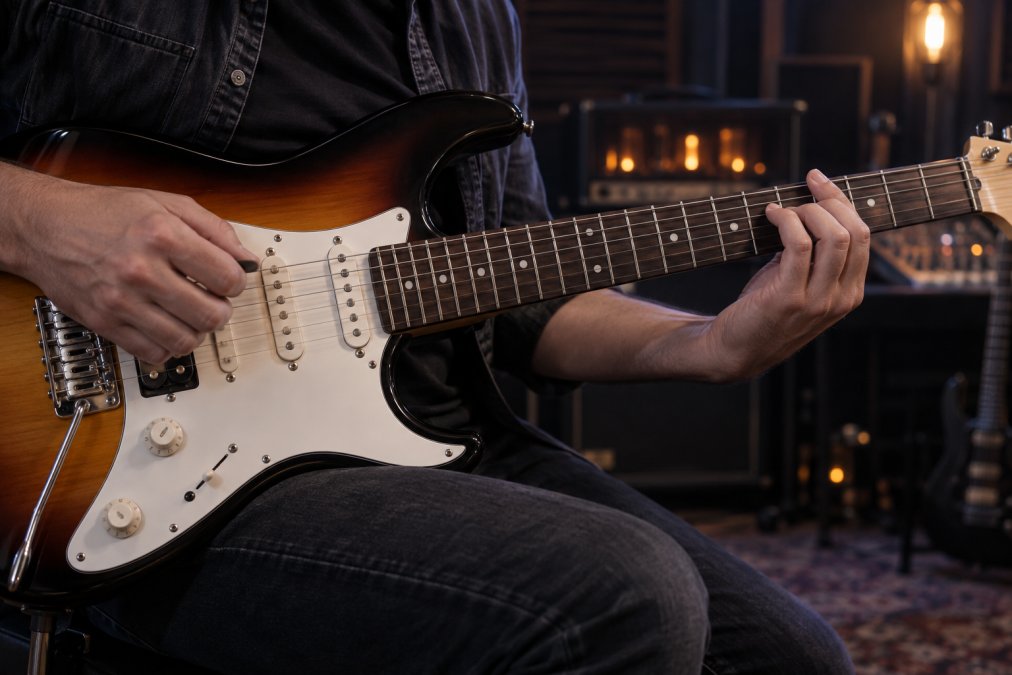
Inspection is where most buyers lose money. Work through these checks in order, ideally in person:
- Play every fret on every string, listening for buzz or dead notes
- Sight down the neck from the headstock for twists or bowing
- Check fret wear, especially under the first three frets
- Test the truss rod turns freely, with the right tool
- Look for cracks around the headstock joint and bridge
- Confirm the electronics work across all pickup positions
- Ask about repair history and original parts
If you cannot inspect in person, buy from a seller who has already done this work for you.
Understanding Used Guitar Setup Cost and Maintenance
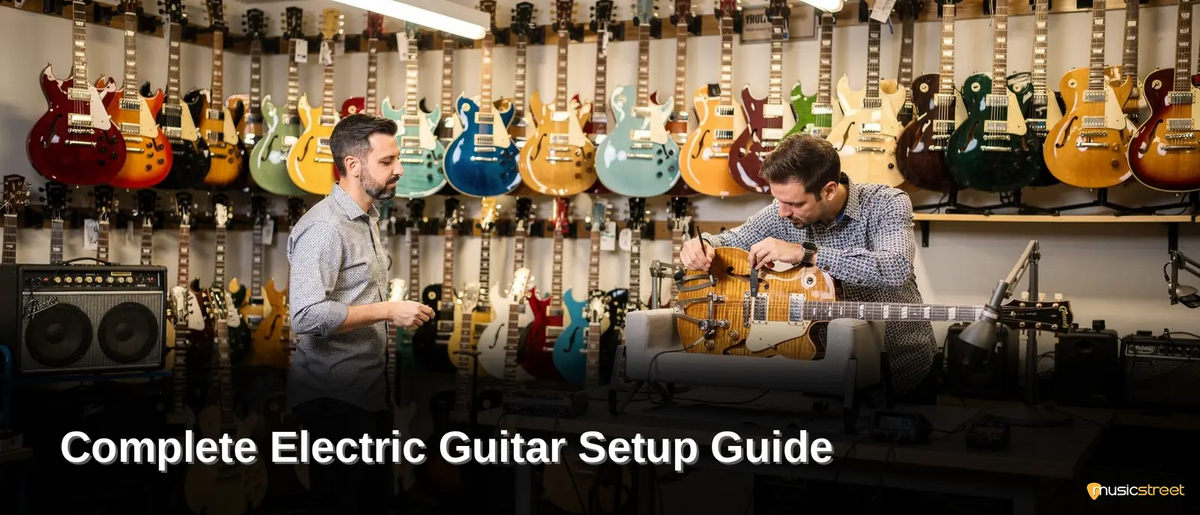
Budget for a professional setup on any used purchase. Used guitar setup cost varies with the work needed, so treat it as part of the purchase price rather than an afterthought. A basic setup covers action height, intonation, and neck relief; fret levelling or a nut replacement costs more.
This is where a specialist retailer earns its margin. MusicStreet's in-house workshop sets up every pre-owned instrument before it ships, so it arrives ready to play.
Best Guitar Brands to Look for in the Used Market
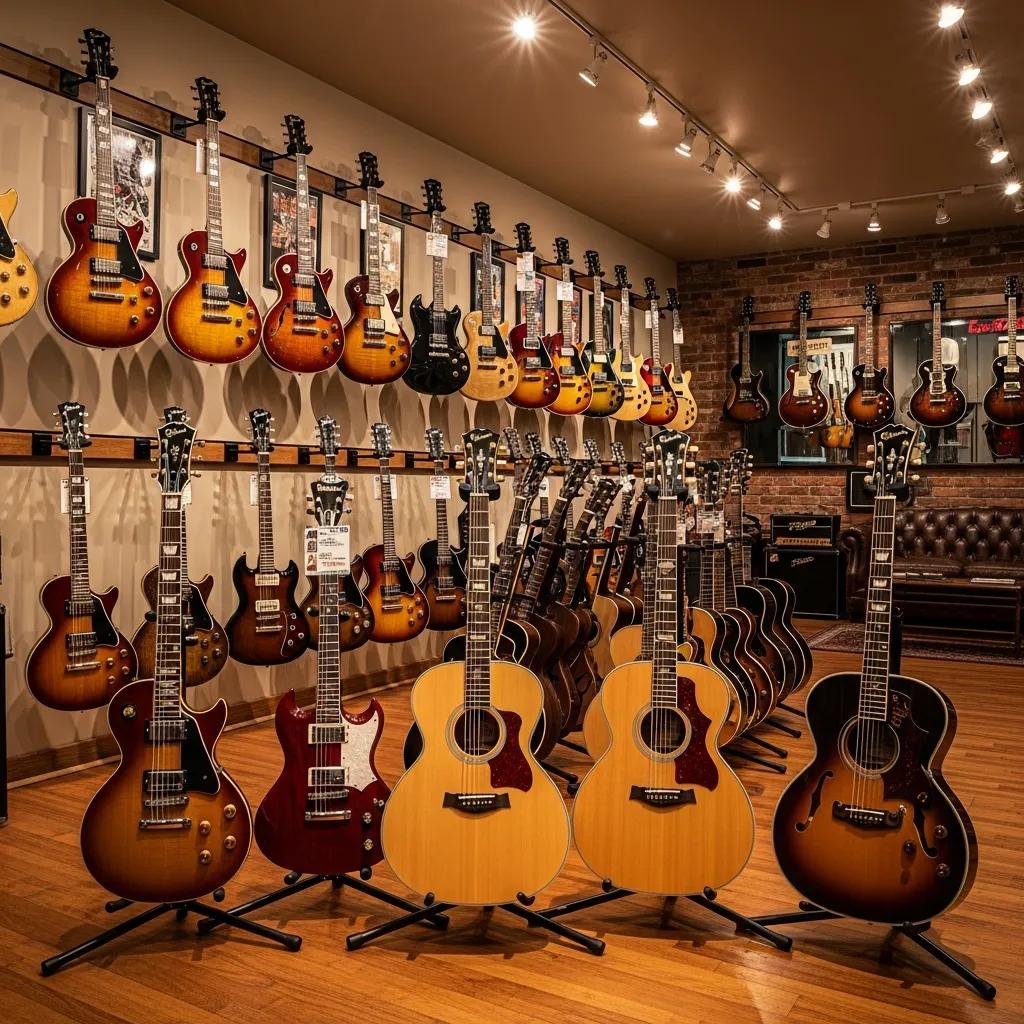
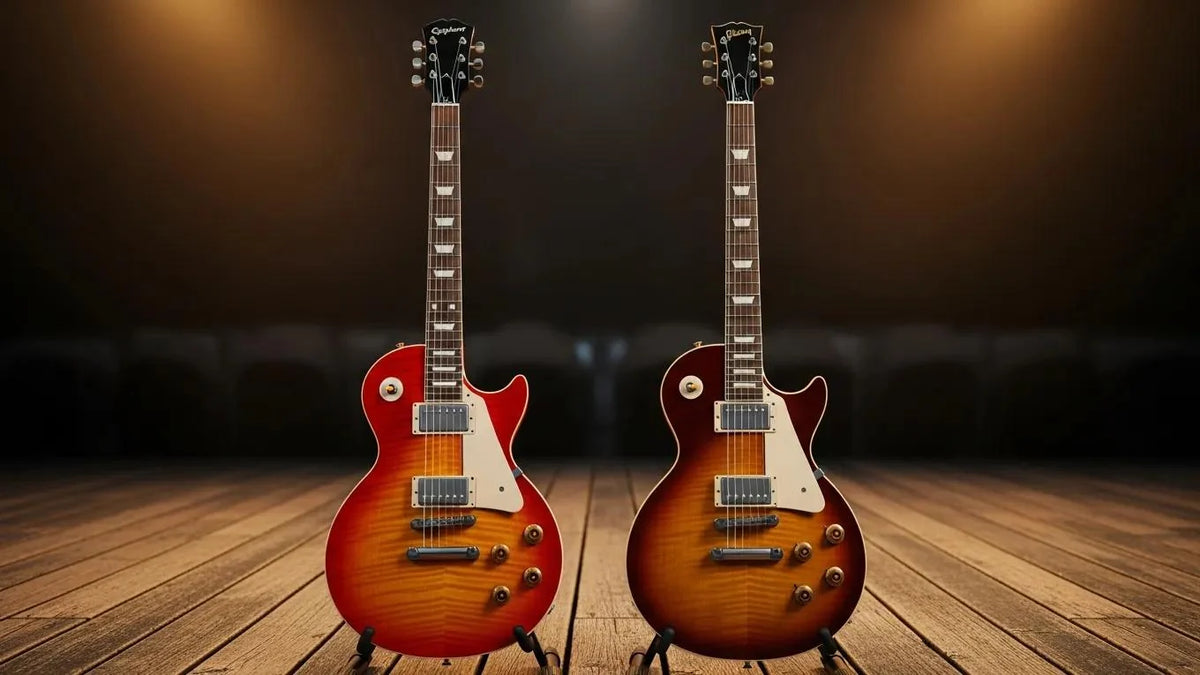
The best guitar brands hold their value and remain serviceable decades later, which makes them safer used purchases. Fender, Gibson, PRS, and Yamaha all have deep parts availability and long production histories. Duesenberg and Epiphone offer strong alternatives at different price points.
The logic is simple: a brand with a fifty-year track record has proven its build quality, and any fault is well documented online. Obscure brands can be excellent, but resale and repairs get harder.
Where to Buy a Used Guitar Safely
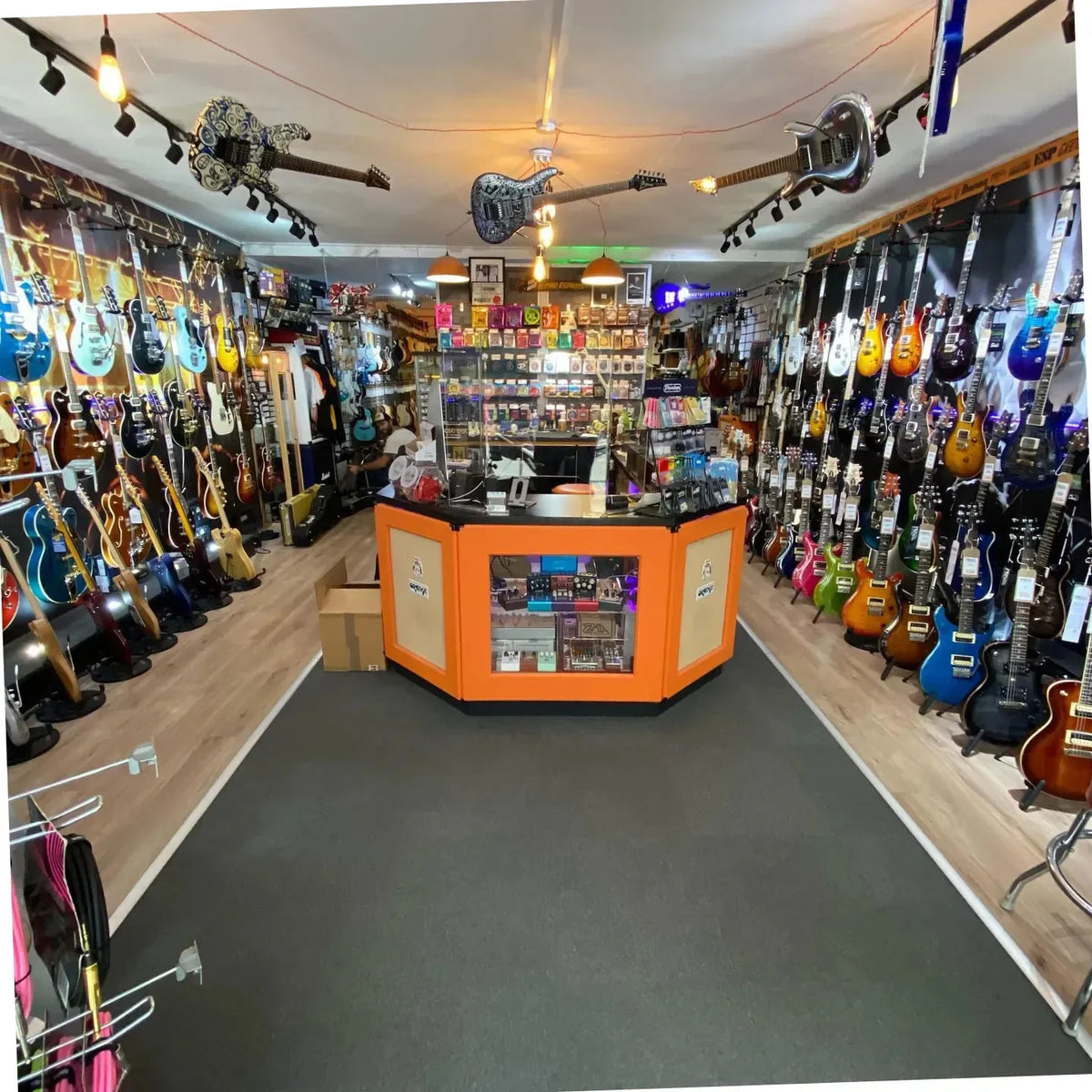
Marketplace choice matters more than the guitar itself. Dedicated platforms like Reverb's marketplace offer price history tools, while local listings let you inspect in person. Each route carries different protection levels.
Specialist retailers sit at the safest end. MusicStreet's pre-owned selection is vetted, set up, and backed by a team that repairs instruments daily, which is a different proposition from an unverified private listing.
Conclusion: Making the Right Choice for Your Playing
The challenge with buying a used guitar is not finding one; it is finding one that plays properly. A guitar with a twisted neck or worn frets costs more to fix than it saved.
MusicStreet exists for exactly this problem. Our pre-owned range is hand-selected, professionally set up in our in-house workshop, and supported by a family-run team established in 2014. Every instrument ships with free delivery on orders over £99.
Browse our pre-owned guitars and new arrivals, or book a repair and setup if your current instrument needs attention. Get started with MusicStreet and own a guitar that plays the way it should.
Frequently Asked Questions
What should I look for when buying a used guitar?
When inspecting a used guitar, check the neck for warping or twists, examine the frets for deep grooves, and look for cracks in the body or headstock. Test the electronics by plugging into an amp and turning all knobs to listen for crackling. Verify the truss rod works and check the bridge for corrosion. If you are unsure, ask a professional retailer to inspect it for you before committing to the purchase.
Is it better to buy a new or used electric guitar for a beginner?
For beginners, a professionally set-up used guitar often offers better value than a budget new model. A well-maintained pre-owned instrument from a reputable brand will typically outplay and outlast a cheap new alternative. However, if you are unsure about inspecting instruments, buying from a specialist retailer that includes a setup and warranty provides peace of mind. The key is ensuring the guitar is playable and comfortable, regardless of whether it is new or used.
Do used guitars hold their value better than new ones?
Used guitars generally hold their value better because the initial depreciation has already occurred. A new guitar typically loses a significant portion of its retail value once purchased, whereas a pre-owned instrument has already absorbed that drop. According to Reverb's 2025 price index, used electric guitar prices have stabilised at around 10% below pandemic-era peaks. This means if you buy wisely, you can often resell a used guitar without losing much money.
How much can I save by purchasing a pre-owned instrument?
Savings vary by brand, condition, and model, but second-hand guitars are often available at lower prices than equivalent new models. The biggest savings are usually found on mass-produced models where supply is plentiful. For rare or vintage instruments, you may pay a premium rather than save. Always compare the asking price against current market data before committing, and factor in any potential setup costs.
What are the common hidden issues in second-hand guitars?
Common hidden issues include a warped neck, worn frets, a faulty truss rod, cracked solder joints in the electronics, and corrosion on the bridge or tuning pegs. Some sellers may also disguise previous repairs or refinishes. To avoid these problems, inspect the guitar thoroughly in person or buy from a retailer that professionally vets and sets up every instrument. A reputable seller will disclose any known issues and offer a return policy.

Share:
The Complete Bass Guitar Setup Guide